
The Science Behind Succulent Swelling: A Hydration Indicator

Welcome to SucculentEssentials.org, where the fascinating world of succulents unfolds before you! Dive into a universe of vibrant colors and unique textures, discovering the secrets to thriving succulent cultivation. But first, have you ever wondered about the subtle, yet crucial, signaling system within your succulents?
Learn how succulent swelling acts as a powerful hydration indicator – unlocking the key to optimal plant health. Explore the science behind this remarkable phenomenon and unlock the secrets to perfectly hydrated succulents. Read on to uncover the mysteries of Succulent Swelling: A Hydration Indicator and elevate your succulent care to a whole new level.
- Understanding Succulent Hydration: A Visual Cue
- Succulent Swelling as a Hydration Indicator: Interpreting the Signs
- Factors Affecting Succulent Swelling Beyond Hydration
- Using Succulent Swelling to Optimize Watering Practices
- Advanced Techniques for Hydration Assessment in Succulents
- Case Studies: Analyzing Succulent Swelling in Different Species
-
Frequently Asked Questions
- What is succulent swelling, and why does it happen?
- How can I tell if my succulent is properly hydrated by looking at its swelling?
- Is succulent swelling a reliable hydration indicator for all succulents?
- What should I do if my succulent is showing signs of under-watering or over-watering based on its swelling?
- Can other factors besides hydration affect succulent swelling?
- Final Reflection: The Silent Language of Swelling Succulents
- Unlock Your Succulents' Hydration Secrets!
Understanding Succulent Hydration: A Visual Cue
Succulents, with their remarkable ability to thrive in arid environments, have evolved fascinating mechanisms for water storage and conservation. One readily observable indicator of a succulent's hydration status is its degree of swelling or plumpness. This article delves into the science behind succulent swelling, exploring the physiological processes that contribute to this visual cue and how it can be used as a reliable hydration indicator for various succulent genera.
Understanding this crucial aspect of succulent physiology empowers enthusiasts to provide optimal care and prevent water-related stress in their beloved plants. We will examine the cellular mechanisms behind this swelling, focusing on specific examples to illustrate how different succulent species exhibit this hydration indicator.
Learning to interpret these visual cues is a key skill for any serious succulent cultivator, allowing for proactive adjustments to watering schedules and preventing potential plant damage. This knowledge will help you move beyond basic succulent care and into a deeper understanding of their fascinating adaptive strategies.
Water Storage in Echeveria Leaves and Stems
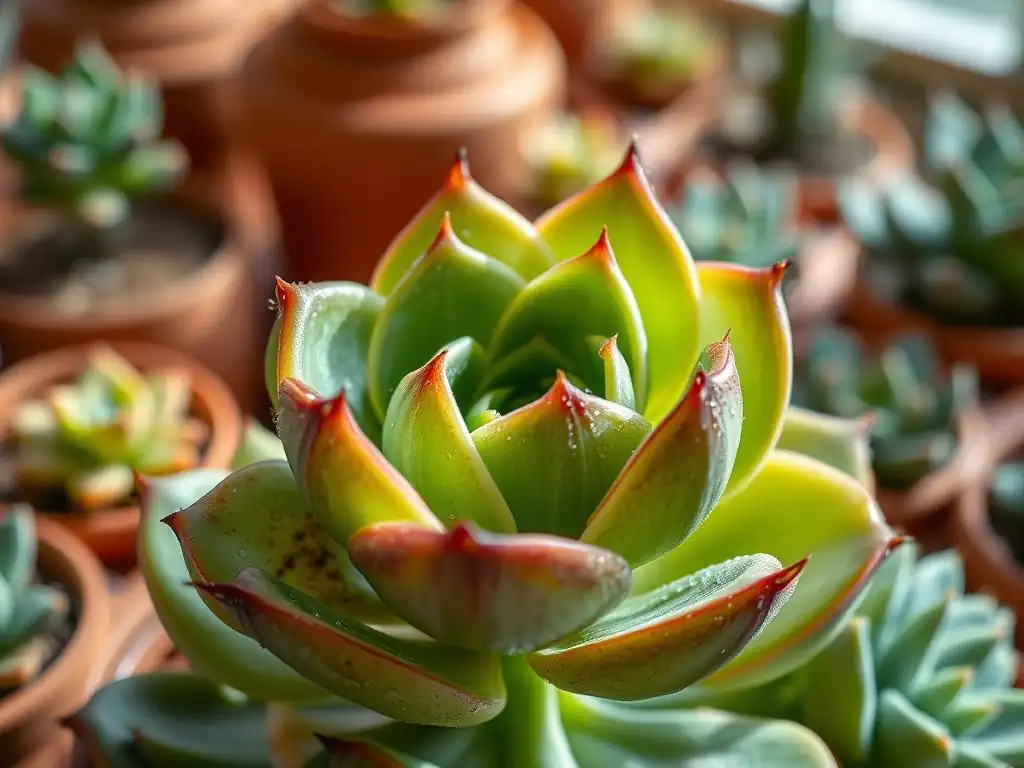
Echeveria succulents, known for their rosette-shaped leaves, are prime examples of plants that exhibit significant swelling changes in response to hydration. Their thick, fleshy leaves are specialized for water storage. When adequately hydrated, Echeveria leaves appear plump and firm, almost turgid. The cells within the leaves are filled with water, creating high turgor pressure. This pressure pushes against the cell walls, resulting in the overall plump appearance. Conversely, when dehydrated, the leaves become noticeably thinner and somewhat wrinkled, reflecting the loss of water and the decrease in turgor pressure within the cells. The degree of this plumpness or shrivelling provides a clear visual indication of the plant's hydration level. Careful observation of leaf thickness and firmness can therefore serve as a reliable method for determining when watering is necessary, preventing both underwatering and overwatering. The stems also show a similar change, becoming less rigid and potentially slightly drooping when dehydrated.
The Role of Cell Turgor Pressure in Sedum Swelling
The swelling observed in Sedum succulents is directly linked to cell turgor pressure. Sedum species, with their diverse leaf shapes and growth habits, display similar hydration-related swelling. The cells within their leaves and stems contain large vacuoles which act as reservoirs for water.
When water is abundant, these vacuoles fill, creating high turgor pressure. This pressure pushes the cell membrane against the cell wall, resulting in the characteristic plumpness associated with well-hydrated Sedum. The degree of plumpness serves as a direct reflection of the water content within the cells.
A decrease in turgor pressure, resulting from water loss, causes the vacuoles to shrink, leading to a reduction in cell volume and the resulting appearance of shriveled or deflated leaves and stems. Regular observation of Sedum plants for changes in plumpness is crucial for determining appropriate watering schedules and preventing stress. This involves paying close attention to the overall fullness of the leaves and the firmness of the stems.
Visual Indicators of Hydration: Plumpness vs. Shriveled Appearance in Haworthia
Haworthia succulents, often prized for their unique textures and patterns, also provide clear visual indicators of hydration through changes in plumpness. Well-hydrated Haworthia leaves exhibit a firm, plump appearance. The leaves feel full and resilient to the touch, reflecting the high turgor pressure within their cells. However, dehydration leads to a dramatic change; the leaves become noticeably thinner, softer, and often appear wrinkled or shriveled. This change is particularly noticeable in species with thicker leaves.
The degree of shrivelling can be a reliable indicator of the severity of dehydration. In extreme cases, the leaves might even become brittle and prone to damage. Regular monitoring of Haworthia leaf plumpness is crucial for timely watering and preventing irreversible damage. The transition from plumpness to shrivelling provides a clear visual cue to guide watering decisions, helping ensure the health and vitality of these fascinating succulents.
Succulent Swelling as a Hydration Indicator: Interpreting the Signs
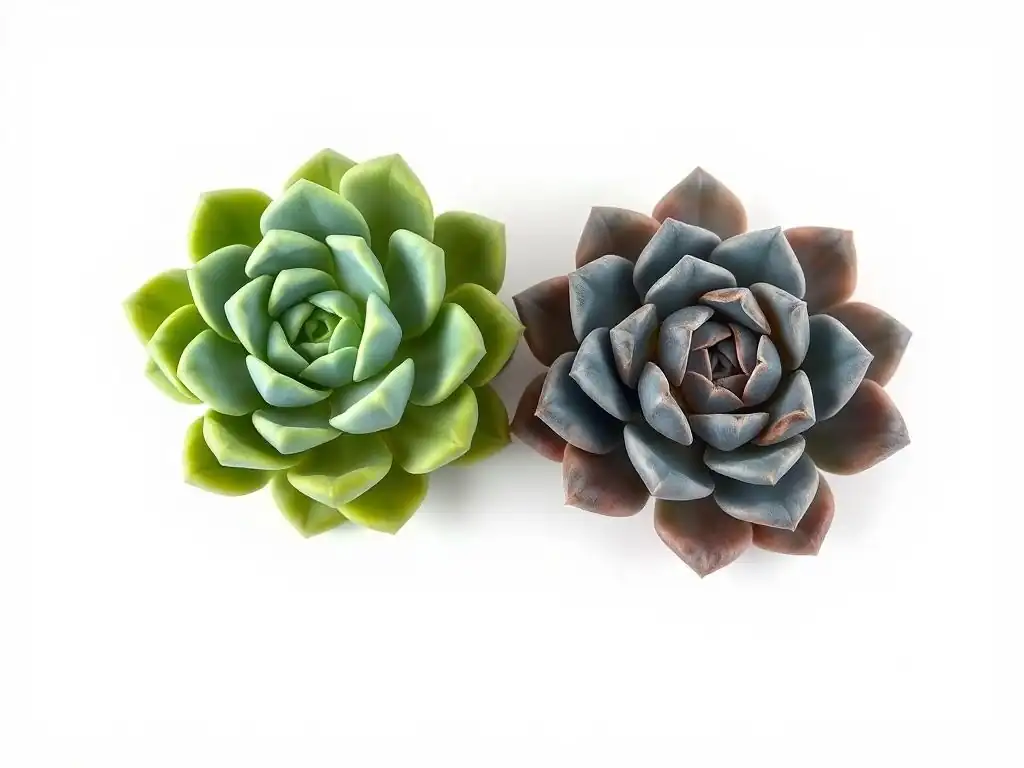
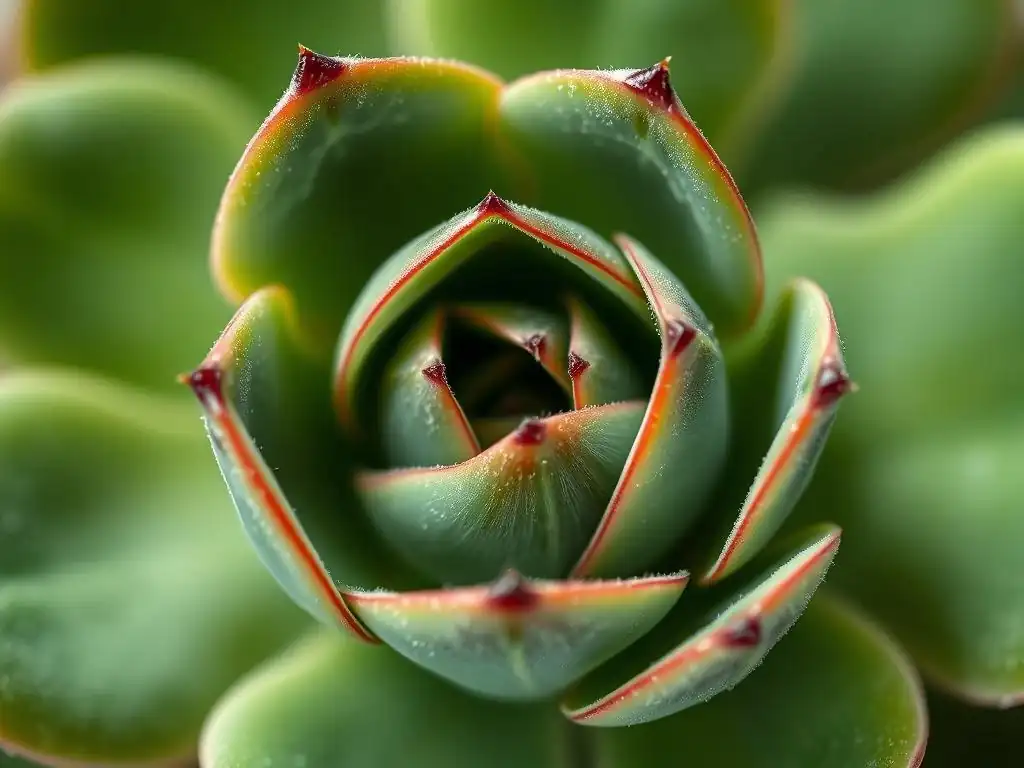
Succulent swelling serves as a valuable, albeit subtle, hydration indicator. Unlike plants with readily visible wilting, succulents employ a unique strategy: they adjust their turgor pressure – the internal water pressure within their cells – to manage water availability. This manifests as changes in their overall firmness and sometimes even visible swelling. Understanding these changes is crucial for successful succulent cultivation, allowing for timely intervention before serious dehydration or overwatering damage occurs.
Observing succulent swelling, alongside other visual cues, provides a comprehensive picture of the plant's hydration status. This section delves into the practical application of this knowledge, focusing on specific species and their typical responses to varying water levels. Mastering the art of interpreting these subtle signs is key to cultivating thriving succulents. The ability to accurately assess succulent hydration using swelling as a key indicator significantly reduces the risk of plant loss due to improper watering practices.
Assessing Succulent Firmness: A Practical Guide
Properly assessing succulent firmness requires a gentle touch and keen observation. Avoid squeezing too hard, which can damage the delicate tissues. Instead, gently press on the leaves or stems. A well-hydrated succulent will feel firm and plump.
The leaves will be turgid, exhibiting a noticeable "bounce-back" after gentle pressure. Conversely, an underwatered succulent will feel soft, pliable, and even slightly shriveled. The leaves might appear wrinkled or lack their usual plumpness. The degree of softness can indicate the severity of dehydration; slight softness might indicate a minor need for watering, while extreme softness suggests significant water stress.
Regularly checking the firmness of your succulents, especially during periods of high heat or drought, helps you establish a baseline for each plant and allows for early detection of hydration issues. This proactive approach is essential for preventing irreversible damage. Remember to compare the firmness of the succulent to its usual state; some succulents naturally have thicker or thinner leaves than others.
Recognizing Signs of Underwatering in Crassula ovata (Jade Plant)
Crassula ovata, commonly known as the Jade Plant, is a popular succulent known for its resilience. However, even this hardy species shows signs of underwatering through changes in leaf firmness and appearance. Underwatering in Crassula ovata is typically manifested as a loss of turgor pressure, leading to noticeable shrinkage and wrinkling of leaves. The leaves will feel less firm than usual, and their edges might appear slightly curled or shriveled. The overall appearance will be less vibrant, with leaves exhibiting a dull, slightly faded color.
Severe underwatering can lead to leaf drop, particularly from the lower branches. In extreme cases, the entire plant might appear deflated and lack its characteristic plumpness. Regular monitoring of leaf firmness and color is essential for preventing severe dehydration in Crassula ovata. Early detection allows for timely watering and prevents irreversible damage to the plant.
Identifying Overwatering Issues Through Swelling and Other Symptoms in Aloe vera
While underwatering leads to shrinkage, overwatering in succulents like Aloe vera can paradoxically lead to swelling, but it’s often accompanied by other, more concerning symptoms. Excessive watering causes the roots to become waterlogged, hindering their ability to absorb oxygen. This can lead to root rot, which then manifests in the leaves as unnatural swelling or puffiness. However, this swelling is different from the healthy plumpness of a well-hydrated plant; it feels soft and mushy, rather than firm. Other symptoms of overwatering in Aloe vera include:
- Yellowing or browning leaves: Indicative of root rot and nutrient deficiencies.
- Soft, mushy leaves: A clear sign of root rot.
- A foul odor emanating from the soil: Another strong indicator of root rot.
- Leaf discoloration: Leaves may develop dark spots or patches.
Unlike the firm swelling seen in well-hydrated succulents, the swelling associated with overwatering is a symptom of distress, and requires immediate action such as repotting with fresh, well-draining soil and adjusting watering practices to prevent further damage. Careful observation and prompt intervention are vital in managing overwatering issues in Aloe vera and other succulents. The key difference between healthy plumpness and unhealthy swelling lies in the overall plant health and the texture of the leaves. Healthy swelling is firm, while unhealthy swelling is soft and mushy.
Factors Affecting Succulent Swelling Beyond Hydration
Succulent swelling, while a primary indicator of hydration, isn't solely determined by water content. Several other crucial factors significantly influence a succulent's plumpness or shrinkage, sometimes masking the true hydration status. Understanding these nuances is vital for accurate assessment and effective succulent care. Ignoring these factors can lead to misinterpretations of a plant's needs, potentially resulting in overwatering or underwatering. This section will delve into some of these crucial non-hydration factors.
The Impact of Temperature and Sunlight on Succulent Appearance
Temperature fluctuations directly impact a succulent's turgor pressure and, consequently, its apparent swelling. Extreme heat can cause succulents to appear slightly shrunken, even if adequately hydrated. This is because high temperatures increase transpiration rates, leading to a temporary loss of water from the leaves. Conversely, cooler temperatures can slow down metabolic processes, potentially causing a slight increase in apparent swelling, even with consistent water uptake.
Sunlight intensity plays a similar role. Intense sunlight can trigger photoinhibition, a process where excessive light energy damages the photosynthetic machinery. This can lead to a temporary reduction in turgor pressure and a slightly less plump appearance. Conversely, succulents grown in low-light conditions might appear slightly larger due to slower water consumption and potentially less compact growth.
Consider Echeveria species. During a hot summer day, an Echeveria might appear slightly less plump than in the cooler evening, even if its water content remains relatively stable. This is a clear example of temperature impacting the visual perception of swelling, unrelated to actual hydration. Similarly, Sedum plants exposed to intense midday sun might exhibit temporary shrinkage, recovering their plumpness during the cooler parts of the day. Regular observation across different times of day is crucial to avoid misinterpreting these temporary changes as dehydration.
Seasonal Variations in Sempervivum Size and Shape
Seasonal changes significantly affect the size and shape of many succulents, notably Sempervivum (hen and chicks). These succulents often exhibit dramatic size variations throughout the year. During the active growing season (typically spring and summer), Sempervivum plants swell significantly as they produce new leaves and actively photosynthesize. This increased growth contributes to a larger, more plump appearance, even if the water content per leaf remains relatively constant.
Conversely, during the dormant season (autumn and winter), Sempervivum plants often shrink considerably. This reduction in size is not necessarily due to dehydration but rather a natural response to shorter days and cooler temperatures. The plant slows down its metabolic activities, conserving energy and reducing its overall size. This seasonal shrinkage is a normal physiological process and shouldn't be mistaken for a need for immediate watering. Observing the overall health of the plant, such as leaf color and firmness, is crucial to differentiate between actual dehydration and seasonal changes.
The Influence of Growth Stage on Dudleya Swelling
The growth stage of a succulent also plays a crucial role in its apparent swelling. Young Dudleya plants, for instance, tend to exhibit more rapid growth and, consequently, greater swelling than mature plants. This is because young plants are investing more energy in vegetative growth, leading to increased cell division and expansion. This increased growth contributes to a larger, more plump appearance, regardless of minor variations in water content.
Mature Dudleya plants, on the other hand, have reached a relatively stable size and focus more energy on reproduction (flowering and seed production). Their growth rate slows down, resulting in less dramatic changes in size and apparent swelling. Therefore, observing swelling in mature Dudleya plants requires a more nuanced understanding of their growth cycle and should not be solely interpreted as a hydration indicator. Understanding the plant's life cycle is critical for accurate assessment of its health and needs. A mature Dudleya might appear smaller than a younger one, but this doesn't necessarily mean it's dehydrated.
Using Succulent Swelling to Optimize Watering Practices
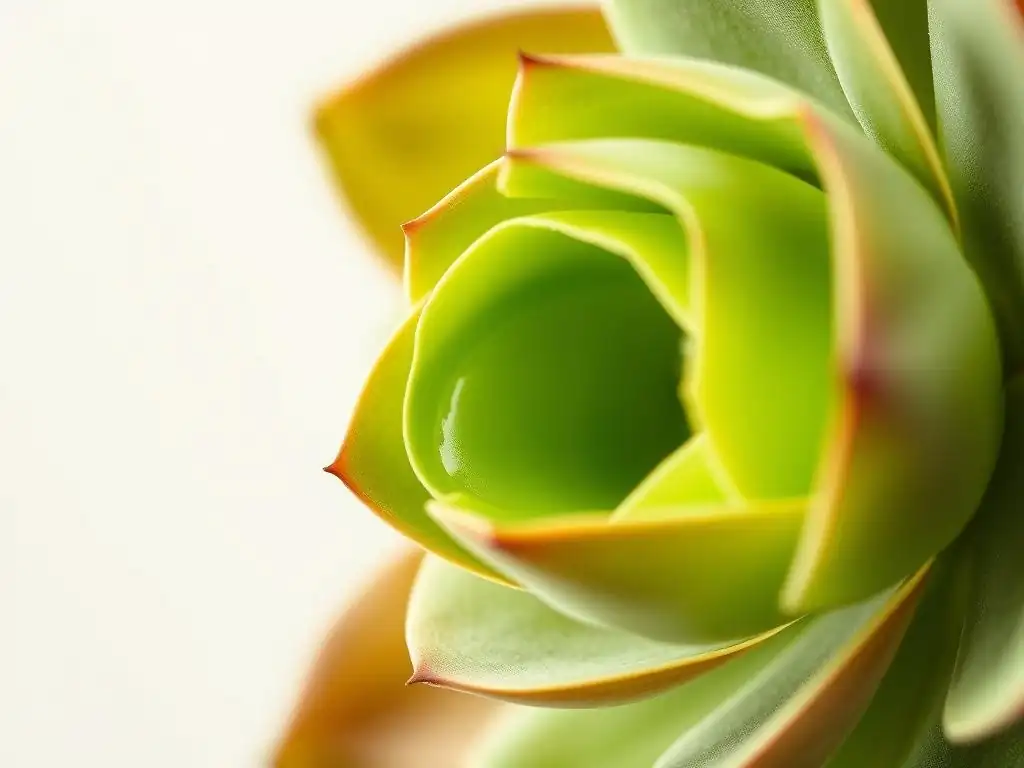
Succulent swelling, a visible change in plant volume due to water uptake, serves as a remarkably effective hydration indicator. Understanding this natural phenomenon allows succulent enthusiasts to refine their watering practices, minimizing the risk of both underwatering and overwatering, two common pitfalls in succulent cultivation. This section delves into the practical applications of observing succulent swelling to optimize plant health and longevity. Effective monitoring requires careful observation, understanding of species-specific swelling patterns, and a nuanced approach to watering schedules.
The key is to learn to interpret subtle changes in your plants' plumpness as signals of their hydration status. This method, combined with other techniques like checking soil moisture, allows for a more precise and responsive approach to succulent care. The ability to visually assess hydration significantly reduces the guesswork often associated with watering, leading to healthier, more vibrant plants.
Adjusting Watering Schedules Based on Echeveria Swelling
Echeveria succulents, known for their rosette formations and diverse colors, exhibit distinct swelling patterns in response to hydration. When adequately hydrated, Echeveria leaves appear plump and tightly arranged, creating a full, almost “closed” rosette. As the plant dehydrates, the leaves become noticeably thinner, softer, and may even begin to separate slightly, revealing the gaps between them.
This visual cue is a reliable indication that watering is required. However, the frequency of watering should be adjusted based on environmental factors such as temperature, humidity, and sunlight exposure. For instance, an Echeveria in a brightly lit, warm environment will likely require more frequent watering than one placed in a shady, cooler location.
To illustrate, let's consider two Echeveria plants: one situated on a sunny south-facing windowsill and the other in a north-facing room with indirect light. The plant on the south-facing windowsill might show signs of dehydration (leaf shrinkage) within 7-10 days, requiring watering. In contrast, the plant in the north-facing room might not require watering for 14-21 days, depending on the ambient humidity.
Consistent observation, paired with a detailed watering log, allows for the development of a precise watering schedule tailored to the specific conditions of each plant. This personalized approach ensures that the Echeveria receives the optimal amount of water without risk of root rot or dehydration stress. Remember, prevention is key; regular monitoring prevents extreme dehydration and associated leaf damage.
Preventing Overwatering and Underwatering Through Observation
The risk of overwatering and underwatering are both significant threats to succulent health. Overwatering leads to root rot, a fatal condition causing the roots to decay due to excessive moisture. Conversely, underwatering causes dehydration, leading to leaf shrinkage, discoloration, and ultimately, plant death. Observing succulent swelling provides a powerful tool to avoid these extremes.
| Hydration Status | Leaf Appearance | Soil Moisture | Action Required |
|---|---|---|---|
| Well-Hydrated | Plump, firm, tightly arranged (species-dependent) | Moist but not soggy | Monitor regularly; water only when necessary. |
| Slightly Dehydrated | Slightly less plump, leaves showing minor separation | Slightly dry | Water thoroughly; allow excess water to drain. |
| Severely Dehydrated | Significantly shrunken, soft, dull leaves; possible wrinkling | Very dry | Water immediately; monitor for signs of recovery. |
| Overwatered | Leaves may appear swollen but soft and mushy; possible discoloration | Soggy, constantly wet | Allow soil to dry completely; consider repotting if necessary. Inspect roots for rot. |
By carefully observing these subtle changes, you can avoid both extremes and maintain a healthy balance. Remember that the timing between waterings will vary significantly depending on the species, pot size, soil type, and environmental conditions. The key is consistent observation and adaptation to the specific needs of your plants. Regular monitoring empowers you to intervene before the problem becomes critical. A proactive approach, guided by visual cues, ensures the health and vitality of your succulent collection.
Maintaining Optimal Hydration for Healthy Sedum Growth
Sedum succulents, a diverse genus known for their resilience and adaptability, also demonstrate visible swelling changes reflecting their hydration status. However, Sedum species often exhibit a slightly different response compared to Echeveria. While Echeveria leaves might become noticeably thinner and softer when dehydrated, some Sedum species may display more subtle changes, such as a slight loss of turgor pressure, causing the stems to become less rigid. Others might show a change in leaf color, becoming slightly paler or duller.
The key to successfully using swelling as a hydration indicator for Sedum is to establish a baseline. Observe your plants when they are optimally hydrated. Note the firmness of the leaves and stems, and the overall color. This baseline will serve as a reference point for future observations. As the plants begin to dehydrate, you'll notice a gradual deviation from this baseline – a subtle softening of leaves or a slight droop in the stems.
This is your signal that watering is needed. Regularly monitoring for these subtle changes allows for timely intervention, preventing severe dehydration and ensuring healthy Sedum growth. It is important to remember that different Sedum species may exhibit variations in their swelling patterns, making careful observation and species-specific knowledge crucial for optimal care. The goal is to cultivate a keen eye for detail, allowing you to anticipate your plants' needs and provide the appropriate care.
Advanced Techniques for Hydration Assessment in Succulents
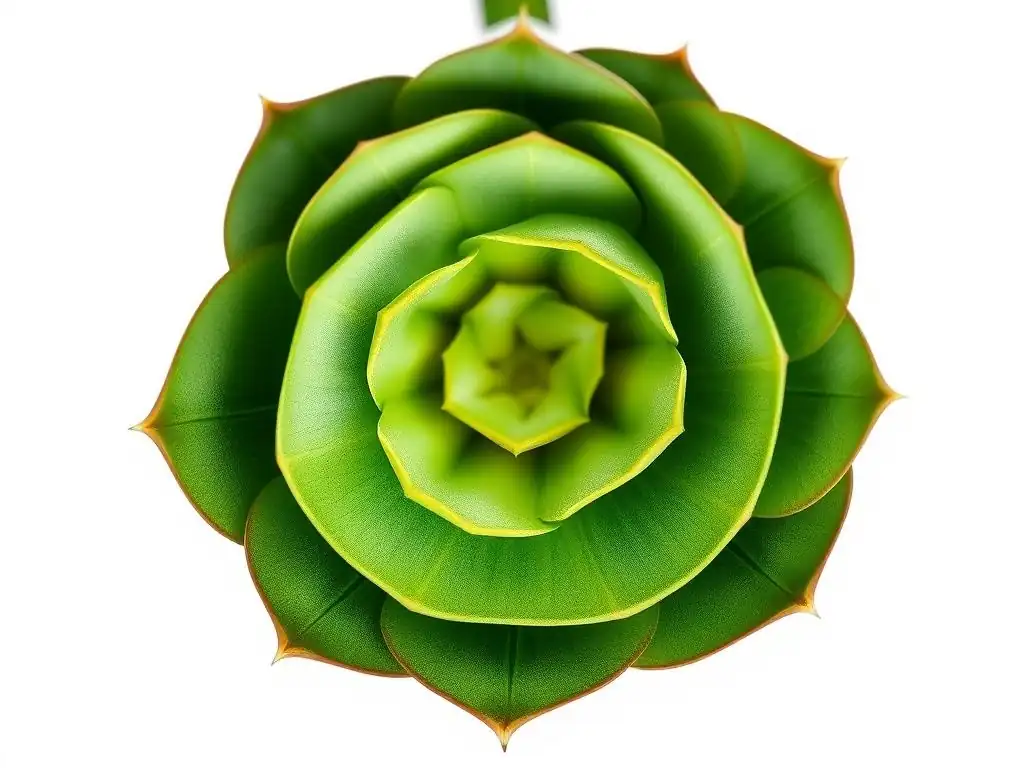
This section delves into more sophisticated methods for determining succulent hydration levels beyond simple visual inspection. While observing succulent swelling is a valuable initial step, combining this with other techniques provides a more comprehensive understanding of the plant's water status and allows for more precise interventions. This approach is crucial for ensuring the long-term health and vitality of your succulent collection. Mastering these techniques will transform you from a casual observer to a true succulent hydration expert, allowing you to preemptively address potential issues and promote optimal plant growth.
Using a Moisture Meter to Complement Visual Inspection
Visual assessment of succulent swelling offers a quick overview of hydration, but it's not always foolproof. Soil moisture content plays a crucial role in a succulent's ability to absorb water, even if the plant itself appears plump. A moisture meter provides a more objective measurement of soil hydration, allowing you to correlate this data with the visual assessment of succulent swelling. Using a moisture meter alongside visual inspection provides a more accurate picture of the plant’s hydration status.
For example, a succulent might appear slightly shriveled (indicating potential dehydration), but a moisture meter reading reveals the soil is still quite moist. This discrepancy suggests a problem with water uptake, possibly due to root rot or compacted soil, rather than a simple lack of watering. Conversely, a plump succulent in seemingly dry soil might indicate excellent water retention within the plant’s tissues.
Different types of moisture meters exist; some measure the electrical conductivity of the soil, while others utilize a sensor to detect moisture levels. Regardless of the type, it's essential to follow the manufacturer’s instructions carefully for accurate readings. Remember to calibrate your meter regularly for optimal performance. Regular use of a moisture meter coupled with visual observation of succulent swelling allows for a nuanced understanding of the plant’s hydration needs.
Understanding the Relationship Between Soil Moisture and Succulent Swelling
The relationship between soil moisture and succulent swelling is not always linear. While sufficient soil moisture is crucial for proper hydration, overwatering can lead to root rot, hindering water uptake and paradoxically resulting in shriveled succulents. Understanding this complex interplay is key to successful succulent care.
Several factors influence this relationship:
- Soil type: Well-draining soil allows for efficient water absorption and prevents waterlogging, which is crucial for succulent health. Poorly draining soil can lead to root rot even with infrequent watering.
- Pot size and material: Larger pots retain moisture longer than smaller ones, while terracotta pots allow for greater evaporation than plastic ones. This affects the frequency of watering and the rate at which the soil dries out.
- Environmental conditions: High temperatures and low humidity lead to faster water evaporation from the soil, requiring more frequent watering. Conversely, cooler, more humid environments may require less frequent watering.
Observing both soil moisture levels and succulent swelling helps to fine-tune watering schedules, preventing both underwatering and overwatering, two common causes of succulent stress and decline. Consistent monitoring allows for proactive adjustments based on the specific needs of your plants and their environment.
Troubleshooting Hydration Issues Based on Swelling Patterns
Analyzing succulent swelling patterns can help diagnose and address hydration problems. For instance, consistently shriveled leaves, despite adequate watering, might indicate root rot, a pest infestation, or a nutrient deficiency. Conversely, overly plump leaves might suggest overwatering or poor drainage.
| Swelling Pattern | Potential Cause(s) | Corrective Actions |
|---|---|---|
| Severely shriveled | Severe underwatering, root rot, pest infestation | Increase watering frequency (if not root rot), treat pests, repot if root rot is suspected |
| Slightly shriveled | Mild underwatering, environmental stress | Adjust watering schedule, improve environmental conditions |
| Overly plump, soft | Overwatering, poor drainage | Allow soil to dry completely, improve drainage |
| Uneven swelling | Localized root damage, pest infestation in specific areas | Address the root damage, treat pests |
By carefully monitoring succulent swelling and correlating it with soil moisture levels and other observations, you can effectively diagnose and address hydration issues, ensuring the continued health and beauty of your succulent collection. Remember, consistent observation and a proactive approach are key to successful succulent cultivation. The more you understand the subtle nuances of succulent swelling, the better equipped you will be to provide optimal care.
Case Studies: Analyzing Succulent Swelling in Different Species
This section delves into specific examples of succulent swelling, highlighting the variations in hydration indicators across different species. Understanding these variations is crucial for accurate watering practices and overall plant health. We'll examine the swelling patterns and hydration needs of three popular succulent genera, demonstrating how subtle changes in leaf or stem turgor can signify the plant's water status. Observing these subtle cues is key to mastering succulent care and preventing overwatering or underwatering. This detailed analysis of succulent swelling serves as a practical guide for discerning succulent enthusiasts seeking to refine their plant care techniques.
Echeveria agavoides: Swelling Patterns and Hydration Needs
Echeveria agavoides, also known as the "Mexican Snowball," exhibits a characteristic swelling pattern primarily in its thick, fleshy leaves. When well-hydrated, the leaves appear plump and firm, almost bulging slightly at their bases. Conversely, dehydration leads to a noticeable decrease in leaf thickness; they become visibly thinner and slightly less rigid, sometimes exhibiting a slightly wrinkled texture. The color can also shift, with well-hydrated Echeveria agavoides displaying vibrant, intense colors, while dehydrated plants may appear duller and slightly paler.
The rate of swelling and shrinking in Echeveria agavoides is relatively slow compared to some other succulent species. This slow response allows for a margin of error in watering, but consistent monitoring remains crucial. Overwatering can lead to root rot before visible changes in leaf turgor are observed, highlighting the importance of well-draining soil and infrequent, thorough watering. Regularly assessing leaf firmness, color vibrancy, and overall plant turgidity is essential to prevent both under- and overwatering, maximizing the chances of healthy growth and minimizing the risk of succulent swelling issues.
Sedum morganianum: Swelling Patterns and Hydration Needs
Sedum morganianum, the celebrated "Burro's Tail," presents a unique case study. Its long, trailing stems, covered in plump, cylindrical leaves, offer a different perspective on hydration indicators compared to the rosette-forming Echeveria. Instead of solely relying on leaf thickness, the overall firmness and "droopiness" of the stems serve as key hydration indicators.
When adequately hydrated, the stems of Sedum morganianum hang downward gracefully, with leaves appearing plump and tightly packed along the stems. Dehydration, however, results in a noticeable drooping of the stems, with leaves appearing thinner and more spaced out. The stems themselves may become noticeably less rigid, almost wilting in extreme cases of water stress.
Unlike Echeveria, color change is less pronounced in Sedum morganianum as a hydration indicator. The primary focus here is on stem firmness and leaf spacing along the stems for accurate hydration assessment. This makes precise watering crucial to prevent stem damage and maintain the plant's attractive cascading form.
Haworthia attenuata: Swelling Patterns and Hydration Needs
Haworthia attenuata, with its characteristic bumpy, translucent leaves, provides another interesting example of succulent swelling as a hydration indicator. The hydration status of this succulent is reflected not only in the plumpness of its leaves, but also in the overall turgidity of the plant.
When well-hydrated, the leaves of Haworthia attenuata appear plump and their characteristic tubercles (the bumpy protrusions) are clearly defined and firm to the touch. The leaves also exhibit a healthy translucency. Dehydration causes the leaves to become noticeably thinner and less turgid, losing their plumpness and the tubercles becoming less prominent. The translucency diminishes, and the leaves may appear somewhat duller.
Unlike some succulents, Haworthia attenuata is relatively sensitive to overwatering, so careful monitoring of leaf turgor and the overall firmness of the plant is essential to prevent root rot. Regular assessment of these visual cues is critical for successful cultivation of this unique and beautiful succulent. Proper watering, coupled with well-draining soil, is key to maintaining the healthy plumpness and translucency of its leaves.
Frequently Asked Questions
What is succulent swelling, and why does it happen?
Succulent swelling is a visual indicator of a plant's hydration levels. It occurs because succulents absorb water and their cells expand, causing the leaves or stems to become plump. This is a natural process.
How can I tell if my succulent is properly hydrated by looking at its swelling?
A firm, plump appearance indicates good hydration. Soft, wrinkled, or shriveled succulents are under-watered. Conversely, overly swollen succulents might be over-watered.
Is succulent swelling a reliable hydration indicator for all succulents?
While generally reliable, the degree of swelling can vary between different succulent species. Some species naturally appear plumper than others, even when properly hydrated. Observe your specific succulent type's normal appearance.
What should I do if my succulent is showing signs of under-watering or over-watering based on its swelling?
Adjust your watering schedule accordingly. Under-watered succulents need a thorough watering (allowing excess water to drain). Over-watered succulents need less frequent watering and improved drainage.
Can other factors besides hydration affect succulent swelling?
Yes, factors such as temperature, light exposure, and even the time of year can influence a succulent's appearance. Consider these factors alongside swelling when assessing hydration.
Final Reflection: The Silent Language of Swelling Succulents
The subtle swell of a succulent leaf isn't just a visual cue; it's a vital indicator of its overall health and a powerful testament to the intricate dance between plant and environment. Understanding this silent language allows us to become more attuned to the needs of these fascinating plants, fostering a deeper connection with the natural world and ensuring their continued thriving.
Observing the subtle changes in my own succulents has been a deeply rewarding experience, transforming my care from a routine task into a mindful practice. It's a constant reminder of the delicate balance required for life to flourish, even in the seemingly simple world of these desert dwellers. The earth laughs in flowers.
- Ralph Waldo Emerson. This quote perfectly encapsulates the joy and wonder that comes from understanding and appreciating the intricate mechanisms of plant life, even something as seemingly simple as a succulent's swelling.
Now, consider your own succulents. Are they plump and happy, or are they signaling a need for attention? Take a moment to observe their subtle cues – the firmness of their leaves, the slight changes in their shape. This mindful observation will not only improve the health of your plants but also deepen your appreciation for the interconnectedness of life. Let the swelling of your succulents be a constant reminder of the beauty and resilience found in nature's subtle signals.
Unlock Your Succulents' Hydration Secrets!
Congratulations on delving into the science of succulent hydration! You've gained valuable knowledge to help your plants thrive. Ready to put this knowledge into practice?
- Mastering Succulent Watering: Pay close attention to subtle changes in your succulents' plumpness – these are crucial indicators of their hydration levels. Adjust your watering schedule accordingly to maintain optimal hydration. This is key to their health.
- Share Your Expertise: Are your friends struggling with succulent care? Share this article on social media and help build a thriving community of succulent enthusiasts!
- Continue Learning: Explore our website's resources on succulent care to discover even more tips for happy, healthy plants.
What watering techniques have you found most effective for your succulents? Share your experiences in the comments below!