
Desert Biodiversity: How Succulents Contribute to Ecosystem Balance


Welcome to SucculentEssentials.org, where the fascinating world of succulents unfolds before you! Prepare to be captivated by the beauty and resilience of these remarkable plants. But did you know succulents play a surprisingly crucial role in their environment? Discover the secrets behind their impact on desert biodiversity and the vital contribution they make to a thriving ecosystem in our in-depth article, "Desert Biodiversity: How Succulents Contribute to Ecosystem Balance." Dive in and uncover the hidden wonders of these miniature desert powerhouses!
- The Crucial Role of Succulents in Arid Ecosystems
- Biodiversity Support: Succulents as Habitat and Food Source
- Succulent Ecosystem Contribution: Resilience and Adaptation in Changing Climates
- Threats to Desert Succulent Biodiversity and Conservation Efforts
- The Future of Succulent Research and Ecosystem Management
-
Frequently Asked Questions
- What is the main role of succulents in desert ecosystems?
- How do succulents contribute to soil health in arid regions?
- What animals depend on succulents for survival?
- How does the water retention of succulents impact the desert ecosystem?
- Are all succulents equally important to the desert ecosystem's contribution?
- Final Reflection: The Silent Strength of Succulents
- Unlock the Secrets of Desert Thriving!
The Crucial Role of Succulents in Arid Ecosystems
Succulents, often admired for their striking beauty and resilience, play a far more significant role than mere aesthetic appeal. This article delves into the crucial contribution of succulents to the delicate balance of desert ecosystems, exploring their impact on water conservation, nutrient cycling, soil stability, and the intricate web of interactions with soil microorganisms. Understanding this contribution is vital for appreciating the ecological importance of these fascinating plants and for implementing effective conservation strategies in arid and semi-arid regions.
The keyword "Succulent ecosystem contribution" highlights the core theme of this exploration, emphasizing the multifaceted ways in which succulents shape and sustain their environment. We will examine specific mechanisms and provide real-world examples to illustrate the profound influence these seemingly simple plants exert on desert biodiversity. The survival and prosperity of many desert species are intrinsically linked to the presence and health of succulent populations.
Water Retention and Nutrient Cycling in Desert Environments
Succulents are masters of water conservation. Their specialized tissues, such as the parenchyma cells in their leaves and stems, allow them to store significant amounts of water during infrequent rainfall. This stored water isn't just for the succulent's survival; it also contributes to the overall water cycle in the desert. When succulents release water through transpiration, it increases atmospheric humidity, creating microclimates that benefit other organisms.
Furthermore, the decomposition of succulent tissues after their natural life cycle or death enriches the soil with essential nutrients. These nutrients, often scarce in desert environments, become available to other plants and microorganisms, supporting a more diverse and productive ecosystem. For example, the nutrient-rich decaying matter from Agave americana plants provides vital sustenance for smaller desert plants and fungi. The efficient water use and nutrient cycling facilitated by succulents are key factors in maintaining the overall health and stability of the desert ecosystem.
Succulent Root Systems: Impact on Soil Stability and Erosion Control
The root systems of succulents are often extensive and surprisingly robust, given the apparent fragility of some species. This extensive root network plays a vital role in soil stabilization. The dense network of roots binds the soil particles together, preventing erosion caused by wind and water. This is particularly critical in desert environments, where sparse vegetation leaves the soil vulnerable to degradation.
The intricate root systems of succulents create a physical barrier against erosion, protecting the topsoil and preventing the loss of valuable nutrients. Studies have shown that areas with high succulent density exhibit significantly reduced erosion rates compared to areas with less succulent cover. Specific examples include the stabilizing effect of Opuntia cacti in preventing soil loss on steep slopes and the contributions of smaller succulents like Sedum species in binding loose sandy soils. 💧
The Interplay Between Succulents and Soil Microorganisms
The relationship between succulents and soil microorganisms is a complex and mutually beneficial one. Succulents contribute to the soil microbial community through the release of organic matter during decomposition. This organic matter provides a food source for various microorganisms, including bacteria and fungi, which in turn contribute to nutrient cycling and soil health. In addition, some succulents have symbiotic relationships with mycorrhizal fungi, which enhance nutrient uptake by the plants.
These fungi extend the reach of the succulent's root system, allowing access to water and nutrients that would otherwise be unavailable. This symbiotic interaction creates a positive feedback loop, where the health of the succulents enhances the soil microbial community, which in turn further supports the growth and survival of the succulents. The intricate web of interactions between succulents and soil microorganisms is a crucial component of the desert ecosystem's resilience and biodiversity. 🦠
Biodiversity Support: Succulents as Habitat and Food Source
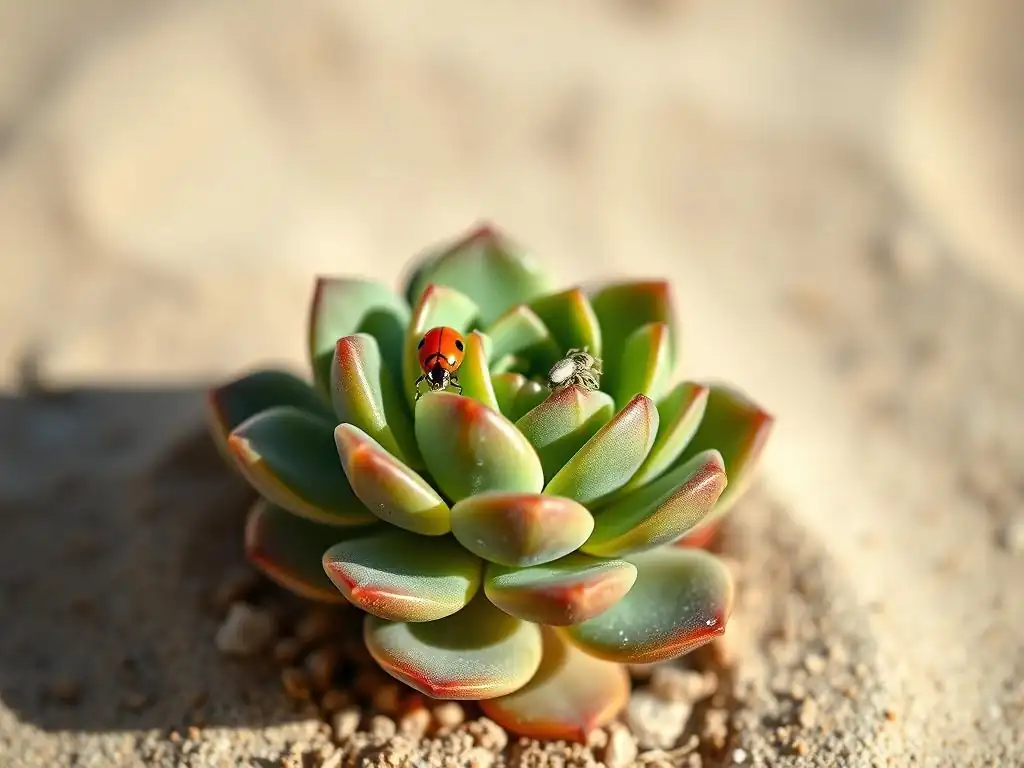
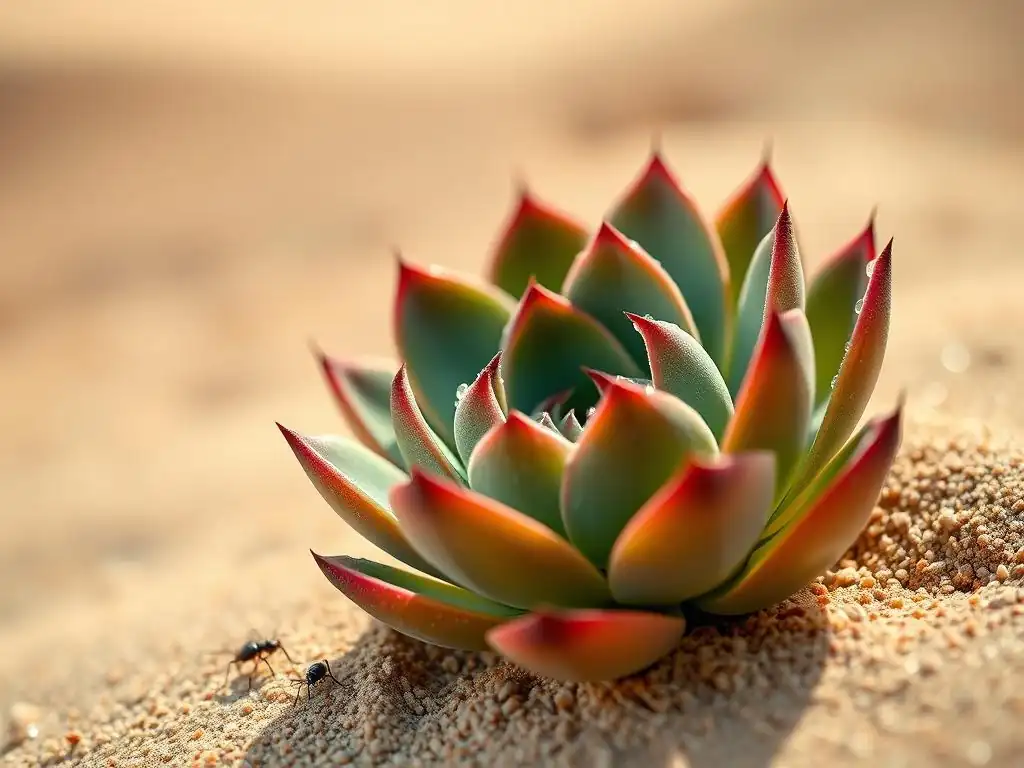
Succulents play a surprisingly significant role in maintaining the delicate balance of desert ecosystems. Their unique adaptations to arid conditions not only allow them to thrive but also provide crucial support for a wide array of desert fauna. Understanding the multifaceted contribution of succulents to desert biodiversity is vital for conservation efforts and responsible landscaping practices. The "Succulent ecosystem contribution" is far-reaching and often underestimated.
Succulents as Shelter for Desert Fauna: Insects, Reptiles, and Birds
Many desert animals rely on succulents for shelter and protection from the harsh elements. The dense, spiny leaves of some species, like Agave and Yucca, offer refuge for small insects, reptiles, and even nesting sites for small birds. These plants provide shade during the scorching midday sun and protection from predators at night.
For example, the prickly pear cactus ( Opuntia) provides habitat for a variety of insects, including scale insects which, while sometimes parasitic, also contribute to the overall food web. Lizards and snakes utilize the cactus's structure for cover, blending seamlessly into the spiny landscape. Certain bird species, like the Cactus Wren, cleverly build their nests within the protective spines of the prickly pear, utilizing the cactus's structure for both shelter and camouflage.
This intricate relationship highlights the importance of succulents as keystone species in maintaining desert biodiversity. The structural complexity offered by various succulent species is often overlooked in assessments of their ecological importance.
Nectar and Pollen Production: Supporting Pollinator Communities
Beyond providing shelter, many succulents contribute significantly to the pollination services crucial for desert plant communities. Many succulent species produce copious amounts of nectar and pollen, attracting a diverse array of pollinators including bees, butterflies, moths, and even bats. This nectar and pollen are vital food sources for these animals, supporting their survival and reproduction, and ensuring the continued genetic diversity within the plant community.
The timing of flowering in different succulent species is often staggered, providing a continuous supply of food for pollinators throughout the year. This temporal diversity enhances the overall resilience of the ecosystem. Quantifying the exact contribution of each succulent species to pollinator communities requires further research; however, observations clearly indicate a strong positive correlation between succulent abundance and pollinator diversity in many arid environments. Data on specific nectar and pollen production rates for various succulents is needed to fully understand their role in maintaining healthy pollinator populations.
Seed Dispersal and Plant Propagation: The Role of Animals
Animals also play a vital role in the dispersal of succulent seeds, contributing to the propagation and genetic diversity of these plants. Many succulents produce fruits that are consumed by birds, rodents, and other animals. The seeds pass through the digestive system unharmed and are subsequently deposited in new locations through droppings, effectively expanding the succulent's range. Some succulents rely entirely on animal dispersal for their reproduction.
For instance, some Euphorbia species produce attractive fruits that are readily consumed by birds, facilitating seed dispersal over considerable distances. Similarly, the fleshy fruits of many Aloe species attract a range of animals, contributing to seed dissemination and the establishment of new populations. Understanding the specific interactions between succulents and seed-dispersing animals is essential for effective conservation strategies, ensuring the continued success of these unique plants in their fragile desert habitats.
Further studies are needed to fully map the seed dispersal networks and their impact on the spatial distribution of various succulent species. This research will help to better inform conservation efforts and sustainable land management practices.
Succulent Ecosystem Contribution: Resilience and Adaptation in Changing Climates
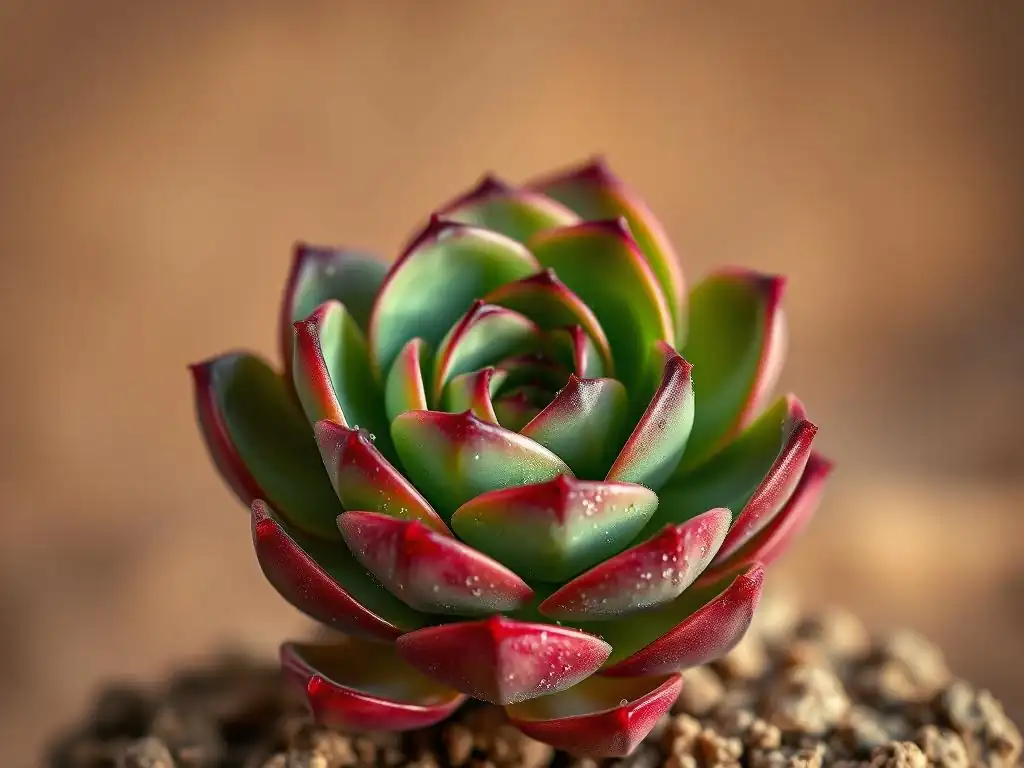
Succulents play a crucial, often underestimated, role in maintaining the delicate balance of desert ecosystems. Their remarkable adaptations allow them to thrive in harsh conditions, contributing significantly to the overall resilience and biodiversity of these fragile environments. Understanding the specific ways succulents contribute to their ecosystem is vital, especially in the face of increasing climate change pressures. This section will explore key aspects of succulent ecosystem contribution, focusing on their resilience and adaptive strategies. The term "succulent ecosystem contribution" highlights the multifaceted ways these plants impact their surroundings.
Drought Tolerance and Water Use Efficiency in Desert Succulents
Desert environments are characterized by unpredictable rainfall and prolonged periods of drought. Succulents have evolved sophisticated mechanisms to cope with water scarcity. Their succulent leaves and stems store water, acting as reservoirs during dry spells. This water storage capacity is crucial for sustaining the plant and contributing to the overall water cycle within the ecosystem. Furthermore, many succulents exhibit remarkable water use efficiency (WUE). They minimize water loss through transpiration by reducing leaf surface area, possessing thick cuticles, and employing specialized stomatal control.
For example, Agave americana (Century Plant) can store significant amounts of water in its fleshy leaves, releasing it slowly during drought. This helps maintain soil moisture levels, even during extended dry periods. Similarly, Opuntia species (prickly pear cacti) have evolved modified leaves (cladodes) that minimize water loss and provide a unique habitat for various insects and animals.
Studies have shown that the WUE of succulents is significantly higher compared to many other desert plants, contributing to the overall water conservation within the ecosystem. This efficient water management directly impacts other organisms reliant on available water resources, further underscoring their crucial ecosystem role. Further research into specific WUE values for different succulent species is needed to fully quantify their contribution.
Succulent Adaptations to Extreme Temperatures and Solar Radiation
Desert ecosystems are subject to extreme temperature fluctuations and intense solar radiation. Succulents possess several adaptations to mitigate these stresses. Many succulents have reflective surfaces, such as a waxy coating or trichomes (tiny hairs), which reduce the absorption of solar radiation. This helps to maintain a lower leaf temperature, preventing overheating and damage. Furthermore, some succulents employ CAM (Crassulacean Acid Metabolism) photosynthesis, a specialized process that allows them to open their stomata at night to reduce water loss while still efficiently capturing carbon dioxide.
The reflective surfaces of many succulents, such as the silvery coating on some Dudleya species, directly reduce the overall temperature of the immediate microclimate. This can have a positive impact on other plants and organisms that share the same habitat. The CAM photosynthetic pathway, while energy-intensive, is crucial for survival in arid conditions and helps maintain a relatively stable ecosystem even under extreme heat stress.
Further studies are needed to fully understand the extent to which these adaptations influence the overall thermal balance of the desert ecosystem. Understanding the exact impact on temperature regulation requires more detailed studies on specific succulent species in their natural habitats.
The Importance of Succulent Biodiversity in Maintaining Ecosystem Stability
The diverse array of succulent species within a desert ecosystem contributes to its overall stability and resilience. Different succulent species occupy various ecological niches, providing diverse habitats and resources for a wide range of animals, insects, and microorganisms. This biodiversity enhances the ecosystem's ability to withstand environmental disturbances, such as drought, fire, or invasive species. The loss of succulent biodiversity can have cascading effects on the entire ecosystem, potentially leading to a decline in overall stability and functionality.
For example, the nectar and fruits of many succulents provide crucial food sources for pollinators and seed dispersers. The structural complexity of some succulent species provides shelter and nesting sites for various animals. The intricate root systems of succulents can help prevent soil erosion and improve water infiltration.
Maintaining the genetic diversity within succulent populations is essential to ensure their long-term survival and their continued contribution to the ecosystem. The loss of even a single succulent species can have significant consequences for the entire food web and the overall health of the desert ecosystem. Continued research and conservation efforts are crucial to protect this vital component of desert biodiversity and its contribution to a healthy environment.
Threats to Desert Succulent Biodiversity and Conservation Efforts

The seemingly resilient nature of succulents belies the fragility of their existence within the delicate balance of desert ecosystems. Understanding the threats to succulent biodiversity is crucial for implementing effective conservation strategies and ensuring the long-term survival of these fascinating plants. The "succulent ecosystem contribution" is significant, and its preservation demands our attention. Multiple factors, acting synergistically, pose significant challenges to the flourishing of succulent populations. These threats are interconnected and require holistic approaches for mitigation.
Habitat Loss and Fragmentation: Impacts on Succulent Populations
Habitat loss, primarily driven by urbanization, agricultural expansion, and infrastructure development, is a major threat to desert succulent populations. The conversion of natural habitats into human-dominated landscapes directly reduces the area available for succulents to grow and reproduce. This is particularly damaging because many succulent species have limited dispersal capabilities, making recolonization of lost habitats extremely difficult. Furthermore, habitat fragmentation, the breaking up of large, continuous habitats into smaller, isolated patches, isolates populations, limiting gene flow and increasing their vulnerability to extinction.
For example, the development of housing projects in the Sonoran Desert has led to the significant reduction of suitable habitats for Opuntia basilaris, the beavertail cactus, a keystone species in many desert communities. The fragmentation of its habitat has resulted in smaller, genetically isolated populations, making them more susceptible to diseases and environmental changes. Studies have shown a direct correlation between habitat fragmentation and decreased genetic diversity in several succulent species, reducing their adaptive potential.
This underscores the urgent need for careful land-use planning that prioritizes the conservation of existing succulent habitats and the creation of ecological corridors to connect fragmented populations. The impact on the overall "succulent ecosystem contribution" is substantial when considering the ripple effect of losing keystone species.
Climate Change and its Effects on Desert Ecosystems
Climate change is exacerbating existing threats to desert succulents, presenting a multifaceted challenge to their survival. Rising temperatures, altered precipitation patterns, and increased frequency of extreme weather events are disrupting the delicate balance of desert ecosystems. Prolonged droughts, for instance, can lead to increased mortality rates among succulents, particularly those with limited drought tolerance. Conversely, unusually intense rainfall events can cause soil erosion and damage to succulent plants.
The changing climate also affects the interactions between succulents and other organisms within the desert ecosystem. Changes in pollinator populations, for example, can negatively impact the reproductive success of succulents that rely on specific pollinators. Similarly, shifts in the distribution and abundance of herbivores can alter the competitive dynamics among plant species.
Data from long-term monitoring programs in various desert regions show a clear trend of increasing succulent mortality rates correlated with rising temperatures and decreasing rainfall. This highlights the urgent need for research focused on understanding the specific impacts of climate change on different succulent species and the development of adaptive management strategies to enhance their resilience. The "succulent ecosystem contribution" is profoundly affected by these shifts in the delicate balance of the ecosystem.
Conservation Strategies for Protecting Desert Succulents and their Habitats
Effective conservation strategies for desert succulents require a multi-pronged approach that addresses the various threats they face. These strategies should focus on both in situ (on-site) and ex situ (off-site) conservation methods.
In situ conservation efforts should prioritize the protection and restoration of existing succulent habitats. This includes establishing protected areas, implementing sustainable land management practices, and controlling invasive species that compete with native succulents. Creating wildlife corridors to link fragmented habitats is also essential for maintaining gene flow and increasing the resilience of succulent populations.
Ex situ conservation involves the establishment of seed banks and botanical gardens to preserve genetic diversity and provide a safety net for endangered species. These facilities play a crucial role in safeguarding succulents from extinction and providing a source of material for future restoration efforts. Furthermore, public awareness campaigns and educational programs are vital for promoting the importance of succulent conservation and encouraging responsible behavior among individuals and communities.
These combined efforts are essential to ensure the continued "succulent ecosystem contribution" and the preservation of these unique plants for future generations. The success of these strategies relies on collaborative efforts between scientists, policymakers, and local communities.
The Future of Succulent Research and Ecosystem Management
The future of succulent research hinges on a multidisciplinary approach, integrating botany, ecology, soil science, and even climate modeling. Understanding the intricate relationships between succulents and their environment is crucial for effective conservation strategies. This requires moving beyond simple species identification and delving into the complex web of interactions within desert ecosystems. For example, research into the root systems of different succulent species and their impact on soil stability and water retention is paramount.
This involves advanced techniques like isotopic analysis to trace water uptake patterns and detailed soil profile studies to understand nutrient cycling influenced by succulents. Furthermore, predictive modeling, incorporating climate change projections, can help anticipate the vulnerability of different succulent populations and inform proactive conservation measures. This holistic approach will be essential in building resilience against environmental change and preserving the unique biodiversity of succulent-rich deserts.
Understanding the Complex Interactions Within Desert Ecosystems
Succulents aren't merely passive inhabitants of desert ecosystems; they play active roles in shaping their environments. Their specialized physiology and morphology influence everything from soil structure to nutrient cycling and microclimate regulation. For instance, the dense root systems of some succulent species significantly improve soil stability, reducing erosion and preventing desertification.
Their water storage capacity contributes to overall water availability in the ecosystem, indirectly benefiting other organisms. Furthermore, the unique floral structures of many succulents attract specific pollinators, contributing to the overall biodiversity of the desert landscape. Understanding these intricate interactions requires long-term monitoring programs and detailed field studies, analyzing how succulents interact with other plants, animals, and the abiotic components of their environment.
This involves meticulous data collection on factors like soil moisture, nutrient levels, pollinator activity, and herbivory rates to build a comprehensive understanding of the ecological roles of succulents. The synergistic effects of these factors and the knock-on effects of succulent loss are still understudied areas requiring further investigation. The complexity underscores the need for more comprehensive ecological models that accurately reflect the contribution of succulents to desert ecosystem functioning.
Integrating Succulent Conservation into Sustainable Land Management Practices
Sustainable land management practices must explicitly incorporate succulent conservation. This involves moving beyond simply protecting existing succulent populations and actively restoring degraded habitats. This requires a shift in land-use practices, such as reducing livestock grazing pressure in areas with high succulent biodiversity.
Implementing sustainable water management techniques, such as rainwater harvesting and efficient irrigation, is crucial for maintaining the water balance in succulent-rich ecosystems. Furthermore, responsible tourism and ecotourism initiatives can generate revenue for conservation efforts while promoting public awareness. The integration of succulent conservation into broader land-use planning requires collaboration between researchers, policymakers, and local communities.
Effective strategies include the creation of protected areas, the implementation of sustainable grazing practices, and the development of community-based conservation programs. These strategies must be tailored to the specific ecological context, considering the unique challenges and opportunities presented by each region's specific succulent biodiversity. This necessitates detailed assessments of the ecological and socio-economic factors at play to develop effective, long-term solutions.
The Role of Education and Public Awareness in Protecting Desert Biodiversity
Raising public awareness about the ecological importance of succulents is crucial for their long-term conservation. Educational initiatives targeting diverse audiences, from schoolchildren to landowners, can foster a greater appreciation for desert biodiversity and the vital role succulents play. This includes interactive exhibits in museums and nature centers, educational workshops for local communities, and engaging online resources.
The dissemination of accurate and accessible information about succulent conservation is paramount. Public engagement campaigns, possibly featuring compelling visuals and stories, can effectively communicate the urgency of conservation efforts and inspire action. Furthermore, citizen science initiatives, allowing members of the public to participate in data collection and monitoring programs, can strengthen community involvement and generate valuable data for research.
By fostering a sense of stewardship and responsibility towards desert ecosystems, we can cultivate a culture of conservation that ensures the survival of these remarkable plants and the unique environments they inhabit. This collective effort is essential for safeguarding "succulent ecosystem contribution" for generations to come.
Frequently Asked Questions
What is the main role of succulents in desert ecosystems?
Succulents play a vital role in desert biodiversity by providing food and habitat for various animals. Their water storage capacity also helps stabilize the fragile desert environment.
How do succulents contribute to soil health in arid regions?
Their extensive root systems help prevent soil erosion, and decaying succulent matter adds organic material, improving soil structure and nutrient content. This is crucial in water-scarce environments.
What animals depend on succulents for survival?
Many desert animals, including insects, reptiles, and birds, rely on succulents for food and shelter. Some species even depend solely on specific succulent species for survival.
How does the water retention of succulents impact the desert ecosystem?
The water storage capacity of succulents helps moderate microclimates, providing a source of moisture for other organisms, and contributing to overall ecosystem stability.
Are all succulents equally important to the desert ecosystem's contribution?
While all succulents contribute, certain species play more significant roles due to their abundance, size, or the extent to which they support other organisms. Species diversity is key to a healthy succulent ecosystem.
Final Reflection: The Silent Strength of Succulents
The resilience of desert ecosystems, often perceived as barren wastelands, hinges on the often-overlooked contribution of succulents. Their seemingly simple existence belies a complex web of life support, crucial for the survival of countless species and the overall health of arid environments. Understanding this contribution is not merely an academic exercise; it's vital for effective conservation strategies in a world facing increasing desertification.
The profound impact of succulents extends far beyond their aesthetic appeal; they are keystone species, shaping the very fabric of their environments. Their ability to store water and nutrients, coupled with their unique adaptations, provides sustenance and shelter for a diverse array of animals, from insects to reptiles to birds. The desert, though seemingly lifeless, is full of hidden wonders, and the succulent plants are among its most remarkable treasures.
This quote encapsulates the often-unseen beauty and importance of these remarkable plants, highlighting the need for greater appreciation and protection of their habitats.
Consider the role succulents play in your own understanding of biodiversity. Think about the interconnectedness of life, and how even the seemingly smallest organisms can have a profound impact on the larger ecosystem. Let the silent strength of the succulent inspire you to appreciate the delicate balance of nature and to actively participate in its preservation. Learn more about the plants in your local environment, and consider how you can contribute to their protection. The future of our deserts, and indeed, the planet, depends on it.
Unlock the Secrets of Desert Thriving!
Thank you for exploring the amazing world of desert biodiversity with us! You've gained a deeper appreciation for the crucial role succulents play in these delicate ecosystems. Ready to take the next step?
- Start your own mini-desert garden: Choose a few hardy succulents like Aloe vera or Echeveria and create your own thriving microcosm. It's a rewarding project that connects you directly to the beauty and resilience of desert life.
- Share this article: Inspire others to appreciate the importance of desert conservation by sharing this article with friends and family who value nature.
- Support native desert plants: Research native desert plants in your region and learn how to support their growth and preservation. This could involve participating in local conservation efforts or simply ensuring your gardening practices are environmentally responsible.
What desert-friendly plant will you explore next? Let's discuss your ideas in the comments below!