
Succulent Morphology: How Form Follows Function in Desert Habitats

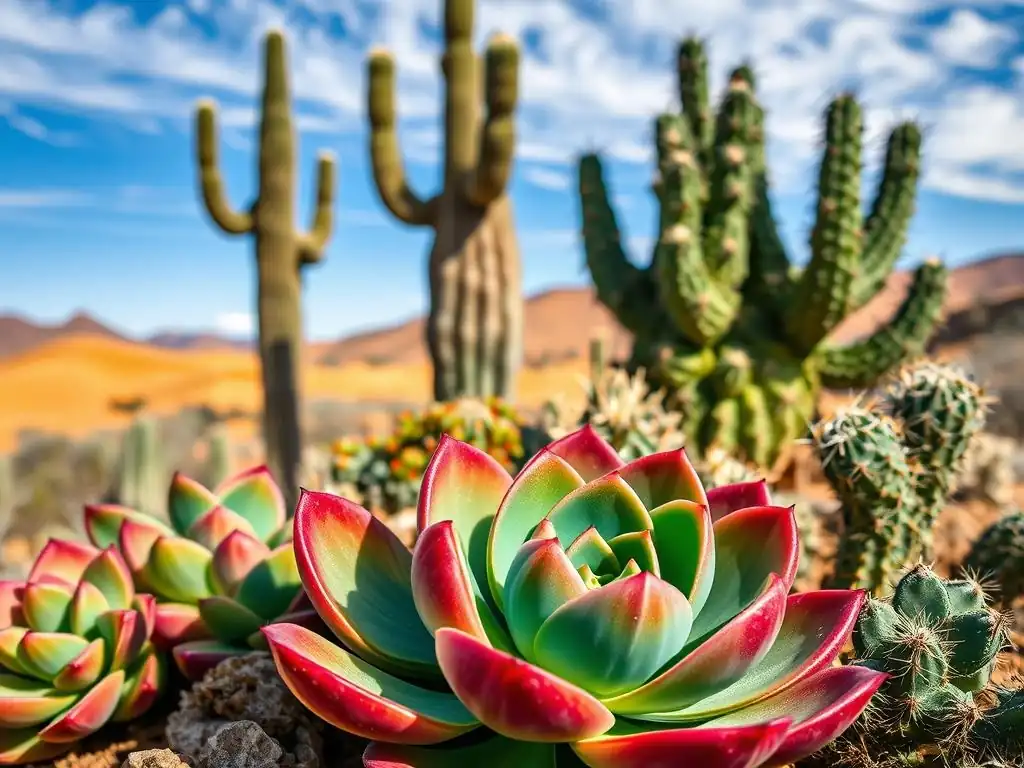
Welcome to SucculentEssentials.org, where the fascinating world of succulents unfolds before you! Prepare to be captivated by the remarkable resilience of these desert dwellers. Our journey begins with exploring succulent plant adaptations to desert life, revealing the ingenious strategies these plants employ to thrive in harsh environments. Dive into the captivating science behind their survival – you might be surprised by what you discover. Unravel the secrets of their success and unlock the key to cultivating your own thriving succulent collection.
- Understanding Succulent Plant Adaptations Desert Environments
- The Role of Morphology in Photosynthesis in Desert Succulents
- Succulent Plant Adaptations Desert: Structural Defenses Against Herbivores
- Succulent Morphology and Environmental Stress Tolerance
- The Diversity of Succulent Morphology Across Desert Ecosystems
- Evolutionary Implications of Succulent Plant Adaptations Desert
-
Frequently Asked Questions
- What are the key adaptations of succulents for desert survival?
- How do succulent leaves contribute to their desert survival?
- What role do succulent stems play in desert survival?
- How do succulent roots help them survive in arid conditions?
- What are some examples of succulent plant adaptations related to desert environments?
- Final Reflection: The Enduring Legacy of Succulent Resilience
- Unveil Your Inner Botanist: Explore the Wonders of Succulent Design!
Understanding Succulent Plant Adaptations Desert Environments
Succulents, with their remarkable diversity of forms and textures, are a testament to the power of adaptation. This article delves into the fascinating world of succulent morphology, exploring how their unique physical structures have evolved to thrive in the harsh conditions of desert habitats. We will examine the ingenious strategies succulents employ to survive extreme heat, drought, and intense sunlight, focusing on key adaptations that allow them to flourish where other plants struggle.
Understanding these adaptations is crucial for appreciating the resilience and beauty of these remarkable plants, and for effectively cultivating them in various environments. The following sections will explore the intricate relationship between form and function in desert succulents, highlighting the specific mechanisms that contribute to their survival in arid landscapes. This exploration will provide a deeper understanding of "Succulent plant adaptations desert," allowing for better appreciation and care of these unique plants.
Water Storage Mechanisms in Desert Succulents
Many succulent species exhibit remarkable water storage capabilities, a crucial adaptation for survival in arid environments. This ability stems from specialized tissues, particularly the parenchyma cells within their leaves, stems, and roots. These cells possess large vacuoles capable of holding significant quantities of water.
The succulent's ability to absorb and retain water is further enhanced by its thick, fleshy tissues, which minimize water loss through transpiration. The extent of water storage varies greatly among different succulent species; for instance, Aloe vera is renowned for its high water content, while other species may store water more strategically in thickened stems or roots. Furthermore, the chemical composition of these stored waters often includes mucilage, a gel-like substance that helps retain moisture and provides additional protection against desiccation.
This remarkable capacity for water storage allows succulents to endure extended periods of drought, a defining characteristic of their desert habitats. The efficiency of these mechanisms underscores the evolutionary success of succulents in arid and semi-arid regions.
Leaf Modifications for Reducing Water Loss
Succulents have evolved a variety of leaf modifications to minimize water loss through transpiration. Many species exhibit reduced leaf surface area, often manifesting as thick, fleshy leaves, spines, or even the complete absence of leaves (as seen in many cacti). Smaller leaf surfaces significantly reduce the area exposed to the sun and wind, thereby decreasing the rate of water evaporation. The thick, waxy cuticle covering the leaves of many succulents acts as a further barrier against water loss. Some succulents also possess specialized leaf structures, such as sunken stomata (pores responsible for gas exchange), which further reduce water loss by creating a microenvironment with higher humidity around the stomata. The orientation of the leaves can also play a role; some species arrange their leaves to minimize sun exposure during the hottest parts of the day. These combined adaptations represent a sophisticated strategy to conserve water in the harsh desert environment.
Root Systems: Optimized for Water Absorption in Arid Conditions
The root systems of desert succulents are exquisitely adapted to efficiently absorb and utilize scarce water resources. While some species have shallow, widespread root systems to quickly capture rainwater from the surface, others develop deep taproots that can access groundwater sources located deep beneath the soil surface. The extensive root network of many succulents allows them to capture even minimal rainfall effectively.
Furthermore, the root structure often includes specialized cells that enhance water absorption, while the presence of mycorrhizal fungi can further improve water uptake efficiency. The morphology of the roots, combined with the plant's remarkable water storage capabilities, enables succulents to survive and thrive in environments with extremely limited water availability. The efficiency of their root systems highlights the crucial role of below-ground adaptations in the overall success of succulents in desert ecosystems.
The Role of Morphology in Photosynthesis in Desert Succulents
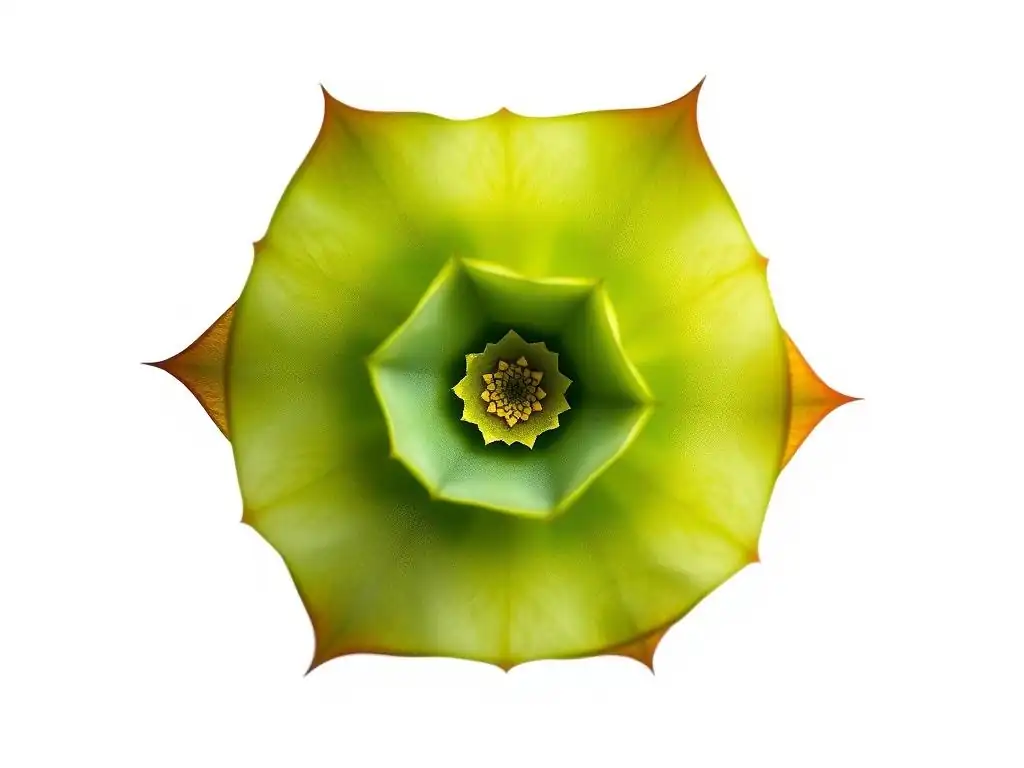
Succulent plant adaptations to desert environments are profoundly linked to their morphology, particularly concerning photosynthesis and water conservation. The unique physical characteristics of succulents are not merely aesthetic; they represent evolutionary solutions to the harsh challenges of arid climates. These adaptations allow succulents to thrive where other plants struggle, showcasing a remarkable interplay between form and function. Understanding this relationship is key to appreciating the resilience and diversity of desert succulents. The following sections will delve into specific morphological features and their roles in optimizing photosynthetic processes while minimizing water loss.
CAM Photosynthesis: A Unique Adaptation for Survival
Many desert succulents employ Crassulacean Acid Metabolism (CAM) photosynthesis, a crucial adaptation for survival in arid conditions. Unlike C3 and C4 plants, CAM plants separate the light-dependent and light-independent reactions of photosynthesis temporally. This means they open their stomata (tiny pores on their leaves) at night, when temperatures are cooler and humidity is higher, to take in carbon dioxide (CO2).
The CO2 is then stored as malic acid in vacuoles within the leaf cells. During the day, when the stomata are closed to prevent water loss, the stored malic acid is decarboxylated, releasing CO2 for use in the Calvin cycle (the light-independent reactions).
This temporal separation of CO2 uptake and the Calvin cycle significantly reduces water loss through transpiration. The succulent's thick, fleshy leaves, often with a waxy cuticle, further contribute to reducing water loss. The substantial water storage capacity of these leaves allows the plant to endure prolonged periods of drought. For example, Agave americana (century plant) can store significant amounts of water in its leaves, enabling it to survive months without rainfall. The efficiency of CAM photosynthesis is directly linked to the plant's morphological capacity for water storage and its ability to regulate stomatal opening and closing.
Stomatal Regulation and Water Conservation
Stomatal regulation is paramount for water conservation in desert succulents. The density and distribution of stomata, as well as their ability to open and close rapidly in response to environmental cues, are key morphological features influencing water use efficiency. Succulents often exhibit lower stomatal density compared to mesophytic plants, minimizing the surface area through which water can be lost. Additionally, many succulents possess sunken stomata, which are located within depressions in the leaf surface. This creates a microclimate with higher humidity, reducing the diffusion gradient for water vapor and thus minimizing transpiration.
Furthermore, the ability of stomatal guard cells to respond quickly to changes in light intensity, temperature, and humidity is crucial. This dynamic regulation allows succulents to optimize CO2 uptake while minimizing water loss under varying environmental conditions. For instance, some succulents can almost completely close their stomata during the hottest and driest parts of the day, drastically reducing water loss. This precise control over stomatal behavior is a testament to the sophisticated morphological adaptations of these remarkable plants. The precise mechanisms involved in this stomatal regulation, and how they vary across different succulent species, remain areas of active research.
Leaf Orientation and Light Capture in Arid Climates
The orientation of succulent leaves also plays a crucial role in both photosynthesis and water conservation. Many desert succulents exhibit vertical or near-vertical leaf orientation, reducing the sun's direct impact on the leaf surface during the hottest parts of the day. This minimizes water loss through overheating and reduces the risk of photoinhibition (damage to photosynthetic apparatus due to excessive light). The vertical arrangement also allows for more efficient light capture throughout the day, as the sun's angle changes.
Conversely, some succulents display a horizontal leaf arrangement, which may be advantageous in environments with lower light intensities. Horizontal leaves maximize light interception when the sun is low in the sky, such as during sunrise and sunset. The specific leaf orientation of a succulent species is a reflection of its evolutionary adaptation to the specific light regime and temperature fluctuations of its habitat.
Further research into the relationship between leaf angle, light capture efficiency, and water use efficiency in various succulent species would greatly enhance our understanding of their remarkable adaptations to arid environments. This includes exploring the role of leaf shape, thickness, and surface features (like trichomes) in influencing light absorption and reflection.
Succulent Plant Adaptations Desert: Structural Defenses Against Herbivores
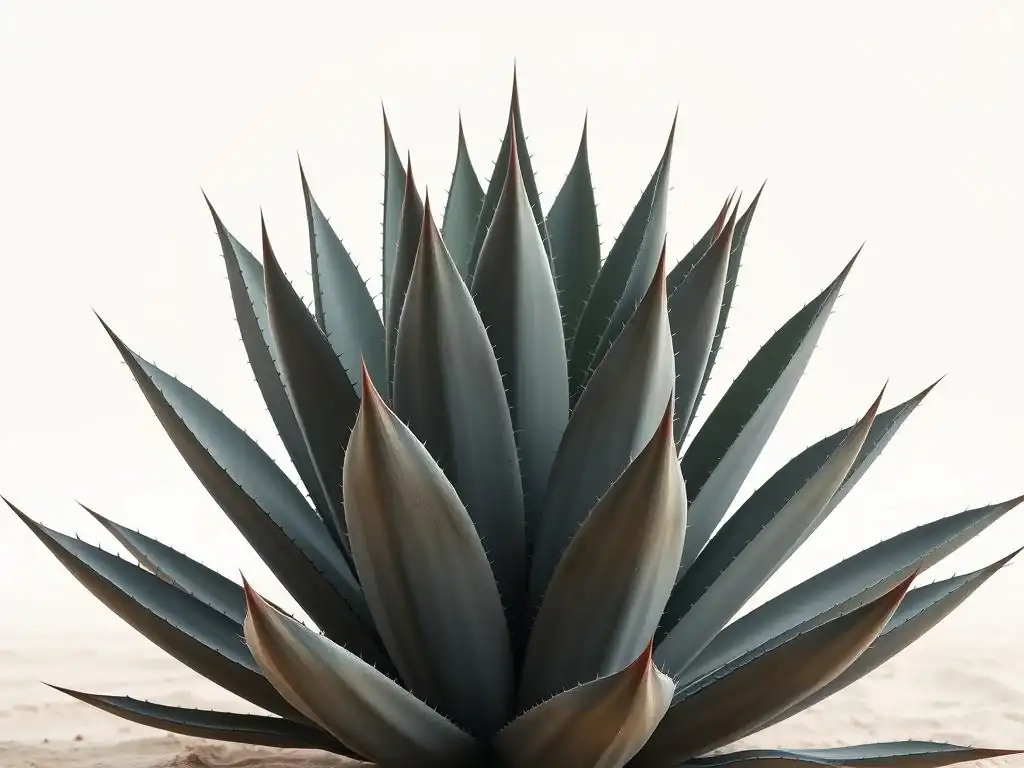
Succulents, masters of arid environments, exhibit a remarkable array of adaptations that allow them to thrive in harsh desert conditions. A key aspect of their survival strategy lies in their structural defenses against herbivores. These defenses, evolved over millennia, significantly impact their morphology and contribute to their overall success in water-scarce habitats. Understanding these Succulent plant adaptations desert is crucial for appreciating their resilience and ecological significance. The interplay between structure and function in these plants is a testament to the power of natural selection.
Spines and Thorns: Deterrents to Browsing Animals
Many succulent species have evolved sharp spines and thorns as a primary defense against browsing animals. These formidable structures act as physical barriers, deterring herbivores from consuming their succulent tissues. The density and sharpness of these spines vary considerably across different species, reflecting the specific herbivore pressures they face in their respective habitats.
For instance, Opuntia cacti are renowned for their dense clusters of barbed spines, making them extremely unpalatable to most animals. These spines are modified leaves, a clear example of how succulent morphology adapts to its surroundings. In contrast, some Euphorbia species possess fewer, but significantly longer and sharper thorns, effectively deterring larger mammals. The effectiveness of these spines is further enhanced by their often intricate branching patterns, creating a dense, impenetrable barrier.
Interestingly, the distribution of spines can also be strategically placed, protecting vulnerable growth points and reproductive structures. Detailed studies have shown a positive correlation between spine density and the abundance of herbivores in a given area, highlighting the adaptive nature of this defense mechanism. The cost of producing spines is significant in terms of resource allocation, emphasizing the selective pressure exerted by herbivores.
Waxy Coatings and Trichomes: Reducing Water Loss and Herbivory
Beyond spines, many succulents employ waxy coatings (cuticles) and trichomes (hair-like structures) as additional lines of defense against herbivores. These adaptations serve a dual purpose: reducing water loss through transpiration and deterring herbivores. The waxy cuticle creates a physical barrier that limits water evaporation from the plant's surface, a vital adaptation in arid environments. Simultaneously, this waxy layer can also make the succulent less palatable to some insects and animals.
Trichomes, on the other hand, can be glandular or non-glandular. Glandular trichomes often secrete sticky or toxic substances that repel herbivores. Non-glandular trichomes, while not directly toxic, can create a physical barrier, making it difficult for insects to access the succulent's tissues.
The density and type of trichomes vary significantly among succulent species, reflecting the specific herbivore communities they interact with. Studies have demonstrated that plants growing in areas with higher herbivore pressure tend to have a greater density of trichomes, further emphasizing the adaptive significance of these structures in the context of Succulent plant adaptations desert. The combination of waxy coatings and trichomes provides a multi-layered defense system, improving the plant's overall survival chances.
Camouflage and Mimicry: Avoiding Detection by Predators
Some succulents have evolved remarkable camouflage and mimicry strategies to avoid detection by herbivores. These adaptations minimize the chances of being discovered and consumed, representing another crucial aspect of their defense mechanisms. Camouflage often involves blending in with the surrounding environment. For example, many succulents adopt muted colors and textures that closely resemble the rocks and soil of their habitat, making them less conspicuous to potential predators.
Mimicry, on the other hand, involves resembling another organism that is unpalatable or toxic to herbivores. This can involve mimicking the appearance of poisonous plants or incorporating elements in their morphology that resemble inedible objects. The precise mechanisms and effectiveness of camouflage and mimicry in succulents require further investigation, but it's clear that these strategies play a significant role in their survival in resource-limited and predator-rich desert ecosystems.
The evolution of these sophisticated defense mechanisms underscores the intricate relationship between succulents and their environment, highlighting the power of natural selection in shaping plant morphology and behavior in response to ecological pressures. Further research is needed to quantify the effectiveness of these strategies across various succulent species and their respective habitats.
Succulent Morphology and Environmental Stress Tolerance
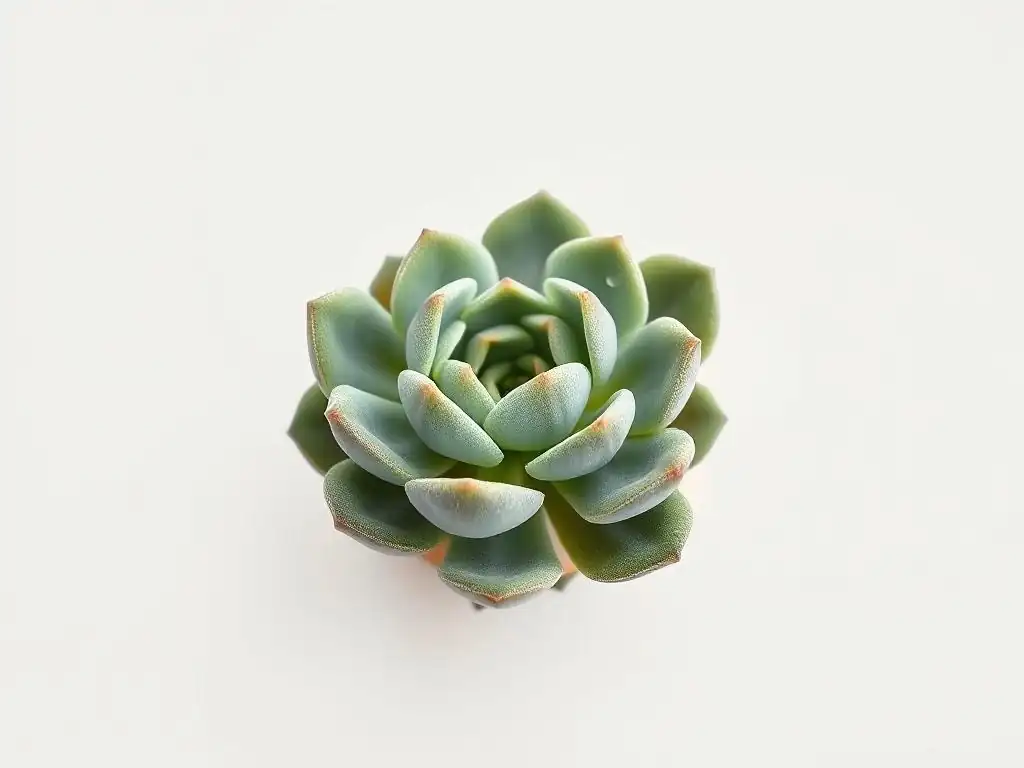
Succulent plant adaptations to desert environments are a fascinating example of how form follows function. These plants have evolved a remarkable array of morphological features specifically designed to thrive under harsh conditions of extreme heat, water scarcity, and often, high salinity. Understanding these adaptations is crucial for successful succulent cultivation and appreciating the resilience of desert ecosystems. This section will delve into the key morphological features that enable succulents to tolerate the environmental stresses characteristic of desert habitats. We will explore the mechanisms behind their heat, cold, and salt tolerance.
Heat Tolerance Mechanisms in Desert Succulents
Desert succulents face intense solar radiation and high ambient temperatures daily. Their survival hinges on effective heat avoidance and dissipation strategies. Many species exhibit succulence, storing water in their leaves, stems, or roots. This water storage not only provides a buffer against drought but also acts as a thermal buffer, moderating temperature fluctuations. The fleshy tissues of succulents have a higher heat capacity than other plant tissues, meaning they can absorb more heat energy without a significant temperature increase.
Furthermore, many desert succulents possess specialized leaf structures that minimize heat absorption. Examples include:
- Thick, waxy cuticles: These cuticles reflect solar radiation, preventing excessive heat from penetrating the leaf tissues. The thickness of the cuticle varies significantly between species, often correlating with the intensity of solar radiation in their natural habitats. Measurements have shown a direct relationship between cuticle thickness and reflectance in several Agave species.
- Hairy or pubescent leaves: Trichomes (tiny hairs) on the leaf surface create a layer of insulation, trapping a layer of still air that reduces convective heat loss and provides some shade. This adaptation is particularly prominent in species inhabiting particularly sunny or windy environments.
- Leaf orientation: Some succulents, like many Dudleya species, orient their leaves vertically to minimize the surface area exposed to direct sunlight during the hottest part of the day. This reduces the amount of solar radiation absorbed.
Additionally, succulents employ physiological mechanisms to cope with heat stress. These include:
- CAM photosynthesis: Crassulacean acid metabolism (CAM) is a photosynthetic pathway that allows succulents to open their stomata (pores) at night to take in carbon dioxide and close them during the day to prevent water loss. This minimizes water loss while still allowing for photosynthesis.
- Heat shock proteins: These proteins are produced in response to heat stress and help protect cellular components from damage. The expression levels of these proteins have been shown to increase dramatically in succulents under heat stress conditions.
Cold Tolerance Strategies in High-Altitude Desert Environments
While heat is a primary concern, succulents in high-altitude desert environments also face significant challenges from freezing temperatures. Their survival strategies differ from those used to combat heat. These adaptations often involve:
- Reduced surface area: Many high-altitude succulents exhibit smaller leaves or a reduced number of leaves to minimize heat loss. This reduces the surface area exposed to cold temperatures.
- Increased density: Denser tissues provide better insulation against freezing temperatures.
- Sugars and other cryoprotectants: These compounds lower the freezing point of cellular fluids, protecting cells from damage during freezing. The accumulation of these cryoprotectants is a significant aspect of cold hardiness in these plants. [Specific data on cryoprotectant concentrations in various high-altitude succulent species pending].
- Dormancy: Some high-altitude succulents enter a period of dormancy during the coldest months, reducing metabolic activity and minimizing water loss.
The combination of these morphological and physiological adaptations allows high-altitude succulents to survive and even thrive in climates with significant temperature fluctuations.
Salt Tolerance Adaptations in Saline Desert Habitats
Some desert environments have high soil salinity, posing a significant challenge to plant survival. Succulents inhabiting these saline habitats have evolved specialized mechanisms to cope with salt stress:
- Salt exclusion: Some species have specialized root systems that prevent salt from entering the plant tissues. This involves selective uptake of ions and efficient exclusion mechanisms.
- Salt accumulation: Other species accumulate salt in specific tissues, such as older leaves, which are then shed. This prevents salt from reaching sensitive tissues. This strategy, though effective, requires a significant investment in leaf production and shedding. [Data on the energy cost of salt accumulation and leaf shedding in succulent species pending].
- Salt secretion: Certain succulents possess specialized glands that secrete excess salt onto the leaf surface, removing it from the plant. This mechanism is visible as a white, crystalline deposit on the leaves of some species.
- Osmotic adjustment: Succulents can adjust the osmotic potential of their cells to maintain water balance in salty environments. This involves accumulating compatible solutes that do not interfere with cellular processes.
The diversity of salt tolerance mechanisms in desert succulents highlights the adaptability of these plants to a wide range of environmental conditions. Further research is needed to fully understand the complex interplay of these adaptations and their relative contributions to survival in saline habitats. Understanding these adaptations is crucial for cultivating succulents in environments with high salinity. 🌱
The Diversity of Succulent Morphology Across Desert Ecosystems
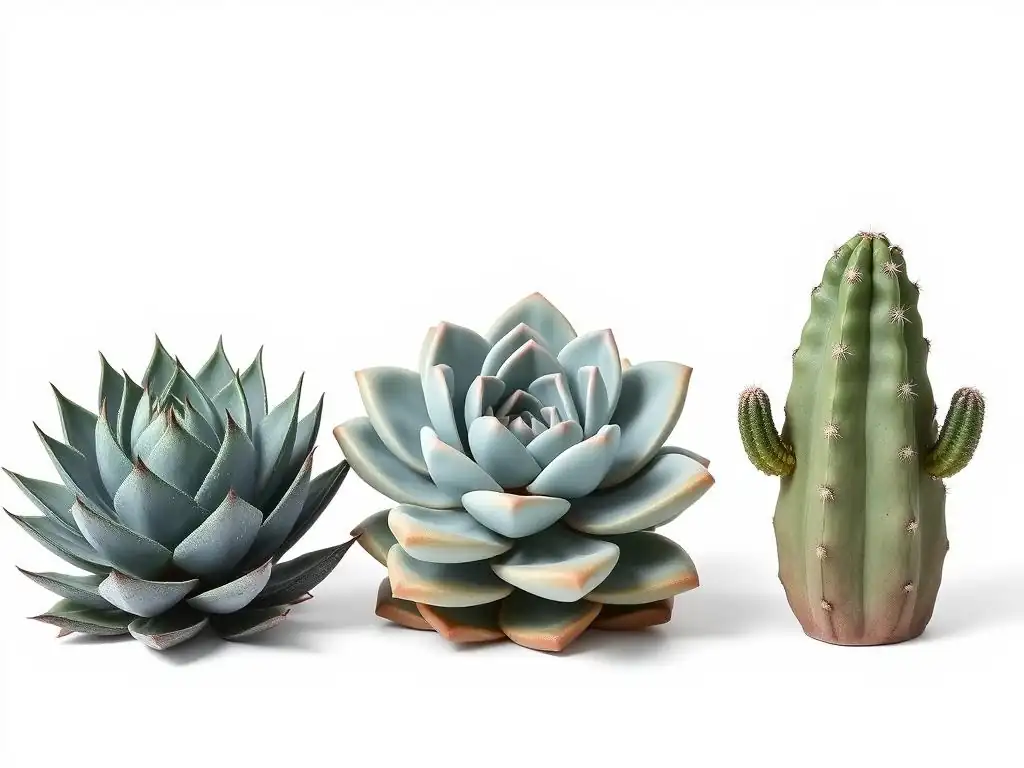
Succulent plant adaptations desert are incredibly diverse, reflecting the wide range of environmental pressures found across different desert ecosystems. From the arid Atacama to the Sonoran Desert, succulents have evolved a remarkable array of morphological features to thrive in these harsh conditions. These adaptations aren't uniform; instead, they showcase the power of natural selection in shaping plant form to optimize survival in specific niches.
Understanding this diversity is key to appreciating the ingenuity of succulent evolution and to effectively cultivating these fascinating plants. The variations in morphology directly impact their ability to acquire, store, and conserve water, as well as their capacity to withstand extreme temperatures and intense sunlight. We'll delve deeper into these key adaptations in the following sections.
Variations in Leaf Shape and Size Across Different Species
Leaf morphology in succulents is incredibly varied, reflecting the diverse selective pressures faced across different desert environments. Some species, like Sedum morganianum (Burro's Tail), possess long, trailing leaves that minimize direct sunlight exposure and facilitate efficient water drainage. Conversely, Echeveria species often exhibit thick, fleshy leaves that maximize water storage capacity. The size also plays a crucial role; smaller leaves reduce surface area, minimizing water loss through transpiration. Larger leaves, however, might offer a greater photosynthetic surface area when water is more readily available, such as after infrequent rainfall.
Consider the differences between Aloe vera, with its thick, lanceolate leaves designed for water retention and protection from intense sunlight, and Dudleya brittonii, which has smaller, more succulent leaves adapted to the rocky, arid conditions of the Channel Islands. The shape and size are not arbitrary; they are finely tuned to the specific environmental context. Analyzing leaf characteristics across different succulent species provides valuable insights into their ecological strategies and adaptive responses to environmental stresses.
Further research is needed to quantify the precise relationship between leaf morphology and water use efficiency across a wider range of desert succulent species. [Specific data on water use efficiency pending].
Stem Succulents: Adaptations for Water Storage and Photosynthesis
Many succulents, particularly cacti, have minimized or completely lost their leaves, relying instead on modified stems for both water storage and photosynthesis. These stems are often thick, fleshy, and ribbed, allowing for expansion and contraction during periods of water availability and drought. The ribs themselves contribute to structural support and help reduce the effects of solar radiation by creating shade and allowing for efficient heat dissipation.
The photosynthetic pathway employed by stem succulents is often CAM (Crassulacean Acid Metabolism), a specialized adaptation that allows for carbon dioxide uptake at night, when temperatures are cooler and water loss is minimized. This is a significant advantage in arid environments where stomatal opening during the day would lead to excessive water loss. The internal structure of these stems also plays a vital role, with specialized cells and tissues designed for efficient water storage and slow release. Analyzing the anatomical structure of various stem succulents could reveal further insights into their water use strategies. [Detailed anatomical data pending].
Root Morphology and Soil Type Interactions in Desert Environments
The root systems of desert succulents are highly adapted to the unique soil conditions and water availability patterns of their environments. Many species possess extensive, shallow root systems that quickly absorb surface runoff after infrequent rainfall. This allows them to take advantage of any available moisture before it evaporates. Other species have developed deep taproots that penetrate deep into the soil to access groundwater sources.
The interaction between root morphology and soil type is complex and species-specific. For instance, succulents growing in sandy soils might have more extensive lateral root systems to access wider areas, while those in rocky soils may develop stronger, deeper taproots to penetrate crevices and access groundwater. The composition of the soil also influences nutrient uptake and root development.
Further research is needed to fully understand the complex interplay between root morphology, soil properties, and the overall survival and growth of succulent plants in various desert environments. [Data on root system variations across different soil types pending]. Careful observation and analysis of root systems in diverse desert habitats are crucial to fully understanding succulent plant adaptations desert.
Evolutionary Implications of Succulent Plant Adaptations Desert
Adaptive Radiation and Speciation in Arid Habitats
The remarkable diversity of succulents found in arid and semi-arid environments is a testament to the power of adaptive radiation. Succulent plant adaptations desert, such as water storage capabilities and modified leaf structures, have allowed these plants to exploit a wide range of niches within these harsh ecosystems. This process, driven by natural selection, has resulted in the evolution of numerous species, each uniquely adapted to specific environmental pressures.
For instance, the Aloe genus exhibits extraordinary diversity, with species ranging from small, rosette-forming plants to large, tree-like forms, each adapted to different levels of aridity and soil conditions. The Euphorbia genus also showcases impressive adaptive radiation, with species displaying a wide array of morphological adaptations, including spines, thorns, and fleshy stems. This diversification is a direct consequence of the selective pressures imposed by the desert environment, favoring traits that enhance survival and reproduction under conditions of water scarcity and intense solar radiation.
Studies of phylogenetic relationships within these genera reveal the evolutionary pathways that led to this impressive array of succulent forms, highlighting the role of genetic divergence and environmental adaptation in shaping species diversity. Understanding this process is crucial for appreciating the complexity of desert ecosystems and for effective conservation efforts.
The Influence of Climate Change on Succulent Morphology
Climate change poses a significant threat to the survival of succulent species. Increasing temperatures and altered precipitation patterns are fundamentally altering the selective pressures that have shaped succulent plant adaptations desert over millennia. For example, more frequent and intense droughts can lead to increased mortality rates, particularly among species with less robust water storage mechanisms. Rising temperatures can also accelerate transpiration rates, leading to water stress and reduced growth.
Furthermore, changes in precipitation patterns can disrupt the delicate balance of water availability, potentially leading to shifts in species distributions and competitive interactions. Some studies suggest that succulents with thicker leaves and stems may have a selective advantage under increasingly arid conditions, while those with thinner leaves might be at greater risk. This highlights the need for ongoing research to monitor the effects of climate change on succulent morphology and to predict future responses.
The implications for conservation strategies are substantial, requiring adaptive management plans that account for these dynamic changes. Data on specific species responses to changing climatic conditions is still limited, and further research is needed to fully understand and mitigate these effects. Monitoring programs focusing on key morphological traits and population dynamics are essential for effective conservation planning.
Conservation Implications of Understanding Succulent Adaptations
Understanding the evolutionary history and functional morphology of succulents is paramount for effective conservation strategies. By recognizing the specific adaptations that allow these plants to thrive in harsh environments, conservationists can develop targeted approaches to protect these valuable species. For example, knowledge of a species' water-use efficiency and tolerance to drought can inform decisions about habitat management and restoration efforts.
Similarly, understanding the reproductive strategies of succulents, such as seed dispersal mechanisms or vegetative propagation, can guide efforts to maintain genetic diversity and promote population resilience. The unique adaptations of succulents also make them particularly vulnerable to habitat loss and degradation. Protecting areas of high biodiversity and implementing strategies to mitigate threats such as overgrazing and invasive species are critical for long-term conservation success.
Furthermore, research focused on the genetic diversity within and between succulent populations is essential for identifying vulnerable populations and prioritizing conservation actions. The development of ex situ conservation strategies, such as seed banks and tissue culture, can act as a safeguard against extinction in the face of climate change and habitat loss. Ultimately, a holistic approach that incorporates both in situ and ex situ conservation measures, informed by a deep understanding of succulent plant adaptations desert, is crucial for ensuring the survival of these fascinating and ecologically important plants.
Frequently Asked Questions
What are the key adaptations of succulents for desert survival?
Succulents have evolved several key adaptations. These include water storage in their leaves, stems, or roots, and reduced leaf surface area to minimize water loss through transpiration. They also often possess specialized root systems for efficient water absorption.
How do succulent leaves contribute to their desert survival?
Succulent leaves are often fleshy and thick, storing water. Many have a waxy coating or hairs to reduce water loss and reflect sunlight. Some have specialized stomata (pores) to regulate gas exchange and minimize water loss.
What role do succulent stems play in desert survival?
In some succulents, the stems are the primary sites of water storage. These stems may be thick and fleshy, or even modified into structures like caudiciforms that store large amounts of water. The stems may also have protective features, like spines.
How do succulent roots help them survive in arid conditions?
Succulent roots are often extensive and shallow, allowing them to quickly absorb water from infrequent rainfall. Some species have specialized roots for storing water, while others have deep taproots to access deeper water sources.
Many examples exist, including CAM photosynthesis, which allows gas exchange at night to reduce water loss; spines that deter herbivores; and shallow, wide-spreading root systems to maximize water uptake after rainfall.
Final Reflection: The Enduring Legacy of Succulent Resilience
The remarkable adaptations of succulents are not merely fascinating botanical curiosities; they are a potent symbol of life's tenacity in the face of extreme environmental challenges. Understanding these adaptations, as explored throughout this article, offers crucial insights into the strategies employed by organisms to thrive under duress—a lesson increasingly relevant in our era of climate change and resource scarcity. The survival mechanisms of these plants hold a mirror to our own need for ingenuity and adaptability in the face of a changing world.
The enduring influence of succulent morphology extends far beyond the arid landscapes where these plants flourish. Their unique forms have inspired artists, designers, and even architects, serving as a testament to the beauty and efficiency of nature's solutions. The very essence of their survival—water conservation, efficient photosynthesis, and robust structural integrity—speaks to a deeper human desire for resilience and resourcefulness. The desert teaches the value of silence and the power of endurance.
This quote, though not directly about succulents, perfectly encapsulates the spirit of their existence and the lessons we can learn from them.
Consider the ingenuity of these plants, their ability to thrive where others fail. Now, consider your own life. What challenges do you face? What adaptations can you cultivate within yourself to overcome adversity and flourish, much like the succulents in their harsh environments? I urge you to reflect on the resilience of these remarkable plants and to find inspiration in their quiet strength. Let their story be a reminder of the power of adaptation, the beauty of efficiency, and the enduring legacy of life's tenacity.
Unveil Your Inner Botanist: Explore the Wonders of Succulent Design!
Thanks for exploring the fascinating world of succulents! You've gained a deeper understanding of how these incredible plants thrive in harsh environments. Ready to take your knowledge further?
- Sketch your favorite succulent: Choose a plant and focus on drawing its unique features – from its leaf shape and root system to its overall form. This hands-on exercise will solidify your understanding.
- Share your succulent story: Post a picture of your succulent collection (or a favorite plant) on social media and tag #SucculentEssentials. Let's build a thriving community of succulent enthusiasts!
- Experiment with propagation: Try propagating a cutting from one of your succulents. It's a rewarding way to expand your collection and deepen your understanding of their life cycles.
What succulent adaptation most impressed you, and how could this knowledge improve your succulent care?