
Beyond Pots: Crafting Authentic Succulent Habitats in Your Greenhouse

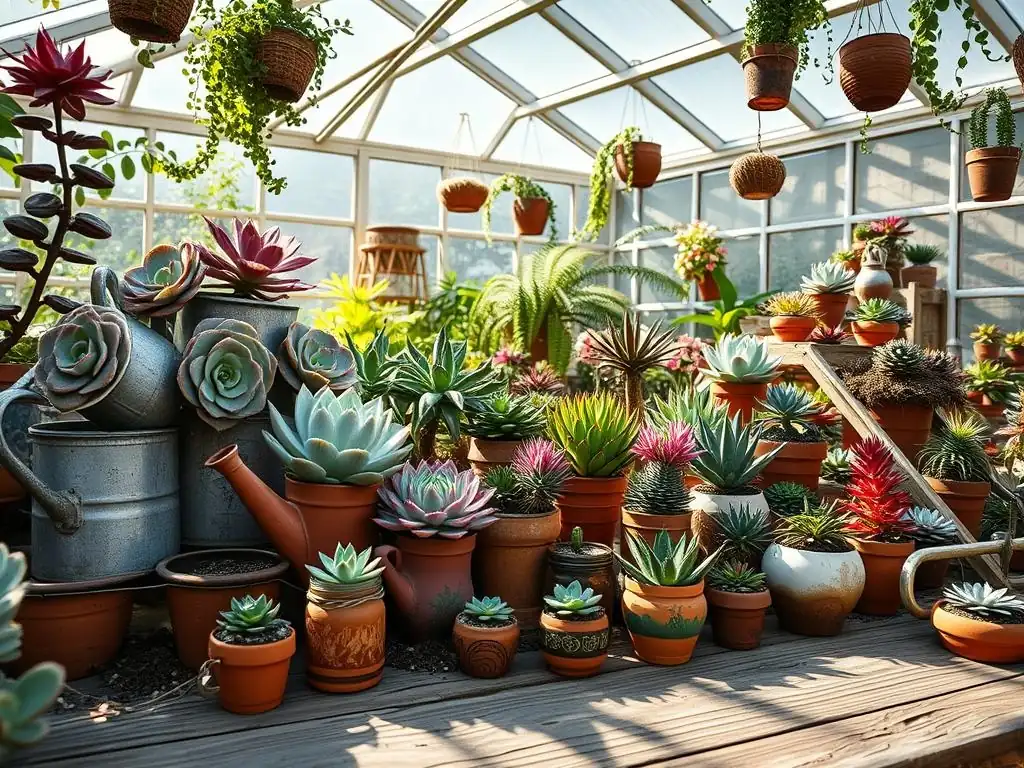
Welcome to SucculentEssentials.org, where the thriving world of succulents unfolds before you! Forget ordinary pots – prepare to be captivated by the possibilities of creating truly authentic succulent habitats. Our new article, " Beyond Pots: Crafting Authentic Succulent Habitats in Your Greenhouse," delves into the art and science of designing breathtaking greenhouse environments for your prized collection. Discover how to unlock the secrets to flourishing succulents and transform your greenhouse into a mesmerizing miniature desert landscape. Ready to embark on this exciting journey? Let's begin!
- Replicating Natural Succulent Habitats in Your Greenhouse Environment
- Designing Authentic Succulent Habitats: Greenhouse Layout and Substrate
- Advanced Greenhouse Succulent Habitat Techniques: Light, Water, and Air Circulation
- Greenhouse Succulent Habitat Design: Aesthetics and Species Selection
- Maintaining Your Greenhouse Succulent Habitat: Long-Term Care and Monitoring
- Case Study: Creating a Miniature Desert Habitat in a Greenhouse
-
Frequently Asked Questions
- What makes a greenhouse ideal for succulents?
- How can I create a natural succulent habitat in my greenhouse?
- What are some creative ways to arrange succulents in a greenhouse habitat?
- What specific lighting needs should I consider for my greenhouse succulent habitat?
- How do I maintain humidity levels in a greenhouse for optimal succulent growth?
- Final Reflection: Cultivating Connection: Beyond the Pots, a Greener Future
- Unleash Your Inner Green Thumb: Craft the Perfect Succulent Oasis
Replicating Natural Succulent Habitats in Your Greenhouse Environment
Creating a thriving succulent collection isn't just about arranging plants in pots; it's about understanding and replicating their natural environments. This article delves into the art of crafting authentic succulent habitats within the controlled environment of your greenhouse, offering advanced techniques for successful cultivation and showcasing the beauty of these resilient plants in their most natural form. We'll explore how to meticulously recreate the specific microclimates and conditions that different succulent species thrive in, transforming your greenhouse into a diverse and flourishing ecosystem.
By understanding the nuances of natural succulent ecosystems, you can cultivate a collection that not only survives but truly thrives, showcasing the breathtaking diversity of these fascinating plants. This guide is perfect for serious succulent enthusiasts looking to elevate their cultivation techniques and achieve unparalleled success in growing a wide range of species.
Mastering these techniques will allow you to enjoy the rewarding experience of cultivating these unique plants in an environment that closely mirrors their natural habitats, leading to healthier, more vibrant succulents. Let's embark on this journey of advanced succulent cultivation!
Understanding Natural Succulent Ecosystems: A Foundation for Greenhouse Design
Before diving into greenhouse design, it's crucial to understand the diverse ecosystems succulents inhabit naturally. Succulents aren't a monolithic group; they thrive in vastly different environments, from the arid deserts of the southwestern United States to the mountainous regions of Mexico and beyond. Understanding these differences is key to replicating their habitats successfully.
For instance, Sedum morganianum (Burro's Tail) thrives in well-drained, rocky slopes, often basking in full sun. Replicating this in a greenhouse requires a well-ventilated area with ample sunlight and a substrate that mimics its natural rocky habitat. This could involve a mix of coarse sand, gravel, and a small amount of potting soil. Conversely, Echeveria species often prefer slightly shadier conditions and a richer soil mix. Careful observation of their natural environments provides invaluable insights into their specific needs.
The table below summarizes the key environmental factors for a few common succulent genera:
| Genus | Sunlight Requirement | Soil Drainage | Humidity | Temperature Range (°C) |
|---|---|---|---|---|
| Sedum | Full Sun | Excellent | Low | 10-35 |
| Echeveria | Partial Shade | Good | Moderate | 15-30 |
| Haworthia | Bright Indirect Light | Excellent | Moderate | 10-25 |
| Aloe | Full Sun to Partial Shade | Excellent | Low to Moderate | 15-30 |
This detailed understanding forms the bedrock of successful habitat replication within your greenhouse. Failure to account for these specific environmental factors will likely result in stunted growth or even plant death.
Choosing the Right Greenhouse for Your Succulent Collection
The type of greenhouse you choose significantly impacts your ability to create authentic succulent habitats. Factors to consider include size, ventilation, and the ability to control temperature and humidity. Larger greenhouses offer greater flexibility in creating diverse microclimates, allowing you to cultivate a wider variety of succulent species.
Adequate ventilation is critical for preventing fungal diseases, a common problem in humid environments. Greenhouses with adjustable vents and fans are ideal for controlling airflow and maintaining optimal conditions. Furthermore, the ability to regulate temperature is crucial, as succulents have specific temperature tolerances. A greenhouse with heating and cooling capabilities will allow you to maintain the ideal temperature range for your chosen species.
Consider these factors when selecting a greenhouse:
- Size: Larger greenhouses provide more space for diverse habitats.
- Ventilation: Essential for preventing fungal diseases and maintaining proper airflow.
- Temperature Control: Crucial for maintaining optimal growing conditions for your succulents.
- Light: Choose a greenhouse with ample natural light or supplemental lighting.
Investing in a greenhouse suitable for your needs is a crucial step towards creating a thriving and authentic succulent habitat.
Microclimates Within Your Greenhouse: Utilizing Space Efficiently for Diverse Habitats
Even within a single greenhouse, you can create distinct microclimates to accommodate the diverse needs of your succulent collection. This involves strategically placing plants based on their light, humidity, and temperature requirements. For example, sun-loving succulents like Sedum and Aloe can be placed in the sunniest areas of the greenhouse, while shade-tolerant species can be positioned in slightly shaded areas.
Utilizing shelving and different levels within the greenhouse allows you to maximize space and create distinct zones with varying environmental conditions. Consider using different substrates and containers to further refine the microclimates. For instance, placing succulents in terracotta pots will promote better drainage and airflow compared to plastic containers.
Remember, careful observation and adjustments are key to maintaining optimal conditions within each microclimate. Regular monitoring of temperature, humidity, and light levels will ensure the continued health and vitality of your succulent collection. The creation of these microclimates is a testament to your understanding of succulent needs, enabling you to cultivate a truly exceptional collection. This level of control and precision significantly increases the chances of success in growing a wide array of succulent species.
Designing Authentic Succulent Habitats: Greenhouse Layout and Substrate
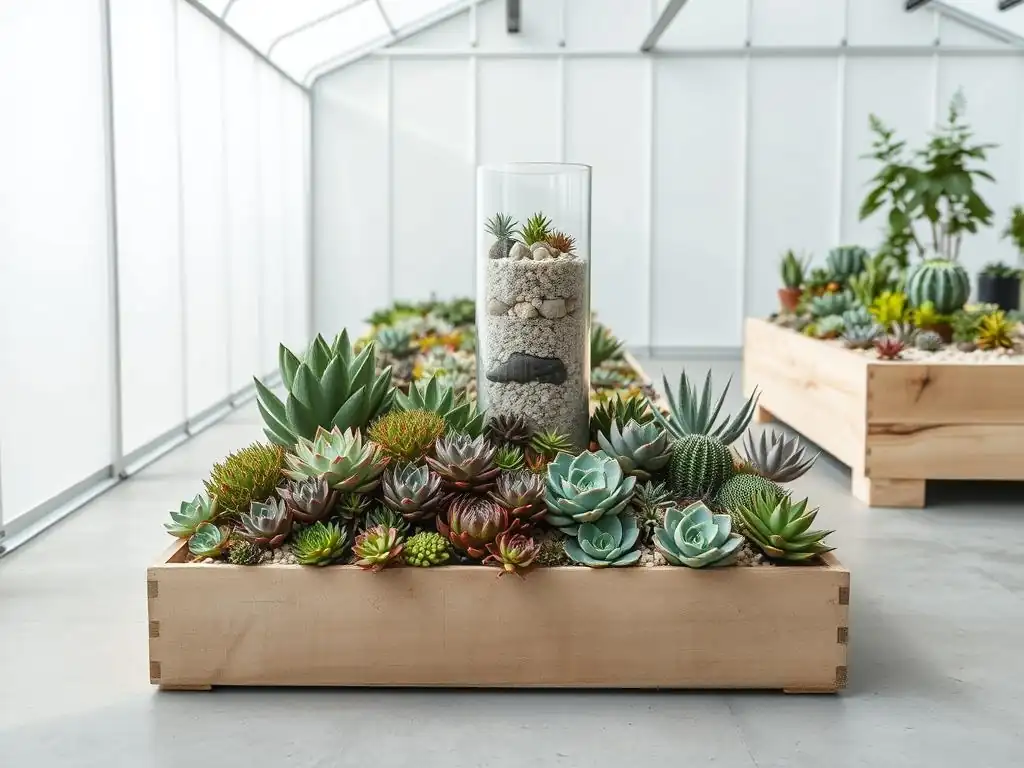
Creating a thriving succulent habitat within your greenhouse requires careful planning and execution. The layout significantly impacts the success of your miniature ecosystem. Consider mimicking natural succulent environments, focusing on aspects like light exposure, air circulation, and temperature gradients. A well-designed greenhouse succulent habitat shouldn't feel artificial; it should evoke the feeling of a carefully curated slice of the desert or mountainous regions where many succulents naturally thrive.
Think about utilizing the space effectively. Instead of uniformly placing pots, create distinct zones. For example, a sunnier area could be reserved for succulents that require intense light, like Sedum morganianum (Burro's Tail), while a slightly shadier corner might be ideal for more delicate varieties like Echeveria species. This zoning approach mirrors the natural variations in sunlight found in their native habitats and minimizes the need for artificial shading in certain areas. Remember, even within a greenhouse, light intensity can vary significantly throughout the day.
Effective air circulation is crucial for preventing fungal diseases and rot, common problems in humid greenhouse environments. Strategically placing fans or utilizing natural ventilation (openable vents, etc.) can help to maintain optimal air flow around your plants. Avoid overcrowding, allowing sufficient space between plants to promote good air circulation and prevent the build-up of moisture. Good air circulation is just as important as proper substrate selection in preventing rot, a significant threat to greenhouse succulent habitats.
Creating Diverse Terrains: Slopes, Rocks, and Elevations for Realistic Habitats
Replicating the natural terrain found in succulent habitats significantly enhances the aesthetic appeal and promotes plant health. Instead of simply placing succulents in individual pots on a flat surface, consider creating a more dynamic landscape. This could involve building gentle slopes using layers of gravel, sand, and potting mix, creating a realistic base for your plants. Incorporating rocks of varying sizes – both large and small – adds texture and depth, mimicking the rocky outcrops found in many succulent native environments. Larger rocks can be used to create small elevated areas or to anchor plants in position.
Consider using different sized containers within your landscape to create visual interest and variation. Smaller pots nestled amongst larger rocks can create a visually appealing effect. The elevation changes created by your slopes and rocks ensure that water drains away from the plants' bases, preventing waterlogging and reducing the risk of root rot.
This is especially crucial in a greenhouse environment where humidity can be higher. Experiment with different elevations and rock placements to achieve the desired effect and to best suit the specific needs of your succulent collection. Remember that good drainage is key to long-term health in these habitats.
Substrate Selection for Optimal Drainage and Aeration: Avoiding Rot in Greenhouse Habitats
The substrate is arguably the most critical component of a successful greenhouse succulent habitat. Poor drainage is a leading cause of root rot in succulents, and this risk is amplified in the often humid environment of a greenhouse. The ideal substrate should be well-draining, airy, and retain just enough moisture to keep the plants hydrated without becoming waterlogged. A common approach is to create a custom mix.
A suitable mixture might consist of:
- 50% coarse sand (sharp sand is preferred for better drainage)
- 30% pumice or perlite (for aeration and water retention)
- 20% well-rotted compost (to provide essential nutrients)
Avoid using heavy clay-based soils which retain too much water. The addition of pumice or perlite is crucial for ensuring optimal aeration, allowing excess water to drain quickly. The type of sand used will influence the drainage capacity of your substrate and should be chosen carefully. Regularly checking the moisture level of the substrate is essential to prevent both overwatering and underwatering. The goal is to maintain a consistently moist but not soggy environment. Pay close attention to this aspect, as it is crucial for the long-term health and success of your greenhouse succulent habitat.
Selecting the Right Pots and Containers: Maintaining Drainage and Aesthetics in Your Greenhouse
The choice of pots and containers significantly impacts drainage and the overall aesthetic of your greenhouse succulent habitat. Terracotta pots are generally preferred for succulents due to their excellent drainage properties. The porous nature of terracotta allows excess water to evaporate, reducing the risk of root rot. However, terracotta pots can dry out faster than plastic or ceramic pots, requiring more frequent watering.
Consider using a variety of pot sizes and shapes to create visual interest. Avoid using pots that are significantly larger than the root ball of the plant, as this can lead to overwatering. Always ensure that your chosen pots have adequate drainage holes at the bottom to prevent waterlogging. You might even consider using specialized containers designed for succulent cultivation, like self-watering pots with built-in reservoirs, provided that you are careful to avoid overfilling and ensure good drainage.
Remember that the aesthetic appeal of your greenhouse succulent habitat is just as important as its functionality. Choose pots that complement the overall design and enhance the visual impact of your miniature ecosystem. The careful selection of pots is a small detail, but it will significantly improve your greenhouse succulent habitat ideas.
Advanced Greenhouse Succulent Habitat Techniques: Light, Water, and Air Circulation
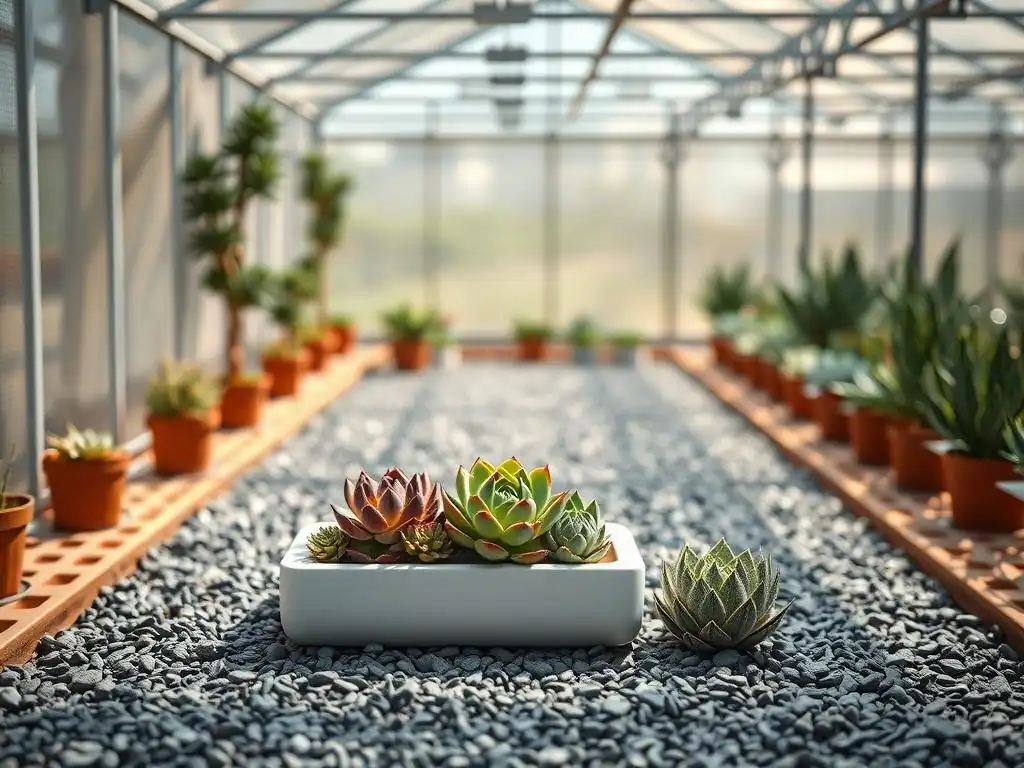
This section delves into the crucial environmental factors—light, water, and air circulation—necessary for successfully replicating authentic succulent habitats within your greenhouse environment. Mastering these techniques will significantly improve the health, growth, and overall aesthetic appeal of your succulent collection. Understanding the specific needs of different species is paramount for achieving optimal results and avoiding common pitfalls. Let's explore each factor in detail.
Optimizing Light Levels for Different Succulent Species in Your Greenhouse
Light is arguably the most critical factor influencing succulent growth and health in a greenhouse setting. Different succulent species have varying light requirements, ranging from full sun to partial shade. Failure to provide the appropriate light intensity and duration can lead to etiolation (leggy growth), sunburn, or even plant death.
To optimize light levels, consider these strategies:
- Species-Specific Placement: Carefully research the light preferences of each succulent species before placing it in your greenhouse. High-light succulents like Sedum morganianum (Burro's Tail) should be positioned in areas receiving direct sunlight for several hours daily. Conversely, shade-loving succulents like Haworthia and Gasteria benefit from filtered light or morning sun only.
- Supplemental Lighting: In winter months or areas with limited sunlight, supplemental lighting is crucial. Full-spectrum grow lights can effectively supplement natural light, ensuring adequate photosynthetic activity even during shorter days. Consider using timers to regulate the duration of supplemental lighting.
- Light Monitoring: Regularly monitor light levels within your greenhouse using a light meter. This helps you identify areas with insufficient or excessive light, allowing for adjustments in plant placement or supplemental lighting. A simple light meter can provide invaluable data for fine-tuning your greenhouse environment.
Irrigation Strategies for Greenhouse Succulent Habitats: Preventing Overwatering
Overwatering is a common problem for greenhouse succulents, often leading to root rot and other fungal diseases. Succulents are adapted to arid conditions and require infrequent, deep watering rather than frequent, shallow watering. The key is to allow the soil to dry out completely between waterings.
Implementing these strategies will help prevent overwatering:
- Well-Draining Soil Mix: Use a well-draining soil mix specifically formulated for succulents. This mix typically includes components like pumice, perlite, and coarse sand, which improve aeration and drainage. Avoid using garden soil, which retains too much moisture.
- Watering Techniques: Water thoroughly when the soil is completely dry, allowing excess water to drain freely from the pots. Avoid wetting the foliage to prevent fungal diseases. Bottom-watering is a good option, allowing succulents to absorb water at their own pace.
- Monitoring Soil Moisture: Regularly check soil moisture levels using a moisture meter or by inserting your finger into the soil. Water only when the top inch or two of soil is dry. Avoid a strict watering schedule; adjust based on environmental conditions and the specific needs of your succulents.
| Succulent Type | Watering Frequency (approximate) | Soil Moisture Indicator |
|---|---|---|
| Echeveria | Every 1-2 weeks | Dry to the touch |
| Sedum | Every 1-2 weeks | Dry to the touch |
| Haworthia | Every 2-3 weeks | Almost completely dry |
| Lithops (Living Stones) | Every 3-4 weeks | Extremely dry |
Air Circulation and Ventilation: Maintaining Ideal Humidity Levels for Succulents
Proper air circulation and ventilation are essential for preventing fungal diseases and maintaining optimal humidity levels for your succulents. High humidity can encourage fungal growth, while stagnant air can lead to temperature fluctuations and stress.
Here are some strategies to improve air circulation:
- Greenhouse Ventilation: Ensure adequate ventilation in your greenhouse by opening vents or windows on warm, sunny days. This helps regulate temperature and humidity levels. Consider using fans to circulate air, especially in larger greenhouses.
- Spacing Plants: Proper spacing between plants allows for better air circulation, reducing the risk of fungal diseases. Overcrowding can create humid microclimates that are conducive to fungal growth.
- Humidity Monitoring: Monitor humidity levels using a hygrometer. Ideal humidity levels for most succulents are between 30% and 50%. Adjust ventilation accordingly to maintain optimal humidity. Excessive humidity can be addressed by increasing ventilation, while dry conditions might require the use of a humidifier (though less common for succulents).
Implementing these techniques will help create a thriving environment for your succulents, allowing you to cultivate a truly authentic and vibrant habitat within your greenhouse. Remember, observation and adaptation are key to success in cultivating any plant, and succulents are no exception. Careful monitoring and adjustments to your greenhouse environment will allow you to refine your techniques and achieve optimal results.
Greenhouse Succulent Habitat Design: Aesthetics and Species Selection
This section delves into the crucial aspects of designing aesthetically pleasing and ecologically sound succulent habitats within your greenhouse environment. We'll explore how to balance visual appeal with the specific needs of your chosen succulents, ensuring a thriving and visually stunning miniature ecosystem. Mastering these principles will transform your greenhouse from a simple growing space into a captivating display of botanical artistry. Remember, the key to a successful greenhouse succulent habitat lies in meticulous planning and thoughtful execution. Let's begin with the aesthetic considerations.
Aesthetic Considerations: Creating Visually Appealing and Natural-Looking Habitats
Creating a visually stunning succulent habitat goes beyond simply planting succulents. It involves careful consideration of several elements to achieve a natural and harmonious look. Think about the overall composition: Do you want a densely packed arrangement, or a more sparse and airy feel? Consider the use of contrasting textures and colors. For example, the smooth, grey-green leaves of a Sedum morganianum (Burro's Tail) beautifully complements the rough, textured rosettes of an Echeveria species.
The choice of containers plays a vital role. Avoid using uniformly sized pots; instead, opt for a variety of shapes, sizes, and materials – terracotta, ceramic, even repurposed containers. Consider incorporating natural elements, such as rocks, pebbles, and driftwood, to enhance the natural look and provide drainage. The placement of succulents within the habitat is also crucial. Experiment with layering and varying heights to create depth and visual interest.
Don't be afraid to let some succulents spill over the edges of containers for a more natural, untamed look. Remember, less can often be more. A carefully curated collection can be more impactful than an overcrowded display. The goal is to evoke the feeling of a miniature desert landscape or rocky outcrop, depending on your chosen species.
Choosing the Right Succulents: Species Selection for Your Greenhouse Habitat
Selecting the right succulents is paramount to the success of your greenhouse habitat. Consider the following factors:
- Light Requirements: Different succulents have varying light needs. Ensure your greenhouse provides adequate sunlight or supplemental lighting to meet the requirements of your chosen species. Some succulents thrive in full sun, while others prefer partial shade.
- Water Needs: While all succulents are drought-tolerant, their water requirements can vary. Choose succulents with similar water needs to avoid overwatering or underwatering certain plants.
- Size and Growth Habit: Consider the mature size of each succulent and its growth habit (e.g., trailing, upright, clumping). This will help you plan the spacing and arrangement within the habitat. Avoid overcrowding, which can lead to disease and competition for resources.
- Color and Texture: Select succulents with a variety of colors and textures to create a visually interesting and dynamic habitat. Consider incorporating succulents with different leaf shapes, sizes, and colors to maximize visual appeal.
- Hardiness: Choose succulents that are well-suited to the temperature and humidity levels within your greenhouse. Some succulents are more tolerant of fluctuating temperatures than others.
Here’s a sample species combination for a well-balanced habitat: Echeveria (various cultivars for color variation), Sedum (for trailing and textural contrast), Sempervivum (for rosette formations), and Dudleya (for unique leaf shapes). Remember to research the specific requirements of each species before incorporating it into your habitat.
Creating a Balanced Ecosystem: Plant Compatibility and Species Diversity in Your Greenhouse
Creating a balanced ecosystem within your greenhouse succulent habitat requires careful consideration of plant compatibility and species diversity. Avoid overcrowding, which can lead to increased competition for resources and a higher risk of disease. Proper spacing allows for adequate airflow and sunlight penetration to each plant.
Introducing a diversity of species is key to a thriving and resilient ecosystem. This biodiversity helps to create a more resilient habitat, less susceptible to pests and diseases. A monoculture (planting only one species) is significantly more vulnerable. By incorporating a variety of succulents with different growth habits, water requirements, and light needs, you create a more robust and aesthetically pleasing habitat. Furthermore, consider the potential for symbiotic relationships between species. Some succulents may benefit from the presence of others, enhancing overall growth and health. For example, certain species might improve soil drainage or deter pests.
Regular monitoring is crucial. Observe your habitat regularly for signs of stress, disease, or pest infestations. Take prompt action to address any issues that arise. Regular pruning and deadheading will also help maintain the health and aesthetic appeal of your habitat. By carefully considering plant compatibility, species diversity, and proactive monitoring, you can cultivate a thriving and visually stunning succulent ecosystem within your greenhouse. This careful approach ensures the long-term success and beauty of your greenhouse succulent habitat, offering a rewarding and enriching experience for any succulent enthusiast.
Maintaining Your Greenhouse Succulent Habitat: Long-Term Care and Monitoring
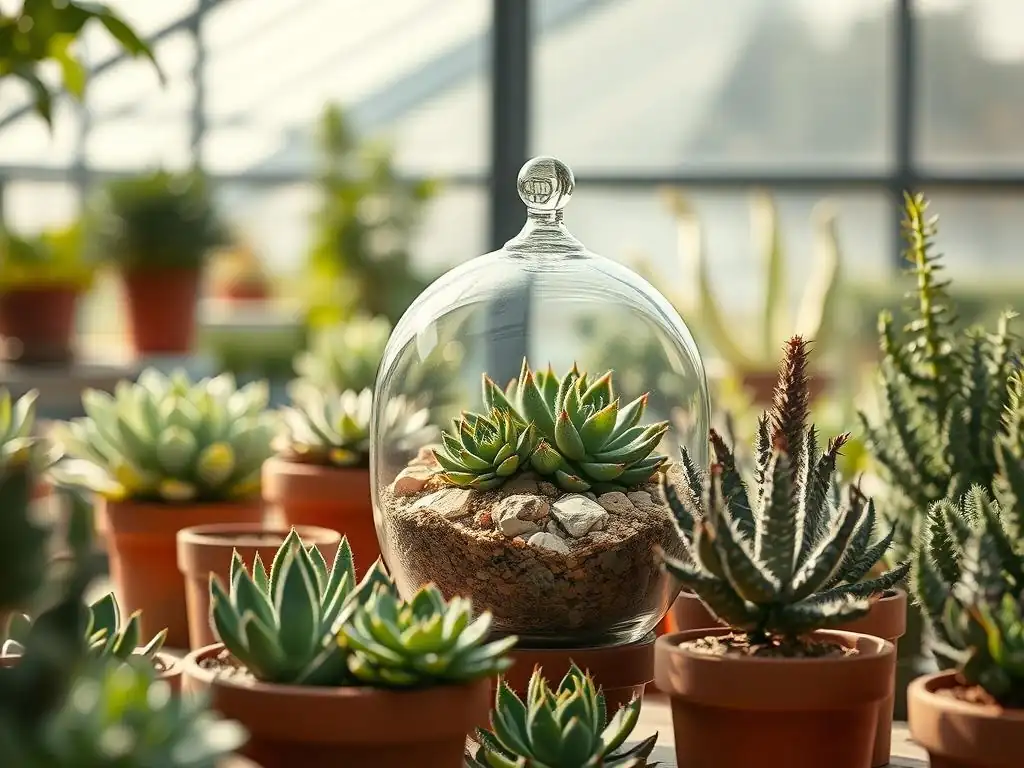
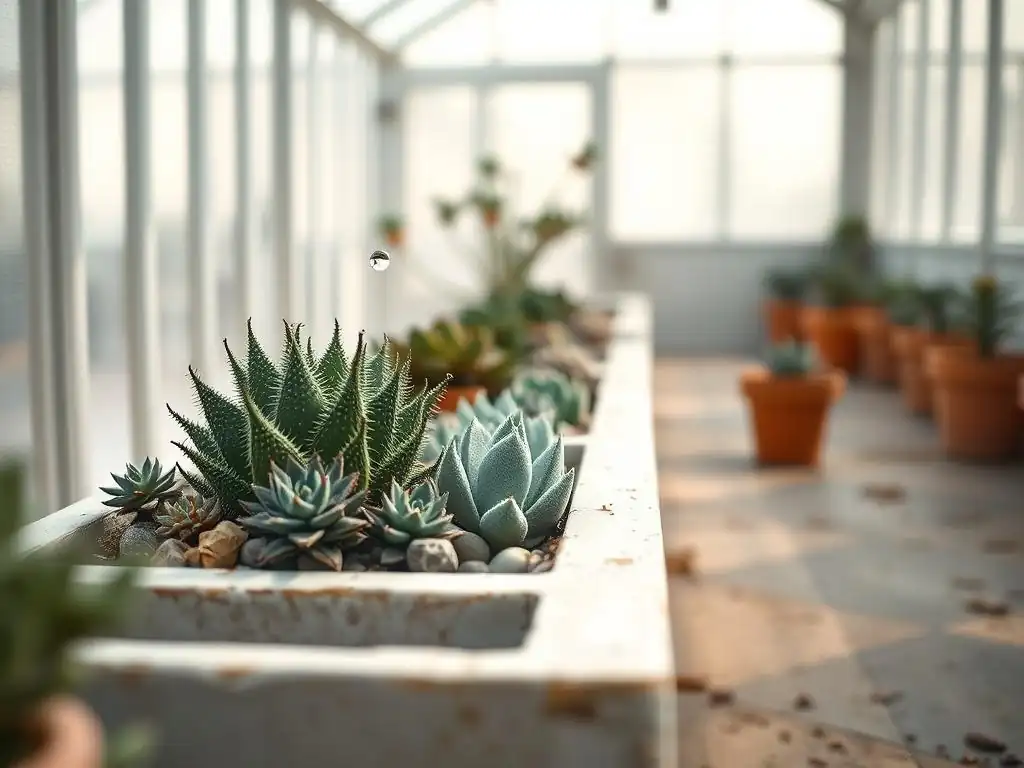
Creating a thriving succulent habitat within your greenhouse is a rewarding endeavor, but it requires ongoing commitment. Successful long-term maintenance hinges on proactive monitoring and preventative measures. Neglecting these aspects can quickly lead to problems that compromise the health and beauty of your collection. This section focuses on the essential practices for ensuring the longevity and vibrancy of your greenhouse succulent paradise. We'll explore regular monitoring techniques, effective pest and disease management strategies, and methods for propagation and renewal.
Regular Monitoring: Identifying and Addressing Potential Problems in Your Greenhouse
Regular monitoring is paramount to the health of your greenhouse succulents. Think of it as a proactive health check-up for your plants. This involves a visual inspection, ideally conducted weekly, checking for signs of stress, disease, or pest infestations. Pay close attention to:
- Leaf Color and Texture: Changes in leaf color (yellowing, browning, or unusual discoloration) often indicate issues with watering, sunlight, or nutrient levels. A change in leaf texture (wilting, shriveling, or becoming soft) can also signal problems.
- Root Health: While less readily visible, root rot is a serious threat to succulents. Gently check the roots during repotting or if you suspect a problem. Healthy roots should be firm and white; mushy, brown roots indicate rot.
- Pest Activity: Regularly inspect your plants for signs of pests like mealybugs, aphids, or spider mites. These tiny creatures can quickly infest your greenhouse and cause significant damage. Use a magnifying glass to identify smaller infestations.
- Environmental Conditions: Monitor temperature, humidity, and airflow within your greenhouse. Extreme temperature fluctuations or poor ventilation can stress your plants. Consider investing in a thermometer and hygrometer for accurate readings.
Maintaining detailed records of your observations is crucial. A simple notebook or spreadsheet documenting your monitoring activities, noting any problems and the actions taken to address them, will prove invaluable in the long run. This record allows you to track trends and identify potential issues before they escalate into major problems. For example, noting consistent wilting on a particular species might point towards an underlying watering issue, prompting a review of your watering schedule and techniques.
Pest and Disease Management in Your Greenhouse Succulent Habitat
Early detection is key to effective pest and disease management. A small infestation is far easier to control than a widespread one. Common greenhouse pests targeting succulents include:
| Pest Type | Symptoms | Control Methods |
|---|---|---|
| Mealybugs | White, cottony masses on stems and leaves | Isopropyl alcohol, insecticidal soap, neem oil |
| Aphids | Small, soft-bodied insects, often clustered | Insecticidal soap, neem oil, systemic insecticides |
| Spider Mites | Fine webbing, stippling on leaves | Miticides, insecticidal soap, neem oil |
| Root Mealybugs | Stunted growth, wilting | Repotting, soil drench with insecticide |
For diseases, fungal infections are common in humid greenhouses. Good air circulation and avoiding overhead watering are crucial preventative measures. If a disease is detected, removing affected parts and applying a fungicide may be necessary. Always follow the product instructions carefully. Remember to isolate affected plants to prevent the spread of disease or pests to healthy specimens. Prevention is always better than cure – a clean and well-maintained greenhouse is your first line of defense. Regular cleaning and sanitization of pots and tools will also help prevent the spread of disease and pests.
Propagation and Renewal: Maintaining the Vibrancy of Your Greenhouse Habitat
Over time, even with meticulous care, some succulents may decline or become overcrowded. Propagation and renewal are vital for maintaining the vibrancy and health of your greenhouse habitat. Propagation allows you to increase your collection and replace aging or damaged plants. Common succulent propagation methods include:
- Leaf cuttings: A simple and effective method for many succulent species. Allow the cuttings to callous before planting in well-draining soil.
- Stem cuttings: Ideal for succulents that grow tall or leggy. Cuttings should be at least a few inches long and allowed to dry before planting.
- Offset propagation: Many succulents produce "offsets" or "pups," which are small plants growing at the base of the mother plant. These can be carefully separated and potted individually.
By regularly propagating your succulents, you can rejuvenate your greenhouse habitat, replacing older specimens with vigorous young plants. This ensures a continuously thriving and visually appealing collection. Regular repotting, using fresh, well-draining soil, also contributes to the long-term health and vigor of your succulents. Remember to choose pots with adequate drainage holes to prevent root rot. This cycle of propagation and renewal is essential for maintaining a dynamic and beautiful greenhouse succulent habitat. The process itself is a testament to the resilient and adaptable nature of these fascinating plants. 🌱
Case Study: Creating a Miniature Desert Habitat in a Greenhouse
This case study details the creation of a miniature Sonoran Desert habitat within a greenhouse environment, focusing on replicating the specific conditions necessary for the thriving of Echinocactus grusonii (Golden Barrel Cactus) and other similar desert succulents. The project aims to demonstrate how careful planning and execution can create a visually appealing and scientifically accurate miniature ecosystem, showcasing the beauty and resilience of desert succulents while providing valuable insights into their cultivation. This project directly addresses the keyword "Greenhouse succulent habitat ideas" by providing a concrete example of habitat replication.
Planning and Design: Replicating a Specific Desert Environment
The first stage involved meticulous research into the Sonoran Desert ecosystem. We focused on understanding the key environmental factors influencing succulent growth, including:
- Temperature: The Sonoran Desert experiences extreme temperature fluctuations, with scorching days and cool nights. Our greenhouse design incorporated a temperature control system capable of mimicking this diurnal cycle, maintaining temperatures between 25-35°C (77-95°F) during the day and 15-20°C (59-68°F) at night.
- Sunlight: Intense sunlight is crucial for desert succulents. We positioned the habitat to receive at least 6-8 hours of direct sunlight daily, supplementing with grow lights during shorter winter days to maintain optimal light intensity. We also considered the angle of the sun throughout the year and adjusted the habitat's position accordingly.
- Humidity: The Sonoran Desert is characterized by extremely low humidity. We employed a dehumidifier to maintain humidity levels below 40%, preventing fungal diseases and promoting healthy growth.
- Drainage: Excellent drainage is essential to prevent root rot. The habitat's substrate was carefully chosen to ensure rapid water drainage, as detailed in the next section.
- Specific Plant Selection: We selected a range of Sonoran Desert succulents, including Echinocactus grusonii, Ferocactus wislizeni (Fishhook Barrel Cactus), and various Opuntia species (Prickly Pears), ensuring compatibility and creating visual diversity. The plants were carefully chosen for their size, growth rate, and light requirements to ensure a balanced and aesthetically pleasing arrangement.
Implementation: Substrate, Plants, and Structural Elements
The construction of the miniature desert habitat involved several crucial steps:
- Substrate Preparation: We used a well-draining substrate mix consisting of 70% coarse sand, 20% pumice, and 10% perlite. This mix mimics the rocky, well-drained soil of the Sonoran Desert, preventing waterlogging and promoting healthy root development. The addition of pumice and perlite improved aeration and water retention.
- Structural Elements: We used terracotta pots of varying sizes to create depth and visual interest. Larger pots housed the larger cacti, while smaller pots were used for smaller succulents. Rocks and gravel were added to mimic the natural rocky landscape of the Sonoran Desert, providing visual appeal and improving drainage.
- Plant Placement: Plants were carefully positioned to create a visually appealing and biologically realistic arrangement. Larger cacti were placed at the center and back, with smaller succulents placed in the foreground. Spacing was carefully considered to allow for adequate growth and prevent overcrowding.
- Watering System: A drip irrigation system was implemented to provide precise and controlled watering, mimicking the infrequent but intense rainfall patterns of the Sonoran Desert. This system minimized water waste and ensured that the plants received the appropriate amount of moisture.
Results and Maintenance: Long-Term Observation and Adjustments
Over a period of six months, we monitored the habitat's microclimate and the plants' growth. Temperature and humidity levels were consistently monitored and adjusted as needed. The drip irrigation system was fine-tuned to ensure optimal watering frequency and amount. Regular observations allowed us to detect any signs of stress or disease early.
We documented plant growth rates, flowering periods, and any other relevant observations. This ongoing monitoring allowed us to make adjustments to maintain the habitat's stability and the health of the succulents. For instance, we found that slight adjustments to the grow lights were needed during the peak summer months to prevent scorching. This project demonstrates that with careful planning, meticulous execution, and consistent monitoring, it's possible to create a thriving miniature desert ecosystem within a greenhouse, offering a unique and educational experience for succulent enthusiasts.
The successful replication of this Sonoran Desert habitat provides valuable insights into the specific needs of desert succulents and offers a blueprint for creating similar habitats for other desert environments. The long-term observation phase is crucial for optimizing the habitat's design and maintenance, ensuring the continued health and growth of the plants. This project showcases the power of replicating specific environmental conditions to achieve successful succulent cultivation in a controlled environment, reinforcing the importance of understanding the native habitats of these plants for optimal care.
Frequently Asked Questions
What makes a greenhouse ideal for succulents?
A greenhouse provides the perfect microclimate for succulents. It offers controlled temperature and humidity, crucial for their health, and allows for optimal sunlight exposure.
How can I create a natural succulent habitat in my greenhouse?
Focus on replicating their native environments. Use porous soil mixes, incorporate rocks and gravel for drainage, and choose succulents suited to similar climates.
What are some creative ways to arrange succulents in a greenhouse habitat?
Consider terraced arrangements, vertical gardens, or even miniature landscapes. Use different sized pots and containers for visual interest, and group succulents with similar watering needs.
What specific lighting needs should I consider for my greenhouse succulent habitat?
Succulents need bright, indirect light. You might need to supplement with grow lights during shorter winter days or in areas with limited sunlight. Avoid direct, intense sunlight, which can scorch the leaves.
How do I maintain humidity levels in a greenhouse for optimal succulent growth?
Good air circulation is key. Avoid overwatering, which leads to high humidity and rot. You can use a humidity monitor to track levels and adjust ventilation accordingly.
Final Reflection: Cultivating Connection: Beyond the Pots, a Greener Future
The art of crafting authentic succulent habitats within our greenhouses isn't merely a horticultural pursuit; it's a vital step towards a more sustainable and interconnected future. We've explored the myriad ways to mimic natural succulent environments, fostering biodiversity and reducing our reliance on resource-intensive practices. This isn't just about beautiful displays; it's about actively participating in ecological restoration, one miniature desert at a time.
The journey of creating these miniature ecosystems has profoundly impacted my own understanding of interconnectedness. It's a constant learning process, a dance between observation, adaptation, and respect for the delicate balance of nature. The earth laughs in flowers.
- Ralph Waldo Emerson. This quote perfectly encapsulates the joy and wonder that comes from nurturing life, even in the smallest of spaces. Witnessing the resilience and beauty of these plants thriving in environments carefully crafted to mimic their natural habitats is deeply rewarding, reminding us of the power of thoughtful cultivation.
Now, consider your own space. What small changes can you make to foster a more sustainable and enriching environment? Perhaps it's starting with a single succulent, carefully replicating its natural needs, or perhaps it's expanding your existing greenhouse to incorporate more diverse and interconnected habitats. The possibilities are as vast and varied as the succulent kingdom itself. Embrace the challenge, nurture the growth, and discover the profound connection that awaits you – a connection not just to these remarkable plants, but to the larger ecosystem we all share.
Unleash Your Inner Green Thumb: Craft the Perfect Succulent Oasis
Thank you for exploring the art of creating thriving succulent habitats! You've gained valuable insights into designing truly unique and flourishing environments for your plants. Ready to put your knowledge into practice?
- Design your dream succulent habitat: Sketch your vision, considering your succulents' needs and the characteristics of your space. Experiment with different arrangements and levels!
- Share your progress: Post a photo of your arrangement on social media using #SucculentEssentials. Let's inspire each other!
What unique element will you incorporate into your next succulent arrangement to make it truly special?