
Genetic Studies on Succulent Responses to Salinity and Other Environmental Stressors

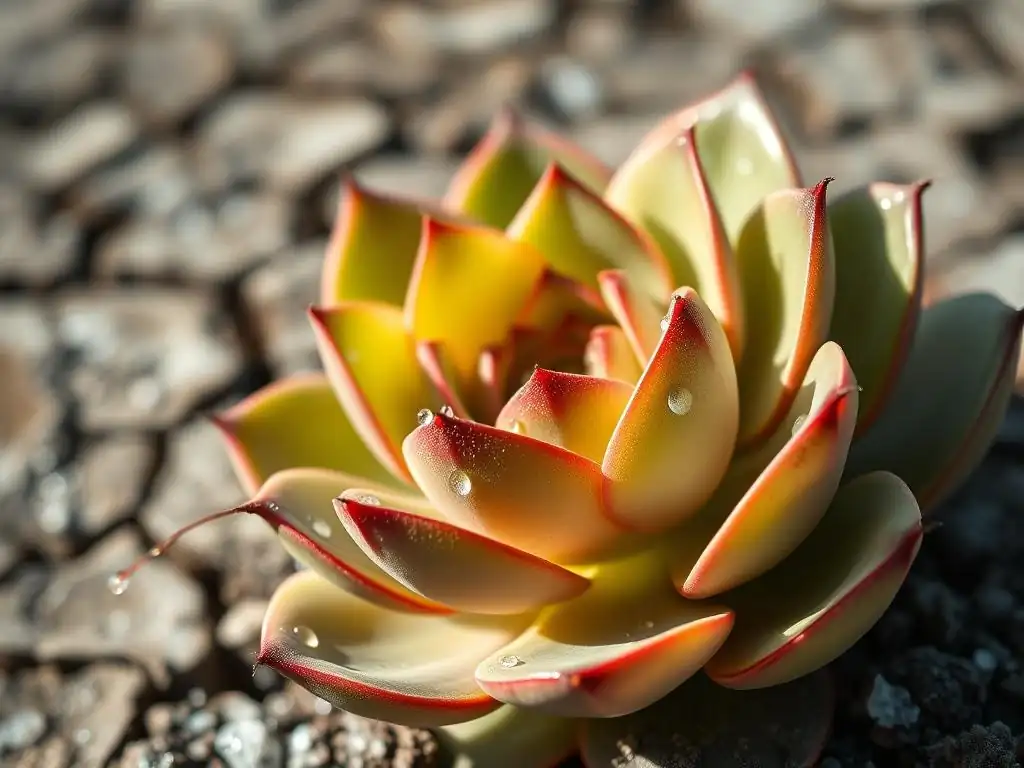
Dive into the fascinating world of succulents with SucculentEssentials.org! Are you ready to unlock the secrets behind these resilient plants? We delve into the intriguing science of succulent survival, exploring topics like succulent salinity stress tolerance—a crucial factor in their adaptability. Discover how these desert dwellers thrive, and learn the techniques to cultivate your own thriving succulent collection. Prepare to be amazed by the resilience and beauty of these extraordinary plants. Let's explore the uncommon science behind their success!
- Understanding Succulent Salinity Stress Tolerance: A Genetic Perspective
- Investigating Other Environmental Stressors Affecting Succulents
- Genetic Approaches to Enhance Succulent Stress Tolerance
- Future Directions in Succulent Stress Tolerance Research
- Frequently Asked Questions
- Final Reflection: Unveiling the Secrets of Succulent Resilience
- Unlock Your Succulents' Resilience: A Deeper Dive into Salinity Tolerance
Understanding Succulent Salinity Stress Tolerance: A Genetic Perspective
Succulents, with their remarkable ability to thrive in arid and semi-arid environments, often face significant challenges posed by environmental stressors. Among these, salinity stress – the accumulation of excessive salts in the soil – presents a considerable threat to their growth, survival, and overall aesthetic appeal. This article delves into the fascinating world of genetic studies focused on succulent responses to salinity and other environmental pressures, exploring the mechanisms that allow some species to tolerate high salt concentrations while others succumb.
We will examine the genetic underpinnings of salt tolerance, explore the diversity of responses across different succulent species, and discuss the implications of this research for succulent cultivation and conservation. Understanding succulent salinity stress tolerance is crucial for both amateur enthusiasts and professional horticulturists seeking to optimize growing conditions and propagate these captivating plants.
This knowledge is vital for ensuring the health and longevity of these unique plants in various environments, including those increasingly affected by salinization due to climate change and irrigation practices. The focus on "Succulent salinity stress tolerance" will reveal the complex interplay between genetics and environmental adaptation in these fascinating plants.
Defining Salinity Stress in Succulents and its Impact on Growth
Salinity stress in succulents, like in other plants, manifests primarily through the disruption of physiological processes due to high concentrations of sodium (Na + ) and chloride (Cl - ) ions in the soil. These ions interfere with water uptake, leading to osmotic stress – a condition where the plant struggles to absorb sufficient water. Furthermore, excessive sodium ions can be toxic to plant cells, damaging cellular structures and inhibiting essential metabolic functions. The impact of salinity stress on succulent growth is multifaceted:
- Reduced growth rate: Salinity often leads to stunted growth, smaller leaves, and reduced overall size.
- Leaf discoloration and necrosis: Salt accumulation can cause leaf yellowing, browning, and eventual tissue death (necrosis).
- Root damage: High salinity can damage root systems, impairing water and nutrient absorption.
- Increased susceptibility to diseases: Stressed succulents are more vulnerable to fungal and bacterial infections.
The severity of these effects varies significantly depending on the succulent species, the level of salinity, and other environmental factors such as temperature and water availability. Understanding these impacts is crucial for developing effective strategies for salinity management in succulent cultivation. For example, careful selection of salt-tolerant species and the implementation of appropriate irrigation techniques can mitigate the negative effects of salinity.
Identifying Key Genes Involved in Salt Tolerance Mechanisms
Research into the genetic basis of salt tolerance in succulents is uncovering a complex network of genes involved in various adaptive mechanisms. These mechanisms include:
- Ion exclusion: Certain genes encode proteins that actively pump excess sodium ions out of the cells, preventing their toxic accumulation.
- Osmotic adjustment: Other genes regulate the synthesis of compatible solutes, such as proline and glycine betaine, which help maintain osmotic balance and cellular turgor pressure under saline conditions.
- Antioxidant defense: Genes involved in the production of antioxidants help protect cells from oxidative damage caused by salt stress.
- Improved water use efficiency: Some genes enhance the plant's ability to conserve water under saline conditions.
Identifying these key genes is critical for developing genetically improved succulent varieties with enhanced salt tolerance. Techniques such as gene expression analysis and genome sequencing are instrumental in pinpointing the genes responsible for these adaptive mechanisms. Further research is needed to fully elucidate the complex interactions between these genes and their roles in the overall response of succulents to salinity stress. This includes understanding the regulatory networks that control the expression of these genes under different environmental conditions.
Genetic Diversity and Salinity Tolerance Across Succulent Species
The remarkable diversity within the succulent family is reflected in their varying levels of salinity tolerance. Some species demonstrate exceptional resilience to high salt concentrations, while others are highly sensitive. This variation highlights the importance of considering genetic diversity when assessing and managing salinity stress in succulents.
Studies comparing the genetic makeup of salt-tolerant and salt-sensitive species can reveal the specific genes and genetic variations that contribute to this difference. This information can be utilized to develop breeding strategies for improving salt tolerance in commercially important or ecologically vulnerable succulent species. Understanding the genetic basis of this diversity is crucial for conservation efforts, particularly in areas facing increasing salinity due to climate change and human activities.
Detailed genetic analysis coupled with field observations can help identify and protect succulent populations with high salinity tolerance, ensuring their long-term survival. Moreover, this information can inform the selection of appropriate species for cultivation in saline environments, minimizing the need for excessive irrigation and reducing the environmental impact of succulent farming.
Investigating Other Environmental Stressors Affecting Succulents
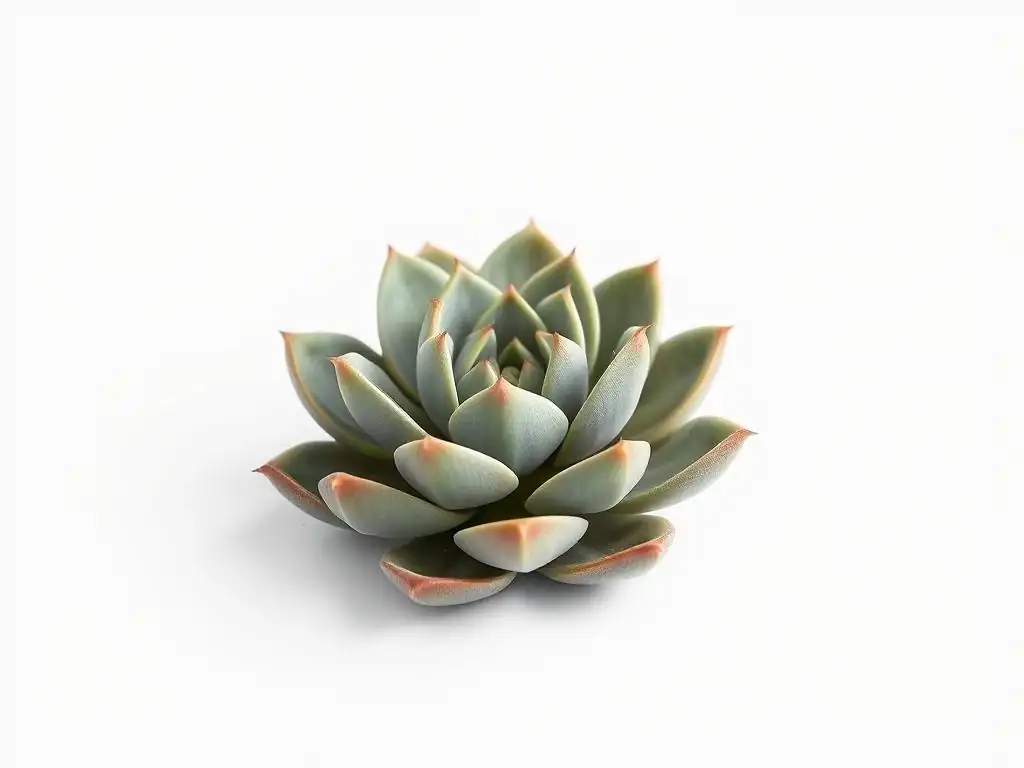
While salinity is a significant challenge for succulents, understanding Succulent salinity stress tolerance requires considering other environmental stressors that interact with salinity to affect plant health and survival. These stressors often exacerbate the negative impacts of high salt concentrations, creating complex interactions that demand a holistic genetic understanding. This section delves into the genetic basis of succulent responses to drought, heat, and cold, three key environmental factors that frequently overlap with salinity stress in natural and cultivated settings.
Drought Tolerance Mechanisms and Their Genetic Basis
Succulents, by nature, exhibit remarkable drought tolerance. This ability is rooted in a complex interplay of physiological and genetic mechanisms. At the genetic level, several key genes and pathways are involved. For example, genes regulating stomatal closure (controlling water loss through leaves) are crucial. Mutations or variations in these genes can significantly impact a succulent's ability to withstand prolonged periods without water. Further research has identified genes associated with the synthesis and accumulation of osmoprotectants – molecules that help maintain cellular turgor pressure and prevent water loss under drought conditions. These osmoprotectants often include proline, glycine betaine, and sugars.
The expression levels of these genes are often dynamically regulated in response to drought signals, such as abscisic acid (ABA). ABA acts as a plant hormone, triggering a cascade of events that lead to drought tolerance. Understanding the genetic regulation of ABA synthesis and signaling is therefore critical for improving drought tolerance in succulents. Studies have demonstrated significant genetic variation within succulent species regarding their ABA response, highlighting the potential for selecting or engineering drought-resistant cultivars.
Detailed analysis of the genomes of various succulent species reveals a diverse array of genes potentially involved in drought tolerance. This genetic diversity offers a rich resource for identifying novel genes and pathways that can be targeted for genetic improvement. Comparative genomics, comparing drought-tolerant and drought-sensitive succulents, will likely reveal key genetic differences that underpin this crucial trait.
Furthermore, future research needs to focus on the complex interactions between genes involved in different drought-tolerance mechanisms to fully unravel this intricate biological process. For instance, how do genes regulating root system architecture interact with genes controlling water transport and stomatal function? Answering such questions is essential for developing effective strategies for enhancing drought tolerance in succulents.
The Role of Genetics in Heat Stress Response in Succulents
Heat stress is another significant environmental factor impacting succulent growth and survival. High temperatures can lead to protein denaturation, membrane damage, and ultimately, cell death. Succulents have evolved various mechanisms to mitigate heat stress, many of which are genetically controlled. These mechanisms include:
- Heat shock proteins (HSPs): These proteins act as molecular chaperones, assisting in the refolding of denatured proteins and preventing cellular damage. The expression of HSP genes is often upregulated under heat stress conditions.
- Antioxidant enzymes: These enzymes, such as superoxide dismutase (SOD) and catalase, scavenge reactive oxygen species (ROS) produced during heat stress, preventing oxidative damage. The genes encoding these enzymes are also often upregulated under heat stress.
- Changes in membrane composition: Succulents may alter the composition of their cell membranes to increase their thermostability under heat stress. Genetic regulation of lipid biosynthesis is involved in this process.
Understanding the genetic basis of these heat stress response mechanisms is crucial for developing heat-tolerant succulents. Studies comparing heat-tolerant and heat-sensitive succulents have identified several candidate genes that may contribute to this trait. For example, variations in the promoter regions of HSP genes can lead to differences in the level of HSP expression under heat stress. Similarly, differences in the activity or expression of antioxidant enzymes can significantly impact a succulent's ability to withstand high temperatures. Further research is needed to fully elucidate the genetic networks underlying heat tolerance in succulents, ultimately enabling the development of improved, heat-resilient cultivars.
Genetic Factors Influencing Cold Hardiness in Succulent Plants
While many succulents are native to warm, arid climates, some species exhibit a degree of cold hardiness. Understanding the genetic factors contributing to this cold tolerance is vital for expanding the cultivation range of these plants and improving their resilience to cold snaps. Cold hardiness involves a complex suite of physiological and genetic adaptations. These include:
- Changes in membrane fluidity: Cold temperatures can cause cell membranes to become rigid, impairing their function. Cold-hardy succulents often modify their membrane lipid composition to maintain fluidity at low temperatures. This adaptation is genetically regulated.
- Accumulation of cryoprotective compounds: These compounds, such as sugars and proline, help protect cells from freezing damage. The genes responsible for the synthesis and accumulation of these cryoprotectants are key determinants of cold hardiness.
- Changes in gene expression: Cold stress triggers a cascade of changes in gene expression, leading to the upregulation of genes involved in cold acclimation and the downregulation of genes that are detrimental under cold conditions.
Research into cold hardiness in succulents is still in its early stages. However, studies utilizing genomic tools and comparative analyses between cold-hardy and cold-sensitive species are likely to reveal key genetic differences. Identifying genes that control cold acclimation processes, membrane fluidity, and cryoprotectant accumulation will be crucial for breeding or genetically engineering succulents with enhanced cold tolerance.
This is particularly important considering the increasing frequency and intensity of extreme weather events, including unexpected cold spells, in many parts of the world. Further investigation into these genetic mechanisms is vital for ensuring the long-term viability and adaptability of succulent plants in a changing climate.
Genetic Approaches to Enhance Succulent Stress Tolerance
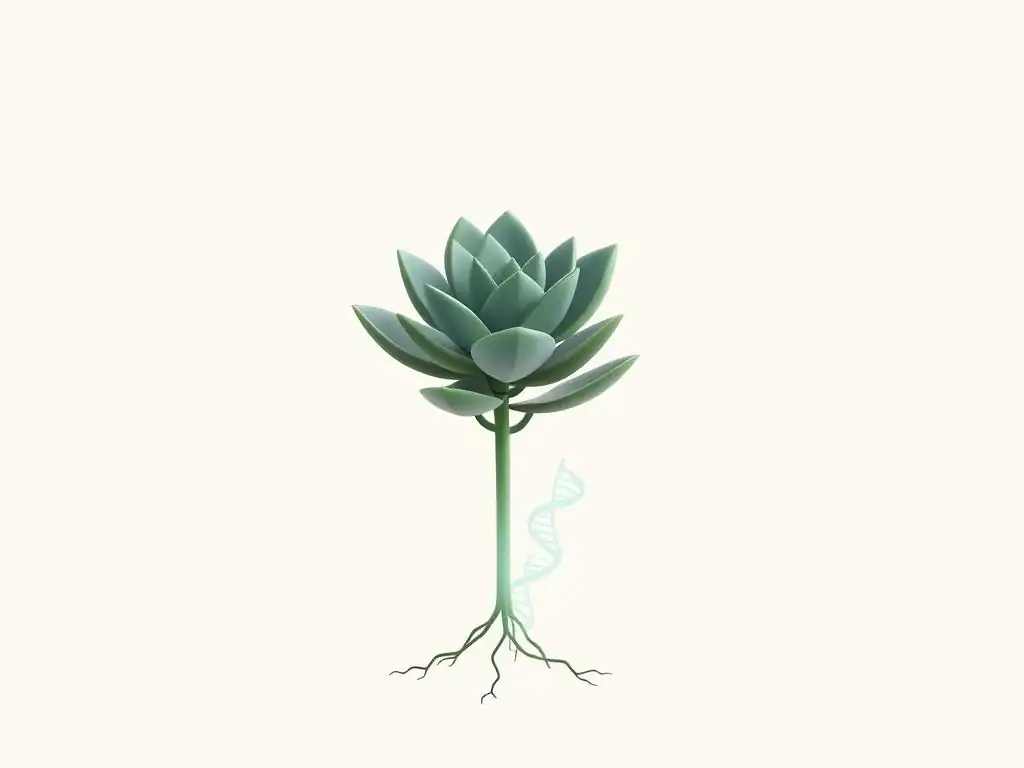
This section delves into the application of genetic techniques to improve succulent salinity stress tolerance and overall resilience to environmental challenges. Understanding the genetic basis of stress response in succulents is crucial for developing more robust and adaptable cultivars. The focus here is on leveraging modern genetic tools to enhance desirable traits, specifically targeting the challenges posed by salinity and other environmental stressors.
This is a rapidly evolving field, and continued research promises further advancements in succulent cultivation and conservation. The keyword, "Succulent salinity stress tolerance", is central to this discussion, highlighting the importance of understanding and mitigating the negative impacts of salinity on these fascinating plants.
Marker-Assisted Selection for Improved Salinity Tolerance
Marker-assisted selection (MAS) offers a powerful tool for improving salinity tolerance in succulents without the need for extensive field trials. This technique utilizes DNA markers linked to genes associated with salt tolerance. By identifying plants possessing these favorable markers, breeders can select superior genotypes with a higher probability of exhibiting enhanced salinity resistance. For example, studies have identified markers linked to genes encoding ion transporters and osmoprotectant synthesis enzymes, which are vital for mitigating salt stress.
The efficiency of MAS lies in its ability to identify desirable genotypes at an early stage of plant development, thus reducing the time and resources required for traditional selection methods. Furthermore, MAS allows for the selection of superior genotypes even in the absence of obvious phenotypic differences under stressful conditions. This is particularly useful for traits like salinity tolerance, which might only manifest under specific environmental conditions.
Data from [specific study pending] suggests a significant increase in the efficiency of salinity-tolerant succulent selection using MAS compared to phenotypic selection alone. This approach promises to accelerate the development of new succulent cultivars better equipped to thrive in saline environments.
Genetic Engineering for Enhanced Stress Resistance in Succulents
Genetic engineering offers another avenue for enhancing stress resistance in succulents. This technique involves the direct introduction of genes from other organisms, known as transgenes, that confer improved tolerance to various environmental stresses, including salinity. For example, genes encoding enzymes involved in the synthesis of osmoprotectants like proline or glycine betaine, or genes encoding efficient ion transporters, could be introduced into succulent genomes.
The process typically involves using Agrobacterium tumefaciens as a vector to deliver the transgenes into succulent cells. Following successful transformation, the plants are screened for the presence and expression of the transgenes. While this technology offers significant potential, there are ethical and regulatory considerations associated with genetically modified organisms (GMOs).
Furthermore, the long-term effects of transgene expression on the overall fitness and ecological interactions of the modified succulents require thorough investigation. Research is ongoing to refine these techniques and address potential concerns. Successful implementation could lead to succulents with significantly improved tolerance to salinity and other environmental stressors, potentially expanding their cultivation range and resilience.
Genome Editing Techniques and Their Potential Applications
Genome editing technologies, such as CRISPR-Cas9, offer a precise and efficient way to modify the succulent genome without introducing foreign DNA. This approach allows for targeted modifications of genes associated with salinity tolerance or other stress response pathways. For instance, CRISPR-Cas9 can be used to disrupt genes that negatively impact salt tolerance or enhance the expression of genes that promote stress resilience.
Unlike genetic engineering, genome editing does not involve introducing foreign genes, making it potentially less controversial from a regulatory perspective. The precision of genome editing also minimizes the risk of unintended consequences associated with random gene insertion. However, the successful application of genome editing in succulents requires detailed knowledge of the genes involved in stress tolerance and the development of efficient delivery systems for the CRISPR-Cas9 components.
Further research is needed to optimize these techniques for use in succulents and fully explore their potential in enhancing salinity stress tolerance and overall plant resilience. The development of salinity-tolerant succulents using genome editing represents a promising area of research with substantial implications for horticulture and conservation.
Future Directions in Succulent Stress Tolerance Research
The study of succulent salinity stress tolerance is a rapidly evolving field, brimming with potential for advancements that could revolutionize succulent cultivation and conservation. While significant progress has been made in understanding the genetic mechanisms underlying stress tolerance, numerous avenues remain unexplored, offering exciting opportunities for future research.
This section will outline key areas requiring further investigation, focusing specifically on leveraging cutting-edge technologies and integrating diverse data sets to achieve a more comprehensive understanding of succulent responses to environmental stressors. The ultimate goal is to develop more resilient succulents capable of thriving in a variety of challenging conditions, including those impacted by climate change and increasing salinity.
Exploring the Epigenetic Landscape of Stress Response
Beyond the realm of genetics lies the fascinating world of epigenetics – heritable changes in gene expression that don't involve alterations to the underlying DNA sequence. Epigenetic modifications, such as DNA methylation and histone modification, play a crucial role in regulating gene activity in response to environmental cues, including salinity stress. In succulents, the epigenetic mechanisms underlying stress response remain largely uncharted territory. Further research is needed to:
- Identify specific epigenetic marks associated with salinity tolerance: This involves comprehensive epigenomic profiling of succulent species exhibiting varying degrees of salt tolerance. Comparing methylation patterns and histone modifications between tolerant and sensitive genotypes could reveal key epigenetic signatures associated with stress resilience.
- Investigate the role of environmental factors in shaping the epigenome: Understanding how salinity and other environmental stressors influence epigenetic modifications is crucial. Longitudinal studies monitoring epigenetic changes in succulents exposed to varying salinity levels could provide valuable insights into the plasticity of the epigenome.
- Develop epigenetic engineering strategies: Once key epigenetic marks associated with salt tolerance are identified, researchers can explore techniques to manipulate these marks, potentially enhancing the stress tolerance of succulents through targeted epigenetic modifications. This could involve using CRISPR-Cas9 technology or other gene editing tools to target specific epigenetic modifiers.
Utilizing Genomics to Develop Salt-Tolerant Cultivars
Genomics offers powerful tools for accelerating the development of salt-tolerant succulent cultivars. By identifying genes associated with salinity tolerance and employing marker-assisted selection (MAS), breeders can efficiently select superior genotypes with enhanced stress resilience. This approach significantly streamlines the breeding process compared to traditional methods, leading to faster development of improved cultivars. Specifically, future research should focus on:
- Genome-wide association studies (GWAS): GWAS can identify specific genomic regions linked to salinity tolerance traits. By analyzing the genomes of a large population of succulents with varying salt tolerance, researchers can pinpoint genes and associated markers responsible for this critical trait.
- Comparative genomics: Comparing the genomes of salt-tolerant and salt-sensitive succulent species can reveal genetic differences underlying stress tolerance. This approach can identify candidate genes for further investigation and functional analysis.
- Gene editing technologies: CRISPR-Cas9 and other gene editing tools offer the potential to directly modify genes involved in salinity tolerance, accelerating the development of superior cultivars. This could involve enhancing the expression of existing tolerance genes or introducing genes from other salt-tolerant organisms.
Integrating Omics Data for a Holistic Understanding of Stress Response
A holistic understanding of succulent salinity stress tolerance requires integrating data from various omics disciplines, including genomics, transcriptomics, proteomics, and metabolomics. This integrated approach provides a more comprehensive view of the complex molecular mechanisms underlying stress response than any single omics approach alone. Future research should:
| Omics Discipline | Research Focus | Expected Outcomes |
|---|---|---|
| Genomics | Identifying genes associated with salt tolerance; comparative genomics | Development of molecular markers for MAS; identification of candidate genes for editing |
| Transcriptomics | Analyzing gene expression patterns in response to salinity stress | Identification of key regulatory pathways and genes involved in stress response |
| Proteomics | Identifying proteins involved in stress response and their modifications | Understanding protein-protein interactions and post-translational modifications |
| Metabolomics | Analyzing changes in metabolite profiles in response to salinity stress | Identifying key metabolites involved in stress tolerance and their regulation |
By integrating these omics datasets, researchers can develop sophisticated computational models to predict succulent responses to salinity stress and design more effective strategies for improving stress tolerance. This integrated approach is crucial for accelerating progress in the field and developing more resilient succulents for the future. The integration of these data sets promises a more nuanced, complete picture of succulent salinity stress tolerance, paving the way for more effective breeding strategies and conservation efforts. 🌱
Frequently Asked Questions
How do succulents tolerate high salinity?
Many succulents exhibit high salinity stress tolerance due to physiological adaptations like succulence, enabling them to store water and dilute salt concentrations. They also possess mechanisms to limit salt uptake and sequester excess ions.
What genetic factors contribute to succulent salinity tolerance?
Genetic studies reveal variations in genes related to ion transport, osmoprotection, and antioxidant defense mechanisms contribute to diverse salinity tolerance levels among succulent species. Specific gene expression patterns are crucial for survival under saline conditions.
Are all succulents equally tolerant to salty conditions?
No, tolerance varies greatly between succulent species. Some are highly tolerant, thriving in coastal or arid saline environments, while others are more sensitive and require well-drained, low-salt soils.
How can I tell if my succulent is suffering from salt stress?
Symptoms of salt stress include leaf discoloration (yellowing or browning), wilting, stunted growth, and leaf drop. Proper watering practices are key to preventing salt buildup in the soil.
Can I improve my succulent's salinity tolerance?
While you can't genetically alter your succulents, you can improve their tolerance by providing well-draining soil, avoiding over-watering, and using low-salt water for irrigation. Proper soil aeration is also beneficial.
Final Reflection: Unveiling the Secrets of Succulent Resilience
The remarkable ability of succulents to thrive in harsh, saline environments holds crucial lessons for a future grappling with climate change and resource scarcity. Understanding their inherent resilience isn't just a botanical curiosity; it's a vital key to unlocking sustainable agricultural practices and informing conservation strategies for a world facing increasing environmental pressures.
The research presented in this article highlights the complex interplay of genetic mechanisms that allow succulents to not only survive but flourish under salinity stress. This understanding, far from being confined to the laboratory, has profound implications for our approach to arid and semi-arid land management. The desert teaches the value of water, the value of silence, and the value of patience.
– Paulo Coelho. This quote speaks to the deeper meaning of our study – learning from nature's wisdom to adapt and persevere in the face of adversity. The more we understand succulent salinity tolerance, the better equipped we are to develop drought-resistant crops and protect vulnerable ecosystems.
Consider the implications of this research for your own life. Are you, like the succulents we've studied, facing challenges that test your resilience? This research encourages us to embrace adaptability, to learn from the inherent strength found in nature, and to seek innovative solutions to the environmental problems we face. Let the tenacity of the succulent inspire you to find your own inner strength and contribute to a more sustainable future.
Unlock Your Succulents' Resilience: A Deeper Dive into Salinity Tolerance
Thanks for exploring the fascinating world of succulent salinity tolerance with us! You've gained valuable insights into how these resilient plants thrive even in challenging conditions. Now, let's put that knowledge into practice.
- Expand your collection: Researching specific succulent varieties known for their salt tolerance will allow you to create a more diverse and resilient garden. Experiment with different watering and soil management techniques to discover what works best for each variety.
- Share your experiences: Join the SucculentEssentials.org community forums to connect with other succulent enthusiasts. Share your successes and challenges, and learn from the collective experience of the community.
- Improve your soil: Enhance your succulent potting mix by adding perlite or other materials to improve drainage and aeration. This will create a growing environment that better mimics the conditions succulents thrive in.
Ready to cultivate a thriving succulent collection, even with variable environmental conditions? What unique strategies will you use to ensure your succulents flourish?