
The Future of Succulents in a Changing Desert Environment

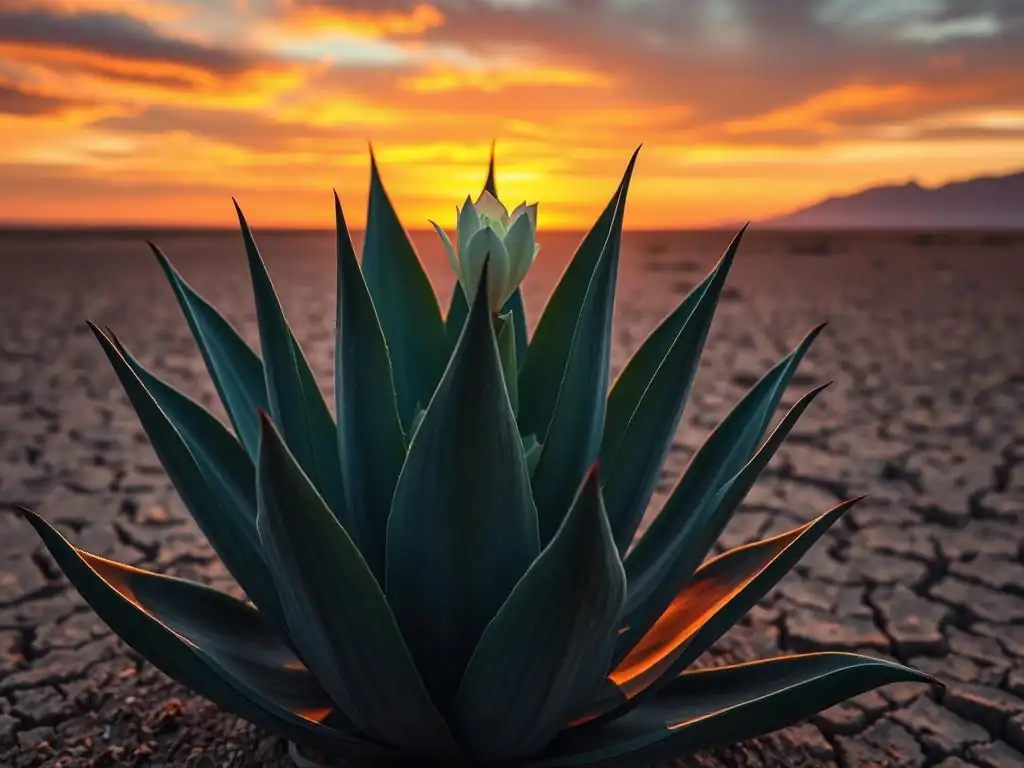
Welcome to SucculentEssentials.org, where the fascinating world of succulents unfolds before you! Are you ready to uncover the secrets to thriving succulents, even amidst the challenges of a changing climate? Our exploration into Succulent survival desert climate change will reveal surprising insights and practical strategies to ensure your beloved plants flourish. Dive in and discover how to navigate the complexities of desert environments and safeguard the future of your succulent collection – your journey to succulent mastery begins now!
- Succulent Survival: Desert Climate Change Impacts
- Adapting Succulents to a Changing Desert Climate
- Conservation Strategies for Desert Succulents
- The Role of Genetic Diversity in Succulent Survival
- Predicting Future Succulent Distributions in Desert Ecosystems
- Long-Term Sustainability of Succulent Populations in Desert Ecosystems
- Frequently Asked Questions
- Final Reflection: A Prickly Future: Adapting Succulents to a Changing Desert
- Rediscover Your Desert Oasis: Grow with the Change!
Succulent Survival: Desert Climate Change Impacts
The future of succulents, those captivating drought-tolerant plants, is inextricably linked to the health of desert ecosystems. As climate change intensifies, deserts worldwide face unprecedented challenges: rising temperatures, erratic rainfall, and more frequent extreme weather events. These shifts significantly impact succulent survival, threatening not only the aesthetic appeal of these plants but also the biodiversity of arid and semi-arid regions. This article delves into the specific ways climate change affects succulents in desert environments, exploring the challenges they face and highlighting potential strategies for their conservation and cultivation in a rapidly changing world. Understanding these impacts is crucial for succulent enthusiasts, researchers, and conservationists alike, as it informs responsible cultivation practices and effective conservation efforts to ensure the continued thriving of these remarkable plants. We will explore the multifaceted effects of climate change on succulents, focusing on rising temperatures, altered rainfall patterns, and the increased frequency of extreme weather events.
Rising Temperatures and Their Effect on Succulent Growth
Rising temperatures directly impact succulent growth and survival. Succulents, adapted to arid conditions, have evolved mechanisms to conserve water and withstand heat. However, prolonged exposure to excessively high temperatures can overwhelm these natural defenses. Studies have shown that [specific temperature increase data pending] above average temperatures lead to increased rates of transpiration, causing dehydration and potentially fatal water loss.
Furthermore, extreme heat can damage succulent tissues, causing sunburn, wilting, and reduced photosynthetic efficiency. This is particularly problematic for succulents with limited shade or those already experiencing water stress. The impact varies depending on species; some are more tolerant of heat than others.
For example, Agave species generally exhibit higher heat tolerance compared to more delicate Echeveria varieties. Understanding these species-specific responses is crucial for implementing targeted conservation and cultivation strategies. We need more research to understand the precise thresholds at which different succulent species begin to suffer irreversible damage from extreme heat.
Altered Rainfall Patterns and Succulent Water Stress
Changes in rainfall patterns, including both increased intensity and prolonged droughts, significantly exacerbate water stress in succulents. While succulents are adapted to drought, unpredictable rainfall patterns disrupt their natural physiological cycles. Intense rainfall events can lead to root rot, while extended periods without rain lead to severe dehydration and mortality.
The timing of rainfall is also critical; late-season rains, for example, may not provide sufficient time for succulents to replenish water reserves before the next dry spell. The consequences of water stress include stunted growth, reduced flowering, and increased susceptibility to pests and diseases. This is particularly concerning for slow-growing species, which may not have the capacity to recover quickly from prolonged droughts.
Accurate rainfall data over extended periods is crucial for predicting and mitigating the impact of these changes on succulent populations. Monitoring soil moisture levels and implementing supplementary watering strategies in vulnerable areas may become essential for the long-term survival of many species.
Increased Frequency of Extreme Weather Events and Succulent Resilience
The increased frequency and intensity of extreme weather events, such as heatwaves, floods, and wildfires, pose a significant threat to succulent populations. Heatwaves, as discussed earlier, can cause direct mortality. Floods can lead to root rot and soil erosion, while wildfires can completely destroy succulent habitats.
The ability of succulents to withstand and recover from these events varies considerably depending on the species and the severity of the event. Some succulents exhibit remarkable resilience, while others are highly vulnerable. Understanding these differences is paramount for prioritizing conservation efforts.
For example, prioritizing the protection of particularly vulnerable species through habitat restoration and ex-situ conservation (such as seed banks) is vital. Moreover, research into the genetic basis of drought and heat tolerance in succulents could pave the way for developing more resilient cultivars better suited to the future desert environment. The development of robust monitoring programs to track the impact of extreme weather events on succulent populations is also essential for informing effective management strategies.
Adapting Succulents to a Changing Desert Climate
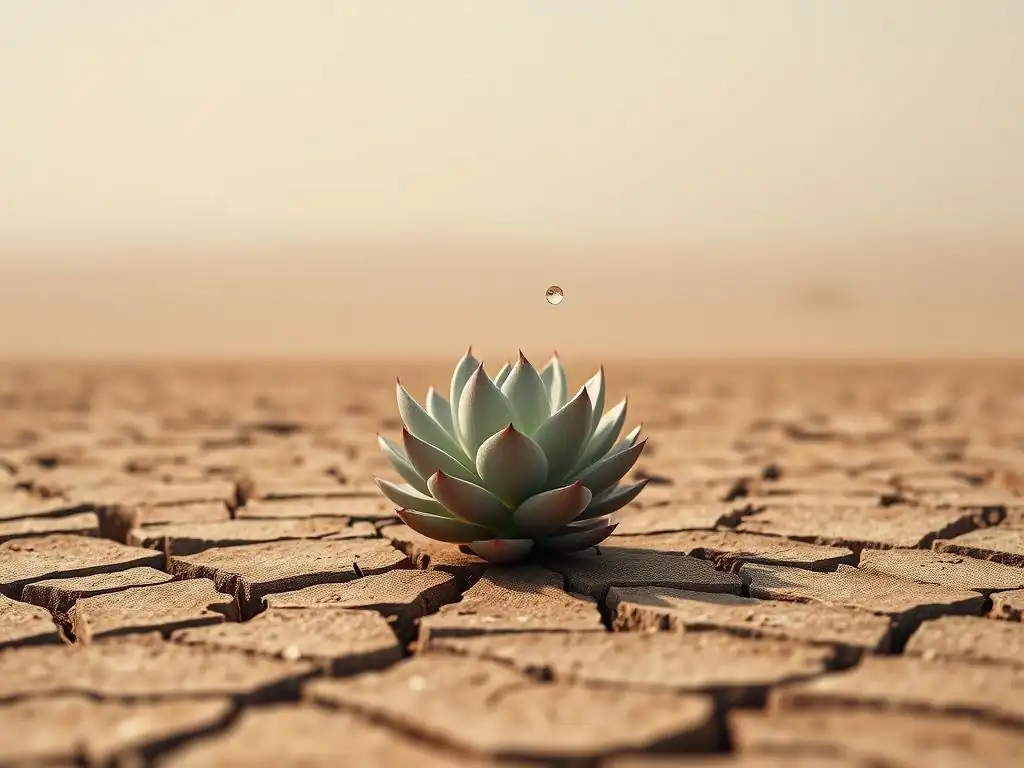
The survival of succulents in increasingly arid desert environments hinges on our ability to understand and adapt to the challenges posed by climate change. Succulent survival in desert climate change scenarios requires a multi-pronged approach, focusing on both proactive cultivation strategies and innovative conservation techniques. This section explores key areas of focus for ensuring the future of these fascinating plants. The impact of rising temperatures, altered precipitation patterns, and increased frequency of extreme weather events necessitates a shift in traditional horticultural practices. Understanding the specific vulnerabilities of different succulent species is crucial for developing effective adaptation strategies.
Drought-Tolerant Cultivar Development and Selection
Developing drought-tolerant succulents is paramount. This involves identifying and breeding succulents with inherent resilience to water scarcity. Careful selection of parent plants displaying traits such as deep root systems, thick leaves for water storage, and efficient water-use mechanisms is essential.
Modern breeding techniques, including marker-assisted selection, can accelerate the process of identifying superior genotypes. Data on water use efficiency (WUE) – the ratio of carbon dioxide assimilated to water transpired – can be instrumental in identifying the most promising candidates. For example, research comparing the WUE of Echeveria species could reveal exceptionally efficient water users, ideal for future cultivar development.
Furthermore, understanding the genetic basis of drought tolerance can lead to the development of genetically modified succulents with enhanced survival capabilities. This research holds enormous potential for creating succulents that thrive even under severe water stress, significantly enhancing their chances of survival in a changing desert climate. [Specific data on WUE of various succulent species pending].
Innovative Irrigation Techniques for Desert Succulents
Traditional irrigation methods prove insufficient in the face of intensifying droughts. Innovative techniques are needed to efficiently deliver water directly to succulent roots while minimizing water waste. Drip irrigation systems offer a precise and efficient solution, delivering water directly to the base of the plant, reducing evaporation and runoff. Furthermore, the use of soil moisture sensors can optimize irrigation scheduling, ensuring that plants receive the necessary water without overwatering.
Smart irrigation systems, incorporating weather data and soil moisture readings, can further refine water delivery, maximizing efficiency and minimizing environmental impact. Research into water-harvesting techniques, such as the collection of rainwater and dew, can also supplement traditional irrigation methods, providing an additional source of water for succulents in arid environments. These methods are crucial for enhancing succulent survival in drought-prone regions.
Utilizing Shade and Protective Measures for Succulents
Extreme temperatures pose a significant threat to succulent survival. Employing shade structures and protective barriers can mitigate the impact of intense solar radiation and high temperatures. Strategically placed shade cloth can reduce the amount of direct sunlight reaching succulents, lowering leaf temperatures and preventing sunburn. Similarly, windbreaks can protect succulents from desiccation caused by strong winds, conserving vital moisture.
The optimal level of shade will vary depending on the succulent species and the intensity of the sunlight. [Specific data on optimal shade levels for different succulent species pending]. Furthermore, the use of reflective mulches can reduce soil temperatures, creating a cooler root environment for succulents.
These measures, while seemingly simple, represent crucial adaptation strategies for ensuring the long-term survival of succulents in increasingly harsh desert conditions. Careful consideration of microclimates within the garden can further enhance the effectiveness of these protective measures. For example, positioning succulents strategically to benefit from natural shade provided by rocks or larger plants can significantly improve their resilience.
Conservation Strategies for Desert Succulents
The survival of succulents in desert environments is increasingly threatened by climate change. Rising temperatures, altered precipitation patterns, and intensified droughts are placing immense pressure on these already resilient plants. However, proactive conservation strategies can significantly improve succulent survival rates and ensure the preservation of these unique species for future generations. This section details crucial approaches to safeguarding desert succulents, focusing on both in-situ and ex-situ conservation methods. Effective strategies require a multi-pronged approach, integrating scientific research with community engagement and sustainable practices. The keyword "Succulent survival desert climate change" is central to understanding and addressing these challenges.
Protecting Native Succulent Species from Habitat Loss
Habitat loss represents a primary threat to desert succulents. Urban sprawl, agricultural expansion, and unsustainable resource extraction all contribute to the shrinking of natural succulent habitats. Effective conservation requires a multifaceted approach to mitigate these threats. This includes:
- Establishing protected areas: Creating designated reserves and national parks specifically to safeguard crucial succulent habitats is paramount. These areas need to be large enough to support viable populations and account for future climate shifts. Careful consideration of the specific needs of different succulent species is essential in site selection and management. For example, Dudleya species often require specific soil types and sunlight exposure, influencing the design of protected areas.
- Land-use planning and regulation: Stricter regulations and planning guidelines are needed to limit development in sensitive areas. Environmental impact assessments should be mandatory before any construction project impacting potential succulent habitats commences. This ensures that the long-term consequences for succulent populations are carefully considered.
- Combating invasive species: Invasive plants often outcompete native succulents for resources, leading to population declines. Active management strategies, including manual removal, biological control, and herbicide application (where appropriate and carefully targeted), are necessary to control invasive species and maintain native succulent biodiversity. Monitoring programs are crucial to detect early signs of invasion and implement timely interventions.
Establishing Sustainable Succulent Cultivation Practices
Sustainable cultivation practices are crucial for both commercial succulent production and hobbyist growers. Unsustainable practices can contribute to habitat degradation and the depletion of wild succulent populations. Key elements of sustainable succulent cultivation include:
- Responsible sourcing: Prioritizing succulents propagated from cuttings or seeds rather than wild-collected plants is vital. This reduces pressure on wild populations and ensures the ethical sourcing of plants for the horticultural trade. Certification schemes that guarantee sustainable sourcing can help consumers make informed choices.
- Water-wise irrigation: Implementing efficient irrigation systems, such as drip irrigation, minimizes water waste and reduces the environmental impact of succulent cultivation. Furthermore, selecting drought-tolerant succulent species reduces the overall water demand.
- Minimizing pesticide use: The use of chemical pesticides should be minimized through integrated pest management strategies. This involves employing biological control methods, using appropriate cultural practices, and only resorting to pesticides as a last resort. Organic alternatives should always be prioritized.
- Sustainable packaging and transportation: Reducing the environmental impact of packaging and transportation through the use of recycled materials and efficient logistics is essential for a truly sustainable approach to succulent cultivation.
Community Involvement in Desert Succulent Conservation
Engaging local communities is crucial for long-term conservation success. Community participation fosters a sense of ownership and responsibility for protecting succulent populations. Effective strategies include:
- Educational programs: Raising awareness about the importance of desert succulents and the threats they face through educational programs in schools and community centers is vital. This empowers individuals to make informed decisions and contribute to conservation efforts.
- Citizen science initiatives: Involving citizens in monitoring succulent populations, collecting data on their distribution and health, and participating in restoration projects strengthens conservation efforts and generates valuable scientific data. This collaborative approach fosters a deeper connection between the community and the environment.
- Ecotourism initiatives: Responsible ecotourism can generate revenue that supports conservation efforts while providing educational opportunities for visitors. This requires carefully managed access to sensitive areas and adherence to strict guidelines to minimize environmental impact. The economic benefits of ecotourism can incentivize community involvement in conservation.
The future of desert succulents depends heavily on our collective ability to implement these strategies effectively. By combining scientific understanding with community engagement and sustainable practices, we can significantly improve the chances of succulent survival in the face of climate change, ensuring the preservation of these remarkable plants for generations to come.
The Role of Genetic Diversity in Succulent Survival
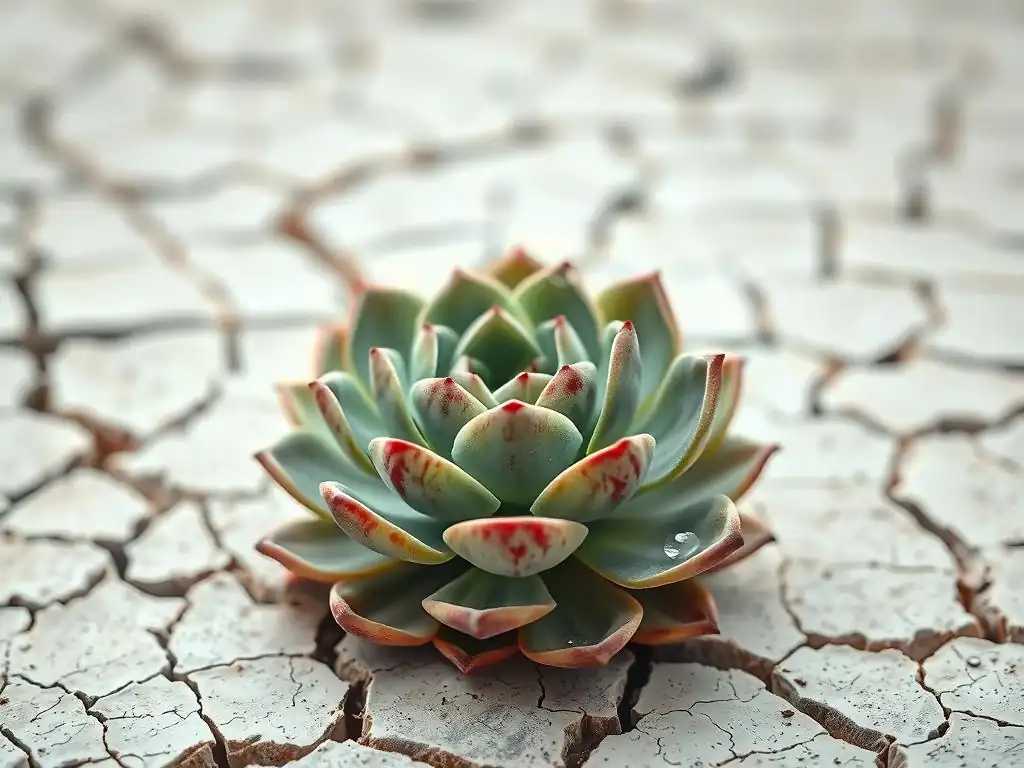
Genetic diversity is paramount for succulent survival, particularly in the face of a changing desert climate. A diverse gene pool equips succulent populations with a wider range of adaptive traits, increasing their resilience to environmental stressors like drought, extreme temperatures, and pest infestations. Think of it like this: a monoculture of succulents, all genetically identical, is incredibly vulnerable.
If a disease or environmental shift affects one plant, it will likely affect them all. However, a population with high genetic diversity presents a range of genetic variations, increasing the likelihood that some individuals possess traits that allow them to withstand the change. This is crucial for Succulent survival desert climate change.
Understanding Genetic Variability within Succulent Populations
Analyzing genetic variability within succulent populations requires sophisticated techniques. Researchers employ methods like DNA sequencing and microsatellite analysis to assess the genetic makeup of different succulent species and populations. This allows them to identify specific genes associated with drought tolerance, heat resistance, and other crucial traits.
For example, studies have shown significant genetic differences in water-use efficiency among different Agave species, highlighting the importance of preserving this diversity. The more genetic variation we find, the better equipped we are to understand which genes contribute to resilience and how we can protect them. Data on specific genes associated with drought tolerance in various succulent species is still emerging, but initial findings are promising and highlight the need for ongoing research to further understand the genetic basis of succulent resilience.
Utilizing Genetic Engineering for Enhanced Drought Resistance
Genetic engineering presents a powerful tool for enhancing drought resistance in succulents. By identifying specific genes responsible for drought tolerance in naturally resilient species, scientists can introduce these genes into more vulnerable species. This technology offers the potential to significantly improve the survival rate of succulents in increasingly arid conditions.
However, ethical considerations surrounding genetic modification in natural ecosystems require careful consideration. The potential risks and benefits of using genetic engineering to enhance Succulent survival desert climate change need to be thoroughly evaluated before widespread implementation. Studies are currently underway to assess the long-term ecological impacts of genetically modified succulents and to develop responsible guidelines for their use.
Preserving Genetic Resources for Future Succulent Generations
Preserving the genetic diversity of succulents is crucial for their long-term survival. This involves establishing seed banks and germplasm collections that store genetic material from a wide range of succulent species and populations. These collections serve as a valuable resource for future research and conservation efforts. In situ conservation, which focuses on protecting succulents in their natural habitats, is equally important.
Creating protected areas and implementing sustainable land management practices help to maintain genetic diversity within natural populations. Furthermore, public awareness campaigns play a significant role in educating people about the importance of protecting succulent biodiversity and fostering responsible collecting practices. The future of succulents in a changing desert environment depends on our ability to effectively preserve their genetic resources for future generations. This proactive approach is essential for ensuring Succulent survival desert climate change.
Predicting Future Succulent Distributions in Desert Ecosystems
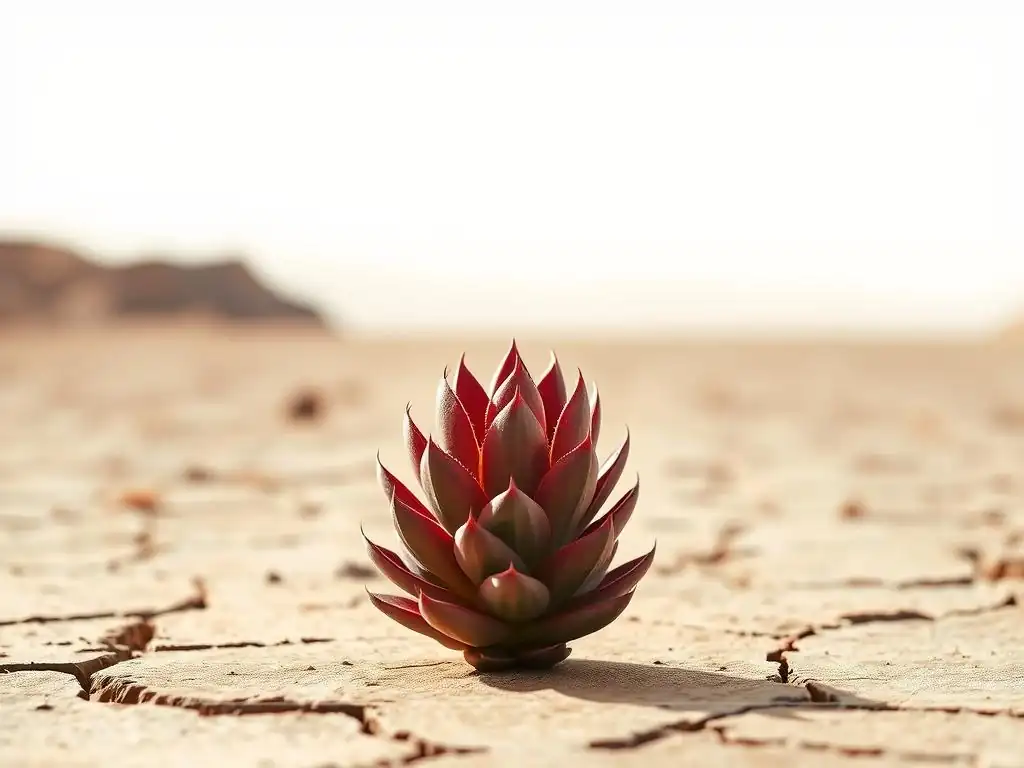
Predicting the future distribution of succulents in desert ecosystems under climate change requires sophisticated modeling techniques. The survival of succulents in desert climate change hinges on our ability to accurately forecast these shifts. We need to account for a multitude of interacting factors, including temperature increases, altered precipitation patterns, and changes in soil moisture. These factors directly influence succulent growth, reproduction, and overall survival.
Modeling Succulent Habitat Shifts Under Climate Change Scenarios
Species Distribution Models (SDMs) are powerful tools for predicting these shifts. SDMs utilize existing data on succulent occurrences, along with environmental variables like temperature, precipitation, and soil type, to create predictive maps of potential future habitats. These models allow us to simulate different climate change scenarios (e.g., moderate warming, severe warming) and visualize the potential range contractions or expansions of various succulent species.
For instance, models may predict that certain Echeveria species currently thriving in specific desert regions might experience significant range reductions due to increased temperatures and reduced rainfall. Conversely, other species, perhaps those with greater drought tolerance, might expand their ranges into newly suitable areas. The accuracy of these predictions, however, depends heavily on the quality and availability of input data.
High-resolution climate projections and detailed species occurrence records are crucial for reliable predictions. Further research is needed to refine these models, incorporating factors like biotic interactions (e.g., competition, herbivory) and the potential for adaptation within succulent populations. This will provide a more nuanced understanding of succulent survival in a changing desert climate.
Identifying Climate Refugia for Desert Succulent Species
Identifying climate refugia—areas that offer continued suitable habitat even under altered climate conditions—is crucial for conservation efforts. These refugia could be geographically isolated areas with unique microclimates that buffer succulents from the harshest effects of climate change. For example, canyons offering shade and higher humidity could serve as refugia for species sensitive to extreme heat. Similarly, areas with consistent groundwater access might provide resilience against prolonged droughts.
Identifying these refugia requires combining SDM outputs with detailed topographic and hydrological data. This allows us to pinpoint specific locations that are likely to remain suitable for succulent survival even under future climate scenarios. Understanding the characteristics of these refugia—their size, connectivity, and the presence of other factors influencing succulent survival—is crucial for developing effective conservation strategies. Further studies on the genetic diversity within refugia populations are also essential, as this diversity is key to their long-term resilience.
Developing Conservation Strategies Based on Predictive Modeling
The predictive modeling discussed above provides a scientific basis for developing targeted conservation strategies for desert succulents. These strategies can range from in-situ conservation (protecting succulents within their natural habitats) to ex-situ conservation (cultivating succulents in botanical gardens or other controlled environments). For example, the identification of climate refugia informs the prioritization of areas for habitat protection and restoration.
Conservation efforts might focus on creating protected areas encompassing these refugia or implementing management practices that enhance their resilience (e.g., controlling invasive species, improving water management). Furthermore, predictive models can guide the selection of species for ex-situ conservation efforts, focusing on species predicted to experience the most significant range contractions or those with low genetic diversity. The integration of predictive modeling with other conservation tools, like population viability analysis and cost-effectiveness assessments, is necessary for the development of comprehensive and effective conservation plans.
This integrated approach is crucial for ensuring the long-term survival of succulents in the face of climate change. The future of succulent survival in desert climate change depends on our ability to act proactively and strategically based on the best available scientific data.
Long-Term Sustainability of Succulent Populations in Desert Ecosystems
The survival of succulents in desert environments, facing the escalating challenges of climate change, hinges on understanding and implementing long-term sustainability strategies. This requires a multi-faceted approach, encompassing conservation efforts, public education, and informed policy changes. The increasing frequency and intensity of droughts, coupled with rising temperatures and altered precipitation patterns, directly impact succulent water availability and reproductive success. These changes threaten not only individual plants but also the biodiversity of entire desert ecosystems, impacting the delicate balance of the food web and potentially leading to the loss of unique genetic resources.
The intricate relationship between succulents and their pollinators, for example, is particularly vulnerable. Changes in flowering times due to altered climatic conditions can disrupt these vital symbiotic relationships, further jeopardizing succulent populations. Therefore, proactive and comprehensive strategies are crucial to ensure the continued existence of these fascinating plants.
Collaborative Conservation Networks for Desert Succulents
Effective succulent conservation in the face of climate change necessitates a collaborative approach, bringing together diverse stakeholders. These networks should include botanists, ecologists, conservation organizations, local communities, and government agencies. Sharing of data on succulent populations, habitat conditions, and the impacts of climate change is paramount.
For instance, a collaborative network could establish a centralized database tracking the location and health of various succulent species across different desert regions. This data would inform conservation priorities, identify vulnerable populations, and guide the development of targeted conservation strategies. Furthermore, collaborative efforts could facilitate the exchange of best practices for succulent propagation and reintroduction programs in degraded habitats.
This collaborative approach also fosters a sense of shared responsibility and promotes the long-term commitment necessary for successful conservation outcomes. Successful examples of such collaborations already exist, demonstrating the power of collective action in protecting biodiversity. The success of these initiatives underlines the importance of ongoing communication and coordinated action for ensuring the survival of succulent species in the face of climate change.
Public Awareness Campaigns and Educational Initiatives on Succulent Conservation
Raising public awareness about the threats facing desert succulents and the importance of their conservation is crucial for long-term success. Educational initiatives should target diverse audiences, including schoolchildren, local communities, and policymakers. Engaging campaigns could utilize various media platforms – from interactive websites and social media to educational workshops and field trips – to communicate the ecological significance of succulents and the impacts of climate change on their survival.
For instance, a public awareness campaign could focus on the economic benefits derived from succulent tourism, highlighting the potential losses associated with the decline of succulent populations. Similarly, educational materials could emphasize the role of succulents in maintaining soil stability and preventing desertification, showcasing their importance in maintaining a healthy desert ecosystem. Empowering local communities through education and involvement in conservation efforts is particularly important.
By fostering a sense of ownership and responsibility, these initiatives can cultivate long-term support for succulent conservation. Ultimately, a well-informed public is crucial for the successful implementation of conservation strategies and the long-term sustainability of succulent populations.
Policy Recommendations for Sustainable Land Management Practices in Arid Regions
Sustainable land management practices are critical for the survival of succulents in the face of climate change. Policies should focus on mitigating the impacts of human activities on desert ecosystems and promoting the resilience of succulent populations. This includes implementing responsible land-use planning that minimizes habitat fragmentation and protects key succulent habitats. Regulations limiting unsustainable water extraction and promoting water-wise agricultural practices are essential to maintain adequate water resources for both human needs and the survival of succulents.
Furthermore, policies should encourage the adoption of sustainable tourism practices that minimize the ecological footprint of visitors to desert areas. For example, the implementation of strict guidelines for off-road driving and the establishment of designated trails could help protect delicate succulent habitats. Investing in research to better understand the impacts of climate change on desert ecosystems and the specific needs of different succulent species is also crucial.
This research would inform the development of targeted and effective conservation strategies, ensuring the long-term sustainability of these vital ecosystems. The implementation of effective policies, coupled with strong community involvement, is crucial for safeguarding the future of succulents in a changing desert environment. The development and enforcement of these policies requires collaboration between governmental bodies, conservation organizations, and local communities.
Frequently Asked Questions
How do succulents survive in the desert?
Succulents survive desert conditions through several adaptations. These include water storage in their leaves and stems, and specialized leaf structures that minimize water loss. They are also often well-suited to extreme temperatures.
What specific challenges do climate changes pose to desert succulents?
Climate change brings increased temperatures, altered rainfall patterns, and more frequent extreme weather events. These changes disrupt the delicate balance succulents need to thrive, potentially leading to stress and mortality.
Can succulents help mitigate the effects of desert climate change?
While not a primary solution, succulents contribute to soil stabilization and can help reduce erosion in desert environments. Their presence also supports local ecosystems and biodiversity.
How can I help succulents survive climate change in my garden?
Provide optimal drainage, use water-wise irrigation techniques, and choose native or well-adapted succulent varieties. This will give them the best chance of withstanding environmental stress.
Are all succulents equally resilient to climate change?
No, different succulent species have varying degrees of tolerance to drought, heat, and other environmental stresses. Selecting native or climate-resilient species is crucial for success in a changing climate.
Final Reflection: A Prickly Future: Adapting Succulents to a Changing Desert
The resilience of succulents in the face of climate change is not just a botanical curiosity; it's a vital indicator of the broader health of our planet's ecosystems. The dramatic shifts in desert temperatures and precipitation patterns, as detailed in this article, pose a significant threat to these remarkable plants, and their survival directly reflects the challenges we all face in adapting to a warming world. Understanding their struggles is crucial to understanding our own.
The vulnerability of succulents, often perceived as hardy and resilient, underscores the fragility of even the seemingly toughest organisms in the face of rapid environmental change. Their fate is intertwined with the future of the desert ecosystems they inhabit, impacting biodiversity and the delicate balance of nature. The desert, though seemingly barren, is a vibrant tapestry of life, and the loss of even one thread can unravel the whole.
This quote encapsulates the interconnectedness of desert life, highlighting the importance of preserving these unique plants and the habitats they call home.
The future of succulents, and indeed the future of our deserts, rests on our collective shoulders. Consider the information presented here – the impact of altered rainfall patterns, the increasing frequency of extreme weather events, and the crucial role of conservation efforts. You can make a difference. By supporting sustainable practices, advocating for responsible land management, and simply raising awareness about the plight of these fascinating plants, you contribute to a future where succulents continue to thrive, reminding us of nature's enduring beauty and resilience, even in the harshest environments.
Rediscover Your Desert Oasis: Grow with the Change!
Thank you for exploring the future of succulents with us! You've gained valuable insights into how these resilient plants adapt, and now it's time to apply that knowledge.
Here's how you can get started:
- Begin a new succulent propagation project! Use cuttings from your existing plants to cultivate a thriving new generation, preserving your favorite varieties.
- Share your experiences—both successes and challenges—on our social media channels. Let's build a thriving community of desert gardeners!
- Explore water-wise landscaping options for your yard. Even small changes can significantly reduce your home's environmental impact.
What exciting adaptations will your succulents display next season? Let's discuss in the comments!