
Decoding Succulent Genomes: Unlocking Drought Resistance Secrets

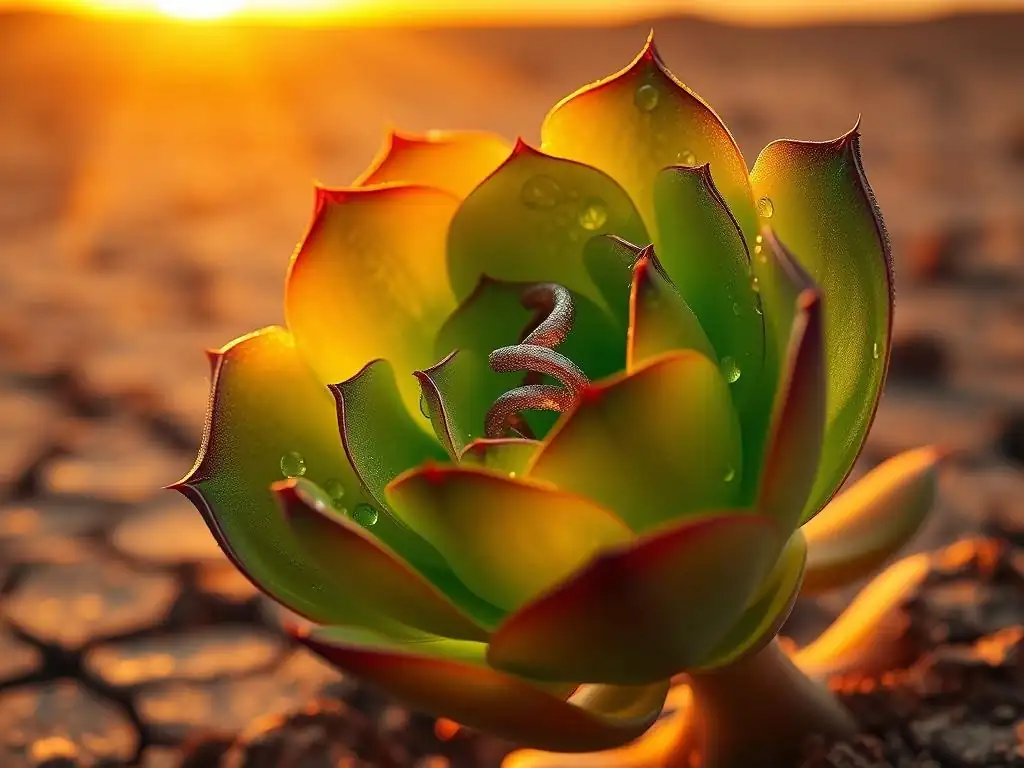
Welcome to SucculentEssentials.org, where the fascinating world of succulents unfolds before you! Dive into a universe of vibrant colors and unique textures, but prepare to be amazed by what lies beneath the surface. We're peeling back the layers, exploring the intriguing secrets behind succulent drought resistance genes, unlocking the very essence of their survival. Ready to uncover the science behind these resilient plants? Then delve into our "Decoding Succulent Genomes: Unlocking Drought Resistance Secrets" article and discover the remarkable adaptations that make succulents thrive.
- Understanding Succulent Drought Resistance Mechanisms
- Identifying Key Genes for Succulent Drought Resistance
- Applications of Succulent Drought Resistance Genes
- Future Directions in Succulent Genome Research
- The Potential of Succulent Genomics for Conservation
- Frequently Asked Questions
- Final Reflection: The Future is Green: Harnessing Succulent Resilience
- Unlock Your Succulent's Drought-Fighting Power!
Understanding Succulent Drought Resistance Mechanisms
Succulents, with their remarkable ability to thrive in arid and semi-arid environments, have captivated plant enthusiasts and scientists alike. Their resilience to drought is not merely a matter of chance; it's a finely tuned orchestration of sophisticated genetic and physiological mechanisms. This article delves into the fascinating world of succulent drought resistance, exploring the genetic underpinnings and physiological adaptations that allow these plants to not only survive but flourish in water-scarce conditions.
We will uncover the secrets hidden within their genomes, specifically focusing on the genes responsible for their remarkable ability to withstand prolonged periods without water. Understanding these "succulent drought resistance genes" is crucial not only for appreciating the beauty and resilience of these plants but also for informing future research in areas such as drought-resistant crop development.
This exploration will reveal the intricate interplay between genetics, physiology, and environmental adaptation that makes succulents such compelling subjects of study. Prepare to be amazed by the ingenuity of nature's design as we decode the secrets of succulent genomes.
The Role of CAM Photosynthesis in Water Conservation
Crassulacean acid metabolism (CAM) photosynthesis is a key adaptation that allows many succulents to conserve water in arid conditions. Unlike C3 and C4 plants, which open their stomata during the day for gas exchange, CAM plants open their stomata at night to take in carbon dioxide (CO2). This nocturnal CO2 uptake minimizes water loss through transpiration, as the air is cooler and more humid at night.
The CO2 is then stored as malic acid in vacuoles until daylight, when it's released for photosynthesis. This process significantly reduces water loss, allowing succulents to thrive in environments where water is scarce. The genes responsible for the regulation and efficiency of CAM photosynthesis are actively being researched, offering potential insights into improving water use efficiency in other plant species.
The intricate biochemical pathways involved in CAM are fascinating examples of genetic adaptation to arid environments. Understanding the specific genes involved in this process is a crucial step towards unlocking the secrets of succulent drought resistance. Detailed studies are ongoing to pinpoint the specific genes that control the timing and efficiency of this remarkable metabolic pathway.
Succulent Water Storage Tissues: Structure and Function
A defining characteristic of succulents is their capacity for water storage. Specialized tissues, such as parenchyma cells with large vacuoles, are responsible for this remarkable ability. These cells can swell significantly when water is available, storing large quantities of water for later use during periods of drought. The structure and function of these water storage tissues are directly influenced by specific genes that regulate cell wall properties, vacuole size, and the expression of aquaporins—protein channels that facilitate water transport across cell membranes. The arrangement and density of these cells also contribute to the plant’s overall water retention capacity. Research into the genetic basis of these structural adaptations is providing valuable insights into how succulents efficiently store and utilize water resources. For example, studies are investigating the genes involved in the development and maintenance of these specialized water storage cells, as well as the genes that regulate the expression of aquaporins.
Physiological Adaptations for Arid Environments: Stomatal Control and Leaf Morphology
Beyond CAM photosynthesis and water storage tissues, succulents exhibit a range of physiological adaptations that contribute to their drought resistance. Stomatal control, the regulation of the opening and closing of stomata, plays a vital role in minimizing water loss. Succulents possess sophisticated mechanisms for regulating stomatal aperture in response to environmental cues such as light, humidity, and soil moisture.
These mechanisms are genetically controlled, with specific genes influencing the sensitivity of guard cells to environmental signals. Furthermore, the leaf morphology of succulents—often thick, fleshy leaves with reduced surface area or modified leaves—contributes to reduced water loss through transpiration. The genes controlling leaf development and morphology are also crucial in shaping the succulent's overall water use efficiency.
The combination of efficient stomatal control and specialized leaf morphology represents a powerful suite of adaptations that enable succulents to survive and thrive under water-limited conditions. The interplay between these physiological adaptations and the underlying genetic control is a major focus of ongoing research in the field. Identifying and characterizing these genes is crucial for understanding and potentially mimicking these strategies in other plant species.
Identifying Key Genes for Succulent Drought Resistance
This section delves into the fascinating world of succulent drought resistance, focusing on the specific genes responsible for their remarkable ability to thrive in arid conditions. Understanding these genetic mechanisms is crucial for both enhancing the cultivation of existing succulent species and developing new, even more drought-tolerant varieties. We'll explore the sophisticated techniques used to pinpoint these genes and how comparative genomics helps us understand the evolutionary pathways that led to this impressive adaptation. The identification of these "Succulent drought resistance genes" is a key area of ongoing research with significant implications for horticulture and conservation efforts.
Genome Sequencing and Bioinformatics in Succulent Research
Genome sequencing has revolutionized our understanding of plant biology, and succulents are no exception. By sequencing the entire DNA of various succulent species, researchers can identify the complete set of genes present. This vast amount of data, however, requires sophisticated bioinformatics tools for analysis. These tools allow scientists to compare genomes across different succulent species, identify genes unique to drought-tolerant varieties, and pinpoint specific gene sequences associated with water conservation and stress response.
For example, researchers have used next-generation sequencing (NGS) technologies to sequence the genomes of several Sedum species, revealing a complex interplay of genes involved in water uptake, storage, and stress tolerance. Analysis of these genomes, using sophisticated algorithms and statistical models, has highlighted specific gene families, such as those encoding aquaporins and late embryogenesis abundant (LEA) proteins, as key players in drought resistance. The detailed annotation of these genomes provides a rich resource for ongoing research into succulent drought resistance.
The sheer volume of data generated necessitates powerful computational resources and expertise in bioinformatics. Further research is needed to fully characterize the function of many of the identified genes and to understand their interactions within complex regulatory networks.
Mapping Succulent Drought Resistance Genes: Aquaporin genes and dehydrin genes
Two gene families stand out as particularly crucial in succulent drought resistance: aquaporin genes and dehydrin genes. Aquaporin genes code for proteins that act as channels facilitating the movement of water across cell membranes. Succulents often possess a higher number or more efficient versions of these aquaporin proteins compared to non-drought-tolerant plants. This allows them to regulate water uptake and retention more effectively.
Dehydrin genes, on the other hand, code for proteins that protect cellular structures from damage during periods of drought stress. These proteins act as molecular chaperones, preventing the denaturation of other proteins and maintaining cellular integrity under harsh conditions. The expression levels of both aquaporin and dehydrin genes are often upregulated in response to drought stress, further highlighting their importance in succulent survival.
Detailed expression profiling studies using techniques like quantitative PCR (qPCR) and RNA sequencing (RNA-Seq) are crucial for understanding the precise role of these genes in drought response. The precise mechanisms by which these genes contribute to drought tolerance are still under investigation, and further research is needed to fully elucidate their functions.
Comparative Genomics: Analyzing Drought Tolerance Across Succulent Species
Comparative genomics provides a powerful tool for understanding the evolution of drought resistance in succulents. By comparing the genomes of different succulent species, researchers can identify genes that are conserved across drought-tolerant species but absent or less prevalent in less drought-tolerant relatives. This approach helps pinpoint the genetic changes that have driven the evolution of drought resistance in this diverse group of plants.
For instance, comparing the genomes of highly drought-tolerant cacti to less drought-tolerant succulents can reveal specific genetic adaptations responsible for the extreme drought tolerance observed in cacti. This comparative approach also helps in identifying potential genetic markers that could be used in breeding programs to develop new drought-resistant cultivars. The use of phylogenetic analysis, combined with genomic data, allows for the reconstruction of evolutionary relationships and the identification of key genetic innovations that occurred along specific lineages.
This research is crucial for understanding not only the mechanisms of drought tolerance but also the evolutionary history of these fascinating plants. Further research using more diverse succulent species is needed to paint a complete picture of the genetic basis of drought resistance in succulents.
Applications of Succulent Drought Resistance Genes
This section explores the practical applications stemming from our growing understanding of succulent drought resistance genes. The implications extend far beyond the realm of succulent cultivation, offering potential solutions to global challenges related to water scarcity and agricultural sustainability. Unlocking these genetic secrets opens doors to innovative approaches in plant breeding and genetic engineering.
Improving Drought Tolerance in Other Plants via Genetic Engineering
Genetic engineering offers a powerful tool to transfer the beneficial traits found in succulent drought resistance genes to other economically important plants. By identifying and isolating specific genes responsible for water retention, stress tolerance, and efficient water uptake, scientists can introduce these genes into crops vulnerable to drought conditions. This approach holds immense promise for enhancing food security in arid and semi-arid regions.
For example, researchers are investigating the transfer of genes responsible for the remarkable CAM photosynthesis pathway found in many succulents. CAM photosynthesis allows succulents to minimize water loss during transpiration by opening their stomata primarily at night. Introducing this pathway into crops like maize or wheat could significantly improve their drought resilience, leading to higher yields even under water-stressed conditions.
The potential impact on global food production is substantial, particularly in regions facing increasing water scarcity. Further research is needed to optimize gene transfer techniques and ensure the long-term stability and effectiveness of these modifications. Careful consideration of potential ecological impacts is also crucial.
Developing Drought-Resistant Cultivars of Popular Succulents
Beyond the broader applications in agriculture, understanding succulent drought resistance genes has direct implications for succulent cultivation itself. By identifying specific genes associated with particular desirable traits – such as increased tolerance to extreme temperatures, improved water storage capacity, or enhanced resistance to pests and diseases – breeders can develop new cultivars of popular succulents with improved drought resistance. This would lead to healthier, more resilient plants that require less frequent watering, reducing the burden on growers and promoting more sustainable practices.
Imagine a future where popular succulents like Echeveria and Sedum varieties exhibit significantly increased drought tolerance, requiring watering only once every few weeks instead of the current more frequent schedules. This would benefit both home growers and commercial producers by reducing water consumption and maintenance efforts. Such improvements could also expand the range of climates where these plants can thrive, making them more accessible to a wider audience. The development of such cultivars would require careful selection and breeding programs, combined with advanced genetic analysis to track the inheritance of desirable traits.
Implications for Sustainable Agriculture and Water Management
The discoveries related to succulent drought resistance genes have far-reaching implications for sustainable agriculture and water management strategies worldwide. As water resources become increasingly strained due to climate change and population growth, the need for drought-resistant crops is paramount. The knowledge gained from studying succulents offers a valuable blueprint for developing more resilient agricultural systems.
The potential benefits extend beyond crop production. Understanding the mechanisms of water conservation in succulents could inform the development of more efficient irrigation systems and water management practices. This could include the development of drought-tolerant landscaping plants that reduce the need for extensive watering in urban and suburban environments.
Furthermore, insights gained from succulent genomics could contribute to developing more effective strategies for conserving water resources in arid and semi-arid ecosystems. This represents a significant step towards more sustainable and environmentally responsible agricultural practices, mitigating the effects of climate change and promoting food security in water-stressed regions. 🌱 The continued study of succulent drought resistance genes is crucial for unlocking the full potential of these remarkable plants and their contribution to a more sustainable future.
Future Directions in Succulent Genome Research

The decoding of succulent genomes represents a significant leap forward in understanding their remarkable drought resistance. However, this is just the beginning. Future research needs to move beyond simply identifying genes associated with drought tolerance and delve deeper into the complex regulatory networks and environmental interactions that govern these traits.
This will unlock even more profound insights into succulent biology and pave the way for novel applications in agriculture and horticulture. We need to focus on a multi-pronged approach, integrating genomics with other -omics technologies, such as transcriptomics, proteomics, and metabolomics, to gain a holistic understanding of drought response mechanisms in succulents. This integrated approach will allow us to move beyond simple gene identification to understanding the complex interplay of genes, proteins, and metabolites that contribute to succulent drought resistance.
For example, understanding how specific gene expressions change in response to water stress will reveal critical regulatory pathways. This information can then be leveraged to develop more effective strategies for improving drought tolerance in other plants.
Exploring the Epigenetic Landscape of Drought Tolerance
Epigenetics, the study of heritable changes in gene expression without alterations to the underlying DNA sequence, plays a crucial role in plant adaptation to environmental stresses, including drought. Succulents, with their remarkable ability to withstand prolonged periods of water scarcity, are prime candidates for investigating the epigenetic mechanisms underlying drought tolerance. Research should focus on identifying epigenetic modifications, such as DNA methylation and histone modification patterns, that are associated with drought resistance genes in succulents.
For instance, we could investigate how methylation patterns in promoter regions of key genes involved in water conservation change under drought conditions. Further investigation into the role of small RNAs (sRNAs), which are known to regulate gene expression at the epigenetic level, is also critical. By comparing the epigenomes of drought-tolerant and drought-sensitive succulents, we can identify specific epigenetic marks that contribute to this crucial trait.
This research could reveal novel targets for manipulating drought tolerance in crops through epigenetic engineering, potentially revolutionizing agriculture in arid and semi-arid regions. Understanding how these epigenetic changes are inherited across generations is also crucial for developing long-term drought-resistant strategies.
Unraveling the Complex Interactions of Drought Resistance Genes
The drought resistance of succulents isn't conferred by a single gene but rather by a complex network of interacting genes. Future research must focus on elucidating these intricate interactions. For example, we need to identify the upstream and downstream regulatory elements that control the expression of key drought resistance genes.
This involves studying the transcription factors and signaling pathways that mediate the plant's response to water deficit. Network analysis approaches, using data from genomics and transcriptomics experiments, can help visualize and understand these complex interactions. Furthermore, understanding how these genes interact with environmental factors, such as temperature and light intensity, will provide a more comprehensive picture of drought tolerance mechanisms.
This requires analyzing gene expression patterns under varying environmental conditions. A detailed understanding of these interactions is crucial for developing strategies to enhance drought resistance in other plants through genetic engineering or breeding programs. The identification of key hub genes within these networks could also provide specific targets for manipulation.
Utilizing CRISPR-Cas9 Technology for Targeted Gene Editing in Succulents
CRISPR-Cas9 gene editing technology offers unprecedented opportunities for manipulating specific genes in succulents to enhance drought resistance. This technology allows for precise modifications to the genome, enabling researchers to either enhance the activity of existing drought resistance genes or introduce new genes with desirable traits. For example, we could use CRISPR-Cas9 to increase the expression of genes involved in water retention or to improve the efficiency of water uptake mechanisms.
Furthermore, CRISPR could be used to knock out genes that negatively impact drought tolerance. However, careful consideration must be given to potential off-target effects and ethical implications of gene editing in plants. Rigorous testing and validation are essential to ensure the safety and efficacy of any genetic modifications.
The potential applications of CRISPR-Cas9 technology in succulent research are vast, offering a powerful tool for accelerating the development of drought-resistant plants and contributing to a deeper understanding of succulent drought resistance genes. Careful research design and ethical considerations are paramount.
The Potential of Succulent Genomics for Conservation
Succulent drought resistance genes are a treasure trove of information not only for improving cultivation techniques but also for crucial conservation efforts. Understanding the genetic basis of drought tolerance in succulents opens exciting avenues for protecting endangered species and preserving biodiversity. Genomic analysis allows us to identify specific genes responsible for key adaptations, such as water storage mechanisms, efficient water uptake, and stress tolerance.
This information is invaluable in predicting a species' vulnerability to climate change and developing targeted conservation strategies. By pinpointing the genetic markers associated with resilience, we can better manage existing populations and even aid in the restoration of degraded habitats. The application of genomics in conservation is particularly relevant given the increasing threats succulents face from habitat loss, over-collection, and climate change.
Protecting Endangered Succulent Species Through Genetic Understanding
The dwindling populations of many succulent species highlight the urgent need for effective conservation strategies. Genetic analysis provides a powerful tool to assess the genetic health of these populations. By analyzing genetic diversity within and between populations, researchers can identify factors contributing to their decline and inform conservation decisions. For instance, low genetic diversity can indicate a population's vulnerability to disease or environmental stress.
Conversely, high genetic diversity suggests a greater capacity for adaptation and resilience. Genetic data can guide the selection of individuals for propagation programs, ensuring the preservation of valuable genetic resources. This approach is crucial for maintaining the evolutionary potential of endangered succulent species and maximizing their chances of survival in a changing world. Furthermore, understanding the genetic basis of adaptation can help predict how different species might respond to future environmental changes, allowing for proactive conservation measures.
Developing Conservation Strategies Based on Genetic Diversity
Genetic diversity is the cornerstone of a species' ability to adapt and survive. Succulents, with their diverse adaptations to arid environments, offer a fascinating case study in evolutionary resilience. However, this very resilience can be threatened by factors such as habitat fragmentation and human activities. Analyzing the genetic diversity within succulent populations allows us to identify those with the highest potential for adaptation and resilience.
This information is crucial for prioritizing conservation efforts and selecting suitable sites for reintroduction or habitat restoration programs. For example, populations exhibiting high levels of genetic diversity, indicative of a broader range of adaptations, should be given higher conservation priority. Conversely, populations showing low genetic diversity may require more intensive management strategies, such as assisted gene flow or captive breeding programs to bolster their genetic resilience. The application of population genetic analysis is thus essential for developing effective and evidence-based conservation strategies for succulents.
Conservation efforts for Dudleya greenei using genetic analysis
The Dudleya greenei succulent, a critically endangered species endemic to a small region of California, provides an excellent example of how genetic analysis can inform conservation practices. Research has shown that the remaining populations of Dudleya greenei exhibit low genetic diversity, making them highly vulnerable to environmental changes and disease outbreaks. Genetic analysis has identified specific genetic markers associated with drought tolerance in this species.
This knowledge is being used to guide conservation efforts, including the selection of individuals for propagation and the identification of suitable habitats for reintroduction. Furthermore, researchers are investigating the potential for assisted gene flow from closely related, more genetically diverse Dudleya species to enhance the resilience of Dudleya greenei. The ongoing research on Dudleya greenei demonstrates the power of integrating genetic data into conservation planning for vulnerable succulent species.
The goal is not only to preserve the species but also to maintain its evolutionary potential for adapting to future environmental challenges. This approach underscores the importance of integrating genomic data into comprehensive conservation strategies for succulents and other threatened plant species. 🌱
Frequently Asked Questions
What makes succulents so drought-resistant?
Succulents possess specialized drought resistance genes that enable them to store water efficiently in their leaves and stems. They also have physiological adaptations like CAM photosynthesis, minimizing water loss during transpiration.
How do succulent drought resistance genes work?
These genes regulate various physiological processes, including water storage, water uptake, and stress tolerance mechanisms. They help the plant survive extended periods without water by adjusting its metabolism and reducing water loss.
Can I identify drought-resistant succulents by looking at them?
While some visual cues like thick leaves might suggest higher drought tolerance, it's not foolproof. Genetic testing would be the most accurate method to determine the specific drought resistance genes present in a succulent.
Are all succulents equally drought-resistant?
No, different succulent species exhibit varying levels of drought tolerance. Some are far more resistant than others, reflecting differences in their genetic makeup and evolutionary adaptations.
How can I learn more about the specific drought resistance genes in my succulents?
Advanced research techniques like genomic sequencing can reveal the specific genes responsible for drought resistance in a particular succulent. Consult scientific databases and research papers for more detailed information.
Final Reflection: The Future is Green: Harnessing Succulent Resilience
Understanding succulent drought resistance isn't just a botanical pursuit; it's a crucial key to securing our future food and water supplies. The implications of unlocking the genetic secrets behind these remarkable plants are staggering, especially in the face of increasing global desertification and climate change. We've explored the complex mechanisms within succulent genomes, identifying specific genes responsible for their incredible water-retention capabilities, and the potential for translating this knowledge into more resilient crops.
The ongoing research into succulent drought resistance genes is profoundly impactful, pushing the boundaries of agricultural biotechnology and offering a beacon of hope in a world grappling with water scarcity. The desert teaches the value of water and the importance of resilience.
This simple truth, often overlooked, is embodied in the very essence of succulent plants, and their genetic code holds the answers to mitigating the challenges of a changing climate. Their resilience is a testament to the power of adaptation, a lesson we must learn and apply to our own strategies for sustainable living.
Consider the potential: drought-resistant crops feeding burgeoning populations, landscapes thriving despite arid conditions, and a future where water scarcity is less of a looming threat. This isn't just about scientific advancement; it's about building a more sustainable and equitable world. You, the reader, are now part of this conversation. Take a moment to reflect on the power of nature's ingenuity, and consider how you can contribute to the responsible application of this knowledge for the benefit of all. Let's cultivate a future where resilience is not just a botanical trait, but a global imperative.
Unlock Your Succulent's Drought-Fighting Power!
This guide has explored the fascinating world of succulent genetics, revealing how these remarkable plants thrive even in harsh conditions. Ready to put this knowledge into action?
- Develop a thoughtful watering schedule: Based on your newfound understanding, tailor your watering routine to maximize your succulents' health and drought tolerance. This is the most crucial step you can take.
- Share your experiences (and ask questions!): Join our vibrant online community to share your successes, tips, and any challenges you encounter. Let's learn from one another!
- Master advanced propagation techniques: Now that you've uncovered the secrets of succulent genetics, explore propagating your plants using cuttings or leaves—significantly expanding your collection's potential.
What innovative watering method will you implement first to enhance your succulents' resilience? Let's discuss!