
CAM and Succulent Toxicity: Understanding the Metabolic Toxins

Welcome to SucculentEssentials.org, your gateway to the fascinating world of succulents! Are you captivated by their unique beauty and resilience, yet curious about the hidden secrets within these drought-tolerant wonders? Then prepare to delve into the intriguing realm of succulent plant toxicity levels. Our in-depth article, "CAM and Succulent Toxicity: Understanding the Metabolic Toxins," unveils the surprising science behind these captivating plants, revealing what makes some succulents potentially toxic and others perfectly safe. Discover the knowledge you need to cultivate your collection with confidence – explore now!
- Understanding Succulent Plant Toxicity Levels: An Overview
- Crassulacean Acid Metabolism (CAM) and its Role in Toxicity
- Types of Toxins Found in Succulents
- Assessing Succulent Toxicity: Symptoms and Treatment
- Minimizing Risks Associated with Toxic Succulents
- Research and Future Directions in Succulent Toxicity
- Frequently Asked Questions
- Final Reflection: The Silent Danger in Succulent Beauty
- Unlock Your Succulent's Secrets: Dive Deeper into CAM Metabolism!
Understanding Succulent Plant Toxicity Levels: An Overview
Succulents, with their captivating variety and ease of care, have become incredibly popular houseplants and garden additions. However, beneath their charming exterior lies a less-discussed aspect: toxicity. This article delves into the complex world of succulent toxicity, exploring the mechanisms behind it, the factors that influence toxicity levels, and how to identify potentially hazardous species. Understanding succulent plant toxicity levels is crucial for responsible succulent ownership, especially for those with pets, young children, or allergies.
We will explore the science behind the toxicity, focusing on the relationship between Crassulacean Acid Metabolism (CAM) and the production of potentially harmful compounds. This knowledge empowers enthusiasts to cultivate their succulent collections safely and responsibly, appreciating both their beauty and their potential risks. This deep dive into the subject will equip you with the knowledge needed to navigate the world of succulent cultivation with confidence and awareness.
Defining Toxicity in Succulents: What Makes a Plant Toxic?
The term "toxic" can be misleading when discussing plants. Toxicity refers to the potential of a plant to cause harm upon ingestion or contact. The degree of toxicity varies greatly across succulent species and depends on several factors. Many succulents contain compounds that act as natural defenses against herbivores. These compounds, ranging from mild irritants to potentially harmful toxins, can trigger a variety of reactions in humans and animals. Some common toxic compounds found in certain succulents include:
- Saponins: These compounds can cause irritation to the skin and mucous membranes, and if ingested, can lead to gastrointestinal upset.
- Cardiac glycosides: Found in some species, these can affect heart function if ingested in sufficient quantities. This is a serious concern and requires immediate veterinary or medical attention.
- Oxalates: These needle-shaped crystals can cause irritation and inflammation in the mouth, throat, and digestive tract.
The concentration of these compounds varies depending on the species, the plant's age, and even environmental factors. It's crucial to remember that even a seemingly harmless succulent can cause reactions in sensitive individuals. Therefore, it's always advisable to handle succulents with caution and keep them out of reach of children and pets. We'll explore these factors in greater detail in the following sections.
Factors Influencing Succulent Toxicity: Environmental and Genetic Factors
Several factors contribute to the variability of toxicity levels in succulents. Genetic factors play a significant role, with different species inherently possessing varying concentrations of toxic compounds. However, environmental factors can also influence toxicity. For example:
- Sunlight exposure: Increased sunlight exposure can sometimes lead to an increase in the production of certain defensive compounds.
- Water stress: Periods of drought can also affect the concentration of toxins within the plant.
- Soil composition: The nutrient content of the soil can influence the plant's metabolism and, consequently, the production of toxic compounds.
Furthermore, the plant's developmental stage can also affect its toxicity. Young succulents might contain different concentrations of toxins compared to mature plants. Precise data on the exact influence of these factors on specific succulent species is still under research, highlighting the need for continued study in this area. More research is needed to quantify these influences and develop a more comprehensive understanding of succulent toxicity.
Identifying Potentially Toxic Succulent Species: A Guide for Enthusiasts
While many succulents pose minimal risk, some species are known to contain higher concentrations of potentially harmful compounds. It's impossible to create an exhaustive list, as research continues to unveil the toxicity profiles of various species. However, some genera known for containing potentially toxic species include Euphorbia, Kalanchoe, and Aeonium. Always research the specific species you are handling before handling or planting it. Remember that even with careful research, individual reactions can vary.
It is crucial to emphasize the importance of responsible succulent ownership. This includes thorough research before acquiring new plants, keeping succulents out of reach of children and pets, and practicing safe handling techniques (such as wearing gloves when handling plants with known irritants). Always prioritize safety and seek professional medical or veterinary advice if ingestion or contact with a succulent results in adverse reactions. The beauty of succulents should be enjoyed responsibly and with a full understanding of their potential risks.
Crassulacean Acid Metabolism (CAM) and its Role in Toxicity
Crassulacean Acid Metabolism (CAM) is a fascinating photosynthetic pathway employed by many succulent plants, including those popular in home gardening and landscaping. While CAM allows succulents to thrive in arid conditions by minimizing water loss, it also plays a role in the production and accumulation of certain compounds that can be toxic to humans and animals. Understanding the relationship between CAM and succulent toxicity is crucial for safe handling and responsible ownership of these beautiful plants.
This section explores the intricate connection between CAM photosynthesis and the potential toxicity of succulents, delving into the mechanisms that contribute to the varying levels of toxicity found across different succulent species. This helps clarify the often-asked question of "Succulent plant toxicity levels."
CAM Photosynthesis and Metabolic Byproducts: A Closer Look
CAM photosynthesis is characterized by temporal separation of carbon dioxide uptake and fixation. During the night, stomata open, allowing CO₂ to enter the leaves and be converted into malic acid, which is stored in vacuoles. During the day, stomata close to conserve water, and the malic acid is decarboxylated, releasing CO₂ for use in the Calvin cycle. This unique process, while highly efficient in water-stressed environments, generates various metabolic byproducts.
Some of these byproducts, such as oxalic acid, are known to be toxic at high concentrations. The amount of oxalic acid produced varies significantly depending on the species and environmental factors like light intensity and temperature. For example, Haworthia species are known to accumulate higher levels of oxalic acid compared to some Echeveria species.
This variation contributes significantly to the spectrum of "Succulent plant toxicity levels" observed across different genera and species. Further research is needed to fully quantify the oxalic acid content in various succulent species under different environmental conditions. This will allow for a more comprehensive understanding of the potential toxicity risk associated with each plant.
The Connection Between CAM and Secondary Metabolites: Exploring the Link
Beyond primary metabolic byproducts, CAM plants also synthesize a diverse array of secondary metabolites. These compounds, often produced as defense mechanisms against herbivores and pathogens, can contribute significantly to the plant's toxicity. Many succulents produce saponins, cardiac glycosides, and other compounds that can be irritating or even poisonous if ingested.
The precise role of CAM in the synthesis of these secondary metabolites is still being investigated, but it’s hypothesized that the unique metabolic environment created by the CAM pathway might influence the expression of genes involved in secondary metabolite production. For example, the high concentration of malic acid during the night could potentially interact with enzymatic pathways involved in the biosynthesis of certain toxins.
This area of research is crucial for understanding the variability in "Succulent plant toxicity levels" and for identifying specific compounds responsible for toxicity in different succulent species. More studies are needed to fully elucidate the complex interplay between CAM and secondary metabolism in succulents.
How CAM Influences the Accumulation of Toxic Compounds: A Detailed Analysis
The accumulation of toxic compounds in CAM plants is influenced by a complex interplay of genetic factors, environmental conditions, and the specific metabolic pathways involved. While CAM itself doesn't directly cause toxicity, its unique physiological characteristics can indirectly influence the levels of toxic compounds. For instance, the prolonged periods of stomatal closure during the day might lead to a build-up of certain metabolites, including those that are toxic.
Furthermore, stress conditions such as drought or nutrient deficiency can further alter the plant's metabolism, potentially leading to increased production of defense compounds, some of which may be toxic. This highlights the importance of providing optimal growing conditions for succulents to minimize the potential for increased toxicity. A well-watered and properly nourished succulent is less likely to overproduce toxic compounds as a stress response.
Therefore, understanding the interplay between CAM, environmental factors, and the accumulation of toxic compounds is vital for properly assessing "Succulent plant toxicity levels" and ensuring safe handling practices. Further research is needed to develop a comprehensive model that accurately predicts toxicity levels based on species, environmental conditions, and plant physiological status.
Types of Toxins Found in Succulents
Succulents, while aesthetically pleasing and relatively low-maintenance, aren't entirely harmless. Many species contain various toxins, posing different levels of risk to humans and animals depending on the species and the amount ingested. Understanding these toxins and their effects is crucial for responsible succulent ownership and handling. The toxicity levels vary significantly across different succulent genera and species; therefore, a blanket statement about all succulents being toxic is inaccurate.
However, awareness of potential dangers is paramount for safe cultivation and enjoyment of these fascinating plants. Researching the specific toxicity of a particular succulent before handling or ingesting it is highly recommended. This section will explore some of the most common types of toxins found in succulents and their potential impact.
Cardiac Glycosides and Their Effects: Understanding the Risks
Cardiac glycosides are a class of compounds that affect the heart's rhythm and contractility. Several succulent genera, notably Nerium (oleander, though not strictly a succulent, often falls into the same category of drought-tolerant plants), contain significant quantities of these potent toxins. Ingestion of even small amounts of cardiac glycosides can lead to serious health consequences, including nausea, vomiting, diarrhea, irregular heartbeat (arrhythmias), and in severe cases, death. The mechanism involves interference with the sodium-potassium pump in heart muscle cells, leading to abnormal calcium handling and ultimately, disrupted heart function.
Symptoms of cardiac glycoside poisoning can manifest quickly and may include:
- Rapid or irregular heartbeat
- Nausea and vomiting
- Diarrhea
- Visual disturbances (blurred vision, halos)
- Confusion
- Weakness and fatigue
Treatment for cardiac glycoside poisoning typically involves supportive care, such as managing symptoms and preventing further absorption of the toxin. Specific antidotes are available, but their use depends on the severity of the poisoning and the specific glycoside involved. It's crucial to seek immediate medical attention if you suspect cardiac glycoside poisoning. The toxicity levels of these compounds are highly variable and depend on factors like the plant species, the amount ingested, and individual sensitivity.
Oxalic Acid and its Impact on Human and Animal Health: A Comprehensive Overview
Many succulents contain oxalic acid, a naturally occurring compound also found in spinach, rhubarb, and other plants. Oxalic acid, in its soluble form, can irritate the mucous membranes of the mouth, throat, and digestive tract, causing burning sensations, swelling, and difficulty swallowing. In larger quantities, it can bind to calcium in the body, potentially leading to kidney stones or other calcium-related issues.
The insoluble form of oxalic acid, calcium oxalate, forms needle-like crystals that can cause intense pain and irritation if ingested or if the plant's sap comes into contact with skin. This is particularly relevant to succulents with fleshy leaves, which often contain high concentrations of calcium oxalate.
The severity of oxalic acid poisoning depends on several factors, including the concentration of oxalic acid in the plant, the amount consumed, and the individual's sensitivity. Mild cases may only involve mouth and throat irritation, while severe cases can lead to kidney damage or other systemic effects. Symptoms may include:
- Burning sensation in the mouth and throat
- Swelling of the mouth and throat
- Difficulty swallowing
- Nausea and vomiting
- Abdominal pain
- Kidney stones (in severe cases)
Treatment for oxalic acid poisoning usually involves supportive care, such as administering fluids to flush out the toxins and managing symptoms. Milk or calcium-rich foods may help to bind to the oxalic acid and reduce its absorption. Again, seeking prompt medical attention is crucial if significant ingestion is suspected.
Saponins and Their Role in Succulent Toxicity: A Detailed Examination
Saponins are a diverse group of glycosides found in many plants, including several succulent species. They are known for their soapy properties and can cause irritation to the skin and mucous membranes. Ingestion of saponins can lead to gastrointestinal upset, including nausea, vomiting, and diarrhea. In some cases, more severe effects, such as hemolysis (destruction of red blood cells), have been reported, though these are generally associated with larger quantities of saponin ingestion. The specific toxicity of saponins varies considerably depending on the type of saponin and the plant species.
The effects of saponin ingestion can range from mild to moderate, depending on several factors. These factors include the concentration of saponins in the plant material, the amount ingested, and the individual's sensitivity. Symptoms typically include:
- Gastrointestinal upset (nausea, vomiting, diarrhea)
- Skin irritation (if saponin comes into contact with skin)
- Hemolysis (in severe cases)
Treatment for saponin poisoning generally involves supportive care, focusing on managing symptoms and preventing further absorption of the toxin. Specific antidotes are not typically available for saponin poisoning. As with other succulent toxins, prompt medical attention is recommended if significant ingestion is suspected. Always wash your hands thoroughly after handling succulents to avoid skin irritation. Remember that the level of toxicity can vary significantly between species. Always research the specific plant before handling.
Other Toxic Compounds in Succulents: A Broad Overview
While oxalates and cardiac glycosides often take center stage in discussions of succulent toxicity, it's crucial to understand that numerous other compounds can contribute to their potential poisonous nature. The exact composition of these toxins varies dramatically depending on the specific succulent species, its growing conditions, and even the time of year. This complexity underscores the importance of responsible handling and research before introducing any succulent into a home or garden where children or pets might have access.
Many succulents contain saponins, a class of chemical compounds that can cause irritation to the skin and mucous membranes. Symptoms of saponin exposure can range from mild skin rashes and itching to more severe gastrointestinal distress if ingested. The concentration of saponins varies greatly between species; some succulents possess only trace amounts, while others have significantly higher levels. Further research is needed to fully categorize the saponin content across different succulent genera and species to provide a more comprehensive understanding of their potential toxicity.
Beyond saponins, certain succulents produce various alkaloids, known for their diverse physiological effects. Alkaloids can act as neurotoxins, affecting the nervous system, or they can interfere with other bodily functions. The specific types and concentrations of alkaloids present in succulents are largely unexplored, highlighting a critical gap in our understanding of their potential toxicity. More in-depth phytochemical analyses are necessary to identify the specific alkaloids present in different succulent species and determine their potential risks.
Furthermore, some succulents may contain cyanogenic glycosides, which release cyanide upon ingestion. While not all succulents contain these compounds, their presence in certain species warrants caution. The amount of cyanide released depends on various factors, including the quantity of ingested plant material and the individual's metabolic processes.
Symptoms of cyanide poisoning can range from headaches and nausea to respiratory distress and even death in severe cases. This underscores the importance of responsible handling and the avoidance of ingestion, particularly for species suspected to contain cyanogenic glycosides. Detailed research into the specific succulent species containing these compounds is crucial for safety.
Finally, it's important to acknowledge the presence of other, less-studied compounds that may contribute to the overall toxicity of certain succulents. These could include various phenolic compounds, terpenoids, or other secondary metabolites with potentially harmful effects. The lack of comprehensive research in this area necessitates further investigation to fully understand the complex chemical profiles of succulents and their implications for human and animal health. Ongoing research and careful documentation are essential for building a complete picture of succulent plant toxicity levels.
Assessing Succulent Toxicity: Symptoms and Treatment
Understanding succulent plant toxicity levels is crucial for safe handling and enjoyment of these popular plants. While many succulents are non-toxic or only mildly irritating, some species contain compounds that can cause adverse reactions in humans and pets. This section focuses on recognizing symptoms and implementing appropriate first aid measures. Accurate identification of the specific succulent species involved is paramount in determining the severity of potential toxicity. Remember, prevention is key – always wash your hands thoroughly after handling succulents, and keep them out of reach of children and pets.
Recognizing Symptoms of Succulent Poisoning in Humans and Pets: A Practical Guide
Symptoms of succulent poisoning vary depending on the species ingested, the amount consumed, and the individual's sensitivity. In humans, mild reactions might include skin irritation (rash, redness, itching) after handling certain species, or mild gastrointestinal upset (nausea, vomiting, diarrhea) if ingested. More severe reactions are rare but could involve more pronounced digestive issues or, in extremely rare cases, neurological symptoms.
For pets, symptoms can be similar, but often manifest more intensely due to their smaller size. Signs of succulent poisoning in pets may include:
- Gastrointestinal distress: Vomiting, diarrhea, loss of appetite, abdominal pain.
- Lethargy and weakness: Reduced energy levels, unusual tiredness.
- Drooling or excessive salivation: A common response to oral irritation.
- Skin irritation: Redness, swelling, or itching around the mouth or paws if the plant was chewed or touched.
- Neurological signs: In severe cases, tremors, seizures, or incoordination are possible, though extremely uncommon.
It's important to note that many reported cases of succulent toxicity are linked to Euphorbia species, known for their milky sap containing irritating compounds. Other genera, such as Kalanchoe, may also contain cardiac glycosides in varying concentrations, potentially causing more severe effects if ingested in significant quantities. Specific information on toxicity levels for individual species is often limited, highlighting the need for caution and responsible plant handling. Always consult a reliable resource for information on the specific succulent you are handling.
First Aid Measures for Succulent Poisoning: Immediate Actions to Take
If you suspect succulent poisoning in a human or pet, immediate action is crucial. For skin irritation, gently wash the affected area with cool water and mild soap. Avoid scrubbing, as this can worsen the irritation. For ingestion, do not induce vomiting unless explicitly instructed by a medical professional or veterinarian. This can sometimes worsen the situation.
Instead, focus on these steps:
- Identify the plant: If possible, take a picture or collect a sample of the ingested succulent to aid in diagnosis.
- Contact poison control: Immediately contact your local poison control center or a veterinarian if a pet is involved. They can provide guidance based on the specific plant and the individual's condition.
- Monitor vital signs: Observe the individual for any changes in behavior, such as lethargy, vomiting, diarrhea, or difficulty breathing.
- Gather information: Note the time of ingestion, the amount consumed (if known), and any observed symptoms. This information is vital for medical professionals.
- Keep the individual calm and comfortable: Provide reassurance and support, ensuring they remain calm and hydrated.
Remember that prompt action is key. Delayed treatment can lead to more severe complications.
Seeking Professional Medical Attention: When to Consult a Doctor or Veterinarian
While many succulent poisoning cases are mild and resolve without significant intervention, it's crucial to seek professional medical or veterinary attention under certain circumstances:
- Severe symptoms: If the individual exhibits severe gastrointestinal distress, neurological symptoms, difficulty breathing, or any other concerning signs.
- Large ingestion: If a significant amount of the plant material was consumed.
- Young children or pets: Children and pets are particularly vulnerable to poisoning due to their smaller size.
- Uncertainty about the plant: If you are unsure about the identity of the ingested succulent.
- Persistent or worsening symptoms: If symptoms persist or worsen despite initial first aid measures.
Delaying professional help can have serious consequences. When in doubt, always err on the side of caution and seek immediate medical attention. Early diagnosis and treatment are essential for optimal outcomes. The severity of succulent plant toxicity levels is highly variable, emphasizing the importance of responsible plant ownership and prompt medical intervention when necessary.
Minimizing Risks Associated with Toxic Succulents
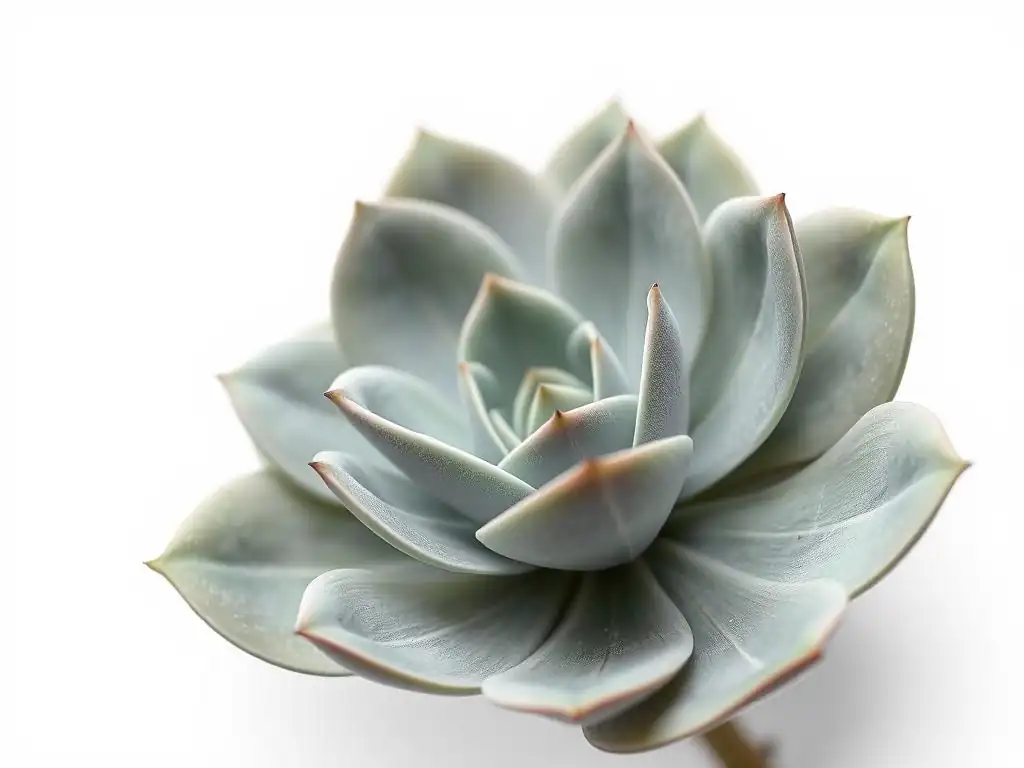
Understanding succulent plant toxicity levels is crucial for safe and enjoyable succulent cultivation. While many succulents are harmless, some species contain compounds that can be toxic to humans and animals if ingested. This section focuses on practical strategies to mitigate these risks, ensuring a safe environment for both you and your beloved plants.
The level of toxicity varies greatly between species; some cause mild irritation, while others pose more serious health concerns. This variability underscores the importance of informed choices and careful handling. The severity of a reaction also depends on factors like the amount ingested, the individual's sensitivity, and the specific toxic compounds present.
Safe Handling Practices for Succulents: Tips for Prevention
Always prioritize safe handling practices when working with succulents, regardless of their toxicity levels. This proactive approach significantly reduces the risk of accidental ingestion or skin irritation. Here's a breakdown of essential precautions:
- Wear gloves: When repotting, propagating, or handling potentially toxic species, wearing gloves is paramount. This prevents direct skin contact with plant sap, which can contain irritating compounds. Latex or nitrile gloves are readily available and effective.
- Wash your hands thoroughly: After any interaction with succulents, wash your hands thoroughly with soap and water. This removes any residual plant material or sap that might remain on your skin. Pay particular attention to fingernails.
- Avoid touching your face or eyes: While working with succulents, consciously avoid touching your face, eyes, or mouth. This simple habit minimizes the risk of accidental exposure to potentially harmful substances.
- Proper ventilation: When working with large quantities of succulents or undertaking activities that might release plant particles into the air (such as pruning or repotting), ensure adequate ventilation to reduce the inhalation of irritants.
- Designated workspace: Establish a dedicated workspace for succulent-related activities, away from food preparation areas and places where children or pets frequently play. This helps maintain a clean and safe environment.
- Tools hygiene: Regularly clean and disinfect your gardening tools after use. This prevents the spread of any potential toxins or diseases between plants.
Educating Children and Pets About Succulent Safety: A Crucial Step
Educating children and pet owners about succulent safety is crucial, especially in households with young children or curious pets. Succulents' attractive appearance can tempt them to touch or taste the plants, leading to potential health issues.
- Child safety: Teach children that succulents are not toys and should not be touched or eaten. Supervise their interactions with succulents closely, especially younger children.
- Pet safety: Keep succulents out of reach of pets, particularly cats and dogs who might nibble on the plants. Consider placing succulents on high shelves or in hanging planters. If you suspect your pet has ingested a succulent, contact your veterinarian immediately.
- Clear communication: Use age-appropriate language to explain the potential risks associated with touching or eating succulents. Emphasize that even seemingly harmless plants can cause discomfort or illness.
- Visual aids: Use visual aids such as charts or posters to reinforce the message of succulent safety. Make these visually appealing to engage children's attention.
- Positive reinforcement: Reward children for exhibiting safe behavior around succulents. Positive reinforcement is far more effective than punishment.
Choosing Non-Toxic Succulents for Homes and Gardens: A Selection Guide
While many succulents contain potentially irritating compounds, several species are considered relatively non-toxic. Choosing these safer alternatives can significantly reduce the risks associated with succulent cultivation, especially in homes with children or pets. However, it's always advisable to practice safe handling procedures, even with non-toxic species.
| Common Name | Scientific Name | Toxicity Level | Notes |
|---|---|---|---|
| Echeveria | Echeveria spp. | Low | Some species may cause mild skin irritation. |
| Sedum | Sedum spp. | Low | Generally considered safe, but avoid ingestion. |
| Haworthia | Haworthia spp. | Low | Mildly toxic; avoid ingestion. |
| Christmas Cactus | Schlumbergera spp. | Low | Generally safe, but ingestion may cause upset stomach. |
| String of Pearls | Senecio rowleyanus | Low to Moderate | Contains pyrrolizidine alkaloids; avoid ingestion. |
Remember, this is not an exhaustive list, and the toxicity levels can vary depending on the specific species and cultivar. Always research the specific succulent before introducing it into your home or garden, especially if you have pets or children. Consult reputable sources for accurate information on succulent toxicity. Further research into specific Senecio species is recommended, as pyrrolizidine alkaloid content varies significantly.
Research and Future Directions in Succulent Toxicity
Understanding succulent plant toxicity levels is crucial for both plant enthusiasts and researchers. While some succulents are known to contain potentially harmful compounds, the extent and nature of their toxicity remain areas of ongoing investigation. This section delves into current research efforts and highlights the need for further exploration into this fascinating and important field. The implications of this research extend beyond simple plant safety, impacting various fields, from medicine to environmental science.
Ongoing Research on Succulent Toxins: Exploring the Latest Findings
Current research on succulent toxins focuses on several key areas. Scientists are employing advanced analytical techniques like high-performance liquid chromatography (HPLC) and mass spectrometry (MS) to identify and quantify the specific compounds responsible for toxicity in various succulent species. This detailed chemical profiling is essential for understanding the mechanisms of toxicity and for developing accurate assessments of succulent plant toxicity levels.
For example, recent studies have shed light on the variations in toxin concentration within the same species depending on factors like growing conditions, age, and even the time of day (due to CAM photosynthesis). These findings highlight the complexity of assessing succulent toxicity and the need for standardized methodologies. Furthermore, researchers are investigating the potential synergistic effects of multiple toxins present in some succulent species, which may lead to increased toxicity compared to individual compounds.
This research is paving the way for more accurate risk assessments and improved safety guidelines for handling and cultivating succulents. The data collected is also being used to develop more accurate databases of succulent toxicity, helping to clarify which species pose a greater risk and under what circumstances.
The Need for Further Research on Succulent Toxicity Levels: Areas for Future Study
Despite progress, significant gaps remain in our understanding of succulent plant toxicity levels. Further research is urgently needed to address several critical areas. Firstly, comprehensive toxicity studies across a broader range of succulent species are necessary. Currently, research is heavily skewed towards a few well-studied species, leaving a knowledge gap concerning the majority of succulent varieties. This is particularly crucial for newly discovered or less common species, where toxicity data is virtually non-existent.
Secondly, the impact of environmental factors on toxin production needs more thorough investigation. Studies should explore how variations in sunlight, water availability, soil composition, and temperature affect the concentration and type of toxins produced by succulents. This information is essential for providing accurate cultivation advice and minimizing the risk of exposure to harmful compounds. Thirdly, research focusing on the long-term effects of low-level exposure to succulent toxins is lacking.
While acute toxicity is relatively well-understood in some cases, the potential for chronic health problems from prolonged, low-dose exposure requires further investigation. This is especially relevant for individuals who frequently handle succulents or live in close proximity to them. Finally, the development of standardized toxicity testing protocols is essential for ensuring the reliability and comparability of future research findings. This will enhance the overall understanding of succulent plant toxicity levels and allow for more informed risk assessments.
Applications of Succulent Toxin Research: Potential Benefits and Implications
Research into succulent toxins isn't limited to simply identifying hazards; it holds significant potential for various applications. Some succulent-derived compounds exhibit promising pharmacological properties, potentially leading to the development of new medicines. For instance, certain toxins may possess antimicrobial or anti-inflammatory activities, opening avenues for drug discovery and development.
Understanding the mechanisms of these toxins can aid in developing targeted therapies for various diseases. Moreover, research could inform the development of safer pest control methods. Identifying the specific compounds that deter herbivores could pave the way for creating natural, plant-based insecticides, reducing reliance on harmful synthetic pesticides.
Furthermore, this research can inform conservation efforts. By understanding the chemical defenses of succulents, we can better understand their ecological roles and develop strategies for protecting vulnerable species. Ultimately, a comprehensive understanding of succulent plant toxicity levels and the underlying mechanisms contributes to a more holistic understanding of the plant kingdom and its potential benefits and risks to humans and the environment.
Frequently Asked Questions
Are all succulents toxic to pets?
No, not all succulents are toxic. While many contain oxalates which can cause mild irritation, some are completely harmless. Always research the specific species before allowing pets near any succulent.
What are the most common toxic compounds in succulents?
Many succulents contain calcium oxalate crystals, which can cause oral irritation, vomiting, and drooling if ingested. Some species also contain saponins or other less common toxins.
How toxic are succulents compared to other houseplants?
Toxicity varies greatly between succulent species. Some are relatively harmless, while others are comparable in toxicity to common houseplants like lilies or poinsettias. Always err on the side of caution.
What should I do if my pet ingests a succulent?
If you suspect your pet has ingested a succulent, contact your veterinarian immediately. Observe your pet for any symptoms of irritation or distress. The sooner you seek help, the better.
Where can I find a list of toxic and non-toxic succulents?
While a comprehensive list is difficult to find, many resources online (and your vet) can help you identify the toxicity level of specific succulent species. Always double check information from multiple sources.
Final Reflection: The Silent Danger in Succulent Beauty
The vibrant colors and unique forms of succulents mask a potential danger: the presence of toxic compounds that can pose a serious threat to both humans and pets. This silent threat, often overlooked amidst the aesthetic appeal of these popular plants, demands our attention and understanding. Ignoring the potential toxicity of succulents can have serious consequences, highlighting the urgent need for responsible ownership and informed awareness.
The pervasive popularity of succulents, coupled with a lack of widespread knowledge regarding their toxicity, creates a concerning situation. We've explored the various metabolic toxins present in different succulent species, attempting to shed light on the varying degrees of danger. However, the responsibility for safe handling and responsible ownership ultimately rests with us. Knowledge is power, and in the case of succulent toxicity, knowledge is the key to preventing harm.
This quote underscores the importance of continued research and education surrounding this often-overlooked issue.
Now, consider your own relationship with succulents. Do you have them in your home or garden? Are you aware of the potential risks to children or pets? Take a moment to assess your surroundings and educate yourself further on the specific species you own. Let this article serve as a catalyst for responsible plant ownership, prompting you to prioritize safety and understanding alongside the undeniable beauty of these fascinating plants. Let's cultivate a future where appreciation for succulents coexists with a deep understanding of their potential dangers.
Unlock Your Succulent's Secrets: Dive Deeper into CAM Metabolism!
Thank you for exploring the fascinating world of Crassulacean Acid Metabolism (CAM) and its impact on succulent toxicity! You've gained valuable insights into these unique plants, and now it's time to apply that knowledge.
Here's what you can do next:
- Deepen your understanding: Research specific succulent species, such as Aloe vera or Euphorbia species, and explore their individual toxicity levels. This will allow you to make informed choices when handling or growing these plants.
- Share your newfound knowledge: Discuss this information with fellow succulent enthusiasts—their experiences may reveal surprising insights! Start a conversation in your local gardening group or online forum.
- Experiment with different watering schedules: Observe how adjusting watering times, considering your succulent's CAM cycle, affects your plant's health and growth. This provides a practical application of your learning.
Ready to take the next step in your succulent journey? What surprising aspect of CAM metabolism are you most curious to explore further?