
Breeding Succulents for Unique Flower Colors and Forms: A Genetic Strategy

Welcome to SucculentEssentials.org, where the fascinating world of succulents unfolds before you! Prepare to be captivated by the vibrant diversity and surprising intricacies of these drought-resistant wonders. But have you ever wondered about the secrets behind those stunning succulent flower colors? Our latest article delves into the captivating science of Succulent flower color genetics, revealing the genetic strategies behind breeding succulents with unique blooms. Dive in and uncover the mysteries of color, form, and the art of cultivating your own breathtaking succulent masterpieces!
- Understanding Succulent Flower Color Genetics
- Modifying Flower Color Through Selective Breeding
- Enhancing Flower Form Through Genetic Manipulation
- Advanced Techniques for Succulent Flower Breeding
- Breeding for Disease Resistance and Environmental Adaptability
- Ethical Considerations in Succulent Breeding
- The Future of Succulent Flower Breeding and Genetics
-
Frequently Asked Questions
- What role do genes play in succulent flower color?
- Can I predict the flower color of offspring from two parent succulents?
- How can I breed succulents with specific flower colors?
- Are there any specific genes known to influence succulent flower color?
- What are some challenges in breeding succulents for unique flower colors?
- Final Reflection: Unfolding the Rainbow: The Future of Succulent Flower Genetics
- Unleash Your Inner Plant Wizard: Breed Your Dream Succulents!
Understanding Succulent Flower Color Genetics
The vibrant and diverse world of succulents extends beyond their fascinating foliage to encompass a captivating array of flower colors and forms. While many appreciate succulents for their architectural leaves, the blooms offer a delightful spectacle, often showcasing unexpected hues and shapes. This article delves into the fascinating field of succulent flower color genetics, exploring the underlying mechanisms that govern these stunning displays.
We'll examine the role of pigments, identify key genes, and analyze inheritance patterns to understand how breeders can strategically cultivate succulents with unique and desirable flower characteristics. Mastering the genetics of succulent flower color opens up exciting possibilities for creating novel hybrids with breathtaking blooms, enriching the already diverse world of these captivating plants.
Understanding these processes allows succulent enthusiasts to not only appreciate the beauty of existing varieties but also to actively participate in shaping the future of succulent cultivation. This knowledge is crucial for both hobbyist breeders and serious researchers aiming to expand the palette of succulent flower colors available.
The Role of Pigments in Succulent Bloom Coloration
Succulent flower color, like in many other flowering plants, is primarily determined by the presence and concentration of various pigments. These pigments, largely anthocyanins and carotenoids, interact in complex ways to produce the wide spectrum of colors we observe. Anthocyanins, responsible for red, purple, blue, and sometimes even orange hues, are water-soluble pigments located in the cell vacuoles of the petals.
Their precise color is influenced by factors such as pH levels within the cell, the presence of metal ions (like aluminum or iron), and the specific types of anthocyanins present. For example, a lower pH generally results in redder hues, while a higher pH can lead to bluer tones.
Carotenoids, on the other hand, contribute yellow, orange, and sometimes red colors. These fat-soluble pigments are located in the plastids of the petal cells. Unlike anthocyanins, their color is less affected by pH changes. The interplay between anthocyanins and carotenoids, along with the relative concentrations of each, determines the final color of the succulent bloom.
For instance, a high concentration of anthocyanins with minimal carotenoids might produce a deep purple, while a balance of both could yield a vibrant reddish-orange. Understanding this complex interplay of pigments is a crucial first step in predicting and manipulating flower color in breeding programs. Furthermore, the concentration and distribution of these pigments can be influenced by environmental factors such as light intensity and temperature, adding another layer of complexity to the process.
Identifying Genes Responsible for Flower Color in Succulents
Pinpointing the specific genes responsible for flower color in succulents is a complex but crucial aspect of genetic breeding strategies. While research in this area is ongoing and specific gene identification varies across succulent species, progress is being made through techniques such as genomic sequencing and gene expression analysis. Scientists are working to identify the genes that control the biosynthesis pathways of anthocyanins and carotenoids.
These genes encode enzymes that catalyze the production of these pigments. Mutations or variations in these genes can lead to altered pigment production, resulting in different flower colors. For example, a mutation in a gene responsible for producing a specific anthocyanin might result in a shift from a red to a pink flower.
The identification of these key genes provides breeders with valuable tools for selecting and crossing parent plants with desirable traits. By understanding which genes are responsible for specific colors, breeders can predict the likelihood of offspring inheriting those traits and develop more efficient breeding programs. Moreover, advanced techniques like CRISPR-Cas9 gene editing might eventually allow for more precise manipulation of these genes, enabling the creation of entirely novel flower colors not found in nature. However, ethical considerations surrounding genetic modification must be carefully considered.
Analyzing Inheritance Patterns of Flower Color in Succulents
Understanding how flower color is inherited in succulents is crucial for successful breeding programs. The inheritance patterns often follow Mendelian principles, where genes are passed from parents to offspring in predictable ways. However, the complexity arises from the involvement of multiple genes and the interactions between them, leading to variations in inheritance patterns and the expression of flower color.
Some flower colors might be determined by a single gene, exhibiting simple dominance or recessiveness. However, many colors are likely polygenic, meaning they are controlled by multiple genes, often interacting in complex epistatic relationships where one gene can modify the expression of another.
This polygenic inheritance makes predicting offspring phenotypes (observable characteristics) more challenging, requiring careful tracking of parental traits across multiple generations. Punnett squares, while helpful for single-gene traits, become increasingly complex with multiple genes. Statistical analysis of breeding data becomes necessary to identify trends and predict the probability of specific color combinations in offspring.
Detailed records of parentage and offspring phenotypes are essential for understanding inheritance patterns and refining breeding strategies. This meticulous record-keeping allows breeders to identify desirable combinations of genes and improve the predictability of their breeding programs. Furthermore, the environment can also influence the expression of genes, so controlling environmental factors during breeding is important for consistent results.
Modifying Flower Color Through Selective Breeding
Understanding the genetics behind succulent flower color is crucial for successful breeding programs aimed at creating unique and vibrant blooms. Succulent flower color genetics are complex, influenced by multiple genes and environmental factors. However, by carefully selecting parent plants and employing controlled pollination techniques, breeders can significantly increase their chances of achieving their desired color outcomes. This section will delve into the practical steps involved in this process, focusing on the selection of parent plants and the techniques used for successful pollination.
Choosing Parent Plants with Desired Flower Traits
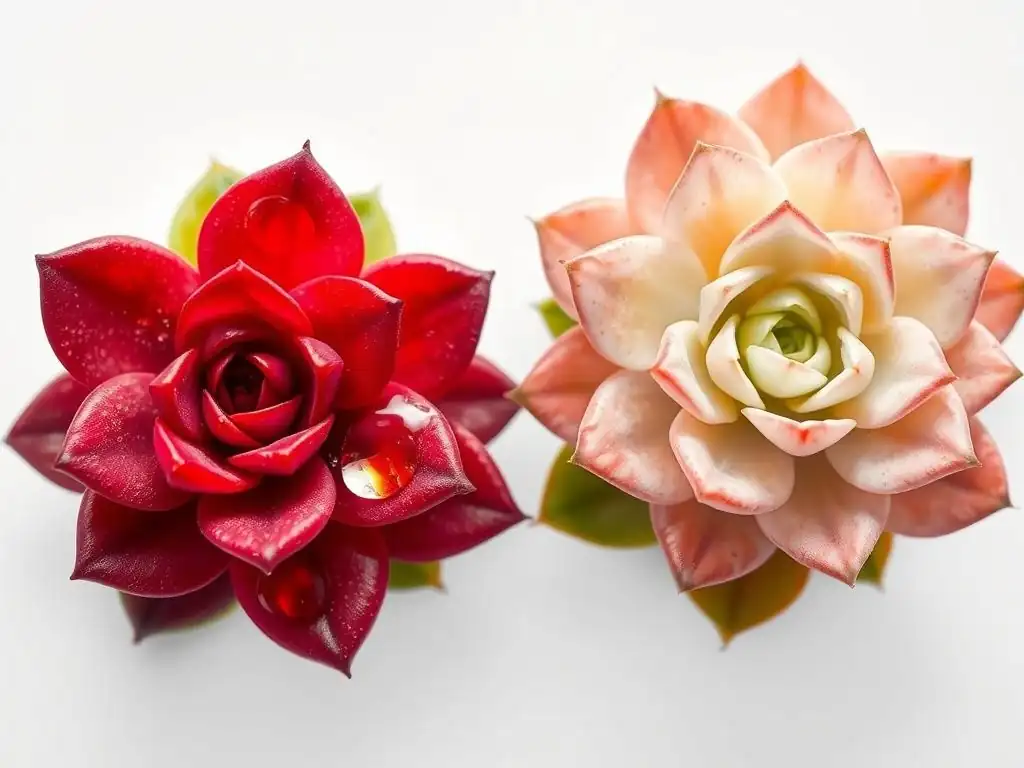
The foundation of any successful breeding program lies in the careful selection of parent plants. Begin by identifying succulents with strikingly beautiful and unique flower colors. Consider not only the intensity of the color but also its hue and saturation. For instance, if you're aiming for a deep crimson, you'll want to select parent plants exhibiting shades of red, burgundy, or even purplish-red, ensuring a strong genetic basis for the desired color.
Similarly, for pastel shades, choose parents with lighter, less saturated colors. Beyond color, consider other desirable traits such as flower shape, size, and the number of blooms per stem. Documenting these traits meticulously with photographs and detailed notes is essential for tracking progress and analyzing results across generations. A well-maintained record-keeping system is paramount for understanding inheritance patterns.
Furthermore, consider the overall health and vigor of your chosen parent plants. Plants exhibiting robust growth, resistance to pests and diseases, and a history of prolific flowering are more likely to produce healthy offspring and contribute positively to the breeding program. Avoid selecting plants showing signs of stress or disease, as these conditions can negatively impact the offspring's viability and the expression of desired traits. This careful selection process significantly increases your chances of success in obtaining the desired flower color and form in your succulent hybrids.
Techniques for Controlled Pollination in Succulents
Controlled pollination is vital for ensuring that the offspring inherit the desired traits from the selected parent plants. This process involves manually transferring pollen from the anther (male part) of one flower to the stigma (female part) of another, preventing cross-pollination with unwanted pollen sources. Many succulents are self-incompatible, meaning they cannot self-pollinate, which simplifies the process somewhat. Begin by carefully isolating the chosen parent plants to prevent accidental pollination from insects or wind.
Using small brushes or forceps, gently collect pollen from the anther of the male parent plant. Then, carefully transfer this pollen to the stigma of the female parent plant. It's often beneficial to repeat this process several times for each flower to ensure successful pollination.
Label each pollinated flower clearly with the parent plant information and pollination date to maintain accurate records. Detailed records are crucial for tracing the lineage and analyzing the results of your breeding efforts. Remember, patience is key; the success rate of pollination can vary depending on the species and environmental conditions.
Evaluating the First Generation (F1) Offspring for Desired Traits
Once the pollinated flowers have developed seed pods, carefully collect and sow the seeds. The resulting offspring, known as the first filial generation (F1), will exhibit a combination of traits from both parent plants. Evaluate the F1 generation carefully, noting the color, shape, and size of their flowers. This evaluation will help determine the success of your breeding program and inform your next steps. Create a detailed record of each F1 plant, including photographs, measurements, and descriptions of flower characteristics. This data is crucial for determining inheritance patterns and predicting the outcomes of subsequent generations.
You might find that some F1 plants exhibit the desired flower color more intensely than others, or that some display unexpected color variations. This variation is expected, reflecting the complex interplay of genes involved in flower color determination. This careful assessment of the F1 generation allows you to select the most promising individuals for further breeding.
Remember to note any other desirable traits expressed in the F1 generation, such as increased flower production or improved plant vigor. This multi-faceted approach to evaluation ensures a holistic assessment of the offspring and informs your selection process for future generations. The meticulous recording and analysis of the F1 generation are fundamental to the ongoing success of your succulent breeding program.
Enhancing Flower Form Through Genetic Manipulation
Succulent flower color genetics are fascinating, but the shape and size of the blooms are equally captivating and crucial for breeding unique cultivars. Manipulating these traits requires a deep understanding of the underlying genetic mechanisms. While we can't directly manipulate genes like in some advanced genetic engineering techniques, careful selection and hybridization can produce remarkable results. This section focuses on strategies for enhancing flower form through selective breeding.
Understanding the Genetics of Flower Shape and Size
The genetics governing flower shape and size in succulents are complex and often polygenic – meaning multiple genes contribute to the overall phenotype. This makes predicting the outcome of crosses challenging, but also exciting, as it allows for a wider range of possibilities. Factors like petal number, petal fusion (how petals are joined), and overall floral symmetry are all influenced by different genes interacting with each other and the environment.
For example, a gene might control the initiation of petal development, while another regulates the number of petals formed. Environmental factors, such as temperature and light intensity, can also influence the expression of these genes, leading to variations even within a single genotype. Detailed studies on specific succulent species are needed to fully elucidate these complex interactions.
[Specific information pending: Detailed genetic studies on flower morphology in Echeveria, Sedum, and Sempervivum species]. Understanding these interactions is key to predicting offspring phenotypes and developing effective breeding strategies. Careful record-keeping of parental traits and offspring characteristics is essential for unraveling these complexities.
Selecting Parent Plants with Unique Flower Structures
The foundation of any successful breeding program lies in the careful selection of parent plants. Look for succulents with unusually shaped or sized flowers. Consider these characteristics:
- Petal Number: Select plants with an unusually high or low number of petals compared to the species average. A plant with unusually many petals might carry genes for increased petal production.
- Petal Fusion: Observe the degree of petal fusion. Some succulents have petals that are completely fused, while others have distinct, separate petals. Crossing plants with differing degrees of fusion can yield interesting results.
- Floral Symmetry: Look for plants exhibiting radial (symmetrical) or bilateral (asymmetrical) symmetry. Exploring crosses between these types can reveal interesting genetic interactions.
- Flower Size: Select plants with unusually large or small flowers relative to the species. This trait is likely influenced by multiple genes controlling cell division and expansion.
Example: Breeding for Larger Flowers
Let's say we want to breed for larger flowers in *Echeveria laui*. We would select two parent plants with exceptionally large flowers within the species, ensuring genetic diversity to prevent inbreeding depression. We would then meticulously record all characteristics of the parents and their offspring, tracking flower size across generations. This data would help us understand the heritability of flower size in this species and inform future breeding decisions.
Remember to document all traits meticulously, using photographs and detailed notes. This detailed record-keeping is crucial for tracking progress and understanding the inheritance patterns of flower form.
Combining Flower Color and Form Genetics in Succulents
The ultimate goal for many breeders is to combine desirable flower color and form traits in a single plant. This requires careful planning and a thorough understanding of the inheritance patterns of both traits. Since flower color and form are often controlled by different sets of genes, the process can be more challenging.
| Trait | Inheritance Pattern | Selection Strategy |
|---|---|---|
| Flower Color | Often Mendelian | Select parents with the desired color and homozygous genotypes |
| Flower Shape/Size | Polygenic | Select parents with extreme phenotypes and track inheritance |
While simultaneously selecting for both traits is challenging, it is achievable through careful selection and multiple generations of backcrossing. This involves repeatedly crossing offspring with one of the parent plants to reinforce the desired traits. This process requires patience and persistence, but the results can be spectacular, leading to unique succulent cultivars with both striking flower colors and unusual forms. The use of meticulous record-keeping and advanced statistical analysis can significantly enhance the success rate of such complex breeding endeavors. 📈
The successful combination of flower color and form genetics requires a deep understanding of inheritance patterns, careful selection of parent plants, and meticulous record-keeping. This process is a testament to the intricate beauty and complexity of succulent flower genetics.
Advanced Techniques for Succulent Flower Breeding
This section delves into sophisticated methods employed in breeding succulents with novel flower colors and forms, going beyond basic hybridization techniques. We'll examine cutting-edge approaches that leverage our understanding of Succulent flower color genetics to achieve predictable and desirable outcomes. The goal is to accelerate the breeding process and increase the likelihood of success in creating unique and visually striking succulents.
Utilizing Marker-Assisted Selection (MAS) for Succulent Breeding
Marker-assisted selection (MAS) represents a significant advancement in plant breeding. Unlike traditional methods reliant on phenotypic observation, MAS utilizes DNA markers linked to specific genes controlling desirable traits, such as flower color. This allows breeders to identify plants possessing the target genes before the flowers even bloom, significantly speeding up the selection process.
For example, let's imagine a breeder desires a deep purple succulent flower. Through previous genetic research, they've identified a specific DNA marker strongly associated with anthocyanin production – the pigments responsible for purple coloration. By using molecular techniques like PCR, they can screen a large population of seedlings, identifying those carrying the desired marker. Only these plants are then selected for further propagation and testing, eliminating the need to wait for flowering and potentially discarding plants with undesirable traits. This significantly streamlines the breeding pipeline, saving time and resources.
This technique is particularly valuable in succulent breeding due to the often-long flowering cycles of many species. The ability to select plants based on their genetic makeup rather than visual observation drastically reduces the generation time needed to achieve the desired flower color. Furthermore, MAS can aid in the selection of multiple traits simultaneously, such as flower color, size, and shape, leading to more complex and desirable outcomes.
However, the success of MAS relies heavily on the availability of reliable DNA markers linked to the target traits. Further research is crucial to identify and characterize these markers for a wider range of succulent species and flower characteristics.
Exploring the Potential of Genetic Engineering in Succulent Breeding
Genetic engineering offers unprecedented opportunities for manipulating succulent flower color genetics, allowing for the introduction of entirely new colors and patterns not found naturally. Techniques like CRISPR-Cas9 gene editing provide precise tools to modify specific genes controlling flower pigmentation pathways. This could allow breeders to introduce novel colors, intensify existing ones, or even create unique patterns and variegation within the flower petals.
For instance, imagine introducing a gene from a different plant species, known for its vibrant blue pigmentation, into a succulent with typically white or yellow flowers. Genetic engineering could facilitate this transfer, potentially resulting in a completely novel blue-flowered succulent cultivar. However, ethical considerations and potential unintended consequences must be carefully evaluated before widespread adoption of this technology. Regulatory hurdles and public perception also play a crucial role in the practical application of genetic engineering in succulent breeding. The development of robust risk assessment protocols and transparent communication are essential for responsible innovation in this field.
Overcoming Challenges in Succulent Hybridization and Breeding
Succulent hybridization, while exciting, presents several inherent challenges. One major hurdle is the often-complex reproductive biology of succulents. Some species exhibit self-incompatibility, meaning they cannot self-pollinate, requiring careful cross-pollination techniques. Others might have low seed germination rates or display recalcitrant seeds, making propagation difficult.
Furthermore, many desirable traits, such as specific flower colors, are controlled by multiple genes, making their inheritance complex. This polygenic inheritance makes it challenging to predict the outcome of crosses, increasing the need for large-scale breeding programs and extensive screening processes. In addition, the genetic diversity within certain succulent species can be limited, hindering the availability of diverse parental lines for hybridization.
This lack of genetic variation can lead to inbreeding depression, resulting in weak or less vigorous offspring. Careful selection of parental lines, coupled with advanced breeding techniques like MAS and potentially genetic engineering, can help mitigate these challenges and ensure the successful creation of novel and robust succulent cultivars with unique flower characteristics. The continued investigation of succulent flower color genetics is paramount to overcoming these obstacles and unlocking the full potential of succulent breeding.
Breeding for Disease Resistance and Environmental Adaptability
This section delves into the crucial aspects of breeding succulents not only for aesthetically pleasing flower colors and forms, but also for enhanced resilience and adaptability. Focusing on Succulent flower color genetics is only part of the equation; robust health and survival are equally important for successful cultivation. We will explore strategies for incorporating disease resistance and improving environmental adaptability within breeding programs.
Incorporating Disease Resistance Genes into Succulent Breeding Programs
Developing disease-resistant succulents is paramount for reducing losses and minimizing the need for chemical interventions. Traditional breeding methods, coupled with modern genetic techniques, offer promising avenues. Identifying specific genes responsible for resistance to common succulent pathogens, such as fungal infections like Botrytis and bacterial rots, is a critical first step. This involves screening a large number of succulent varieties to identify those exhibiting natural resistance. For example, studies have shown that certain Echeveria species display inherent resistance to certain fungal diseases. These resistant individuals can then be used as parents in controlled breeding programs.
The process typically involves crossing resistant individuals with desirable cultivars to combine disease resistance with attractive traits like unique Succulent flower color genetics. This can be a lengthy process, requiring multiple generations of selection and backcrossing to refine the desired characteristics. Marker-assisted selection (MAS) is a valuable tool in accelerating this process. MAS utilizes DNA markers linked to disease resistance genes, allowing breeders to identify resistant individuals early in the development cycle, saving time and resources.
Furthermore, genetic engineering techniques hold potential for introducing disease resistance genes from other plant species into succulents. While this technology is still under development for succulents, its application could revolutionize disease management in the future. However, ethical considerations and regulatory frameworks need to be carefully addressed before widespread adoption.
Breeding for Drought Tolerance and Other Environmental Factors
Succulents are renowned for their drought tolerance, but even within this group, there's significant variation. Breeding programs can focus on enhancing this characteristic further, making succulents even more resilient in arid or water-stressed environments. This involves evaluating various physiological traits related to water use efficiency, such as stomatal conductance, root system architecture, and water storage capacity.
Selecting parents with superior water use efficiency and conducting controlled crosses can lead to cultivars with improved drought tolerance. For instance, Sedum species known for their exceptional drought hardiness can be crossed with other succulents to transfer these beneficial traits. Furthermore, breeding for tolerance to other environmental stresses, such as extreme temperatures (both heat and cold) and salinity, can broaden the adaptability of succulents to a wider range of climates.
This involves screening for tolerance to specific environmental stressors and selecting parents that exhibit superior performance under those conditions. Data on the specific genetic markers associated with drought tolerance in different succulent species is still being actively researched, representing a significant area for future study.
Developing New Cultivars with Improved Adaptability
The ultimate goal of these breeding strategies is the development of new succulent cultivars that are not only visually striking but also robust and adaptable. This requires a holistic approach, considering both disease resistance and environmental tolerance. The creation of these improved cultivars involves careful selection of parental lines, controlled hybridization, and rigorous evaluation of the resulting progeny.
The process is iterative, with multiple generations of selection and backcrossing potentially needed to achieve the desired combination of traits. Detailed records of parentage, phenotypic characteristics, and environmental performance are essential for tracking progress and making informed breeding decisions. The development of new cultivars with improved adaptability contributes significantly to the conservation and sustainable cultivation of succulents, ensuring their enjoyment by enthusiasts for generations to come.
Further research into the complex interplay of genes affecting both Succulent flower color genetics and overall plant fitness is crucial for continued progress in this field. Understanding this interplay is key to developing superior succulents that thrive in diverse environments.
Ethical Considerations in Succulent Breeding
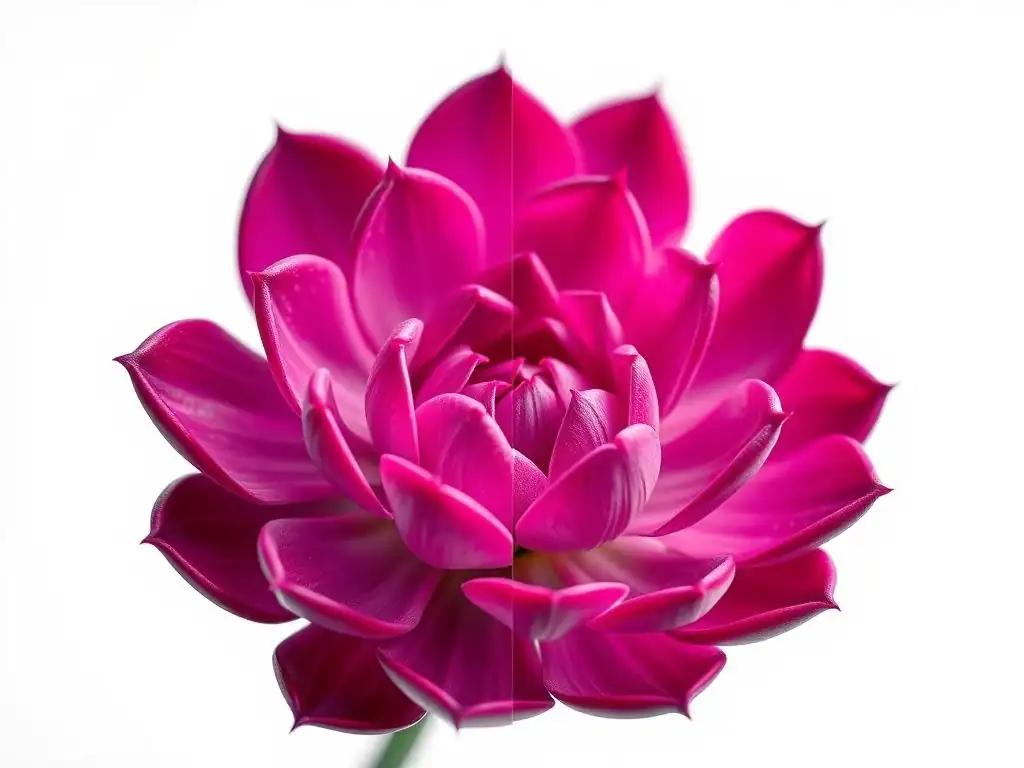
Ethical considerations are paramount in any breeding program, and succulent breeding is no exception. The pursuit of unique flower colors and forms should never come at the expense of the health and diversity of succulent populations or the environment. Responsible breeding practices ensure the long-term sustainability of these fascinating plants and the ecosystems they inhabit. Ignoring these ethical aspects can lead to unforeseen and potentially devastating consequences. This section will delve into the key ethical considerations that must guide any breeding endeavor focused on Succulent flower color genetics.
Maintaining Genetic Diversity in Succulent Populations
The drive to create succulents with striking flower colors can inadvertently lead to a reduction in genetic diversity. Focusing solely on a few desirable traits can result in a bottleneck effect, making the population vulnerable to diseases and environmental changes. Maintaining genetic diversity is crucial for the long-term survival of succulent species. Strategies to safeguard genetic diversity include:
- Broadening the genetic base: Utilizing a wide range of parent plants from diverse populations to introduce new alleles into the gene pool. This helps prevent inbreeding depression, which can manifest as reduced vigor and increased susceptibility to diseases.
- Cryopreservation: Storing seeds and tissue samples of various succulent species acts as an insurance policy against loss of genetic material. This is particularly crucial for endangered or rare species.
- Maintaining wild populations: Protecting natural succulent habitats is essential. Breeding programs should complement, not replace, the conservation of wild populations. Intensive collection of wild succulents for breeding purposes should be avoided.
- Documenting lineages: Meticulous record-keeping of the parentage and characteristics of each generation is essential for tracking genetic diversity and identifying potential inbreeding risks. This data is crucial for Succulent flower color genetics research and future breeding strategies.
Responsible Propagation and Distribution of New Cultivars
Once new cultivars with unique flower colors are developed, their propagation and distribution must be carefully managed. Irresponsible distribution can lead to the uncontrolled spread of cultivars, potentially outcompeting native species or hybridizing with them, leading to genetic pollution. Responsible practices include:
- Controlled propagation: Implementing propagation techniques that ensure the quality and genetic integrity of the new cultivars. This might involve techniques like tissue culture or careful selection of cuttings.
- Licensing and registration: Registering new cultivars with relevant organizations can help prevent unauthorized propagation and distribution, protecting intellectual property rights and ensuring proper attribution.
- Educating growers: Providing clear information about the proper care and cultivation of new cultivars to prevent accidental cross-pollination with other species and ensure responsible stewardship.
- Preventing invasive spread: Assessing the potential invasiveness of new cultivars before widespread distribution. This is especially critical for succulents that have a high potential for escaping cultivation and becoming invasive.
Protecting Endangered Succulent Species Through Breeding Programs
Breeding programs can play a vital role in conserving endangered succulent species. By selectively breeding individuals with desirable traits, such as disease resistance or tolerance to environmental stress, we can enhance the resilience of these populations. However, this requires careful consideration:
- Genetic rescue: Introducing genetic material from closely related but healthy populations to boost the genetic diversity of endangered species and mitigate inbreeding depression.
- Assisted migration: Breeding programs might help succulents adapt to climate change by developing cultivars that are better suited to altered environmental conditions. However, this needs careful planning to avoid unintended consequences.
- Collaboration with conservation organizations: Close collaboration with conservation groups is crucial to ensure that breeding programs align with broader conservation goals and avoid any actions that could harm wild populations. This is especially important given the impact of Succulent flower color genetics on conservation efforts.
- Prioritizing in situ conservation: Breeding programs should always be considered a supplementary tool, not a replacement for in situ conservation efforts aimed at protecting wild populations in their natural habitats.
The Future of Succulent Flower Breeding and Genetics
The future of succulent flower breeding hinges on a deeper understanding and application of succulent flower color genetics. Currently, breeding relies heavily on trial-and-error, crossing plants with desirable traits and hoping for the best. However, advancements in genetic technologies promise to revolutionize this approach, moving from largely phenotypic selection to a more precise, genotype-driven methodology. This will accelerate the development of new cultivars with unique and striking flower colors and forms, satisfying the ever-growing demand among succulent enthusiasts.
Emerging Technologies and Their Application to Succulent Breeding
Several emerging technologies are poised to significantly impact succulent breeding. Genomic sequencing, for instance, allows researchers to map the entire genome of a succulent, identifying genes responsible for specific traits like flower color, shape, and size. This detailed genetic information can then be used to predict the outcome of crosses with far greater accuracy than traditional methods. Imagine predicting the exact shade of a future bloom before even planting the seed!
Another powerful tool is CRISPR-Cas9 gene editing. This technology allows scientists to precisely modify specific genes within a plant's DNA. This opens up exciting possibilities for creating succulents with entirely novel flower colors or patterns not found in nature. For example, we could potentially introduce genes responsible for vibrant blues or deep purples currently absent in many succulent species. However, ethical considerations and potential unforeseen consequences require careful and responsible implementation of this technology.
Furthermore, marker-assisted selection (MAS) utilizes DNA markers linked to desirable traits to identify superior plants at an early stage of development, significantly reducing the time and resources needed for breeding programs. This approach allows breeders to select plants with the desired genetic makeup, even before they flower, speeding up the breeding process considerably. This technology is particularly valuable for succulents with long juvenile periods before flowering.
Predictions for Future Trends in Succulent Flower Color and Form
Based on current research and technological advancements, we can anticipate several exciting trends in succulent flower color and form. We can expect to see:
- Novel Color Combinations: The development of succulents with unprecedented flower colors, including vibrant blues, deep blacks, and iridescent hues, will become increasingly common. Genetic engineering will play a crucial role in achieving these breakthroughs.
- Increased Complexity in Flower Shapes: Expect to see more intricate and unusual flower shapes, ranging from highly ruffled petals to uniquely fused structures. This will be facilitated by a better understanding of the genes controlling flower development.
- Enhanced Flower Longevity: Breeding programs will focus on extending the blooming period of succulents, allowing enthusiasts to enjoy their vibrant flowers for longer durations.
- Bicolour and Multicolour Flowers: The creation of succulents with flowers displaying multiple colors within a single bloom will become more prevalent, leading to even more visually appealing plants.
- Improved Fragrance: While often overlooked, the fragrance of succulent flowers is another area ripe for improvement. Genetic research could lead to the development of succulents with more intensely fragrant blooms.
The Impact of Genetic Research on the Succulent Hobby
The advancements in succulent flower color genetics will significantly impact the succulent hobby. The availability of new and exciting cultivars will undoubtedly fuel the passion of collectors and enthusiasts. We can expect to see:
- Increased Diversity: The range of flower colors and forms available to hobbyists will dramatically expand, providing more choices for creating unique arrangements and displays.
- Enhanced Aesthetics: Succulents with striking and unusual flower characteristics will become highly sought-after, adding a new dimension to their aesthetic appeal.
- New Breeding Opportunities: Hobbyists may gain access to advanced genetic tools and techniques, enabling them to participate in breeding programs and contribute to the development of new cultivars. This could lead to a more inclusive and participatory hobby.
- Greater Understanding: A deeper understanding of succulent genetics will empower hobbyists to make more informed decisions about plant care and propagation, leading to healthier and more vibrant plants.
- Economic Impact: The development of unique and desirable cultivars will stimulate the succulent industry, creating new opportunities for growers, breeders, and retailers.
The future of succulent flower breeding promises a vibrant landscape of new colors, forms, and varieties, driven by ongoing advancements in genetic research and technology. This evolution will undoubtedly benefit both professional breeders and enthusiastic hobbyists alike, enriching the succulent world in countless ways.
Frequently Asked Questions
What role do genes play in succulent flower color?
Succulent flower color is determined by the interaction of multiple genes, affecting pigment production. These genes control the synthesis of anthocyanins, carotenoids, and betalains, resulting in the diverse range of colors we see.
Can I predict the flower color of offspring from two parent succulents?
Not precisely. While you can make educated guesses based on parental colors, succulent flower color inheritance is complex. The outcome depends on the many genes involved and their interactions.
How can I breed succulents with specific flower colors?
Careful selection of parent plants with desired traits is crucial. Repeated selective breeding over generations, focusing on specific color characteristics, increases the chances of achieving your goal.
Are there any specific genes known to influence succulent flower color?
Research on succulent genetics is ongoing. While specific genes aren't fully mapped for all succulent species, studies are revealing the role of certain gene families in pigment production and flower development.
What are some challenges in breeding succulents for unique flower colors?
Long generation times and the complexity of the genetic pathways involved make selective breeding challenging. Cross-pollination can also be unpredictable, and some desired traits may be recessive.
Final Reflection: Unfolding the Rainbow: The Future of Succulent Flower Genetics
The quest to understand and manipulate succulent flower color genetics is not merely a horticultural pursuit; it's a window into the intricate mechanisms of plant evolution and a powerful tool for shaping the future of our gardens. The vibrant diversity we've explored, from the subtle pastels to the shocking neons, highlights the incredible potential locked within these seemingly simple plants.
The journey into the genetic underpinnings of succulent flower color has been profoundly rewarding, revealing the complex interplay of genes, environmental factors, and human intervention. It's a testament to the enduring power of nature's artistry, and the boundless creativity that can be unleashed through careful observation and scientific understanding. The flower represents the highest expression of the plant's life, its ultimate offering to the world.
This quote, while not directly about succulents, perfectly captures the beauty and significance of our efforts to enhance their floral displays.
Now, consider the possibilities. What new hues and forms will we unlock in the years to come? What innovative breeding techniques will further refine our ability to sculpt the succulent bloom? I invite you, the reader, to not only appreciate the beauty of these unique plants, but to also engage with the science behind their vibrant colors. Let this exploration inspire you to delve deeper into the world of plant genetics, to cultivate your own understanding, and to contribute to the ongoing evolution of these captivating succulents.
Unleash Your Inner Plant Wizard: Breed Your Dream Succulents!
Thanks for exploring the fascinating world of succulent genetics! You've learned the secrets to breeding succulents with unique flower colors and shapes. Ready to put your knowledge into practice?
Here's how to get started:
- Begin your breeding program! Carefully select parent plants with desirable traits and ensure they are compatible. This crucial first step will set the stage for creating your own stunning succulent hybrids.
- Share your succulent journey! Post pictures of your parent plants and any promising seedlings on social media using #SucculentEssentialsBreeding. Connect with fellow enthusiasts and inspire others to try succulent breeding!
- Expand your knowledge! Learn more about plant cross-pollination techniques to improve your breeding strategies. This could involve researching specific pollinators or experimenting with different hand-pollination methods.
What unique color or shape will your first hybrid succulent have? Let's discuss your plans in the comments below!