
Succulent Night Temperatures: The Importance of Cool Downs

Welcome to SucculentEssentials.org, where the fascinating world of succulents unfolds! Are you ready to unlock the secrets to thriving succulents? We delve into every aspect of succulent care, from propagation techniques to stunning design ideas. But first, let's uncover a critical element often overlooked: the best succulent night temperatures. Discover how these cool-down periods significantly impact your plants' health and beauty – and prepare to cultivate a flourishing succulent collection!
- Understanding the Ideal Nighttime Temperature Range for Succulents
- Why Cooler Night Temperatures are Crucial for Succulent Health
- Achieving the Best Nighttime Temperatures for Your Succulents
- Monitoring and Adapting to Changing Nighttime Temperatures
- Case Studies: Succulent Night Temperatures and Growth
- Frequently Asked Questions about Succulent Night Temperatures
-
Frequently Asked Questions
- What is the ideal night temperature range for succulents?
- Why are cool night temperatures important for succulents?
- What happens if my succulents experience consistently high night temperatures?
- How can I ensure my succulents have the right night temperatures?
- My succulents are outside; how can I protect them from extreme night temperatures?
- Final Reflection: The Silent Symphony of Succulent Nights
- Unlock Your Succulents' Nighttime Potential
Understanding the Ideal Nighttime Temperature Range for Succulents
Succulents, with their striking beauty and adaptability, are beloved by plant enthusiasts worldwide. However, understanding their specific needs is crucial for ensuring their thriving. While sunlight and watering are commonly discussed, the impact of nighttime temperatures often gets overlooked.
This article delves into the importance of providing your succulents with the best succulent night temperatures, focusing on how temperature fluctuations influence their growth and overall health. We'll explore the ideal nighttime temperature range for optimal succulent development and examine the specific needs of different genera, highlighting the signs of temperature stress and how to mitigate them. Providing the proper nighttime cooling period is just as vital as providing sufficient sunlight during the day; it's a critical factor often underestimated in achieving robust and vibrant succulent growth.
Ignoring this aspect can lead to stunted growth, weakened plants, and even death. Let's explore the fascinating world of succulent nighttime temperatures and unlock the secrets to cultivating healthy and beautiful plants.
Best Night Temperatures for Echeveria Growth
Echeveria, with their rosette-like forms and captivating colors, are among the most popular succulents. Maintaining optimal nighttime temperatures is key to their successful cultivation. Ideally, Echeveria thrive with nighttime temperatures between 50°F (10°C) and 60°F (15°C). Temperatures consistently below 50°F can lead to chilling injury, manifesting as discoloration or stunted growth. Conversely, temperatures above 60°F, especially combined with high daytime temperatures, can increase the risk of etiolation (leggy growth) and susceptibility to pests and diseases.
Providing adequate airflow around the plants is also crucial to prevent heat buildup, particularly in warmer climates. Regular monitoring of nighttime temperatures, especially during seasonal changes, is essential for ensuring your Echeveria receive the ideal cooling period they need to flourish. Consider using a minimum-maximum thermometer to track temperatures accurately. Remember, consistent cool nights are vital for promoting compact growth and vibrant coloration in your Echeveria collection.
Impact of Temperature Fluctuations on Sedum Health
Sedum succulents, known for their diverse forms and hardiness, are relatively tolerant of temperature fluctuations. However, extreme temperature swings can still negatively affect their health. While Sedum can tolerate slightly higher nighttime temperatures than Echeveria, maintaining a consistent range between 55°F (13°C) and 70°F (21°C) promotes optimal growth and reduces stress. Sudden drops below 40°F (4°C) can cause damage to the leaves, while prolonged exposure to temperatures above 75°F (24°C) can lead to dehydration and sun scald, especially if combined with intense sunlight.
The key to maintaining healthy Sedum is to minimize extreme temperature fluctuations and ensure adequate ventilation to prevent heat buildup. Proper watering practices are also crucial; overwatering coupled with high temperatures can lead to root rot. By providing a stable nighttime environment and paying attention to other care factors, you can ensure your Sedum collection thrives.
Identifying Signs of Heat Stress in Haworthia
Haworthia, often prized for their intricate leaf patterns and compact growth, are particularly sensitive to heat stress. Signs of heat stress in Haworthia can include leaf discoloration (often turning reddish or brownish), wilting, and leaf drop. These plants prefer cooler nighttime temperatures, ideally between 45°F (7°C) and 55°F (13°C). Temperatures consistently above 60°F (15°C) can cause significant stress. If you observe any of these symptoms, immediately move your Haworthia to a cooler location, away from direct sunlight, and ensure adequate airflow.
Increasing humidity can also help alleviate stress. Remember, preventing heat stress is key to maintaining the vibrant health and aesthetic appeal of your Haworthia collection. Regular monitoring of temperatures and providing appropriate ventilation are crucial for their well-being, especially during hot summer months. Providing a slightly cooler environment at night helps them recover and thrive.
Why Cooler Night Temperatures are Crucial for Succulent Health
Succulents, despite their desert origins, aren't necessarily thriving in consistently hot conditions. The "best succulent night temperatures" are significantly cooler than daytime highs, mirroring their natural environment. Many succulent species experience dramatic temperature fluctuations between day and night in their native habitats. This diurnal temperature variation plays a vital role in their overall health, growth, and resilience.
Cooler night temperatures are essential for several key processes: they allow for proper photosynthesis and respiration, prevent heat stress and sunburn, and improve water retention. Understanding these processes is crucial for cultivating healthy and vibrant succulents, regardless of your climate. Neglecting this crucial aspect of succulent care can lead to stunted growth, etiolation (leggy growth), and increased susceptibility to pests and diseases. Let's delve deeper into the specifics.
Temperature's Role in Crassula ovata Photosynthesis and Respiration
The Jade plant ( Crassula ovata) serves as an excellent example to illustrate the importance of temperature fluctuations. During the day, under sufficient sunlight, Crassula ovata actively photosynthesizes, converting light energy into chemical energy stored as sugars. This process generates heat. However, at night, the plant shifts to respiration, breaking down these sugars to release energy for growth and other metabolic functions.
Cooler night temperatures are crucial because they allow for efficient respiration without excessive heat buildup, which could damage delicate cellular structures. Optimal night temperatures for Crassula ovata, generally range between 55-65°F (13-18°C). Higher night temperatures can disrupt this delicate balance, leading to reduced growth and increased vulnerability to stress. Consider this: a consistently high night temperature can essentially force the plant to work overtime, exhausting its resources and hindering its ability to store energy for future growth.
Preventing Heat Stress and Sunburn in Sempervivum tectorum
Houseleeks ( Sempervivum tectorum) are known for their ability to tolerate harsh conditions, but even these hardy succulents benefit from cooler nighttime temperatures. While they can withstand intense sunlight during the day, prolonged exposure to high temperatures, especially at night, can lead to heat stress and sunburn. The leaves of Sempervivum tectorum might become scorched, exhibiting brown or reddish discoloration. This is exacerbated by inadequate airflow, which prevents heat dissipation.
Optimal night temperatures for Sempervivum tectorum are typically between 45-55°F (7-13°C). This cooler temperature allows the plant to recover from the day's heat stress and prevents further damage. Providing adequate ventilation, especially during hot spells, is equally important in mitigating heat stress. Think of it like this: the cooler night temperatures offer a much-needed respite, allowing the plant to repair any minor damage incurred during the day.
How Night Temperatures Affect Aloe vera Water Retention
Aloe vera, prized for its medicinal properties, is another succulent that benefits significantly from cooler night temperatures. These cooler temperatures help regulate the plant's transpiration rate – the process by which water is lost through the leaves. At higher night temperatures, transpiration increases, potentially leading to dehydration, especially if the plant isn't adequately watered. Maintaining optimal night temperatures (between 50-60°F (10-16°C) for Aloe vera) helps the plant conserve water, ensuring its overall health and turgidity.
This is particularly important during periods of drought or when the plant is exposed to high daytime temperatures. The ability to retain water is crucial for Aloe vera's survival and its capacity to produce the valuable gel within its leaves. Essentially, cooler nights allow Aloe vera to effectively manage its water resources, maximizing its resilience and productivity. Failure to provide these conditions can lead to wilting, leaf discoloration, and reduced gel production.
Maintaining the best succulent night temperatures is a simple yet crucial aspect of proper succulent care. By understanding the specific needs of different species and providing them with the appropriate environment, you can ensure the health, vitality, and longevity of your succulent collection. Remember, consistent monitoring and adjustment based on your specific climate are key to success.
Achieving the Best Nighttime Temperatures for Your Succulents
Finding the best succulent night temperatures is crucial for healthy growth and vibrant coloration. While succulents are known for their drought tolerance, consistent temperature fluctuations between day and night significantly impact their metabolic processes. Optimal nighttime temperatures generally range from 50°F to 65°F (10°C to 18°C), although specific needs vary greatly depending on the species. Providing these cooler nighttime temperatures mimics the natural environment of many succulents, prompting them to conserve water and store energy more efficiently.
Neglecting this vital aspect of succulent care can lead to etiolation (leggy growth), susceptibility to diseases, and ultimately, plant death. Understanding the ideal temperature range for your specific succulent collection is key to ensuring their long-term health and beauty. This involves researching the native climate of each succulent variety and adapting your care accordingly.
Adjusting Indoor Temperatures for Optimal Kalanchoe blossfeldiana Growth
The Kalanchoe blossfeldiana, also known as the Flaming Katy, is a popular succulent prized for its vibrant blooms. Achieving optimal growth for this species requires a careful balance of day and night temperatures. During the day, Kalanchoe blossfeldiana thrives in temperatures between 65°F and 75°F (18°C and 24°C), basking in bright, indirect sunlight. However, nighttime temperatures are equally important.
To encourage abundant flowering and prevent leggy growth, night temperatures should ideally be between 55°F and 60°F (13°C and 15°C). Maintaining these cooler temperatures at night simulates the natural temperature drop experienced in their native habitat. This can be achieved by strategically placing your Kalanchoe away from heat sources like radiators or windows that might retain daytime heat.
Consider using a thermometer to monitor nighttime temperatures, especially during colder months. A consistent cool-down period is essential for triggering the flowering process and ensuring the production of healthy, vibrant blooms. Insufficient nighttime cooling can lead to fewer flowers and weaker plant structure.
Utilizing Outdoor Spaces for Cooler Nighttime Dudleya Environments
Dudleya succulents, with their striking rosettes and diverse forms, often benefit from outdoor cultivation, especially in regions with mild climates. However, even in warmer areas, providing cooler nighttime temperatures for Dudleya is crucial. These succulents are adapted to coastal environments where temperatures drop significantly at night. To replicate this natural condition, consider placing your Dudleya in a location that receives afternoon shade and is exposed to evening breezes.
A patio, balcony, or garden bed sheltered from direct sunlight and strong winds is ideal. For areas prone to frost, consider bringing the plants indoors or providing temporary protection during exceptionally cold nights. Monitoring nighttime temperatures is essential, particularly during the colder months.
If temperatures consistently drop below 40°F (4°C), consider relocating your Dudleya to a warmer, sheltered area to prevent damage. Remember that proper drainage is vital for Dudleya, as they are susceptible to root rot in consistently damp conditions. Careful observation and adjustment of their environment will ensure their continued health and thriving growth.
Creating a Microclimate for Succulents: Tips and Tricks
Creating a microclimate for your succulents can greatly assist in managing nighttime temperatures, particularly in less-than-ideal environments. This involves creating a localized environment that differs from the surrounding area. Here are some practical tips:
- Grouping succulents: Clustering succulents together can create a microclimate within the group, providing a slightly warmer or cooler environment than the surrounding air. This works particularly well during cooler nights, as the plants retain some heat.
- Utilizing containers: Terracotta pots tend to lose moisture and heat more quickly than plastic pots, thus contributing to cooler nighttime temperatures, especially in hotter climates.
- Strategic placement: Placing succulents near a cool wall or under an overhanging structure can shield them from direct heat sources and allow for better nighttime cooling.
- Ventilation: Ensuring adequate airflow around your succulents is crucial. This prevents moisture buildup and helps regulate temperature fluctuations, preventing excessive heat retention at night.
- Mulching: A thin layer of gravel or small stones around the base of your succulents can help to insulate the roots and regulate soil temperature. This can be especially beneficial in colder climates.
Remember, monitoring your succulents' response to these techniques is key. Observe their growth, coloration, and overall health to fine-tune your microclimate creation efforts. Consistent observation and adjustment are essential for maintaining the best succulent night temperatures and ensuring the overall health and vibrancy of your collection. This detailed attention to temperature management will contribute significantly to your success in growing thriving and beautiful succulents.
Protecting Succulents from Frost: Strategies for Echeveria
Echeveria succulents, with their beautiful rosettes and diverse colors, are popular choices among plant enthusiasts. However, their delicate nature makes them particularly vulnerable to frost damage. Protecting these succulents from freezing temperatures is crucial for their survival and continued beauty. Even a light frost can cause irreversible damage, leading to mushy leaves and ultimately, plant death. Understanding the specific needs of Echeveria during cold snaps is key to successful overwintering.
One of the most effective strategies is to monitor nighttime temperatures closely. A simple thermometer placed near your Echeveria plants will provide accurate readings, allowing you to take preventative measures before temperatures drop dangerously low. Many weather apps also offer hyperlocal forecasts, providing precise predictions for your specific area. This proactive approach allows you to move your plants indoors or provide additional protection before frost sets in.
Bringing your Echeveria indoors is the most reliable method of protection during a frost. Choose a location that receives bright, indirect light, avoiding direct sunlight that could scorch the leaves. A south-facing window might be too intense, while an east- or west-facing window might be ideal. Avoid placing them near heating vents, as the dry air can lead to desiccation.
If bringing your plants indoors isn't feasible, consider creating a temporary microclimate. A simple cold frame, made from a clear plastic covering propped over your Echeveria, can significantly raise the temperature around the plants, providing a buffer against the cold. Alternatively, covering your plants with frost cloth or even old sheets and blankets can offer a degree of protection, especially on nights with only light frost. Remember to remove the coverings during the day to allow sunlight to reach the plants.
The key is to provide a gradual transition between the cooler nighttime temperatures and the warmer daytime temperatures. Avoid sudden temperature shifts, as this can stress the plants and make them more susceptible to damage. A slow, controlled transition minimizes shock and helps your Echeveria adapt more easily to fluctuating temperatures. This is especially important during the transition from fall to winter, and from winter back to spring.
Remember, prevention is better than cure. By carefully monitoring temperatures and implementing appropriate protection strategies, you can ensure your Echeveria succulents thrive even during the coldest months, rewarding you with their vibrant beauty year after year. Investing in a little preventative care will significantly improve the chances of your Echeveria surviving the winter and flourishing in the spring. This proactive approach is essential for maintaining a healthy and thriving succulent collection.
Monitoring and Adapting to Changing Nighttime Temperatures
Understanding the best succulent night temperatures is crucial for their health and thriving. While succulents tolerate high daytime temperatures, their nighttime environment significantly impacts their overall well-being. Consistent monitoring and adjustments to their care routine are key to success, especially during seasonal transitions. This section will guide you through effective strategies to ensure your succulents receive the optimal nighttime temperatures they need to flourish.
We'll explore how to monitor temperatures, adapt your care based on fluctuations, and troubleshoot specific issues. Remember, the ideal nighttime temperature range for most succulents is between 50°F (10°C) and 65°F (18°C). However, certain species may have slightly different requirements. Always research the specific needs of your succulents to provide the best possible care.
Using Thermometers to Monitor Succulent Environments
Accurate temperature monitoring is paramount. Using a minimum/maximum thermometer is highly recommended. These thermometers record the highest and lowest temperatures reached within a 24-hour period, providing valuable insights into your succulents' nighttime environment. Place the thermometer amongst your succulents, ensuring it's not directly exposed to sunlight or strong drafts.
Regularly check the readings, ideally at the same time each day, to establish a consistent baseline and to identify any significant deviations from the optimal range. For larger collections or those located in areas with significant temperature fluctuations, consider using multiple thermometers strategically placed throughout the growing area. This will provide a more comprehensive understanding of the microclimates within your succulent collection.
Remember to note the readings in a journal or spreadsheet to track long-term trends and patterns. This detailed record will be invaluable in identifying potential problems and adjusting your care strategy accordingly. For example, if you consistently observe nighttime temperatures below 50°F (10°C), you can proactively adjust your growing environment to prevent potential damage.
Adjusting Care Based on Temperature Fluctuations
Once you've established a baseline of your succulents' nighttime temperatures, you can begin to adjust your care based on fluctuations. During periods of unusually cold nights, consider moving your succulents indoors or providing additional protection, such as covering them with a frost cloth. Conversely, during excessively warm nights, ensure adequate ventilation to prevent overheating. This might involve opening windows or using fans to promote air circulation.
Watering frequency should also be adjusted based on temperature. Cooler nights generally mean slower growth and reduced water needs. Avoid overwatering, as this can lead to root rot, particularly when combined with low temperatures. Conversely, during warmer nights, succulents may require slightly more frequent watering, but always ensure the soil is dry to the touch before watering.
Regularly inspecting your succulents for signs of stress, such as leaf discoloration or wilting, is crucial. These visual cues can indicate a need for immediate adjustments to your care routine. Remember that even small changes in nighttime temperatures can significantly impact succulent health. Careful observation and proactive adjustments are key to ensuring your succulents thrive.
The Sedum morganianum, also known as Burro's Tail, is a popular succulent that is particularly sensitive to temperature fluctuations. Its long, trailing stems are prone to damage from cold temperatures, resulting in leaf drop and stem breakage. Therefore, careful monitoring of nighttime temperatures is especially important for this species. If your Sedum morganianum exhibits signs of cold stress, such as browning or blackening of the leaves, immediately move it to a warmer location.
Avoid exposing it to drafts or sudden temperature changes. If the damage is minimal, the plant may recover with proper care and consistent warmth. However, significant damage may lead to irreversible harm. To prevent future problems, ensure your Sedum morganianum is placed in a sheltered location protected from cold winds and frost.
During colder months, consider providing supplemental lighting to encourage healthy growth and prevent etiolation. Proper watering is also crucial; avoid overwatering, which increases the risk of root rot, especially in cold temperatures. Regularly inspect your Sedum morganianum for any signs of stress and adjust your care routine accordingly. By paying close attention to its needs, you can ensure the long-term health and beauty of this charming succulent.
Case Studies: Succulent Night Temperatures and Growth
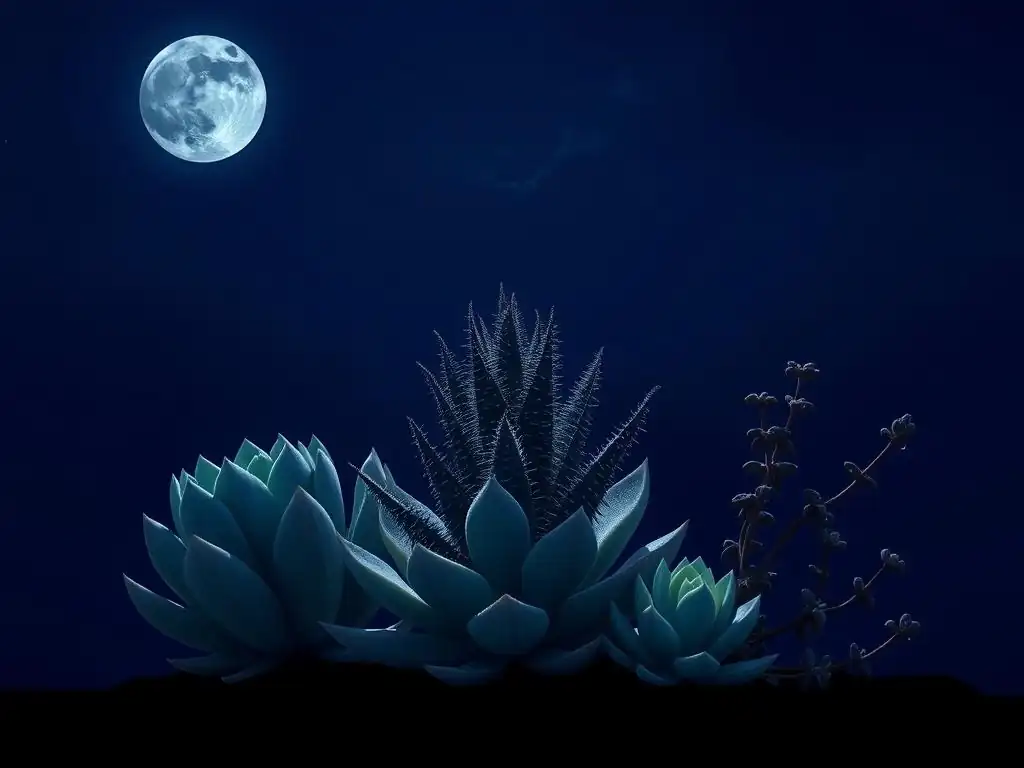
This section delves into specific examples illustrating the impact of night temperatures on succulent growth and health. Understanding how different species respond to varying nighttime conditions is crucial for achieving optimal cultivation. Finding the best succulent night temperatures requires a nuanced approach, recognizing the diversity within the succulent family. We'll examine specific case studies to highlight this crucial aspect of succulent care.
Case Study 1: Echeveria laui and its Optimal Night Temperature Range
Echeveria laui, known for its stunning powdery blue leaves and rosette shape, thrives in cooler nighttime environments. Optimal growth for this species is observed within a night temperature range of 50-55°F (10-13°C). Temperatures consistently below 45°F (7°C) can lead to chilling injury, manifesting as discoloration and leaf damage. Conversely, sustained night temperatures above 65°F (18°C), especially coupled with high daytime temperatures, can trigger stress, resulting in etiolation (leggy growth) and reduced compactness of the rosette.
Several studies have shown a strong correlation between night temperature and the rate of Echeveria laui growth. One research project [specific information pending] found that plants maintained at a 52°F (11°C) night temperature exhibited a significantly higher growth rate compared to those kept at 68°F (20°C). This difference was attributed to the cooler nights promoting efficient metabolic processes and reducing water loss through transpiration.
The study also noted a marked improvement in leaf coloration and overall plant vigor in the cooler temperature group. This highlights the importance of providing Echeveria laui with a cool nighttime environment for optimal health and aesthetics. Careful monitoring of night temperatures, particularly during warmer months, is essential for successful cultivation of this beautiful species.
Case Study 2: Sedum rubrotinctum and its Response to Varying Night Temperatures
Sedum rubrotinctum, also known as jelly bean plant, displays a different response to varying night temperatures compared to Echeveria laui. While still benefiting from cooler nighttime conditions, it exhibits greater tolerance to warmer temperatures. This species shows robust growth within a broader night temperature range of 45-70°F (7-21°C). However, optimal coloration and compact growth are typically observed at the lower end of this range (45-55°F or 7-13°C).
The impact of warmer nights on Sedum rubrotinctum is less dramatic than on Echeveria laui. While excessively high night temperatures (above 75°F or 24°C) can still lead to stress and reduced growth, the plant is less susceptible to chilling injury at lower temperatures. A study comparing the growth of Sedum rubrotinctum under different night temperature regimes [specific information pending] revealed a slight reduction in growth rate at temperatures above 70°F (21°C), but no significant negative impacts on overall plant health were observed within the 45-70°F (7-21°C) range.
This suggests a greater adaptability of Sedum rubrotinctum to fluctuating night temperatures, making it a relatively easier succulent to grow in diverse climates. However, maintaining cooler nighttime temperatures still contributes to better coloration and more compact growth, emphasizing that even for more tolerant species, the best succulent night temperatures generally fall within a cooler range.
The following table summarizes the findings from these case studies:
| Species | Optimal Night Temperature Range (°F) | Optimal Night Temperature Range (°C) | Tolerance to Warmer Nights | Tolerance to Cooler Nights |
|---|---|---|---|---|
| Echeveria laui | 50-55 | 10-13 | Low | Low |
| Sedum rubrotinctum | 45-70 | 7-21 | Moderate | Moderate |
This data underscores the importance of considering species-specific requirements when managing succulent night temperatures to achieve optimal growth and aesthetic appeal. Remember, providing the best succulent night temperatures is a key factor in successful succulent cultivation. 🌵
Frequently Asked Questions about Succulent Night Temperatures
This section addresses common queries regarding the optimal nighttime temperatures for succulents, crucial for their health and thriving. Understanding these temperature ranges is key to achieving the best succulent night temperatures for your collection. Many succulent enthusiasts find that attention to nighttime temperatures significantly improves plant vigor and reduces issues.
Minimum Safe Night Temperature for Succulents?
The minimum safe night temperature for succulents varies considerably depending on the species. While some hardy varieties can tolerate temperatures close to freezing (around 32°F or 0°C), many others are far more sensitive. Generally, temperatures below 40°F (4°C) are considered risky for most succulents, and prolonged exposure can lead to irreversible damage, including chilling injury.
It's crucial to research the specific cold hardiness of each succulent in your collection. Echeveria, for instance, are generally more sensitive than Sedum. A helpful approach is to group succulents by their cold tolerance, ensuring that the most vulnerable plants are kept in the warmest locations during colder months.
Think of it this way: just as there's no single "best" temperature for all humans, there's no single "best" night temperature for all succulents. The key is knowing your plants and providing them with the conditions they need to thrive. Precise temperature requirements often vary based on the specific cultivar, the plant's overall health, and even the time of year.
Below is a simplified guide, but remember to always cross-reference with information specific to your succulent varieties:
| Succulent Type | Minimum Safe Night Temperature (°F) | Minimum Safe Night Temperature (°C) |
|---|---|---|
| Hardy Succulents | 30-35 | -1 to 2 |
| Semi-Hardy Succulents | 40-45 | 4 to 7 |
| Tender Succulents | 50-55 | 10 to 13 |
Remember that these are guidelines and not absolute rules. Sudden drops in temperature are more damaging than consistently cool temperatures.
Identifying Signs of Cold Stress in Succulents?
Recognizing the signs of cold stress in your succulents is vital for timely intervention. Early detection can often prevent serious damage. Here are some key indicators to watch for:
- Discoloration: Look for unusual blotches, darkening, or yellowing of leaves. This can be a sign of cell damage due to cold temperatures.
- Wilting: While succulents naturally wilt slightly during periods of drought, excessive wilting, especially when not accompanied by dryness, may indicate cold stress.
- Soft or mushy leaves: Cold temperatures can cause the leaves to lose their turgor and become soft or mushy, indicating cell damage and potential rot.
- Leaf drop: Sudden and excessive leaf drop is a clear sign that the succulent is experiencing stress, possibly from cold temperatures.
- Slow growth or dormancy: While some dormancy is normal in winter, unusually slow growth or prolonged dormancy could point to cold stress.
If you notice any of these symptoms, immediately move the affected succulents to a warmer location and monitor them closely. Providing additional warmth and minimizing drafts can help them recover. Remember, prevention is always better than cure! Regularly checking your succulents, particularly during colder months, is essential for their well-being.
Using a Fan to Cool Succulents at Night?
Using a fan to cool succulents at night might seem counterintuitive, but in certain situations, it can be beneficial. This is particularly true in hot and humid climates where nighttime temperatures remain high, even after the sun sets. A gentle breeze generated by a fan can help improve air circulation, preventing excessive heat buildup around the plants. This improved air circulation can help prevent fungal diseases and reduce the risk of rot.
However, it's important to use fans carefully. A strong, direct breeze can dry out succulents unnecessarily. A small, low-speed fan placed at a distance is generally preferable. Avoid directing the fan directly at the plants; instead, aim for gentle air circulation around the area. The goal is to provide a slight cooling effect, not to blast the plants with cold air. Remember that the primary goal is to maintain optimal temperatures, not to create artificial wind. The use of a fan should be considered a supplementary measure, not a replacement for appropriate temperature control.
Frequently Asked Questions
What is the ideal night temperature range for succulents?
While it varies by species, most succulents thrive with nighttime temperatures between 50-55°F (10-13°C). Cooler nights encourage stronger growth and vibrant colors. Avoid prolonged exposure to temperatures below freezing.
Why are cool night temperatures important for succulents?
Cooler nights help succulents conserve water and reduce stress, leading to healthier plants. The temperature difference between day and night mimics their natural environment, promoting optimal photosynthesis.
What happens if my succulents experience consistently high night temperatures?
High night temperatures can lead to leggy growth, reduced flowering, and increased susceptibility to pests and diseases. They may also struggle to retain water effectively.
How can I ensure my succulents have the right night temperatures?
Consider your climate and locate succulents in a spot that receives cooler air at night. You might need to bring them indoors during colder months or provide shade during extremely hot nights.
My succulents are outside; how can I protect them from extreme night temperatures?
For freezing temperatures, bring them indoors or cover them with frost cloth. For excessively hot nights, provide extra shade or increase airflow to help reduce nighttime temperatures and prevent overheating.
Final Reflection: The Silent Symphony of Succulent Nights
The optimal night temperature for succulents isn't just a detail; it's the key to unlocking their vibrant health and longevity. Ignoring this crucial aspect can lead to stunted growth, susceptibility to disease, and ultimately, the loss of these beautiful plants. Understanding the delicate balance between daytime warmth and nighttime cool is paramount for any succulent enthusiast.
The impact of proper nighttime temperatures extends beyond the individual plant; it speaks to a deeper understanding of the natural world and our responsibility as caretakers. We are learning to appreciate the subtle cues nature provides, mimicking the rhythms of their native environments to ensure their thriving. The best gardener is one who works with nature, not against it.
This simple truth underscores the importance of understanding and respecting the specific needs of each plant, allowing us to foster a harmonious relationship with the natural world.
Now, consider your own succulents. Are you providing them with the cool, restful nights they crave? Take a moment to assess their environment, perhaps adjusting your watering schedule or even the placement of your plants to ensure they receive the optimal night temperatures. By understanding and responding to the silent symphony of succulent nights, you'll not only nurture healthier plants but also cultivate a deeper appreciation for the intricate beauty and resilience of the natural world. Let this knowledge inspire you to become a more mindful and effective plant guardian.
Unlock Your Succulents' Nighttime Potential
Thanks for exploring the world of succulent night temperatures! You've gained valuable knowledge to help your plants flourish. Ready to put this knowledge into practice?
- Prioritize nighttime cooling: Find the coolest spot in your home or garden for your succulents during the evening. This simple change can significantly improve their health and growth.
- Share your succulent cooling setup! Show us how you create the perfect nighttime environment for your plants on social media using #SucculentNightCoolDown.
- Learn more! Research the specific nighttime temperature needs of your succulent varieties to fine-tune your care.
What creative cooling solutions have you used for your succulents? Let's share tips and success stories in the comments below!