
Repotting Succulents: The Importance of Root Pruning

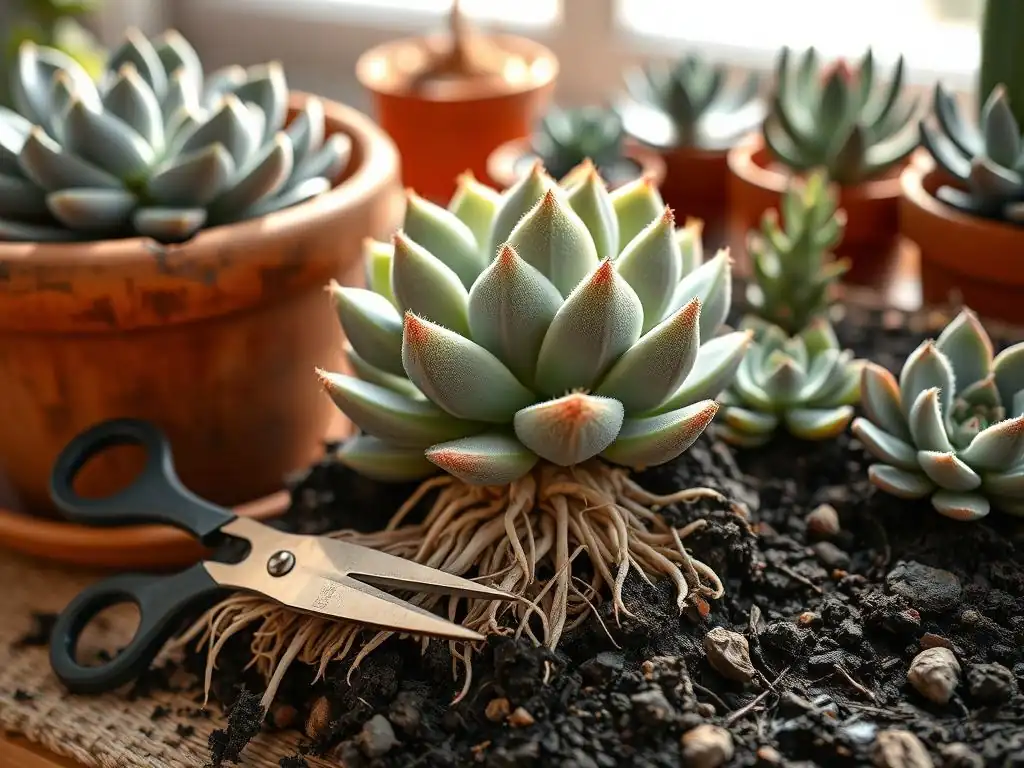
Welcome to SucculentEssentials.org, your gateway to the fascinating world of succulents! Are you ready to unlock the secrets to thriving succulents? We delve into everything from basic care to advanced techniques, and today, we're tackling a crucial element often overlooked: succulent root pruning. Discover why mastering this skill is key to healthy, vibrant plants, and learn exactly how to do it in our comprehensive Succulent Root Pruning Guide – your journey to succulent success starts now!
- Understanding the Need for Succulent Root Pruning
-
The Essential Guide to Succulent Root Pruning
- Tools and Materials for Succulent Root Pruning
- Preparing Your Succulent for Root Pruning: A Step-by-Step Guide
- Gently Removing the Succulent from its Pot
- Assessing the Root System and Identifying Areas for Pruning
- Carefully Pruning the Roots of Your Succulent
- Removing Damaged or Rotting Roots
- Cleaning and Preparing the New Pot and Soil
- Repotting Your Succulent After Root Pruning
- Preventing Future Root Problems in Succulents
- Succulent Root Pruning: Frequently Asked Questions (FAQ)
- Frequently Asked Questions
- Final Reflection: The Thriving Succulent: A Metaphor for Growth
- Unleash Your Succulents' Full Potential!
Understanding the Need for Succulent Root Pruning
Repotting succulents is a crucial aspect of their care, ensuring their continued health and vibrant growth. However, simply moving your succulents to a larger pot isn't always sufficient. This comprehensive guide delves into the vital practice of succulent root pruning, explaining its importance, identifying when it's necessary, and highlighting how to recognize potential root problems. Mastering succulent root pruning will significantly improve your success rate in cultivating these fascinating plants, leading to healthier, happier succulents that thrive under your care.
This guide serves as your ultimate "Succulent root pruning guide," equipping you with the knowledge and techniques to confidently handle this essential task. We'll explore the critical role root pruning plays in preventing diseases, promoting robust growth, and ensuring your succulents flourish for years to come. Let's dive in!
Why Root Pruning is Crucial for Healthy Succulents
Root pruning, the careful trimming of a succulent's roots, is essential for several reasons. Firstly, it prevents rootbound conditions. Over time, succulents in the same pot develop a dense, intertwined root system that restricts growth and nutrient uptake. The roots essentially become choked, preventing the plant from accessing essential water and nutrients, leading to stunted growth and even death.
Root pruning alleviates this issue by creating space for new, healthy root growth. Secondly, it helps eliminate diseased or damaged roots. Infected or rotting roots can spread disease throughout the plant, compromising its overall health. Removing these affected roots prevents further damage and promotes recovery.
Finally, root pruning encourages a more robust and extensive root system. By stimulating the growth of new roots, you create a healthier, more efficient system for nutrient and water absorption, resulting in a more vigorous and resilient succulent. Think of it as a "reset" for your succulent's root system, allowing it to start fresh and develop optimally. 🌱
Signs Your Succulents Need Repotting and Root Pruning
Recognizing the signs that your succulents require repotting and root pruning is vital for timely intervention. Several indicators signal the need for this crucial step. One key sign is stunted growth. If your succulent's growth has significantly slowed or stopped despite adequate sunlight and watering, it's a strong indication of rootbound conditions.
Another telltale sign is roots emerging from the drainage holes at the bottom of the pot. This clearly shows that the roots have outgrown their container and are seeking more space. Furthermore, wilting or yellowing leaves, even with regular watering, can indicate a problem with the root system.
The plant may not be able to absorb water efficiently due to rootbound conditions or root rot. Finally, you might notice the soil surface drying out exceptionally quickly, another sign that the roots have filled the pot and are unable to retain moisture effectively. Pay close attention to these signs; acting promptly will significantly improve your succulents' health and longevity.
Identifying Root Rot and Other Root Problems in Succulents
Identifying root problems early is critical for effective treatment. Root rot, caused by overwatering and poor drainage, is a common issue. Affected roots will appear mushy, dark brown or black, and may have a foul odor. Other root problems can include root damage from pests or physical injury during repotting. Damaged roots will be brown, brittle, or discolored. To examine your succulent's roots, gently remove it from its pot and carefully inspect the root system.
Look for any signs of discoloration, mushiness, or unusual textures. Healthy roots are firm, light-colored, and have a fibrous appearance. If you discover any signs of root rot or other problems, promptly remove the affected roots using clean, sharp pruning shears. This preventative measure is crucial in maintaining the health of your succulent collection. Remember, a healthy root system is the foundation of a thriving succulent! 🌵
The Essential Guide to Succulent Root Pruning
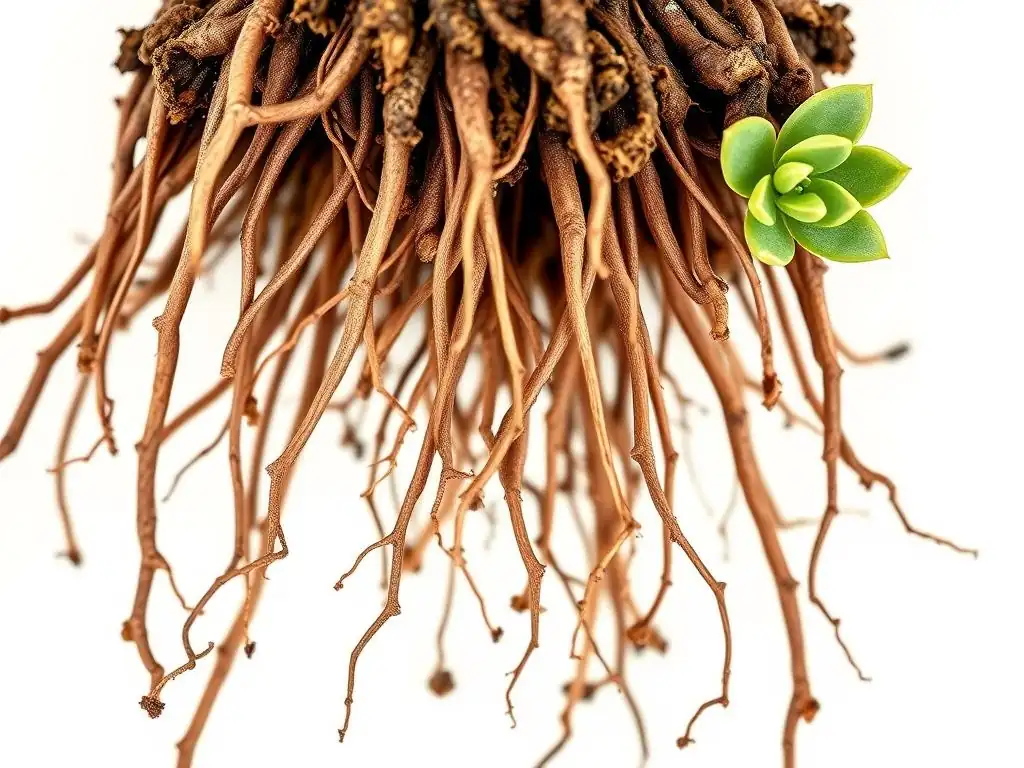
This section delves into the crucial practice of succulent root pruning, a vital aspect of repotting and ensuring the long-term health of your beloved succulents. Proper root pruning helps prevent root rot, encourages new growth, and ensures your succulents thrive. This comprehensive guide will equip you with the knowledge and techniques to prune succulent roots effectively, maximizing the chances of a successful repotting experience.
Understanding succulent root systems and their unique needs is paramount to mastering this essential skill. We'll cover everything from the necessary tools to the post-pruning care required for optimal plant health. This guide serves as your complete succulent root pruning guide, addressing common concerns and offering expert advice for various succulent types and sizes.
Tools and Materials for Succulent Root Pruning
Before you begin the root pruning process, gather the necessary tools and materials. Having everything prepared beforehand ensures a smooth and efficient process, minimizing stress on your succulents. The right tools will also prevent accidental damage to the delicate roots. Here's a checklist:
- Sharp, clean pruning shears or scissors: Essential for making precise cuts to avoid damaging healthy root tissue. Sterilize your tools with rubbing alcohol before and after each use to prevent the spread of diseases.
- Potting mix: Use a well-draining succulent and cactus potting mix. Avoid using garden soil, as it retains too much moisture and can lead to root rot.
- New pot: Choose a pot slightly larger than the previous one, allowing for root growth. Ensure the pot has adequate drainage holes.
- Gloves: Protect your hands from potential scratches or irritants in the soil.
- Optional: Root hormone powder: This can encourage faster root regeneration after pruning.
Preparing Your Succulent for Root Pruning: A Step-by-Step Guide
Proper preparation is key to successful succulent root pruning. This involves carefully assessing the plant's health and condition before you start the process. Here's a detailed step-by-step guide:
- Assess the plant: Examine your succulent for signs of root rot (dark, mushy roots), pests, or diseases. If you find any issues, address them before proceeding.
- Water thoroughly (24-48 hours before): This makes it easier to remove the succulent from its pot without damaging the roots. However, ensure the soil is slightly dry before handling to avoid excessively wet conditions.
- Gently loosen the soil: Use a small tool, such as a chopstick or a butter knife, to carefully loosen the soil around the edges of the pot. This helps to prevent root breakage.
- Inspect the roots: Once the succulent is removed, carefully inspect the root system. Identify any dead, damaged, or diseased roots. Healthy roots are typically firm, light-colored, and have a healthy, fibrous appearance.
Gently Removing the Succulent from its Pot
Removing the succulent from its pot without causing damage is crucial for successful root pruning. The following steps provide a gentle approach:
- Invert the pot: Carefully turn the pot upside down, holding the succulent firmly at the base.
- Gently tap the pot: Tap the bottom of the pot gently against a flat surface to loosen the root ball. Avoid excessive force, which could damage the roots or the plant itself.
- Support the plant: As the succulent starts to emerge, gently support the base to prevent breakage.
- Remove excess soil: Once the succulent is out of the pot, gently remove excess soil from the root ball. Use your fingers or a small tool to carefully work the soil away from the roots. Be patient and gentle to avoid damaging the fragile root system. This process allows for a thorough inspection of the root structure, paving the way for precise and effective pruning. Remember, patience is key to preventing unnecessary damage during this delicate stage. Observe the root system carefully, noting any areas that need attention.
Assessing the Root System and Identifying Areas for Pruning
Before you even touch a pruning tool, carefully examine your succulent's root system. Gently remove the plant from its pot, brushing away excess soil to reveal the roots. Look for a healthy root system, characterized by firm, white or light-brown roots. These are the active, growing roots responsible for nutrient and water uptake. Healthy roots are generally plump and flexible, not brittle or mushy.
Contrastingly, you'll want to identify areas needing attention. Look for dark brown or black roots – these are often a sign of rot, indicating damage from overwatering or poor drainage. These roots are no longer functional and need to be removed to prevent further decay. Also, look for roots that are excessively long, thin, or circling the root ball. These long, circling roots are a common sign of rootbound succulents, indicating the plant has outgrown its pot and its roots are circling instead of growing outwards.
These roots are often inefficient at absorbing water and nutrients, and pruning them encourages new, healthy root growth. Remember, the goal is to encourage a healthy, well-balanced root system that can efficiently support your succulent's growth. This assessment stage is crucial for successful root pruning. Take your time and carefully inspect every root.
Carefully Pruning the Roots of Your Succulent
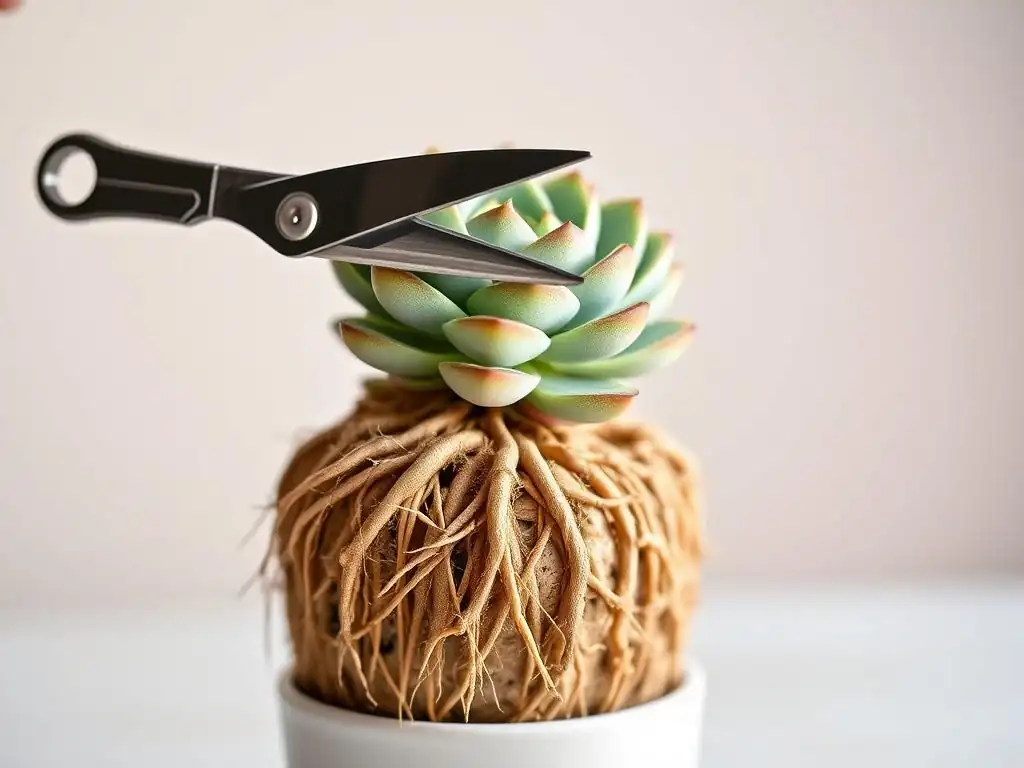
Once you've identified the areas needing pruning, it's time for the delicate process of cutting. Use clean, sharp pruning shears or a small, sterile knife to make clean cuts. Avoid tearing or crushing the roots, as this can introduce pathogens and further damage the root system. The goal is to make precise cuts, removing only the damaged, rotting, or circling roots.
For long, circling roots, cut them back to encourage outward growth. You're aiming for a more compact, healthy root system. Remember, less is more. It's better to prune conservatively and remove only the absolutely necessary roots, rather than aggressively removing too much.
Consider the overall health of your succulent. If it's already stressed, prune less aggressively. A slightly root-bound succulent might only need a few circling roots removed, while a severely root-rotted one might require more extensive pruning. With each cut, carefully inspect the root and assess the health of the surrounding root system. Maintain a clean workspace to minimize the risk of infection. Dip your pruning tools in rubbing alcohol between cuts to further ensure sterility and prevent the spread of disease.
Removing Damaged or Rotting Roots
Identifying and removing damaged or rotting roots is critical for the health of your succulent. These roots, typically dark brown or black and mushy to the touch, are not only non-functional but can also harbor diseases that can spread to the healthy parts of the plant. The process of removing them is similar to pruning circling roots: use clean, sharp tools to make clean cuts. Don't hesitate to remove any root that shows signs of rot, even if it seems only slightly affected. Rot can spread quickly, so it's crucial to be thorough.
After removing the damaged roots, consider treating the remaining root system with a fungicide. This preventative measure helps to protect the healthy roots from further infection. Allow the root system to air dry for a short time before repotting. This helps prevent the spread of any residual moisture that could potentially encourage further rot. Careful removal of damaged and rotting roots is a key component of a successful root pruning and repotting process. Remember to always prioritize the health of your succulent – a clean, healthy root system is essential for vigorous growth.
Cleaning and Preparing the New Pot and Soil
Before you even think about placing your pruned succulent roots into fresh soil, meticulous preparation of both the pot and the soil mix is crucial. Ignoring this step can introduce diseases, pests, or unwanted salts that could hinder the plant's recovery and growth. A clean pot and sterile soil are fundamental to a successful repotting and root pruning process.
Cleaning the pot is surprisingly important. Old pots, especially terracotta ones, can harbor residual salts from previous plantings, which can be detrimental to your succulent's health. Thoroughly scrub the pot with warm soapy water, ensuring you reach every crevice. For stubborn residue, a solution of diluted bleach (one part bleach to nine parts water) can be effective, but rinse it extremely well afterwards to remove all traces of bleach which is toxic to plants. Allow the pot to completely air dry before proceeding. This drying process helps prevent the introduction of excess moisture that could lead to root rot.
The choice of soil is equally critical. Succulents thrive in well-draining soil that prevents waterlogging. Avoid using regular potting soil, as it retains too much moisture. Instead, opt for a specialized succulent and cactus potting mix, which typically contains a blend of perlite, pumice, and coarse sand.
These components enhance drainage and aeration, crucial for preventing root rot – a common problem exacerbated by improper root pruning and repotting. If you’re making your own mix, ensure that the ratio of inorganic components to organic matter is heavily skewed towards the inorganic to guarantee excellent drainage. A good rule of thumb is a 70/30 ratio or even higher. Furthermore, sterilizing your soil mix is highly recommended.
This can be done by baking it in the oven at a low temperature (around 200°F) for about 30 minutes to eliminate any potential pathogens or pests. This extra step significantly reduces the risk of post-transplant issues. Remember, a healthy root system starts with a healthy environment.
Repotting Your Succulent After Root Pruning
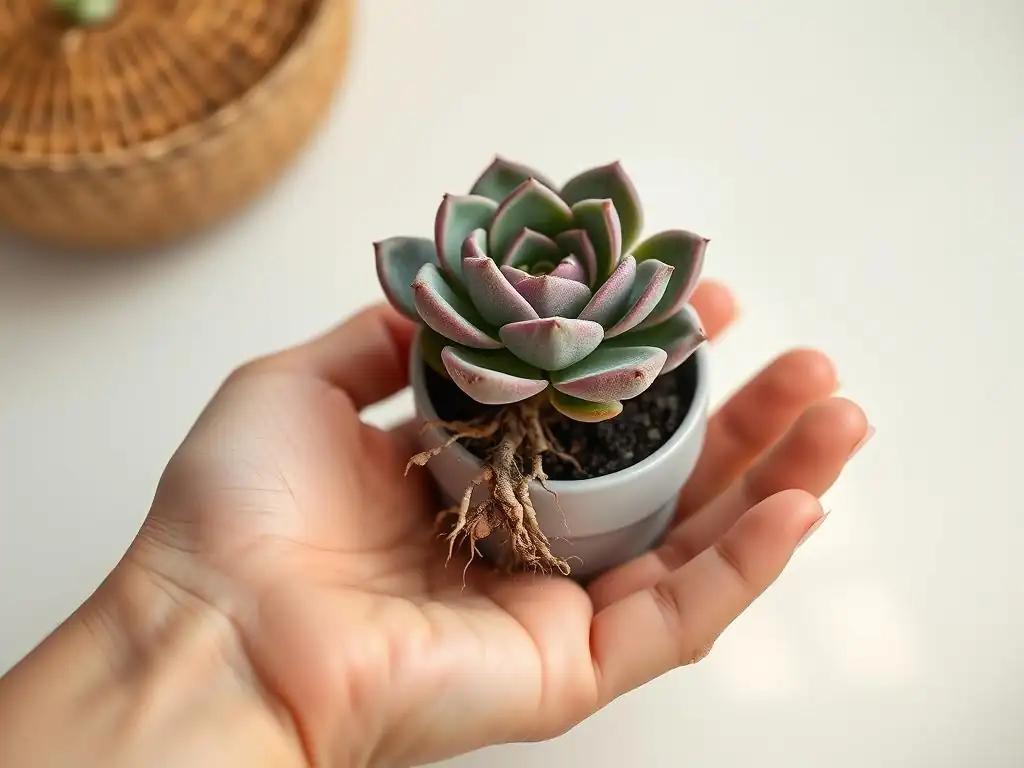
This section focuses on the crucial post-pruning steps to ensure your succulent thrives in its new home. Proper repotting after root pruning is vital for the successful recovery and long-term health of your plant. Ignoring this stage can negate the benefits of root pruning, potentially leading to further stress and even plant death. We'll cover selecting the appropriate pot and soil, the planting process itself, and the crucial initial watering schedule. This detailed Succulent root pruning guide will equip you with the knowledge to successfully repot your pruned succulents.
Selecting the Right Pot and Soil for Your Succulent
Choosing the right pot and soil mix is paramount for a healthy repotted succulent. The pot should be slightly larger than the root ball, allowing for some growth but avoiding excessive space that could lead to overwatering. Terracotta pots are generally preferred for succulents due to their porous nature, which allows for better drainage and airflow, mitigating the risk of root rot – a common problem exacerbated by improper root pruning. Avoid glazed ceramic or plastic pots unless you are absolutely certain of your watering habits and can ensure excellent drainage.
Consider the size and type of your succulent. A large Echeveria will need a larger pot than a tiny Sedum. The pot's depth should also be appropriate; overly deep pots can retain too much moisture near the roots.
The soil mix is equally critical. Succulents thrive in well-draining soil that prevents waterlogging. A commercially available cactus and succulent potting mix is a good starting point. However, for optimal drainage, consider amending it further. You can improve drainage by adding perlite, pumice, or coarse sand. A good rule of thumb is a ratio of 1 part potting soil to 1 part inorganic material (perlite, pumice, etc.). Avoid using garden soil, as it retains too much moisture and can lead to root rot.
Here's a table summarizing ideal pot and soil characteristics:
| Pot Material | Pros | Cons | Suitable for |
|---|---|---|---|
| Terracotta | Excellent drainage, airflow | Can dry out quickly, may need more frequent watering | Most succulents |
| Plastic | Lightweight, inexpensive | Can retain moisture, increased risk of root rot | Succulents with high water needs (with excellent drainage) |
| Glazed Ceramic | Attractive, durable | Poor drainage, high risk of root rot | Not recommended for succulents |
Planting Your Pruned Succulent in its New Pot
With your pot and soil prepared, carefully place your pruned succulent in its new home. Gently handle the roots to avoid further damage. Position the succulent at the same depth it was previously planted. Avoid burying the stem too deeply, which can lead to rotting.
Fill the pot with the prepared soil mix, ensuring the roots are well-covered but the crown of the plant remains exposed. Gently firm the soil around the base of the succulent to provide support. Do not pack the soil too tightly, as this can restrict root growth and hinder drainage.
After planting, inspect your succulent for any signs of stress. If the plant appears unstable, you may need to add more soil or use small stones for support. Remember, gentle handling is key throughout this entire process. Avoid over-manipulating the plant, as this can cause further damage.
Watering Your Repotted Succulent (After Root Pruning)
Watering your newly repotted succulent is a delicate balance. Immediately after repotting, avoid watering. Allow the soil to dry completely before the first watering. This allows the pruned roots to heal and callous over, preventing rot. The healing period can take anywhere from a few days to a week depending on the environment and the extent of the root pruning.
Once the soil is dry, water thoroughly, ensuring the water drains freely from the drainage holes. Avoid letting the plant sit in standing water. After the initial watering, allow the soil to dry out almost completely before watering again. Overwatering is a common mistake that can lead to root rot, especially in newly repotted succulents.
Monitor your succulent closely for any signs of wilting or discoloration. These could indicate either underwatering or overwatering. Adjust your watering schedule as needed based on the environmental conditions and the specific needs of your succulent. Remember, it's better to underwater than to overwater, especially after root pruning. A slightly dry environment is preferable to a consistently moist one. Regular observation and careful watering are crucial for the successful recovery and thriving of your succulent after root pruning.
Aftercare for Your Succulent Post-Root Pruning
After the meticulous process of root pruning your succulent, the aftercare is crucial for its successful recovery and future growth. Think of it as the recovery period after surgery – gentle care is key. Neglecting this stage can lead to further stress on the plant, potentially hindering its ability to thrive. The primary goal here is to minimize stress and encourage new root development.
This begins with the careful planting of your pruned succulent. Ensure the new pot has adequate drainage holes to prevent root rot, a common issue after root pruning. Use a well-draining succulent potting mix; avoid using garden soil, as it retains too much moisture. Gently place the succulent in the pot, ensuring the crown (the area where the leaves emerge) sits slightly above the soil line. This prevents rot from accumulating around the base.
The next few weeks are critical. Avoid overwatering; this is perhaps the most common mistake after root pruning. Water only when the soil is completely dry, typically checking with your finger about an inch below the surface. Overwatering will suffocate the new, delicate roots and could lead to the plant's demise. Instead of frequent watering, opt for a thorough soaking when necessary, allowing excess water to drain completely.
During this recovery period, it's also important to provide optimal light conditions. Succulents generally need bright, indirect sunlight. Avoid placing the repotted succulent in direct, harsh sunlight, which can scorch the leaves, adding further stress to the already vulnerable plant. A sunny windowsill with a sheer curtain can be ideal. Observe your succulent closely; if the leaves start to appear shriveled or discolored, adjust the light accordingly.
Finally, patience is paramount. Don't expect immediate results. New root growth takes time, and the succulent may appear slightly sluggish initially. Be patient and consistent with your aftercare routine.
Within a few weeks, you should start to see signs of new growth, indicating that your succulent is successfully establishing itself in its new home. With proper care, your root-pruned succulent will reward you with healthy, vigorous growth for years to come. Remember, consistent monitoring and adjusted care based on your succulent's response are key to success. Don't hesitate to make minor adjustments to your watering schedule or light exposure as needed.
Preventing Future Root Problems in Succulents
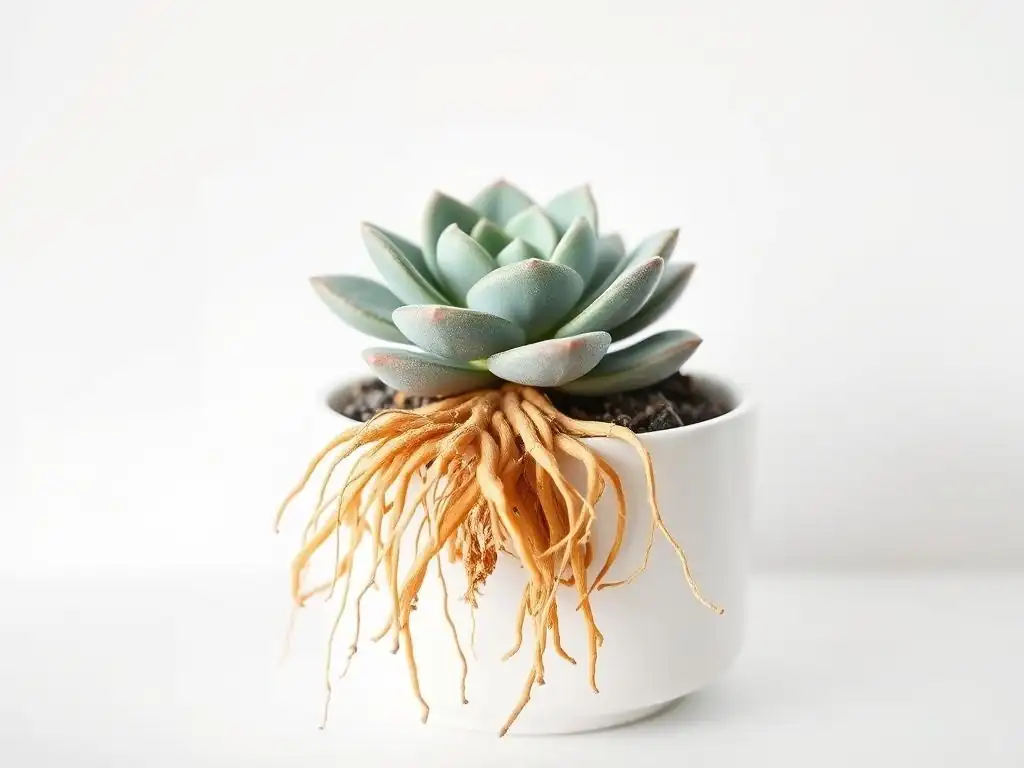
Root pruning, while seemingly drastic, is a crucial step in ensuring the long-term health and vibrancy of your succulents. By removing damaged, diseased, or overcrowded roots during repotting, you're proactively preventing future issues. This preventative measure significantly reduces the risk of root rot, a common succulent ailment caused by overwatering and poor drainage. A healthy root system is the foundation of a thriving succulent, and root pruning helps cultivate just that.
Ignoring root health can lead to stunted growth, yellowing leaves, and ultimately, the death of your plant. Therefore, a thorough examination and pruning of the roots during repotting is an investment in your succulent's future. Think of it as a "tune-up" for your plant's underground infrastructure. This careful process allows for the development of a strong, robust root system capable of efficiently absorbing water and nutrients.
Proper Watering Techniques for Succulents
Proper watering is paramount in preventing root problems. Overwatering is the leading cause of root rot in succulents. Instead of following a rigid watering schedule, monitor the soil moisture. Only water when the soil is completely dry, usually about a week or two after the previous watering, depending on the climate, pot size, and type of succulent.
Water thoroughly, allowing excess water to drain completely from the drainage holes. Never let your succulent sit in standing water. Signs of overwatering include mushy leaves, soft stems, and a foul odor emanating from the soil. Conversely, underwatering leads to shriveled leaves and stunted growth.
Finding the right balance is key; it's better to underwater slightly than to overwater. Consider using a moisture meter to gauge soil dryness, especially for beginners. Remember, succulents are adapted to arid conditions; mimicking this environment is crucial for their well-being. The goal is to provide enough water for healthy growth without creating a soggy environment that encourages root rot.
Choosing the Right Pot Size for Your Succulent
Selecting an appropriately sized pot is another critical factor in preventing root issues. A pot that's too large can retain excess moisture, leading to root rot. Conversely, a pot that's too small restricts root growth and can lead to overcrowding, again increasing the risk of rot and other problems. As a general rule, choose a pot that's only slightly larger than the succulent's existing root ball.
Allow about 1-2 inches of extra space around the roots. Proper pot size ensures good air circulation around the roots, preventing the build-up of moisture. Ensure your pot has adequate drainage holes to facilitate proper water drainage. Terracotta pots are excellent choices as they are porous and allow for better air circulation and evaporation.
Plastic pots can be used, but ensure they have ample drainage holes. The material of the pot influences the rate of evaporation and soil moisture retention. Observe your succulents closely after repotting and adjust your watering schedule accordingly based on the pot size and material.
Selecting Well-Draining Soil for Succulents
Using a well-draining soil mix is non-negotiable for healthy succulent growth. Standard potting soil retains too much moisture for succulents, leading to root rot. Instead, opt for a specialized succulent and cactus potting mix, or create your own blend. A good mix typically includes a combination of materials like pumice, perlite, coarse sand, and a small amount of potting soil.
These ingredients promote excellent drainage and aeration, keeping the roots from sitting in stagnant water. The soil should be loose and airy, allowing for easy water penetration and drainage. Avoid using soil that compacts easily, as this will hinder drainage and air circulation. You can test the drainage of your soil mix by watering a small amount and observing the drainage rate.
Well-draining soil is the cornerstone of preventing root problems and ensuring the long-term health of your succulents. Remember, healthy roots are happy roots, and happy roots lead to thriving succulents! 🪴
Recognizing and Addressing Common Succulent Root Issues
Understanding common succulent root problems is crucial for successful root pruning and preventing future issues. Root rot, a prevalent problem, manifests as mushy, brown, or black roots. These roots often smell foul and easily detach from the main stem. Overwatering is the primary culprit, creating a waterlogged environment that suffocates the roots and promotes fungal growth. Conversely, underwatering can lead to dry, brittle roots that are unable to absorb nutrients and moisture efficiently.
This often results in stunted growth and leaf discoloration. Another common issue is rootbound succulents. In this case, the roots become tightly packed and encircle the root ball, restricting growth and potentially leading to nutrient deficiencies. You'll often see roots emerging from the drainage holes of the pot.
Inspecting your succulent's roots is the first step to diagnosis. Gently remove the plant from its pot and carefully examine the root system. Look for signs of rot, dryness, or excessive rootbound conditions. A healthy root system will be firm, light-colored, and have a well-developed structure. If you detect root rot, immediately remove the affected roots using clean, sharp scissors or a knife.
Ensure you sterilize your tools before and after each use to prevent cross-contamination. After removing the damaged roots, allow the plant to air dry for several hours before repotting in fresh, well-draining soil. For rootbound succulents, carefully tease apart the compacted roots to encourage better air circulation and water penetration. This gentle disentangling of the roots is a key part of the succulent root pruning guide.
Remember, the goal is to encourage a healthy, vigorous root system that can thrive in its new environment. Prevention is key, so ensure proper watering practices and repotting techniques to avoid these issues in the future. Regularly checking your succulents for root problems, especially after periods of excessive rain or heavy watering, will help you address any problems early and prevent major issues. Careful observation is a crucial part of a successful succulent root pruning guide.
Succulent Root Pruning: Frequently Asked Questions (FAQ)
This section addresses common queries regarding succulent root pruning, a crucial aspect of maintaining healthy and thriving succulents. Understanding when and how to prune your succulent's roots is key to preventing root rot and promoting robust growth. This guide provides clear answers to help you master this essential succulent care technique.
How often should I prune my succulent's roots?
The frequency of succulent root pruning depends largely on the plant's health and the type of succulent. Generally, you shouldn't need to prune healthy roots frequently. However, repotting, which often necessitates root pruning, is typically recommended every 1-2 years, or when the plant becomes root-bound. Root-bound succulents show signs of their roots circling the pot, often with roots emerging from the drainage holes. This indicates a need for a larger pot and root pruning.
Pruning is also necessary if you notice signs of root rot (discussed below), which requires immediate action to save the plant. In these cases, you may need to prune aggressively to remove the affected areas. For healthy succulents, a gentle root pruning during repotting is sufficient to stimulate new growth and prevent overcrowding. Remember, less is more; avoid excessive pruning of healthy roots.
What are the signs of overwatering in succulents?
Overwatering is a common problem leading to root rot, which necessitates root pruning. Recognizing the signs early is critical for preventing serious damage. Here are some key indicators of overwatering in succulents:
- Mushy or soft leaves: Healthy succulent leaves are firm and plump. Soft, mushy leaves are a clear sign of overwatering and potential root rot.
- Leaf discoloration: Leaves may turn yellow, brown, or black, indicating waterlogged roots.
- Stem rot: The stem may become soft and dark, often accompanied by an unpleasant odor.
- Root rot: If you carefully remove the plant from its pot, you may see dark, mushy, or slimy roots, indicative of root rot. These roots will likely smell foul.
- Wilting despite watering: Ironically, overwatered succulents can sometimes appear wilted, as the roots can't absorb water effectively due to damage.
Remember, preventing overwatering is far easier than dealing with its consequences. Always allow the soil to dry completely between waterings, and ensure adequate drainage in your pots. Proper soil selection (discussed below) is also crucial. A well-draining soil mixture is essential for preventing waterlogging.
What type of soil is best for succulents?
Using the right soil mix is crucial for succulent health and significantly reduces the risk of root rot. Succulents require well-draining soil that doesn't retain excess moisture. Avoid using regular potting soil, which is often too dense and retains too much water.
A suitable soil mix typically includes a combination of:
- Coarse sand: Improves drainage and aeration.
- Perlite: A volcanic glass that enhances drainage and prevents compaction.
- Pumice: Similar to perlite, it provides excellent drainage and aeration.
- Potting mix (optional): A small amount of a well-draining potting mix can provide some nutrients. However, the focus should be on the inorganic components for drainage.
You can create your own custom succulent soil mix by combining these ingredients in various ratios depending on your climate and the specific succulent species. A general guideline would be a 1:1:1 ratio of coarse sand, perlite, and potting mix (or a higher proportion of inorganic components in hotter, drier climates). Always ensure the mix is well-draining to minimize the risk of root rot and ensure your succulents thrive. The correct soil is a crucial part of a successful succulent root pruning guide.
How do I prevent root rot in my succulents?
Root rot, a common succulent ailment, is often caused by overwatering and poor drainage. Preventing it requires a multi-pronged approach focusing on the right soil, pot, and watering techniques. Let's delve into the specifics:
Firstly, proper soil is paramount. Succulents thrive in well-draining soil mixes. Avoid using garden soil, which retains too much moisture. Instead, opt for a cactus and succulent potting mix, readily available at most garden centers.
These mixes typically incorporate perlite, pumice, or coarse sand to improve aeration and drainage. You can even create your own blend at home by combining potting soil with these inorganic materials in a roughly 1:1 ratio. Experiment to find the perfect balance for your climate and succulent species. Remember, the goal is to allow excess water to drain quickly, preventing the roots from sitting in soggy conditions.
Secondly, choose the right pot. Terracotta pots are excellent choices for succulents because they are porous, allowing excess moisture to evaporate. Plastic pots, while convenient, can retain moisture, increasing the risk of root rot. If using plastic pots, ensure they have ample drainage holes. The size of the pot is also crucial. Select a pot that's only slightly larger than the succulent's root ball, avoiding overly large containers that retain excessive moisture. Proper pot selection is a key component of a successful succulent root pruning guide.
Finally, watering techniques are critical. Overwatering is the most common cause of root rot. Instead of following a strict watering schedule, monitor the soil moisture. Water thoroughly only when the soil is completely dry, allowing excess water to drain freely from the drainage holes. Feel the soil's weight; a light pot indicates dryness, signaling it's time to water. During winter, succulents require less frequent watering.
The frequency of watering depends on factors like the climate, pot type, and succulent species. Observe your plants closely and adjust your watering habits accordingly. Remember, underwatering is far less problematic than overwatering when it comes to succulent care. A good rule of thumb is to "less is more" when watering your succulents. Proper watering, combined with the right soil and pot, significantly reduces the risk of root rot and is a key element of any comprehensive succulent root pruning guide.
Frequently Asked Questions
Why is root pruning important when repotting succulents?
Root pruning is crucial for healthy succulent growth. It removes dead, decaying, or overcrowded roots, preventing rot and promoting new root development in fresh soil. This ensures your succulent thrives in its new pot.
How do I know if my succulent needs root pruning?
Signs include rootbound plants (roots circling the pot), poor drainage, or slow/stunted growth. If the roots appear dark, mushy, or smell foul, it's definitely time for pruning.
What tools do I need for succulent root pruning?
You'll need sharp, clean pruning shears or scissors, and well-draining potting mix. Clean tools prevent the spread of disease. Gloves are also recommended.
How much of the root system should I prune?
Remove about one-third to one-half of the root system, focusing on dead, damaged, or circling roots. Be careful not to damage the main stem or crown.
What should I do after root pruning my succulent?
Allow the pruned roots to callus over for a few hours to a day before planting in fresh, dry soil. Then, water sparingly only after a week or so to allow the roots to establish themselves.
Final Reflection: The Thriving Succulent: A Metaphor for Growth
The art of repotting succulents, specifically the often-overlooked practice of root pruning, is more than just a horticultural technique; it's a powerful metaphor for healthy growth and adaptation. Failing to prune roots can lead to stagnation and ultimately, the demise of the plant, mirroring how neglecting self-care and necessary changes can hinder our own personal flourishing. This seemingly simple act holds profound implications for both the plant and the gardener.
The process of carefully examining, cleaning, and trimming the roots of a succulent has profoundly impacted my own understanding of personal growth. It's a delicate balance between removing the dead and damaged, allowing space for new growth, and ensuring the plant has the optimal environment to thrive. This mirrors the constant process of self-reflection and letting go of what no longer serves us. The only way to do great work is to love what you do.
- Steve Jobs. This quote resonates deeply, as nurturing a succulent, like pursuing a passion, requires dedication, patience, and a willingness to adapt and prune away the unnecessary to achieve true growth.
Now, consider your own "roots." What aspects of your life need pruning? What limiting beliefs or unhealthy habits are preventing you from flourishing? Take the time to examine your own "root system," identify areas needing attention, and create space for new growth. Embrace the process of change, just as you would with your succulents, and watch yourself blossom into a healthier, more vibrant version of yourself. The journey of growth, like the repotting of a succulent, is ongoing, requiring consistent care and attention, but the rewards are immeasurable.
Unleash Your Succulents' Full Potential!
Thank you for learning about the crucial role of root pruning when repotting succulents. We hope you feel confident in providing your plants with the best possible care! Ready to put your new knowledge into practice?
- Repot your succulents today! Proper root management ensures healthy growth and vibrant blooms. This is a vital step for their well-being.
- Share your repotting success! Inspire others by posting photos of your beautifully repotted succulents on social media using #SucculentEssentials.
- Experiment with different potting mixes to find what works best for your collection – you might be surprised by the results!
What exciting growth or blooms do you anticipate seeing after repotting your succulents?