
Winter Temperature Control: Maintaining a Consistent Climate

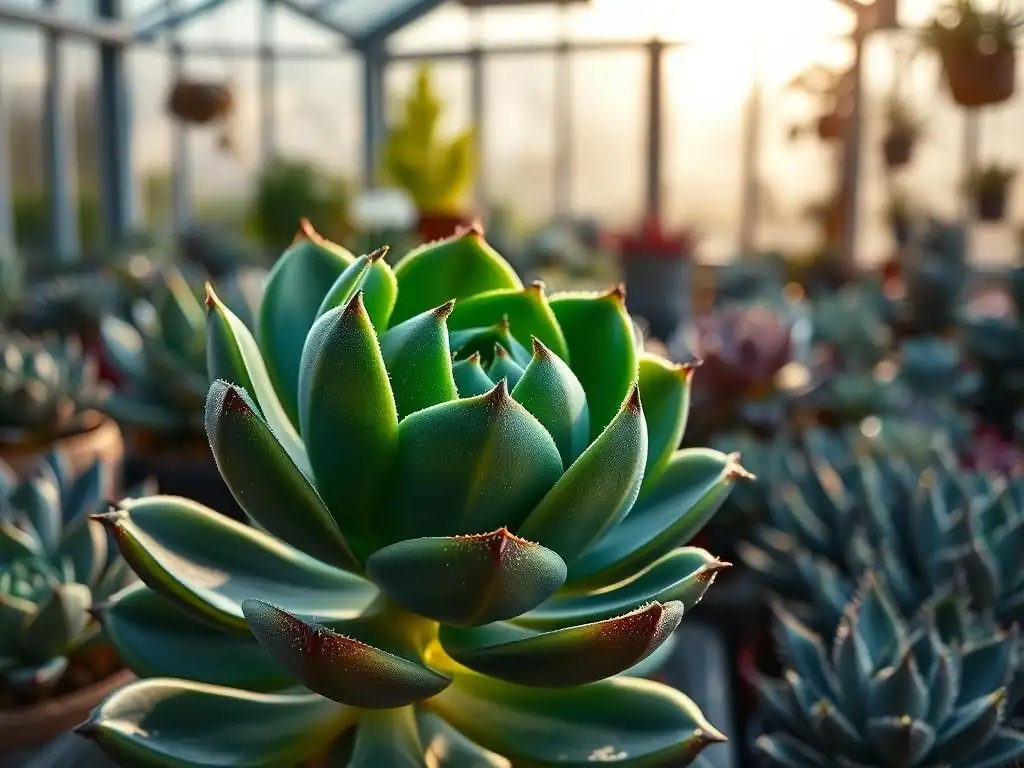
Welcome to SucculentEssentials.org, where the fascinating world of succulents unfolds before you! Are you ready to unlock the secrets to thriving succulents, even during the harshest winter months? Discover the crucial role of Succulent winter temperature care in ensuring your plants flourish. Dive into our "Fundamentals of Succulent Care" and learn how to maintain a consistent climate—the key to vibrant, healthy succulents all year round. Let's begin your succulent journey!
- Understanding Succulent Winter Temperature Requirements
- Protecting Succulents from Freezing Temperatures
- Maintaining Consistent Indoor Temperatures
- Monitoring and Adjusting Your Succulents' Environment
- Common Winter Temperature-Related Problems and Solutions
- Winter Temperature Care for Specific Succulent Types
-
Frequently Asked Questions
- What is the ideal winter temperature range for succulents?
- How can I protect my succulents from freezing temperatures?
- My succulents are in a greenhouse; what special considerations should I take?
- What are the signs of cold damage in succulents?
- Can I use a heat lamp or heating pad for my succulents during winter?
- Final Reflection: Nurturing Life Through Winter's Embrace
- Unlock Your Succulents' Winter Thrive!
Understanding Succulent Winter Temperature Requirements
Succulents, with their striking beauty and resilience, often thrive in warm, sunny climates. However, understanding their winter temperature requirements is crucial for maintaining their health and preventing damage. This article delves into the specifics of succulent winter temperature care, providing essential information to help you keep your beloved plants flourishing even during the colder months.
We'll explore ideal temperature ranges, how to identify the specific needs of different succulent varieties, and the potential consequences of exposing your succulents to excessively cold temperatures. Mastering succulent winter temperature control is key to ensuring their continued beauty and longevity, allowing you to enjoy their vibrant presence year-round. Proper temperature management is a cornerstone of successful succulent cultivation, especially when considering the diverse range of species and their varying tolerances.
This guide will empower you to provide the optimal environment for your succulents, regardless of your geographical location or the intensity of winter's chill. Let's dive in and learn how to keep your succulents happy and healthy throughout the winter season!
Ideal Winter Temperatures for Succulents
Most succulents prefer a consistent temperature range during winter to avoid stress and potential damage. The ideal winter temperature for the majority of succulents falls between 50°F (10°C) and 65°F (18°C) . Temperatures consistently below 50°F can lead to chilling injury, manifesting as discoloration, wilting, and even rot. Conversely, temperatures consistently above 65°F, especially combined with high humidity, can encourage fungal growth and other diseases. Maintaining this temperature range is crucial for preventing these issues. Remember, a consistent temperature is more important than the precise temperature itself. Sudden drops or spikes in temperature are far more stressful to succulents than a slightly cooler or warmer average temperature. Providing a stable, consistent environment is paramount. Think of it like this: succulents prefer a gentle winter slumber, not a harsh shock to the system. Maintaining this temperature range helps your succulents enter a state of dormancy without experiencing undue stress.
Maintaining this temperature range might require adjustments depending on your climate. In regions with harsh winters, bringing your succulents indoors to a sunroom or near a south-facing window can help maintain the ideal temperature. In milder climates, providing some protection from freezing temperatures might be sufficient. Careful monitoring and adjustments based on your specific environment are key to providing the best possible care. Consider using a thermometer to accurately track the temperature near your succulents, ensuring they remain within the optimal range.
Identifying Your Succulent's Specific Needs
While the 50°F-65°F range serves as a good guideline, it's crucial to remember that succulents are a diverse group of plants. Different species have different cold-hardiness levels. Some, like Sempervivum (hens and chicks), can tolerate temperatures well below freezing, while others, such as Haworthia, are much more sensitive. Therefore, researching the specific cold tolerance of your succulent varieties is essential for providing appropriate winter care. This research will help you determine if additional protection is needed for particularly sensitive plants. Proper identification is crucial, as neglecting this step could result in the loss of your treasured succulents.
You can find this information through reliable sources such as botanical databases, succulent care guides, or online forums dedicated to succulent cultivation. Paying close attention to the origin and habitat of your succulents can also provide valuable clues about their cold tolerance. For example, succulents originating from high-altitude regions might tolerate colder temperatures than those from desert lowlands.
Remember to label your plants with their names to easily access their specific care requirements. This proactive approach ensures you can provide tailored care to each succulent, maximizing their chances of survival and thriving through the winter. A well-organized collection makes providing appropriate winter care much more manageable.
The Impact of Cold Temperatures on Succulent Health
Exposing succulents to temperatures below their tolerance levels can lead to several negative consequences. Chilling injury, as previously mentioned, can cause discoloration, wilting, and eventually, rot. The plant's cells are damaged by the cold, leading to tissue breakdown. This damage can be irreversible, ultimately leading to the death of the plant if not addressed promptly. Signs of chilling injury may include mushy leaves, black spots, or a general loss of turgor (firmness). These symptoms indicate a need for immediate action to prevent further damage. Early detection is key to successful intervention and recovery.
Beyond chilling injury, prolonged exposure to freezing temperatures can lead to outright freezing and death. Ice crystals form within the plant's cells, causing irreparable damage. Prevention is far more effective than treatment in this case. Therefore, proactive measures, such as moving succulents indoors or providing insulation during cold snaps, are vital.
Remember, prevention is always better than cure when it comes to protecting your succulents from the harshness of winter. Protecting your investment and preserving the beauty of your succulent collection should be a priority. Consider the long-term health and well-being of your plants when planning your winter care strategy.
Protecting Succulents from Freezing Temperatures
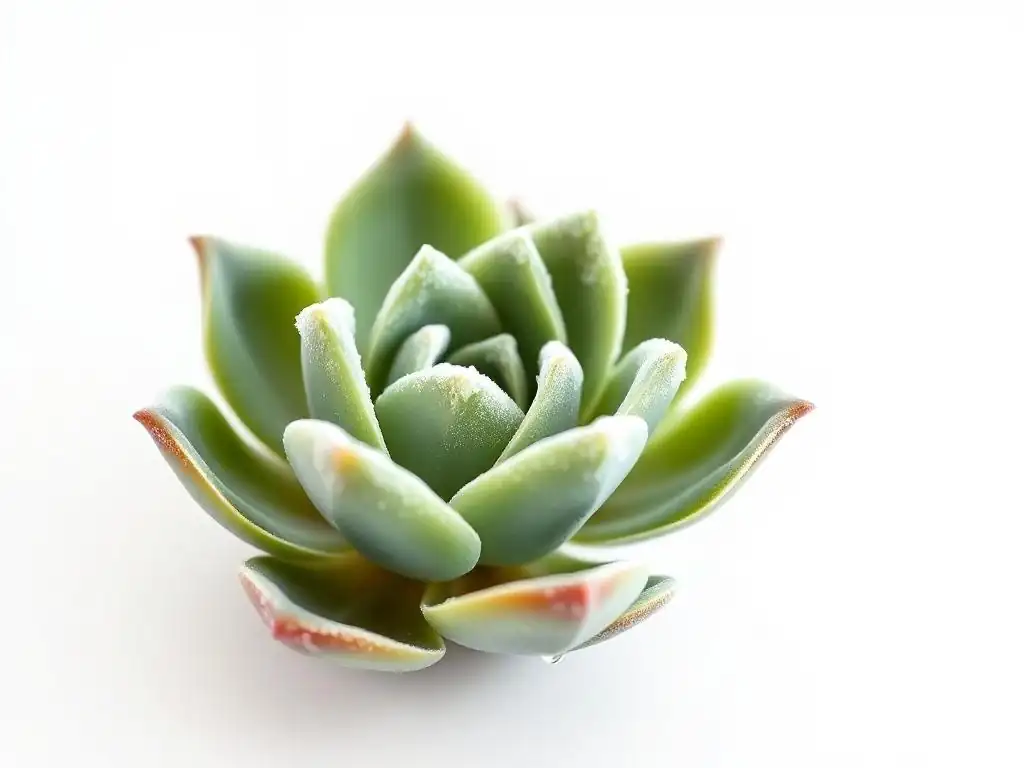
Succulent winter temperature care is crucial for their survival. Many succulents, while drought-tolerant, are surprisingly sensitive to freezing temperatures. Prolonged exposure to temperatures below 32°F (0°C) can cause irreversible damage, leading to cell rupture, discoloration, and ultimately, death. The severity of the damage depends on the species of succulent, the duration of exposure, and the intensity of the cold.
Some hardier varieties, like Sedum and Sempervivum, can tolerate light frost, but even these benefit from protection during prolonged freezing periods. Understanding your specific succulent's cold hardiness is the first step in providing adequate winter temperature care. Remember to consult reliable sources to determine the cold tolerance of your individual plants. Ignoring this critical aspect can lead to significant losses in your succulent collection.
Bringing Succulents Indoors for Winter
Bringing succulents indoors during winter is a common and effective method of protecting them from freezing temperatures. This approach works particularly well for more delicate species or those in containers that are easily moved. However, simply moving them inside doesn't guarantee success. Sudden shifts in temperature and humidity can stress plants, so gradual acclimation is key.
Ideally, you should introduce your succulents to their indoor environment over several days, progressively moving them from colder to warmer locations. Once indoors, position them near a sunny window, but avoid placing them directly against the glass to prevent scorching. Monitor the temperature and humidity carefully. Using a thermometer and a hygrometer will allow you to maintain an optimal environment.
Avoid placing them near heating vents, which can dry them out excessively. Remember to provide adequate light; supplemental grow lights might be necessary, especially during the shorter winter days. This method ensures your succulent winter temperature care is comprehensive and minimizes stress. Regularly check for pests and diseases, which can be more prevalent in indoor environments.
Creating a Protective Microclimate Outdoors
For those who prefer to keep their succulents outdoors year-round, creating a protective microclimate is a viable alternative to bringing them indoors. This involves modifying the immediate environment to mitigate the effects of freezing temperatures. One effective technique is to group succulents together, creating a cluster that traps heat and provides insulation.
Mulching around the base of the plants with organic material, such as straw or pine needles, can also help protect their roots from frost. Building a simple windbreak using burlap, plastic sheeting, or even strategically placed evergreen branches can significantly reduce the impact of cold winds, which exacerbate the effects of low temperatures. Furthermore, covering individual plants with individual cloches or frost blankets offers targeted protection against freezing temperatures.
Remember to remove the coverings during the day to allow for sunlight and ventilation. This approach to succulent winter temperature care requires careful monitoring of weather forecasts and adjustments to the protective measures as needed. Regular inspection of your plants is vital to ensure the effectiveness of your microclimate.
Using Cold Frames and Greenhouses for Winter Protection
Cold frames and greenhouses provide a more controlled environment for succulent winter temperature care compared to outdoor microclimates. Cold frames are essentially miniature greenhouses, offering protection from frost and wind while allowing for natural light and ventilation. Greenhouses offer even greater control over temperature and humidity, making them ideal for cultivating more sensitive succulent species.
Regardless of the method chosen, proper ventilation is crucial to prevent excessive moisture buildup, which can lead to fungal diseases. Regular monitoring of temperature and humidity levels is essential to ensure a healthy environment. The use of a thermostat-controlled heater in a greenhouse allows for precise temperature regulation during particularly cold spells.
Cold frames, while less sophisticated, still offer a significant advantage over simply leaving succulents exposed to the elements. Choosing between a cold frame and a greenhouse depends on the size of your collection, your budget, and the severity of winters in your region. Both offer excellent protection and contribute significantly to successful succulent winter temperature care.
Maintaining Consistent Indoor Temperatures
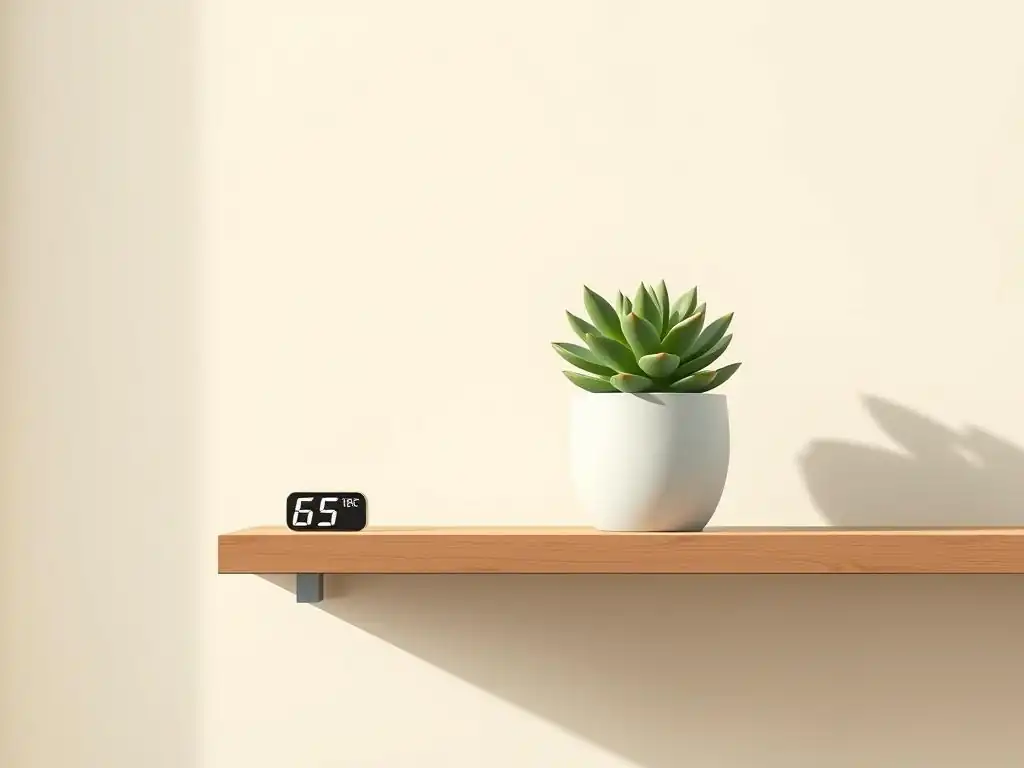
Succulent winter temperature care is crucial for their survival and thriving. These plants, adapted to arid climates, are sensitive to extreme temperature fluctuations and cold snaps. Maintaining a consistent indoor environment during winter is paramount to preventing damage and ensuring your succulents remain healthy and vibrant. This section focuses on practical strategies for achieving this, drawing on real-world examples and expert advice to guide you through the process.
Ideal Indoor Temperatures and Humidity Levels
The ideal indoor temperature for most succulents during winter ranges from 50°F (10°C) to 65°F (18°C). However, some species, like Echeveria and Sedum, tolerate slightly cooler temperatures, while others, such as Haworthia and Gasteria, prefer the warmer end of this range. Monitoring the temperature with a reliable thermometer is essential, especially near windows or external walls where temperatures can fluctuate significantly.
Remember that cold drafts can be particularly damaging. A sudden drop in temperature can cause chilling injury, leading to leaf discoloration, wilting, and even death. Maintaining consistent temperatures is more important than aiming for a specific temperature. Small, gradual changes are preferable to sudden drops or spikes.
Humidity levels are less critical for succulents than temperature, as they thrive in drier conditions. However, excessively dry air, especially from heating systems, can lead to dehydration. Consider using a humidifier, especially in very dry climates, or grouping plants together to create a slightly more humid microclimate. This is especially important for succulents with delicate leaves that are prone to drying out.
Here's a table summarizing ideal winter conditions for different succulent types:
| Succulent Type | Ideal Temperature (°F) | Ideal Temperature (°C) | Humidity Notes |
|---|---|---|---|
| Echeveria | 50-60 | 10-16 | Low to moderate |
| Sedum | 50-60 | 10-16 | Low to moderate |
| Haworthia | 60-65 | 15-18 | Low, avoid excessive moisture |
| Gasteria | 60-65 | 15-18 | Low, avoid excessive moisture |
| Sempervivum (Hens & Chicks) | 45-55 | 7-13 | Low, tolerates slightly cooler temperatures |
Preventing Drafts and Temperature Fluctuations
Preventing drafts is a critical aspect of succulent winter temperature care. Cold air blowing directly on your succulents can cause significant stress and damage. Therefore, strategically positioning your plants away from windows, doors, and air conditioning vents is crucial. Consider using curtains or blinds to insulate windows, especially at night when temperatures drop.
Temperature fluctuations can be minimized by using thermal curtains or insulating window film. These measures create a buffer zone, preventing rapid temperature changes near your plants. Another helpful tactic is to group succulents together, creating a microclimate that helps maintain a more consistent temperature. This collective warmth can help buffer against sudden drops in ambient temperature. Think of it as a miniature, plant-based ecosystem!
Additional Tips for Preventing Temperature Fluctuations
Avoid placing succulents near heat sources that cycle on and off, as these can cause significant temperature swings. A consistently warm spot is better than one that experiences frequent temperature changes. Regularly monitor the temperature near your plants, especially during periods of extreme weather.
Choosing the Right Location for Your Indoor Succulents
The location you choose for your indoor succulents during winter significantly impacts their temperature and overall health. Avoid placing them in areas exposed to direct sunlight, especially during the colder months, as this can lead to scorching. Instead, select a location with bright, indirect light, such as a south-facing window (in the Northern Hemisphere) shielded by a sheer curtain.
Consider the temperature of the room itself. Rooms with consistent temperatures, such as those away from exterior walls, are ideal. Bathrooms, while often humid, can be too warm and lack sufficient light. A sunny south-facing windowsill may seem ideal, but direct winter sun can be too intense, potentially damaging succulent leaves. A well-lit spot away from direct sunlight and drafts is the best approach.
Remember, careful observation of your plants is key. If you notice signs of stress, such as leaf discoloration or wilting, you may need to adjust their location or implement additional temperature control measures. A healthy succulent will have plump, firm leaves and a vibrant color. Monitoring and adjusting as needed ensures your succulent winter temperature care is effective.
Monitoring and Adjusting Your Succulents' Environment
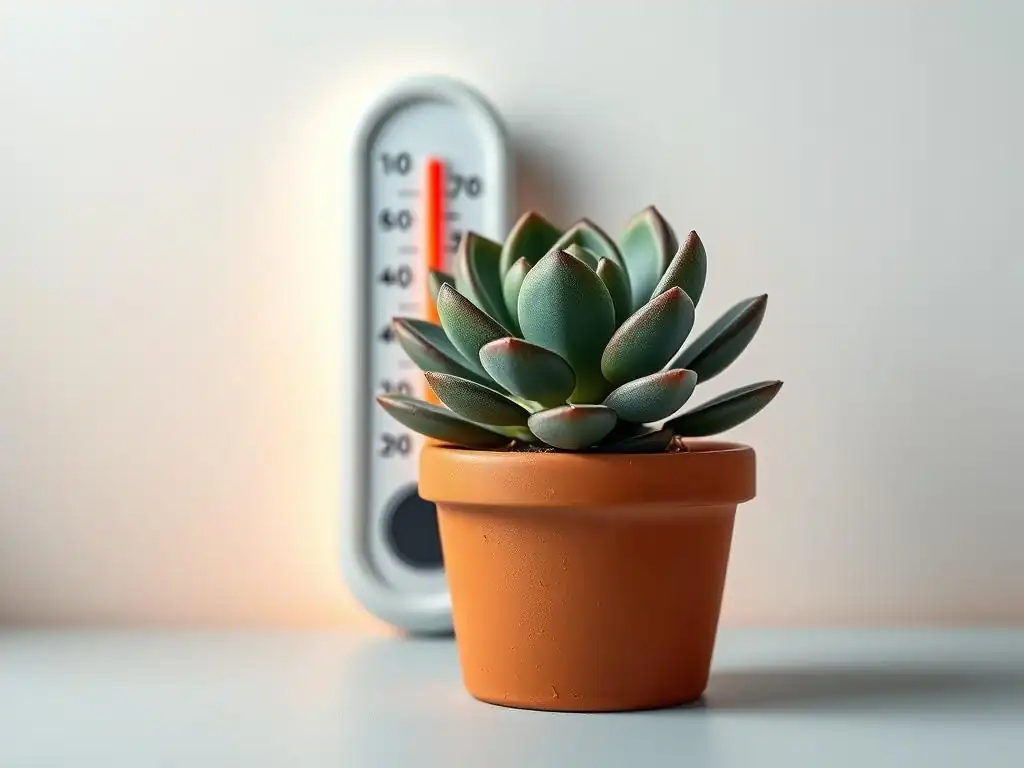
Maintaining the optimal winter temperature for your succulents requires diligent monitoring and proactive adjustments. This isn't just about checking a thermometer; it's about understanding your plants' subtle cues and responding appropriately. Consistent monitoring ensures your succulents thrive, even during the coldest months. Remember, the goal is to mimic their natural environment as closely as possible, minimizing stress and maximizing their chances of survival through winter. This involves a multifaceted approach, combining environmental controls with careful observation of your plants' health.
Signs of Cold Damage in Succulents
Recognizing the signs of cold damage in your succulents is crucial for timely intervention. Cold stress manifests in several ways, and early detection can prevent irreversible harm. Here are some key indicators to watch for:
- Discoloration: Leaves might turn brown, black, or purplish, especially at the tips or edges. This is often the first visible sign of cold injury. The severity of discoloration can vary depending on the species and the degree of cold exposure. For example, Echeveria species often display reddish hues under mild cold stress, but prolonged exposure can lead to blackening.
- Wilting: While succulents are drought-tolerant, cold temperatures can disrupt their water uptake, leading to wilting. This is different from dehydration wilting; cold-stressed succulents may feel limp even with moist soil.
- Soft or Mushy Leaves: Cold can damage cellular structures, causing leaves to become soft and mushy, indicating rot. This is a more serious sign, and affected leaves may need to be removed to prevent the spread of rot to healthy parts of the plant.
- Leaf Drop: Sudden and excessive leaf drop is a clear indication of cold stress. The plant is shedding leaves as a survival mechanism to conserve energy.
- Slowed or Stunted Growth: Succulents typically experience slowed growth during winter, but excessively slow or stunted growth compared to previous years can signal a problem.
The table below summarizes the common signs of cold damage and their severity:
| Sign of Damage | Severity | Action Required |
|---|---|---|
| Minor discoloration | Mild | Monitor closely; provide additional insulation if needed. |
| Significant discoloration | Moderate | Relocate to a warmer location; provide supplemental heat. |
| Soft/mushy leaves | Severe | Remove affected leaves; assess for root rot; treat accordingly. |
| Extensive leaf drop | Severe | Relocate to a warmer location; provide supplemental heat and assess for other stresses. |
| Stunted growth | Variable | Investigate other potential causes (e.g., insufficient light); adjust care accordingly. |
Remember, early detection and prompt action are key to preventing significant damage. Regularly inspect your plants for these signs, especially during periods of unusually cold weather.
Adjusting Temperature Based on Succulent Variety
Not all succulents are created equal when it comes to cold hardiness. Adjusting your temperature control strategy based on the specific succulent variety is critical for successful overwintering. Some succulents tolerate freezing temperatures, while others require consistently warm conditions. Researching the specific cold hardiness of your succulents is crucial. Consult reliable resources to determine the ideal temperature range for each species. For example, Sedum species generally tolerate lower temperatures than Haworthia species.
Consider grouping your succulents according to their cold tolerance. This allows for more precise temperature management; you can then provide supplemental heat or insulation to more sensitive species while allowing hardier ones to experience slightly cooler temperatures within the overall range. This targeted approach ensures optimal care for all your plants.
Acclimating Succulents to Changing Temperatures
Sudden temperature changes can shock succulents, even if they are within their tolerance range. Acclimation is the gradual process of adjusting your succulents to changing temperatures. This is especially important during the transition from autumn to winter and vice versa. Avoid drastic shifts.
Here's a suggested acclimation strategy:
- Gradual Reduction: As temperatures begin to drop in autumn, gradually reduce the temperature of your succulents' environment over several days or weeks. This allows them to adjust physiologically to the colder conditions.
- Monitor Closely: Pay close attention to your succulents during the acclimation period. Observe for any signs of stress, such as discoloration or wilting. If you notice any problems, slow down the temperature reduction or provide additional protection.
- Controlled Environment: Use a controlled environment such as a greenhouse or indoor space to facilitate smoother acclimation. This provides a buffer zone between the indoor and outdoor temperatures.
- Reverse Acclimation: In spring, reverse the process gradually increasing temperatures over time as the weather warms up. This prevents sudden shock as they transition back to warmer conditions.
Acclimation is a crucial step in ensuring the healthy overwintering and spring growth of your succulents. Take your time and prioritize the well-being of your plants throughout this process. Remember, a little patience can make all the difference.
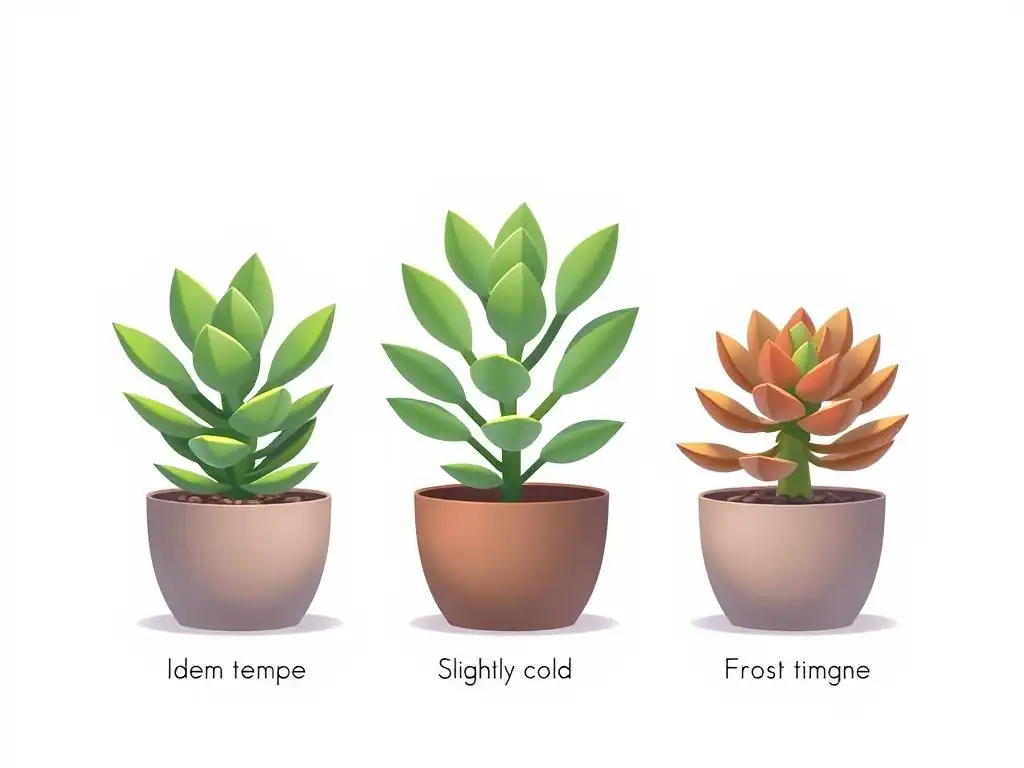
Winter presents unique challenges for succulent care, demanding a nuanced approach to temperature control for optimal plant health. Understanding the common problems associated with fluctuating winter temperatures and implementing proactive solutions is crucial for maintaining thriving succulents throughout the colder months. Neglecting proper succulent winter temperature care can lead to significant issues, impacting growth and potentially even causing plant death. This section details some of the most frequent problems and their effective remedies.
Dealing with Frost Damage
Frost damage is a significant concern for succulent owners during winter. Succulents, despite their drought tolerance, are surprisingly susceptible to freezing temperatures. Exposure to frost can manifest in several ways: discoloration (often turning brown or black), wilting, and ultimately, tissue death. The severity of the damage depends on the duration and intensity of the frost. For example, a brief, light frost might only result in minor discoloration on the leaf tips, while prolonged exposure to sub-freezing temperatures can lead to complete plant collapse.
Prevention is key. Monitoring the weather forecast is paramount; bring your succulents indoors or provide adequate protection (such as a frost blanket or covering with burlap) when temperatures are predicted to drop below freezing. Even a slight dip below 0°C (32°F) can be detrimental to many succulent varieties. After a frost event, carefully assess your plants.
Severely damaged leaves or stems may need to be pruned back to healthy tissue to prevent further rot. Avoid removing damaged sections immediately; allow them to dry slightly to minimize the risk of introducing fungal diseases. Providing a sheltered location, away from direct wind and cold drafts, is also crucial for minimizing frost damage.
Remember, different succulent species have varying degrees of cold hardiness. Researching the specific cold tolerance of your succulents is essential for proactive frost protection.
Addressing Overwatering Issues in Winter
Overwatering is a common mistake during winter. The reduced sunlight and cooler temperatures slow down a succulent's metabolic processes, meaning it requires significantly less water. Overwatering during this period can lead to root rot, a fatal condition caused by the combination of excess moisture and cool temperatures. Symptoms include mushy, soft leaves, a foul odor emanating from the soil, and stunted growth.
Proper watering practices are essential to avoid this. Instead of following a regular watering schedule, assess the soil moisture before watering. Allow the soil to dry completely between waterings. The frequency of watering will greatly depend on the specific succulent species, pot size, and environmental conditions.
For example, a small succulent in a terracotta pot in a well-ventilated, sunny location may need watering less frequently than a larger succulent in a plastic pot in a shaded area. Avoid overhead watering which can lead to water sitting on the leaves and encourage rot. Instead, water directly at the base of the plant. Improving drainage is also crucial; ensure your pots have adequate drainage holes and use a well-draining potting mix.
Consider the use of a moisture meter to accurately measure soil moisture content. This will help avoid guesswork and prevent overwatering.
Preventing Root Rot in Cold Conditions
Root rot, exacerbated by cold temperatures, remains a significant threat to succulents during winter. Cold, wet soil creates an ideal environment for fungal pathogens that cause root rot. The symptoms of root rot are often subtle in the initial stages, making early detection crucial. Signs may include wilting, yellowing, or browning of leaves, even when the soil is moist. As the rot progresses, the leaves may become mushy and the stem may become soft and dark.
To prevent root rot, ensure proper drainage and well-draining soil are paramount. Avoid using heavy clay soils which retain too much moisture. A well-draining potting mix, specifically designed for succulents and cacti, is recommended. Also, avoid placing pots directly on cold surfaces, such as concrete or cold floors, as this can chill the roots and increase the risk of rot. Raising pots on pebbles or a small stand can improve air circulation around the base of the plant and reduce the risk of root chill.
Regular inspection is crucial. Gently check the soil for excessive moisture. If root rot is suspected, carefully remove the plant from its pot and examine the roots. Any soft, mushy, or discolored roots should be carefully trimmed using sterilized tools. Repot the plant in fresh, dry potting mix. In severe cases, propagation through cuttings may be the only way to save the plant. Remember, prevention is always better than cure when it comes to root rot. Careful attention to watering and environmental conditions throughout winter is essential for maintaining healthy and thriving succulents.
Winter Temperature Care for Specific Succulent Types
Maintaining the ideal winter temperature for your succulents is crucial for their survival and thriving. While the general guideline is to keep them above freezing, the specific temperature requirements vary depending on the succulent species. Understanding these nuances will significantly improve your chances of successfully overwintering your collection. This section delves into the winter temperature needs of three popular succulent genera: Echeveria, Sedum, and Haworthia. Mastering succulent winter temperature care for these diverse plants will build a strong foundation for caring for your entire collection.
Echeveria: Winter Temperature Considerations
Echeverias, known for their rosette formations and diverse colors, are generally quite hardy but require protection from extreme cold. Ideal winter temperatures for Echeverias range from 45°F (7°C) to 55°F (13°C). Temperatures below 40°F (4°C) can cause chilling injury, leading to discoloration, leaf drop, and potentially plant death.
Protecting your Echeverias involves more than just keeping them indoors. Even inside, drafts from windows or air conditioning units can significantly lower the temperature around the plants. Consider placing them near a south-facing window for optimal sunlight and warmth, but avoid direct contact with the glass, especially on frigid days. Monitoring the temperature with a thermometer placed near the plants is highly recommended. Remember, consistent warmth is key to successful Echeveria winter care. Sudden temperature fluctuations are particularly detrimental.
Sedum: Winter Temperature Considerations
Sedums, also known as stonecrops, are typically more cold-tolerant than Echeverias. Many Sedum varieties can tolerate temperatures down to 25°F (-4°C) for short periods, but prolonged exposure to freezing temperatures is still risky. The ideal winter temperature range for most Sedums is between 35°F (2°C) and 50°F (10°C).
Unlike Echeverias, some hardier Sedum varieties can even thrive outdoors during mild winters, provided they are protected from excessive moisture, which can cause root rot. However, even for cold-hardy Sedums, it’s prudent to provide some protection during periods of intense frost or snow. A simple solution is to cover the plants with a frost cloth or move them to a sheltered location. Proper drainage is also critical for Sedums during winter, as the soil should not remain waterlogged.
Haworthia: Winter Temperature Considerations
Haworthias, prized for their interesting textures and patterns, are relatively easy to care for during winter. They prefer slightly cooler temperatures than Echeverias and Sedums. An ideal winter temperature range for Haworthias is between 40°F (4°C) and 50°F (10°C). They are generally more tolerant of fluctuations within this range.
However, it's crucial to avoid exposing Haworthias to freezing temperatures. Prolonged exposure to temperatures below 40°F (4°C) can lead to root damage and potentially kill the plant. While Haworthias appreciate bright, indirect light, ensure they are not positioned near cold drafts or heating vents, which can lead to rapid temperature changes. Similar to other succulents, well-draining soil is paramount to preventing root rot during the winter months. Consistent monitoring of the temperature and soil moisture is essential for optimal Haworthia winter care.
Frequently Asked Questions
What is the ideal winter temperature range for succulents?
Most succulents thrive in temperatures between 45°F and 55°F (7°C and 13°C) during winter. However, specific needs vary depending on the species. Always research your specific succulent's requirements.
How can I protect my succulents from freezing temperatures?
Bring your succulents indoors if temperatures drop below freezing. You can also provide additional insulation with coverings or move them to a sheltered location outside.
My succulents are in a greenhouse; what special considerations should I take?
Ensure adequate ventilation to prevent dampness and fungal growth, which are common issues in winter greenhouses. Monitor temperatures closely and use supplemental heating if necessary.
What are the signs of cold damage in succulents?
Look for discoloration, wilting, or mushy areas on the leaves or stems. These are indicators of cold stress or frost damage.
Can I use a heat lamp or heating pad for my succulents during winter?
While supplemental heat can be beneficial in extremely cold conditions, use low-wattage bulbs and avoid placing them directly on the plants to prevent burning. Consistent warmth is better than intense bursts of heat.
Final Reflection: Nurturing Life Through Winter's Embrace
Maintaining consistent temperatures for succulents during winter isn't merely a horticultural practice; it's a testament to our responsibility as caretakers of life. The seemingly small act of adjusting a thermostat or providing supplemental warmth can mean the difference between a thriving plant and a dormant, or worse, a lost one. This delicate balance underscores the interconnectedness of our actions and the well-being of the natural world, even in our own homes.
The impact of understanding succulent winter care extends beyond the individual plant. It fosters a deeper appreciation for the resilience and adaptability of nature, reminding us that even the most seemingly fragile life forms require specific conditions to flourish. The glory of gardening: hands in the dirt, head in the sun, heart with nature. To nurture a garden is to feed not just the body, but the soul.
This quote beautifully captures the emotional connection we forge with the living things under our care, highlighting the profound impact of mindful cultivation.
Now, consider your own succulents, or any living thing you nurture. What adjustments can you make to ensure their well-being this winter? Perhaps it's a simple shift in placement, a more attentive watering schedule, or a thoughtful investment in supplemental lighting. Take this knowledge, this understanding of the delicate balance required for life to thrive, and apply it to your own caregiving practices. Let this winter be a season not just of dormancy, but of mindful nurturing and growth, both for your plants and for yourself.
Unlock Your Succulents' Winter Thrive!
Thanks for exploring the world of winter succulent care! You've learned how to keep your plants healthy and happy even during the coldest months. Ready to put your knowledge into practice?
- Find the perfect winter location for your succulents: A spot away from drafts and harsh sunlight will ensure consistent temperatures, preventing shock and promoting survival. This is crucial for their well-being during winter.
- Share your succulent's winter setup! Snap a picture of your cozy succulent arrangement and post it on social media using #SucculentWinterWonderland. Let's inspire each other!
- Learn more about winterizing techniques: Research the specific needs of your succulent varieties, as each one has unique winter preferences. Understanding these individual needs is key to their success.
So, what will you do to protect your succulents this winter?