
Crafting a Closed Terrarium: Mastering the Art of SelfSustaining Succulents

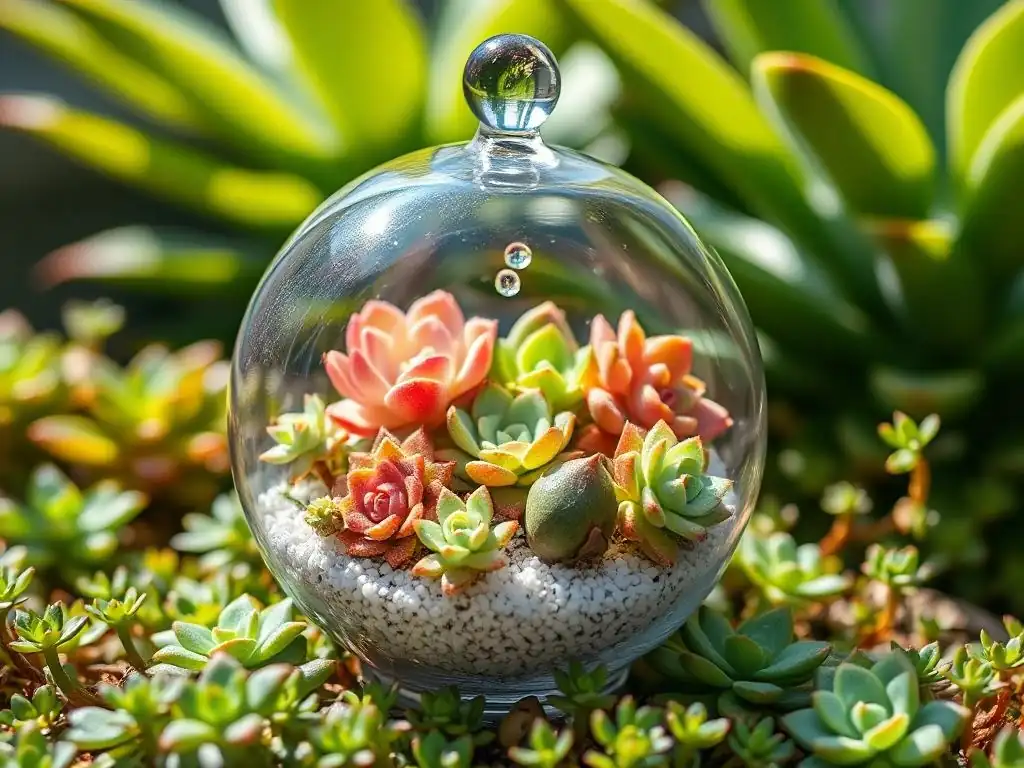
Welcome to SucculentEssentials.org, where the fascinating world of succulents unfolds before you! Are you ready to unlock the secrets to cultivating thriving, self-sustaining miniature ecosystems? Then prepare to be captivated by the art of closed terrarium succulent care. Discover how to create breathtaking displays and master the techniques that will transform your home into a vibrant succulent sanctuary. Dive in and explore the possibilities!
- Choosing the Right Succulents for Your Closed Terrarium
- Assembling Your Closed Terrarium: A Step-by-Step Guide
-
Maintaining Your Closed Terrarium: Closed Terrarium Succulent Care
- Understanding the Closed Ecosystem: Humidity and Moisture Levels
- Monitoring and Adjusting Moisture Levels: Preventing Overwatering
- Light Requirements for Closed Terrarium Succulents
- Signs of Problems and Troubleshooting: Addressing Issues in Your Closed Terrarium
- Long-Term Care and Maintenance of Your Closed Terrarium
- Troubleshooting Common Problems in Closed Terrarium Succulent Care
- Creative Design Ideas for Your Closed Terrarium
- Beyond the Basics: Advanced Techniques for Closed Terrarium Succulent Care
-
Frequently Asked Questions
- What is a closed terrarium, and why are succulents suitable for them?
- How often should I water my closed succulent terrarium?
- What type of succulents are best suited for closed terrariums?
- What are the signs of an unhealthy closed succulent terrarium?
- How much light does a closed succulent terrarium need?
- Final Reflection: Cultivating Inner and Outer Ecosystems
- Unleash Your Inner Gardener: Create Your Thriving Terrarium Today!
Choosing the Right Succulents for Your Closed Terrarium
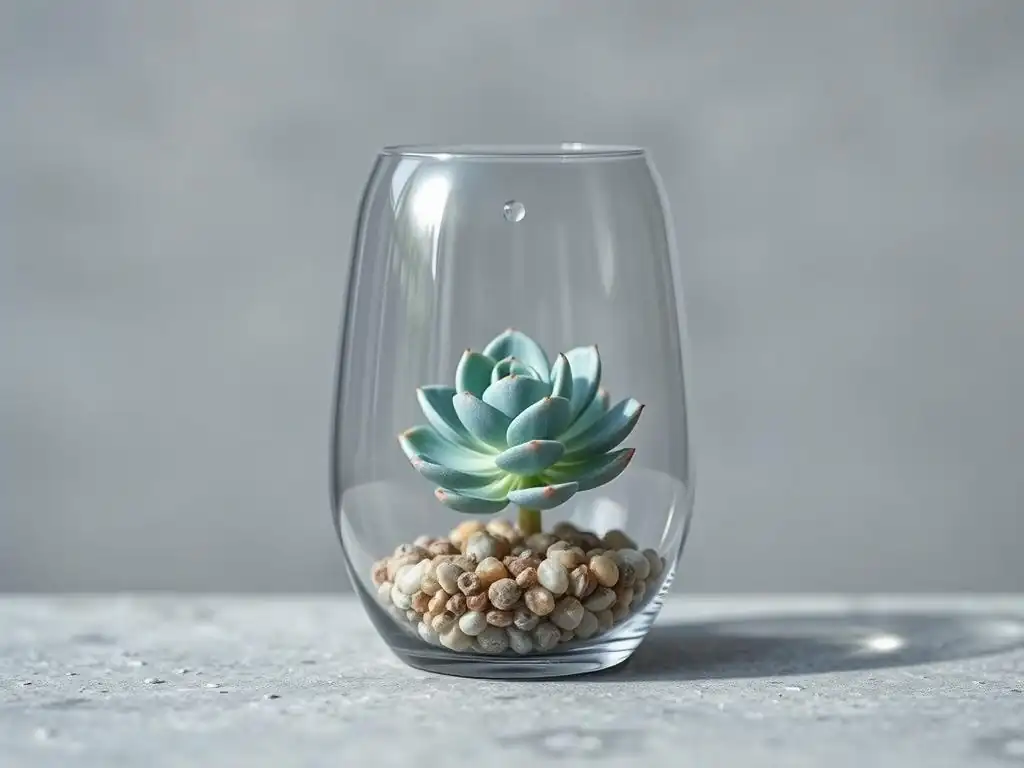
Creating a thriving closed terrarium filled with succulents is a rewarding experience, blending the art of miniature gardening with the science of self-sustaining ecosystems. This guide delves into the intricacies of closed terrarium succulent care, focusing on selecting the right plants, maintaining optimal conditions, and troubleshooting common issues. Mastering this art allows you to cultivate a miniature, self-contained world teeming with life, requiring minimal intervention and providing years of enjoyment.
We'll explore the key aspects of choosing the right succulents, ensuring their long-term health and beauty within the confines of your closed terrarium. Understanding the specific needs of succulents in this environment is crucial for success, and this comprehensive guide will equip you with the knowledge to achieve a flourishing, low-maintenance succulent haven. Let's embark on this journey to crafting a beautiful and self-sustaining closed terrarium.
Selecting Drought-Tolerant Succulent Species
Choosing the right succulents is paramount to the success of your closed terrarium. The enclosed environment creates unique humidity levels, and selecting drought-tolerant species is key to preventing rot. Many succulents thrive in these conditions, but some are better suited than others. Prioritize species known for their adaptability and resilience to fluctuating humidity. Researching specific succulent varieties before purchasing is crucial. Consider these characteristics when making your selections:
- Low water requirements: Look for succulents that naturally tolerate periods of dryness. Overwatering is a common problem in closed terrariums, so choosing inherently drought-resistant plants is critical.
- Compact growth habit: Select succulents that will remain relatively small and won't outgrow the terrarium quickly. This ensures a balanced and aesthetically pleasing arrangement.
- Tolerance for high humidity: While succulents are generally drought-tolerant, some are more susceptible to humidity issues than others. Researching this aspect is vital to avoiding problems.
- Slow growth rate: Slow-growing succulents are ideal for closed terrariums as they require less frequent maintenance and repotting.
Remember to avoid succulents that are known to be sensitive to high humidity or require frequent watering. A carefully curated selection of succulents is the foundation of a thriving closed terrarium. 🌵
Avoiding Succulents Prone to Rot
While many succulents can thrive in a closed terrarium environment, some species are more susceptible to rot due to their higher water requirements or less tolerant nature to increased humidity. Choosing the wrong succulents can quickly lead to problems, potentially ruining your carefully crafted miniature ecosystem. Here's a list of types to avoid:
- Succulents with fleshy leaves: Succulents with thick, fleshy leaves tend to retain more water, making them more prone to rot in the humid conditions of a closed terrarium.
- Succulents with hairy or fuzzy leaves: These types of succulents can retain moisture and are more susceptible to fungal diseases in humid environments.
- Succulents known for rapid growth: Fast-growing succulents will quickly outgrow the space within a closed terrarium, leading to overcrowding and potential issues.
By carefully selecting succulents that are naturally resistant to rot and have suitable growth habits, you significantly increase your chances of creating a thriving and long-lasting closed terrarium. Careful consideration of these factors is essential for long-term success.
Ideal Succulent Sizes and Varieties for Closed Terrariums
The size and variety of succulents you choose play a significant role in the overall aesthetic and health of your closed terrarium. A balanced arrangement requires a mix of sizes and textures to create visual interest and ensure that each plant has enough space to grow without overcrowding.
Consider these factors when selecting succulents for size and variety:
- A mix of sizes: Incorporate a variety of sizes, from small, delicate succulents to slightly larger, statement pieces. This creates depth and visual appeal.
- Variety of textures and colors: Select succulents with different textures (smooth, rough, hairy) and colors (greens, purples, reds) to add visual interest.
- Growth habits: Consider the mature size of each succulent and ensure that there's enough room for them to grow without becoming overcrowded. Overcrowding can lead to competition for resources and increased chances of rot.
- Examples: Echeveria varieties are popular choices due to their rosettes and diverse colors. Sedum species offer a variety of textures and growth habits. Sempervivum (hens and chicks) are excellent choices for their compact growth and ease of propagation.
Remember, careful planning and selection are key to creating a beautiful and thriving closed terrarium that will bring you joy for years to come. The right combination of succulents is the foundation for a successful and visually stunning miniature ecosystem.
Assembling Your Closed Terrarium: A Step-by-Step Guide
This section details the practical steps involved in constructing a thriving closed terrarium, focusing on techniques for successful closed terrarium succulent care. We'll cover choosing the right container, creating a proper drainage layer, and selecting the ideal growing medium – all crucial elements for a self-sustaining miniature ecosystem. Remember, patience and attention to detail are key to creating a flourishing closed terrarium that will bring joy for years to come.
Selecting the Perfect Container for Your Closed Terrarium
Choosing the right container is paramount for closed terrarium succulent care. The container's size, material, and drainage capabilities directly impact the success of your miniature garden. Avoid containers that are too large, as these can lead to excessive humidity and potentially fungal growth. Conversely, excessively small containers may restrict root development.
The ideal container should be made of a transparent material like glass or clear plastic to allow sufficient light penetration for photosynthesis. Consider the aesthetic appeal as well; a beautiful container enhances the overall visual impact of your terrarium. Here's a breakdown of factors to consider:
- Size: Opt for a container with a diameter of 6-12 inches, depending on the number and size of succulents you plan to include. Smaller containers are easier to manage humidity levels.
- Shape: While any shape works, round or square containers are generally easier to arrange and maintain.
- Material: Glass is preferred for its aesthetic appeal and clarity, but clear plastic offers durability and lighter weight. Ensure the container is non-porous to prevent moisture loss.
- Drainage: While a closed terrarium doesn't require extensive drainage, a small drainage layer is still beneficial. Ensure the container has a wide enough opening to allow for easy planting and maintenance.
Preparing the Drainage Layer: Essential for Closed Terrarium Success
Even in a closed terrarium, a drainage layer is crucial. It prevents waterlogging, a common cause of root rot in succulents. This layer facilitates proper aeration and drainage, ensuring your succulents receive adequate moisture without becoming waterlogged. This is a key aspect of successful closed terrarium succulent care.
The drainage layer should be approximately 1-2 inches deep, depending on the size of your container. Here are suitable materials:
- Small gravel: Provides excellent drainage and aeration. Avoid sharp gravel that could damage roots.
- Lava rocks: Another excellent choice offering superior drainage and aeration.
- Potting shards: Recycled pieces of broken clay pots provide effective drainage.
Avoid using materials that might decompose or release harmful substances into the soil. Ensure the drainage layer is evenly distributed across the bottom of the container before proceeding to the next step.
Adding the Growing Medium: The Foundation for Thriving Succulents
The growing medium forms the foundation for your succulents' health and growth. A well-draining, airy mix is essential for preventing water retention and root rot—a critical consideration for closed terrarium succulent care. A specialized succulent and cacti potting mix is ideal, but you can also create your own blend.
Here's a recommended recipe for a DIY succulent potting mix:
| Ingredient | Ratio | Purpose |
|---|---|---|
| Potting soil | 1 part | Provides essential nutrients |
| Coarse sand | 1 part | Improves drainage and aeration |
| Perlite | 1/2 part | Enhances drainage and prevents compaction |
| Horticultural charcoal | 1/4 part | Improves drainage and helps prevent rot |
Once you've prepared your growing medium, carefully fill the container, leaving enough space above the drainage layer for your succulents' roots and a layer of decorative material. Avoid compacting the soil too tightly, ensuring adequate air circulation within the growing medium. Proper soil preparation is a cornerstone of long-term closed terrarium succulent care.
Carefully Planting Your Chosen Succulents
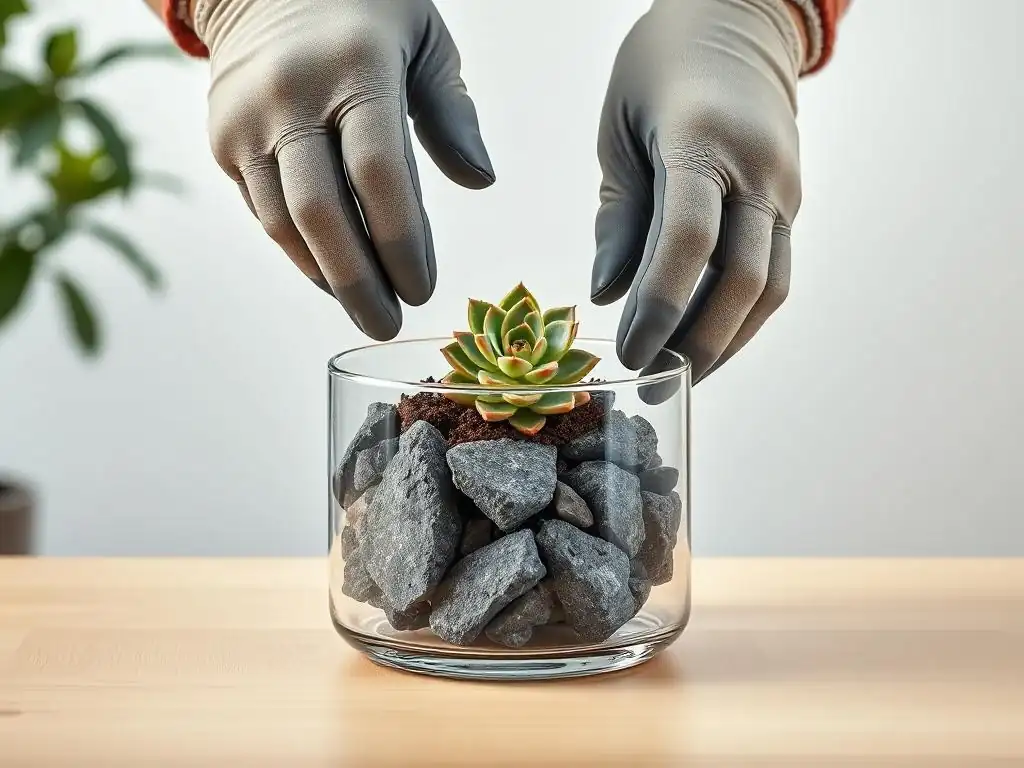
Planting your succulents requires a gentle hand and careful consideration. Remember, these are delicate plants, and rough handling can easily damage their leaves and stems, leading to rot or hindering their growth. Before you begin, ensure your soil is evenly moist but not soggy. Overwatering is a common mistake in closed terrariums, so start with a slightly drier substrate than you might use for succulents in open containers.
Begin by creating small indentations in the soil using your finger or a small planting tool. The depth of the indentation should be roughly the same as the depth of the succulent's root ball. Gently remove your chosen succulents from their pots, taking care not to damage their roots. If the roots are tightly bound, gently loosen them with your fingers. Place each succulent into its prepared indentation, ensuring the top of the root ball is level with the soil surface. Avoid planting too deeply, as this can lead to stem rot.
Once planted, gently firm the soil around the base of each succulent to ensure good contact between the roots and the soil. Don't pack the soil down too tightly, as this can restrict root growth. After planting, lightly mist the soil with water, ensuring the water doesn't pool on the surface. Observe your succulents over the next few days, and if you notice any signs of wilting, gently mist them again. Remember, less is more when it comes to watering a closed terrarium. Overwatering is a common cause of failure in closed terrarium succulent care.
Creating a Balanced and Visually Appealing Arrangement
The beauty of a closed terrarium lies not only in its self-sustaining nature but also in its aesthetic appeal. A well-designed terrarium is a harmonious blend of plant forms, colors, and textures. To achieve this, consider the size and shape of your chosen succulents. Vary the heights and textures of your plants to create visual interest. For instance, you might use a taller, upright succulent as a focal point, surrounded by smaller, trailing or rosette-forming succulents.
Think about color contrast as well. Combining succulents with varying shades of green, blue, and even hints of red or purple can create a stunning display. Remember that the arrangement should feel natural and not forced. Avoid overcrowding the terrarium, as this can hinder air circulation and increase the risk of rot. Leave enough space between the plants to allow for growth.
Consider the overall shape and form of your arrangement. A symmetrical arrangement can create a sense of balance and order, while an asymmetrical arrangement can be more dynamic and visually interesting. Experiment with different arrangements until you find one that you love. Using a small mirror or a piece of reflective material can help you to visualize the arrangement from different angles before you commit to planting. This allows for adjustments and ensures a balanced and visually appealing closed terrarium, perfectly showcasing the beauty of your chosen succulents and mastering the art of closed terrarium succulent care.
Maintaining Your Closed Terrarium: Closed Terrarium Succulent Care
Creating a thriving closed terrarium requires ongoing, albeit minimal, maintenance. Successful closed terrarium succulent care hinges on understanding the delicate balance within the sealed environment and proactively addressing potential issues. This section details the key aspects of maintaining your miniature succulent ecosystem. Remember, patience and observation are key to long-term success.
Understanding the Closed Ecosystem: Humidity and Moisture Levels
A closed terrarium mimics a small, self-contained rainforest. The enclosed environment promotes high humidity, crucial for many succulent species, particularly those originating from humid climates. The water cycle within the terrarium is largely self-sustaining. Water evaporates from the soil and plant surfaces, condenses on the glass, and then drips back down, creating a continuous cycle of moisture. However, this doesn't mean you can completely neglect watering.
The ideal humidity level within a closed terrarium is generally high, ranging from 60% to 80%. While you can't directly measure this within the terrarium without specialized equipment, observing condensation patterns on the glass offers a good indication. Heavy condensation suggests high humidity, while a lack of condensation may signal that the humidity is too low. This is a key element of closed terrarium succulent care.
The moisture level in the soil is equally important. Overwatering is a common problem, leading to root rot and plant death. The soil should be slightly moist but never soggy. Proper drainage is essential, even in a closed system. Using a well-draining potting mix specifically designed for succulents is vital to prevent waterlogging. This mix should retain some moisture but allow excess water to drain away.
Monitoring and Adjusting Moisture Levels: Preventing Overwatering
Regular monitoring is crucial for preventing overwatering, a significant risk in closed terrariums. Overwatering can lead to fungal growth, root rot, and ultimately, the death of your succulents. While the self-sustaining nature of the terrarium minimizes the need for frequent watering, occasional intervention might be necessary.
Here's how to monitor and adjust moisture levels:
- Visual Inspection: Carefully observe the soil's moisture level. If the soil appears consistently soggy or water pools at the bottom, it's a clear sign of overwatering. Slightly damp soil is ideal.
- Condensation Levels: Monitor the condensation on the glass. Excessive condensation may indicate overwatering, as the soil might not be able to absorb all the moisture.
- Plant Appearance: Observe the succulents for signs of overwatering, such as yellowing leaves, mushy stems, or leaf drop. These are warning signs requiring immediate action.
If overwatering is detected, carefully remove excess water from the bottom of the terrarium using a syringe or small pipette. You might also need to gently loosen the soil to improve drainage. In severe cases, you may need to temporarily open the terrarium to allow for better air circulation and moisture evaporation. This is a critical aspect of closed terrarium succulent care.
Light Requirements for Closed Terrarium Succulents
Closed terrariums, by their nature, reduce the amount of direct sunlight reaching the succulents. Therefore, selecting appropriate succulents and providing supplemental light when necessary are crucial for closed terrarium succulent care.
Many succulents thrive in bright, indirect light. A north-facing window, or a location several feet away from a south or west-facing window, is usually suitable. However, the light intensity within a closed terrarium is generally lower than in an open setting.
Observe your succulents carefully. If they appear leggy or etiolated (stretching towards the light source), they are not receiving enough light. In such cases, consider supplementing with a grow light for a few hours each day. This will help maintain their compact, healthy growth habit. Conversely, if the leaves appear scorched or discolored, they might be receiving too much direct sunlight. Adjust the terrarium's placement accordingly.
Choosing succulents tolerant of low-light conditions is also key. Some species are naturally better adapted to the lower light levels within a closed terrarium. Researching the light requirements of specific succulent varieties before creating your terrarium is highly recommended. This proactive approach will significantly improve your chances of success in closed terrarium succulent care.
Signs of Problems and Troubleshooting: Addressing Issues in Your Closed Terrarium
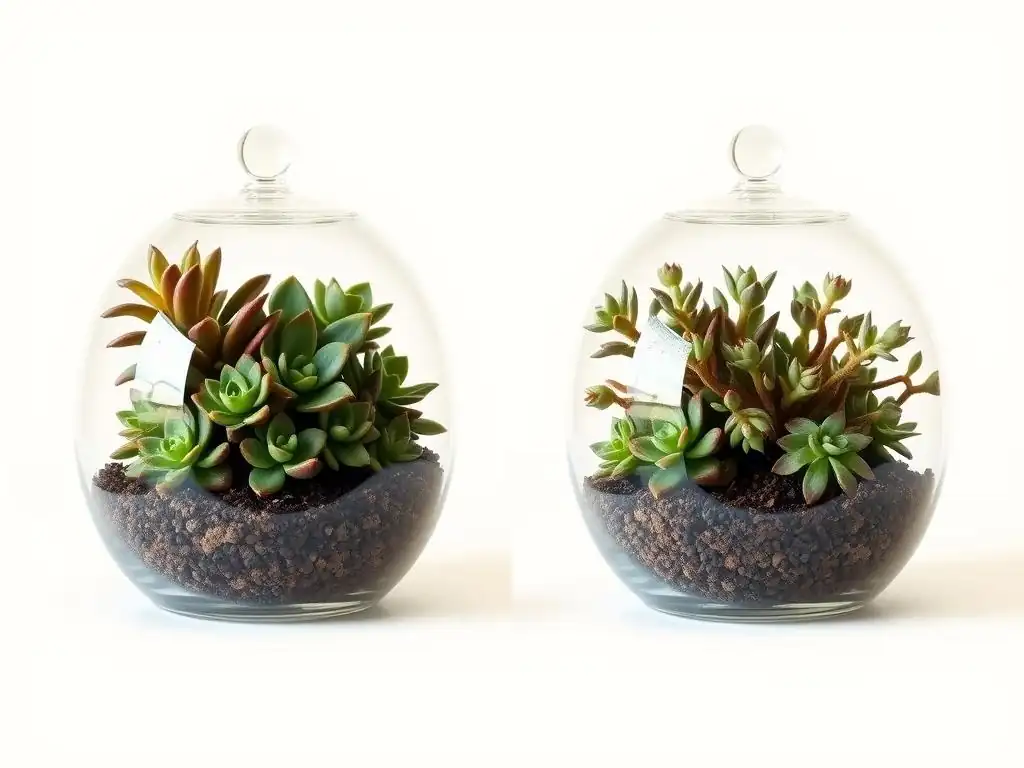
A thriving closed terrarium is a testament to careful planning and consistent monitoring. However, even with meticulous attention, problems can arise. Recognizing these early warning signs is crucial for successful closed terrarium succulent care. One of the most common issues is overwatering.
While a closed terrarium maintains humidity, excessive moisture can lead to root rot, a fatal condition for succulents. Signs of overwatering include mushy, brown leaves, a foul odor emanating from the soil, and persistent condensation even after several days of reduced watering. If you notice these symptoms, immediately remove any standing water and increase ventilation by slightly loosening the lid for a few hours daily. You may even need to carefully remove and repot affected plants, trimming away any decayed roots.
Another significant concern is fungal growth. The humid environment of a closed terrarium is ideal for fungal spores to thrive. Look for fuzzy white or grey patches on the soil or plant leaves. These are signs of mold or mildew.
To combat this, improve air circulation by slightly opening the lid more frequently. Consider using a small fan to gently circulate the air within the terrarium. In severe cases, you may need to remove affected plants and soil, sterilizing the terrarium thoroughly before creating a new arrangement with healthy plants and fresh, sterilized soil. Remember to always use sterilized tools when working with your terrarium plants to prevent the spread of diseases.
Finally, pest infestations can be a problem. While less common than other issues, small insects or mites can sometimes find their way into a closed terrarium. Regularly inspect your plants for any signs of pests, such as small holes in leaves, webbing, or the presence of insects themselves. If you detect a pest infestation, isolate the affected terrarium to prevent the spread.
You may need to use a gentle insecticidal soap specifically designed for houseplants, following the instructions carefully. Always prioritize the health of your succulents and the overall balance of the ecosystem within your closed terrarium. Remember that prevention is key; choosing healthy, pest-free plants initially is your best defense.
Long-Term Care and Maintenance of Your Closed Terrarium
Maintaining a healthy closed terrarium is an ongoing process, requiring consistent monitoring and occasional adjustments. While the self-sustaining nature of a closed terrarium reduces the frequency of intervention, it doesn't eliminate the need for care. Regular observation is paramount for closed terrarium succulent care. Monitor the moisture levels, checking for condensation buildup, and adjust ventilation accordingly. Excessive condensation indicates high humidity, requiring increased ventilation, while minimal condensation might suggest the need for more moisture. This might involve carefully misting the interior with distilled water.
The long-term health of your succulents also depends on the proper balance of light. While succulents thrive in bright, indirect light, avoid placing your terrarium in direct sunlight, which can scorch the delicate leaves. Rotate the terrarium periodically to ensure even light distribution among all plants. Over time, the soil might become depleted of nutrients. While you won’t be fertilizing as often as you would with potted plants, you may need to gently supplement nutrients every 6-12 months. Use a balanced, diluted liquid fertilizer specifically formulated for succulents, applying it sparingly to avoid over-fertilizing.
Finally, remember that even in a closed terrarium, some plants may outgrow their space or become overcrowded. Regularly inspect your plants and prune any dead or dying leaves. If your terrarium becomes overcrowded, consider repotting some plants into a larger terrarium or individual pots. Maintaining a balanced and healthy environment is key to enjoying your closed terrarium for years to come. By following these long-term care guidelines, you can ensure your succulents thrive in their miniature ecosystem, offering a beautiful and rewarding display of nature's resilience.
Troubleshooting Common Problems in Closed Terrarium Succulent Care
Creating a thriving closed terrarium requires careful attention to detail. While the self-sustaining nature of these miniature ecosystems is appealing, certain challenges can arise. Understanding these potential problems and implementing preventative measures is crucial for the long-term health and beauty of your succulent terrarium. This section focuses on common issues encountered in closed terrarium succulent care and offers practical solutions to maintain a flourishing environment for your plants. Proper closed terrarium succulent care hinges on understanding and addressing these potential pitfalls.
Dealing with Excess Moisture and Rot in Your Closed Terrarium
Excess moisture is a common enemy in closed terrariums. The sealed environment, while ideal for retaining humidity, can easily lead to overwatering if not managed properly. Overwatering manifests as soggy soil, yellowing leaves, and ultimately, root rot – a fatal condition for succulents. The most critical aspect of closed terrarium succulent care regarding moisture is prevention.
Overwatering often stems from using improperly draining soil mixes. A well-draining mix, consisting of a blend of cactus potting mix, perlite, and coarse sand, is essential. Avoid using garden soil, which retains too much moisture. Furthermore, the frequency of watering depends on factors like the terrarium's size, the type of succulents used, and ambient temperature. Smaller terrariums tend to require less frequent watering than larger ones.
Signs of excess moisture include:
- Soft, mushy leaves
- Darkened, decaying stems
- Unpleasant odor from the soil
- Mold or mildew growth on the soil surface or glass
If you notice these signs, take immediate action. Carefully remove affected succulents and trim away any rotten parts using sterilized tools. Repot the remaining plants in fresh, dry soil. Increase ventilation by slightly opening the terrarium lid for a few hours each day to allow excess moisture to evaporate. Always ensure adequate drainage at the bottom of your terrarium to prevent waterlogging. Regularly inspect your terrarium for signs of moisture buildup, as this is a crucial aspect of closed terrarium succulent care.
Addressing Insufficient Light and Slow Growth
Succulents, despite their adaptability, require sufficient light to thrive. A closed terrarium, by its nature, can limit light penetration. Insufficient light often leads to etiolation (leggy growth), where the succulents stretch towards the light source, resulting in weak, spindly stems and pale, less vibrant leaves. This is a significant challenge in closed terrarium succulent care.
To combat insufficient light, strategically position your terrarium near a bright, indirect light source. Avoid direct sunlight, which can scorch the delicate leaves. South-facing windows are generally ideal, but you might need to supplement with grow lights, especially during winter months when natural light is reduced. The intensity and duration of light are crucial factors influencing the health of your succulents.
Consider the following strategies:
- Rotate the terrarium: Regularly rotate your terrarium to ensure even light distribution to all sides.
- Supplemental lighting: Use LED grow lights to provide additional light if necessary. These are energy-efficient and can be easily adjusted to mimic the natural light cycle.
- Choosing the right succulents: Opt for succulents that tolerate lower light conditions, such as Haworthia or Echeveria varieties known for their shade tolerance. This aspect of closed terrarium succulent care is often overlooked.
Pest and Disease Prevention in Closed Terrariums
The enclosed environment of a closed terrarium can, paradoxically, increase the risk of pest and disease infestations. Pests like mealybugs, spider mites, and aphids can quickly multiply in the humid conditions. Similarly, fungal diseases can thrive in moist environments. Proactive measures are essential for maintaining a healthy and pest-free terrarium.
Preventative measures include:
- Quarantine new succulents: Before adding new succulents to your terrarium, quarantine them for a few weeks to observe for any signs of pests or diseases.
- Regular inspection: Regularly inspect your succulents for any signs of infestation, such as webbing, discoloration, or unusual spots. Early detection is key in closed terrarium succulent care.
- Proper ventilation: While maintaining humidity is important, adequate ventilation helps prevent the buildup of moisture that fosters fungal growth and attracts pests.
- Natural pest control: Introduce beneficial insects like ladybugs or lacewings to combat pests naturally. These are effective biological controls in closed terrarium succulent care.
- Isopropyl alcohol solution: If you discover an infestation, carefully remove affected plants and treat the remaining ones with a diluted isopropyl alcohol solution (70%).
By diligently addressing these potential issues and implementing preventative measures, you can significantly enhance the chances of creating and maintaining a thriving closed terrarium filled with healthy, vibrant succulents. Remember, consistent monitoring and proactive care are the cornerstones of successful closed terrarium succulent care.
Rejuvenating Your Closed Terrarium: Repotting and Refreshing
Over time, even with meticulous closed terrarium succulent care, your miniature ecosystem will require some attention. Soil compaction, nutrient depletion, and potential pest infestations can negatively impact the health and vibrancy of your succulents. Repotting and refreshing your closed terrarium isn't a frequent task, but it's a crucial step in maintaining a thriving environment. Think of it as a spring cleaning for your miniature world.
The frequency of repotting depends largely on the type and size of your succulents, as well as the overall health of the terrarium. Smaller succulents in a smaller terrarium might require attention sooner than larger plants in a more spacious environment. Signs that your terrarium needs repotting include stunted growth, yellowing leaves, or a noticeable lack of new growth despite adequate light and moisture. Furthermore, if you observe an unusual amount of mold or fungus growth, it's a clear indication that a refresh is necessary. Always carefully inspect your succulents for any signs of pests before starting the process.
The repotting process itself requires a gentle hand. Begin by carefully removing the succulents from the terrarium, taking care not to damage the roots or stems. Use clean, sterile tools to avoid introducing any pathogens. Gently loosen the old soil around the roots, removing any excess or compacted material. Inspect the roots for any signs of rot or disease; trim away any damaged sections with sharp, sterilized scissors.
Select a fresh, well-draining potting mix specifically formulated for succulents and cacti. Avoid using garden soil, as it tends to retain too much moisture, potentially leading to root rot in your delicate closed terrarium environment. When repotting, ensure that you don't overcrowd the plants. Allow sufficient space between succulents for healthy growth and airflow. After repotting, carefully clean the terrarium thoroughly with warm soapy water and a soft cloth, ensuring that all traces of old soil and debris are removed. This helps prevent the recurrence of any fungal or pest problems.
Finally, replant your succulents in the cleaned terrarium, using the fresh potting mix. Remember to maintain the appropriate balance of moisture and light, crucial for the long-term health of your closed terrarium ecosystem. This rejuvenating process will revitalize your miniature garden, ensuring a vibrant and healthy display for years to come. Remember to always prioritize careful handling and sterile techniques to minimize the risk of harming your precious succulents during the repotting process. Regular inspection and proactive measures are key to enjoying a flourishing closed terrarium.
Creative Design Ideas for Your Closed Terrarium
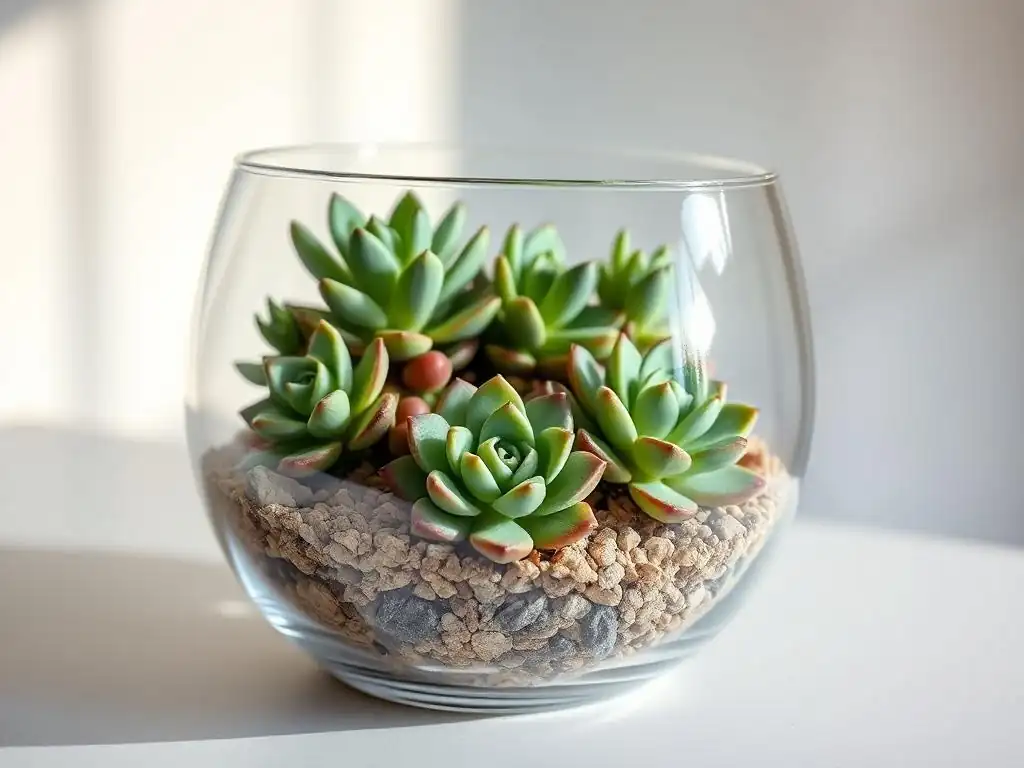
This section delves into the artistic possibilities of closed terrarium succulent care, exploring creative design concepts to transform your terrarium from a simple plant container into a captivating miniature world. We'll move beyond the basics of plant selection and explore ways to enhance the aesthetic appeal and overall design of your closed terrarium. Remember, a successful closed terrarium isn't just about healthy succulents; it's about creating a visually stunning and harmonious ecosystem.
Theme-Based Closed Terrariums: Desert Landscapes, Miniature Gardens
Choosing a theme provides a strong foundation for your design. Popular themes for closed terrariums include recreating miniature desert landscapes or enchanting miniature gardens. A desert landscape terrarium, for instance, might feature drought-tolerant succulents like Echeveria and Sedum, arranged amongst carefully selected gravel and sand, mimicking the arid beauty of a desert environment. Consider using different shades of sand and gravel to create depth and texture. You could even incorporate small, realistic-looking desert plants, such as miniature cacti, to further enhance the theme.
For a miniature garden theme, you can utilize a wider variety of succulents, incorporating smaller, trailing species to create a sense of lushness and abundance. Think of incorporating miniature figurines, such as tiny animals or fairies, to add a whimsical touch. The use of different textured soils, moss, and small decorative stones can further enhance the garden feel. Remember, the key is to maintain a sense of balance and harmony within the chosen theme. Overcrowding can disrupt the delicate ecosystem and hinder the growth of your succulents.
A well-executed theme not only elevates the visual appeal but also simplifies the selection process, ensuring your chosen plants thrive in the specific environment you've created. Consider the light requirements of your selected plants when choosing a theme and ensure they’re suitable for a closed environment.
Incorporating Decorative Elements: Stones, Driftwood, and More
Beyond the succulents themselves, carefully chosen decorative elements can significantly enhance the visual impact of your closed terrarium. The right elements add depth, texture, and visual interest, transforming a simple collection of plants into a captivating miniature landscape.
Consider using various sizes and types of stones. Smooth river stones can provide a clean, minimalist aesthetic, while rougher, more textured stones can add a sense of ruggedness, particularly suitable for desert-themed terrariums. Driftwood, particularly small, weathered pieces, adds a unique organic element, providing visual interest and often creating a focal point within the composition. Remember to sterilize any natural elements before adding them to your terrarium to prevent the introduction of pests or diseases.
Other decorative elements can include:
- Colored sand or gravel to create visual layers and contrast.
- Small pieces of charcoal to aid in drainage and prevent fungal growth.
- Artistically arranged moss to add a touch of greenery and soften the overall look.
- Miniature figurines or ornaments to add a whimsical or thematic touch.
The key is to use these elements sparingly, avoiding overcrowding which can hinder airflow and impede the growth of your succulents. Remember, the focus should remain on the beauty of the plants themselves.
Styling Tips for a Visually Stunning Closed Terrarium
Achieving a visually stunning closed terrarium involves more than just selecting the right plants and decorative elements. Careful consideration of the overall composition and styling is crucial for creating a truly captivating miniature world.
One key aspect is the arrangement of your succulents. Avoid overcrowding. Allow sufficient space between plants for growth and airflow. Consider varying heights and textures to create visual interest and depth. Think of the terrarium as a three-dimensional landscape; arrange the plants and elements to create layers and visual flow.
Another crucial aspect is the selection of the terrarium container itself. The shape and size of the container can greatly influence the overall aesthetic of your creation. A clear glass container allows for full appreciation of the plants and their arrangement, while a more opaque container can create a sense of mystery and intrigue.
Finally, don't underestimate the power of negative space. Leaving some areas of the terrarium unplanted can highlight the plants and elements you have included, creating a sense of balance and visual harmony. This mindful use of space allows the eye to appreciate the individual elements and their relationship to one another.
A well-styled terrarium is a testament to careful planning and attention to detail, resulting in a visually stunning and thriving miniature ecosystem. Remember, the goal is to create a harmonious balance between the plants, the decorative elements, and the empty space within the container. This balance is key to creating a visually appealing and successful closed terrarium that provides optimal conditions for your succulents' well-being.
Beyond the Basics: Advanced Techniques for Closed Terrarium Succulent Care
This section delves into the nuanced aspects of closed terrarium succulent care, moving beyond the foundational principles to explore advanced techniques that will elevate your terrarium-building skills. We'll examine how to fine-tune your microclimate, understand the vital role of microorganisms, and experiment with diverse succulent combinations for visually stunning and thriving ecosystems. Mastering these techniques will transform you from a beginner to a true artisan of closed terrarium succulent cultivation.
Creating a Balanced Microclimate: Temperature and Air Circulation
Maintaining the ideal temperature and airflow is crucial for a thriving closed terrarium ecosystem. Fluctuations in temperature can significantly impact the health and growth of your succulents. Ideally, you should aim for a consistently warm environment, generally between 65-75°F (18-24°C). Avoid placing your terrarium in direct sunlight, which can lead to overheating and scorching. Indirect, bright light is optimal.
Temperature monitoring is key. While a simple thermometer suffices for smaller terrariums, larger setups might benefit from a digital thermometer with a data logger to track temperature fluctuations over time. This allows for precise adjustments in the terrarium's placement to maintain a stable temperature range.
Air circulation, while seemingly contradictory in a closed terrarium, is equally important. Stagnant air can lead to the buildup of moisture and fungal growth, potentially harming your succulents. Gentle airflow can be achieved through strategic placement of the terrarium – near a window with a slight draft, but protected from direct wind. Avoid completely sealing the terrarium; a tiny gap, perhaps sealed with a breathable material, can facilitate a slow, natural exchange of air. This subtle air circulation helps prevent the build-up of humidity while maintaining the overall moisture level necessary for succulent survival.
Understanding the Role of Microorganisms in a Closed Terrarium
A healthy closed terrarium isn't just about the succulents; it's a mini-ecosystem teeming with microscopic life. Bacteria and fungi play a critical role in nutrient cycling and decomposition within the enclosed environment. These microorganisms break down organic matter, such as decaying leaves and plant debris, releasing nutrients that your succulents can then absorb. This natural process contributes to the self-sustaining nature of the closed terrarium, minimizing the need for external fertilization.
However, an imbalance in the microbial community can lead to problems. Overgrowth of certain fungi can cause mold and rot, harming your plants. Maintaining a balanced microbial community requires careful attention to hygiene during terrarium construction and ongoing monitoring for signs of decay. Proper substrate preparation, using sterilized soil and avoiding overwatering, helps prevent the dominance of harmful microorganisms. Introducing beneficial microbes, such as mycorrhizal fungi, can further enhance the health and resilience of the terrarium's ecosystem. Regular observation is key; any signs of unusual discoloration, unpleasant odors, or excessive moisture should be addressed promptly to prevent widespread issues.
Experimenting with Different Succulent Combinations and Layering
The beauty of closed terrarium succulent care lies in the creative possibilities. Experimenting with different succulent species and layering techniques unlocks a world of aesthetic and ecological diversity. Choosing succulents with varying sizes, textures, and colors creates visually stunning arrangements. Consider the mature size of each succulent to avoid overcrowding.
Layering is essential for creating depth and visual interest. Taller succulents can form the backdrop, while smaller varieties fill the foreground. Consider using different soil depths to accommodate the varying root systems of your chosen succulents. Remember, proper spacing is crucial to prevent competition for resources and to ensure adequate airflow around each plant.
Here's a sample combination to get you started: A larger Echeveria as a centerpiece, surrounded by smaller Sedum varieties and a trailing String of Pearls cascading down the sides. This combination offers a variety of textures and growth habits, creating a visually appealing and balanced ecosystem. Remember to research the specific needs of each succulent species to ensure compatibility within the closed environment. Careful planning and observation are key to creating a thriving and beautiful closed terrarium that showcases the unique beauty of succulents.
Frequently Asked Questions
What is a closed terrarium, and why are succulents suitable for them?
A closed terrarium is a sealed glass container creating a mini ecosystem. Succulents are ideal because they thrive in humid environments and require minimal watering. Their slow growth suits the confined space.
How often should I water my closed succulent terrarium?
Generally, very infrequently. A well-balanced closed terrarium should provide enough humidity to sustain the succulents for extended periods. Overwatering is a common problem, leading to root rot. Observe for condensation; this usually indicates sufficient moisture.
What type of succulents are best suited for closed terrariums?
Smaller, slow-growing succulents are best. Avoid succulents with large root systems or those requiring significant airflow. Echeveria, Sedum, and Sempervivum are popular choices. Consider the terrarium's size when selecting plants.
What are the signs of an unhealthy closed succulent terrarium?
Look for signs of overwatering, such as mold, mushy leaves, or an unpleasant odor. Leggy growth might indicate insufficient light. Yellowing or browning leaves could signal problems with humidity or pests. Regular inspection is crucial.
How much light does a closed succulent terrarium need?
Closed terrariums require bright, indirect light. Avoid direct sunlight, which can overheat and damage the plants. A north-facing window or a location with filtered light is usually ideal. Supplemental grow lights might be necessary during winter months.
Final Reflection: Cultivating Inner and Outer Ecosystems
The art of crafting a closed terrarium isn't merely about arranging succulents; it's a microcosm reflecting the delicate balance of our own lives and the environment. Successfully nurturing a thriving miniature ecosystem demands patience, observation, and a deep understanding of interconnectedness – qualities equally crucial for navigating the complexities of our world. The seemingly simple act of creating a self-sustaining world within a glass container holds profound lessons for us all.
The enduring appeal of closed terrariums lies in their ability to capture a sense of tranquility and self-sufficiency, mirroring our own desires for harmony and sustainability. They remind us of the beauty inherent in simplicity and the power of interconnectedness. The earth laughs in flowers.
– Ralph Waldo Emerson. This quote beautifully encapsulates the joy and wonder that can be found in nurturing life, whether it's a miniature desert landscape or our own personal growth. The process of creating and maintaining a terrarium serves as a constant reminder of the responsibility we have towards the delicate balance of our planet and the importance of mindful living.
Now, consider your own "ecosystem." What elements need nurturing? Where can you find balance and harmony? I invite you to reflect on the lessons learned from crafting your own closed terrarium – the patience required, the attention to detail, the joy of witnessing growth. Apply this mindful approach to other areas of your life, fostering growth and balance in your relationships, your work, and your personal well-being. Let the miniature world you've created inspire you to cultivate a thriving and sustainable life, both within and beyond the glass.
Unleash Your Inner Gardener: Create Your Thriving Terrarium Today!
Thank you for exploring the fascinating world of closed terrariums! We hope you've gained valuable insights into creating a thriving miniature ecosystem. Now it's time to put your knowledge into practice.
Here are a few ways to get started:
- Start creating your terrarium today! Gather your supplies, remembering the tips on choosing the right plants, select a beautiful container, and let your creativity flourish. Consider the size and shape of your container in relation to the plants you choose.
- Share your terrarium creation on social media! Use #TerrariumInspiration and tag us – we'd love to see your results!
- Experiment with different plant varieties – explore diverse textures and colors to create a truly unique combination for your terrarium. Think about the overall aesthetic you'd like to achieve.
Ready to transform your space with the beauty and tranquility of a self-sustaining terrarium? What unique design elements will you incorporate into your next creation?