
Terrarium Design with a Focus on Texture: Combining Different Succulent Types

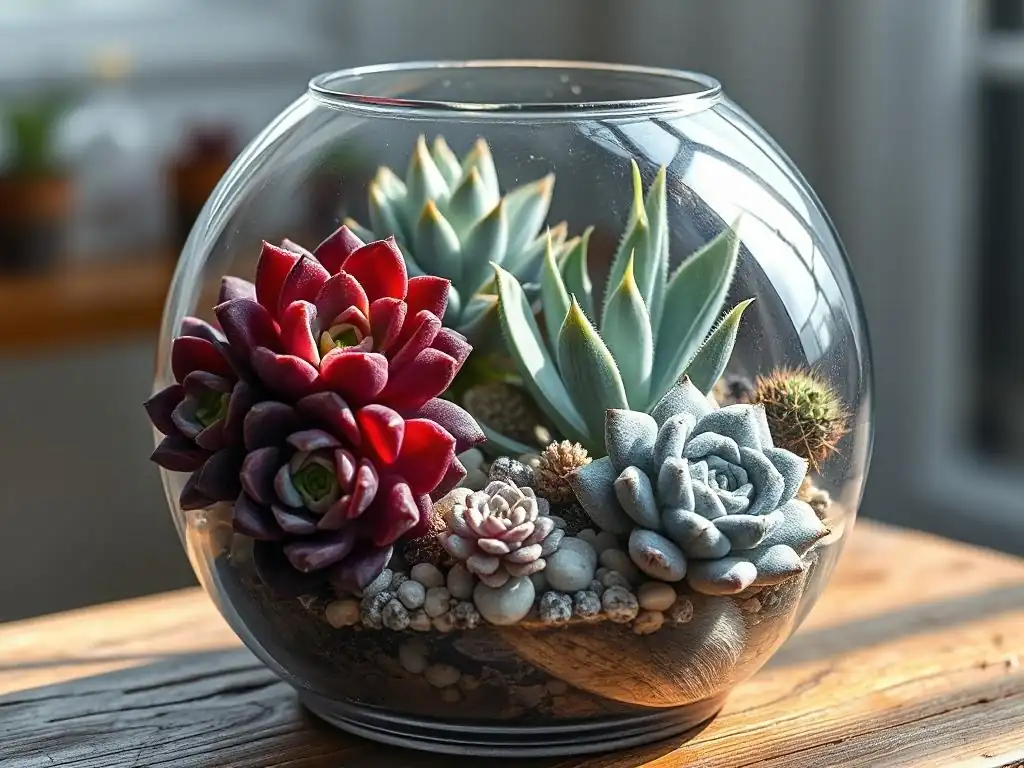
Dive into the captivating world of succulents! At SucculentEssentials.org, we unlock the secrets to cultivating these resilient beauties. Are you ready to transform your space with stunning textural displays? Our expert guide on Succulent Terrarium Texture Design reveals how to master the art of combining diverse succulent types for breathtaking arrangements. Prepare to be amazed by the possibilities – let's explore the endless creative potential together!
- Understanding Texture in Succulent Terrarium Design
- Selecting Succulents for Textural Variety
- Designing Your Textured Succulent Terrarium
- Maintaining Your Textured Succulent Terrarium
- Advanced Succulent Terrarium Texture Design Techniques
- Inspiration and Examples of Textured Succulent Terrariums
- Resources for Sourcing Succulents for Textured Terrariums
-
Frequently Asked Questions
- What is the key to creating a visually appealing succulent terrarium?
- How do I choose succulents with contrasting textures for my terrarium?
- Are there any specific succulent types ideal for textural contrast in terrariums?
- What other elements besides succulents can contribute to terrarium texture?
- How important is drainage in a textured succulent terrarium design?
- Final Reflection: Cultivating Texture, Cultivating Wonder
- Unleash Your Inner Gardener: Craft a Textured Succulent Terrarium
Understanding Texture in Succulent Terrarium Design
Creating a truly captivating succulent terrarium goes beyond simply selecting visually appealing plants; it's about mastering the art of texture. This article delves into the world of succulent terrarium design with a specific focus on how varying textures can elevate your creations from simple displays to miniature masterpieces. We'll explore the importance of visual depth and contrast, guide you through choosing succulents with diverse textures, and provide inspiring texture combinations for stunning succulent terrarium designs.
Mastering texture allows you to create visually rich, dynamic terrariums that showcase the unique beauty and diversity of the succulent world, offering a rewarding experience for both the creator and the beholder. This comprehensive guide will equip you with the knowledge and inspiration to craft succulent terrariums that are not only thriving ecosystems but also stunning works of art.
The Importance of Visual Depth and Contrast in Succulent Arrangements
The key to a successful and visually interesting succulent terrarium lies in the interplay of textures. Think of it as a three-dimensional painting: you need depth, contrast, and a captivating interplay of elements to create a truly engaging piece. Simply placing similar succulents together can result in a flat, uninteresting arrangement. However, by strategically combining succulents with different textures – smooth, rough, fuzzy, spiky, etc. – you can create a sense of visual depth and movement.
Consider the following:
- Smooth surfaces: Succulents with smooth, waxy leaves, like Echeveria, provide a sleek and polished contrast to rougher textures.
- Rough textures: Plants like Sedum morganianum (Burro's Tail) with their trailing, slightly rough leaves introduce a sense of movement and irregularity.
- Fuzzy textures: Succulents with fuzzy leaves, such as Kalanchoe tomentosa (Panda Plant), add softness and intrigue.
- Spiky textures: Adding succulents with spiky leaves, like Haworthia, creates visual interest and a dramatic element.
By strategically incorporating these different textural elements, you avoid monotony and create a terrarium that is visually rich and captivating. The contrast between smooth and rough, fuzzy and spiky, adds a layer of complexity that elevates the overall aesthetic appeal. Remember, the goal is to create a visually dynamic composition that keeps the eye moving and exploring the different facets of your miniature landscape.
Choosing Succulents with Varied Textures: A Comprehensive Guide
Selecting the right succulents is paramount to achieving the desired textural contrast in your terrarium. Not all succulents are created equal; their textures vary greatly, offering a vast palette for creative expression. Here's a guide to help you choose succulents based on their textural characteristics:
| Succulent Type | Texture Description | Visual Impact |
|---|---|---|
| Echeveria | Smooth, waxy | Polished, elegant, creates a sense of calm |
| Sedum morganianum | Rough, trailing | Adds movement and dynamism |
| Kalanchoe tomentosa | Fuzzy, velvety | Soft, intriguing, adds visual warmth |
| Haworthia | Spiky, rigid | Dramatic, adds visual excitement |
| Graptopetalum | Smooth, powdery | Delicate, creates subtle texture contrast |
| Sempervivum (Hens and Chicks) | Rosette, slightly rough | Adds density and visual interest |
Remember to consider the size and growth habit of each succulent. Some succulents grow quickly and may need more space, while others remain compact. Proper spacing is crucial to prevent overcrowding and maintain the visual balance of your terrarium. Careful selection ensures a harmonious blend of textures that contribute to the overall aesthetic appeal.
Texture Combinations for Stunning Succulent Terrariums
The real magic happens when you start experimenting with different texture combinations. Here are some ideas to inspire your next succulent terrarium creation:
- Smooth & Spiky: Combine smooth Echeveria with spiky Haworthia for a striking contrast. The smooth lines of the Echeveria will highlight the sharp points of the Haworthia.
- Fuzzy & Rough: Pair fuzzy Kalanchoe tomentosa with rough Sedum morganianum for a textural interplay that feels both soft and dynamic. The contrast in texture will create a visually interesting landscape.
- Smooth & Trailing: Use smooth succulents as a base and then incorporate trailing succulents like Sedum morganianum to add movement and cascade down the sides of the terrarium. This creates depth and a sense of flow.
- Varied Rosettes: Experiment with different rosette-forming succulents, each with varying textures and sizes. This approach creates a visually captivating display of shapes and textures.
Remember, these are just starting points. Don't be afraid to experiment and find your own unique texture combinations. The possibilities are endless! The key is to observe, experiment, and enjoy the process of creating your own unique and textured succulent terrarium. The beauty of succulent terrarium design lies in its versatility and the opportunity for personalized expression.
Selecting Succulents for Textural Variety
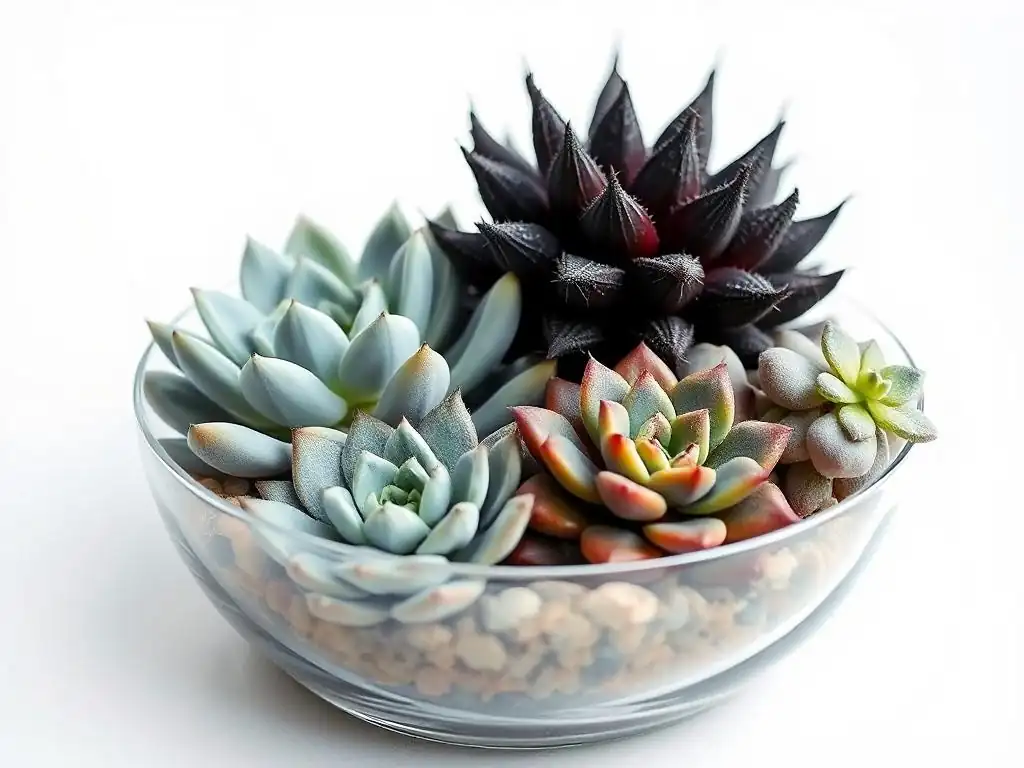
Creating a visually stunning succulent terrarium hinges on understanding and expertly utilizing textural contrast. A monotonous arrangement, regardless of the individual plants' beauty, will lack the captivating depth that a well-planned textural design provides. This section focuses on choosing succulents that offer a diverse range of textures, leading to a more dynamic and interesting final product. Remember, "Succulent terrarium texture design" is key to achieving a truly exceptional terrarium.
Choosing Succulents with Different Leaf Shapes and Sizes
The foundation of a textured succulent terrarium lies in the variety of leaf shapes and sizes. Avoid using only one type of succulent; instead, aim for a balanced composition. For example, contrast the delicate, spiky needles of a Sedum morganianum ("Burro's Tail") with the plump, rounded leaves of an Echeveria species. The juxtaposition of these differing forms immediately creates visual interest. Consider incorporating succulents with:
- Rosettes: Echeverias, Sempervivums (Hens and Chicks), and many other succulents form beautiful, compact rosettes. These add a structured element to your design.
- Trailing Plants: Sedum morganianum, String of Pearls ( Senecio rowleyanus), and String of Hearts ( Ceropegia woodii) introduce flowing, cascading textures that soften the overall look.
- Columnar Forms: Some cacti and succulents grow tall and upright, providing height and vertical lines, which contrast nicely with the low-growing, spreading succulents.
Think about the scale, too. Combine miniature succulents with larger specimens for a more dramatic effect. The interplay between the small and large creates a sense of depth and movement within the confined space of the terrarium. Careful planning in this regard is crucial for a successful "Succulent terrarium texture design".
Incorporating Succulents with Unique Surface Textures (e.g., fuzzy, smooth, bumpy)
Beyond shape and size, the surface texture of each succulent significantly impacts the overall aesthetic. Consider the tactile qualities as well as the visual ones. A diverse range of textures will captivate the eye and add layers of complexity. Explore succulents with:
- Fuzzy or Hairy Leaves: Some succulents, like Kalanchoe tomentosa ("Panda Plant"), boast fuzzy, velvety leaves that add a soft, almost plush contrast to smoother varieties. This soft texture provides a unique visual and tactile appeal.
- Smooth, Waxy Leaves: Many Echeverias have smooth, waxy leaves, creating a sleek and polished look. These contrast beautifully with rougher textures.
- Bumpy or Warty Surfaces: Certain succulents exhibit bumpy or warty surfaces, adding another dimension to the textural palette. These unusual textures add an element of surprise and intrigue.
The careful selection of these diverse textures is paramount to achieving a successful "Succulent terrarium texture design." Imagine the contrast between the soft fuzz of a Panda Plant and the smooth, almost glassy surface of a certain Echeveria. This unexpected combination creates a captivating visual experience.
Using Color to Enhance Textural Contrast in your Succulent Terrarium
While texture is the primary focus, color plays a crucial supporting role in enhancing the overall impact of your succulent terrarium design. Colors can either complement or contrast with the textures, further amplifying the visual appeal. Consider these strategies:
- Complementary Colors: Use color theory to your advantage. Pair succulents with complementary colors to create a harmonious and visually pleasing arrangement. For example, combine the cool blues and greens of certain succulents with warm oranges and reds.
- Monochromatic Schemes: A monochromatic palette, using varying shades of a single color, can also be effective, especially when combined with a wide variety of textures. This creates a cohesive yet dynamic look.
- High Contrast: For a more dramatic effect, use succulents with starkly contrasting colors. This can further highlight the textural differences between the plants.
Remember, the goal is a balanced composition. Too many colors can be overwhelming, detracting from the textural elements. A thoughtful approach to color selection enhances the impact of your "Succulent terrarium texture design" and results in a more sophisticated, visually appealing terrarium. Careful consideration of both color and texture ensures a truly exceptional finished product.
Designing Your Textured Succulent Terrarium
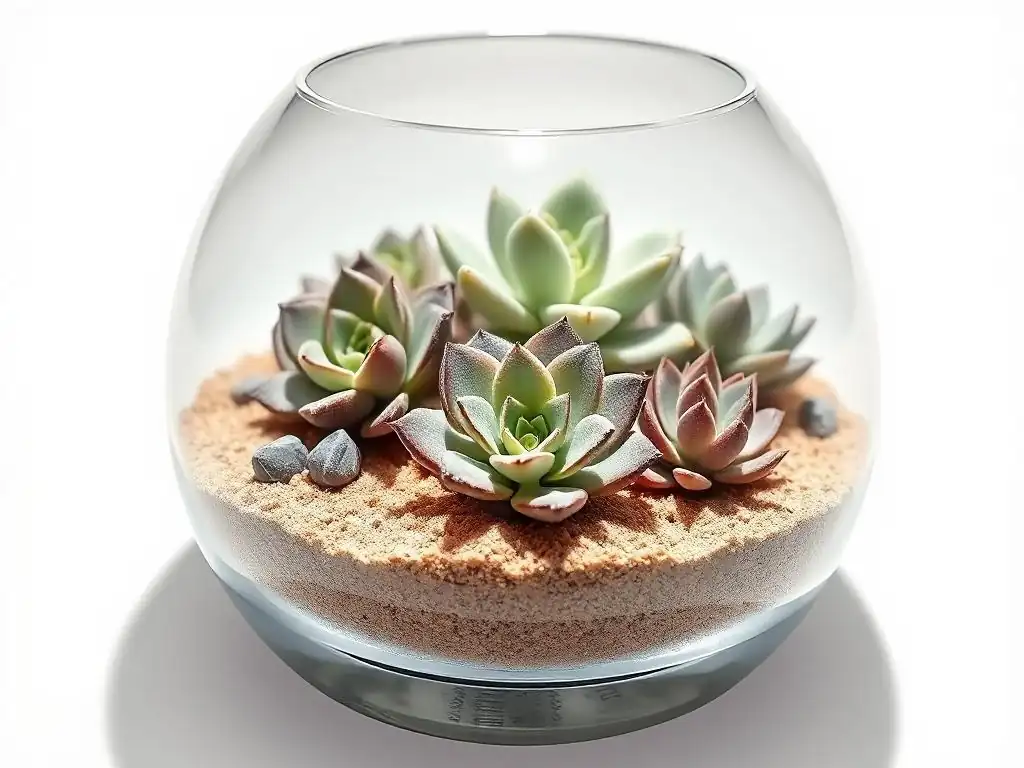
This section focuses on the crucial initial steps in crafting a visually stunning succulent terrarium that prioritizes texture. We'll move beyond simply selecting succulents and delve into the strategic planning necessary to achieve a truly captivating design. Remember, the key to a successful succulent terrarium design lies not just in the types of succulents chosen, but also in how their textures interact and complement each other. This involves careful consideration of size, shape, and the overall visual flow of the arrangement. A well-planned layout is the foundation of a textured masterpiece.
Planning Your Terrarium Layout for Optimal Visual Impact
Before you even think about planting, sketching your ideal terrarium layout is paramount. Think of it as your blueprint for a miniature succulent landscape. Consider the following:
- Container Selection: The shape and size of your terrarium container will significantly influence the overall design. A tall, slender container will lend itself to vertical layering, while a wider, shallower container is better suited to a more horizontal arrangement. Consider the texture of the container itself – a rough, earthenware pot will create a different feel than a smooth glass vessel.
- Succulent Selection Based on Texture: Choose succulents with contrasting textures. Think about incorporating:
- Smooth and waxy: Echeveria, Graptopetalum
- Rough and hairy: Sedum, Sempervivum
- Spiky and prickly: Haworthia, Aloe
- Fine-leaved and delicate: Sedum morganianum (Burro's Tail)
- Coarse-leaved and robust: Aeonium
- Visual Flow and Focal Points: Avoid a cluttered or random arrangement. Strategically place larger succulents as focal points, then build around them with smaller plants to create visual interest and depth. Think about leading the eye through the terrarium with a deliberate path of contrasting textures.
- Color Palette: While texture is our primary focus, color plays a supporting role. Consider a balanced palette, avoiding overwhelming the eye with too many contrasting colors. Subtle variations in shades of green, interspersed with pops of color from other succulents, can greatly enhance the overall aesthetic.
Step-by-Step Guide to Building a Texturally Rich Succulent Terrarium
Let's turn our plan into reality! Here's a detailed, step-by-step process:
- Prepare Your Container: Thoroughly clean and dry your chosen container. If using a glass container, ensure it's completely clean to prevent algae growth.
- Layer Your Drainage: Create a drainage layer using small pebbles or gravel at the bottom of the container. This prevents waterlogging, a common cause of succulent rot. This layer also contributes to the overall texture of the terrarium.
- Add Your Soil: Use a well-draining cactus and succulent potting mix. Avoid using regular garden soil, as it retains too much moisture. The texture of the soil itself, whether coarse or fine, can subtly contribute to the overall feel.
- Plant Placement: Begin with your larger focal point succulents, then carefully position smaller plants around them, ensuring there's enough space for growth. Follow your pre-planned layout as closely as possible.
- Backfilling and Firming: Gently backfill with more potting mix, ensuring the roots are covered but not buried too deeply. Firm the soil around the base of each succulent to provide stability.
Creating Depth and Dimension with Layering Techniques
Layering is key to achieving a three-dimensional effect in your succulent terrarium. This involves strategically placing succulents of varying heights and textures to create a sense of depth and visual interest. Consider these techniques:
- Foreground, Midground, Background: Use smaller, low-growing succulents in the foreground, medium-sized plants in the midground, and taller succulents in the background to create a layered effect. This mimics the natural layering found in many succulent habitats.
- Height Variation: Select succulents with varying heights to add vertical interest. Combine low-growing groundcovers with taller, upright succulents to create a dynamic landscape.
- Textural Contrasts: Use layering to showcase contrasting textures. Place a smooth, waxy succulent next to a spiky or hairy one to highlight the difference in texture. This adds visual complexity and intrigue.
- Strategic Placement of Accessories: Consider adding small decorative elements like pebbles, rocks, or miniature figurines to enhance the layering and overall visual appeal. These accessories should complement the textures of the succulents, not compete with them. Choose elements with interesting textures to further enhance the overall design.
Remember, patience and a keen eye for detail are crucial for creating a captivating succulent terrarium with an emphasis on texture. Experiment with different combinations of succulents and accessories to achieve your unique vision. Enjoy the process! 🎉
Maintaining Your Textured Succulent Terrarium
Creating a succulent terrarium with a captivating textural design is just the first step. Maintaining its beauty and the health of your succulents requires careful attention to several key factors. Neglecting these can lead to unhappy plants and an unattractive terrarium. This section will focus on the ongoing care needed to keep your textured succulent masterpiece thriving. We'll explore optimal watering practices, light requirements, and techniques for preventing overcrowding, all crucial for preserving the unique textural appeal of your design.
Watering and Drainage Considerations for Textured Terrariums
Proper watering is paramount for the long-term health of your textured succulent terrarium. Overwatering is a common mistake, leading to root rot and fungal diseases, especially in closed terrariums. The key is to allow the soil to dry out completely between waterings. This drying period varies depending on several factors: the size of your terrarium, the type of succulents used (some are more drought-tolerant than others), the ambient temperature and humidity, and the porosity of your chosen soil mix.
A well-draining soil mix is crucial. Using a mix specifically formulated for succulents, often including perlite, pumice, or coarse sand, ensures excess water doesn't accumulate around the roots. Avoid using garden soil, as it retains too much moisture.
Consider the following guidelines:
- Frequency: Water thoroughly when the top inch of soil is completely dry. For closed terrariums, this might be every 2-4 weeks, while open terrariums may need watering more frequently, perhaps every 1-2 weeks, depending on environmental conditions.
- Method: Water gently, avoiding over-saturation. Use a watering can with a fine rose or a syringe to direct water to the base of the plants. Avoid getting water on the leaves, as this can lead to rot.
- Observation: Regularly check the soil moisture levels by inserting your finger about an inch into the soil. If it feels dry, it's time to water.
- Drainage: Ensure your terrarium has adequate drainage holes, especially if it's a closed system. This allows excess water to escape, preventing waterlogging.
Light Requirements for Different Succulent Textures
Different succulents have varying light requirements. Designing a terrarium with a range of textures also means incorporating succulents with diverse light preferences. While many succulents thrive in bright, indirect light, some can tolerate partial shade. Understanding these differences is key to maintaining a balanced and healthy terrarium.
Consider these factors when selecting succulents for your textured design:
- Light Intensity: Place your terrarium in a location that receives bright, indirect light for at least 6 hours per day. Avoid direct sunlight, which can scorch the leaves of many succulent varieties.
- Succulent Selection: Choose succulents that have similar light requirements to ensure they all thrive in the same environment. Mixing high-light and low-light succulents in the same terrarium can lead to imbalances and unequal growth.
- Rotation: If your terrarium is located in a spot with inconsistent light, consider rotating it regularly to ensure even exposure for all the plants.
- Signs of Light Stress: Monitor your succulents for signs of light stress, such as etiolation (leggy growth) indicating insufficient light, or leaf scorching indicating excessive light. Adjust the terrarium's position accordingly.
Preventing Overcrowding and Maintaining Textural Balance
Over time, your succulents will grow, potentially disrupting the carefully crafted textural balance of your terrarium. Regular maintenance is crucial to prevent overcrowding and maintain the visual appeal of your design.
Here's how to address potential overcrowding:
- Regular Inspection: Inspect your terrarium regularly (at least monthly) to assess the growth of your succulents. Note any plants that are becoming overcrowded or encroaching on their neighbors.
- Pruning and Trimming: Use clean, sharp scissors or pruning shears to carefully trim or prune any overcrowded succulents. This will help maintain the desired textural balance and prevent the plants from competing for resources.
- Repotting: If some succulents become significantly larger than others, consider carefully repotting them into a larger container or dividing the larger plants to create more space.
- Removing Dead or Dying Plants: Promptly remove any dead or dying succulents to prevent the spread of disease and maintain the aesthetic appeal of your terrarium. This is crucial for maintaining a healthy and visually pleasing textured design. Removing dead material also prevents the spread of pests and diseases.
Maintaining your textured succulent terrarium requires consistent care and attention, but the rewards – a thriving, beautiful, and uniquely textured display – are well worth the effort. 🌱
Advanced Succulent Terrarium Texture Design Techniques
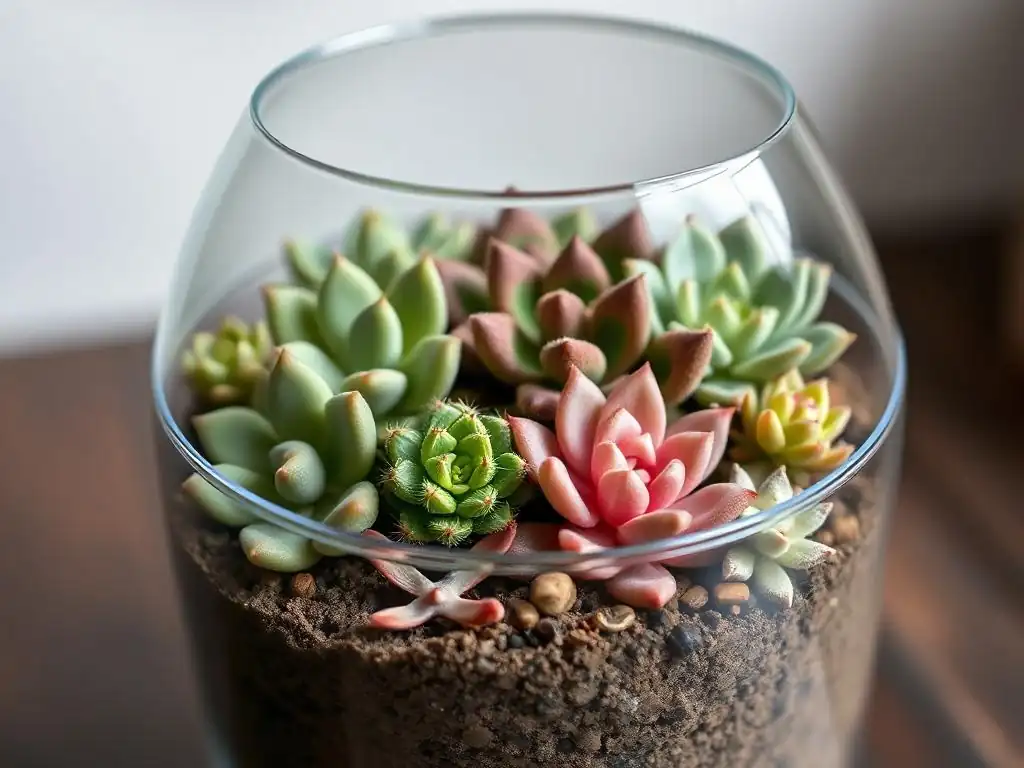
This section delves into sophisticated techniques for achieving captivating textural contrasts and depth within your succulent terrarium designs. We'll move beyond the basics, exploring methods to elevate your creations from simple arrangements to miniature works of art. Mastering these techniques will allow you to create truly unique succulent terrarium texture designs.
Incorporating Other Elements for Enhanced Texture (e.g., stones, pebbles, driftwood)
The key to a successful succulent terrarium texture design lies not solely in the succulents themselves, but also in the strategic use of complementary materials. Incorporating elements like stones, pebbles, and driftwood adds another layer of visual interest and tactile complexity. Consider these points:
- Stone Selection: Vary the size, shape, and color of your stones. Smooth, river-washed stones offer a gentle contrast to the rougher texture of some succulents, while jagged, volcanic rocks can create a dramatic, almost mountainous effect. Think about incorporating different shades of grey, browns, and even pops of color with brightly colored stones.
- Pebble Placement: Don't just dump pebbles in! Create deliberate patterns or groupings. A carefully placed cluster of small pebbles can highlight a particular succulent, while a wider scattering can simulate a natural landscape. Experiment with different pebble sizes to create varied textures and visual depth.
- Driftwood Integration: Pieces of driftwood, especially those with interesting shapes and textures, can act as focal points within your terrarium. They add a sense of age and intrigue, creating a miniature ecosystem feel. Ensure the driftwood is properly cleaned and dried before adding it to your terrarium to prevent rot.
The careful selection and placement of these elements are crucial. For example, a terrarium featuring primarily smooth, rounded succulents might benefit from the addition of rough, textured stones to create visual contrast. Conversely, a design using spiky succulents might be softened by the inclusion of smooth pebbles and delicate driftwood.
Creating Miniature Landscapes within your Succulent Terrarium
Elevating your succulent terrarium texture design involves thinking beyond simple arrangements and creating miniature landscapes. This requires careful planning and consideration of scale and perspective.
Imagine recreating a miniature desert scene. You could use a mix of sand-colored pebbles, small cacti with varying textures (think Mammillaria for their bumpy texture and Echinocereus for their spiny ones), and perhaps a tiny piece of driftwood to represent a weathered branch. The textural contrast between the smooth pebbles and the spiny cacti creates a dynamic and visually rich landscape.
Alternatively, consider a miniature forest setting. Use taller succulents with upright growth habits, like Sedum morganianum (Burro's Tail) cascading down "rocks" (carefully chosen stones), and smaller succulents nestled amongst them. The varying heights and textures create a sense of depth and realism. Consider adding small pieces of moss for added texture and a touch of verdant life. Remember that even the soil itself contributes to the overall texture; using a coarse potting mix can further enhance the rustic feel of your miniature landscape.
Designing Terrariums with Specific Textural Themes (e.g., desert, forest)
Choosing a specific theme for your succulent terrarium texture design provides a framework for selecting appropriate plants and materials.
- Desert Theme: Focus on succulents with rough, spiny textures, like Echinocactus grusonii (Golden Barrel Cactus) or Ferocactus species. Incorporate sand-colored pebbles, small rocks, and perhaps a small piece of weathered driftwood. The overall texture should be rugged and dry.
- Forest Theme: Use succulents with softer textures, such as Sedum species or Echeveria varieties. Add small pieces of moss, bark, or even miniature figurines to create a whimsical forest scene. The overall texture should be softer and more lush.
- Coastal Theme: Use succulents that can tolerate higher humidity, such as Dudleya species. Incorporate seashells, smooth pebbles, and perhaps a small piece of driftwood to evoke the feeling of a coastal environment. The texture should be a combination of smooth and slightly rough, reflecting the coastal environment.
Remember to consider the color palette as well. A monochromatic design using different shades of green can create a subtle yet striking textural effect, while a bolder design might incorporate contrasting colors and textures. The possibilities are endless, limited only by your creativity and the succulents you choose! Experiment and have fun crafting your unique succulent terrarium texture design masterpieces.
Inspiration and Examples of Textured Succulent Terrariums
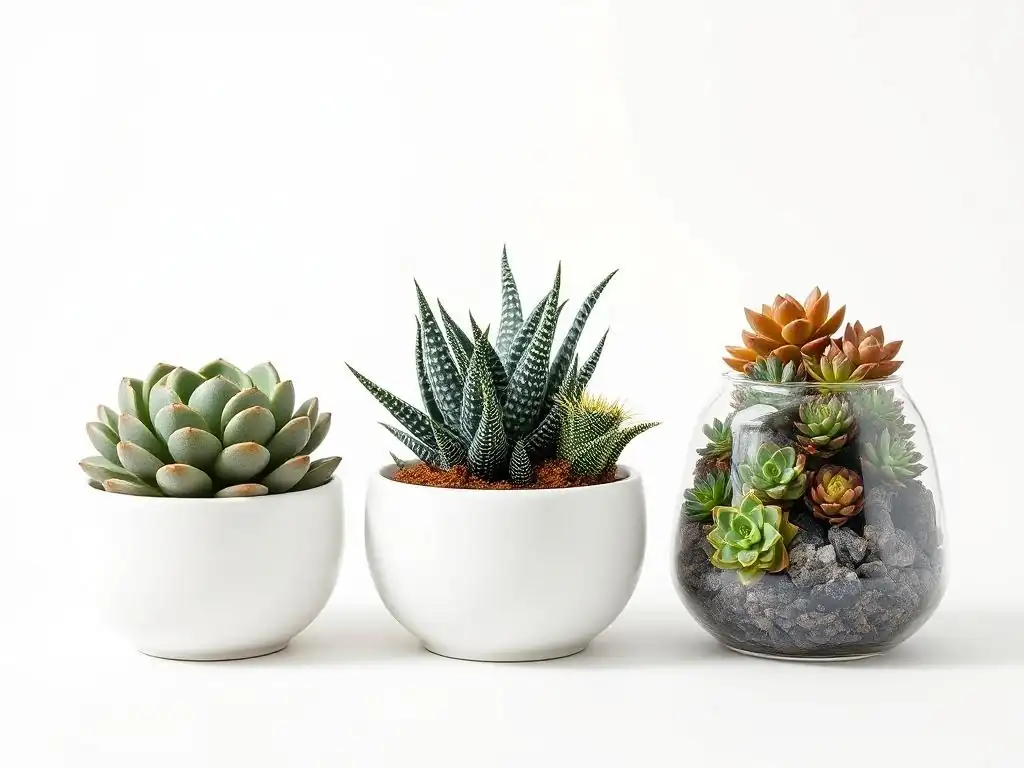
This section explores the captivating world of textured succulent terrariums, highlighting how diverse succulent species contribute to visually stunning and dynamic compositions. The key to a successful textured terrarium lies in understanding the interplay of different leaf shapes, sizes, and colors, along with the strategic use of other textural elements. We'll delve into specific examples and discuss how to achieve a balanced and aesthetically pleasing arrangement. Mastering succulent terrarium texture design requires careful consideration of both the succulents themselves and the overall composition.
Gallery of Stunning Succulent Terrarium Designs showcasing texture
Let's begin with a visual journey. Imagine a miniature landscape teeming with life, where the rough, almost prickly texture of a Haworthia cuspidata contrasts beautifully with the smooth, rounded leaves of an Echeveria species. The juxtaposition of these textures creates depth and visual interest.
Consider this example: a terrarium featuring a cascading arrangement of Sedum morganianum ("Burro's Tail"), its trailing stems creating a soft, flowing texture against the stark, geometric shapes of a Faucaria tigrina ("Tiger Jaws"). The contrast is striking, yet harmonious. The inclusion of small, smooth pebbles further enhances the textural contrast, offering a subtle yet effective counterpoint to the succulents.
Here's a table summarizing some excellent texture combinations for your succulent terrarium:
| Succulent Type | Texture Description | Color Palette Suggestion | Complementary Textures |
|---|---|---|---|
| Echeveria | Smooth, waxy | Blues, Greens, Purples | Coarse sand, gravel |
| Haworthia | Rough, bumpy, prickly | Greens, Browns, Grays | Smooth stones, wood chips |
| Sedum morganianum | Soft, trailing | Greens, Silvery-greens | Textured bark, driftwood |
| Faucaria tigrina | Rough, geometric | Greens, Browns, Yellow-greens | Fine gravel, smooth stones |
| Graptopetalum paraguayense | Star-shaped, slightly fleshy | Silvery-blue, Green | Small river stones |
This careful selection and arrangement of succulents, combined with thoughtfully chosen inorganic materials, are fundamental aspects of creating a truly captivating textured succulent terrarium. Remember, the goal is not just to fill the container, but to create a miniature landscape that is both visually appealing and ecologically sound.
Tips for Photographing your Textured Succulent Terrarium Creations
Once you've crafted your masterpiece, capturing its beauty through photography is crucial. The right photograph can showcase the intricate textures and details of your work, emphasizing the artistry involved in succulent terrarium texture design.
Here are some tips to elevate your terrarium photography:
- Lighting: Natural, soft light is ideal. Avoid harsh shadows by shooting in diffused sunlight or using a softbox. Experiment with the light's angle to highlight the textures.
- Background: A simple, uncluttered background will prevent distractions and allow the terrarium to be the focal point. A plain white or neutral-colored backdrop works well.
- Perspective: Experiment with different angles and perspectives. Get close-up shots to emphasize the textures, and step back to capture the overall composition.
- Depth of Field: A shallow depth of field can help isolate specific elements and blur the background, drawing attention to the textured details. A macro lens can be particularly effective for this.
- Editing: Subtle editing can enhance the textures and colors. However, avoid over-processing, which can make the image look unnatural.
Remember, patience and attention to detail are key. Experiment with different lighting, angles, and editing techniques to achieve the best results. The goal is to capture the unique beauty and artistry of your textured succulent terrarium design, leaving viewers in awe of your creation. 📸
Resources for Sourcing Succulents for Textured Terrariums
This section focuses on where to find the diverse succulents needed to create a captivating, textured succulent terrarium. Achieving a truly unique design relies heavily on the variety and texture of your chosen plants. Therefore, knowing where to source high-quality succulents is crucial for your Succulent terrarium texture design.
Finding Unique Succulent Varieties for your Projects
Building a textured succulent terrarium requires more than just grabbing any succulent off the shelf. You need a thoughtful selection of plants with varying textures – from the velvety softness of Echeveria 'Perle von Nürnberg' to the spiky resilience of Haworthia. To achieve this, consider these strategies:
- Local nurseries specializing in succulents: These nurseries often cultivate rarer varieties and can provide expert advice on which succulents thrive in terrarium environments. They can also offer insights into the specific texture and growth habits of different species, crucial for your Succulent terrarium texture design. Ask about plants with interesting leaf shapes, colors, and surface textures. Don't be afraid to ask questions; knowledgeable staff can be invaluable.
- Botanical gardens and plant societies: These organizations sometimes hold plant sales, offering access to a wider range of succulents, including some you might not find in typical nurseries. This is an excellent opportunity to discover unique varieties suitable for your Succulent terrarium texture design.
- Online succulent retailers: While online shopping offers convenience, carefully vet your chosen retailer. Look for reputable sellers with clear descriptions of their succulents, including information about their texture and size. Check reviews to ensure they provide healthy plants and safe shipping practices. Remember, a healthy plant is essential for a thriving terrarium.
- Propagation from existing succulents: If you already have a collection of succulents, propagation is a fantastic way to expand your options for your Succulent terrarium texture design. Leaf cuttings or offsets can provide a cost-effective and rewarding way to add variety to your project. This method allows you to control the growth and select the most texturally interesting plants.
Remember to always check the specific needs of each succulent before incorporating it into your terrarium. Some succulents are better suited to terrariums than others, and careful planning ensures a thriving and visually stunning final product. The successful execution of a Succulent terrarium texture design depends on this preliminary research.
Reliable Online and Offline Retailers for Succulents
Finding reliable sources is essential for ensuring the health and longevity of your succulents. Here's a breakdown of where to look, both online and offline:
| Retailer Type | Advantages | Disadvantages | Considerations for Textured Terrarium Design |
|---|---|---|---|
| Local Nurseries | Expert advice, see plants in person, support local businesses | Limited selection, may not have rare varieties | Ask about texture and growth habits; check for healthy plants. |
| Online Retailers | Wider selection, convenience | Shipping costs, risk of damaged plants | Read reviews carefully; look for detailed descriptions and high-quality photos. |
| Specialist Growers | Unique and rare varieties | May be more expensive | Inquire about texture and suitability for terrariums. |
| Botanical Garden Sales | Unique and often unusual varieties | Limited availability, often seasonal | Act quickly as stock may be limited. |
It's vital to prioritize the health of your succulents. Look for plants that are free from pests and diseases. A healthy starting point is essential for a successful Succulent terrarium texture design that will thrive for years to come. 🌱 Don't hesitate to ask questions and thoroughly research potential suppliers before making a purchase. The right succulents are the foundation of any successful project.
Frequently Asked Questions
What is the key to creating a visually appealing succulent terrarium?
The key is texture contrast. Combine succulents with varying leaf shapes, sizes, and colors. Think about incorporating different growth habits to add depth.
How do I choose succulents with contrasting textures for my terrarium?
Select succulents with diverse leaf structures, such as smooth, spiky, fuzzy, or rosetted. Consider color variations as well, to further enhance the textural contrast. Experiment with different sizes and shapes of succulents.
Are there any specific succulent types ideal for textural contrast in terrariums?
Yes! Echeverias offer smooth, rosette shapes, while Sedums provide diverse textures from fine to chunky leaves. Haworthias add interesting patterns and textures, and sempervivums bring a rosette structure with unique colors.
What other elements besides succulents can contribute to terrarium texture?
Incorporate decorative stones or gravel of varying sizes and colors for textural interest. Driftwood or small rocks can also add unique textures and visual appeal to your succulent terrarium.
How important is drainage in a textured succulent terrarium design?
Proper drainage is crucial for preventing root rot. Ensure your terrarium has adequate drainage holes and use a well-draining potting mix specifically formulated for succulents. Avoid overwatering.
Final Reflection: Cultivating Texture, Cultivating Wonder
The art of succulent terrarium design, far from being a mere hobby, offers a tangible pathway to understanding the intricate beauty of the natural world. Creating a miniature landscape brimming with textural contrasts—the smooth, waxy leaves of echeverias juxtaposed against the prickly spines of cacti—is a powerful reminder of nature's boundless creativity and its capacity to inspire awe. This careful consideration of texture elevates a simple terrarium into a captivating work of art.
The ongoing fascination with succulent terrariums speaks volumes about our innate desire to connect with nature, even in the smallest of spaces. These miniature ecosystems, carefully curated with diverse textures, become microcosms of the larger world, offering a quiet refuge from the often overwhelming pace of modern life. The earth laughs in flowers.
– Ralph Waldo Emerson. This quote perfectly encapsulates the joy and wonder that can be found in the seemingly simple act of arranging succulents, each with its unique tactile quality, into a harmonious whole. The process itself is meditative, a mindful engagement that fosters a deeper appreciation for the delicate balance of the natural world.
Consider the textures you've encountered today – the smoothness of a stone, the roughness of bark, the softness of a petal. Now, imagine translating those sensations into your own succulent terrarium. Let this article serve as a springboard for your own creative exploration. Don't be afraid to experiment, to push boundaries, and to discover the unique textural combinations that resonate most deeply with you. The possibilities are as limitless as your imagination, and the journey of creating your own textured succulent wonderland is a rewarding one, filled with beauty and tranquility.
Unleash Your Inner Gardener: Craft a Textured Succulent Terrarium
Thanks for exploring the wonderful world of textured succulent terrariums! We hope you've found inspiration and learned valuable techniques to create your own miniature succulent landscapes. Now it's time to put your knowledge into practice.
Here's how you can take the next step:
- Design and build your dream terrarium: Begin by sketching your design. Then, gather your chosen succulents and the perfect container. This is your opportunity to experiment with different textures and create a truly unique piece.
- Share your creation!: Post a picture of your finished terrarium on social media and tag us @SucculentEssentials – we'd love to see it!
- Explore further: Learn more about succulents by researching different propagation methods and experimenting with complementary plants.
What exciting textures will you combine in your next terrarium project?