
Bring the Outdoors In: NatureInspired Painting for Terracotta Pots

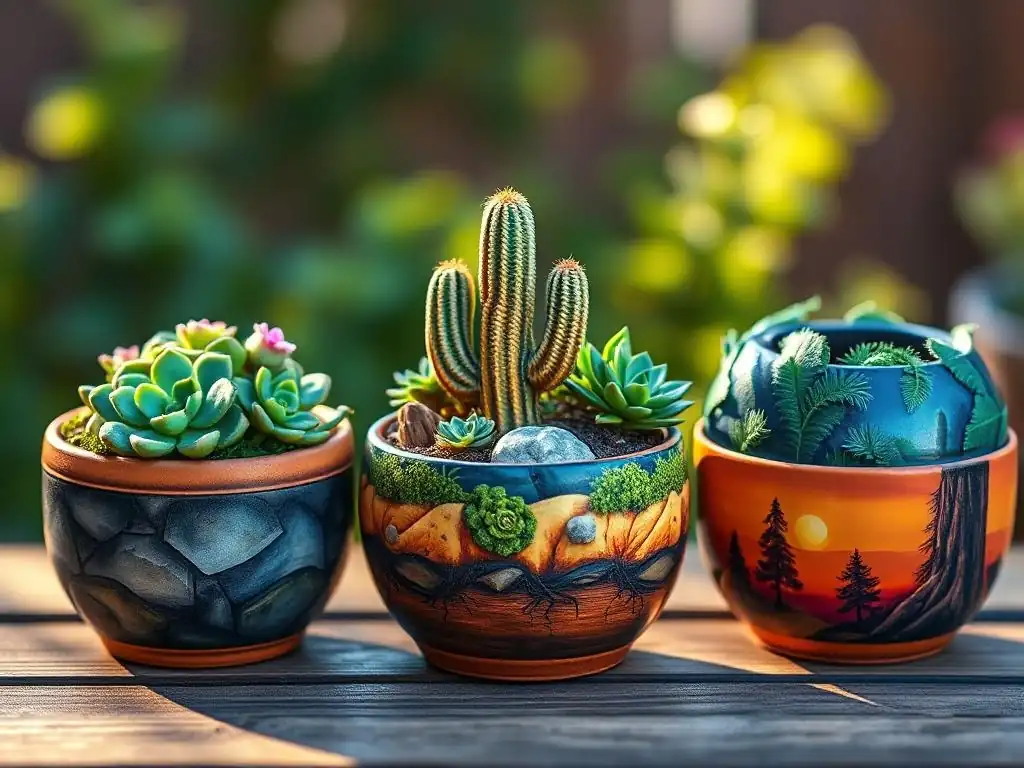
Welcome to SucculentEssentials.org, where the fascinating world of succulents unfolds before you! Are you ready to transform your home with vibrant, living art? We'll guide you through the captivating journey of succulent care, from propagation secrets to breathtaking design ideas. But first, prepare to be inspired: discover unique succulent terrarium painting ideas that will turn ordinary terracotta pots into miniature masterpieces. Dive into our "Bring the Outdoors In" article and unlock your inner artist!
- Transforming Terracotta Pots: Nature-Inspired Designs for Succulents
- Succulent Terrarium Painting Ideas: Exploring Nature's Palette
- Essential Painting Supplies for Your Succulent Pot Project
- Step-by-Step Guide: Painting Your Succulent Terrarium Pots
- Displaying Your Painted Succulent Pots: Creative Arrangement Ideas
- Advanced Techniques: Adding Texture and Depth to Your Succulent Pot Designs
- Frequently Asked Questions
- Final Reflection: Cultivating Creativity, One Terracotta Pot at a Time
- Unleash Your Inner Artist: Paint Your Perfect Pot!
Transforming Terracotta Pots: Nature-Inspired Designs for Succulents
Bringing the beauty of the outdoors in is easier than you think! This guide explores the art of painting terracotta pots, transforming ordinary containers into stunning vessels perfectly suited for showcasing your cherished succulent collection. We'll delve into the world of nature-inspired designs, providing you with practical tips and creative ideas to elevate your succulent terrarium game.
This detailed approach will help you create unique, personalized terracotta pots that not only enhance your succulents' beauty but also add a touch of artistic flair to your home or garden. Whether you're a seasoned succulent enthusiast or a beginner just starting your collection, this guide will provide you with the knowledge and inspiration to create breathtaking succulent terrarium painting masterpieces.
Get ready to unleash your creativity and transform simple terracotta pots into works of art! This article focuses on providing “Succulent terrarium painting ideas” to help you create beautiful and unique displays for your plants.
Selecting the Right Terracotta Pots
Choosing the right terracotta pots is the first step towards creating a stunning succulent terrarium. Consider these factors:
- Size and Shape: The size of the pot should be appropriate for the size of your succulent(s) and the overall design of your terrarium. Smaller pots are ideal for individual succulents or miniature arrangements, while larger pots can accommodate more complex designs. Consider the shape – round, square, rectangular – to complement your aesthetic vision. Think about the overall balance and how the pot will look in its final setting.
- Material and Quality: Opt for high-quality terracotta pots that are sturdy and free of cracks or imperfections. The thickness of the pot will also influence its durability and ability to retain moisture (though succulents prefer well-draining soil). Thicker pots are generally more durable and less prone to breakage.
- Drainage: Ensure your chosen pots have adequate drainage holes to prevent waterlogging, which can be detrimental to succulents. If the pots lack drainage holes, you can easily drill some yourself using a suitable drill bit, but be cautious and wear appropriate safety gear.
- Style and Color: While you'll be painting the pots, the initial color and texture can influence the final design. A smooth, evenly colored pot might lend itself to a more delicate design, whereas a rougher, unevenly colored pot might inspire a more rustic or textured finish.
Remember to consider the overall style you are aiming for. A rustic design might call for a more uneven, aged pot, while a modern design might benefit from a clean, new pot.
Preparing Terracotta Pots for Painting
Before you unleash your artistic talents, proper preparation is crucial for a long-lasting, vibrant finish. Here's a step-by-step guide:
- Cleaning: Thoroughly clean the terracotta pots with warm soapy water and a soft sponge or brush. Remove any dirt, dust, or debris. Rinse well and allow the pots to dry completely. This ensures the paint adheres properly.
- Priming (Optional but Recommended): Applying a primer is highly recommended, especially for porous terracotta. A good quality acrylic primer will create a smooth surface, improving paint adhesion and preventing the terracotta from absorbing the paint, leading to uneven color and potentially cracking. Allow the primer to dry completely according to the manufacturer's instructions.
- Sanding (Optional): If you're aiming for a smooth finish, lightly sand the primed surface with fine-grit sandpaper. This removes any bumps or imperfections and creates a more even surface for painting. Remember to remove any sanding dust before proceeding.
- Sealing (Optional): After painting, consider sealing your masterpiece with a sealant to protect the paint and add durability. This is especially important if the pots will be exposed to the elements. Choose a sealant compatible with acrylic paints.
By carefully selecting your pots and preparing them correctly, you'll lay the foundation for a beautiful and long-lasting succulent terrarium painting project. Remember to always prioritize safety and use appropriate protective gear when working with tools and materials.
Succulent Terrarium Painting Ideas: Exploring Nature's Palette
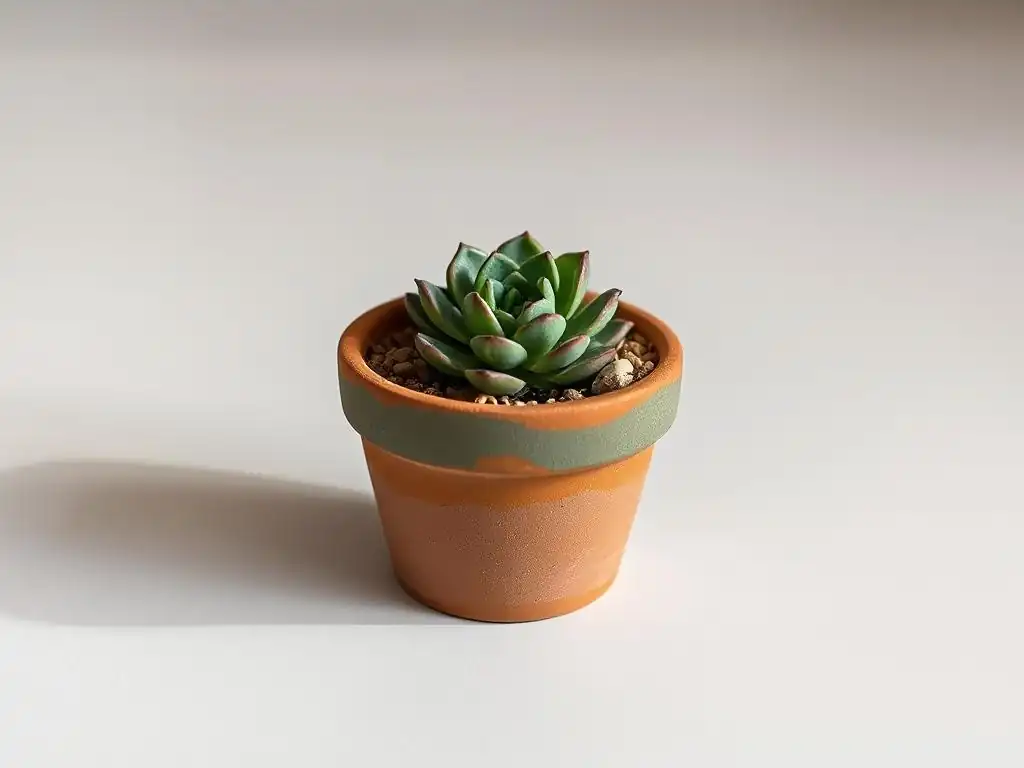
This section dives deep into the captivating world of succulent terrarium painting ideas, transforming ordinary terracotta pots into miniature works of art. We'll explore various techniques and styles to help you create unique and eye-catching designs that perfectly complement your succulent arrangements. The possibilities are as diverse as the succulents themselves! Let's unleash your creativity and bring the beauty of the desert into your home.
Creating Realistic Succulent Paintings on Terracotta Pots
Achieving realistic succulent paintings on terracotta requires attention to detail and a keen eye for color. Start by sketching your desired succulent arrangement lightly onto the pot using a pencil. This preliminary sketch acts as a guide, preventing mistakes and ensuring a balanced composition. Then, utilize acrylic paints – known for their vibrant hues and quick drying time – to bring your sketch to life.
Begin with the base colors, layering shades to create depth and dimension. For example, a Echeveria might start with a light green base, followed by darker shades in the center and along the edges to mimic the natural variations in color and texture. Employ fine-tipped brushes for intricate details like the tiny hairs on some succulent leaves or the delicate textures of their rosettes.
Remember, less is more when it comes to realism. Don't overload the pot with too many details. Focus on capturing the essence of the succulents – their shapes, colors, and textures – rather than creating a photorealistic replica. A few well-executed succulents are far more effective than a crowded, cluttered design. Consider adding small, subtle highlights using white or light-colored paint to enhance the three-dimensionality of your painting. Finally, seal your masterpiece with a varnish to protect your artwork and enhance its longevity. This simple step will prevent your carefully crafted succulent painting from chipping or fading over time.
Abstract Nature-Inspired Designs for Terracotta Pots
For those seeking a more expressive approach, abstract nature-inspired designs offer a fantastic alternative to realistic depictions. These designs capture the feeling and spirit of succulents without focusing on precise botanical accuracy. Think swirling patterns reminiscent of desert landscapes, bold color blocks representing the vibrant hues of succulents, or textured strokes imitating the bumpy surfaces of certain varieties.
Consider using a palette knife for a more textured, impasto effect. This technique adds depth and visual interest to your design. Experiment with different colors and techniques – layering, blending, splattering – to create a dynamic and visually exciting piece. You could even incorporate metallic paints for an added touch of glamour. The beauty of abstract art lies in its freedom of expression. There are no rules, only your imagination!
For example, you could paint a series of concentric circles in varying shades of green and terracotta, symbolizing the growth patterns of succulents. Or, you could create a vibrant splash of color using bold strokes of complementary hues, reminiscent of a blooming succulent garden. Remember to consider the overall aesthetic of your succulent arrangement when choosing your color palette and design.
Geometric Patterns and Nature-Inspired Shapes for Terracotta Pot Painting
Geometric patterns offer a clean, modern aesthetic that perfectly complements the sleek lines of many succulents. Simple shapes like triangles, squares, and circles can be arranged to create intricate and eye-catching designs. These patterns can be rendered in solid colors or with gradients to add depth. Consider incorporating natural elements into your geometric design, such as using leaf-like shapes or incorporating organic curves within a geometric framework.
To achieve this balanced approach, you might begin by sketching a basic geometric grid onto the pot. Then, fill in the shapes with carefully chosen colors, ensuring a visually harmonious combination. You could even use stencils to create perfectly aligned geometric patterns. This method is particularly helpful for creating intricate designs or for those who are less confident in their freehand painting skills.
Adding small, subtle details—such as tiny dots or lines within the geometric shapes—can elevate the design, adding a layer of complexity and visual interest. A well-executed geometric design can dramatically enhance the overall appeal of your succulent arrangement, offering a sophisticated and modern touch. Experiment with different color combinations and geometric arrangements to find the perfect design that suits your style and complements your succulents.
Essential Painting Supplies for Your Succulent Pot Project
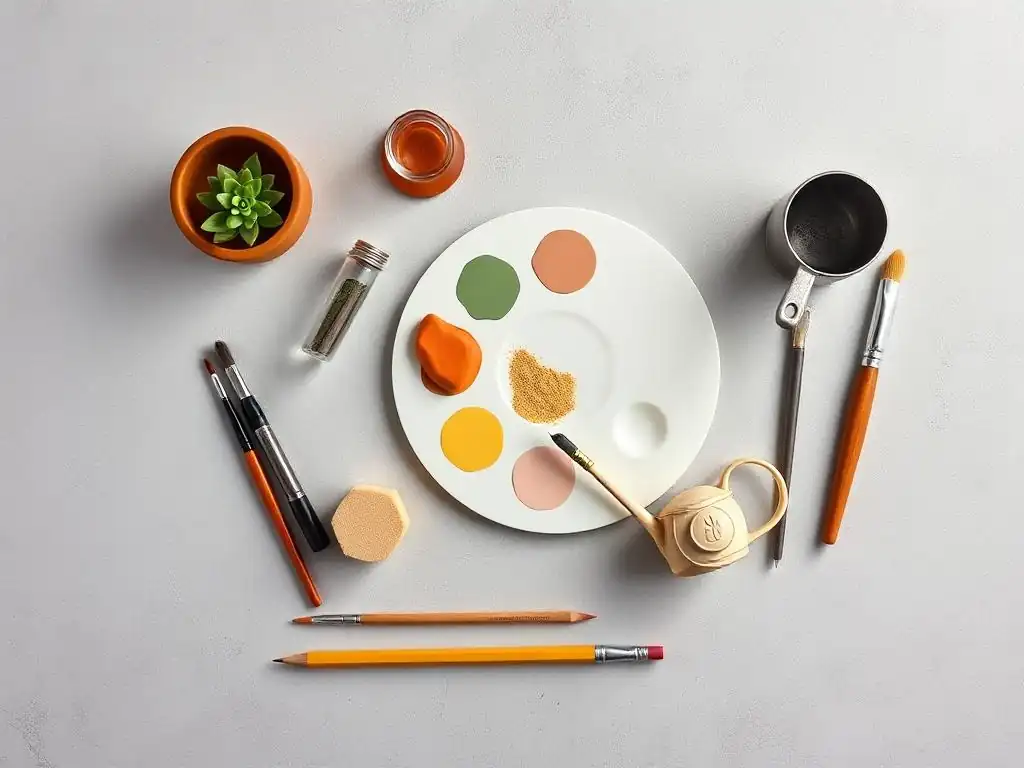
Creating a stunning painted terracotta pot to house your succulent terrarium requires the right tools and materials. This section outlines the essential supplies you'll need to embark on your artistic journey, ensuring a smooth and successful painting process. Remember, the quality of your supplies directly impacts the final look and longevity of your painted pot. Let's dive into the specifics!
Selecting the Right Paints for Terracotta
Choosing the appropriate paint is paramount for a long-lasting and vibrant finish on your terracotta pot. Several options exist, each with its own advantages and disadvantages. For succulent terrarium painting ideas, durability and water resistance are key considerations, as the pot may be exposed to moisture.
- Acrylic Paints: Acrylics are a popular choice due to their versatility, quick drying time, and water-based, non-toxic nature. They offer a wide range of colors and excellent adhesion to terracotta. However, ensure you use an acrylic paint specifically designed for outdoor use or seal your finished artwork with a sealant to protect it from moisture damage. This is crucial for long-term protection, especially if your succulent terrarium is placed near a window or in a humid environment.
- Outdoor Enamel Paints: These paints offer superior durability and weather resistance, making them ideal for terracotta pots that will be exposed to the elements. Enamel paints provide a hard, glossy finish that protects against chipping and fading. While they offer excellent protection, they often require more preparation of the terracotta surface and may have a stronger odor during application.
- Chalkboard Paint: For a unique touch, consider using chalkboard paint on a portion of your pot. This allows you to personalize your terrarium with messages or plant labels, adding an interactive element to your project. Remember to seal the chalkboard paint with a sealant specifically designed for this purpose to ensure it functions correctly and lasts.
Choosing between these options depends on your specific needs and the environment where your succulent terrarium will reside. Consider factors like light exposure, humidity levels, and the overall desired aesthetic when making your selection. Remember to always test a small area before applying paint to the entire pot.
Brushes, Sponges, and Other Tools for Terracotta Pot Painting
Beyond paints, the right tools significantly influence the quality of your painted terracotta pot. The choice of brushes, sponges, and other accessories impacts the texture, detail, and overall finish of your artwork.
| Tool | Description | Purpose |
|---|---|---|
| Various Paint Brushes | Different sizes and shapes (round, flat, angled) are essential for achieving varied effects. | Precise details, broad strokes, creating textures. |
| Sea Sponges | Natural or synthetic sponges offer a unique textural effect when applied to the paint. | Creating mottled or distressed finishes, adding depth and dimension. |
| Stencil Brush | A brush specifically designed for use with stencils, ensuring clean lines and precise application. | Creating crisp, defined patterns and designs on your terracotta pot. |
| Palette Knife | Useful for mixing paints, applying thick layers of paint, or creating textured effects. | Adding texture, creating impasto effects, applying paint in unique ways. |
| Painter's Tape | Essential for creating clean lines and sharp edges when using stencils or multiple colors. | Masking off areas to prevent unwanted paint bleed, ensuring straight lines and precise application. |
| Sandpaper | Use fine-grit sandpaper to lightly roughen the surface of the terracotta before painting for better adhesion. | Preparing the surface for optimal paint adherence, enhancing the longevity of your painted design. |
| Sealant | A protective layer to safeguard your painted design from moisture and wear. | Protecting your artwork, ensuring its longevity, and enhancing its resistance to damage from water and sun. |
Remember to clean your brushes thoroughly after each use to maintain their quality and longevity. Proper cleaning prevents paint from hardening and damaging the bristles. With the right tools and a little creativity, you can transform a simple terracotta pot into a beautiful and unique home for your succulents. Happy painting! 🎉
Step-by-Step Guide: Painting Your Succulent Terrarium Pots
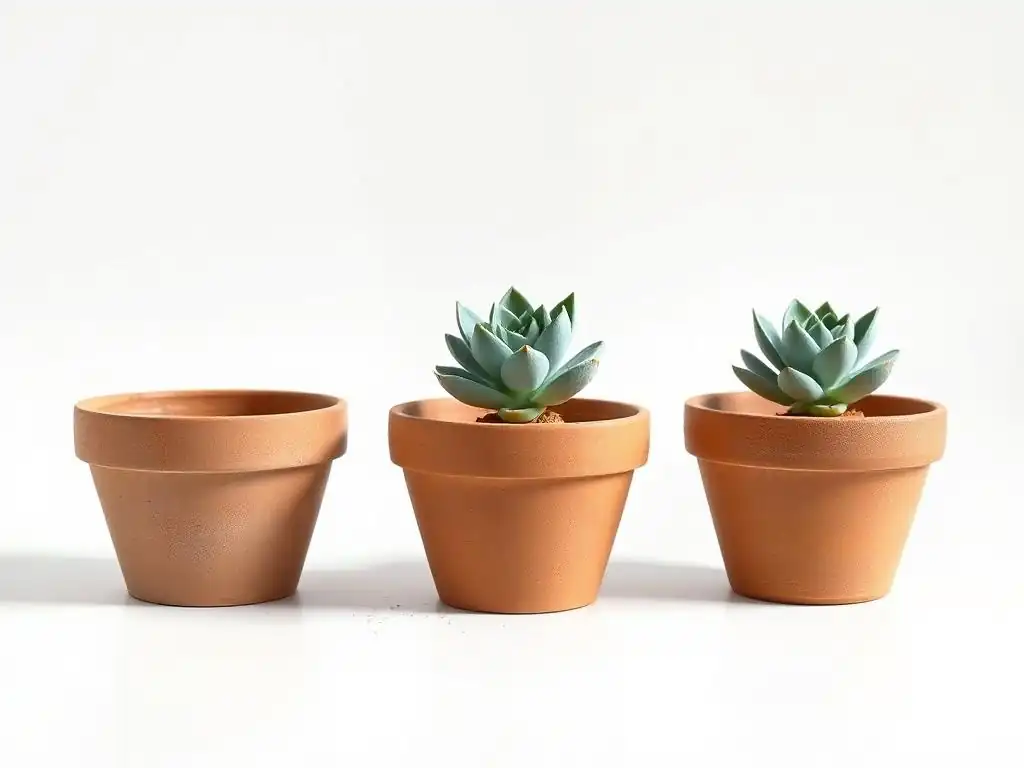
This section provides a detailed, step-by-step guide to painting your terracotta pots for your succulent terrarium projects. We'll cover sketching, base coating, and adding intricate details to create truly unique and nature-inspired designs. Remember, the beauty of this project lies in your creativity – there’s no right or wrong way to paint your pots! Let's get started with transforming ordinary terracotta into extraordinary succulent homes.
Step 1: Sketching Your Design
Before you unleash your inner artist, careful planning is key, especially when working with the delicate art of succulent terrarium painting ideas. Begin by sketching your design lightly onto the terracotta pot using a pencil. Don't be afraid to experiment! Consider the overall shape of your pot and how your design will complement its curves.
Several approaches exist for sketching your succulent terrarium painting ideas. You could:
- Freehand Sketching: If you're confident in your artistic abilities, freehand sketching allows for spontaneity and unique designs. Start with basic shapes and gradually add details.
- Stenciling: For more precise designs, stencils offer a great way to achieve clean lines and consistent patterns. You can find pre-made stencils or create your own from cardstock.
- Tracing: If you have a favorite design, tracing it onto your pot can be a simple and effective method. Use tracing paper and a light source to transfer your image.
Remember to keep your sketch light so it's easily erased if needed. Consider the scale of your design relative to the size of your pot. Too much detail on a small pot can feel cluttered, while a simple design on a large pot might appear lost. Think about incorporating elements that reflect the natural world, such as leaves, flowers, or abstract patterns inspired by succulents themselves. This will enhance the overall aesthetic of your finished succulent terrarium.
Step 2: Applying the Base Coat of Paint
Once your sketch is complete, it's time to apply the base coat of paint. This step provides a solid foundation for your design and helps the colors pop. Choose a high-quality acrylic paint designed for outdoor use, ensuring durability and longevity for your succulent terrarium. For a truly vibrant look, consider applying two thin coats instead of one thick coat, allowing each coat to dry completely before applying the next.
Here's a breakdown of the process:
- Preparation: Before painting, clean your terracotta pot thoroughly with soap and water to remove any dust or debris. Allow it to dry completely.
- Primer (Optional): Applying a primer can improve the paint's adhesion and create a more even surface, especially if your pot is porous.
- Base Coat Application: Use a brush or sponge to apply your base coat evenly, working in smooth strokes. Avoid overloading your brush to prevent drips and runs. Let the coat dry completely according to the paint manufacturer's instructions.
- Second Coat (Recommended): Apply a second thin coat for richer color and better coverage. Allow it to dry completely.
Remember to work in a well-ventilated area to avoid inhaling paint fumes. Consider using disposable gloves to protect your hands. The base coat sets the stage for the details you’ll add in the next step, so choose a color that complements your planned design.
Step 3: Adding Details and Layering Colors
With the base coat dry, it's time to bring your succulent terrarium painting ideas to life! This is where you add the details that will make your pots truly unique. Using your chosen colors, carefully paint over your pencil sketch, adding depth and dimension. Consider using different brush sizes and techniques to create texture and variation.
Here are some tips for success:
- Layering: Don't be afraid to layer colors. Start with lighter shades and gradually add darker ones to create depth and shadow.
- Blending: Blend colors together smoothly to create a more natural look, mimicking the subtle color variations found in nature.
- Detailing: Use fine-tipped brushes to add intricate details like veins in leaves or the delicate patterns of succulents.
- Protective Sealant (Recommended): Once your design is complete and dry, apply a sealant to protect your artwork and make it weather-resistant. This is crucial for outdoor succulent terrariums.
Experiment with different techniques to create unique textures. Dry brushing can create a rustic feel, while stippling can add a delicate texture. Remember, the possibilities are endless when it comes to painting your succulent terrarium pots – let your creativity flow! The result will be beautiful, unique pots that perfectly showcase your succulent arrangements. This process allows you to create personalized succulent terrarium painting ideas, reflecting your individual style and taste.
Step 4: Sealing Your Masterpiece
Sealing your painted terracotta pots is crucial for protecting your beautiful succulent terrarium painting ideas and ensuring their longevity. A sealant will not only safeguard your artwork from chipping and fading but also create a waterproof barrier, protecting the paint from moisture that could damage it or even leach harmful chemicals into your soil. This is especially important for succulent terrariums, where the pots are frequently exposed to watering.
Choosing the right sealant is key. You'll want a sealant specifically designed for outdoor use and that’s compatible with the type of paint you’ve used. Acrylic paints, commonly used for this type of project, generally work well with water-based sealants. However, always check the paint manufacturer’s instructions to ensure compatibility. Oil-based paints may require a different type of sealant. Look for sealants that are non-toxic and safe for use around plants, as any residual chemicals could harm your succulents.
Application is straightforward but requires patience for optimal results. Start by ensuring your paint is completely dry – this could take several hours or even overnight, depending on the paint type and thickness of your application. Apply thin, even coats of sealant using a soft brush or sponge. Avoid thick applications which can cause dripping or a sticky residue. Allow each coat to dry completely before applying the next. Two to three thin coats are usually sufficient for adequate protection. Remember to work in a well-ventilated area, as some sealants can have a strong odor.
Finally, after the final coat has thoroughly dried, carefully inspect your pots for any imperfections or areas requiring touch-ups. A slightly uneven finish is often acceptable, adding to the rustic charm of hand-painted terracotta. Once you're satisfied with your sealed masterpiece, you can carefully plant your succulents and enjoy your unique, nature-inspired terrarium. Remember to always let the sealant cure completely before planting to avoid harming your precious succulents. This careful sealing process ensures your beautiful succulent terrarium painting will remain vibrant and protected for years to come, showcasing your artistic talent and love for succulents.
Displaying Your Painted Succulent Pots: Creative Arrangement Ideas
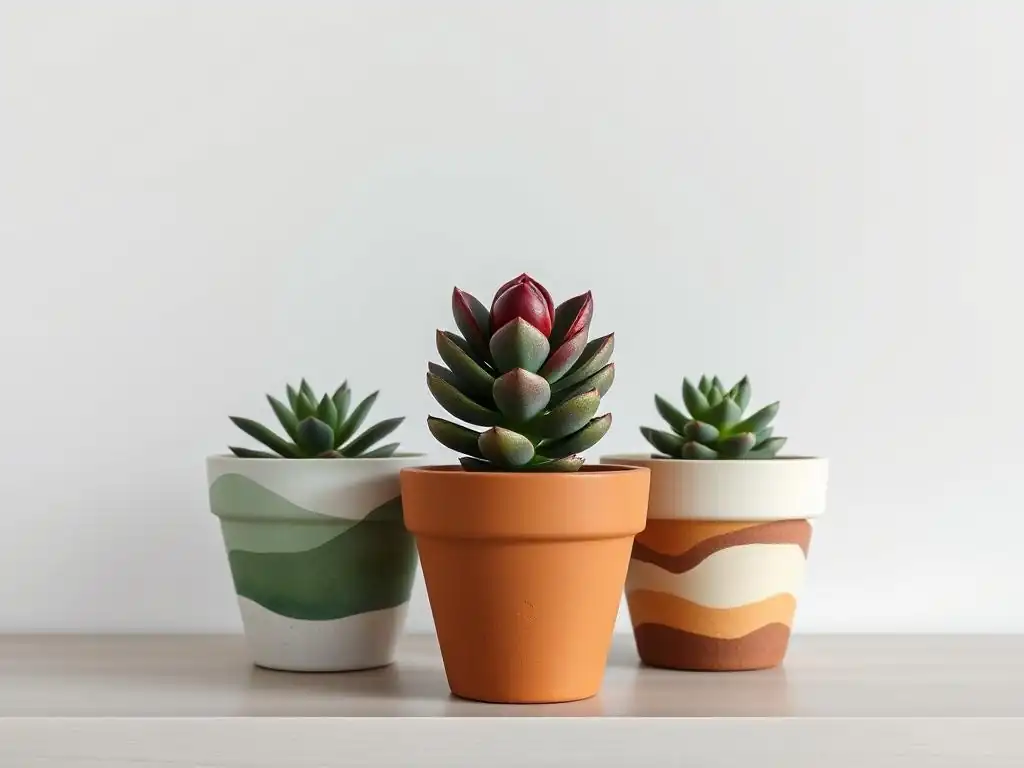
Now that you've painstakingly painted your terracotta pots, it's time to showcase your artistic creations! Don't let your beautiful work gather dust in a cupboard. Here are some inspiring ways to display your painted succulent pots, transforming them from simple containers into stunning decorative elements. Remember, the key is to complement the colors and designs of your painted pots with the succulents themselves, creating a harmonious and visually appealing display. Let's explore some options to inspire your succulent terrarium painting ideas.
Creating a Miniature Succulent Garden
A miniature succulent garden is a perfect way to display multiple painted pots simultaneously. Think of it as a curated collection, highlighting the variety of your artistic styles and the diverse textures and colors of your succulents. Consider using pots of varying sizes and shapes to create visual interest. For instance, you could arrange three small, similarly painted pots in a triangular formation, with a larger, differently painted pot at the center. This allows you to experiment with different succulent terrarium painting ideas and showcase various painting techniques.
To enhance the miniature garden effect, use a shallow tray or container as a base. Add a layer of gravel or small stones for drainage and to give the garden a more natural look. You can even incorporate small decorative elements like pebbles, miniature figurines, or even a tiny birdbath to add a whimsical touch. Remember to choose succulents that complement each other in terms of size, color, and texture.
Consider using a mix of trailing succulents and upright varieties to add depth and visual interest. This creates a visually engaging display that truly captures the essence of a miniature garden, showcasing your painted pots as integral components of a charming ecosystem. Experiment with different arrangements until you find the perfect composition that best reflects your personal style and artistic vision for your succulent terrarium painting ideas.
Using Painted Pots as Unique Planters
Beyond miniature gardens, your painted terracotta pots can become unique and eye-catching planters for individual succulents. The unique designs and colors you've added will instantly elevate the visual appeal of even the simplest succulents. Consider using a single, vibrantly painted pot to showcase a particularly striking or rare succulent variety. The contrasting colors and textures can create a dramatic and sophisticated display. For example, a bold geometric pattern on a pot could beautifully complement the smooth, fleshy leaves of an Echeveria.
Alternatively, you can group several painted pots of varying sizes and designs together to create a more dynamic display. This allows you to showcase a collection of different succulents, each pot acting as a unique frame for its plant inhabitant. This approach is perfect for showcasing a variety of succulents, each with its own unique characteristics and charm.
The painted pots act as individual canvases, each telling its own story within the larger narrative of your succulent collection. This method is also ideal for those who enjoy a more eclectic and less structured approach to succulent display, offering a flexible and visually engaging presentation that can be adapted to suit any environment.
Integrating Painted Pots into Existing Succulent Displays
If you already have an established succulent collection or display, your newly painted pots can be seamlessly integrated to add a touch of personality and artistic flair. Consider strategically placing your painted pots amongst your existing collection, using them to highlight specific succulents or to create visual focal points. You could use a brightly painted pot to draw the eye to a particularly interesting succulent, or use a series of similarly painted pots to create a sense of cohesion and continuity within your display.
For example, if you have a large succulent arrangement in a wooden planter box, you could incorporate several smaller, painted pots to create visual interest and add pops of color. The painted pots can act as smaller, self-contained ecosystems within the larger display, creating a layered and visually complex presentation. This technique is especially effective in larger displays, where the painted pots can add a touch of personality and artistic flair without overwhelming the overall composition.
This allows you to subtly incorporate your artistic creations into your existing displays, adding a unique and personal touch to your succulent collection. Remember, the possibilities are endless, and the best approach is the one that best reflects your own personal style and vision for your succulent terrarium painting ideas.
Advanced Techniques: Adding Texture and Depth to Your Succulent Pot Designs
This section explores techniques beyond basic painting to elevate your succulent terrarium painting ideas and create truly unique terracotta pot designs. We'll move beyond simple color application to incorporate texture and depth, transforming ordinary pots into miniature works of art. Mastering these techniques will allow you to create stunning visual interest, enhancing the overall aesthetic appeal of your succulent arrangements. Remember, even small details can make a big difference in the final product!
Using Stencils for Intricate Succulent Designs
Stencils offer a fantastic way to add intricate succulent designs to your terracotta pots, even if you lack advanced painting skills. Pre-made stencils featuring succulents, cacti, and other desert flora are readily available, or you can create your own from sturdy cardstock or acetate sheets. The key to success lies in choosing the right stencil material and employing proper application techniques.
Using a high-quality stencil ensures clean lines and prevents paint bleeding. Acetate stencils, in particular, are known for their durability and precision. When applying paint, avoid using too much pressure; a gentle dabbing motion with a sponge brush or stencil brush is recommended. For sharper lines, consider using acrylic paints specifically designed for stenciling. These paints are typically thicker and less prone to bleeding under the stencil.
Here's a step-by-step guide:
- Prepare your pot: Clean the terracotta pot thoroughly and apply a base coat of paint if desired. Allow the base coat to dry completely before applying the stencil.
- Secure the stencil: Use painter's tape to firmly secure the stencil to the pot, ensuring there are no gaps that could allow paint to seep underneath.
- Apply the paint: Using a sponge brush or stencil brush, apply the paint in a dabbing motion. Avoid dragging the brush across the stencil.
- Remove the stencil: Carefully peel away the stencil after applying the paint, ensuring it's completely dry to prevent smearing.
- Add details (optional): Once the stencil paint is dry, you can add finer details using a thin brush and acrylic paints. This could include adding veins to leaves, highlights, or shadows to create a more three-dimensional effect.
Experiment with different stencil patterns and layering techniques to achieve a unique and visually appealing design. Remember to let each layer of paint dry completely before applying the next to prevent smudging. Adding a sealant afterwards will protect your artwork and enhance its longevity.
Adding Embellishments: Stones, Beads, and More
Adding embellishments to your painted succulent pots is a fantastic way to create even more texture and visual interest. This technique allows you to personalize your designs and add a unique touch to your succulent terrarium painting ideas. Consider using a variety of materials, such as:
- Small stones and pebbles: These can be glued onto the surface of the pot to create a textured effect, mimicking a natural rock garden. Choose stones in colors that complement your paint scheme.
- Glass beads: These add sparkle and shine, creating a more glamorous look. Experiment with different sizes and colors to achieve the desired effect.
- Seashells: These can add a unique beachy vibe, particularly effective if your succulent arrangement has a coastal theme.
- Small ceramic tiles: These can add pops of color and pattern.
Remember to use a strong adhesive suitable for adhering these materials to terracotta. Hot glue is generally a good choice for its quick drying time. However, always test your adhesive on an inconspicuous area of the pot first to ensure it doesn't damage the paint.
Once the embellishments are securely glued in place, allow them to dry completely before adding your succulents. This final step transforms your painted pot from a simple container into a miniature work of art, showcasing your creativity and artistic flair. The possibilities are endless, so don't be afraid to experiment and find what works best for you!
Frequently Asked Questions
What is the article about?
The article, "Bring the Outdoors In: Nature-Inspired Painting for Terracotta Pots," from SucculentEssentials.org, focuses on creative painting ideas for terracotta pots used in succulent terrariums. It offers inspiration for decorating your pots to complement your succulent arrangements.
What kind of painting techniques are discussed?
While specific techniques aren't detailed, the article inspires nature-inspired designs suitable for terracotta pots. This suggests using paints to create realistic or abstract depictions of succulents, landscapes, or geometric patterns.
Are there specific succulent terrarium painting ideas mentioned?
The article provides inspiration rather than specific instructions. It encourages readers to think about how to complement their succulents with their pot designs, suggesting a harmonious color palette and styles that reflect the natural world.
What materials are needed for this project?
You'll need terracotta pots, acrylic paints, brushes, and possibly sealer to protect your painted design. Other optional materials might include stencils, sponges, or masking tape for different effects.
Where can I find more succulent terrarium ideas?
For more succulent terrarium ideas, including painting inspiration, you can explore the rest of the SucculentEssentials.org website. They offer a wealth of resources on succulent care, propagation, and creative arrangement ideas.
Final Reflection: Cultivating Creativity, One Terracotta Pot at a Time
The vibrant world of succulent terrarium painting isn't just a fleeting trend; it's a powerful testament to our innate connection with nature and our desire to bring its beauty into our everyday lives. This simple act of transforming humble terracotta pots into miniature ecosystems reflects a growing need for mindful creativity and a deeper appreciation for the natural world, a need particularly resonant in our increasingly digital age.
The enduring appeal of nature-inspired art lies in its ability to soothe the soul and spark joy. It's a tangible reminder of the peace and tranquility found in the natural world, a feeling often elusive in our fast-paced lives. The earth laughs in flowers.
– Ralph Waldo Emerson. This quote perfectly encapsulates the transformative power of bringing the outdoors in, not just through physical plants, but through the artistic expression of their beauty. The act of painting these miniature worlds allows us to connect with nature on a deeper, more personal level, fostering a sense of calm and creativity.
Now, consider your own space. What small corner could benefit from a touch of nature's artistry? I invite you to pick up a brush, choose your favorite succulents, and embark on your own creative journey. Let the process be as much a source of joy as the finished product. Embrace the imperfections, celebrate the unique beauty of your creation, and allow the vibrant colors and textures to infuse your home with a sense of peace and wonder. The world awaits your artistic touch.
Unleash Your Inner Artist: Paint Your Perfect Pot!
Thanks for joining us on this creative journey! We hope you've been inspired by the beauty of nature-inspired painting and how it can transform terracotta pots. Now it's time to put your skills to the test.
- Grab your brushes and paints! Begin your nature-inspired terracotta pot painting project. Let your creativity flow as you personalize your succulent planters, creating something truly unique.
- Share your masterpiece! Post a picture of your finished pot on social media and tag us – we'd love to see your creations!
- Explore different painting techniques and experiment with various colors and patterns to develop your signature style.
Ready to bring the outdoors in with a touch of your personal style? What nature-inspired design will you create for your next terracotta pot project?