
Portulacaceae: Growing Purslane and Other Members of the Purslane Family

Dive into the fascinating world of succulents with SucculentEssentials.org! Uncover the secrets to thriving plants and unlock your inner green thumb. Are you ready to master the art of succulent care? Then let's start with a comprehensive Purslane succulent care guide, your key to unlocking the vibrant beauty of this resilient plant and its captivating Portulacaceae family. Discover the secrets to success and transform your space into a flourishing succulent paradise.
- Understanding the Purslane Family (Portulacaceae): A Succulent Care Guide
- Purslane Succulent Care Guide: Cultivating Portulaca oleracea
- Beyond Purslane: Exploring Other Portulacaceae Succulents
- Troubleshooting Common Purslane and Portulacaceae Issues
- Designing with Purslane and Other Portulacaceae Plants
- Frequently Asked Questions
- Final Reflection: Cultivating Resilience: Purslane and the Power of Adaptability
- Unleash Your Inner Green Thumb: Grow Your Own Purslane Paradise!
Understanding the Purslane Family (Portulacaceae): A Succulent Care Guide
The world of succulents is vast and diverse, encompassing a multitude of genera and species with unique characteristics and care requirements. This article delves into the fascinating Portulacaceae family, a group known for its succulent members, focusing particularly on providing a comprehensive Purslane succulent care guide. We will explore the defining traits of this family, highlighting the distinguishing features of purslane ( Portulaca oleracea) and its close relatives. Understanding these characteristics is crucial for successful cultivation and enjoyment of these often-underappreciated succulents.
This guide will equip you with the knowledge to confidently care for and propagate these hardy and beautiful plants, whether you're a seasoned succulent enthusiast or just starting your collection. We'll cover everything from proper watering techniques to ideal sunlight exposure, ensuring your purslane and other Portulacaceae thrive. Let's embark on this journey into the world of purslane and its captivating relatives!
Identifying Key Characteristics of Portulacaceae Succulents
Members of the Portulacaceae family, often characterized by their succulent nature, share several key features. These traits help distinguish them from other succulent families and are essential for proper identification and care. One of the most noticeable characteristics is their generally fleshy leaves, often exhibiting a cylindrical or spatula shape. Many species display vibrant colors, ranging from deep greens to reds and purples, adding to their aesthetic appeal. The leaves are typically arranged alternately or oppositely along the stems.
Another important characteristic is their floral structure. Portulacaceae flowers are usually radially symmetrical (actinomorphic), featuring five petals (though sometimes more), and often exhibiting a wide range of colors depending on the species. The flowers are frequently ephemeral, meaning they open for only a short period, usually during the day. The flowers are typically followed by a capsule-like fruit containing numerous small seeds.
The root systems of Portulacaceae succulents vary, but many exhibit a robust taproot, enabling them to access water and nutrients efficiently, especially crucial for their drought tolerance. Many species are also adept at propagating through cuttings, making them relatively easy to reproduce. Understanding these characteristics provides a solid foundation for successful cultivation and propagation.
Distinguishing Features of Purslane and its Relatives
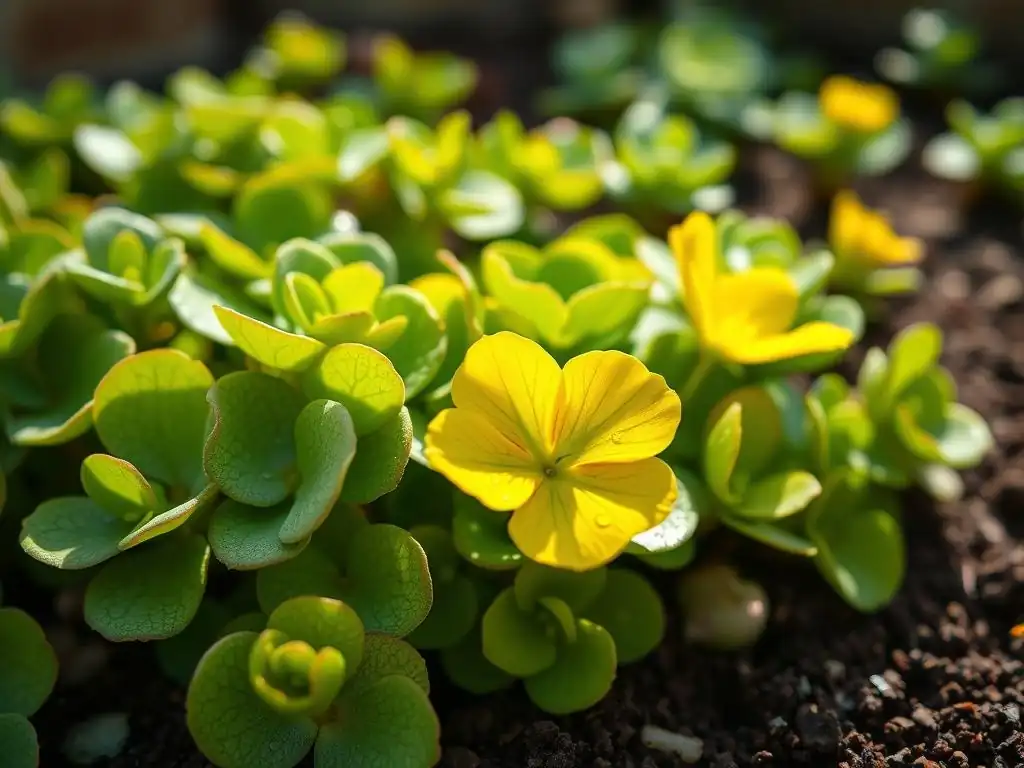
While all members of Portulacaceae share certain characteristics, individual species possess unique features. Portulaca oleracea, commonly known as purslane, is a prime example. Purslane is easily recognized by its succulent, spoon-shaped leaves and its tendency to spread widely, forming a mat-like growth habit. Its small, bright yellow flowers are a defining feature. Unlike some other succulents, purslane thrives in full sun and tolerates even poor soil conditions.
Other notable members of the Portulacaceae family include various Calandrinia species, often boasting showy, cup-shaped flowers in vibrant colors. These plants can vary considerably in size and growth habit, from compact groundcovers to taller, more upright forms. Many Calandrinia species also exhibit succulent leaves, but their leaf shape and flower structure can differ significantly from purslane.
Another genus, Claytonia, includes species that are less succulent than purslane but still share similar floral characteristics. Careful observation of leaf shape, flower structure, and overall growth habit is key to distinguishing between these diverse members of the Portulacaceae family. Understanding these subtle differences allows for tailored care and successful cultivation of each species.
Purslane Succulent Care Guide: Cultivating Portulaca oleracea
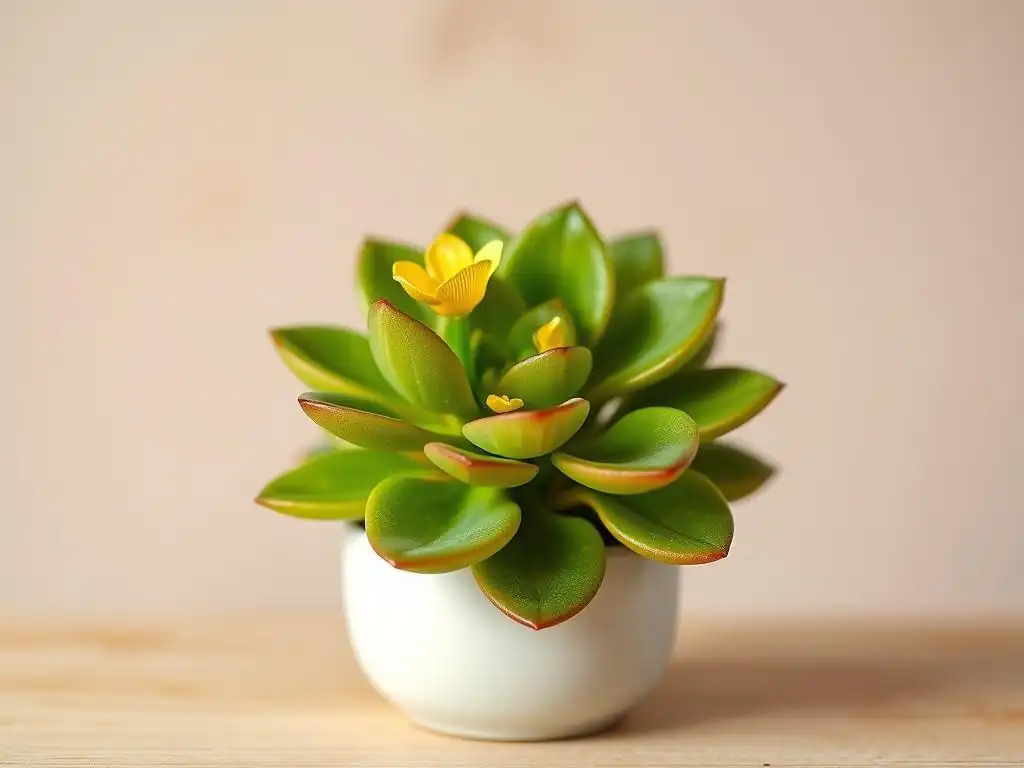
This section delves into the specific care requirements for Portulaca oleracea, commonly known as purslane, a succulent often overlooked but surprisingly rewarding to cultivate. This guide provides a comprehensive approach to purslane succulent care, focusing on light, watering, and soil needs to help you successfully grow this resilient plant. Understanding these aspects is crucial for achieving healthy, thriving purslane, whether you're a seasoned succulent enthusiast or a beginner gardener.
We will explore the nuances of purslane care, moving beyond basic advice to offer practical tips for optimal growth. This detailed Purslane succulent care guide will equip you with the knowledge to cultivate this fascinating member of the Portulacaceae family.
Light Requirements for Optimal Purslane Growth
Purslane thrives in abundant sunlight. Think of it as a sun-worshipper! At least six hours of direct sunlight per day is ideal for robust growth and vibrant coloration. Less light will lead to leggy growth and a pale, less attractive plant. In areas with intense midday sun, some afternoon shade might be beneficial, particularly during the hottest months to prevent scorching. However, the key is to prioritize ample sunlight. Consider the orientation of your garden or the placement of your pots to maximize sun exposure. South-facing locations are generally preferred in the Northern Hemisphere.
Experiment with different light levels to find the sweet spot for your specific environment and purslane variety. Observe your plants closely; signs of insufficient light include elongated stems and a lack of vibrant color. Conversely, signs of too much sun include scorched or wilted leaves. Adjust placement accordingly to ensure your purslane receives the optimal amount of sunlight for healthy growth. Remember, Purslane succulent care isn't just about watering; light plays a crucial role in the overall health and appearance of your plants.
Watering Techniques for Healthy Purslane Plants
Proper watering is essential for healthy purslane. However, unlike many other succulents, purslane tolerates more frequent watering, especially during periods of active growth (spring and summer). The key is to allow the soil to dry out slightly between waterings. Avoid overwatering, which can lead to root rot, a common problem for succulents. Water thoroughly when you do water, ensuring that the water reaches the roots, but avoid letting the plant sit in standing water.
A good rule of thumb is to water when the top inch or two of soil feels dry to the touch. Feel free to check the soil moisture regularly, especially during hot and dry weather. In cooler months (autumn and winter), reduce watering frequency significantly as purslane's growth slows. Overwatering during dormancy is particularly harmful. The frequency of watering will also depend on the type of container you are using; terracotta pots dry out faster than plastic pots. Remember, consistent monitoring and adjusting your watering schedule based on the environmental conditions are key components of effective purslane succulent care.
Soil Composition and Drainage for Purslane
Well-draining soil is paramount for healthy purslane growth. Purslane is susceptible to root rot if its roots sit in soggy soil. A sandy loam mix, amended with perlite or pumice, provides excellent drainage and aeration. This type of soil allows water to flow freely, preventing waterlogging. You can also incorporate other materials to improve drainage and aeration, such as coarse sand or small gravel.
Avoid using heavy clay soils, which retain too much moisture and can suffocate the roots. A good soil mix is crucial for preventing root rot and ensuring the overall health of your purslane plants. Consider the soil's drainage capabilities when selecting a planting location or potting mix. Remember, proper soil composition is a fundamental aspect of successful purslane succulent care, enabling your plants to thrive. A well-draining soil mixture is a critical element in preventing common succulent diseases.
Fertilizing Your Purslane Succulents
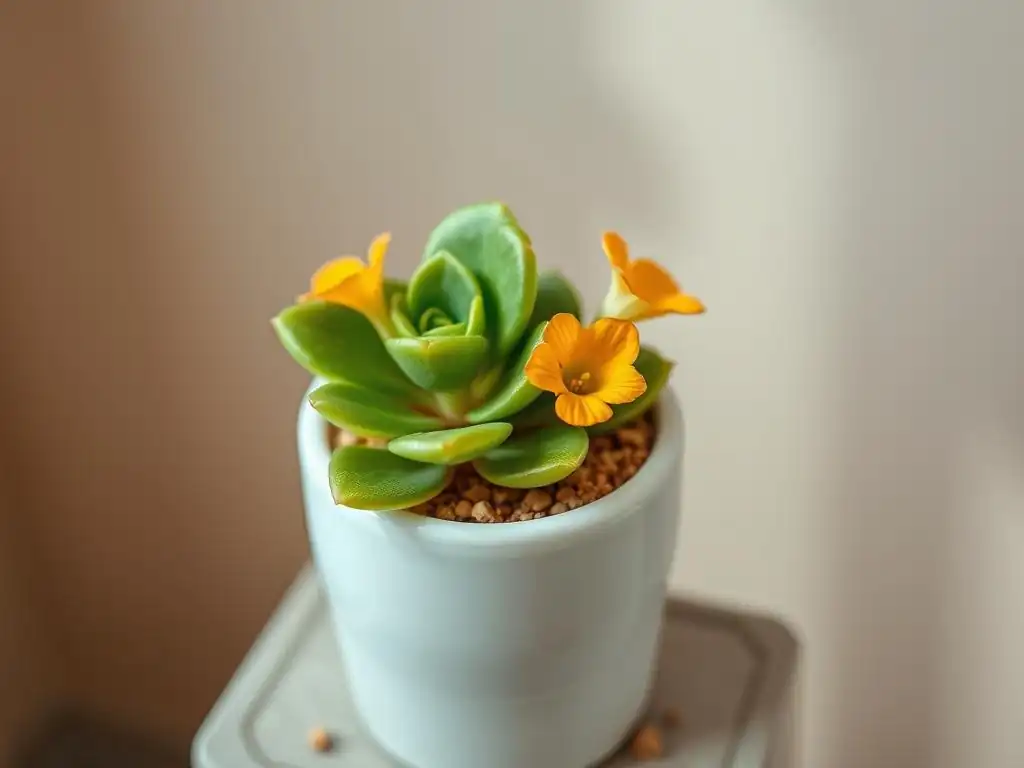
Purslane, while remarkably resilient, does benefit from occasional fertilization, particularly during its active growing season (typically spring and summer). However, it's crucial to avoid over-fertilizing, as this can lead to leggy growth and reduced flowering. Remember, purslane is adapted to nutrient-poor conditions, so it doesn't require a rich diet. A balanced, water-soluble fertilizer diluted to half the recommended strength is ideal.
Apply this diluted fertilizer every 4-6 weeks during the growing season. Avoid fertilizing during the dormant period (typically fall and winter) as the plant's metabolic rate slows down and it won't effectively utilize the nutrients. Over-fertilization during dormancy can even cause root damage. Observe your plants closely; if they appear healthy and vigorous, you might find that fertilization isn't even necessary.
Healthy, vibrant green foliage is a good indicator of adequate nutrient levels. Remember to always follow the instructions on your chosen fertilizer product, paying close attention to dilution ratios. Using a fertilizer specifically formulated for succulents is generally a safe choice, as these are typically lower in nitrogen, preventing excessive leafy growth at the expense of flowering.
Propagation Methods for Purslane: From Seed to Cutting
Purslane is incredibly easy to propagate, making it a fantastic choice for both beginners and experienced succulent enthusiasts. Two primary methods are highly effective: seed propagation and stem cuttings.
Seed Propagation: Purslane readily self-seeds, often producing a profusion of seedlings around the mother plant. You can easily collect these seeds once the seed pods have dried and turned brown. Sow the seeds directly into well-draining soil, lightly covering them with a thin layer of soil. Keep the soil consistently moist (but not soggy) until germination, which typically occurs within a few weeks. Seedlings should be thinned to allow for adequate spacing as they grow. Alternatively, you can start seeds indoors in seed trays several weeks before the last expected frost, transplanting outdoors once the weather warms.
Stem Cuttings: Propagating purslane from stem cuttings is even simpler. Select healthy, non-flowering stems, and cut them into 4-6 inch lengths. Allow the cuttings to callus over for a day or two before planting them in well-draining succulent potting mix. Keep the soil lightly moist until roots develop, which usually takes about 2-3 weeks.
Once rooted, treat the new plants as you would mature purslane. This method is particularly fast and efficient, allowing for rapid expansion of your purslane collection. You'll find that even small stem segments readily root and grow, making it an ideal plant for propagation experiments and sharing with fellow succulent enthusiasts. The ease of propagation, combined with its drought tolerance and vibrant blooms, makes purslane a truly rewarding succulent to cultivate.
Beyond Purslane: Exploring Other Portulacaceae Succulents
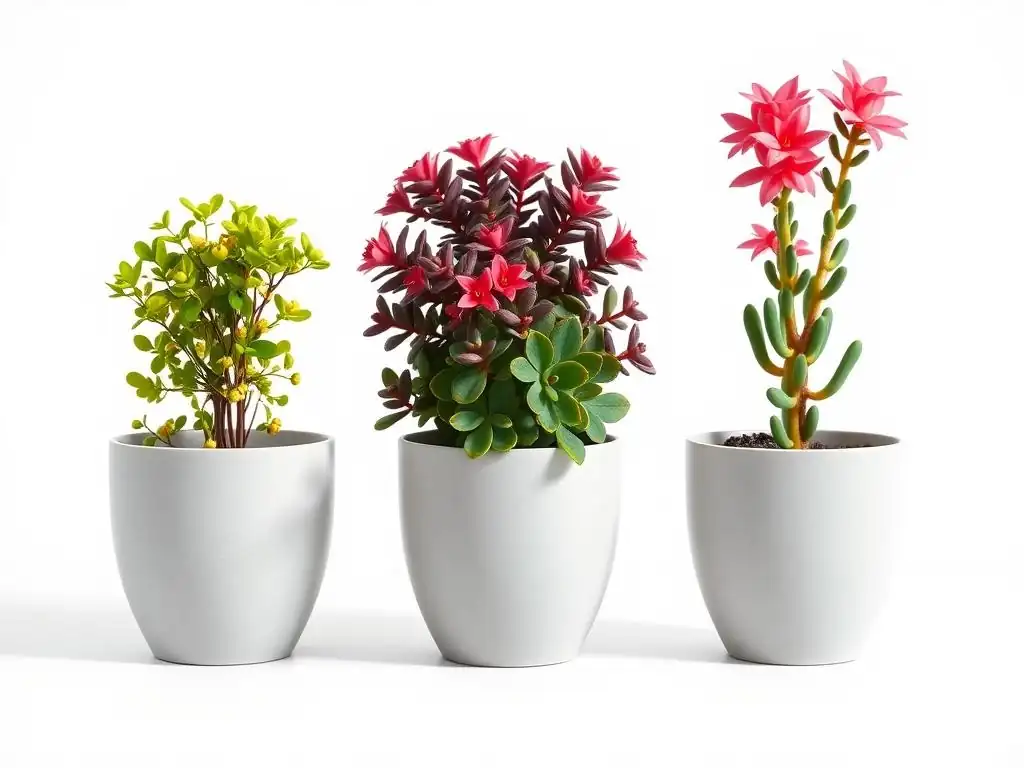
The Portulacaceae family, while prominently featuring the popular purslane ( Portulaca oleracea), encompasses a surprising diversity of succulent species. Understanding the broader family helps cultivate a deeper appreciation for the unique characteristics and care requirements of each genus. This section delves into three notable genera within the Portulacaceae family, providing specific cultivation advice for each. Mastering the care of these diverse succulents will enrich your succulent collection and enhance your understanding of these fascinating plants. Proper Purslane succulent care extends to understanding its relatives as well.
Calandrinia Species: A Guide to Cultivation
Calandrinia species, often called rock purslanes, boast a wide array of colors and forms, adding visual interest to any succulent garden. Many are native to arid regions of the Americas and Australia, making them well-adapted to dry conditions. However, their specific needs vary slightly depending on the species. Generally, Calandrinia thrive in well-draining soil, similar to most succulents. Overwatering is a common pitfall, leading to root rot.
Careful consideration should be given to sunlight exposure. While they appreciate plenty of sunlight, intense midday sun can scorch their delicate leaves. A location with morning sun and afternoon shade is ideal. Propagation is relatively straightforward, with seeds readily germinating in warm, moist soil. Leaf cuttings can also be successful, but require more attention to prevent rot.
Here's a table summarizing some key Calandrinia care aspects:
| Aspect | Recommendation | Notes |
|---|---|---|
| Sunlight | Morning sun, afternoon shade | Avoid intense midday sun to prevent scorching. |
| Watering | Infrequent, allow soil to dry completely | Overwatering leads to root rot. |
| Soil | Well-draining succulent mix | Avoid heavy clay soils. |
| Propagation | Seeds or leaf cuttings | Seeds germinate easily; leaf cuttings require careful attention. |
| Temperature | Warm, frost-sensitive | Protect from freezing temperatures. |
Remember to adjust your watering frequency based on the climate and season. During winter dormancy, water sparingly, if at all.
Claytonia Species: Care and Considerations
Claytonia species, also known as miner's lettuce, present a unique challenge for succulent enthusiasts. While some species exhibit succulent characteristics, their care requirements often differ from those of true desert succulents. Many prefer cooler temperatures and consistently moist, but well-drained soil. This contrasts sharply with the drought-tolerant nature of many other Portulacaceae members.
Unlike Calandrinia, some Claytonia species thrive in partial shade or even dappled sunlight. Direct, intense sunlight can lead to wilting and stress. Propagation is typically achieved through seeds or division. They are generally less tolerant of drought than other succulents in the family, requiring more frequent watering, particularly during periods of active growth. However, stagnant water should always be avoided.
Specific Considerations for *Claytonia*
Pay close attention to soil moisture. The soil should be consistently moist but not soggy. Good drainage is crucial to prevent root rot, even with their higher watering requirements. Observe the plants closely for signs of stress, such as wilting or leaf discoloration, and adjust your care accordingly.
Montia Species: Growing and Maintaining these Unique Succulents
Montia species, often referred to as miner's lettuce or spring beauty, represent another facet of the Portulacaceae family's diversity. Similar to Claytonia, they often prefer cooler, moister conditions than many other succulents. They are not as drought-tolerant and require more consistent moisture. However, they still need well-draining soil to prevent root rot.
Many Montia species are ephemeral, meaning they complete their life cycle within a short period. This requires careful timing for propagation and planting. Seeds should be sown in the fall or early spring, depending on the species and climate. They often self-sow readily, spreading throughout the garden. These plants are generally less challenging than other succulents to grow, but they need consistent moisture and well-draining soil. Overwatering or poorly draining soil will lead to fungal diseases and rot.
This exploration of Calandrinia, Claytonia, and Montia highlights the remarkable diversity within the Portulacaceae family. While purslane provides a familiar entry point, understanding the nuances of related genera deepens one's appreciation for this fascinating group of plants, contributing to a more comprehensive approach to purslane succulent care guide.
Troubleshooting Common Purslane and Portulacaceae Issues
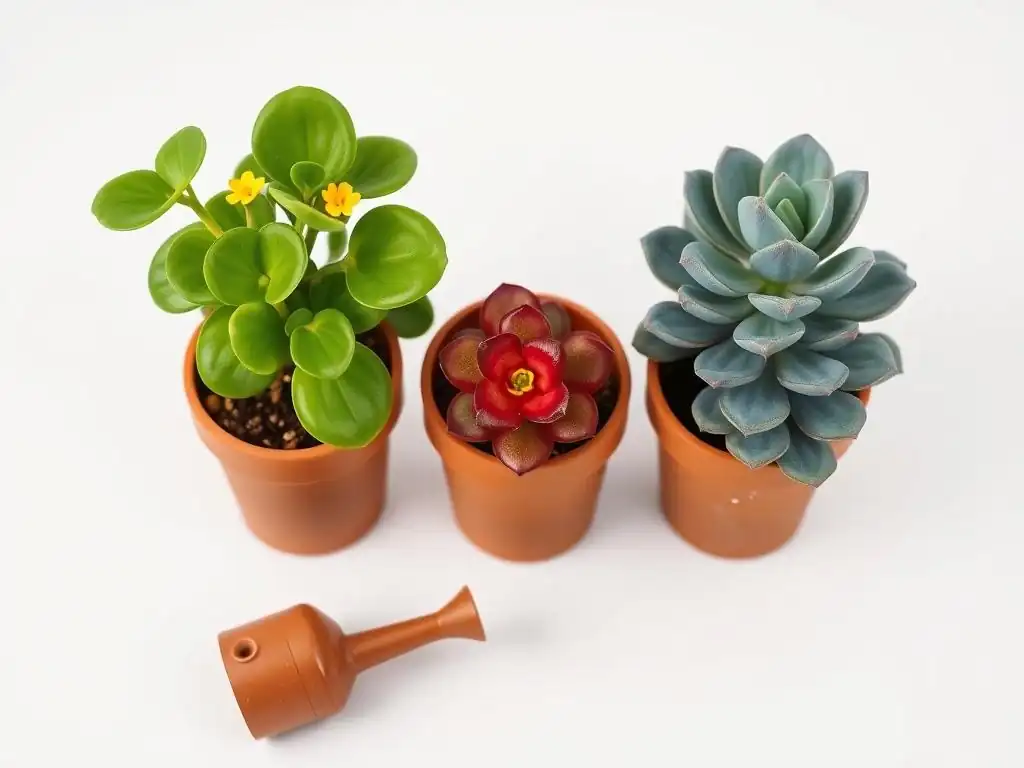
This section delves into the practical aspects of caring for Portulacaceae plants, specifically addressing common issues encountered when cultivating purslane and its relatives. Understanding these challenges and implementing effective solutions is crucial for maintaining healthy and vibrant succulents within this fascinating family. We'll explore both pest and disease management, along with strategies for overcoming typical growth problems. Remember, proactive care is key to preventing many of these issues.
Pest and Disease Management in Portulacaceae
Portulacaceae plants, while generally hardy, are susceptible to certain pests and diseases. Early detection and swift intervention are paramount to preventing widespread damage. Let's examine some of the most common threats:
Common Pests:
- Aphids: These tiny, sap-sucking insects can infest stems and leaves, causing stunted growth and leaf distortion. Regular inspection is vital. Treatment options include insecticidal soap or neem oil applications. Strong water sprays can also dislodge aphids.
- Mealybugs: These cottony-looking insects cluster in leaf axils and along stems. They also suck plant sap, leading to weakened plants. Manual removal with a cotton swab dipped in rubbing alcohol is effective for small infestations. Systemic insecticides may be necessary for larger infestations.
- Spider Mites: These microscopic pests create fine webbing on leaves and cause stippling or discoloration. Regular misting increases humidity, which can deter spider mites. Miticides are available for severe infestations.
Common Diseases:
- Root Rot: Overwatering is the primary culprit behind root rot. This fungal disease causes the roots to decay, leading to wilting and eventual plant death. Well-draining soil and proper watering techniques are essential preventative measures. Affected plants may require repotting into fresh, dry soil.
- Stem and Leaf Blight: This fungal disease causes lesions and discoloration on stems and leaves. Good air circulation and avoiding overhead watering can help prevent this disease. Fungicides may be necessary in severe cases.
Table of Pest and Disease Control Strategies:
| Pest/Disease | Symptoms | Prevention | Treatment |
|---|---|---|---|
| Aphids | Stunted growth, leaf distortion | Regular inspection, strong water sprays | Insecticidal soap, neem oil |
| Mealybugs | Cottony masses on stems and leaves | Regular inspection | Manual removal, systemic insecticides |
| Spider Mites | Fine webbing, stippling, discoloration | Increased humidity, good air circulation | Miticides |
| Root Rot | Wilting, decaying roots | Well-draining soil, proper watering | Repotting in fresh, dry soil |
| Stem and Leaf Blight | Lesions and discoloration on stems/leaves | Good air circulation, avoid overhead watering | Fungicides |
Remember to always follow the instructions on any pesticide or fungicide you use. Prevention through proper cultural practices is always the best approach.
Addressing Common Purslane Growth Problems
Even with optimal care, purslane and other Portulacaceae plants can sometimes experience growth issues. Here are some common problems and their solutions:
- Leggy Growth: Insufficient sunlight is a common cause of leggy growth. Ensure your purslane receives at least six hours of direct sunlight daily. Pruning can help to shape the plant and encourage bushier growth.
- Leaf Drop: Sudden changes in temperature or watering inconsistencies can lead to leaf drop. Maintain a consistent watering schedule and protect your plants from extreme temperature fluctuations.
- Yellowing Leaves: Nutrient deficiencies or overwatering can cause yellowing leaves. Ensure your soil is well-draining and amend it with a balanced succulent fertilizer if necessary. Check for signs of root rot if yellowing is accompanied by wilting.
- Flowering Issues: Lack of sunlight or nutrient deficiencies can hinder flowering. Ensure your plant receives adequate sunlight and is fertilized appropriately during the growing season. Deadheading spent flowers can also encourage more blooms.
By understanding these common problems and implementing the appropriate solutions, you can significantly improve the health and vitality of your Portulacaceae collection, ensuring they thrive and bring you years of enjoyment. Careful observation and prompt action are key to successful purslane succulent care. 🌱
Designing with Purslane and Other Portulacaceae Plants
The Portulacaceae family offers a surprisingly diverse range of succulents for landscaping and container gardening, moving beyond the common purslane ( Portulaca oleracea) to include many visually stunning and surprisingly adaptable species. Understanding their unique characteristics is key to successfully incorporating these plants into your designs. This section focuses on practical applications and design considerations for various Portulacaceae succulents, emphasizing their drought tolerance and vibrant colors. We'll explore how to leverage their characteristics to create visually appealing and low-maintenance succulent gardens. This Purslane succulent care guide section will help you master this aspect of succulent gardening.
Incorporating Purslane into Succulent Arrangements
Purslane, often overlooked as a humble weed, offers a surprisingly versatile element in succulent arrangements. Its vibrant, fleshy leaves and cheerful flowers come in a range of colors, from sunny yellow and fiery orange to delicate pink and deep red. Its trailing habit makes it ideal for spilling over the edges of containers or hanging baskets, creating a lush, cascading effect.
Consider these tips for successfully incorporating purslane into your succulent arrangements:
- Texture and Color Contrast: Purslane's smooth, fleshy leaves provide a beautiful contrast to the rough textures of other succulents like Sedum or Echeveria. Choose companion plants with complementary colors to enhance the overall visual impact. For example, pairing bright pink purslane with silvery-grey Senecio creates a striking combination.
- Sunlight Requirements: Remember that purslane thrives in full sun. Ensure your arrangement receives at least six hours of direct sunlight daily. Insufficient light can lead to leggy growth and fewer flowers.
- Watering: Purslane is highly drought-tolerant. Overwatering is a common mistake that can lead to root rot. Allow the soil to dry out completely between waterings. Remember, this Purslane succulent care guide stresses the importance of proper watering.
- Propagation: Purslane is incredibly easy to propagate from cuttings. Simply snip off a stem, let it callus over for a day or two, and then plant it in well-draining soil. This allows for easy expansion of your purslane within your arrangement or for creating new arrangements entirely.
- Container Choice: Select a well-draining container with drainage holes to prevent waterlogging. Terracotta pots are a good choice as they allow for better air circulation.
Creative Uses for Other Portulacaceae Succulents in Garden Design
While purslane is a popular choice, the Portulacaceae family boasts other attractive succulents suitable for various garden designs. Calandrinia, for example, offers a range of species with vibrant flowers and delicate foliage, perfect for rock gardens or as ground cover. Their low-growing habit and drought tolerance make them ideal for xeriscaping projects – landscaping that minimizes water usage.
Here are some creative ideas for using other Portulacaceae succulents in your garden:
- Rock Gardens: Many Portulacaceae succulents thrive in well-drained, rocky soil, making them perfect additions to rock gardens. Their low-growing habit helps them blend seamlessly into the landscape.
- Ground Cover: Species like Calandrinia can be used as attractive and low-maintenance ground cover, suppressing weeds and preventing soil erosion.
- Container Gardening: Various Portulacaceae succulents look stunning in containers, adding pops of color and texture to patios, balconies, or window boxes. Combine them with other drought-tolerant plants for a low-maintenance arrangement.
- Vertical Gardens: Certain species can be trained to climb or cascade, making them suitable for vertical gardens or hanging baskets. Their vibrant flowers add a splash of color to any vertical space.
By understanding the diverse characteristics of different Portulacaceae succulents and following appropriate Purslane succulent care guide techniques, you can create stunning and sustainable garden designs that require minimal maintenance and maximum visual appeal. Remember to always consider sunlight, watering needs, and soil drainage when planning your designs. Experimentation and observation will help you discover the best combinations for your specific environment and aesthetic preferences.
Frequently Asked Questions
What is a Purslane succulent?
Purslane succulents, belonging to the Portulacaceae family, are known for their thick, fleshy leaves and vibrant flowers. They are incredibly drought-tolerant and thrive in sunny locations.
How much sun does a Purslane succulent need?
Purslanes need at least six hours of direct sunlight daily to flourish. Less sun can lead to leggy growth and fewer blooms. Full sun is ideal.
How often should I water my Purslane succulent?
Water your Purslane only when the soil is completely dry. Overwatering is a common cause of root rot. Allow the soil to dry out thoroughly between waterings.
What type of soil is best for Purslane succulents?
Use a well-draining potting mix specifically formulated for succulents and cacti. Avoid heavy clay soils which retain too much moisture. Amend regular soil with perlite or coarse sand to improve drainage.
How do I propagate Purslane succulents?
Purslanes are easily propagated from leaf cuttings or stem cuttings. Simply allow the cuttings to callus over before planting them in well-draining soil. High humidity is beneficial for propagation.
Final Reflection: Cultivating Resilience: Purslane and the Power of Adaptability
The humble purslane, a seemingly insignificant weed, reveals a surprising resilience mirroring our own capacity to thrive in challenging environments. Its ability to flourish in harsh conditions, from drought to poor soil, offers a powerful metaphor for navigating life's difficulties. This resilience, explored throughout this guide to Portulacaceae cultivation, extends beyond the garden, impacting our understanding of resourcefulness and sustainable living.
The enduring appeal of purslane, and indeed the entire Portulacaceae family, lies not just in their aesthetic beauty but in their inherent strength. They teach us the value of embracing limitations and finding beauty in unexpected places. The greatest glory in living lies not in never falling, but in rising every time we fall.
– Nelson Mandela. This quote perfectly encapsulates the spirit of these tenacious plants and their ability to overcome adversity, a lesson we can all learn from and apply to our own lives.
Consider the lessons learned within these pages: the importance of proper drainage, the surprising adaptability to various climates, and the simple joy of nurturing life from seemingly humble beginnings. Now, I invite you to take this knowledge and cultivate your own resilience. What challenges can you overcome with the same tenacity as a purslane plant? What seemingly barren landscapes can you transform into thriving gardens, both literally and metaphorically? Embrace the power of adaptation, and watch your own life flourish.
Unleash Your Inner Green Thumb: Grow Your Own Purslane Paradise!
Thanks for exploring the wonderful world of purslane with us! You've discovered its beauty, resilience, and fascinating relatives. Ready to put your newfound knowledge into practice?
- Start your own purslane patch: Whether you're planting seeds or cuttings, in a pot on your balcony or a sunny garden bed, nurturing these vibrant succulents is incredibly rewarding. It's a wonderful way to connect with nature.
- Share your succulent story: Tell friends and family about the surprisingly easy-to-grow purslane. Inspire them to cultivate their own green oasis!
- Explore further: Discover more succulent varieties online or at your local nursery. You might be surprised by the unique plants you find!
Ready to transform your space into a thriving succulent haven? How will you incorporate purslane and its relatives into your garden this season?