The Best Succulents for Creating a Unique Wreath
😊 Unleash your creativity with SucculentEssentials.org's guide to crafting stunning, unique succulent wreath ideas! Discover the best succulent varieties for a breathtaking,…
Read article
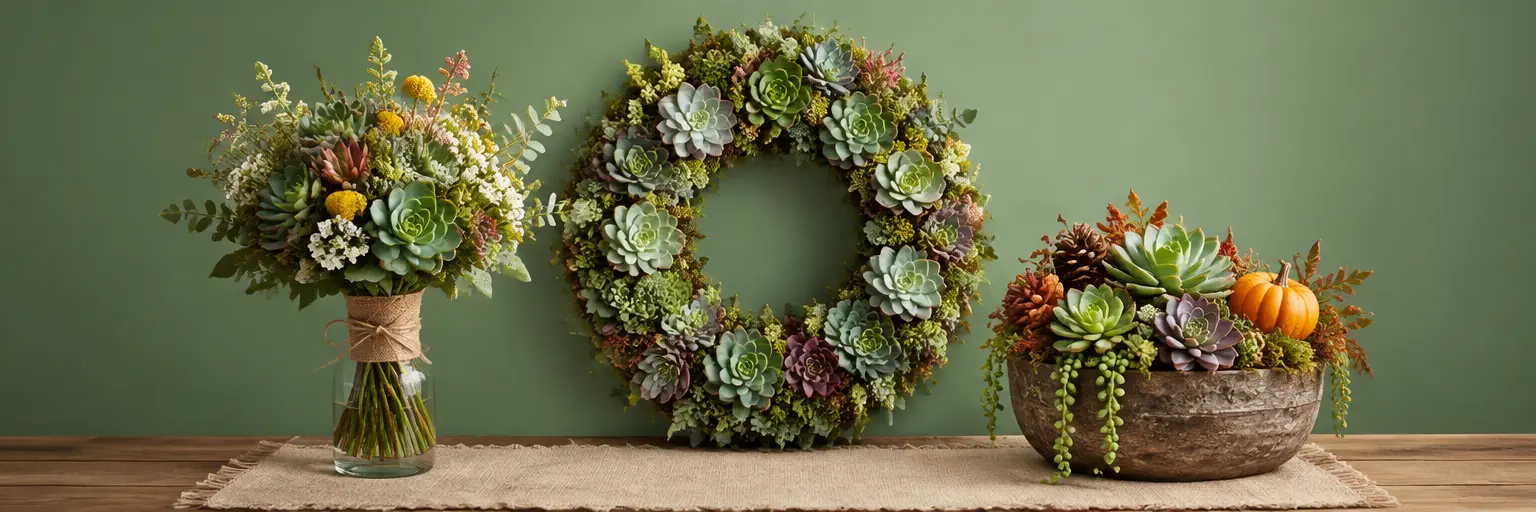
Discover the timeless charm of succulent wreaths, bouquets, and seasonal creations—a fresh twist on living decor that brings sculptural beauty to any space. From lush, low-maintenance wreaths that greet guests at your front door to hand-tied bouquets perfect for weddings, gifts, or centerpieces, these arrangements celebrate the resilient elegance of succulents. Whether you’re crafting for spring, autumn, or winter holidays, our expert guides show you how to blend rosettes, trailing varieties, and colorful accents into long-lasting displays that thrive without constant watering. Ideal for DIY enthusiasts, event planners, and nature lovers, these creations offer endless versatility—dried, living, or preserved—so you can enjoy their textural appeal season after season. Learn the secrets to wiring, soil-free mounting, and care that keeps your designs vibrant for months. Perfect for adding a touch of organic art to your home or making memorable, eco-friendly presents. Explore innovative ideas that transform humble succulents into stunning, drought-tolerant masterpieces, ready to elevate any occasion or interior.
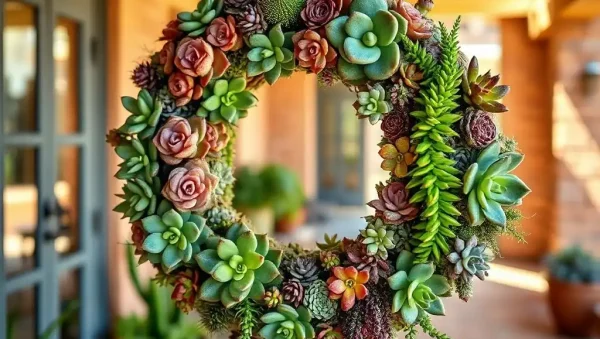
😊 Unleash your creativity with SucculentEssentials.org's guide to crafting stunning, unique succulent wreath ideas! Discover the best succulent varieties for a breathtaking,…
Read article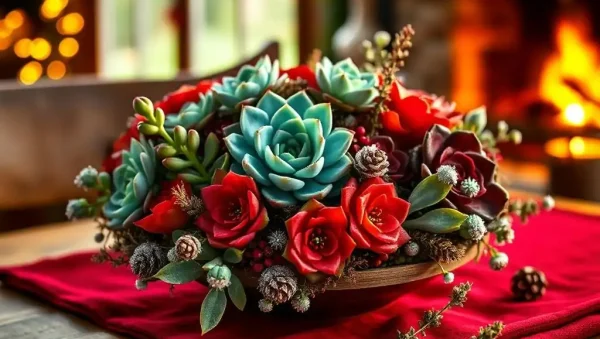
😊 Elevate your holiday décor with stunning succulent arrangements! SucculentEssentials.org offers expert guidance and creative holiday succulent arrangement ideas to impress your…
Read article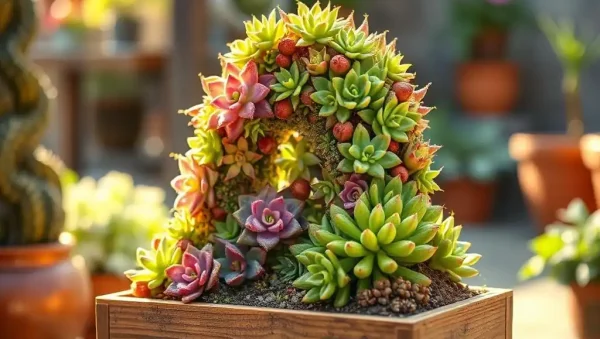
😊 Elevate your home décor with SucculentEssentials.org's guide to crafting stunning DIY succulent monograms! Learn how to create personalized, living art using…
Read article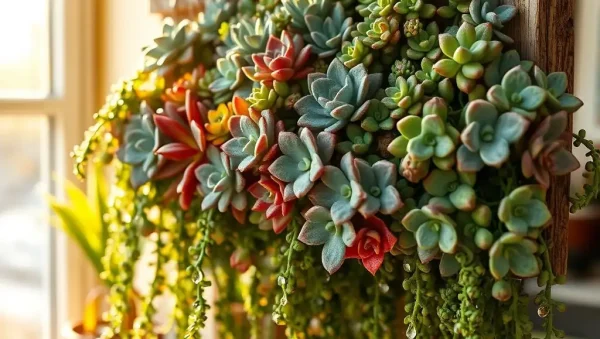
😊Unlock the secrets to a stunning DIY succulent wall hanging! SucculentEssentials.org's expert guide reveals the simple techniques for creating and maintaining a…
Read articleWelcome to the living art gallery of SucculentEssentials.org, where wreaths, bouquets, and seasonal creations transform drought-resistant plants into stunning, long-lasting displays. Unlike cut flowers that fade in days, succulent arrangements thrive for weeks, months, or even years with minimal care. This subcategory explores how to design, assemble, and maintain these botanical masterpieces—from festive holiday wreaths to elegant bridal bouquets and autumn centerpieces. Whether you are a DIY hobbyist or a professional florist seeking sustainable alternatives, these guides offer step-by-step techniques, material lists, and styling tips to elevate your succulent displays in any season.
Creating a succulent wreath is a rewarding project that yields a lush, living circle of color and texture. The key lies in choosing a sturdy base—wire frames wrapped in sphagnum moss or a foam form—and selecting hardy succulents like echeveria, sedum, and sempervivum that tolerate root disturbance. You will learn how to prepare cuttings, arrange them symmetrically or whimsically, and secure them with floral pins or hot glue. These wreaths can grace front doors, garden gates, or interior walls.
Maintenance is simpler than you might think: water by soaking the base thoroughly every 1–2 weeks, ensuring excellent drainage to prevent rot. Hang in bright, indirect light; avoid harsh afternoon sun that can scorch leaves. With proper care, your wreath will root and grow, needing occasional trimming to maintain shape. Our tutorials cover seasonal themes—think pine cones and red sedum for winter, fresh greens and pastel rosettes for spring, and dried grasses for autumn—so you can refresh your décor year-round without starting from scratch.
Succulent bouquets have become a favorite for weddings, anniversaries, and gifting because they offer unmatched durability and symbolism of enduring love. Unlike traditional flowers, these bouquets can be assembled days in advance, eliminating last-minute stress. You will discover how to wire individual rosettes onto floral stems, combine them with filler plants like string of pearls or dusty miller, and wrap handles in burlap or satin ribbon. The result is a dense, sculptural arrangement with architectural interest.
Practical tips include choosing cut-tolerant species such as echeveria, graptopetalum, and aeonium, which remain firm for weeks without soil. Use floral tape and glue generously to secure stems, and mist the foliage lightly before wrapping for hydration. After the event, guests can pot the cuttings to grow new plants—a heartfelt keepsake. Our guides include color palettes (monochromatic greens, blush pinks, deep purples), seasonal availability, and cost-saving techniques for large wedding parties.
From pumpkin-adorned fall centerpieces to Christmas table runners, succulent creations bring organic charm to every festive occasion. This section offers step-by-step projects using seasonal containers like hollowed gourds, birch log vases, or galvanized trays. Pair succulents with seasonal elements—cranberries, cinnamon sticks, or mini ornaments—to evoke warmth and celebration. You’ll learn to balance moisture levels, as succulents prefer dry roots while seasonal props may need humidity.
For holidays, consider a living advent wreath with numbered candles, or a Thanksgiving “cornucopia” overflowing with rosettes and trailing sedums. Easter bunnies, Halloween spiderwebs, and Fourth-of-July red-white-blue displays are all achievable with careful plant selection. Our projects emphasize reusability: after the season, dismantle the arrangement and replant the succulents in pots, making your décor both eco-friendly and budget-smart. Each guide includes time estimates, tool lists, and photography tips to showcase your work on social media.
Mastering propagation is essential for creating lush arrangements without breaking the bank. This section covers leaf cuttings, stem cuttings, and division methods to multiply your succulent stock. You’ll learn when to harvest (spring or early summer), how to dry calluses, and the best soil mix—typically a gritty, well-draining blend of perlite, coarse sand, and potting soil. We also explain how to root cuttings directly in the final arrangement, saving time and reducing transplant shock.
Ongoing care is equally critical. Overwatering is the top killer; we teach you to recognize thirst signals—slightly wrinkled leaves, soft feel—and water deeply but infrequently. Fertilize lightly during the growing season with a balanced, diluted solution. Pests like mealybugs and aphids can be managed with neem oil or insecticidal soap. Our troubleshooting guide addresses common issues such as etiolation (stretching), leaf drop, and fungal rot, ensuring your wreaths and bouquets remain vibrant for many seasons.
Beyond basic assembly, styling elevates your succulent art from craft to gallery piece. This section explores color theory, texture contrast, and scale—pairing spiky aloe with soft rosettes, or trailing vines with upright forms. Learn to create focal points using larger specimens like agave or aeonium, and fill gaps with baby tears or moss. For wreaths, consider asymmetrical designs or mixed-metal bases for a modern twist; for bouquets, experiment with cascading greenery and wired accents.
Display contexts matter: wall-mounted wreaths require different mounting hardware than tabletop centerpieces. We provide ideas for vertical gardens, hanging globes, and repurposed frames. Seasonal transitions can be achieved by swapping accents—ornaments, shells, or berries—without disturbing the living plants. Our styling guides include photography backdrops, lighting suggestions, and social media hashtags to inspire your community. Whether minimalistic or maximalist, these creative approaches ensure your succulent creations become conversation pieces in any home.
Succulent bouquets can last 1–2 weeks out of soil if kept cool and dry. Cut stems store moisture, and leaves retain water well. Mist lightly every 3 days to prevent shriveling, but avoid soaking, which promotes rot. After the display, plant cuttings to regenerate new succulents.
No, standard floral foam retains too much water, causing root rot. Use sphagnum moss, coco coir, or a dry floral foam designed for succulents. The base must allow air circulation and quick drainage to keep roots healthy.
Echeveria, sedum, and sempervivum are ideal due to their compact rosettes, easy rooting, and tolerance for handling. Avoid delicate species like lithops or rare haworthias until you gain experience.
Secure cuttings with U-shaped floral pins, hot glue, or flexible wire. Allow stems to dry for a day before attaching. For heavier rosettes, wrap the base with wire and embed it deep into the moss base.
Yes, but provide bright, indirect light near a south or west window. Rotate weekly for even growth. Water by soaking the base under a faucet, then let it drain completely. Avoid air conditioning vents that dry the air excessively.