Succulent Home Makeover: Transforming Your Space with Plants
😊 Unleash your inner green thumb! SucculentEssentials.org shows you how to effortlessly elevate your home's aesthetic with stunning succulent home decor ideas.…
Read article
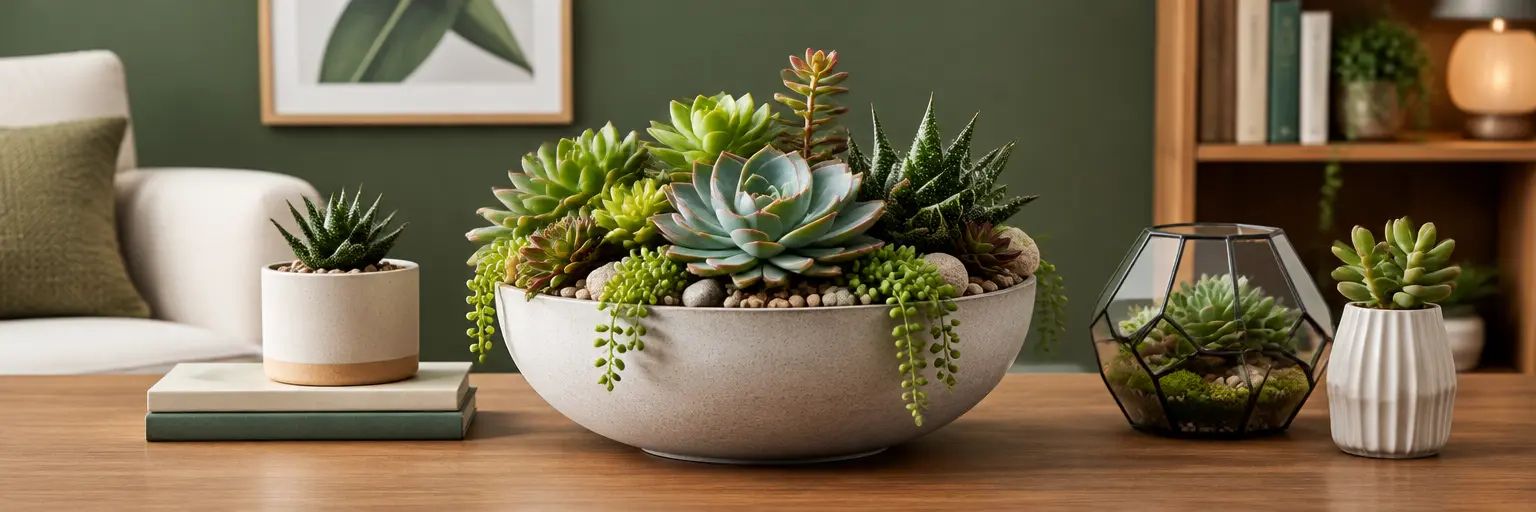
Turn any corner of your home into a living masterpiece with indoor succulent arrangements and decor—a trend that blends low-maintenance beauty with striking, sculptural form. From miniature desert landscapes in glass terrariums to modern wall-mounted vertical gardens, succulents thrive indoors when paired with the right containers, lighting, and creative styling. Discover how to combine echiveria rosettes, trailing string of pearls, and bold agave in ceramic pots, hanging planters, or repurposed vintage finds for a personalized touch. Learn the secrets to layering textures, balancing heights, and choosing drought-tolerant companions that flourish in bright windowsills or under grow lights. Whether you’re a seasoned collector or a curious beginner, these space-saving, air-purifying displays elevate any room—from cozy coffee tables to sleek office shelves—while demanding minimal water and care. Transform your indoor oasis with seasonal accents, fairy garden miniatures, and natural stone toppings that make every arrangement a unique conversation starter. Perfect for gifting or personal joy, our expert tips ensure your succulent decor stays vibrant and healthy year-round.
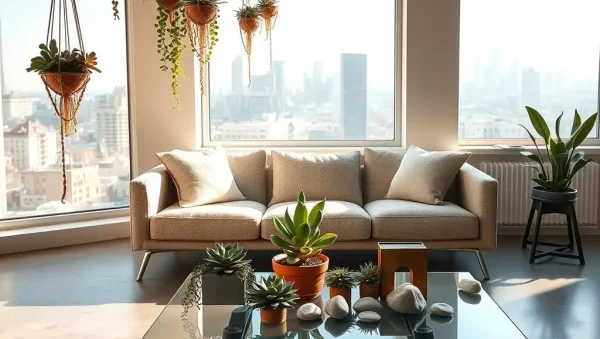
😊 Unleash your inner green thumb! SucculentEssentials.org shows you how to effortlessly elevate your home's aesthetic with stunning succulent home decor ideas.…
Read article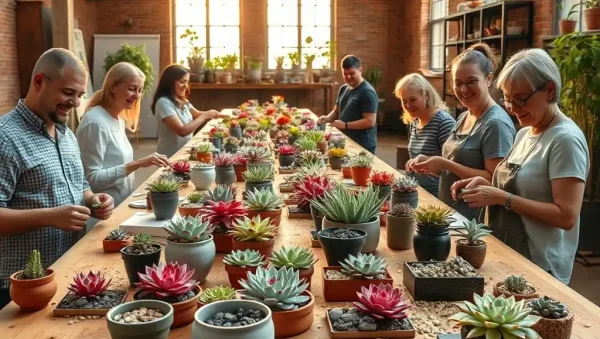
😊 Unleash your inner artist at SucculentEssentials.org's Indoor Succulent Workshops! Learn unique plant design techniques and discover inspiring indoor succulent workshop ideas…
Read article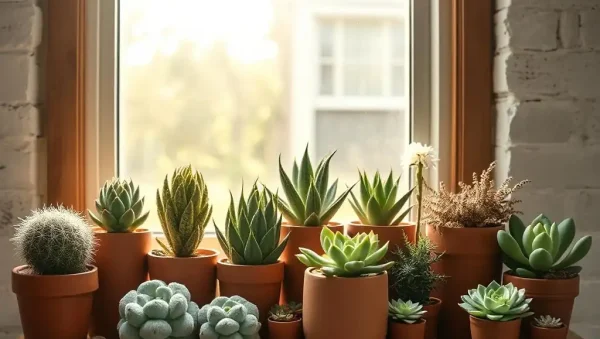
😊 Discover the undeniable charm of succulents as home décor! SucculentEssentials.org reveals why these low-maintenance plants are perfect for creating stunning, best…
Read article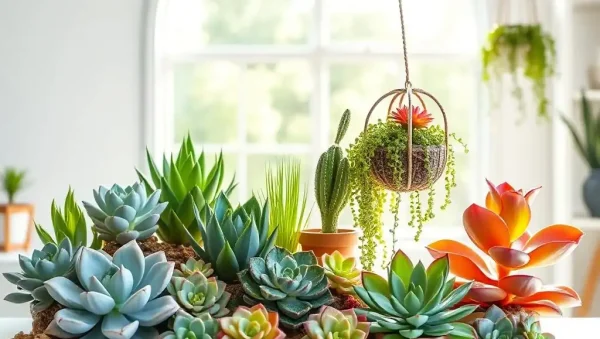
😊 Discover the joy of low-maintenance, stylish living with our guide to the best indoor succulent varieties! SucculentEssentials.org reveals how these resilient…
Read articleWelcome to the Indoor Arrangements and Decor subcategory of SucculentEssentials.org, where we transform the humble succulent into a striking centerpiece for your home or office. Here, you’ll discover how to blend drought-resistant plants with stylish containers, shelves, and artistic displays to create living art that thrives indoors. Whether you’re a seasoned collector or a curious beginner, this guide focuses on practical styling tips, lighting solutions, and maintenance secrets tailored specifically for indoor environments. Expect actionable advice that turns any room into a lush, low-maintenance sanctuary.
Selecting the perfect planter is your first step toward a stunning indoor succulent display. Unlike outdoor pots, indoor containers must balance aesthetics with drainage and airflow to prevent root rot. Look for pots with drainage holes, or use a layered approach with pebbles at the bottom. Materials like ceramic, glass, and terracotta each offer unique benefits—terracotta wicks moisture, while glass showcases root development in a modern terrarium. Consider the scale of your space: small pots work well on desks, while larger statement planters anchor a corner. Decorative cachepots (outer containers without holes) let you repurpose any vessel safely.
For a cohesive look, mix textures and heights—pair a tall, sculptural succulent with trailing varieties in a shallow bowl. Self-watering planters are a game-changer for busy owners, but ensure they never leave soil soggy. When choosing colors, neutral tones like white, gray, or wood grain highlight the plant’s natural hues, while bold metallic or jewel-toned pots add a pop of drama. Always prioritize breathability over pure decoration to keep roots healthy. With the right container, your indoor succulents become functional decor that requires minimal fuss.
Indoor succulents crave bright, indirect light—typically 4-6 hours of morning sun or filtered afternoon rays. South or east-facing windowsills are prime real estate, while north-facing rooms may need supplemental grow lights to prevent etiolation (stretching). Rotate your arrangements weekly to ensure even growth. Temperature matters too: most succulents prefer daytime temps between 70-85°F (21-29°C) and cooler nights around 55-65°F (13-18°C). Avoid placing pots near heating vents, radiators, or air conditioners, as sudden drafts stress plants. For dark corners, invest in LED strip lights that mimic full-spectrum sunlight without generating excess heat.
Humidity is another factor—succulents thrive in dry air, making them ideal for air-conditioned or heated spaces. However, if your room feels clammy (like a bathroom), choose varieties like Haworthia or Gasteria that tolerate higher moisture. Seasonal adjustments are crucial: in winter, reduce watering and possibly move plants closer to windows for weaker light. A simple hygrometer and thermometer help you monitor conditions. By fine-tuning light and temperature, you prevent common issues like leaf burn or soft, mushy growth, ensuring your decor stays vibrant year-round.
Transform any corner into a gallery with vertical shelves, cascading hanging planters, or a DIY terrarium centerpiece. Floating shelves let you group multiple pots at varied heights, creating a dynamic focal point. For a modern twist, mount a living picture frame filled with shallow-rooted succulents like sempervivums—just ensure good drainage and use a mesh backing. Glass terrariums, whether open or closed, offer a mini-ecosystem look; opt for open containers to avoid excess humidity. Window sills can host a colorful line-up of tiny pots, while larger floor-standing plant stands bring greenery to empty corners.
Think beyond the standard pot: repurpose teacups, wooden boxes, or metal tins as quirky containers (add drainage holes first). Grouping succulents with different shapes, colors, and textures—like rosettes, trailing pearls, and spiky aloes—creates visual contrast. For a professional finish, use a neutral soil topper like white pebbles or colored sand. Rotate your arrangements every few weeks to keep all sides getting light. These creative displays not but also spark conversation and inject personality into your decor without heavy care commitments.
Indoor succulents are forgiving, but they follow a seasonal rhythm that affects growth and watering. During the active growing season (spring to autumn), water thoroughly when the top inch of soil is dry—about every 7-14 days depending on pot size and light. In winter, reduce watering to once a month or less, as succulents enter dormancy. Always use room-temperature water and avoid splashing leaves to prevent rot. Fertilize lightly with a diluted cactus formula every 4-6 weeks during growth. Watch for signs of stress: wrinkled leaves mean underwatering, while black spots or mushy stems signal overwatering.
Pruning and propagation keep arrangements tidy and expand your collection. Gently remove dead leaves and offset pups to encourage new growth. If a succulent becomes leggy, cut the rosette and replant it after allowing the cut to callus over. Check weekly for pests like mealybugs or spider mites, treating with neem oil if needed. Repot every 1-2 years to refresh soil and provide room—choose a slightly larger pot only if roots are crowded. By mastering these seasonal shifts, your indoor succulents maintain their compact, colorful form, making decor that’s both beautiful and resilient.
Accessories elevate your succulent arrangement from simple plants to curated art. Natural elements like river stones, driftwood, and seashells add organic texture, while tiny figurines—animals, mushrooms, or geometric shapes—inject whimsy. For a minimalist look, use a single specimen in a matte ceramic pot paired with a stone tray; for maximalist, layer multiple textures and heights. Color coordination is key: match pot colors to your room’s palette or choose contrasting hues for a bold statement. A thin layer of decorative gravel or sand not only retains moisture but also prevents soil from splashing during watering.
Consider the placement context—a desktop arrangement might feature small, tidy pots, while a floor-standing display can incorporate tall plants like Snake Plant or Aloe vera. Use mirrors behind displays to reflect light and create depth. For a cohesive theme, pick a color scheme (e.g., pastel containers with pale green succulents) or a natural look (terracotta with earthy tones). Remember that accessories should never trap water against the plant, so position them above soil or in a top layer. With thoughtful styling, your indoor succulent decor becomes a personal expression that’s easy to maintain and endlessly adaptable.
Water every 7-14 days during active growth, but only when the top inch of soil feels completely dry. In winter, stretch intervals to 3-4 weeks. Always use pots with drainage holes to prevent standing water, and reduce frequency if your space is cool or humid. When in doubt, wait—succulents recover from underwatering faster than overwatering.
Yes, but only with supplemental grow lights. Place LED full-spectrum lights 6-12 inches above plants for 12-14 hours daily. Choose low-light tolerant varieties like Haworthia or Gasteria. Without any light, succulents will etiolate and weaken, so invest in a basic grow lamp to maintain healthy indoor displays.
Easy-to-grow options include Echeveria, Jade plant, Aloe vera, Burro’s tail, and Zebra plant. These tolerate inconsistent watering and moderate light. Avoid delicate species like Lithops or Titanopsis until you’ve mastered basic care. Start with one or two hardy types and gradually expand your collection.
This is a classic sign of insufficient light. Succulents stretch (etiolate) to reach more sunlight, becoming leggy and pale. Gradually move them to a brighter spot or add a grow light. Rotate the pot weekly to ensure even growth. Trim stretched parts and replant the rosette to restore a compact shape.
Root rot occurs from excess moisture. Use an open terrarium (no lid) to allow airflow, and include a drainage layer of pebbles or charcoal at the bottom. Water sparingly—only when soil is bone-dry—and avoid misting. Opt for drought-tolerant species like Sedum or Haworthia that thrive in dry glass conditions.