Master the Art of Terrarium Design and Maintenance
Welcome to the ultimate resource for crafting and caring for self-contained succulent worlds. At SucculentEssentials.org, we blend horticultural science with creative flair, helping you build stunning glass ecosystems that thrive with minimal fuss. Whether you're a beginner seeking your first open-air desert dish or a seasoned collector refining a closed mossy microclimate, this subcategory covers everything from substrate layering and watering schedules to troubleshooting humidity and light. Dive in to transform simple containers into living sculptures—your succulents will reward you with vibrant colors and robust health for years to come.
🌱 Choosing the Right Container and Substrate Layers
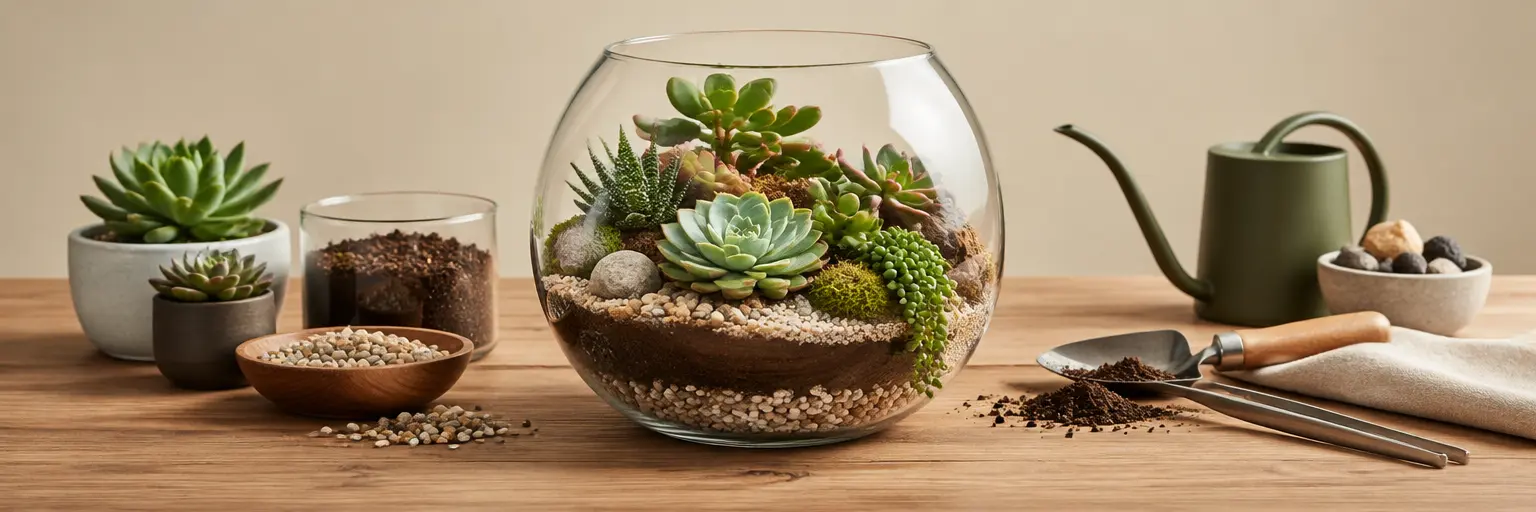
Successful terrarium design begins with the vessel and the ground beneath your plants. You’ll learn to select between open bowls, apothecary jars, and geometric glass boxes, each affecting airflow and moisture retention. Crucially, we break down the classic four-layer system—drainage gravel, activated charcoal, a weed barrier, and a well-draining succulent soil mix—so you can prevent root rot and keep water away from delicate stems. Proper layering isn’t just aesthetic; it’s the difference between a thriving mini-garden and a moldy disaster.
Expect detailed guidance on measuring layer thickness, pre-washing aggregates, and using tools like long tweezers and funnels for tight openings. We also discuss alternatives like sand, perlite, and pumice blends, plus how to create a natural-looking “false bottom” for visual depth. By matching your container’s shape to your chosen succulents, you’ll establish a healthy root zone that supports vigorous growth without constant repotting.
🌿 Selecting Succulents for Terrarium Harmony
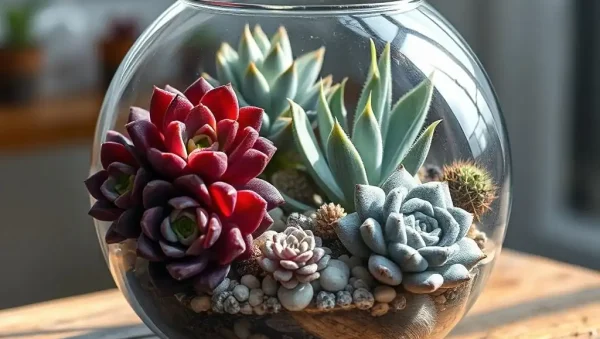
Not all succulents are terrarium-friendly—some crave dry air and bright light, while others tolerate humidity. This section helps you pick the perfect plant palette, focusing on slow-growing varieties like Haworthia, Echeveria, Sempervivum, and Lithops. We explain why trailing sedums and compact aloes work brilliantly, and which desert dwellers (like certain cacti) might struggle in enclosed glass. Compatibility is key: grouping species with similar water and light needs prevents one from outgrowing its neighbors or rotting from excess moisture.
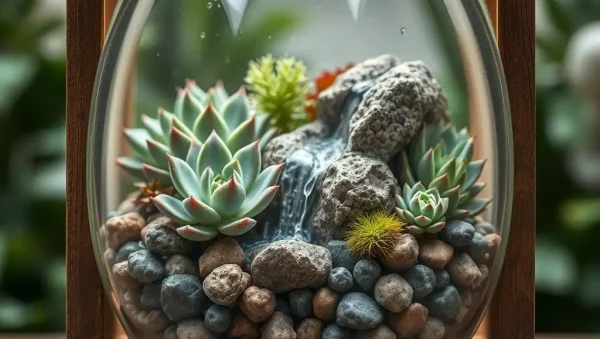
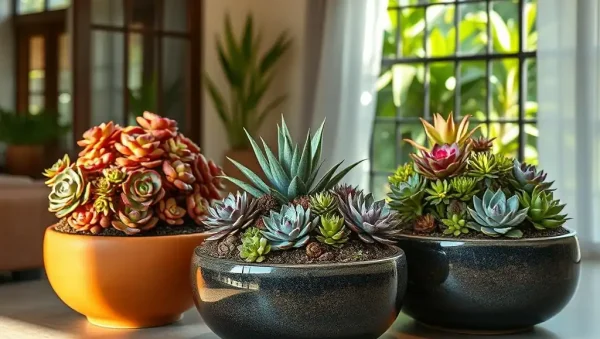
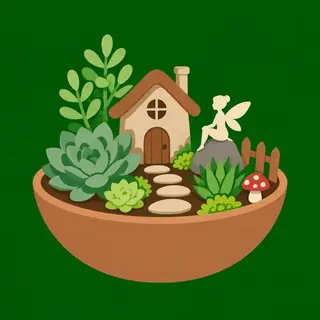
You’ll also learn to balance heights, textures, and rosette patterns for visual interest, plus how to use accent stones, driftwood, or miniature figurines without compromising airflow. We cover quarantine tips for new plants, cleaning roots before planting, and how to arrange them so each has enough room to grow. By the end, you’ll confidently build a mini landscape that looks natural, not crowded.
💧 Watering Techniques for Open vs. Closed Terrariums
Watering is the single most common cause of terrarium failure, but it’s easy to master once you understand your system. For open terrariums, we teach the “soak and dry” method—watering deeply but allowing the top inch of soil to completely dry between sessions. For closed terrariums, we explain how condensation and a self-sustaining water cycle reduce the need for watering to almost zero, with occasional misting only if moss or ferns appear thirsty. Never rely on a schedule; always check soil moisture and leaf firmness instead.
We also discuss common mistakes like overwatering after initial planting, using spray bottles too zealously, and ignoring signs of edema (blisters) or shriveled leaves. You’ll learn to read your terrarium’s microclimate, adjust for seasonal light changes, and even revive a waterlogged setup by removing the lid or replanting. Practical troubleshooting ensures your glass garden stays lush, not swampy.
☀️ Lighting, Placement, and Seasonal Care
Succulents are sun worshippers, but terrarium glass scatters and intensifies light—so placement is critical. We guide you on placing your terrarium near bright, indirect sunlight (e.g., an east-facing windowsill) and avoiding intense afternoon rays that can scorch leaves or cook the enclosed air. For low-light homes, we introduce grow lights and show you how to measure lux with a simple phone app. Rotation matters too; turning your terrarium weekly ensures even growth and prevents lopsided silhouettes.
Seasonal care includes adjusting watering frequency during winter dormancy, moving closed terrariums away from drafty windows, and pruning any overgrowth that touches the glass. We also cover cleaning the container’s interior with a soft cloth or brush to maintain light penetration, plus how to refresh topsoil or replace spent plants without disturbing their neighbors. With our seasonal checklist, your terrarium remains vibrant every month of the year.
🔧 Maintenance, Troubleshooting, and Long-Term Revival
Even the best-designed terrariums need occasional care—yellowing leaves, mold spots, or gnats can appear. Here, we address common issues like overwatering, insufficient drainage, and fungal growth, offering step-by-step solutions from removing affected leaves to repotting the entire arrangement. You’ll also learn how to prune leggy succulents, propagate cuttings from your terrarium, and refresh the top dressing without uprooting healthy roots. Preventive maintenance is simpler than you think: weekly inspections, wiping condensation with a cotton swab, and ensuring proper airflow.
For older terrariums, we detail a “reset” process—gently extracting plants, cleaning the glass, refilling layers, and replanting with fresh soil. We even share tips on upgrading your container as your plants outgrow it, turning a cramped jar into a larger dish. By mastering these maintenance skills, you’ll keep your mini-ecosystem thriving for years, saving money and enjoying endless creative satisfaction.
Frequently Asked Questions
Do succulents need a drain hole in a terrarium?
No, but you must create a false bottom using gravel and charcoal. Water collects in the gravel layer, away from roots. If you use an open container, water less frequently and tilt to pour out excess. A drain hole simplifies things, but it’s not mandatory if you layer correctly and water sparingly.
How often should I water a closed succulent terrarium?
Closed terrariums rarely need watering—maybe once every 2-3 months. Monitor condensation on the glass; if it disappears, mist lightly. Overwatering in a closed system causes rot and mold. When in doubt, skip watering and let the cycle self-regulate.
Can I use regular potting soil for my succulent terrarium?
No, regular potting mix retains too much moisture and suffocates roots. Use a well-draining cactus/succulent blend, ideally mixed with coarse sand, perlite, or pumice. This ensures water flows quickly to the drainage layer, preventing root rot.
Why are the leaves on my terrarium succulent turning yellow?
Yellowing usually signals overwatering, insufficient light, or poor drainage. Check if the bottom leaves are mushy—cut back on watering and improve airflow. Move the terrarium to brighter, indirect light. If roots are rotting, repot with fresh dry soil and trim damaged parts.
How do I clean the inside of my sealed terrarium glass?
Use a long, soft-bristled brush or a cotton swab dipped in a tiny amount of isopropyl alcohol. Gently wipe the interior while avoiding plant leaves. For stubborn mineral stains, a damp cloth wrapped on tweezers works well. Dry with a microfibre cloth to prevent streaks.