Succulent Mixed Beds: The Art of Designing a Succulent Garden for Curb Appeal
😊 Elevate your home's exterior with stunning succulent mixed beds! SucculentEssentials.org shows you how to design a succulent garden for curb appeal,…
Read article
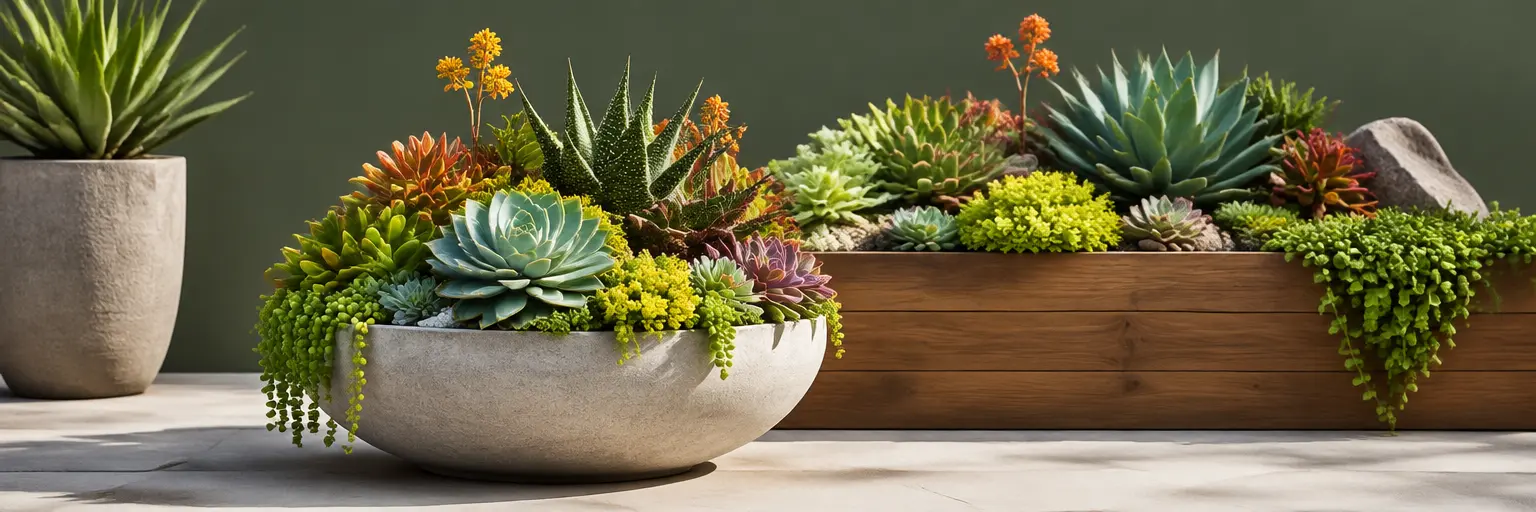
Transform your outdoor spaces with stunning succulent displays that thrive in planters and mixed beds, where hardy, drought-resistant beauties meet creative design. From rustic troughs to modern geometric pots, outdoor planters let you showcase sculptural rosettes, trailing varieties, and bold textures while mixed beds blend succulents with complementary perennials for year-round interest. Perfect for patios, balconies, and garden borders, these arrangements require minimal water yet deliver maximal impact—ideal for busy gardeners or arid climates. Discover how to layer heights, colors, and forms to create eye-catching focal points, and learn tips for drainage, sun exposure, and seasonal care to keep your outdoor display thriving. Whether you’re crafting a cozy container garden or a sprawling ground cover masterpiece, outdoor succulent planters and mixed beds offer endless creativity with low maintenance—all while attracting pollinators and reducing water bills. Dive into inspiring ideas and practical advice to elevate every corner of your landscape with these resilient, gorgeous plants.
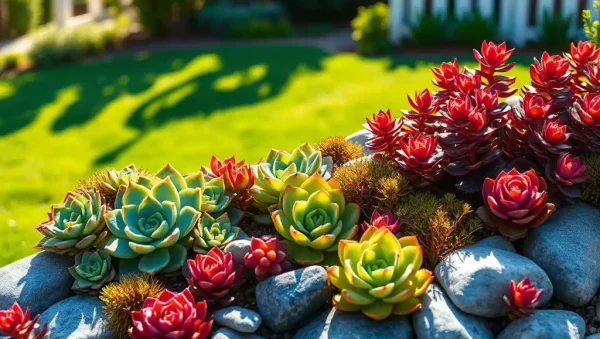
😊 Elevate your home's exterior with stunning succulent mixed beds! SucculentEssentials.org shows you how to design a succulent garden for curb appeal,…
Read article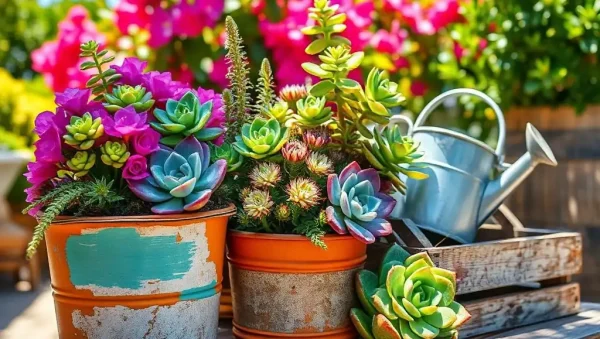
😊 Unleash your creativity with SucculentEssentials.org's guide to crafting stunning DIY succulent garden planters using recycled materials! Learn how to transform everyday…
Read article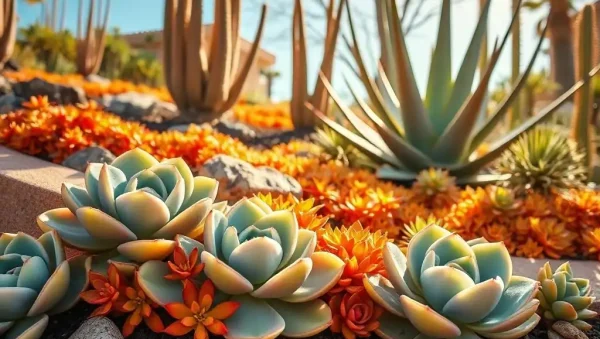
😊 Unleash your creativity with SucculentEssentials.org! Learn to design succulent mixed beds, mastering height and structure for stunning, thriving arrangements. Explore expert…
Read article
🤔 Learn how strategic planting prevents succulent root rot outdoors! SucculentEssentials.org reveals the secrets to crafting thriving mixed succulent beds, ensuring optimal…
Read articleTransform your outdoor space into a living masterpiece with outdoor planters and mixed beds featuring succulents. At SucculentEssentials.org, we guide you through designing resilient, drought-tolerant gardens that thrive in sun, wind, and fluctuating temperatures. Whether you’re a beginner or a seasoned collector, this subcategory covers container selection, soil blends, companion planting, and seasonal maintenance—all tailored to maximize visual impact and plant health. Discover how to blend textures, colors, and heights for a stunning focal point that requires minimal water yet delivers maximum curb appeal.
Selecting the correct planter is critical for outdoor success. Succulents need excellent drainage, so opt for containers with large holes—terra cotta, concrete, or resin pots work well. Unglazed clay allows soil to dry faster, ideal for rainy climates, while glazed ceramic retains moisture longer, perfect for arid zones. Size matters: a pot too large holds excess water, risking root rot, while a snug pot encourages compact growth. For mixed beds, consider raised beds or trough-style planters to create a unified, layered look.
Material choice also influences temperature regulation. Dark plastic absorbs heat, stressing roots in summer, whereas light-colored stone reflects rays, keeping soil cooler. Elevate planters on feet or bricks to improve airflow and prevent waterlogging. Always match pot depth to the succulent’s root system—shallow for echeverias, deeper for agaves. By prioritizing drainage and breathability, you’ll establish a foundation for vibrant, long-lived outdoor arrangements.
Mixed beds combine succulents with other low-water plants like ornamental grasses, sages, and yarrow to enhance biodiversity and aesthetic depth. Pair tall, spiky succulents (e.g., aloe or yucca) with mounding sedums and trailing ‘String of Bananas’ for contrast. Use a palette of silvery blues, deep purples, and lime greens to create visual harmony. Incorporate rocks, pebbles, or driftwood as natural mulch to reduce evaporation and add structure.
For year-round interest, layer plants by bloom time—succulent flowers like ‘Echeveria elegans’ emerge in spring, while sedums burst in late summer. Design with repetition to unify the bed, using clusters of three or five for rhythm. Ensure each plant has enough space to spread without crowding, which can invite pests. A well-planned mixed bed becomes a self-sustaining ecosystem, attracting pollinators while minimizing upkeep—perfect for busy gardeners or eco-conscious homeowners.
Succulents demand gritty, fast-draining soil to avoid root rot. For outdoor planters, blend 2 parts coarse sand, 1 part perlite, and 1 part compost or cactus mix. Avoid standard potting soil, which retains too much water. In mixed beds, amend native soil with pumice or gravel to improve aeration. Test drainage by watering thoroughly—water should flow out within seconds, not pool. Raised beds offer superior drainage, making them ideal for regions with heavy rainfall.
Additionally, top-dress with a layer of fine gravel or crushed granite to insulate roots from temperature swings and suppress weeds. This also prevents soil splashing onto leaves, which can cause rot. Remember that outdoor succulents often face harsher conditions, so the soil must be porous enough to dry between waterings. By prioritizing drainage, you’ll reduce maintenance and promote robust growth, even after downpours or heatwaves.
Outdoor succulents need balanced sunlight—most thrive with 6 hours of morning sun and afternoon shade, especially in hot climates. Observe your garden’s microclimates: south-facing walls radiate heat, while north sides stay cooler. Wind can desiccate leaves, so place planters near fences or use windbreaks. Water deeply but infrequently, allowing soil to fully dry between sessions. In rainy seasons, shield planters with covers or move them under eaves to prevent waterlogging.
Temperature extremes require smart choices. Hardy succulents like sedums and sempervivums tolerate frost, while tender echeverias need insulation or indoor overwintering. Mulch with coarse gravel to regulate soil temperature. Adjust watering frequency: reduce in winter dormancy, increase slightly in summer growth periods. By monitoring environmental stressors, you’ll help your succulents not just survive outdoors, but flourish with vivid colors and firm, healthy leaves.
Create dynamic mixed beds by layering plants at different heights—use tall agaves as anchors, mid-level echeverias as fillers, and low-growing sedums as spilling edges. Textural contrast comes from pairing smooth echeverias with fuzzy kalanchoes or spiky aloe. Incorporate seasonal accents like winter-blooming ice plants or autumn-red sedums to maintain interest year-round. Group pots of varying sizes on stands or benches to add dimension without overwhelming the space.
For container arrangements, follow the "thriller, filler, spiller" formula: a tall focal point (e.g., ‘Blue Chalksticks’), mounding succulents (like ‘Jelly Beans’), and trailing varieties (e.g., ‘Burro’s Tail’) cascade over the rim. Rotate planters seasonally to highlight different blooms. Use complementary pot colors—terra cotta warms green tones, while dark graphite makes silver leaves pop. Thoughtful layering transforms a simple grouping into a professional-looking, low-maintenance display.
Outdoor succulent planters require minimal but consistent care. Inspect weekly for dead leaves, pests like mealybugs, or signs of rot—remove affected parts immediately. Fertilize sparingly with a diluted cactus formula in spring and summer, never in winter. Prune leggy growth to encourage bushiness, and replant overgrown offsets to propagate new plants. Clean pots annually to prevent mineral buildup. In autumn, reduce watering and move frost-sensitive species to sheltered spots.
Repot every 2–3 years to refresh soil and expand roots. For mixed beds, divide clumping succulents to maintain vigor. Use organic mulch to nourish soil gradually. Watch for signs of stress: dull colors indicate overwatering, while shriveled leaves signal thirst. With regular observation and quick action, your outdoor succulent displays will remain healthy and spectacular for years. This low-effort routine makes them perfect for busy plant lovers.
Terra cotta is ideal because it’s porous, allowing soil to dry quickly and preventing root rot. Concrete and resin are also good, but glazed ceramics retain moisture longer—use them only in arid climates. Always ensure large drainage holes and elevate the pot to improve airflow.
Water deeply every 7–10 days during active growth (spring–summer), allowing soil to dry completely between waterings. In winter, reduce to once a month. Adjust based on rainfall—if it rains, skip watering. Check soil moisture with your finger; only water when the top 2 inches feel dry.
Yes, but choose companion plants with similar water needs, like lavender, rosemary, or ornamental grasses. Avoid moisture-loving flowers. Ensure the bed has excellent drainage by amending soil with sand or gravel. This creates a cohesive, low-water garden that thrives together.
Hardy varieties like sempervivums (hens and chicks), sedums (stonecrop), and certain agaves can survive frost down to -20°F. Provide well-draining soil and mulch with gravel. Avoid tender types like echeverias and aeoniums, which need frost protection or indoor overwintering.
This is usually a sign of overwatering or poor drainage, leading to root rot. Stop watering immediately, remove the plant, and trim affected roots. Replant in fresh, gritty soil with better drainage. Ensure the planter has holes—never let water sit in saucers. Reduce frequency and check for prolonged rainfall exposure.