
Ditch the Traditional Lawn: How Succulents Can Create a Unique Yard

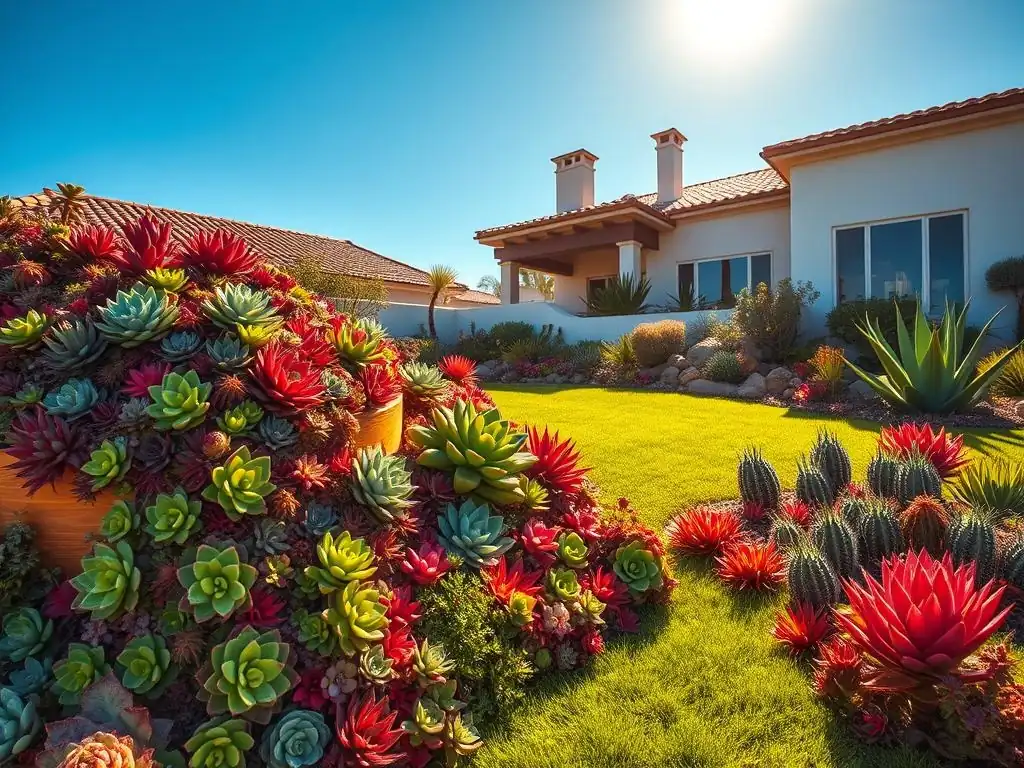
Welcome to SucculentEssentials.org, where the extraordinary world of succulents unfolds! Are you ready to ditch the mundane and embrace the drought-tolerant beauty of a landscape unlike any other? We're diving deep into the captivating realm of succulent landscaping yard ideas, exploring innovative ways to transform your outdoor space into a vibrant, low-maintenance oasis. Prepare to be inspired – your dream succulent-filled yard awaits!
- Why Choose Succulent Landscaping? Benefits of a Low-Maintenance Yard
- Planning Your Succulent Landscape: Design and Preparation
- Planting and Maintaining Your Succulent Yard: A Step-by-Step Guide
- Creative Succulent Landscaping Yard Ideas: Designs and Inspirations
- Maintaining Your Thriving Succulent Yard: Long-Term Care
- Frequently Asked Questions
- Final Reflection: The Blooming Future of Sustainable Landscaping
- Unleash Your Inner Gardener: Craft Your Dream Succulent Oasis
Why Choose Succulent Landscaping? Benefits of a Low-Maintenance Yard
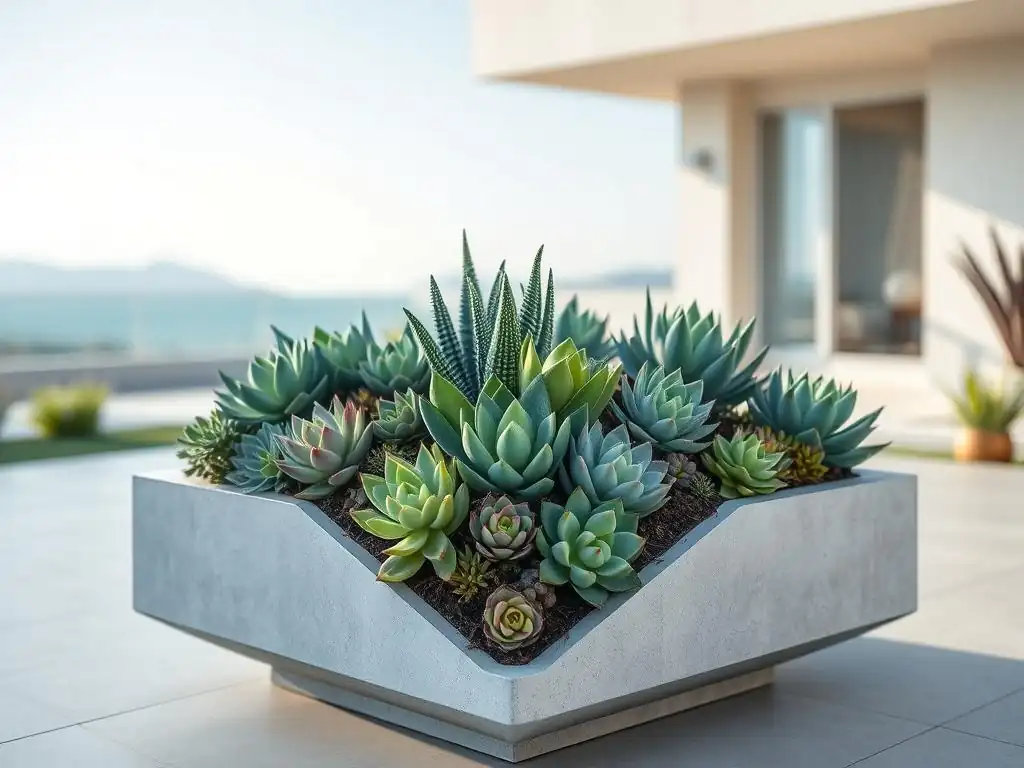
Tired of the endless cycle of mowing, watering, and fertilizing your traditional lawn? Yearning for a landscape that's both beautiful and sustainable? Then consider embracing the unique and rewarding world of succulent landscaping! This article explores the many advantages of replacing your traditional grass with drought-tolerant succulents, creating a stunning and low-maintenance yard that reflects your individual style and commitment to environmental responsibility.
We'll delve into the practical benefits, from drastically reduced water consumption to the minimal maintenance required, while highlighting the aesthetic appeal of a succulent garden, offering you inspiration for your own unique "succulent landscaping yard ideas". This shift towards xeriscaping—the art of creating a water-wise landscape—is not only aesthetically pleasing but also contributes to a more sustainable future. Let's explore how you can transform your yard into a vibrant and thriving succulent oasis.
Reduced Water Consumption: Saving Water with Drought-Tolerant Succulents
One of the most compelling reasons to choose succulent landscaping is its significant contribution to water conservation. Traditional lawns are notoriously thirsty, requiring frequent and substantial watering, especially during dry spells. Succulents, on the other hand, are masters of water retention. Their thick leaves and stems store water, allowing them to thrive with minimal irrigation. This translates to significant savings on your water bill and a reduced environmental impact. In fact, studies show that replacing a traditional lawn with a succulent garden can reduce water usage by up to 80% 70-90% 1 , depending on climate and specific plant choices. This makes succulent landscaping a truly sustainable choice, especially in arid or semi-arid regions. Imagine the satisfaction of enjoying a beautiful yard while actively contributing to water conservation!
1 Note: The exact percentage of water reduction varies greatly depending on climate and specific succulent species used. Further research is needed to provide more precise data for diverse geographical locations.
Minimal Maintenance: Less Time, More Enjoyment with Your Succulent Garden
Beyond water conservation, succulent landscaping offers a significant reduction in maintenance time. Forget the weekly mowing, constant weeding, and the need for frequent fertilization. Succulents are remarkably low-maintenance plants. They require minimal pruning, are relatively pest-resistant, and need less fertilizing than many other types of plants.
This translates to more free time for you to enjoy your beautiful, thriving yard, rather than spending hours tending to it. The time saved can be dedicated to other hobbies, spending time with loved ones, or simply relaxing in your newly created succulent haven. This low-maintenance aspect makes succulent landscaping an ideal choice for busy individuals or those seeking a more relaxed approach to gardening.
Unique Aesthetics: Creating a Striking and Modern Landscape Design
Succulents offer an unparalleled aesthetic versatility. Their diverse shapes, sizes, colors, and textures allow for the creation of incredibly unique and visually striking landscape designs. From sprawling groundcovers to towering statement pieces, succulents can be arranged to create a variety of styles, from minimalist and modern to rustic and whimsical. Their ability to thrive in containers, rock gardens, and vertical gardens adds to their design flexibility.
You can incorporate different textures and colors to create a dynamic and visually engaging space. The possibilities are endless, allowing you to express your personal style and create a truly one-of-a-kind outdoor space. Embrace the artistic potential of succulents and let your creativity flourish! This opens up a world of exciting "succulent landscaping yard ideas" limited only by your imagination.
Increased Property Value: The Appeal of a Unique and Sustainable Yard
Landscaping significantly impacts a home's curb appeal and, consequently, its market value. Traditional lawns, while common, often require extensive maintenance, including frequent mowing, watering, and fertilization. This constant upkeep can be both time-consuming and costly. In contrast, succulent landscaping offers a unique and sustainable alternative that enhances property value in several ways.
Firstly, the visual appeal of a succulent garden is undeniably high. The diverse textures, colors, and forms of succulents create a striking and modern aesthetic that stands out from the uniformity of traditional lawns. This unique landscape design attracts potential buyers who appreciate low-maintenance, visually interesting outdoor spaces. A well-designed succulent garden can be a significant selling point, especially in a competitive real estate market. Real estate agents often highlight unique landscaping features as key selling points, and a low-maintenance, drought-tolerant garden is a highly desirable attribute.
Secondly, the sustainability aspect of succulent landscaping is increasingly valued by environmentally conscious buyers. Succulents require significantly less water than traditional lawns, making them an environmentally responsible choice. This water conservation translates to lower utility bills for homeowners, a factor that is increasingly important to buyers concerned about both their environmental impact and their financial bottom line. The reduced need for pesticides and fertilizers further contributes to the environmental friendliness of succulent gardens, appealing to buyers seeking a healthier and more sustainable lifestyle. This eco-conscious appeal boosts the perceived value and desirability of the property.
Finally, the low-maintenance nature of succulent landscaping translates to long-term cost savings. The reduced need for mowing, watering, and fertilization frees up valuable time and resources. This cost-effectiveness is a significant advantage, particularly for busy homeowners who value their free time.
Potential buyers recognize the long-term financial benefits of a low-maintenance landscape, adding to the overall perceived value of the property. The reduced need for ongoing landscape maintenance is a significant selling point in today's market, attracting buyers looking for a more relaxed and less demanding lifestyle. In short, a thoughtfully designed succulent garden can significantly increase a property's value by combining aesthetic appeal, environmental responsibility, and long-term cost savings.
Planning Your Succulent Landscape: Design and Preparation
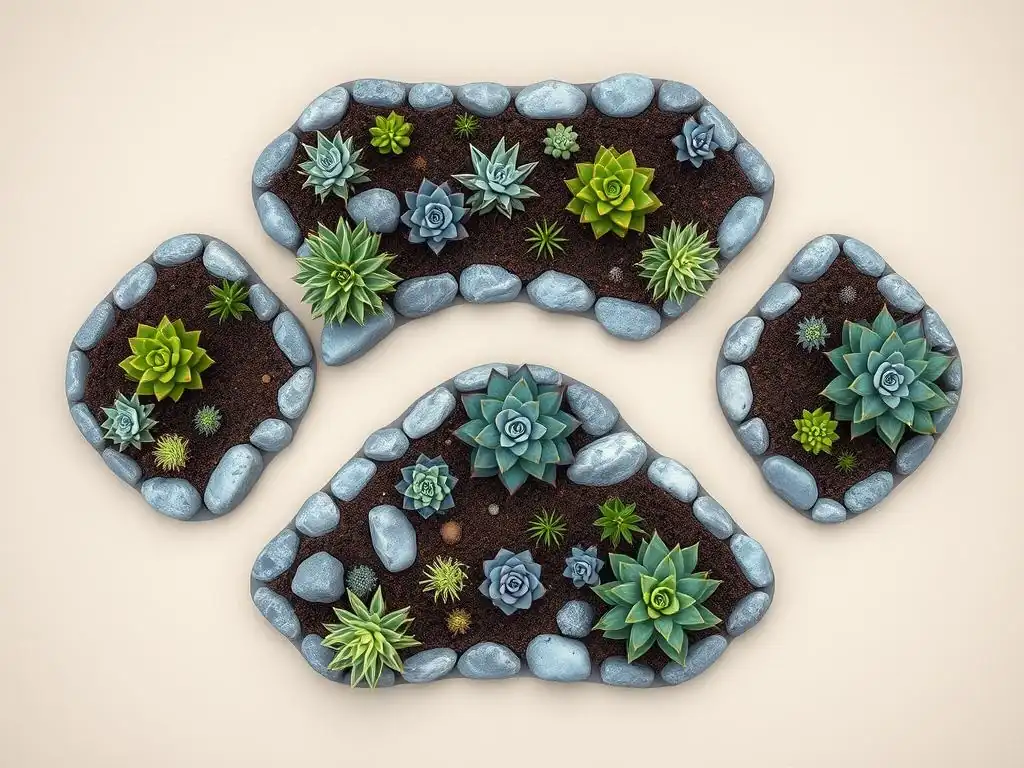
This section focuses on the crucial initial steps for creating a thriving and visually stunning succulent landscape. Careful planning ensures your succulent garden flourishes, minimizing the need for extensive maintenance and maximizing its aesthetic appeal. Remember, successful succulent landscaping involves more than just planting; it's about understanding your yard's unique characteristics and selecting the right plants for optimal growth. Let's delve into the key aspects of planning.
Assessing Your Yard: Sunlight, Soil, and Space Considerations
Before you even think about purchasing succulents, a thorough assessment of your yard is paramount. This involves understanding three key factors: sunlight exposure, soil composition, and available space.
Sunlight is crucial for succulent health. Most succulents thrive in at least six hours of direct sunlight daily. Observe your yard throughout the day, noting areas that receive full sun, partial shade, and full shade. This will determine where specific succulent varieties can be successfully planted. For instance, Sedum species generally tolerate full sun, while Echeveria might prefer some afternoon shade.
Soil composition plays a vital role. Succulents prefer well-draining soil that prevents waterlogging, a common cause of root rot. Amend heavy clay soils with organic matter like perlite or coarse sand to improve drainage. Conduct a simple soil test to determine its pH level; most succulents prefer slightly alkaline soil (pH 6.0-7.5). Consider adding crushed granite or other inorganic materials to improve drainage further.
Finally, assess the available space. Measure the area you intend to landscape and consider the mature size of the succulents you plan to use. Smaller succulents are ideal for borders or containers, while larger varieties can serve as focal points. Don't overcrowd your planting area; succulents need space for proper air circulation to prevent fungal diseases. Sketching a rough layout on paper can help visualize the final design and ensure sufficient spacing. Remember to account for pathways and other design elements.
Choosing the Right Succulents: Variety, Color, and Texture Selection
Selecting the right succulents involves considering their variety, color, and texture to create a visually appealing and thriving landscape. The vast diversity of succulents allows for endless creative possibilities.
Consider the variety of shapes, sizes, and colors available. From the rosette forms of Echeveria to the trailing stems of Sedum morganianum, a mix of textures and shapes adds depth and interest. Choose succulents with varying colors, incorporating greens, blues, purples, and reds for a vibrant palette. Consider incorporating plants with different flowering periods to ensure continuous blooms throughout the year.
Texture is another critical aspect. Some succulents have smooth, waxy leaves, while others have fuzzy or spiky leaves. Combining these different textures adds visual interest and complexity to your design. Remember to research the specific needs of each succulent you choose, ensuring they are compatible with your yard's conditions. A well-researched selection minimizes the risk of plant loss and maximizes the aesthetic appeal of your succulent garden. A diverse selection also increases resilience against potential pests and diseases.
Designing Your Layout: Creating a Visually Appealing Succulent Garden
The layout of your succulent garden significantly impacts its overall aesthetic appeal. Careful planning ensures a cohesive and visually engaging design.
Start by sketching a preliminary design, considering the size and shape of your planting area. Use different symbols or abbreviations to represent various succulent types and sizes. Consider incorporating different design elements like curves, spirals, or geometric patterns to enhance visual interest. Think about creating focal points using larger, more striking succulents, and using smaller ones as fillers or borders.
Creating visual flow is essential. Guide the eye through the garden using pathways, stepping stones, or strategically placed rocks. Consider contrasting textures and colors to create visual interest and avoid monotony. Remember, less is often more.
A well-planned and thoughtfully executed design can create a stunning succulent landscape without appearing cluttered or overwhelming. Use your sketch as a guide, but be flexible and adapt your design as you go, incorporating unexpected elements or adjusting for the specific needs of your chosen plants. Consider using a variety of heights and shapes to add depth and dimension to your succulent garden, creating a visually captivating and sustainable landscape feature.
Preparing the Soil: Ensuring Proper Drainage and Soil Composition
Proper soil preparation is paramount for a thriving succulent landscape. Succulents, unlike many lawn grasses, are highly susceptible to root rot caused by overly moist soil. Therefore, ensuring excellent drainage is the cornerstone of successful succulent landscaping. This involves more than just choosing the right soil mix; it requires careful consideration of the existing soil conditions and potential modifications.
One crucial step is assessing your existing soil. Is it primarily clay, sandy, or loamy? Clay soils, notorious for retaining water, require significant amendment to improve drainage. Adding substantial amounts of organic matter, such as compost or well-rotted manure, can help break up the clay particles and create air pockets, thus improving drainage and aeration.
Conversely, sandy soils, while well-draining, may lack the necessary nutrients to support healthy succulent growth. Adding peat moss or coco coir can improve water retention and provide essential nutrients. Loamy soils, a happy medium, often require less amendment but still benefit from the addition of coarse materials to further enhance drainage.
The ideal soil composition for succulents is a well-draining, gritty mix. A common recipe involves combining equal parts potting soil, coarse sand (not fine beach sand), and perlite or pumice. These coarse materials provide excellent aeration and drainage, preventing the soil from becoming waterlogged. You can also incorporate other amendments, such as crushed gravel or horticultural charcoal, to further improve drainage and prevent fungal diseases.
Remember, the goal is to create a soil that drains quickly and efficiently, preventing water from sitting around the succulent's roots. Avoid using garden soil directly, as it’s often too dense and retains too much moisture. A well-prepared soil mix is a significant investment that will pay dividends in the long-term health and beauty of your succulent landscape.
Consider testing your soil's pH as well. Most succulents prefer a slightly acidic to neutral pH (6.0-7.0), and amendments can be added to adjust if needed. A soil test kit can provide valuable insights into your soil's composition and help you tailor your soil preparation strategy for optimal results.
Planting and Maintaining Your Succulent Yard: A Step-by-Step Guide
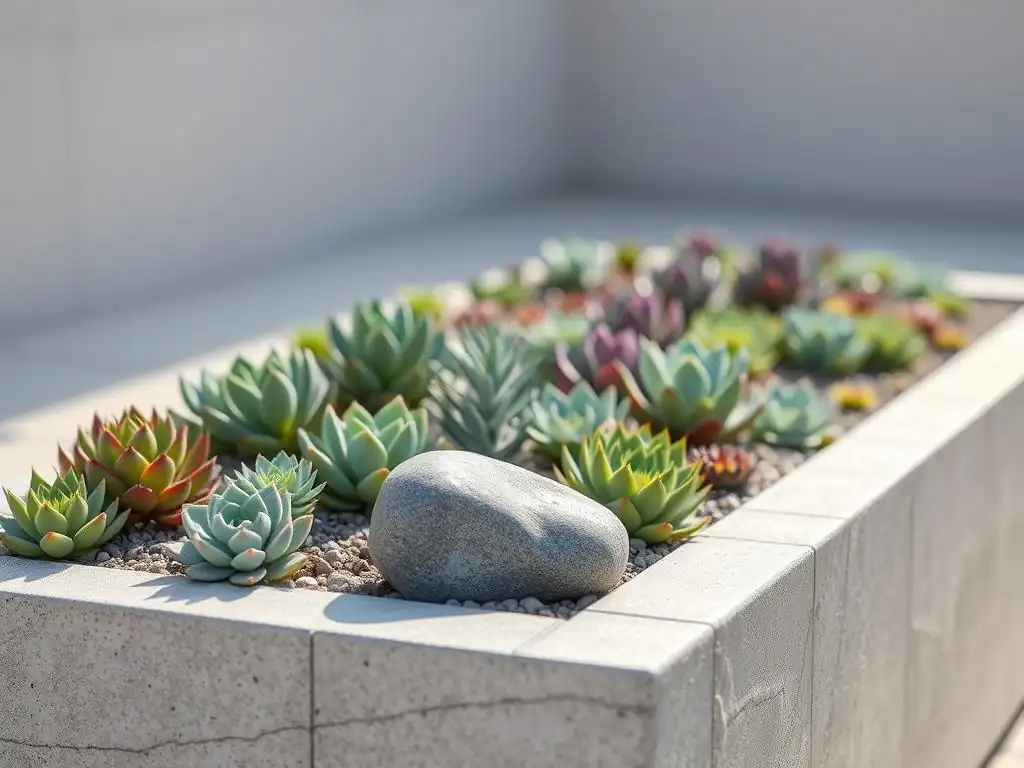
This section provides a practical, step-by-step guide to establishing and maintaining a thriving succulent landscape in your yard. We'll cover everything from initial site preparation to ongoing care, ensuring your succulent garden flourishes for years to come. Remember, successful succulent landscaping hinges on careful planning and consistent, yet mindful, maintenance. This approach minimizes water usage, aligning perfectly with xeriscaping principles and sustainable gardening practices.
Preparing the Planting Area: Removing Grass and Weeds
Before you even think about planting your succulents, proper site preparation is crucial for succulent landscaping yard ideas success. Existing grass and weeds compete with your succulents for resources, hindering their growth and potentially leading to disease. Thorough removal is essential.
Several methods exist, each with its own pros and cons:
- Manual Removal: This is the most labor-intensive but environmentally friendly option. Use a garden trowel or hand cultivator to carefully dig out grass and weeds, ensuring you remove the entire root system. This prevents regrowth and is particularly effective for smaller areas. Be patient and meticulous; rushing this step will only lead to future problems.
- Solarization: For larger areas, solarization can be a highly effective method. This involves covering the area with clear plastic sheeting for several weeks during the hottest part of the summer. The heat trapped beneath the plastic kills weeds and grass through thermal destruction. Remember to thoroughly water the area before covering it to promote weed growth, maximizing the effectiveness of the process.
- Herbicides: Chemical herbicides can offer a quick solution, but they are not environmentally friendly and should be used cautiously, following all instructions carefully. Consider the potential impact on beneficial insects and groundwater before opting for this method. Always choose a herbicide specifically designed for pre-emergent weed control.
Remember to always wear appropriate safety gear, including gloves and protective eyewear, when working with any method. Once the area is clear, loosen the soil to improve drainage and aeration – crucial factors for succulent health. This well-prepared bed will provide an optimal environment for your succulents to thrive, maximizing the aesthetic appeal of your succulent landscaping yard ideas.
Planting Your Succulents: Spacing and Depth Considerations
Proper spacing and planting depth are critical for the long-term health and beauty of your succulent landscape. Cramming succulents together can lead to overcrowding, hindering air circulation and increasing the risk of fungal diseases. Conversely, spacing them too far apart can leave unsightly gaps.
The ideal spacing depends on the mature size of each succulent species. Smaller varieties can be planted closer together, while larger ones require more space. Consult plant labels or online resources for specific spacing recommendations for each type of succulent you choose. A well-spaced arrangement ensures each plant receives adequate sunlight and air circulation, contributing to a healthy, visually appealing succulent landscaping yard ideas design.
When planting, dig a hole slightly larger than the succulent's root ball. Avoid planting too deeply; the base of the stem should be level with the soil surface. Planting too deep can lead to root rot, a common problem for succulents. Gently place the succulent in the hole, backfill with soil, and gently firm it around the base. Avoid compacting the soil too tightly, as this can restrict root growth. Remember, proper planting techniques are fundamental to the success of any succulent landscaping yard ideas project.
Watering Your Succulents: Proper Watering Techniques for Healthy Growth
Succulents are drought-tolerant, but they still need water to survive and thrive. Overwatering is a common mistake that can lead to root rot and plant death. Underwatering, on the other hand, can cause the succulents to become stressed and lose their vibrant color. Finding the right balance is key.
The best approach is to water deeply but infrequently. Allow the soil to dry out completely between waterings. This encourages deep root growth and helps prevent root rot. The frequency of watering will vary depending on factors such as climate, soil type, and the size and type of succulents. During hot, dry periods, you may need to water more frequently, but during cooler, wetter months, you can reduce watering.
Consider using a soaker hose or drip irrigation system to deliver water directly to the root zone, minimizing water loss through evaporation. Avoid overhead watering, as this can lead to fungal diseases. Observe your succulents carefully; if they appear shriveled or limp, they likely need water. However, avoid overreacting; only water when truly necessary. Remember, consistent observation and mindful watering are crucial for the long-term success of your succulent landscaping yard ideas. Proper watering, alongside thoughtful plant selection and placement, ensures the vibrant beauty and longevity of your succulent garden.
Ongoing Maintenance: Weeding, Fertilizing, and Pest Control
Maintaining a thriving succulent landscape requires consistent, yet relatively low-maintenance, care. Weeding, fertilizing, and pest control are key components of this ongoing process. Neglecting these aspects can lead to unhealthy plants, unattractive aesthetics, and a decline in the overall health of your succulent garden.
Regular weeding is crucial. Succulents, while drought-tolerant, often compete with weeds for resources like water and nutrients. Weeds can also harbor pests and diseases that can quickly spread to your precious succulents. Manual weeding is generally preferred, as herbicides can harm your succulents. Be careful to remove weeds completely, including their roots, to prevent regrowth. Consider using a hand trowel or weeding fork for easier removal, especially around smaller succulents. Frequent, smaller weeding sessions are more effective than infrequent, large-scale weed removal. This prevents weeds from becoming deeply established and overwhelming your succulents.
Fertilizing your succulents should be done sparingly and strategically. Unlike many other plants, succulents don't require frequent feeding. Over-fertilizing can actually harm them, leading to root burn and other problems. A balanced, slow-release fertilizer specifically formulated for succulents is recommended. Apply fertilizer only during the growing season (typically spring and summer), following the instructions on the packaging carefully. Remember, less is more when it comes to succulent fertilization. Observe your plants closely; if they appear healthy and vigorous, they likely don't need additional fertilizer. Signs of over-fertilization include rapid, leggy growth and discoloration of the leaves.
Pest control is another important aspect of maintaining your succulent landscape. Common succulent pests include mealybugs, aphids, and scale insects. Regularly inspect your plants for signs of infestation, such as unusual spots, discoloration, or the presence of insects themselves. Early detection is key to effective pest control. For minor infestations, you can often remove pests manually with a cotton swab dipped in rubbing alcohol.
For more severe infestations, consider using insecticidal soap or neem oil, ensuring to follow product instructions carefully. Always prioritize environmentally friendly methods whenever possible, minimizing the use of harsh chemicals. Maintaining a healthy and vigorous succulent garden through proper watering and sunlight will naturally help deter pests. A strong plant is less susceptible to pest infestations.
Creative Succulent Landscaping Yard Ideas: Designs and Inspirations
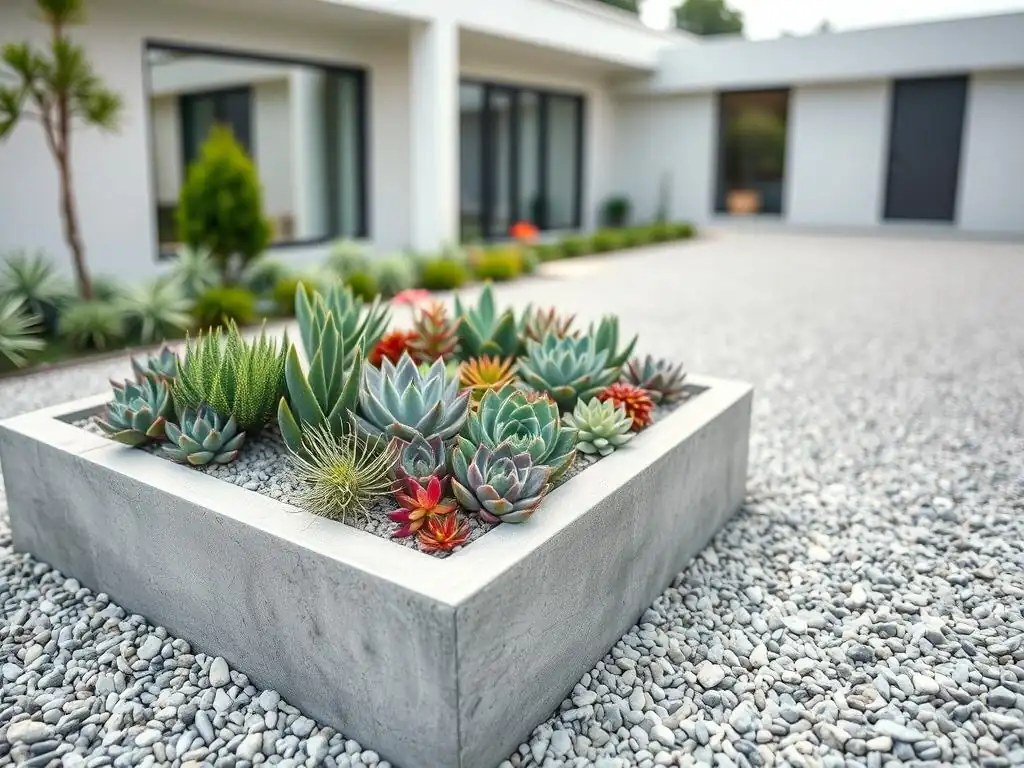
This section explores innovative and visually stunning ways to incorporate succulents into your yard design, transforming your outdoor space into a low-maintenance, drought-tolerant haven. We'll delve into specific design concepts that leverage the unique characteristics of succulents to create breathtaking landscapes. The key is to think outside the box and embrace the inherent beauty and versatility of these resilient plants. Remember, successful succulent landscaping hinges on proper plant selection and thoughtful placement to ensure their long-term health and vibrancy. Let's explore some exciting possibilities for your "succulent landscaping yard ideas."
Rock Garden Integration: Blending Succulents with Natural Stone Features
Integrating succulents into a rock garden offers a naturally beautiful and low-maintenance landscaping solution. The combination of drought-tolerant succulents and the rugged texture of rocks creates a visually striking contrast, perfect for a xeriscape design. The key is to choose succulents that thrive in well-drained, rocky soil. Sedums, sempervivums (hens and chicks), and echeverias are excellent choices for this type of environment.
Consider the size and scale of your rock garden when selecting succulents. Larger succulents can serve as focal points, while smaller varieties can fill in gaps and create texture. Varying heights and colors will enhance the visual appeal. For instance, a grouping of taller sedums could frame a central cluster of low-growing echeverias.
Don't forget to incorporate different stone types and sizes for added visual interest. Remember to amend the soil with additional drainage materials like gravel or pumice to ensure proper drainage. Careful planning and thoughtful placement will result in a stunning and long-lasting rock garden that showcases your succulents to their best advantage. This approach perfectly embodies sustainable "succulent landscaping yard ideas."
Container Gardening with Succulents: Versatile Options for Small Spaces
Container gardening offers unparalleled flexibility for incorporating succulents into even the smallest yards. This method is particularly useful for those with limited space or challenging soil conditions. A wide array of containers – from terracotta pots and ceramic planters to repurposed items like old buckets and troughs – can be used to create unique and eye-catching displays.
The beauty of container gardening lies in its adaptability. You can easily rearrange containers to change the look of your yard throughout the seasons or to accommodate the growth of your succulents. Furthermore, containers provide excellent drainage, a crucial factor for succulent health. When choosing containers, consider their size, material, and drainage capabilities.
Terracotta pots, for instance, are porous and allow for good airflow, while glazed ceramic pots may require additional drainage holes. Experiment with different sizes and shapes to create a visually interesting arrangement. Consider adding decorative elements like pebbles, gravel, or small figurines to enhance the aesthetic appeal. This versatile option perfectly fits within the realm of "succulent landscaping yard ideas," especially for smaller outdoor spaces.
Succulent Walls and Vertical Gardens: Unique and Space-Saving Designs
Vertical succulent gardens and walls are a modern and space-saving approach to landscaping. These designs offer a unique aesthetic appeal and can transform a plain wall into a living work of art. They are particularly well-suited for small yards or areas with limited ground space. The construction can range from simple DIY projects to more elaborate designs incorporating specialized wall systems.
There are several techniques for creating succulent walls, including using pre-fabricated panels, creating a custom-built frame, or even using a living wall system. Each method requires careful consideration of drainage, sunlight exposure, and plant selection. Choosing the right succulents is critical. Smaller, trailing succulents work well for creating a cascading effect, while larger, upright varieties can provide structure.
Planning the layout is crucial to ensure even distribution and prevent overcrowding. Regular maintenance, such as watering and pruning, is essential to keep the succulent wall healthy and thriving. This innovative approach significantly contributes to unique and impactful "succulent landscaping yard ideas," offering a vertical solution for limited ground space.
Pathways and Borders: Defining Spaces with Succulent Plantings
Creating pathways and borders with succulents adds a unique, low-maintenance touch to any yard. Instead of traditional edging materials like bricks or stones, consider using drought-tolerant succulents to define walkways and garden beds. This approach not only enhances the aesthetic appeal but also reduces the need for frequent watering and upkeep, aligning perfectly with sustainable landscaping principles. The visual texture and color variations offered by different succulent species create stunning visual interest.
For instance, a winding pathway could be bordered by a mix of low-growing Sedum varieties, their fleshy leaves providing a soft, yet defined edge. Taller succulents, like Agave, could be strategically placed at intervals to add height and architectural interest. The contrast in textures and forms creates a dynamic and engaging pathway. Remember to consider the mature size of each succulent to ensure adequate spacing and prevent overcrowding. Proper spacing is crucial for airflow, preventing fungal diseases often associated with damp conditions.
The choice of succulents for pathways and borders should also account for foot traffic. Select hardy varieties known for their resilience and ability to withstand occasional trampling. Avoid overly delicate or fragile succulents in high-traffic areas.
A well-planned succulent pathway not only looks beautiful but also requires minimal maintenance, saving you time and resources in the long run. This approach perfectly exemplifies how succulent landscaping merges aesthetics with practicality. Consider incorporating stepping stones or gravel pathways within the succulent borders to further enhance both the visual appeal and the practicality of the design.
This creates a blend of hardscape and softscape elements, resulting in a more balanced and inviting outdoor space. The possibilities for creative design are endless, allowing you to tailor the pathway to your specific yard and personal style preferences. The use of different textures and colors can also create a visually stimulating experience, transforming a simple pathway into a captivating feature of your succulent landscape.
Maintaining Your Thriving Succulent Yard: Long-Term Care
Maintaining a vibrant succulent landscape requires a slightly different approach than traditional lawns. While succulents are drought-tolerant, consistent, mindful care ensures their long-term health and beauty. This section focuses on key maintenance practices to keep your succulent yard thriving year after year. We'll cover pest and disease control, winter protection, and propagation techniques to expand your succulent collection effortlessly. Remember, the beauty of a succulent landscape lies not just in its initial design, but in its ongoing, sustainable upkeep.
Dealing with Pests and Diseases: Protecting Your Succulents from Common Threats
Succulents, while generally resilient, can be susceptible to certain pests and diseases. Early detection and prompt action are crucial for preventing widespread damage. Common threats include mealybugs, aphids, and root rot.
Mealybugs, small, white, cottony insects, suck plant sap, weakening the succulents. Regular inspection, especially in crevices and under leaves, is essential. Treatment options include manual removal with a cotton swab dipped in rubbing alcohol, insecticidal soap, or neem oil. Always test any treatment on a small, inconspicuous area first.
Aphids, tiny pear-shaped insects, also feed on plant sap and can cause leaf distortion and yellowing. Similar to mealybugs, they can be controlled using insecticidal soap or neem oil. Strong water sprays can also dislodge aphids.
Root rot, caused by overwatering and poorly draining soil, is a more serious threat. Symptoms include mushy, brown stems and roots. Prevention is key; ensure well-draining soil and avoid overwatering. Affected plants may require repotting in fresh, dry soil, removing any rotted roots in the process. Consider using a fungicide as a preventative measure, especially in areas with high humidity.
| Pest/Disease | Symptoms | Treatment Options | Prevention |
|---|---|---|---|
| Mealybugs | White, cottony insects; weakened plants | Rubbing alcohol, insecticidal soap, neem oil | Regular inspection; good air circulation |
| Aphids | Tiny insects; leaf distortion, yellowing | Insecticidal soap, neem oil, strong water spray | Regular inspection; good air circulation |
| Root Rot | Mushy, brown stems and roots | Repotting in fresh, dry soil; removal of rotted roots | Well-draining soil; avoid overwatering |
Winter Protection for Succulents: Preparing Your Garden for Cold Weather
Many succulents are surprisingly hardy, but winter protection is crucial, especially in regions with freezing temperatures. The level of protection needed depends on the specific succulent species and the severity of the winter climate. Some succulents can tolerate light frost, while others require more significant shielding.
For succulents sensitive to freezing temperatures, consider providing some form of cover during periods of extreme cold. This could include moving potted succulents indoors to a bright, cool location, or covering outdoor beds with frost cloth or burlap. Mulching around the base of the plants can also help insulate the roots and protect them from freezing temperatures. Remember to remove any winter protection once the danger of frost has passed. Avoid over-protecting your succulents, as too much warmth and humidity can lead to other problems.
Propagation and Expansion: Growing More Succulents from Cuttings
One of the joys of succulent gardening is the ease with which you can propagate new plants. This allows you to expand your collection effortlessly and even share your succulents with friends and family. Leaf and stem cuttings are the most common methods.
Leaf propagation involves carefully removing a healthy leaf and allowing the cut end to callous over for a few days. Then, place the leaf on well-draining soil, ensuring it has slight contact with the soil surface. Keep the soil slightly moist, and within a few weeks, you should see small roots and eventually a new plantlet forming.
Stem cuttings are similarly straightforward. Cut a healthy stem section, ensuring it includes at least a few leaves. Allow the cut end to callous, then plant it in well-draining soil. Keep it slightly moist, and new roots and growth will emerge within a few weeks. Remember, patience is key; propagation takes time, but the rewards are well worth the wait. The process allows you to easily increase your succulent landscaping yard ideas, creating a more abundant and diverse garden. Experiment with different propagation methods to discover what works best for your specific succulents and climate.
Seasonal Refreshments: Maintaining a Vibrant Succulent Landscape Year-Round
Succulent landscaping, while relatively low-maintenance, benefits from seasonal attention to ensure continued vibrancy and health. The needs of your succulent yard will shift throughout the year, mirroring the natural changes in temperature and rainfall. Understanding these seasonal variations is key to keeping your succulents thriving.
For example, during the hotter summer months, increased watering may be necessary, especially for newly planted succulents or those in particularly sunny locations. However, it's crucial to avoid overwatering, which can lead to root rot, a common problem for succulents. Instead of frequent, shallow watering, opt for deep, infrequent watering, allowing the soil to dry out completely between sessions.
Monitor the soil moisture carefully; a moisture meter can be a valuable tool. You might also need to provide some afternoon shade during the hottest part of the day, particularly for delicate varieties. This could involve using shade cloth or strategically placing larger succulents to offer protection to smaller, more sensitive plants.
In contrast, winter care focuses on protection from frost and excessive moisture. Many succulents are surprisingly cold-hardy, but a sudden freeze can damage or kill them. In areas with harsh winters, consider mulching around the base of your succulents to insulate the roots and protect them from freezing temperatures. Reduce watering frequency significantly during winter dormancy, as succulents require less water when temperatures are low and growth is slowed. Overwatering during winter can lead to fungal diseases and rotting.
Spring and autumn offer ideal conditions for planting and transplanting succulents. These transitional seasons provide milder temperatures and ample moisture, promoting healthy root establishment. Take advantage of these periods to add new succulents to your landscape, divide overcrowded clumps, or relocate plants that may be struggling in their current location. Spring cleaning is also a great time to remove any dead or diseased leaves or stems, preventing the spread of disease and maintaining the overall aesthetic appeal of your succulent garden.
Regularly inspect your plants for pests and diseases, addressing any issues promptly to prevent widespread damage. A light application of a balanced, slow-release fertilizer in spring can provide a boost for healthy growth. Remember to always follow the product instructions carefully.
Remember, observing your succulents' specific needs is paramount. Different species have varying tolerance levels for temperature, sunlight, and water. Researching the particular needs of each succulent in your landscape will allow you to tailor your seasonal care accordingly, leading to a lush and thriving succulent yard that enhances your property year-round. Consistent observation and proactive maintenance will ensure your succulent landscape remains a beautiful and sustainable feature of your outdoor space.
Frequently Asked Questions
What are the benefits of using succulents in landscaping?
Succulents offer low-maintenance landscaping, requiring less water and upkeep than traditional lawns. They also provide interesting textures and colors, creating a visually appealing and unique yard. Plus, many varieties are drought-tolerant, perfect for water-wise gardening.
Are succulents suitable for all climates?
While many succulents thrive in warm, sunny climates, various species are adapted to different conditions. Researching cold-hardy succulents is crucial for colder climates, ensuring successful growth. Consider your specific climate zone when selecting plants.
How much sunlight do succulents need for landscaping?
Most succulents need at least six hours of sunlight daily. However, some varieties tolerate partial shade. Proper sun exposure is vital for healthy growth and vibrant colors; consider your yard's sun exposure when planning your design.
What kind of soil is best for succulent landscaping?
Well-draining soil is essential for succulents. Avoid heavy clay soils that retain too much moisture. A sandy or gravelly soil mix amended with organic matter is ideal to prevent root rot.
Where can I find more succulent landscaping yard ideas?
Explore SucculentEssentials.org for a wealth of inspiration! We offer comprehensive guides, including care tips and creative design ideas to help you craft a stunning succulent landscape tailored to your yard.
Final Reflection: The Blooming Future of Sustainable Landscaping
The thirst for unique, low-maintenance landscaping is undeniable, and succulents offer a vibrant, drought-tolerant solution that's perfectly poised to reshape our yards and our relationship with the environment. This shift away from traditional, water-intensive lawns represents not just an aesthetic change, but a crucial step towards a more sustainable future. We've explored the beauty, versatility, and ecological benefits of succulent landscaping, proving that a stunning yard doesn't have to come at the cost of our planet.
The enduring appeal of succulents lies not only in their striking visual impact, but also in their resilience and adaptability. They represent a powerful symbol of thriving in challenging conditions, mirroring our own capacity for innovation and resourcefulness. The desert teaches the value of water, the value of silence, and the value of patience.
– This quote, while not directly about succulents, speaks to the core philosophy of embracing a landscape that thrives with minimal intervention, a philosophy that succulent landscaping embodies beautifully.
Now, consider your own yard. Imagine the possibilities: a vibrant tapestry of textures and colors, a haven for pollinators, and a space that requires less effort and fewer resources to maintain. This isn't just about aesthetics; it's about making a conscious choice to live more sustainably, one succulent at a time. Embrace the challenge, explore the diverse world of succulents, and let your yard become a testament to beauty, resilience, and a commitment to a greener future.
Unleash Your Inner Gardener: Craft Your Dream Succulent Oasis
Thanks for exploring the exciting world of succulent gardening with us! We hope you've discovered the beauty and resilience these amazing plants offer. Now it's time to put your inspiration into action.
- Design your dream succulent garden: Start by sketching your vision. Consider the sunlight in your yard, the soil type, and the overall style you'd like to create. Let your creativity flourish!
- Share your progress: Post photos of your garden's development on social media using #SucculentEssentials. Connect with other succulent enthusiasts and share your unique designs.
- Learn more about succulent care: Explore our comprehensive guide packed with information on succulent care, varieties, and design techniques to help you succeed.
Ready to transform your outdoor space into a thriving succulent haven? What's the first succulent you'll plant?