
The Evolutionary Journey: How Succulents Conquered Arid Lands

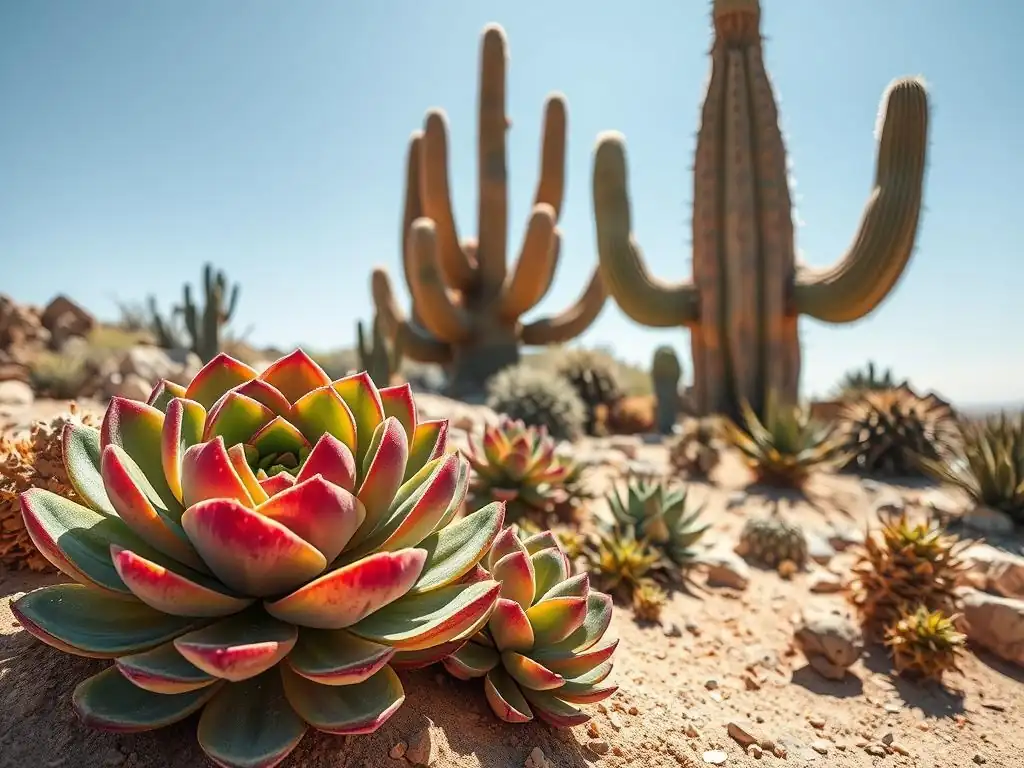
Welcome to SucculentEssentials.org, where the fascinating world of succulents unfolds before you! Prepare to be captivated by the resilience and beauty of these remarkable plants. But have you ever wondered how succulents conquered the harshest environments on Earth? Our in-depth article, " Succulent adaptation arid environments," unravels the evolutionary secrets behind their survival in arid lands, revealing the ingenious strategies that allow them to thrive where others fail. Dive in and discover the extraordinary adaptations that make succulents so uniquely captivating!
- Succulent Adaptation Arid Environments: An Overview
- Water Storage Mechanisms in Succulents: The Key to Survival
- Physiological Adaptations for Drought Tolerance
- Succulent Adaptation Arid Environments: Morphological Adaptations
- Evolutionary History and Diversification of Succulents
- Succulent Adaptation Arid Environments: Implications for Cultivation
-
Frequently Asked Questions
- What adaptations allow succulents to thrive in arid environments?
- How do succulent roots help them survive drought?
- What role does a succulent's leaf structure play in arid survival?
- Are all succulents equally adapted to arid environments?
- How does the waxy coating on some succulents help them survive?
- Final Reflection: The Enduring Legacy of Succulent Resilience
- Unleash Your Inner Desert Gardener!
Succulent Adaptation Arid Environments: An Overview
The remarkable diversity and resilience of succulents in arid and semi-arid regions are testaments to millions of years of evolutionary adaptation. This article delves into the fascinating journey of how these plants conquered harsh, water-scarce environments, developing ingenious strategies for survival. We'll explore the specific challenges posed by arid habitats, the evolutionary pressures that drove the development of drought tolerance, and the key adaptations that define succulents' success in these demanding ecosystems.
Understanding these adaptations provides valuable insights for cultivating and appreciating these fascinating plants, and highlights the delicate balance of life in some of the world's most extreme environments. This exploration of succulent adaptation to arid environments is crucial for both scientific understanding and practical application in horticulture and conservation. We will examine specific examples of how these adaptations manifest in various succulent species, revealing the intricate interplay between genetics, morphology, and physiology.
Understanding the Challenges of Arid Habitats
Arid and semi-arid environments present significant challenges to plant life. The defining characteristic, of course, is water scarcity. Rainfall is infrequent and unpredictable, often occurring in short, intense bursts followed by prolonged periods of drought. High temperatures exacerbate water loss through transpiration, while intense sunlight can cause damage to plant tissues.
Furthermore, arid soils are often nutrient-poor and may have a high salt concentration, further stressing plant growth. These combined factors create a highly selective environment, favoring plants with specialized adaptations for water conservation and tolerance of extreme conditions. The challenges are not merely about surviving the drought itself; it's about surviving the entire spectrum of environmental conditions characteristic of these regions, including extreme temperature fluctuations and intense solar radiation. The ability to withstand these conditions is a crucial element of successful adaptation.
The Evolutionary Pressure for Drought Tolerance in Succulents
The evolutionary pressure for drought tolerance in succulents has resulted in a remarkable array of adaptations. Natural selection favored those individuals with traits that enhanced their ability to survive and reproduce in water-limited environments. Over time, these advantageous traits became more prevalent within populations, leading to the distinctive characteristics we associate with succulents today.
This process was not a single event, but rather a continuous refinement of adaptations over millions of years, driven by fluctuating environmental conditions and the constant pressure to survive and reproduce in increasingly challenging arid landscapes. The diversity we see among succulent species reflects the different evolutionary paths taken in response to diverse arid environments. Some adaptations are morphological, while others are physiological, demonstrating the complex and interconnected nature of their evolutionary success.
Key Adaptations: A Foundation for Survival in Dry Climates
Succulents have evolved a suite of remarkable adaptations to thrive in arid climates. These adaptations can be broadly categorized as:
- Water Storage: Many succulents possess thick, fleshy leaves or stems (or both!) that act as reservoirs for water. This allows them to withstand extended periods without rainfall. The specialized cells within these tissues are capable of storing significant quantities of water. The size and shape of these water-storage organs vary greatly depending on the species and its specific environment.
- Reduced Transpiration: Succulents employ various strategies to minimize water loss through transpiration. These include:
- Reduced leaf surface area: Many succulents have small, thick leaves, or even modified leaves into spines, minimizing the surface area exposed to the sun and wind.
- Thick cuticles: A thick, waxy cuticle on the leaf and stem surfaces reduces water evaporation.
- Stomatal control: Stomata, the tiny pores on leaves that regulate gas exchange, are often sunken or closed during the day to reduce water loss.
- CAM Photosynthesis: Many succulents utilize Crassulacean Acid Metabolism (CAM) photosynthesis, a specialized form of photosynthesis adapted to arid conditions. Unlike C3 and C4 plants, CAM plants open their stomata at night to take in CO2, storing it as an acid until daytime, when it's used for photosynthesis with the stomata closed, thus minimizing water loss during the hottest part of the day. This is a crucial adaptation for survival in extremely dry environments.
- Deep Root Systems: Some succulents have evolved extensive root systems that allow them to access water deep underground, even during prolonged droughts. The depth and extent of these root systems vary depending on the species and the availability of groundwater.
The combination of these adaptations allows succulents to not only survive but also thrive in some of the most challenging environments on Earth, showcasing the power of natural selection and the remarkable ingenuity of life's adaptations. Further research continues to unravel the intricacies of these adaptations, constantly revealing new insights into the evolutionary success of these fascinating plants.
Water Storage Mechanisms in Succulents: The Key to Survival
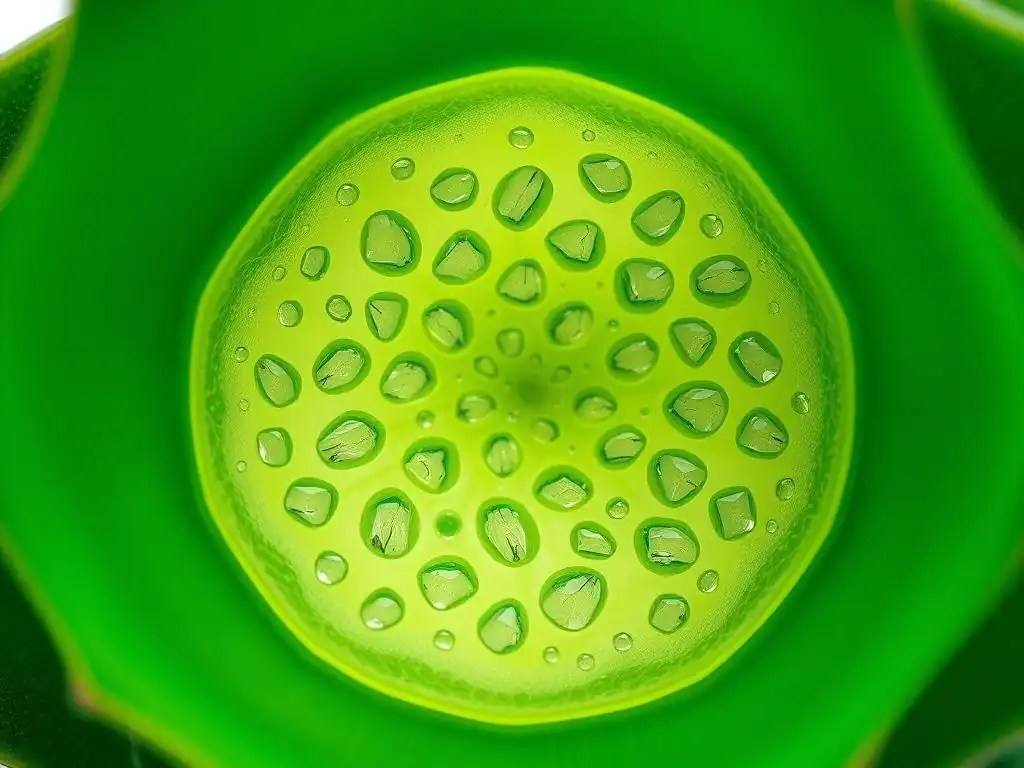
Succulents, masters of arid environments, owe their success to sophisticated water storage mechanisms. Their ability to thrive in harsh, water-scarce conditions is a testament to millions of years of evolutionary adaptation. Understanding these mechanisms is crucial to appreciating the resilience and beauty of these fascinating plants. The keyword "succulent adaptation arid environments" is central to this understanding, highlighting the intricate interplay between plant physiology and environmental pressures. This section will delve into the key anatomical and physiological adaptations that enable succulents to flourish where other plants struggle.
Succulent Leaf Structure and Water Retention
Succulent leaves are far from uniform. Their morphology—shape, size, and texture—is highly variable and directly reflects their adaptation to arid conditions. Many succulents possess thick, fleshy leaves, a defining characteristic that facilitates water storage. This is achieved through specialized cells called parenchyma cells, which have large vacuoles capable of holding significant quantities of water.
The leaves themselves often have a reduced surface area relative to their volume, minimizing water loss through transpiration. Furthermore, many species have a waxy cuticle coating their leaves, acting as a barrier against water evaporation. For example, Echeveria species exhibit remarkably thick, fleshy leaves with a pronounced waxy coating, enabling them to withstand prolonged periods of drought. The arrangement of leaves on the stem (phyllotaxy) also plays a role; often, leaves overlap to create a degree of shade, reducing sun exposure and further minimizing water loss.
Stem Succulence: Adapting for Water Storage
While leaf succulence is common, many succulents have evolved stem succulence as a primary water storage mechanism. In these species, the stem itself becomes significantly thickened and fleshy, acting as a large water reservoir. This adaptation is particularly prominent in cacti and certain euphorbias. The stems of these plants are often ribbed or fluted, allowing for expansion and contraction as water levels fluctuate.
These ribs also help reduce the surface area exposed to direct sunlight, minimizing water loss. Furthermore, the stems often possess a thick, protective epidermis and are covered in spines or hairs, further reducing transpiration. Consider the iconic saguaro cactus ( Carnegiea gigantea)—its massive, fluted stem is a striking example of stem succulence, allowing it to survive years of drought in the Sonoran Desert. The internal structure of these stems is also optimized for water retention, with a high proportion of water-storing parenchyma cells.
Root Systems: Maximizing Water Absorption in Arid Soils
The root systems of succulents are equally vital to their survival in arid environments. While some succulents have taproots that delve deep into the soil to access groundwater, many possess extensive shallow root systems that rapidly absorb water after infrequent rainfall. This allows them to quickly take advantage of even minimal precipitation.
The root systems are often highly branched, maximizing the surface area available for water uptake. Furthermore, some species have specialized root structures, such as contractile roots, that pull the plant deeper into the soil, protecting it from desiccation and providing access to cooler, moister soil layers. The efficiency of water absorption is further enhanced by the presence of root hairs, which significantly increase the surface area for contact with soil water.
The precise morphology of the root system varies greatly depending on the specific species and its environment, reflecting the remarkable adaptability of succulents to diverse arid habitats. This intricate network of roots, combined with efficient water storage mechanisms, allows succulents to not only survive but also thrive in some of the most challenging environments on Earth.
Physiological Adaptations for Drought Tolerance
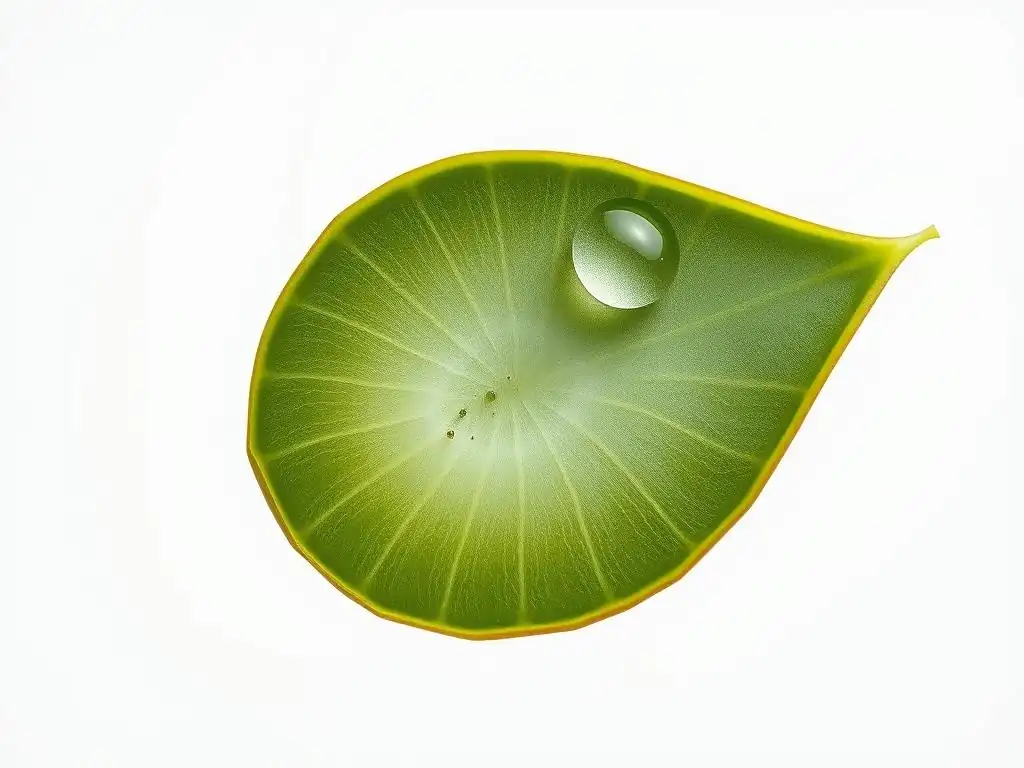
Succulents' remarkable success in arid environments is largely attributed to their sophisticated physiological adaptations. These adaptations, honed over millennia of evolution, allow them to thrive where other plants struggle. Understanding these mechanisms provides crucial insights into their resilience and informs best practices for succulent cultivation. The key physiological adaptations center around optimizing water uptake, minimizing water loss, and efficiently utilizing available resources. This section will delve into the specific mechanisms that enable succulents to conquer arid landscapes, focusing on "Succulent adaptation arid environments".
CAM Photosynthesis: A Unique Approach to Carbon Fixation
Crassulacean Acid Metabolism (CAM) photosynthesis is a defining characteristic of many succulents, representing a significant evolutionary innovation for survival in arid conditions. Unlike C3 and C4 plants, which open their stomata during the day for CO2 uptake, CAM plants open their stomata at night. This nocturnal CO2 uptake minimizes water loss through transpiration, a critical advantage in dry climates.
During the night, CAM plants take in CO2 and convert it to malic acid, storing it in vacuoles. This stored malic acid is then used during the day to fuel photosynthesis, even while the stomata remain closed. This ingenious two-stage process drastically reduces water loss while still allowing for efficient carbon fixation. The efficiency of CAM photosynthesis varies depending on the specific succulent species and environmental conditions, but it consistently provides a significant survival advantage in arid environments.
The effectiveness of CAM photosynthesis can be influenced by factors such as temperature, light intensity, and water availability. For example, studies have shown that under extremely high temperatures, some CAM plants may partially switch to C3 photosynthesis to maintain a certain level of productivity. This highlights the complex interplay between physiological mechanisms and environmental conditions in shaping succulent adaptation to arid environments. Further research continues to unravel the nuances of CAM photosynthesis and its role in the remarkable drought tolerance of succulents.
Reducing Water Loss: Cuticular Adaptations and Stomatal Control
Beyond CAM photosynthesis, succulents employ several strategies to minimize water loss through their leaves and stems. A thick, waxy cuticle coats the succulent's epidermis, acting as a formidable barrier against water evaporation. This cuticle is often composed of complex lipids and waxes, further enhancing its impermeability. The thickness and composition of the cuticle vary significantly among succulent species, reflecting the diverse arid environments they inhabit. Thicker cuticles are typically found in succulents from the driest regions.
Stomatal control, the regulation of the opening and closing of stomata (tiny pores on the leaf surface), is another vital mechanism for water conservation. Succulents possess highly sensitive stomatal mechanisms that respond rapidly to changes in environmental conditions, such as humidity and light intensity. During periods of drought stress, stomata close tightly to prevent water loss, even at the cost of reduced photosynthetic activity.
This controlled stomatal closure is a crucial component of succulent adaptation to arid environments, ensuring survival during periods of water scarcity. Furthermore, the density and location of stomata can influence water loss. Some succulents exhibit a low stomatal density or sunken stomata, further reducing water loss.
Metabolic Adjustments: Optimizing Water Use Efficiency
Succulents also employ various metabolic adjustments to optimize water use efficiency. These adjustments involve regulating enzyme activity and metabolic pathways to minimize water consumption while maximizing photosynthetic output. For instance, many succulents exhibit high levels of antioxidant enzymes that protect cellular components from oxidative stress caused by drought conditions. This protective mechanism is crucial for maintaining cellular integrity and function during periods of water stress.
Furthermore, some succulents exhibit a capacity for osmotic adjustment, the ability to alter the concentration of solutes within their cells. This enables them to maintain turgor pressure (the pressure exerted by water within the cells) even under conditions of water deficit. Maintaining turgor pressure is vital for maintaining cell structure and function, and it directly contributes to the overall drought tolerance of the plant.
This intricate interplay of metabolic adjustments allows succulents to efficiently utilize the limited water available in arid environments, further strengthening their ability to thrive under challenging conditions. Ongoing research into these metabolic processes continues to reveal the depth and complexity of succulent adaptation to arid environments and contributes to a better understanding of "Succulent adaptation arid environments."
Succulent Adaptation Arid Environments: Morphological Adaptations
Succulents' remarkable success in arid environments is largely attributed to their impressive suite of morphological adaptations. These physical characteristics represent millions of years of evolutionary fine-tuning, enabling them to thrive where water is scarce and conditions are harsh. Understanding these adaptations provides crucial insights into their resilience and informs best practices for succulent cultivation. The key to their survival lies in their ability to minimize water loss and maximize water uptake, strategies reflected in their leaf structure, protective coverings, and root systems. The term "succulent adaptation arid environments" perfectly encapsulates this evolutionary triumph.
Leaf Modifications: Reducing Surface Area and Water Loss
One of the most striking adaptations in succulents is the modification of their leaves. Many species exhibit reduced leaf surface area. Instead of broad, flat leaves typical of mesophytic plants, succulents often possess thick, fleshy leaves, or even leaves reduced to spines (as in cacti) or tiny scales. This reduction drastically minimizes the surface area exposed to the sun and wind, thus significantly decreasing transpiration – the process of water loss through evaporation from the leaf surface.
The smaller surface area limits the amount of water vapor that can escape, conserving precious moisture. This is further enhanced by the often thick, waxy cuticle covering the leaves. This cuticle acts as a waterproof barrier, preventing water from evaporating.
Some succulents even exhibit succulence in their leaves, meaning the leaves themselves store water, acting as reservoirs during periods of drought. For example, Echeveria species showcase this adaptation beautifully with their thick, fleshy leaves. The combination of reduced surface area, waxy cuticle, and water storage in the leaves represents a powerful strategy for surviving prolonged periods of drought.
Spines and Trichomes: Defense Mechanisms and Microclimate Control
Beyond water conservation, morphological adaptations also serve crucial roles in defense and microclimate control. Many succulents, particularly cacti, possess spines. These spines are modified leaves, and while they contribute to water conservation by reducing surface area, their primary function is often protection from herbivores. Spines deter animals from consuming the succulent, preserving the plant's water stores.
Additionally, many succulents possess trichomes, tiny hair-like structures on their stems and leaves. Trichomes serve multiple functions. They can reflect sunlight, reducing the temperature of the plant and minimizing water loss through transpiration. They can also trap a layer of humid air close to the plant's surface, further reducing transpiration.
Furthermore, trichomes can provide a degree of protection from intense UV radiation and deter herbivores. The effectiveness of spines and trichomes in these multiple roles underscores the complexity of succulent adaptations to arid conditions, enhancing both survival and reproductive success. Careful observation reveals the intricate interplay between these seemingly simple structures and the demanding environment they inhabit.
Root Adaptations: Extensive Root Systems and Water Uptake Strategies
The root systems of succulents are equally remarkable in their adaptation to arid environments. Many succulents possess extensive shallow root systems. These shallow roots spread widely across the soil surface, enabling them to quickly absorb any available rainfall. This is particularly crucial in arid regions where rainfall events are infrequent but can be intense.
The large surface area covered by these roots maximizes the potential for water absorption during these crucial periods. In contrast, some succulents develop a tap root system, with a long, thick central root that penetrates deep into the soil to access groundwater. This strategy provides access to water sources unavailable to plants with only shallow roots. The type of root system a succulent develops often depends on the specific characteristics of its environment, demonstrating the adaptability of these remarkable plants.
Furthermore, many succulent roots exhibit specialized structures that enhance water absorption efficiency, ensuring that even small amounts of available moisture are effectively utilized. The diversity of root systems across different succulent species highlights the evolutionary pressures that have shaped their survival strategies in arid landscapes. The interplay between shallow and deep root systems further strengthens the overall resilience of the species.
Evolutionary History and Diversification of Succulents
Tracing the Origins of Succulent Plants
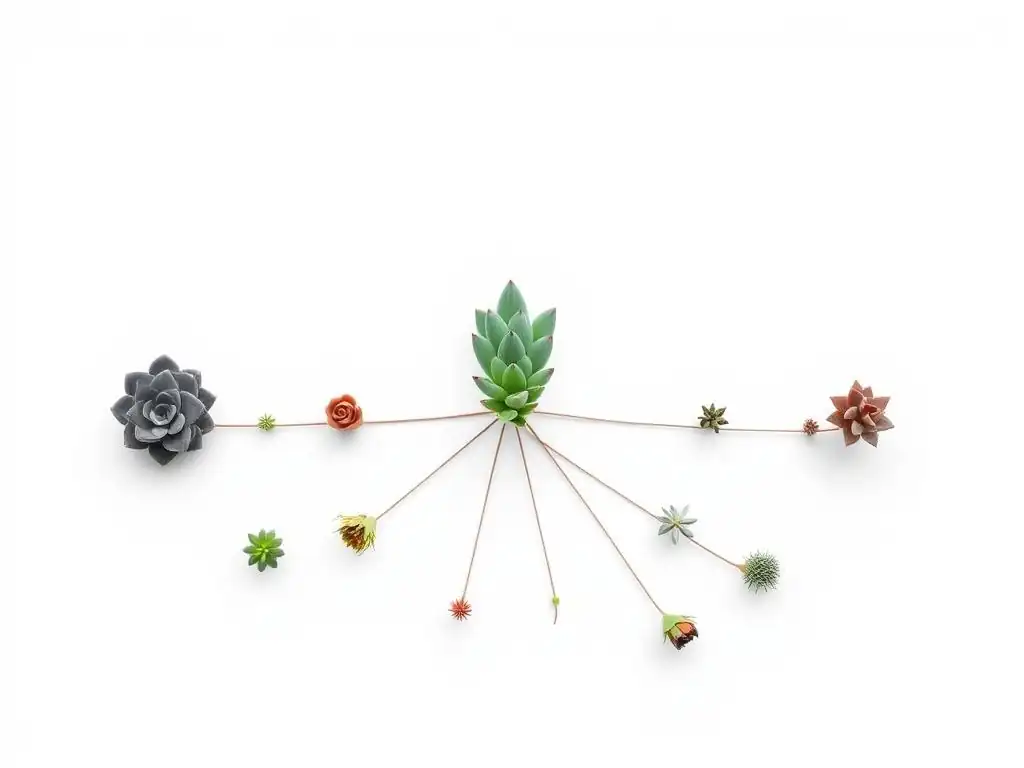
The evolutionary journey of succulents, characterized by their remarkable adaptation to arid environments, is a fascinating story spanning millions of years. While pinpointing the exact origin is challenging, paleobotanical evidence suggests that succulent traits evolved independently in multiple plant lineages, a phenomenon known as convergent evolution. This means different plant families, facing similar environmental pressures in dry regions, developed similar water-conserving mechanisms.
The Crassulaceae family (including many popular succulents like Echeveria and Sedum) is believed to have originated in the Northern Hemisphere, with diversification occurring over millions of years. Other succulent families, such as the Cactaceae (cacti) and Agavaceae (agaves), evolved independently in the Americas and show distinct evolutionary pathways reflecting their unique adaptations. Understanding this independent evolution is crucial when studying succulent adaptation to arid environments.
The presence of similar traits, like water storage in leaves or stems, doesn't necessarily imply a close phylogenetic relationship but rather a shared response to environmental stress. Further research focusing on comparative genomics and phylogenetic analysis is needed to fully unravel the intricate evolutionary history of these amazing plants. This detailed understanding can inform conservation efforts and breeding programs aimed at preserving the genetic diversity of succulents.
Adaptive Radiation: The Spread of Succulents Across Arid Regions
The remarkable success of succulents in conquering arid and semi-arid regions is a testament to their exceptional adaptive radiation. This process involves the diversification of a single ancestral species into multiple descendant species, each occupying a unique ecological niche. Succulents initially colonized drier areas, likely along coastal regions or in localized pockets of aridity, gradually expanding their range as their adaptations improved.
Factors such as continental drift, climate change, and the evolution of specialized pollination mechanisms all played a role in shaping their distribution. For example, the evolution of specialized relationships with pollinators such as bats and insects facilitated the dispersal of seeds over vast distances. The diversification of cacti in the Americas showcases this vividly; different cactus species have evolved diverse morphologies, each optimized for the specific environmental conditions of their habitat.
Some species have adapted to extreme heat and drought, while others thrive in slightly more humid or cooler environments. This adaptive radiation created the incredible diversity of succulents we observe today, with each species showcasing unique adaptations to its particular arid environment. [Specific examples of cactus species and their adaptations pending].
Genetic Diversity and Adaptation to Specific Environments
The genetic diversity within succulent species is a critical factor in their ability to thrive in diverse arid environments. Genetic variation provides the raw material for natural selection to act upon, allowing populations to adapt to specific environmental pressures. For example, populations of the same succulent species growing in different regions might exhibit variations in leaf thickness, root systems, or water-storage capacity, reflecting adaptations to the unique conditions of each location.
This genetic plasticity enables succulents to cope with variations in temperature, rainfall, soil composition, and sunlight intensity. Studies on the genetic basis of drought tolerance in succulents are ongoing, but researchers have identified several genes related to water stress responses, including those involved in osmotic regulation and stress hormone production. Understanding the genetic mechanisms underlying these adaptations is essential for developing strategies to conserve succulent biodiversity and improve their resilience to climate change.
Analyzing genetic variation within and between succulent populations can also provide valuable insights into the evolutionary processes that shaped their remarkable ability to thrive in some of the harshest environments on Earth. The identification of specific genes responsible for key adaptations will further enhance our understanding of succulent adaptation to arid environments.
Succulent Adaptation Arid Environments: Implications for Cultivation
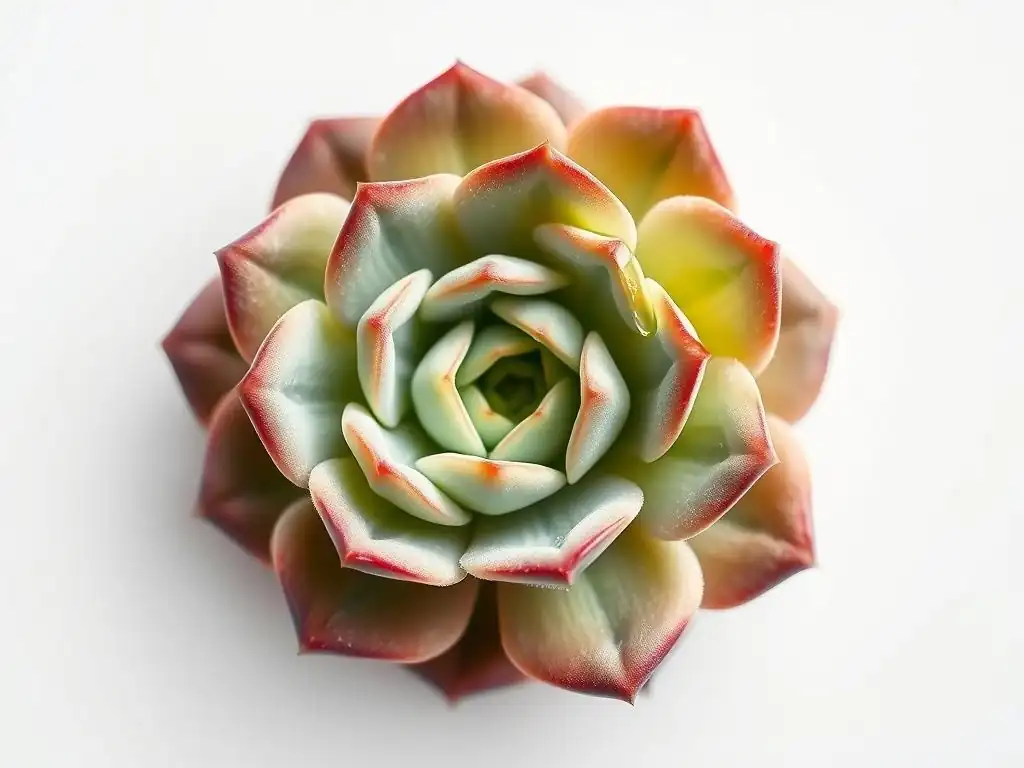
Succulent adaptation to arid environments is a fascinating example of evolutionary success. These plants, through millions of years of natural selection, have developed a remarkable array of physiological and morphological features enabling them to thrive in water-scarce regions. Understanding these adaptations is crucial not only for appreciating their evolutionary journey but also for successfully cultivating them in diverse home environments.
The key to successful succulent cultivation lies in mimicking their natural habitats as closely as possible. This involves careful consideration of watering techniques, soil composition, and light exposure, all tailored to the specific needs of individual succulent species. The remarkable diversity within the succulent family highlights the varied strategies employed to conquer aridity, resulting in a broad spectrum of cultivation requirements.
Understanding Adaptations for Successful Home Cultivation
Many succulent adaptations directly impact cultivation strategies. For instance, Crassulacean Acid Metabolism (CAM), a unique photosynthetic pathway, allows succulents to open their stomata (pores) at night to absorb carbon dioxide and minimize water loss during the day’s heat. This means that while succulents need sunlight for photosynthesis, they don't require constant, high-intensity light. Overexposure can lead to sunburn and stress. Knowing this, cultivators can optimize light exposure, providing ample sunlight but avoiding harsh midday sun, especially during the hottest months.
Another key adaptation is water storage. Succulents' fleshy leaves and stems act as reservoirs, storing water for extended periods. This ability influences watering practices. Overwatering is a common killer of succulents, as it leads to root rot. The key is to allow the soil to dry out completely between waterings, mimicking the infrequent rainfall of arid regions. The frequency of watering will also depend on factors like pot size, soil type, and ambient temperature, further emphasizing the need for careful observation and tailored approaches.
Furthermore, many succulents possess specialized root systems. Some develop extensive shallow root systems to quickly absorb water after infrequent rainfall, while others have deep taproots to access groundwater. Knowing this helps in choosing appropriate pots and potting mixes. Well-draining soil is crucial to prevent waterlogging and subsequent root rot, while the pot size should be appropriate for the root system of the specific succulent species.
Example: Echeveria vs. Haworthia
Echeverias, with their relatively shallow root systems, prefer wider, shallower pots and frequent, but light waterings. Haworthias, on the other hand, often have more substantial root systems and can tolerate slightly longer periods between waterings in deeper pots.
Watering Strategies for Different Succulent Species
Watering succulents is not a one-size-fits-all approach. The optimal watering strategy varies significantly depending on the species, the season, and the environment. For example, Sedum species often tolerate drier conditions than Aloe species. During the growing season (typically spring and summer), most succulents will require more frequent watering, but always ensure the soil is completely dry before watering again.
Conversely, during dormancy (fall and winter), watering should be significantly reduced or even suspended completely, depending on the species and climate. Observing the plant’s turgor (firmness) is a good indicator of its hydration status. Wilting can be a sign of underwatering, but it's important to distinguish this from natural wilting due to heat or other environmental factors.
The type of pot also plays a role. Terracotta pots are porous and allow for better air circulation and evaporation, potentially requiring more frequent watering than plastic pots. Similarly, the potting mix's drainage capacity is crucial. A well-draining mix, often incorporating perlite, pumice, or coarse sand, prevents waterlogging and facilitates proper aeration of the roots.
| Succulent Type | Watering Frequency (Growing Season) | Watering Frequency (Dormant Season) | Soil Type Preference |
|---|---|---|---|
| Echeveria | Every 7-10 days | Every 3-4 weeks or less | Well-draining, sandy |
| Aloe | Every 5-7 days | Every 2-3 weeks | Well-draining, slightly more organic |
| Sedum | Every 10-14 days | Every 4-6 weeks or less | Very well-draining, gritty |
| Haworthia | Every 7-10 days | Every 3-4 weeks | Well-draining, sandy |
Creating Optimal Growing Conditions for Arid-Adapted Plants
Beyond watering, creating optimal growing conditions involves mimicking the natural environment of these plants. This includes providing adequate sunlight, good air circulation, and appropriate temperature control. Many succulents thrive in bright, indirect sunlight. Direct sunlight, especially during the hottest parts of the day, can scorch their leaves. Therefore, providing filtered sunlight or shade during the peak sun hours is often beneficial. Good air circulation helps prevent fungal diseases and encourages healthy growth. Avoid overcrowding plants to ensure sufficient airflow.
Temperature fluctuations are also important. Succulents generally tolerate warm temperatures, but extreme heat can be detrimental. Similarly, prolonged exposure to freezing temperatures can damage or kill many species. Providing protection from frost during winter months is often necessary in colder climates.
The specific temperature requirements vary greatly between species, underscoring the importance of researching the individual needs of each succulent you cultivate. Understanding the natural environment of the plant – its native region and typical climatic conditions – is invaluable in creating a thriving home environment. This holistic approach, incorporating knowledge of succulent adaptations and careful attention to detail, is the key to cultivating these remarkable plants successfully.
Frequently Asked Questions
What adaptations allow succulents to thrive in arid environments?
Succulents have evolved several key adaptations. These include water-storing tissues (like leaves or stems) and specialized root systems for efficient water absorption. They also often have waxy coatings or reduced leaf surfaces to minimize water loss.
How do succulent roots help them survive drought?
Many succulents possess extensive, shallow root systems that quickly absorb rainwater. Others have taproots that reach deep into the soil to access groundwater. This efficient water uptake is crucial for survival in dry conditions.
What role does a succulent's leaf structure play in arid survival?
Succulent leaves are often modified to minimize water loss. Some have thick, fleshy leaves for water storage, while others have small, scale-like leaves or spines. These structural adaptations reduce the surface area exposed to sun and wind.
Are all succulents equally adapted to arid environments?
No, there's diversity even within succulents. While many thrive in arid conditions, some prefer slightly more humid environments. Understanding the specific needs of your succulent species is crucial for proper care.
How does the waxy coating on some succulents help them survive?
The waxy coating, or cuticle, on many succulents acts as a natural sealant, reducing water loss through transpiration. This protective layer helps them retain moisture in dry, hot climates.
Final Reflection: The Enduring Legacy of Succulent Resilience
The remarkable adaptations of succulents to arid environments are not merely a botanical curiosity; they represent a powerful testament to the enduring power of evolution in the face of extreme challenges. Their survival strategies, honed over millennia, offer invaluable lessons for understanding resilience in the context of our own changing world, a world increasingly facing water scarcity and environmental instability.
The story of succulents is a deeply inspiring one, a narrative woven into the very fabric of our planet's biodiversity. Their quiet persistence in some of the harshest landscapes on Earth underscores the incredible ingenuity of nature. Their success is a potent reminder that even in the face of seemingly insurmountable odds, life finds a way to not only survive, but thrive. The desert teaches the value of silence. It shows you how to listen to the wind, to the rocks, to the silence between sounds.
- This quote, though not directly about succulents, perfectly captures the essence of their quiet strength and adaptation in their challenging environment.
Consider the ingenuity of these plants, their ability to store water, their unique photosynthetic pathways, and their remarkable tolerance to extreme temperatures. These are not just botanical facts; they are blueprints for innovation, resilience, and adaptation. You, too, possess an inner resilience, a capacity to adapt and overcome challenges. Reflect on the lessons of the succulent: embrace resourcefulness, find creative solutions, and persevere in the face of adversity. Let their silent strength inspire your own journey of growth and adaptation.
Unleash Your Inner Desert Gardener!
Thanks for exploring the fascinating world of succulents with us! We hope you've gained a deeper appreciation for their incredible resilience and beauty. Ready to put your knowledge to the test?
- Start your own succulent collection! Research a few beginner-friendly varieties like echeveria or sedum, and find a sunny spot in your home or garden. It's easier than you think!
- Share your succulent journey with us! Use #SucculentEssentials on social media to show off your thriving plants and inspire others.
- Dive deeper into our resources: Explore our website for more articles on succulent care, propagation, and design inspiration.
What's your favorite thing about these amazing desert plants, and which variety are you most excited to grow?