
The Ultimate Guide to WaterWise Gardening in Dry Climates

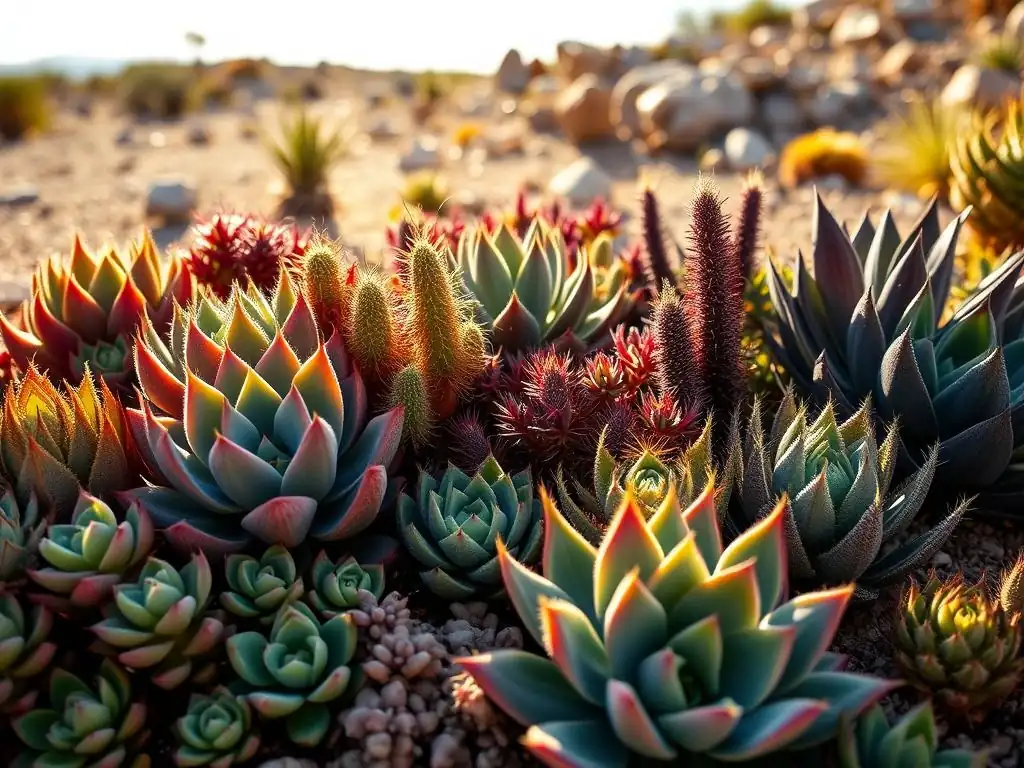
Welcome to SucculentEssentials.org, your gateway to the captivating world of succulents! Are you ready to unlock the secrets to thriving water-wise gardens, even in the driest climates? Our expert guide on Succulent watering dry climates will reveal the surprising techniques that transform arid landscapes into lush oases of vibrant succulents. Discover how to nurture these resilient plants and create breathtaking arrangements—prepare to be amazed by what you can achieve!
- Understanding Succulent Watering in Arid Regions
- Creating a WaterWise Garden Design for Dry Climates
- Efficient Irrigation Techniques for Succulents in Dry Climates
- Advanced WaterWise Gardening Techniques for Succulents
- Troubleshooting Common Water-Related Issues in Dry Climate Succulent Gardens
- Maintaining Your WaterWise Succulent Garden in Dry Climates Year-Round
-
Frequently Asked Questions
- How often should I water succulents in a dry climate?
- What are the signs of underwatering or overwatering in succulents?
- What type of soil is best for succulents in dry climates?
- How can I protect my succulents from intense sun in a dry climate?
- Are there specific succulent varieties better suited for dry climates?
- Final Reflection: Cultivating Resilience, One Drop at a Time
- Unleash Your Desert Oasis: Start Gardening WaterWise Today!
Understanding Succulent Watering in Arid Regions
Embarking on a water-wise gardening journey in dry climates presents unique challenges, particularly when cultivating succulents. These fascinating plants, known for their remarkable drought tolerance, still require careful watering to thrive. This comprehensive guide delves into the intricacies of succulent watering in arid regions, equipping you with the knowledge and techniques to nurture your succulent collection to its fullest potential.
We'll explore the diverse water needs of various succulent species, teach you how to accurately assess soil moisture, and help you identify the telltale signs of both underwatering and overwatering, enabling you to provide the perfect hydration balance for your plants and contribute to a flourishing xeriscape. Mastering succulent watering is key to successful xeriscaping, ensuring your succulents not only survive but truly flourish in dry climates. This guide will help you achieve that success, optimizing your watering practices for healthy, vibrant succulents.
Water Requirements of Different Succulents in Dry Climates
Succulents, despite their reputation for drought tolerance, exhibit diverse water needs depending on their species and the specific environmental conditions. Understanding these variations is crucial for successful cultivation in dry climates. For example, Echeveria species generally prefer infrequent, deep watering, allowing the soil to dry out completely between waterings. Conversely, Sedum varieties often tolerate more frequent watering, especially during periods of intense heat. The key is to observe your plants closely. A succulent that's slightly wrinkled indicates a need for water, while overly plump leaves might suggest overwatering.
Here's a simplified table to illustrate the general water requirements of some common succulents:
| Succulent Type | Watering Frequency (Approximate) | Soil Moisture Preference |
|---|---|---|
| Echeveria | Every 2-3 weeks | Dry between waterings |
| Sedum | Every 1-2 weeks | Slightly moist |
| Haworthia | Every 2-3 weeks | Dry between waterings |
| Aloe | Every 1-2 weeks (depending on size) | Dry between waterings |
| Sempervivum (Hens and Chicks) | Every 2-3 weeks | Dry between waterings |
Remember, these are guidelines. Factors such as pot size, soil type, sunlight exposure, and temperature significantly influence a succulent's water needs. Always prioritize observation over a rigid schedule. The best way to determine your specific succulent's water needs is through careful observation and adjustments based on your unique environment.
Assessing Soil Moisture for Optimal Succulent Watering
Properly assessing soil moisture is paramount to avoid both underwatering and overwatering, which are equally detrimental to succulent health. Avoid simply sticking your finger into the soil; this is not precise enough for succulents. Instead, use a moisture meter. These inexpensive tools provide a more accurate reading, indicating whether the soil is dry, moist, or wet. Alternatively, you can weigh the pot: a lighter pot indicates dry soil, while a heavier one suggests moist soil. For larger containers, a moisture meter is strongly recommended.
Remember that the type of potting mix greatly impacts how quickly soil dries out. Well-draining succulent mixes are essential to prevent root rot. Overwatering is far more common than underwatering in dry climates, so err on the side of caution and allow the soil to dry thoroughly before watering again. Regular monitoring and adjustment are key to keeping your succulents happy and healthy.
Recognizing Signs of Underwatering and Overwatering in Succulents
Identifying the signs of underwatering and overwatering is crucial for timely intervention and preventing plant damage. Underwatered succulents exhibit shriveled leaves, a lack of turgor (firmness), and may appear wilted or droopy. The leaves might also become pale or discolored. In severe cases, the plant may cease growth.
Overwatering, on the other hand, manifests as soft, mushy, or rotting leaves. The stems may become soft and dark, and a foul odor might emanate from the soil. Overwatering often leads to root rot, a fatal condition for succulents.
If you notice any of these symptoms, immediately remove the plant from its pot, assess the root system, and repot it in fresh, dry soil, ensuring proper drainage. Prevention, through careful monitoring of soil moisture, is always better than cure. Regularly inspecting your succulents for early signs of either condition is an essential part of successful succulent care in any climate, especially dry ones.
Creating a WaterWise Garden Design for Dry Climates
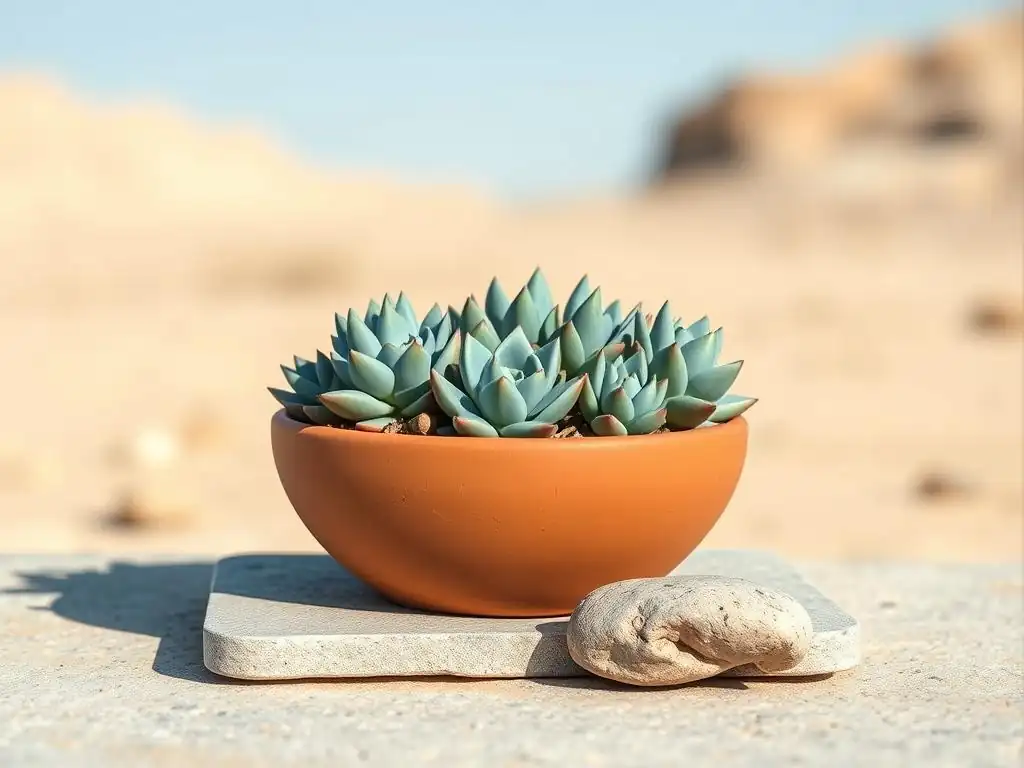
Designing a thriving garden in a dry climate requires a strategic approach that prioritizes water conservation. Forget the lush, water-guzzling lawns of more humid regions; embracing xeriscaping principles is key to success. This involves creating a landscape that requires minimal irrigation once established. Careful planning is crucial to minimize water waste and maximize the beauty of your drought-tolerant garden. The key is to understand your specific microclimate – sun exposure, soil type, and wind patterns all play a vital role.
Selecting Drought-Tolerant Plants for Your Dry Climate Garden
Choosing the right plants is paramount for a successful water-wise garden. Succulents, with their remarkable water-retention capabilities, are a natural choice for dry climates. They come in an astonishing array of shapes, sizes, and colors, offering unparalleled versatility in garden design. Beyond succulents, consider other drought-tolerant options like lavender, rosemary, and various types of grasses.
Research plants native to your region; they are naturally adapted to the local conditions and require minimal supplemental watering. When selecting plants, pay close attention to their mature size to ensure proper spacing and avoid overcrowding. Overcrowding can lead to competition for resources, including water, and increase the risk of disease.
Think about the overall aesthetic you want to achieve. Do you prefer a structured, formal design or a more naturalistic, wildflower-filled look? The plant selection should reflect your vision. For instance, a rock garden featuring various succulents and drought-tolerant groundcovers creates a visually appealing and low-maintenance space. A Mediterranean-inspired garden might incorporate olive trees, bougainvillea, and fragrant herbs. Remember to check the specific water requirements of each plant before purchasing to ensure they're appropriate for your climate and your commitment level to supplemental watering. A well-researched plant selection is the foundation of a successful water-wise garden.
Strategic Planting for Optimal Water Retention and Drainage
Proper planting techniques are crucial for maximizing water efficiency. Before planting, amend the soil with organic matter like compost to improve its water-holding capacity. This helps the soil retain moisture for longer periods, reducing the frequency of watering. When planting, dig holes twice as wide as the root ball to encourage root expansion. This allows the roots to access a larger volume of soil, improving water absorption. Avoid planting too deeply; the crown of the plant should be at the same level as the surrounding soil.
Consider grouping plants with similar water needs together. This allows for more efficient watering, as you can focus your efforts on specific areas rather than watering the entire garden uniformly. For example, you can group succulents together, and separately group plants that require slightly more frequent watering. Proper spacing is also critical.
Overcrowding leads to competition for resources, including water and nutrients, while proper spacing allows for air circulation, reducing the risk of fungal diseases. This also enhances the visual appeal of your garden. Careful consideration of these factors will significantly improve your garden's water efficiency and overall health. The right planting technique is an investment in long-term garden success.
Utilizing Mulch to Conserve Soil Moisture in Dry Climates
Mulching is a vital aspect of water-wise gardening in dry climates. A layer of mulch helps retain soil moisture by reducing evaporation. Organic mulches, such as shredded bark or wood chips, decompose over time, adding nutrients to the soil. Inorganic mulches, like gravel or pebbles, provide a more permanent solution, requiring less frequent replacement. The ideal mulch depth is generally 2-4 inches. Applying mulch around your plants creates a barrier that prevents water from evaporating quickly, keeping the soil moist for longer periods. This reduces the frequency of watering and helps your plants thrive even during dry spells.
The type of mulch you choose will depend on your aesthetic preferences and the specific needs of your garden. For instance, a rock garden might benefit from a gravel mulch, while a more traditional garden might use shredded bark or wood chips. Remember to leave a small gap between the mulch and the plant stems to prevent rot. Mulching not only conserves water but also suppresses weeds, reducing competition for resources and minimizing the need for herbicides.
Regularly replenish the mulch layer as it breaks down to maintain its effectiveness. Choosing the right mulch and applying it correctly is a simple yet highly effective way to improve your garden's water efficiency and overall health. It's a low-effort, high-impact strategy for successful "Succulent watering dry climates".
Optimizing Sunlight Exposure for Succulents in Arid Environments
Succulents, native to arid and semi-arid regions, thrive in intense sunlight. However, the specific sunlight needs vary depending on the succulent species. Some, like Sedum, tolerate full sun exposure—meaning at least six hours of direct sunlight daily—while others, such as Haworthia, prefer partial shade, especially during the hottest parts of the day. Understanding these nuances is crucial for successful succulent gardening in dry climates. Incorrect sunlight exposure can lead to sunscald (a type of sunburn) or etiolation (leggy growth due to insufficient light).
To optimize sunlight exposure, careful observation and species identification are key. Before planting, research the specific light requirements of each succulent variety. Many reputable nurseries and online resources provide detailed information on individual succulent species and their sunlight preferences. Consider using a light meter to measure the intensity of sunlight in different areas of your garden. This allows for precise placement, ensuring each succulent receives its ideal amount of sun.
Furthermore, the orientation of your garden plays a significant role. In the Northern Hemisphere, south-facing slopes generally receive the most sunlight, while north-facing slopes tend to be shadier. In the Southern Hemisphere, the opposite is true. Take advantage of this natural variation to strategically position sun-loving and shade-tolerant succulents accordingly. For example, you might place sun-loving Echeveria on a south-facing wall and Gasteria in a slightly shaded area.
Seasonal changes also impact sunlight intensity. The summer sun is much more intense than the winter sun. During the hottest summer months, providing some afternoon shade for even the most sun-tolerant succulents can prevent sunscald. This can be achieved by strategically placing taller plants or using shade cloth.
Conversely, during winter, you may need to supplement sunlight with grow lights for succulents that require more light than your garden provides during the shorter days. Careful monitoring and adjustment based on seasonal changes are vital for maintaining the health and vibrancy of your succulents. Remember, a little observation goes a long way in creating a thriving, water-wise succulent garden.
Efficient Irrigation Techniques for Succulents in Dry Climates
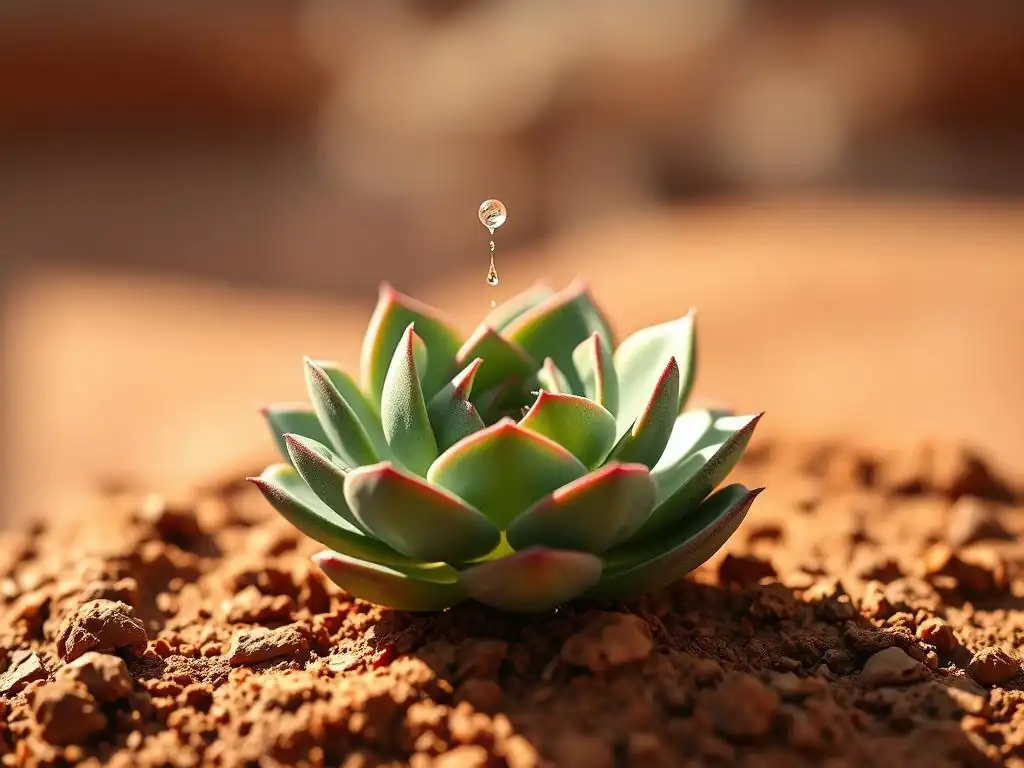
This section delves into practical and efficient irrigation strategies specifically designed for succulents thriving in dry climates. Mastering these techniques is crucial for maintaining the health and vibrancy of your succulent collection while conserving precious water resources. Remember, the goal is to provide sufficient moisture without overwatering, a common pitfall leading to root rot and plant demise. Overwatering is a far greater threat to succulents in dry climates than underwatering, especially during periods of dormancy.
Drip Irrigation Systems for Precise Water Delivery to Succulents
Drip irrigation offers unparalleled control and efficiency in watering succulents. This method delivers water directly to the root zone, minimizing evaporation and runoff. For succulents, the benefits are significant. By avoiding wetting the foliage, you reduce the risk of fungal diseases, a common problem in humid or poorly ventilated environments. Furthermore, drip irrigation systems can be customized to suit the specific water requirements of different succulent species and their varying growth stages. Consider using a timer to automate the watering process, ensuring consistent moisture delivery even during periods of absence.
Choosing the right emitters is key. Low-flow drip emitters (around 0.5 gallons per hour) are ideal for succulents, preventing oversaturation. The spacing between emitters should be tailored to the size and density of your succulent planting. For smaller, closely spaced succulents, a closer spacing is necessary, while larger, more spaced-out plants require fewer emitters. Regularly check your system for leaks or clogs to ensure optimal performance and prevent water waste. Proper maintenance is vital for the long-term effectiveness of your drip irrigation system.
Soaker Hose Irrigation for Even Moisture Distribution
Soaker hoses provide a gentler, more even distribution of water compared to drip irrigation, making them suitable for larger succulent beds or containers. The porous nature of soaker hoses allows water to seep slowly into the soil, promoting deeper root penetration. This is particularly beneficial in dry climates where water conservation is paramount. The slow release of water also reduces the risk of surface runoff, which can leach nutrients from the soil and contribute to water waste.
When using soaker hoses, consider the soil type. Well-draining soil is essential for succulents, so amend heavy clay soils with perlite or pumice to improve drainage. Position the soaker hoses carefully to ensure even moisture distribution across the planting area. Avoid placing the hoses directly against the succulents, as this can lead to stem rot. A slightly elevated position above the soil surface is ideal. Like drip irrigation, soaker hoses benefit from the use of a timer for automated watering. Remember to regularly inspect the hoses for any damage or leaks to maintain efficiency.
Hand Watering Techniques for Succulents in Dry Climates: Best Practices
Hand watering allows for close observation of your succulents' moisture needs. This is particularly crucial for succulents in dry climates, as their watering requirements vary depending on factors such as sun exposure, temperature, and the specific species. However, hand watering requires diligence and attention to detail to avoid overwatering. It's essential to feel the soil before watering. If the top inch or two of soil is dry to the touch, it's time to water thoroughly. Water until water drains out of the drainage holes (if potted) indicating that the soil is saturated.
Avoid wetting the foliage as much as possible, as this can lead to fungal growth. Water at the base of the plant, directing the water towards the soil. The frequency of hand watering depends on several factors, including the type of succulent, the size of the pot, and the climate. During the hotter months, succulents may need more frequent watering, while during winter dormancy, they require significantly less water.
Always err on the side of caution and underwater rather than overwater. Regular monitoring and careful observation are key to success with hand watering. Observe your plants closely for signs of underwatering (wilting, shriveled leaves) or overwatering (soft, mushy leaves, root rot).
| Watering Method | Advantages | Disadvantages | Best Suited For |
|---|---|---|---|
| Drip Irrigation | Precise water delivery, minimizes evaporation | Requires initial investment, potential for clogs | Small succulents, individual plants, raised beds |
| Soaker Hose | Even moisture distribution, easy to install | Less precise than drip irrigation, can lead to rot if not properly positioned | Larger succulent beds, containers |
| Hand Watering | Allows for close observation, cost-effective | Requires more time and attention, potential for overwatering | All succulents, particularly beginners |
Remember, consistent monitoring and adjusting your watering techniques based on your specific climate and plant needs are key to successful succulent cultivation in arid regions. Using a combination of methods can also prove beneficial, for example, using drip irrigation for established plantings and hand-watering new cuttings or particularly sensitive species. 🪴
Rainwater Harvesting and Utilization for Succulent Irrigation
Rainwater harvesting is a remarkably effective and environmentally friendly method for irrigating succulents in dry climates. It significantly reduces reliance on municipal water supplies, conserving precious resources and lowering your water bill. The process involves collecting rainwater from rooftops, patios, or other suitable surfaces and storing it in designated containers.
These containers can range from simple barrels to more sophisticated underground tanks, depending on your needs and budget. The collected water should be filtered to remove debris like leaves and dust before being used to water your succulents. This filtration can be as simple as passing the water through a cloth filter or using a more advanced filtration system for larger-scale harvesting.
The benefits extend beyond simple cost savings. Rainwater is naturally soft, lacking the minerals and chemicals often found in treated municipal water. These minerals can sometimes build up in the soil, potentially affecting the health and growth of your succulents. Using rainwater helps to prevent this buildup, ensuring a healthier growing environment for your plants. Furthermore, the temperature of rainwater is generally closer to the ambient temperature, reducing the risk of shock to your succulents, particularly during the hottest parts of the day. This is particularly important for sensitive succulent varieties.
Implementing a rainwater harvesting system can be surprisingly straightforward. Even a small system, utilizing a few rain barrels, can make a significant difference in your succulent watering needs. For larger gardens or collections, a more elaborate system might be necessary, potentially involving pumps and a sophisticated distribution network.
Regardless of the scale, careful planning and consideration of your specific needs are vital for optimal results. Factors to consider include the size of your collection, the average rainfall in your area, and the storage capacity needed to meet your watering demands throughout drier periods. Remember, regular cleaning and maintenance of your rainwater harvesting system are essential to prevent the growth of algae and mosquitoes.
A well-maintained system will provide a reliable source of high-quality water for your thriving succulent garden for years to come. Proper planning and execution will ensure your succulents receive the most appropriate hydration, boosting their health and resilience in arid conditions.
Advanced WaterWise Gardening Techniques for Succulents
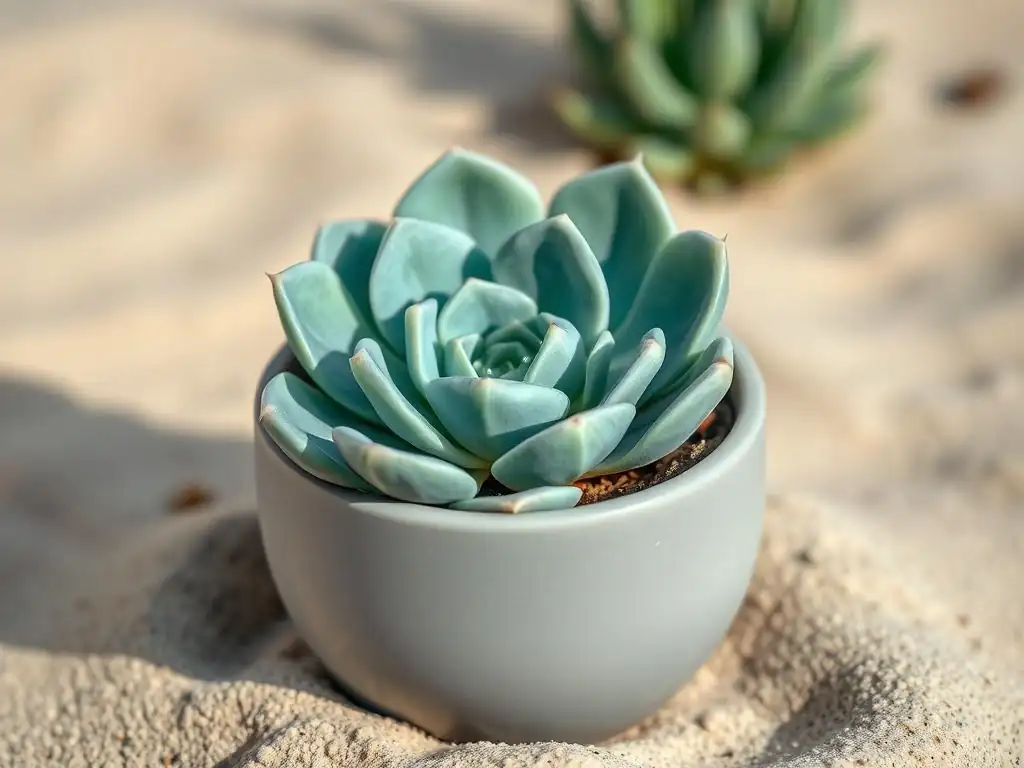
This section delves into sophisticated methods for optimizing succulent watering in arid environments, going beyond basic watering schedules. We'll explore techniques that maximize water efficiency and promote healthy, thriving succulents even in the harshest dry climates. Mastering these techniques will significantly improve your success rate with succulent cultivation in water-stressed conditions.
Soil Amendments for Improved Water Retention in Dry Climates
Choosing the right soil is paramount for successful succulent watering in dry climates. Standard potting soil often retains too much moisture, leading to root rot, a common problem for succulents. Instead, focus on improving drainage and water retention simultaneously through strategic soil amendments.
Amendments like perlite, pumice, and coarse sand significantly increase drainage. These inorganic materials create air pockets within the soil, preventing waterlogging. A typical mix might consist of 50% well-draining potting mix, 25% perlite, and 25% coarse sand. This ratio provides excellent drainage while still holding some moisture.
However, simply improving drainage isn't enough. We also need to boost the soil's ability to retain some moisture. Organic matter, used sparingly, plays a crucial role here. Coco coir, for instance, can help retain a small amount of water without compromising drainage. Adding a small amount (around 10%) to your soil mix can provide beneficial moisture retention.
Remember, the goal is a balance: excellent drainage to prevent root rot and just enough water retention to provide the succulents with the moisture they need between waterings. Experiment with different ratios to find the perfect blend for your specific climate and succulent varieties. Overwatering remains a significant risk, even with amended soil, so careful monitoring is crucial.
Container Gardening for Succulents in Dry Climates: Soil and Watering Tips
Container gardening offers exceptional control over succulent watering in dry climates. The right container and soil combination can significantly reduce water loss through evaporation and improve water retention.
Terracotta pots, while aesthetically pleasing, are highly porous and lead to increased evaporation. This can necessitate more frequent watering, potentially increasing the risk of overwatering. Consider using glazed ceramic pots or plastic containers to minimize evaporation. Dark-colored containers absorb more heat, potentially leading to faster drying, so lighter colors are preferable.
Soil selection for container gardening is even more critical. The same principles apply as for in-ground planting: prioritize excellent drainage. A mix of well-draining potting mix, perlite, and coarse sand remains ideal. The addition of a small amount of coco coir can further enhance moisture retention, but avoid adding too much organic matter, which can create overly moist conditions in containers.
Watering in containers requires careful attention. Always allow the top inch or two of soil to dry completely before watering again. Check the weight of the container—a lighter pot indicates the need for watering. Avoid letting the soil completely dry out, as this can stress the plants. Watering deeply but less frequently is preferable to shallow, frequent watering.
Monitoring Soil Moisture Levels with Technology: Tools and Methods
Modern technology offers sophisticated tools for monitoring soil moisture levels, providing precise data to optimize succulent watering. These tools eliminate guesswork and help avoid both underwatering and overwatering.
Soil moisture meters are readily available and provide a quick and easy way to check soil moisture. Simply insert the probe into the soil to get a reading. These meters usually have a scale indicating the moisture level, helping you determine when to water. However, different meters may have different scales, so understanding your specific meter's readings is crucial.
More advanced systems utilize soil moisture sensors connected to automated irrigation systems. These systems monitor soil moisture continuously and automatically water the plants when needed, providing optimal watering schedules based on real-time data. This approach minimizes water waste and ensures succulents receive the precise amount of water they require.
These automated systems are particularly beneficial for busy gardeners or those with large succulent collections. The initial investment is higher, but the long-term benefits in terms of water conservation and plant health are substantial. Consider the size of your garden and your budget when deciding whether to invest in such a system.
Long-Term Sustainability of WaterWise Succulent Gardens
Creating a thriving, water-wise succulent garden isn't a one-time project; it's a commitment to long-term sustainability. Success hinges on understanding the nuances of your specific climate and soil conditions, and adapting your approach accordingly. Initial planting is only the first step in a journey towards a resilient, low-maintenance landscape. Regular monitoring and adjustments are crucial for ensuring the continued health and beauty of your succulent collection.
One key aspect of long-term sustainability is soil health. Well-draining soil is paramount for succulents, preventing root rot, a common problem in poorly draining soils. Amend heavy clay soils with generous amounts of perlite, pumice, or coarse sand to improve drainage and aeration. Regular soil testing can help you understand the nutrient levels and pH, allowing you to make informed decisions regarding fertilization. Avoid over-fertilizing, as this can lead to succulent stress and susceptibility to pests and diseases. A balanced, slow-release fertilizer applied sparingly during the growing season is usually sufficient.
Another critical element is appropriate plant selection. Choosing succulents that are naturally adapted to your specific climate and sunlight exposure is essential. Research the water requirements and sun tolerance of each species before planting. Mixing different succulent varieties with varying water needs can create a more resilient and visually interesting garden. Consider the mature size of each plant to avoid overcrowding, which can lead to competition for resources and increased susceptibility to diseases. Proper spacing allows for good airflow, reducing the risk of fungal infections.
Beyond soil and plant selection, mindful watering practices are crucial for long-term success. Avoid frequent, shallow watering, which encourages shallow root systems and makes plants more vulnerable to drought. Instead, water deeply but less frequently, allowing the soil to dry out completely between waterings. The frequency of watering will vary depending on the climate, season, and type of succulent. Observe your plants carefully; signs of underwatering include shriveled leaves, while overwatering can lead to mushy or rotting leaves. A consistent watering schedule, adjusted based on observation, is key to long-term sustainability.
Finally, regular maintenance, including weeding and pest control, contributes significantly to the long-term health of your succulent garden. Weeds compete with succulents for water and nutrients, while pests can damage or even kill plants. Regularly remove weeds and monitor for pests, taking appropriate action promptly. Mulching with gravel or small stones can help suppress weeds and retain moisture, further contributing to the sustainability of your water-wise succulent garden. By implementing these practices, you can ensure that your water-wise succulent garden thrives for years to come, providing beauty and a sense of accomplishment. 🌱
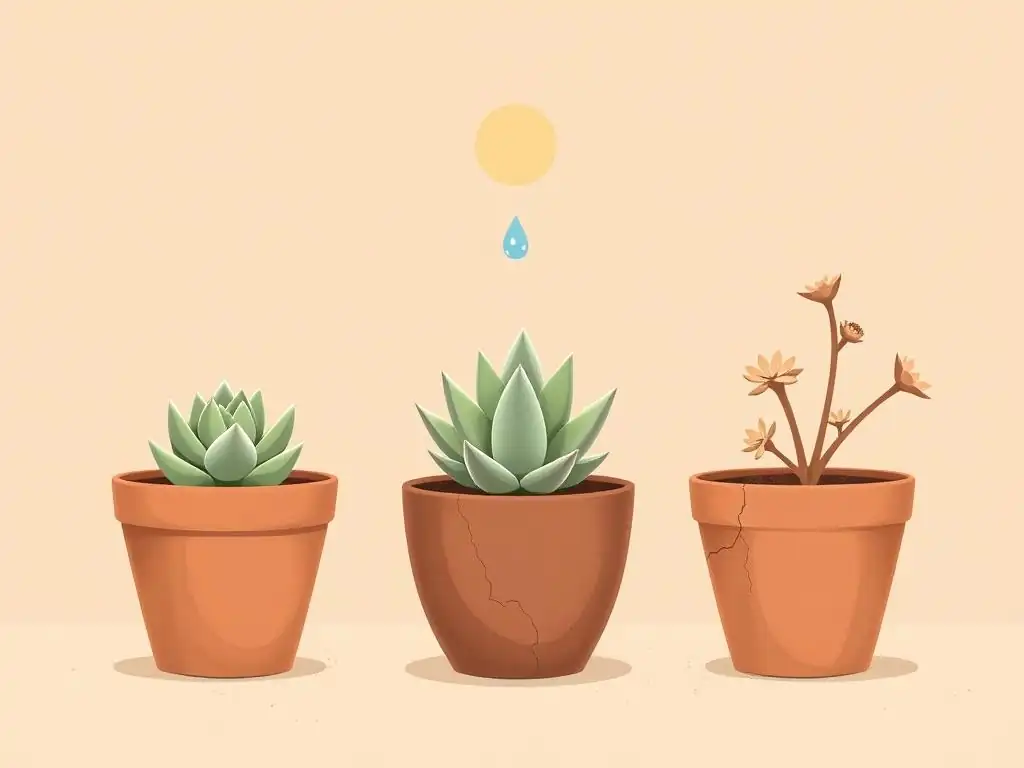
This section delves into the practical aspects of succulent watering in dry climates, focusing on identifying and resolving common problems. Understanding the nuances of succulent hydration is crucial for their survival and thriving in arid environments. Proper watering techniques are key to preventing common issues and ensuring the long-term health of your succulent collection. Remember, the goal is to mimic the natural rainfall patterns of their native habitats, providing infrequent but thorough watering sessions. This approach, combined with well-draining soil, is fundamental for success in "Succulent watering dry climates".
Addressing Common Succulent Watering Problems in Arid Regions
One of the most frequent challenges faced by succulent enthusiasts in dry climates is striking the right balance between sufficient hydration and avoiding overwatering. Overwatering is a significant threat, leading to root rot and ultimately plant death. Underwatering, on the other hand, results in shriveled leaves and stunted growth. Let's examine these issues in detail.
Overwatering symptoms typically manifest as mushy, decaying leaves at the base of the plant. The soil remains consistently damp, even days after watering. A pungent odor might also be present, indicating bacterial or fungal growth. Conversely, underwatered succulents show signs of dehydration: leaves become wrinkled and brittle, and the plant may appear wilted.
Effective management involves careful observation. Before watering, check the soil moisture using your finger. If the top inch or two of soil is dry, then it's time to water. Always water thoroughly, allowing excess water to drain completely from the pot. Avoid frequent, shallow watering, which only wets the top layer of soil and doesn't reach the roots. Remember, "Succulent watering dry climates" necessitates a less-is-more approach. The frequency of watering will also depend on factors such as pot size, soil type, and ambient temperature. During hotter, drier periods, you may need to water more frequently.
Here's a helpful table summarizing common problems and their solutions:
| Problem | Symptoms | Solution |
|---|---|---|
| Overwatering | Mushy leaves, damp soil, foul odor | Allow soil to dry completely between waterings; improve drainage. |
| Underwatered | Wrinkled, brittle leaves, wilted appearance | Water thoroughly until excess water drains; consider more frequent watering during heat. |
| Pest infestation | Visible insects, damaged leaves | Use appropriate insecticidal soap or neem oil. |
| Nutrient deficiency | Pale, yellowing leaves | Use a balanced succulent fertilizer. |
Preventing Root Rot in Succulents through Proper Watering
Root rot, a devastating fungal disease, is often a direct consequence of improper watering. The key to prevention lies in providing excellent drainage and avoiding consistently wet soil. Choose well-draining potting mixes specifically formulated for succulents, often containing perlite, pumice, or coarse sand. Ensure your pots have adequate drainage holes to prevent waterlogging.
Furthermore, consider the type of container you use. Terracotta pots are particularly well-suited for succulents in dry climates because they are porous and allow excess moisture to evaporate. Avoid using containers without drainage holes, such as decorative bowls or vases, unless you are incredibly diligent about monitoring soil moisture. Remember that "Succulent watering dry climates" demands attention to detail in pot selection and soil composition.
The frequency of watering should be adjusted according to the season and environmental conditions. During the dormant period (typically winter), succulents require significantly less water. Overwatering during dormancy is a common cause of root rot. Always allow the soil to dry out almost completely before watering again, especially during cooler months.
Additional Tips for Preventing Root Rot
- Use a watering can with a long spout to target the base of the plant, avoiding wetting the leaves.
- Water in the morning to allow the soil to dry before nightfall, reducing the risk of fungal growth.
- Inspect your succulents regularly for any signs of root rot, such as mushy stems or a foul odor.
Reviving Underwatered or Overwatered Succulents
Reviving an underwatered succulent usually involves a thorough soaking, allowing the soil to drain completely. Monitor the plant closely for signs of recovery, such as plumping leaves. If the damage is severe, you may need to propagate healthy cuttings to start anew.
Reviving an overwatered succulent is more complex. The first step is to remove the plant from its pot and gently inspect the roots. Remove any mushy or decaying roots using clean, sharp scissors. Repot the plant in fresh, dry succulent potting mix. Avoid watering for several days to allow the soil to dry and the roots to recover. Once repotted, water sparingly, only when the soil is completely dry.
The survival rate depends on the extent of root rot. Early detection and prompt action are crucial for successful resuscitation. Patience is key; it may take several weeks for the plant to show signs of recovery. Remember, "Succulent watering dry climates" is a learning process; don't be discouraged by setbacks. Learn from your mistakes and refine your watering techniques to create a thriving succulent garden.
Maintaining Your WaterWise Succulent Garden in Dry Climates Year-Round
Maintaining a thriving succulent garden in arid regions requires a deep understanding of these resilient plants' water needs. While succulents are famously drought-tolerant, proper watering is crucial for their long-term health and vibrant appearance. Overwatering is a common mistake, often leading to root rot and plant death. Conversely, underwatering can stunt growth and make succulents susceptible to pests and diseases.
The key to success lies in finding the delicate balance between providing sufficient moisture and avoiding excess water. This involves observing your plants closely, understanding their specific needs, and adapting your watering schedule to seasonal changes. Regular inspection for signs of underwatering (e.g., shriveled leaves, dull coloration) or overwatering (e.g., mushy leaves, foul odor) is paramount. Remember, the goal is to keep the soil slightly moist, never soggy.
Seasonal Watering Adjustments for Succulents in Dry Climates
Succulent watering needs fluctuate significantly throughout the year, mirroring the natural rainfall patterns of dry climates. During the hot, dry summer months, succulents require more frequent watering, typically every 7-10 days, depending on factors like sunlight exposure, pot size, and soil type. However, it's crucial to avoid watering during the hottest part of the day to prevent water evaporation and potential leaf scorching. Early morning or late evening watering is ideal.
Conversely, during the cooler, wetter months of autumn and spring, watering frequency can be reduced to every 2-3 weeks or even less, depending on rainfall and temperature. The soil should be allowed to dry out almost completely between waterings. Always check the soil moisture before watering – stick your finger a couple of inches into the soil; if it’s dry, it's time to water. Remember, it's better to underwater than overwater, especially during these transitional seasons.
Monitoring your plants closely is key to understanding their specific needs and adjusting your watering schedule accordingly. Consider using a moisture meter for added precision, especially if you're new to succulent gardening. This ensures your plants receive the perfect amount of hydration without risking overwatering.
Winter Watering Considerations for Succulents
Winter presents unique challenges for succulent care in dry climates. While some succulents might require minimal watering during winter dormancy, others may still need occasional hydration, depending on the climate and the specific species. Generally, winter watering should be significantly reduced, with watering frequency decreasing to once a month or even less, depending on the temperature and rainfall. Avoid overhead watering during winter, as this can lead to fungal diseases in damp conditions.
Instead, opt for bottom watering, where you place the pot in a tray of water and allow the soil to absorb moisture from the bottom up. This method minimizes the risk of leaf rot. Always ensure that the pot has adequate drainage holes to prevent waterlogging. Protecting your succulents from frost and extreme cold is also critical during winter.
Bring potted succulents indoors or provide them with extra protection if temperatures drop below freezing. Observe your plants for any signs of stress, such as leaf discoloration or wilting, and adjust your watering schedule accordingly. Remember, less is often more during the winter months, and careful monitoring is essential for success. A consistent, yet minimal, approach to winter watering will help your succulents survive the colder months and thrive in the spring.
Long-Term Succulent Garden Maintenance for Optimal Health and Growth in Dry Climates
Long-term success in cultivating a water-wise succulent garden in dry climates hinges on consistent care and mindful maintenance. This includes regular soil checks to ensure proper drainage and aeration. Well-draining soil is essential for preventing root rot, a common problem in succulents. Consider amending your soil with perlite or pumice to improve drainage. Regular fertilization is also crucial, but avoid over-fertilizing, which can harm your plants.
A balanced, slow-release fertilizer applied sparingly during the growing season is usually sufficient. Pruning and deadheading are essential for maintaining the aesthetic appeal and health of your succulent garden. Remove dead or damaged leaves and flowers to encourage new growth and prevent the spread of diseases. Additionally, regular inspection for pests and diseases is crucial.
Early detection and treatment are essential to prevent widespread damage. By following these long-term maintenance practices, you can ensure your succulent garden remains healthy, vibrant, and resilient, even in the harshest dry climates. Remember, patience and observation are key to mastering the art of succulent cultivation and achieving a beautiful, thriving water-wise garden that will flourish for years to come. 🍹
Frequently Asked Questions
How often should I water succulents in a dry climate?
This depends on several factors including pot size, soil type, and sun exposure. Generally, less frequent, but deeper watering is best, allowing the soil to dry out completely between waterings. Aim for watering only when the soil is completely dry.
What are the signs of underwatering or overwatering in succulents?
Underwatering shows as shriveled leaves and dry soil. Overwatering leads to mushy, rotting leaves and potentially root rot. Observe your plants closely to catch problems early.
What type of soil is best for succulents in dry climates?
Use a well-draining potting mix specifically formulated for cacti and succulents. This will prevent waterlogging, a major issue for succulents in dry climates. Adding perlite or pumice improves drainage further.
How can I protect my succulents from intense sun in a dry climate?
While succulents love sun, intense midday sun can scorch them. Provide afternoon shade during the hottest part of the day, either by using shade cloth or strategically placing your plants.
Are there specific succulent varieties better suited for dry climates?
Many succulents thrive in arid conditions. Look for varieties native to desert regions such as Echeveria, Sedum, and Agave. These are naturally adapted to drought-tolerant conditions.
Final Reflection: Cultivating Resilience, One Drop at a Time
The art of water-wise gardening isn't merely a trend; it's a crucial adaptation for our increasingly arid world. Facing water scarcity head-on requires a shift in perspective, moving from resource depletion to resource stewardship, and embracing the beauty and resilience of drought-tolerant plants like succulents. This is not just about saving water; it's about building a sustainable future for our landscapes and communities.
The journey into water-wise gardening, particularly focusing on succulents in dry climates, has been a profound one for me. It's revealed not only the incredible diversity and adaptability of these plants but also the deep connection between human ingenuity and the natural world. The glory of gardening: hands in the dirt, head in the sun, heart with nature. To nurture a garden is to feed not just the body, but the soul.
This quote perfectly encapsulates the transformative power of tending to a garden, especially one designed to thrive despite challenging conditions. It's a testament to our ability to find beauty and abundance even in the face of scarcity.
Now, I invite you to consider your own relationship with water and the landscapes around you. What small changes can you make to embrace more sustainable gardening practices? Perhaps it's starting with a single succulent, learning its unique needs, and appreciating its quiet strength. Or maybe it's exploring native plants in your region, creating a haven for local wildlife while conserving precious water resources. The journey towards a water-wise future begins with a single step, a single seed, a single conscious choice. Let's cultivate resilience, together.
Unleash Your Desert Oasis: Start Gardening WaterWise Today!
Thank you for exploring the world of water-wise gardening! We hope you've discovered practical techniques to transform your dry-climate landscape into a thriving haven. Now, let's put that knowledge into action.
- Design your dream drought-tolerant garden: Grab a pencil and paper, or use your favorite design app, and sketch your ideal water-wise garden. Consider the plants discussed earlier, and let your creativity flourish!
- Share your gardening journey: Tell us about your favorite drought-tolerant plant or a gardening challenge you've overcome in the comments below—let's build a supportive community!
- Embrace the unexpected: Consider incorporating a unique element like a rain garden or a xeriscaping feature—you might discover a new passion!
Ready to turn your vision into reality? What's the first step you'll take to create your water-wise paradise?