
Variegated vs. Crested: Decoding the Rare Mutations in Succulents

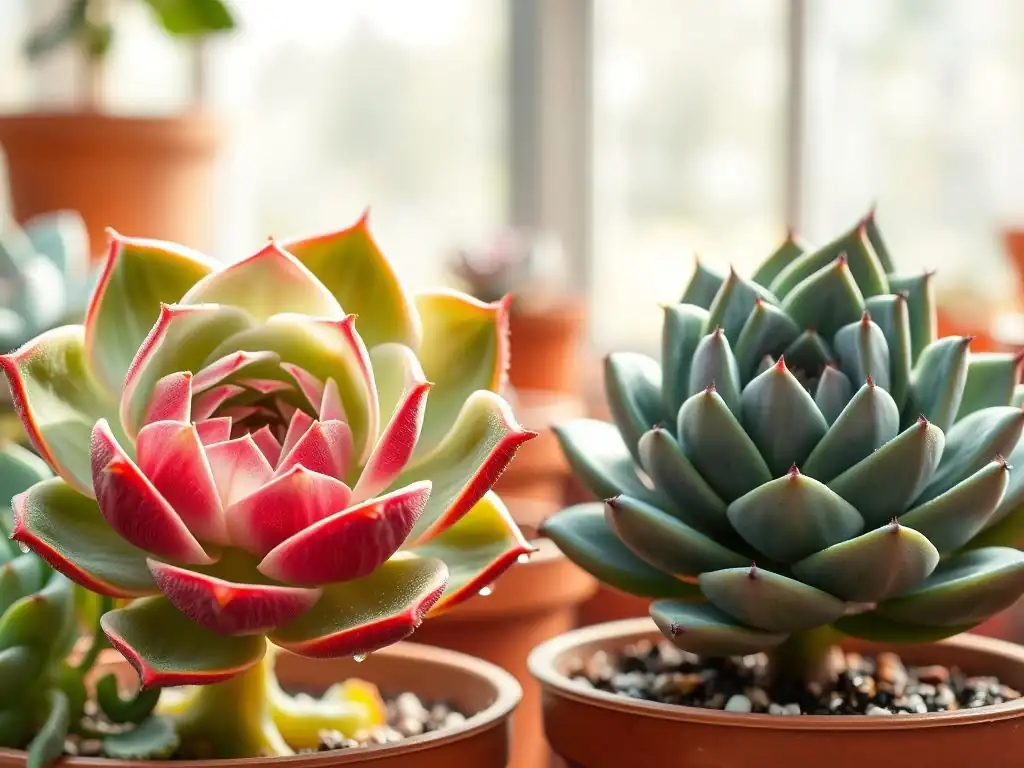
Welcome to SucculentEssentials.org, where the extraordinary world of succulents unfolds! Prepare to be captivated by the enigmatic beauty of these resilient plants. Have you ever wondered about the fascinating variations within the succulent family? Dive into the secrets behind rare succulent mutations, exploring the differences between variegated and crested varieties in our in-depth article, "Variegated vs. Crested: Decoding the Rare Mutations in Succulents." Uncover the mysteries and unlock the secrets to cultivating these unique treasures—your journey into the heart of succulent obsession starts now!
- Understanding Rare Succulent Mutations: Variegation and Crest Mutations Explained
- Crested Succulents: The Fascinating World of Fasciation
- Variegated vs. Crested Succulents: A Direct Comparison
- Propagating Rare Succulent Mutations: Variegated and Crested
- Caring for Your Rare Succulents: Maintaining Health and Vibrancy
- Troubleshooting Common Issues in Rare Succulents
- Frequently Asked Questions
- Final Reflection: Embracing the Unexpected Beauty of Mutation
- Unleash Your Inner Plant Expert: Mastering Succulent Mutations
Understanding Rare Succulent Mutations: Variegation and Crest Mutations Explained
The captivating world of succulents offers more than just a diverse array of shapes and sizes; it also presents a fascinating realm of rare genetic mutations. Among the most sought-after and prized succulents are those exhibiting variegation and cresting – unique characteristics that dramatically alter their appearance and significantly increase their collector value. This article delves into the intricacies of these rare mutations, exploring their genetic origins, identifying key characteristics, and offering tips for discerning these botanical treasures.
Understanding these mutations not only enhances appreciation for the beauty of succulents but also provides valuable insights into their genetic diversity and propagation. We'll unravel the mysteries behind "rare succulent mutations explained," focusing specifically on variegation and cresting, equipping you with the knowledge to identify and care for these exceptional plants.
What is Variegation in Succulents? Understanding the Genetic Basis of Color Variation
Variegation in succulents, and plants in general, is a fascinating phenomenon resulting from a genetic mutation that affects chlorophyll production. Chlorophyll, the green pigment crucial for photosynthesis, is responsible for the typical green coloration of plants. Variegated succulents display patches or streaks of different colors, often white, yellow, pink, or even red, alongside the usual green.
This is because the mutation disrupts the normal production of chlorophyll in certain areas of the plant. The extent and pattern of variegation can vary greatly, depending on the specific genetic mutation and the species involved. The genetic basis for variegation is complex and often involves chimeral mutations, meaning the mutation affects only certain layers of cells within the plant tissue.
This explains why variegation patterns can be so unpredictable and can even change over time as the plant grows. Understanding this genetic basis is key to appreciating the rarity and beauty of variegated succulents. The lack of chlorophyll in variegated sections can make these plants slightly less vigorous than their all-green counterparts, requiring slightly more careful care and sun exposure.
Types of Variegation in Succulents: Exploring Different Patterns and Color Combinations
The world of variegated succulents is incredibly diverse, showcasing a stunning array of patterns and color combinations. We can broadly categorize variegation patterns as follows:
- Marginal Variegation: This is characterized by a distinct band of color along the edges of the leaves, while the center remains green.
- Medial Variegation: In this type, the coloration is concentrated in the center of the leaves, leaving the edges green.
- Sectoral Variegation: This involves large sections of the plant displaying a different color, creating striking contrasts.
- Reticulate Variegation: This pattern creates a net-like or web-like appearance with interspersed colors.
- Flecked Variegation: This is characterized by small spots or flecks of color scattered across the leaves.
The colors themselves can also vary widely. While white and yellow are common, you can find variegated succulents exhibiting shades of pink, red, orange, and even cream. The intensity and distribution of these colors often depend on factors like light exposure and growing conditions. The specific combination of pattern and color makes each variegated succulent unique and highly collectible. For instance, a succulent with bright pink medial variegation will be visually distinct from one with subtle yellow marginal variegation, showcasing the vast diversity within this captivating mutation.
Identifying Variegated Succulents: Tips for Spotting Rare Color Mutations
Identifying variegated succulents requires a keen eye and a good understanding of the typical coloration of the species. Begin by researching the normal coloration of the specific succulent you’re examining. Any deviation from this normal coloration, especially patches or streaks of different colors, could indicate variegation. Pay close attention to the pattern and distribution of the color.
Is it marginal, medial, sectoral, reticulate, or flecked? Note the specific colors involved – are they predominantly white, yellow, pink, or another shade? Consider the overall health of the plant; sometimes, stress can cause discoloration that mimics variegation, so look for consistent and stable coloration.
Remember, truly rare and valuable variegated succulents often exhibit unique and striking color combinations and patterns that are not commonly seen. The more unusual the pattern and color, the more likely it is to be a highly prized example of this rare mutation. Consulting experienced succulent growers or online communities can be invaluable in confirming the presence and type of variegation.
Crested Succulents: The Fascinating World of Fasciation
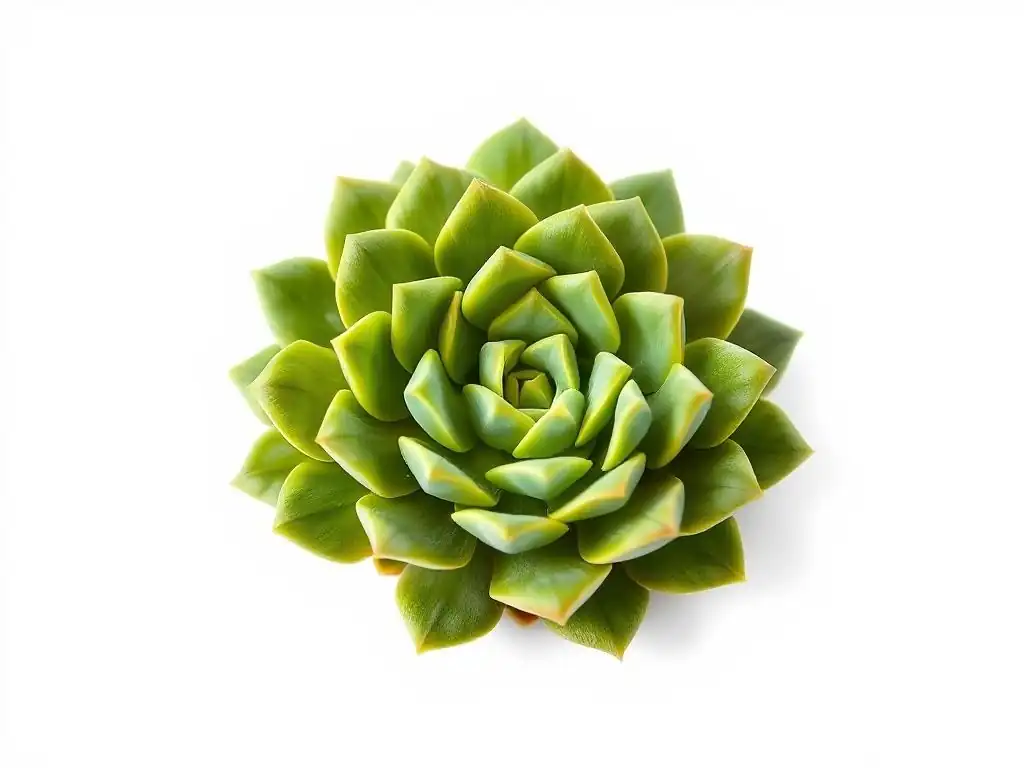
Crested succulents, often described as having a "brain coral" appearance, represent a captivating example of a rare succulent mutation. This unique morphology, known as fasciation, results in a flattened, crested, or wavy growth pattern, dramatically altering the plant's typical form. Understanding the fascinating process behind this mutation unlocks a deeper appreciation for the diversity and resilience of these drought-tolerant plants.
Collectors prize crested succulents for their unusual and often breathtaking beauty, making them highly sought-after additions to any succulent collection. The rarity of these mutations significantly contributes to their value and appeal within the succulent community. This section delves into the specifics of crested succulents, exploring their formation, identification, and the diverse variations found in nature.
What is Fasciation (Crest Mutation)? A Detailed Explanation of the Phenomenon
Fasciation, the biological process responsible for cresting in succulents, is a relatively uncommon anomaly affecting the plant's meristematic tissue—the area of actively dividing cells responsible for growth. Instead of the typical apical meristem (single growing point) developing normally, multiple meristems develop simultaneously. This results in a flattened, ribbon-like, or wavy growth habit. The exact cause of fasciation remains a subject of ongoing research, but several factors are believed to contribute, including:
- Genetic Mutations: While not fully understood, genetic abnormalities are suspected to play a significant role in initiating fasciation. This could involve spontaneous mutations or even the interaction of specific genes.
- Environmental Factors: External stressors such as hormonal imbalances, pathogen infections (viral or bacterial), or physical damage (insect infestation or mechanical injury) can sometimes trigger fasciation. However, it's crucial to note that these factors don't always lead to crested growth.
- Hormonal Imbalances: Disruptions in the plant's hormonal balance, particularly the levels of auxins and cytokinins, are believed to influence the development of multiple meristems.
The resulting crested growth can vary significantly in appearance, from subtle waviness to dramatically altered, brain-like formations. It's important to remember that fasciation is not a disease itself, but rather a developmental abnormality. The affected plant can still thrive and reproduce, although propagation techniques might need some adjustments. Understanding the complexities of fasciation enhances our appreciation for the intricate processes governing plant development.
Identifying Crested Succulents: Distinguishing Features and Characteristics
Identifying a crested succulent is relatively straightforward due to its distinct morphology. The most prominent characteristic is the flattened, often wavy or ruffled growth pattern. Instead of the typical cylindrical or spherical shape seen in non-crested varieties, crested succulents exhibit a broadened, irregular form. This change in growth habit is usually readily apparent, even in relatively small plants.
Other distinguishing features include:
- Multiple Growing Points: Instead of a single apical meristem, crested succulents often display multiple growing points along the flattened surface.
- Irregular Shape: The overall shape is typically irregular and unpredictable, lacking the symmetry of a standard succulent.
- Varied Texture: The texture can vary depending on the species and the extent of fasciation, ranging from smooth to slightly bumpy or ridged.
It's important to distinguish fasciation from other growth abnormalities. For example, while both fasciation and etiolation (elongated growth due to lack of light) can alter a plant's shape, etiolation typically produces a thinner, taller plant, rather than a flattened, crested one. Careful observation and comparison with typical specimens of the same species are crucial for accurate identification. The unique aesthetics of crested succulents make them highly valued by collectors and enthusiasts alike.
Types of Crested Succulents: Variations in Crest Formation and Appearance
The appearance of cresting varies considerably across different succulent species and even within the same species. The extent of fasciation, the shape of the crest, and the overall plant form can all differ significantly. Some crested succulents exhibit only a slight waviness, while others develop dramatically altered, almost sculptural forms. These variations contribute to the immense diversity and collectible appeal of crested succulents.
Here are some examples of the variety in crest formation:
| Succulent Species | Crest Formation Description | Appearance Example |
|---|---|---|
| Echeveria | Often displays a ruffled, wavy crest, sometimes with multiple lobes. | A broad, undulating crest, resembling a ruffled fan. |
| Mammillaria | Can exhibit a dense, brain-like crest with numerous small, tightly packed lobes. | A complex, intricately folded crest, reminiscent of brain coral. |
| Gymnocalycium | May show a flattened, ribbon-like crest with smoother edges. | A wide, relatively flat crest with gentle undulations. |
The variability in crest formation is a testament to the unpredictable nature of fasciation. Each crested succulent is unique, reflecting the complex interplay of genetic and environmental factors that shape its development. This inherent uniqueness is a major factor in the desirability of these rare and captivating plants. The ongoing exploration of these mutations continues to fascinate botanists and succulent enthusiasts alike.
Variegated vs. Crested Succulents: A Direct Comparison
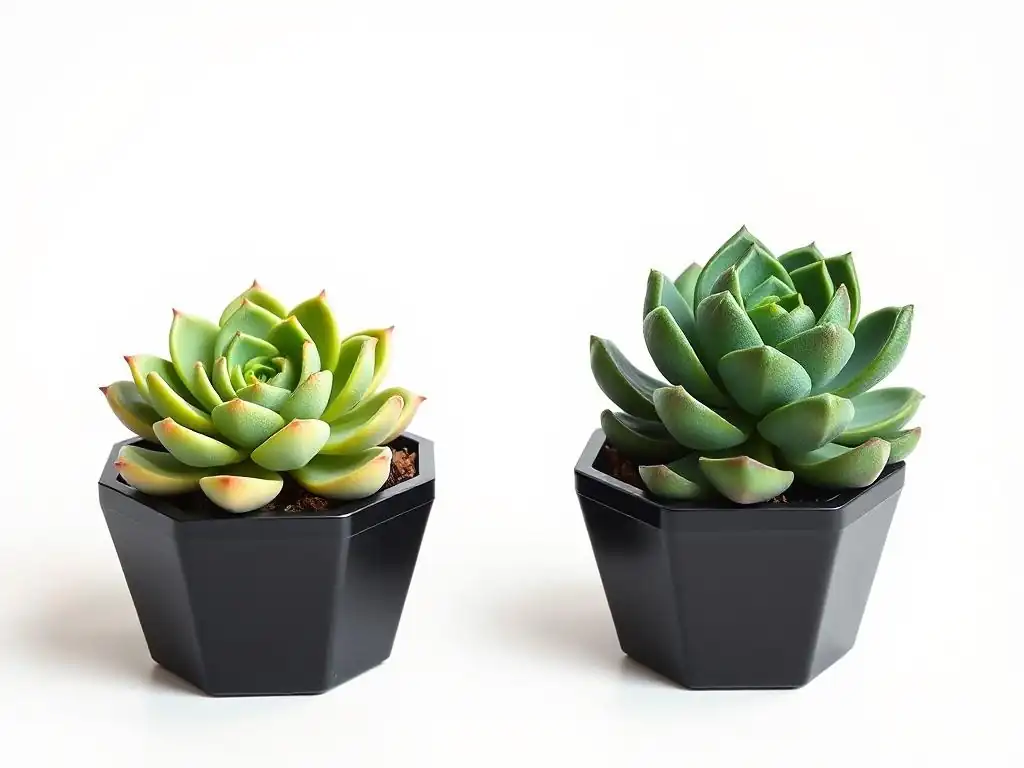
This section delves into the key differences between variegated and crested succulents, two highly sought-after mutations that significantly impact a plant's appearance and value. Understanding these distinctions is crucial for both collectors and enthusiasts aiming to cultivate these rare succulents. We'll explore their growth patterns, care needs, and overall desirability in the collector's market. The term "rare succulent mutations explained" perfectly encapsulates the core purpose of this analysis.
Comparing Growth Habits: Variegated vs. Crested Succulents
Variegation and cresting are distinct genetic mutations affecting succulent growth in dramatically different ways. Variegation manifests as irregular patterns of color in the leaves, stems, or both. This coloration, often appearing as stripes, spots, or blotches, results from a lack of chlorophyll in certain areas of the plant.
These patterns are incredibly diverse, with each variegated succulent showcasing a unique arrangement of colors. Think of it like a natural, ever-changing work of art. Some popular examples include variegated Echeveria, Haworthia, and Sedum species, where you might see creamy white, yellow, or even pink hues contrasting sharply with the plant's typical green.
Conversely, cresting produces a fascinating, fan-like or brain-like growth habit. Instead of a single apical meristem (the growing tip), crested succulents develop multiple meristems, leading to a flattened, wavy, or ridged growth form. This mutation often results in a more compact and visually striking plant. Crested succulents, such as Mammillaria and Gymnocalycium species, display a unique architectural beauty rarely seen in their non-crested counterparts. The unpredictable nature of cresting frequently produces one-of-a-kind forms, further enhancing their allure to collectors.
Comparing Care Requirements: Light, Water, and Soil Needs
While both variegated and crested succulents share a common need for well-draining soil and protection from frost, their specific requirements can vary based on the underlying species. However, a general understanding of their light and watering needs is crucial for successful cultivation.
| Feature | Variegated Succulents | Crested Succulents |
|---|---|---|
| Light Needs | Often require brighter light than their non-variegated counterparts due to reduced chlorophyll. Monitor for signs of etiolation (leggy growth). | Generally similar to non-crested counterparts, but careful monitoring is crucial to avoid sunburn on delicate crested forms. |
| Watering Needs | Usually have similar watering needs to their non-variegated relatives, but overwatering can be particularly damaging to the more delicate variegated sections. | Can be slightly more susceptible to rot due to the dense, often interwoven growth pattern. Ensure excellent drainage and avoid overwatering. |
| Soil Needs | Well-draining, mineral-rich cactus and succulent potting mix. | Well-draining, mineral-rich cactus and succulent potting mix. Avoid heavy, clay-based soils. |
Generally, both types benefit from a bright, well-lit location with protection from intense midday sun. Overwatering is a common cause of failure for both variegated and crested succulents, so err on the side of underwatering, especially during the dormant season.
Variegated and Crested Succulents: Value and Collectibility
The rarity of both variegated and crested mutations significantly contributes to their higher value compared to their non-mutated counterparts. The unique and often unpredictable nature of these mutations makes each plant a highly individual specimen, leading to intense collector interest. The price of these succulents can vary widely depending on the species, the intensity and stability of the variegation or cresting, the size of the plant, and the overall condition.
Certain variegated and crested varieties are incredibly sought-after, commanding premium prices within the succulent community. The demand for these rare plants constantly fluctuates based on factors like overall availability, current trends, and the aesthetic appeal of specific mutations. For instance, a strongly variegated Haworthia with striking contrasting colors might fetch a significantly higher price than a subtly variegated specimen of the same species. Similarly, a beautifully formed and well-developed crested Mammillaria will be more valuable than a smaller, less-defined crested plant.
The "rare succulent mutations explained" aspect is very much tied to this unpredictable and fluctuating market. The market appreciates both the rarity and the visual appeal of these unique specimens. Collectors frequently pay a premium for plants exhibiting exceptional characteristics, contributing to their overall value and collectibility.
Propagating Rare Succulent Mutations: Variegated and Crested
Propagating rare succulent mutations, specifically variegated and crested forms, presents unique challenges and rewards. These plants, prized for their unusual coloration or growth patterns, often require more specialized care during propagation to maintain their desirable traits. Successfully propagating these mutations can be a significant accomplishment for any succulent enthusiast, adding to the thrill of cultivating these fascinating plants. Understanding the nuances of each type of mutation is key to successful propagation. This section details the methods and considerations for each.
Propagating Variegated Succulents: Methods and Considerations
Variegated succulents, characterized by their striking patterns of different colors on their leaves, are highly sought after. However, their unique coloration is often less stable than that of their solid-colored counterparts. This instability can make propagation challenging, as the offspring may not always inherit the variegated trait.
Several methods can be employed to propagate variegated succulents, each with its own set of advantages and disadvantages:
- Leaf cuttings: This is a popular method for many succulents, but with variegated varieties, success isn't guaranteed. The new plant may revert to its non-variegated form, exhibiting only green leaves. Careful selection of leaves from areas exhibiting strong variegation is crucial for increasing the odds of retaining this trait. Furthermore, providing optimal growing conditions—sufficient light, well-draining soil, and consistent moisture—is paramount.
- Stem cuttings: Similar to leaf cuttings, stem cuttings can also be used. However, selecting a stem cutting from a vigorously variegated section of the mother plant is vital. Choosing a cutting with distinct variegation increases the likelihood of the offspring maintaining the desired coloration. The cutting should be allowed to callous before planting to prevent rot.
- Offset propagation: This is often the most reliable method for maintaining the variegated trait. Offsets, or "pups," are genetically identical clones of the mother plant, so they will invariably retain the same variegation. However, not all variegated succulents produce offsets readily.
The success rate of propagating variegated succulents depends heavily on several factors:
| Factor | Impact on Propagation |
|---|---|
| Light Intensity | Insufficient light can lead to loss of variegation and etiolation. Strong, indirect light is ideal. |
| Soil Drainage | Poor drainage can cause root rot, killing the cutting before it establishes. Well-draining soil is essential. |
| Watering Schedule | Overwatering is a common cause of failure. Allow the soil to dry completely between waterings. |
| Genetic Stability | Some variegated cultivars are genetically more stable than others, influencing propagation success. |
Successfully propagating variegated succulents requires patience and attention to detail. Even with careful technique, some cuttings may revert to a non-variegated state. However, by understanding these challenges and employing the best practices outlined above, you can significantly improve your chances of success.
Propagating Crested Succulents: Challenges and Techniques
Crested succulents, characterized by their fascinating, fan-shaped or brain-like growth, are highly sought-after due to their unusual appearance. This unique growth habit, a result of a genetic mutation called fasciation, presents particular challenges when it comes to propagation. The crest itself is a result of a meristematic mutation; that is, a mutation in the growing tip of the plant.
Propagating crested succulents is generally more difficult than propagating variegated varieties. While the methods are similar, the success rate is often lower. The crested growth pattern isn't always stable, and propagating a crested succulent might result in offspring that revert to a normal, non-crested growth habit.
- Leaf cuttings: Leaf cuttings from crested succulents rarely produce crested offspring. The mutation affecting the meristem is not usually present in the leaves.
- Stem cuttings: Stem cuttings offer a better chance of success than leaf cuttings, but careful selection is crucial. Cuttings should be taken from the actively growing crested portion of the plant. Even then, there is no guarantee that the new plant will maintain its crested form.
- Offset propagation: As with variegated succulents, offsets are the most reliable method for propagating crested succulents, ensuring the unique growth habit is passed on. However, crested succulents often produce fewer offsets compared to their non-crested counterparts.
The challenges in propagating crested succulents are exacerbated by their sometimes slower growth rate and increased sensitivity to environmental conditions. Maintaining optimal humidity levels and providing sufficient light, while preventing overwatering, is crucial for success. The rare and unique nature of crested succulents makes their propagation a rewarding, yet demanding, endeavor for even experienced succulent enthusiasts. Careful observation and patience are key to mastering this challenging aspect of succulent cultivation.
Caring for Your Rare Succulents: Maintaining Health and Vibrancy
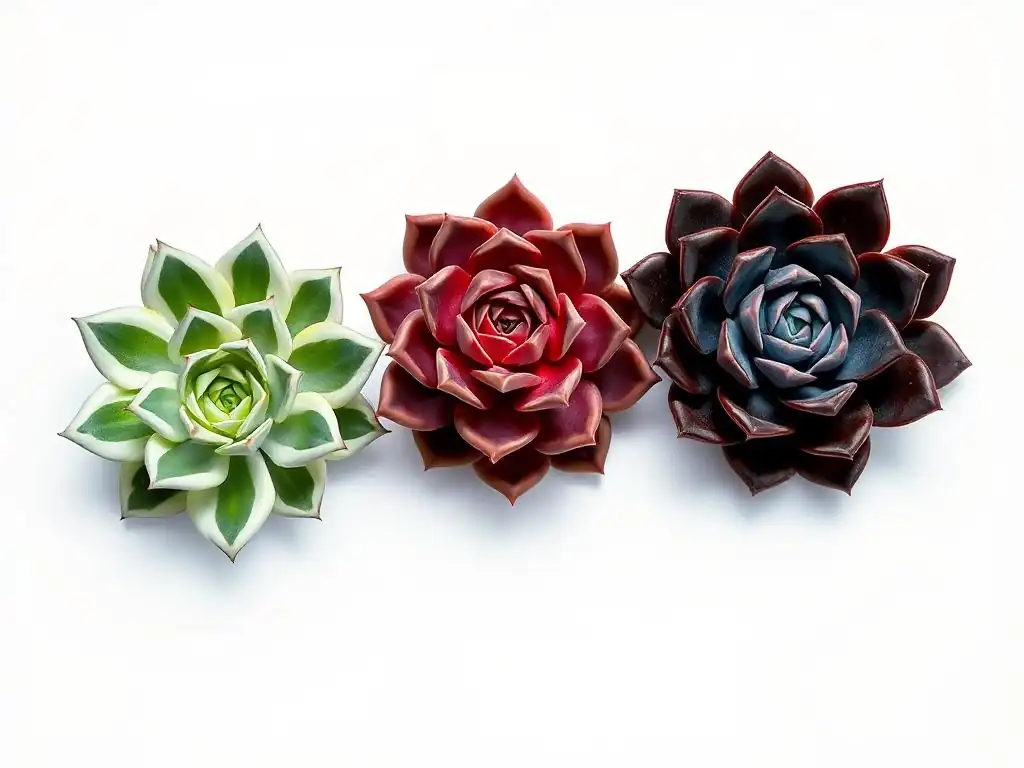
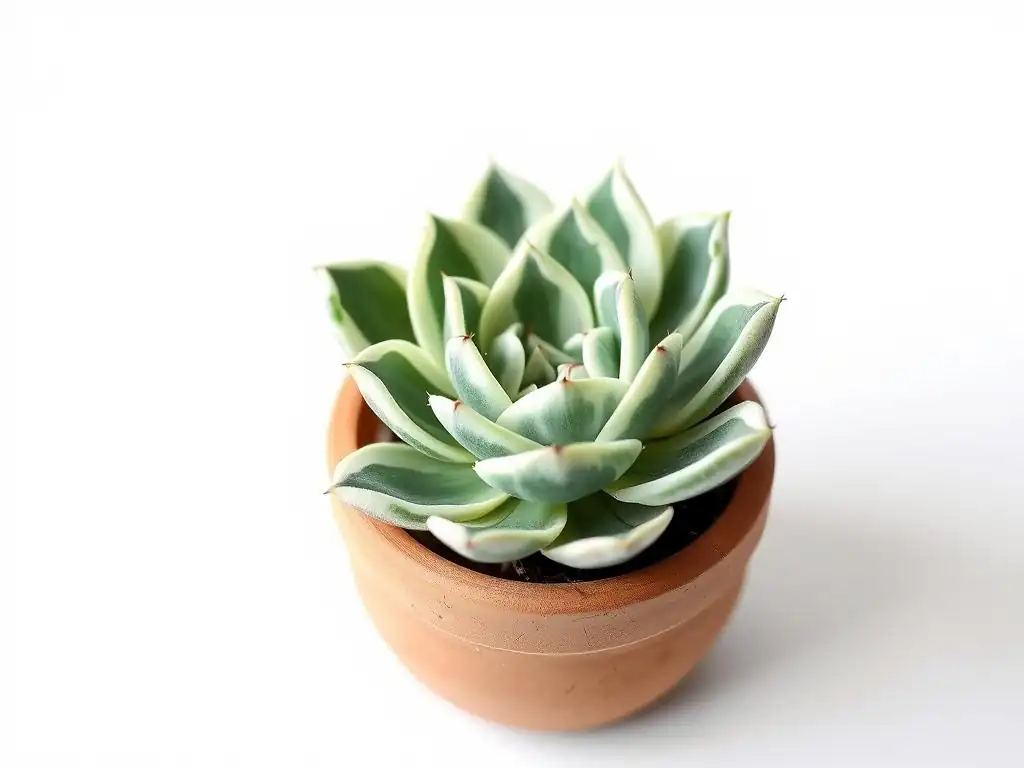
Rare succulent mutations, like variegated and crested forms, often demand a bit more attention than their standard counterparts. Their unique genetic expressions can make them slightly more sensitive to environmental changes, requiring a more nuanced approach to care. Understanding their specific needs is crucial for maintaining their health and vibrancy, ensuring these prized plants thrive and reward you with their stunning beauty.
This section will delve into the specifics of light, watering, and soil requirements for these fascinating plants. Mastering these techniques will help you successfully cultivate and preserve these rare succulent mutations, expanding your collection of unique and valuable specimens.
Light Requirements for Variegated and Crested Succulents
Variegated and crested succulents, due to their altered genetic makeup, often have slightly different light requirements than their non-mutated relatives. The lack of chlorophyll in variegated sections makes them more susceptible to sunburn, while crested forms, with their unusual growth patterns, can sometimes be more prone to etiolation (leggy growth) in low light.
Optimal light exposure is key to maintaining the vibrant colors and healthy growth of these rare mutations. While many succulents thrive in bright, indirect light, variegated varieties may benefit from slightly filtered sunlight, especially during the hottest part of the day. Consider using a sheer curtain to diffuse intense sunlight, preventing leaf scorch. Crested succulents, on the other hand, might appreciate a bit more direct light, but careful monitoring is essential to prevent stress. Observe your plants closely; signs of sunburn (brown or bleached spots) indicate too much direct sun, whereas pale, elongated growth suggests insufficient light.
The intensity of light also varies with seasons. During the summer months, you might need to provide more shade, while during the winter, you may need to supplement with grow lights to ensure adequate light exposure for healthy growth. Remember, consistent monitoring is crucial. Rotate your plants regularly to ensure even light distribution and prevent uneven growth. Consider using a light meter to quantify the light levels your plants are receiving, allowing for more precise adjustments.
Watering Techniques for Rare Succulent Mutations
Watering rare succulent mutations requires a delicate balance. Overwatering is a common problem that can lead to root rot, a fatal condition for these plants. Underwatering, on the other hand, can cause stress and hinder growth. The key is to allow the soil to dry out completely between waterings. This drying period is crucial for preventing fungal diseases and promoting healthy root development.
The frequency of watering will depend on several factors, including the type of succulent, the size of the pot, the season, and the ambient temperature and humidity. During the growing season (spring and summer), you'll likely need to water more frequently, perhaps every 1-2 weeks, depending on the conditions. In the dormant season (fall and winter), watering should be significantly reduced, perhaps only once a month or even less, depending on the climate and the plant's condition.
Always water thoroughly, ensuring the water reaches the bottom of the pot and drains out through the drainage holes. Avoid letting your succulents sit in standing water, which can lead to root rot. Use a well-draining potting mix specifically formulated for succulents to further reduce the risk of overwatering. Feel the weight of the pot; a lighter pot indicates dry soil, signaling it's time to water. Always check the soil moisture before watering to avoid overwatering. Signs of overwatering include mushy leaves, discoloration, and a foul odor.
Soil and Fertilizer Recommendations for Variegated and Crested Plants
The soil composition plays a critical role in the health and well-being of your rare succulents. A well-draining potting mix is paramount to prevent root rot, a common problem for these plants. Avoid using garden soil, which retains too much moisture and lacks the proper aeration needed by succulents.
A suitable potting mix should contain a blend of inorganic materials such as pumice, perlite, and coarse sand, mixed with a small amount of organic matter such as coco coir or peat moss. This combination provides excellent drainage while retaining a minimal amount of moisture. The ideal soil should be airy and loose, allowing for proper root aeration and preventing waterlogging.
Fertilizing your variegated and crested succulents is important, but it should be done sparingly. These plants are not heavy feeders, and excessive fertilization can lead to salt buildup in the soil, which can damage the roots. Use a balanced, water-soluble succulent fertilizer diluted to half strength, applying it only during the growing season (spring and summer) once a month or every other month. Avoid fertilizing during the dormant season (fall and winter), as the plants are not actively growing and are less likely to absorb nutrients.
Over-fertilization can lead to unsightly leaf burn and can even damage the roots. Always follow the instructions on the fertilizer packaging carefully. Observe your plants for any negative reactions after fertilization and adjust accordingly.
Troubleshooting Common Issues in Rare Succulents
Rare succulent mutations, like variegated and crested forms, often demand more meticulous care than their standard counterparts. Their unique genetic makeup can make them more susceptible to certain problems. Understanding these challenges and implementing preventative measures is crucial for maintaining the health and beauty of these prized plants. This section focuses on addressing common issues encountered while cultivating rare succulent mutations, specifically addressing etiolation, disease, and pest infestations. Successfully navigating these hurdles is key to enjoying the unique allure of these exceptional plants. Proper care translates directly into thriving, vibrant specimens that are the envy of any succulent enthusiast.
Dealing with Etiolation in Variegated and Crested Succulents
Etiolation, the lengthening and weakening of stems due to insufficient light, is a common problem for variegated and crested succulents. Their often slower growth rates and sometimes delicate structures make them particularly vulnerable. The vibrant colors in variegated succulents, in particular, can fade significantly under low-light conditions. Crested succulents, with their unusual growth patterns, may become excessively elongated and lose their characteristic shape.
To combat etiolation, prioritize providing ample, bright, indirect light. A south-facing window (in the Northern Hemisphere) is ideal, but supplemental grow lights might be necessary, especially during winter months or in areas with limited sunlight. Rotate your plants regularly to ensure even light exposure on all sides. Signs of etiolation include pale coloration, elongated stems, and a generally weak appearance.
If etiolation occurs, gradually increase light exposure, but avoid shocking the plant with sudden intense light. You might also consider pruning excessively long stems to encourage bushier growth. Remember, prevention is key. Consistent monitoring of light levels and prompt action at the first sign of etiolation are essential for maintaining healthy, compact growth.
Preventing and Treating Diseases in Rare Succulent Mutations
Rare succulent mutations, due to their unique genetic makeup and sometimes weaker constitution, can be more susceptible to certain diseases. Fungal and bacterial infections are common concerns. Early detection and prompt treatment are vital to prevent widespread damage or even plant loss. Proper sanitation practices are crucial in minimizing the risk of disease.
- Prevention: Use well-draining potting mix to prevent root rot, a common problem caused by excessive moisture. Avoid overhead watering, opting instead for bottom watering or carefully watering the soil directly. Sterilize your tools before handling plants to avoid spreading pathogens. Ensure good air circulation around your succulents to prevent the buildup of humidity, which can encourage fungal growth. Regularly inspect your plants for any signs of disease.
- Treatment: If you notice signs of disease, such as soft, mushy spots, discoloration, or unusual growths, isolate the affected plant immediately to prevent the spread of infection. Remove any affected parts of the plant using sterilized tools. In some cases, applying a fungicide or bactericide might be necessary; however, always follow the manufacturer's instructions carefully. Remember that early intervention significantly increases the chances of successful treatment. Prevention remains the most effective strategy; diligent care and hygiene practices are crucial in safeguarding your rare succulents.
Pest Control for Variegated and Crested Succulents
Variegated and crested succulents are not immune to pests. Mealybugs, aphids, and spider mites are common culprits. These pests can weaken the plants, hindering their growth and potentially leading to secondary infections. Regular inspection is key to early detection and effective control.
A proactive approach, rather than a reactive one, is best for pest control. Regularly inspect your succulents for any signs of infestation, such as webbing (spider mites), white cottony masses (mealybugs), or small insects clustering on stems and leaves (aphids). Early detection is crucial. For minor infestations, you can often manually remove pests using a cotton swab dipped in rubbing alcohol or a gentle stream of water.
For more severe infestations, insecticidal soap or neem oil can be effective, remembering to always follow the product instructions meticulously. Maintaining a clean and well-ventilated environment can also help deter pests. Remember that consistent monitoring and prompt action are essential for keeping your rare succulents healthy and pest-free. The unique characteristics of these plants make them particularly valuable, and protecting them from pests is a crucial aspect of their care.
Frequently Asked Questions
What is a variegated succulent?
A variegated succulent displays multiple colors on its leaves, stems, or flowers due to a genetic mutation affecting chlorophyll production. This results in patches of different colors, often including white, yellow, or pink. This is a stable mutation.
What is a crested succulent?
A crested succulent exhibits a fasciated growth pattern, where the growing tip flattens and forms a ridge or crest. This is caused by a genetic or environmental factor disrupting normal growth. The result is an unusual, often wavy or brain-like, shape.
How rare are variegated and crested succulents?
Both variegated and crested succulents are considered rare because the mutations causing them are uncommon. Their rarity often translates to higher prices among collectors.
Can I propagate a variegated or crested succulent?
Yes, you can propagate both variegated and crested succulents, but the mutation may not always be passed on to the offspring. Success depends on the type of propagation method used (leaf cuttings are less reliable).
What causes these rare mutations?
The exact causes are often unknown, but they're generally attributed to genetic mutations or environmental stresses. These mutations can be spontaneous or induced by factors like radiation or viral infections.
Final Reflection: Embracing the Unexpected Beauty of Mutation
The quest to understand rare succulent mutations isn't just about cataloging botanical oddities; it's about appreciating the unpredictable artistry of nature itself. These variegated and crested forms, once considered anomalies, are now highly sought-after, highlighting a shift in our aesthetic appreciation and a growing understanding of the genetic processes that shape the plant world.
The fascination with these mutations speaks volumes about our evolving relationship with the natural world. We are moving beyond a purely utilitarian view of plants, recognizing their inherent beauty in all its diverse forms. This appreciation extends beyond mere aesthetics; it fosters a deeper understanding of the resilience and adaptability of life. The beauty of a thing is in what it does, not in what it is.
– This quote, while not directly about succulents, perfectly encapsulates the unexpected beauty found in these mutated forms, highlighting their unique characteristics and the processes that created them.
Consider the implications of this newfound appreciation. Are you ready to embrace the unexpected? To look beyond the "perfect" specimen and find beauty in the unique variations nature provides? Perhaps your next plant acquisition will be a celebration of these rare mutations, a testament to the unpredictable wonders of the natural world. Let the variegated leaves and crested forms inspire you to seek out the unusual, to appreciate the unexpected beauty that surrounds us, and to cultivate a deeper connection with the living world.
Unleash Your Inner Plant Expert: Mastering Succulent Mutations
Congratulations on delving into the fascinating world of variegated and crested succulents! You've clearly developed a deeper appreciation for these unique plants. Ready to put your knowledge into practice?
- Cultivate Your Own Collection: Begin by researching nurseries and online retailers specializing in rare succulent varieties. This is the first step toward building your dream collection.
- Share Your Enthusiasm: Show off your favorite variegated or crested succulents to friends and family, or even start a blog to share your passion!
- Take on a New Challenge: Try propagating a cutting from one of your variegated succulents. It's more challenging than it appears, but the reward is immense.
What exciting succulent mutation will you add to your collection next?