
Succulent Light Duration: How Long Should You Provide Artificial Light?

Welcome to SucculentEssentials.org, where the thriving world of succulents awaits! Are you ready to unlock the secrets to cultivating these resilient beauties? We delve into every aspect of succulent care, from identifying varieties to mastering propagation techniques. But first, let's tackle a crucial element: light. Discover the surprising truth behind the best succulent grow light timer and how precisely timed illumination can transform your succulent collection. Dive in and learn how to cultivate a flourishing succulent paradise!
- Understanding Your Succulents' Light Needs
- Determining the Best Succulent Grow Light Timer Settings
- Calculating Optimal Daily Light Duration for Succulents
- Using a Timer for Consistent Light Exposure: Best Practices
- Choosing the Right Artificial Light for Succulents
- Practical Tips for Using a Best Succulent Grow Light Timer
- Maintaining a Healthy Environment for Your Succulents
- Advanced Techniques for Optimizing Light Exposure
- Frequently Asked Questions
- Final Reflection: Illuminating the Path to Thriving Succulents
- Unlock Your Succulents' Full Potential: Shine a Light on Their Growth!
Understanding Your Succulents' Light Needs
Succulents, with their striking shapes and vibrant colors, are beloved by plant enthusiasts worldwide. However, providing the right amount of light is crucial for their health and thriving. This article delves into the specifics of succulent light duration, particularly when using artificial lighting, helping you determine how long to provide supplemental light and ultimately choose the best succulent grow light timer for your collection.
We'll explore the science behind succulent photosynthesis, the varying light needs of different succulent varieties, and how to recognize signs of both insufficient and excessive light exposure. Mastering these principles is key to cultivating a flourishing succulent garden, regardless of your environment's natural light conditions. Optimizing your lighting strategy is essential for healthy growth, vibrant colors, and preventing common succulent problems associated with improper light exposure.
Photosynthesis and Light Requirements in Succulents
Succulents, like all plants, rely on photosynthesis to create energy. This process uses sunlight (or artificial light) to convert carbon dioxide and water into sugars, fueling the plant's growth. However, succulents are adapted to survive in arid and semi-arid environments, often with intense sunlight. This means they have evolved specific mechanisms to handle higher light intensities than many other plants. Understanding these adaptations helps us determine the optimal light duration for our indoor succulent collections.
The intensity and duration of light directly impact a succulent's photosynthetic rate. Too little light results in etiolation – leggy growth with weak stems and pale coloration. Conversely, too much light can lead to sunburn, manifested as brown or bleached patches on the leaves.
Finding the right balance is key to achieving robust, healthy growth and vibrant colors. We'll explore how to measure light intensity (using a light meter is recommended) and how to translate these measurements into appropriate light durations for your succulents, particularly when utilizing supplemental artificial lighting. The best succulent grow light timer will allow you to precisely control the duration of light exposure, ensuring your plants receive the optimal amount.
Identifying Light Needs for Different Succulent Varieties
Not all succulents have the same light requirements. Some, like Sedum morganianum (Burro's Tail), thrive in bright, indirect light, while others, such as Haworthia attenuata, tolerate lower light conditions. Proper identification of your succulent species is the first step in determining its light needs.
Here's a simplified guide, but remember that individual plant needs can vary based on factors like age and overall health:
| Succulent Type | Light Requirement |
|---|---|
| Echeveria | Bright, indirect light |
| Sedum | Bright, indirect to direct sunlight |
| Haworthia | Bright, indirect light, tolerates lower light |
| Aloe | Bright, direct sunlight (with acclimation) |
| Crassula | Bright, indirect light |
This table provides a general overview. More detailed information on specific varieties can be found in specialized succulent care guides. Remember, even within a species, individual plants can have slightly different light preferences. Careful observation is key to understanding your plant's specific needs.
Recognizing Signs of Insufficient or Excessive Light
Observing your succulents closely allows you to identify signs of improper light exposure. Early detection allows for timely adjustments to your lighting strategy, preventing serious damage to your plants.
Signs of Insufficient Light:
- Etiolation: Long, weak stems and pale, stretched leaves.
- Poor growth: Sluggish growth and lack of new growth.
- Loss of color: Leaves lose their vibrant hues and become dull.
- Weak stems: Plants become floppy and prone to falling over.
Signs of Excessive Light:
- Sunburn: Brown or bleached patches on the leaves.
- Leaf shriveling: Leaves become dry, wrinkled, and brittle.
- Leaf drop: Plants may drop leaves in an attempt to reduce light exposure.
- Stunted growth: Growth may slow or stop altogether.
By carefully monitoring your succulents for these signs and adjusting your lighting accordingly – using a reliable best succulent grow light timer to manage light duration – you can ensure your plants receive the optimal amount of light for healthy, vibrant growth. Remember, consistent observation and timely adjustments are key to maintaining a thriving succulent collection. 🌱
Determining the Best Succulent Grow Light Timer Settings
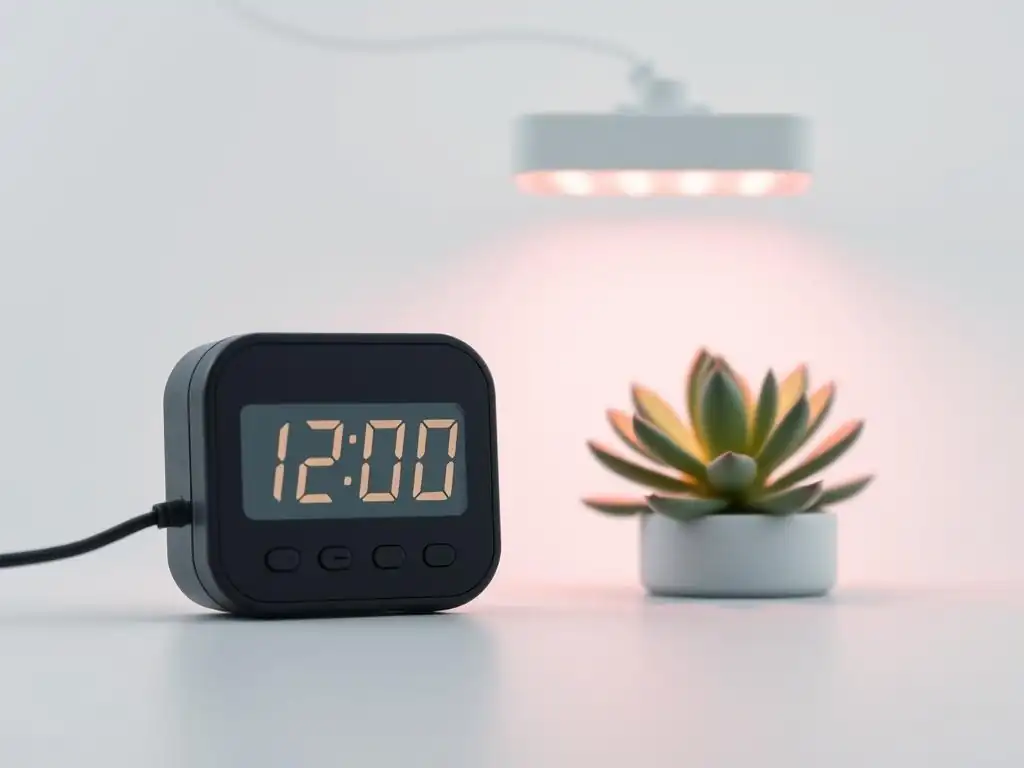
Choosing the right succulent grow light timer is crucial for maintaining a healthy and thriving succulent collection, especially when relying on artificial light. The best succulent grow light timer isn't necessarily the most expensive, but rather the one that best suits your specific needs and the light requirements of your succulents. Consider these factors when making your selection:
- Timer Functionality: Look for a timer with flexible scheduling options. You need the ability to set precise on/off times, perhaps even multiple on/off cycles throughout the day to mimic natural sunlight patterns. Some timers offer sunrise/sunset simulation, which can be beneficial for more delicate succulents. A digital timer with a clear display is preferable for easy programming and monitoring. Avoid timers with overly complicated interfaces.
- Power Capacity: Ensure the timer's power capacity matches the wattage of your grow lights. Using a timer with insufficient capacity can lead to malfunctions and potential damage to your equipment. Always check the specifications of both your timer and your grow lights before connecting them.
- Durability and Reliability: Opt for a timer made from high-quality materials that can withstand regular use. A sturdy construction will ensure its longevity and prevent unexpected failures that could disrupt your succulents' light cycle. Read reviews to gauge the reliability of different timer models.
- Ease of Use: The best timer is one that is intuitive and easy to use. A simple, user-friendly interface will save you time and frustration. Look for timers with clear instructions and straightforward programming options.
Remember, a well-chosen timer is an investment in the health and beauty of your succulent collection. It provides a consistent and reliable light schedule, promoting robust growth and vibrant colors. Investing in a high-quality timer will pay off in the long run by minimizing the risk of light-related problems.
Calculating Optimal Daily Light Duration for Succulents
The ideal daily light duration for succulents varies depending on the species, season, and growth stage. While most succulents thrive with 6-8 hours of sunlight per day, some may require more or less. Understanding your specific succulent's needs is crucial for setting the timer accurately.
Calculating Optimal Daily Light Duration for Succulents
Determining the precise light duration requires careful observation and research. For instance, Echeveria species generally prefer 6-8 hours, while Sedum species might tolerate slightly longer periods. However, excessive light can lead to sunburn and stress. Insufficient light results in etiolation (leggy growth).
Here's a simplified approach:
- Research: Begin by identifying the specific species of your succulents. Research their natural habitats to gain insights into their light preferences.
- Observation: Monitor your succulents closely. Look for signs of sunburn (brown or bleached patches) or etiolation (weak, elongated stems). Adjust the timer accordingly based on your observations.
- Gradual Adjustments: Avoid drastic changes to the light cycle. Make small adjustments (15-30 minutes) to the timer settings over several days to allow your succulents to adapt gradually.
- Experimentation: Trial and error is often necessary. Keep detailed records of your timer settings and observe the response of your succulents.
Remember, consistency is key. Maintaining a stable light cycle is more important than hitting a precise number of hours.
The Role of Seasonal Variations in Light Requirements
Seasonal changes affect the amount of natural sunlight available, influencing the light requirements of your succulents. During shorter winter days, you might need to increase the artificial light duration to compensate. Conversely, in the summer months, you might need to reduce the duration to prevent sunburn.
| Season | Natural Light Duration | Recommended Artificial Light Adjustment |
|---|---|---|
| Spring | Increasing | Gradually increase duration |
| Summer | Long | Maintain or slightly reduce duration |
| Autumn | Decreasing | Gradually decrease duration |
| Winter | Short | Significantly increase duration |
This table provides a general guideline. Always prioritize observing your succulents' response and adjusting the timer accordingly.
Using a Timer for Consistent Light Exposure: Best Practices
Using a grow light timer correctly is essential for optimal succulent growth. Here are some best practices to ensure consistent and effective light exposure:
Using a Timer for Consistent Light Exposure: Best Practices
- Placement: Position your grow lights strategically to ensure even light distribution among your succulents. Avoid overcrowding, which can lead to uneven light penetration.
- Monitoring: Regularly check the timer's settings to ensure accuracy. Power outages can sometimes reset the timer, disrupting the light cycle.
- Maintenance: Clean your grow lights regularly to prevent dust buildup, which can reduce light intensity. This will maximize the effectiveness of the timer and lights.
- Succulent Health Check: Regularly inspect your succulents for signs of stress, such as leaf discoloration or drooping. Adjust the timer and light intensity as needed. Remember that even with the best timer, attentive observation is critical. Your succulents will thank you for it! 🪴
Choosing the Right Artificial Light for Succulents
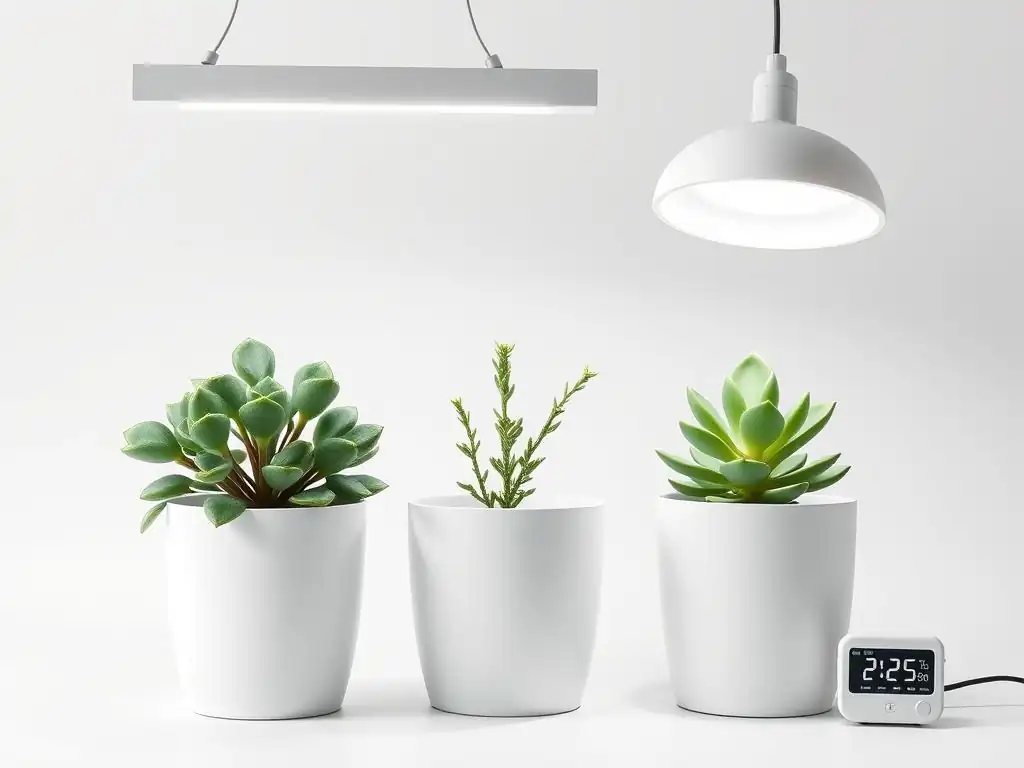
Selecting the best succulent grow light timer is crucial for providing your succulents with the optimal amount of light, especially during the shorter days of winter or when indoor growing is necessary. The right light not only ensures healthy growth but also vibrant coloration. Many factors influence this choice, moving beyond simply selecting a bulb with a high wattage.
Understanding these nuances is key to cultivating thriving succulents. We'll explore these factors in detail below, helping you determine the ideal lighting solution for your specific needs and succulent collection. Remember, even with the best grow light, monitoring your plants' health is essential for adjusting light duration and intensity as needed.
Types of Grow Lights Suitable for Succulents
Several types of grow lights cater to the specific needs of succulents. Each has advantages and disadvantages to consider based on your budget, space constraints, and the number of plants you're cultivating.
- Fluorescent Lights: These are a budget-friendly option, offering consistent light output and relatively low heat generation. Compact fluorescent lamps (CFLs) are particularly popular due to their energy efficiency. However, they often require a closer proximity to plants than other light types. They are generally suitable for smaller succulent collections.
- LED Grow Lights: LEDs are increasingly popular due to their energy efficiency, longevity, and ability to emit specific wavelengths of light beneficial for photosynthesis. Full-spectrum LEDs mimic natural sunlight more closely than other options, promoting healthy growth and vibrant colors. They come in various forms, from small clip-on lights to large panel lights suitable for larger setups. The initial investment might be higher, but the long-term cost savings and superior performance often outweigh the expense.
- High-Pressure Sodium (HPS) Lights: These lights emit a high intensity of light, ideal for larger-scale succulent cultivation. However, they generate significant heat, requiring careful placement and ventilation to avoid damaging your plants. They are generally less energy-efficient than LEDs and have a shorter lifespan. This option is less suitable for home growers with smaller collections.
Factors to Consider When Selecting a Grow Light
Beyond the type of grow light, several other critical factors influence your choice:
- Light Spectrum: Succulents thrive under full-spectrum light that mimics natural sunlight. Look for grow lights that offer a balanced spectrum, including red and blue wavelengths crucial for photosynthesis, as well as other wavelengths that contribute to overall plant health. Check the manufacturer's specifications to ensure the light provides a broad spectrum suitable for succulents.
- Light Intensity: Measure light intensity using a PAR (Photosynthetically Active Radiation) meter to ensure your succulents receive adequate light. The required intensity varies depending on the type of succulent and its growth stage. Too little light leads to etiolation (leggy growth), while too much can scorch leaves. A PAR meter will allow for precise adjustments.
- Light Duration: The ideal light duration for succulents is approximately 6-8 hours per day. However, this can vary depending on the species and season. Using a timer with your grow light ensures consistency and prevents accidental over- or under-exposure. This is where a best succulent grow light timer becomes invaluable.
- Heat Output: Excessive heat can damage succulents. Consider the heat output of your chosen grow light, especially if you're using HPS lights. Ensure adequate ventilation to prevent overheating, particularly in enclosed spaces.
Setting up Your Grow Light System for Optimal Performance
Proper setup is essential for maximizing the effectiveness of your grow light system. Here are some key considerations:
- Distance from Plants: Maintain the correct distance between the grow light and your succulents. This distance depends on the light's intensity and the type of succulent. Start with a slightly greater distance and gradually adjust as needed, observing for any signs of leaf scorching or etiolation.
- Light Cycle: Use a timer to maintain a consistent light cycle. A 6-8 hour light cycle is generally recommended, but adjust based on the specific needs of your succulents. Consistency is key to promoting healthy growth. Many best succulent grow light timer options offer programmable settings for flexibility.
- Ventilation: Ensure adequate ventilation, especially when using high-intensity lights that generate considerable heat. Good airflow prevents overheating and promotes healthy growth.
- Monitoring: Regularly monitor your succulents' health. Observe for signs of stress such as leaf discoloration, etiolation, or scorching. Adjust the light intensity, duration, or distance as needed to optimize their growth. Careful observation is paramount, even with the best succulent grow light timer.
By carefully considering these factors and implementing a well-planned lighting system, you can cultivate healthy and vibrant succulents, even in environments with limited natural sunlight. Remember, the best approach is a combination of careful selection and consistent monitoring.
Practical Tips for Using a Best Succulent Grow Light Timer
Choosing the right succulent grow light timer is only half the battle. Understanding how to effectively program and utilize it is crucial for optimal succulent growth under artificial light. This section delves into practical tips to maximize the benefits of your timer and ensure your succulents thrive. Remember, even the best succulent grow light timer won't work miracles if not used correctly. Proper usage involves understanding your succulents' light needs and adapting your timer accordingly. Consider factors like the type of succulent, its growth stage, and the intensity of your grow lights.
Programming Your Timer for Different Seasons
Seasonal changes significantly impact the amount of sunlight succulents receive naturally. Mimicking these changes with your grow light timer is key to healthy growth. During shorter days of winter (typically from November to February in the Northern Hemisphere), you'll want to provide a longer period of supplemental light, perhaps 10-12 hours, whereas in the longer days of summer (approximately April to September), 8-10 hours may suffice. Always monitor your succulents closely.
Here's a sample schedule you can adapt based on your specific needs and location:
| Season | Hours of Artificial Light | Notes |
|---|---|---|
| Spring | 8-10 hours | Gradually increase light duration as daylight hours lengthen. |
| Summer | 8-10 hours | Monitor for signs of sunburn; adjust intensity or duration if necessary. |
| Autumn | 9-11 hours | Gradually decrease light duration as daylight hours shorten. |
| Winter | 10-12 hours | Ensure sufficient light to compensate for reduced natural sunlight. |
Remember that these are guidelines; the exact timing might need adjustments depending on your specific succulent varieties and the intensity of your grow lights. Some succulents, such as Echeveria, might prefer slightly shorter light durations even in winter, while others, like Sedum, may need more light throughout the year. Always observe your plants and adapt as needed. This iterative process is crucial for mastering your succulent's light requirements.
Monitoring Your Succulents' Growth Under Artificial Light
Regular monitoring is paramount to ensure your succulents are thriving under artificial light. Look for signs of healthy growth, such as robust new leaves, vibrant colors, and a compact growth habit. Conversely, signs of stress, such as etiolation (leggy growth), yellowing leaves, or stunted growth, indicate that adjustments to your grow light timer or light intensity might be necessary.
Keep a detailed growth journal! Note down the light duration, intensity, and any other relevant environmental factors. This will help you track your succulents' responses and fine-tune your approach over time. Documenting your observations, including photos, is invaluable for identifying patterns and making informed decisions. This meticulous approach to monitoring is a cornerstone of successful succulent cultivation under artificial light. The data you collect will provide insights into the most effective light cycle for your specific setup and succulent types. Remember, even minor adjustments can make a big difference.
Adjusting Light Duration Based on Succulent Response
Your succulents will tell you what they need. Pay close attention to their growth habits and appearance. If you notice etiolation (long, weak stems), it signifies that they aren't receiving enough light. Increase the duration of artificial light provided by your timer. If, on the other hand, you see signs of sunburn (brown or scorched leaves), your succulents are receiving too much light. Reduce the duration or intensity of your grow lights.
Consider these adjustments:
- Increase light duration by 1-2 hours: If you observe slow growth or etiolation.
- Decrease light duration by 1-2 hours: If you observe sunburn or leaf discoloration.
- Adjust light intensity: If possible, you can also adjust the intensity of your grow lights to provide a more suitable light environment, rather than solely changing the duration.
Remember that patience and observation are key. It may take several weeks or even months to find the optimal light duration for your specific succulents and environment. Don't be afraid to experiment, but always make small, incremental changes to avoid stressing your plants. The ideal light duration is a balancing act; it's about providing enough light for robust growth without causing damage. Careful monitoring and adjustments will ensure your succulents flourish under your care.
Troubleshooting Common Problems with Artificial Lighting
Even with the best succulent grow light timer, you might encounter some issues. Understanding these common problems and their solutions is crucial for healthy succulent growth under artificial lights. Let's explore some frequent challenges and how to address them effectively.
One common problem is etiolation, where your succulents become leggy and weak due to insufficient light intensity. This often manifests as long, spindly stems and widely spaced leaves, a clear sign the plants are stretching towards a light source they can't quite reach. To remedy this, increase the light intensity by moving the grow lights closer to your succulents or switching to bulbs with a higher lumen output.
Remember to gradually adjust the distance to avoid shocking your plants. Monitor your plants closely for signs of improvement; you may need to experiment with different light intensities to find the optimal setting for your specific succulents and grow setup.
Another frequently encountered issue is leaf burn. This occurs when your succulents are exposed to excessively intense light for prolonged periods. Symptoms include browning, scorching, or even withering of the leaves, particularly on the top or most exposed parts of the plant. If you notice leaf burn, immediately increase the distance between your lights and your succulents.
You might also need to reduce the daily light duration, especially during the hottest parts of the day. Consider using a grow light timer with a dimmer function to fine-tune the light intensity throughout the day, gradually reducing the intensity as needed. Remember that different succulent species have varying tolerances to light intensity, so research the specific needs of your plants.
Finally, pest infestations can occur regardless of your lighting setup, but artificial lights can sometimes create a more favorable environment for certain pests. Regularly inspect your succulents for any signs of pests such as mealybugs, aphids, or spider mites. Early detection is key. Use appropriate pest control methods, such as insecticidal soap or neem oil, to address infestations promptly and prevent them from spreading.
Maintaining good air circulation around your plants can also help prevent pest problems. Remember to always follow the instructions on any pest control product carefully. A clean and well-maintained grow area is your first line of defense against pests.
Maintaining a Healthy Environment for Your Succulents
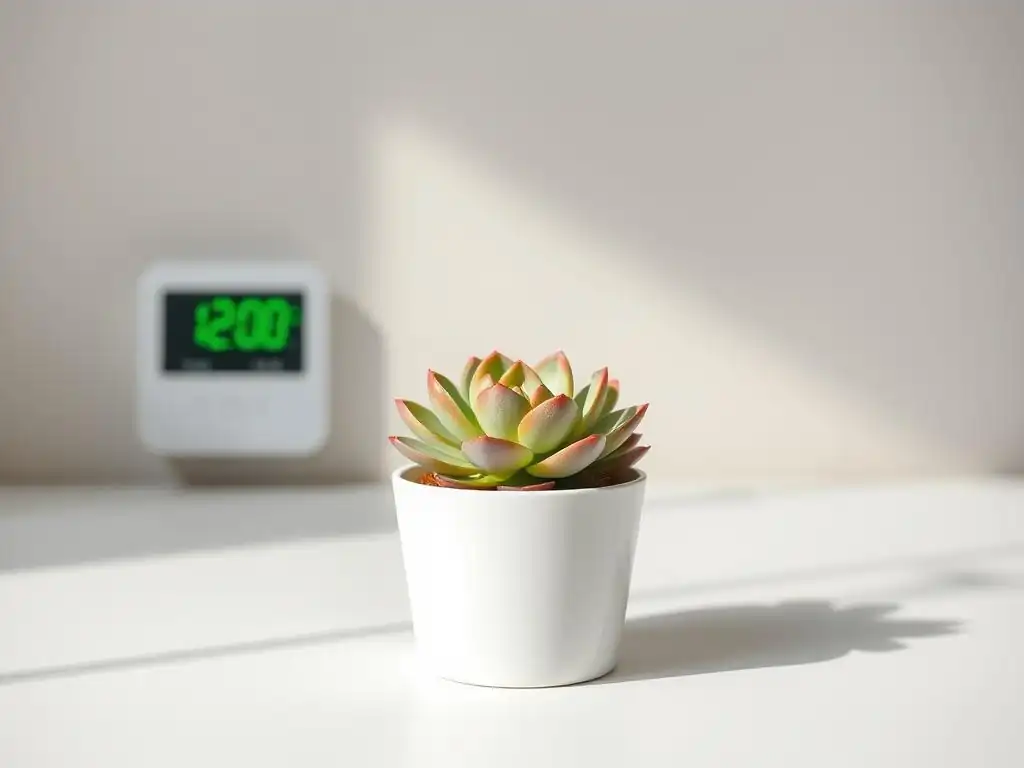
This section focuses on crucial environmental factors beyond just light duration that significantly impact succulent health and growth when using artificial lighting. Ignoring these elements can negate the benefits of even the best succulent grow light timer.
Importance of Proper Ventilation
Adequate airflow is paramount, especially when cultivating succulents indoors under artificial grow lights. Stagnant air can lead to fungal diseases and pest infestations, significantly hindering growth and potentially killing your plants. Think of it this way: succulents, even under grow lights, still need to "breathe."
Poor ventilation creates a humid microclimate, ideal breeding grounds for Botrytis and other fungal pathogens. These fungi thrive in moist, still environments, quickly attacking succulent leaves and stems, causing rot and discoloration. Furthermore, inadequate air circulation can trap pests, allowing infestations to spread rapidly and unchecked.
To ensure proper ventilation, consider these strategies:
- Strategic Placement: Avoid placing succulents too close together, allowing for air circulation between pots.
- Air Circulation Devices: Utilize small fans to gently circulate the air around your succulents, particularly if they are grouped closely. A low-speed fan is sufficient; you don't want to desiccate your plants.
- Grow Light Selection: Some grow lights offer built-in fans to improve air circulation directly around the plants. This is a valuable feature to consider when choosing your lighting system.
- Regular Monitoring: Inspect your plants regularly for signs of fungal growth or pest infestations. Early detection is key to effective treatment.
Temperature Considerations for Indoor Succulents
While grow lights address light duration needs, maintaining the correct temperature is equally crucial for optimal succulent growth. Even with the best succulent grow light timer, extreme temperatures can cause stress and damage.
Succulents generally thrive in temperatures between 65-80°F (18-27°C) during the day and slightly cooler temperatures at night. However, different species have varying tolerance levels. For instance, Echeveria species generally prefer slightly warmer temperatures than Sedum.
Maintaining a consistent temperature range is vital. Significant fluctuations can cause shock, leading to leaf drop, stunted growth, or even plant death. Here's how to manage temperature effectively:
- Room Temperature Monitoring: Use a thermometer to monitor the temperature around your succulents.
- Location Selection: Avoid placing succulents near heating or cooling vents, which can cause drastic temperature swings.
- Seasonal Adjustments: Be mindful of seasonal temperature changes and adjust your indoor environment accordingly. During colder months, you might need supplemental heating; conversely, during hot summers, you may need extra ventilation or cooling.
- Understanding Species-Specific Needs: Research the specific temperature requirements of your succulent varieties to ensure optimal growing conditions.
Balancing Artificial Light with Natural Sunlight (if applicable)
If supplementing natural sunlight with artificial grow lights, careful consideration of light exposure is necessary. Overexposure to both natural and artificial light can lead to sunburn and desiccation.
The goal is to replicate the natural light cycle as closely as possible. If your succulents receive several hours of natural sunlight, adjust the duration of your artificial grow lights accordingly. For example, if your plants receive 4 hours of sunlight, you might only need 6-8 hours of supplemental artificial light using a best succulent grow light timer, depending on the intensity of your grow lights and the species of succulent.
Over-illumination can manifest as:
- Sunburn: Leaves exhibiting brown or bleached patches.
- Leaf Drop: Plants shedding leaves in response to stress.
- Stunted Growth: Slowed or inhibited growth due to excessive light.
Conversely, insufficient light, even with a grow light, will result in etiolation (leggy growth) and weak, pale plants. Regular observation and careful adjustment of your lighting setup are key to success. Monitoring your plants' appearance is the best indicator of whether you've achieved the right balance.
Advanced Techniques for Optimizing Light Exposure
This section delves into more sophisticated methods for ensuring your succulents receive the optimal amount of light, going beyond simply providing a light source. We'll explore how to accurately measure light intensity and create a customized lighting schedule tailored to your specific succulent collection. Mastering these techniques will significantly improve the health and vibrancy of your plants, leading to more robust growth and stunning displays. Finding the best succulent grow light timer is only part of the equation; understanding how to best utilize it is crucial.
Using Light Meters to Measure Light Intensity
Precise light measurement is essential for achieving optimal succulent growth. While many rely on educated guesses, using a light meter provides objective data to inform your lighting decisions. A PAR (Photosynthetically Active Radiation) meter is ideal; this measures the light intensity in the specific wavelengths succulents use for photosynthesis. Don't just rely on the light bulb's wattage; a 100-watt incandescent bulb produces far less usable light for succulents than a 50-watt LED grow light.
Several factors influence light intensity. Distance from the light source is paramount; the closer the light, the higher the intensity. The type of light also plays a vital role. LED grow lights, for example, often offer adjustable intensity and specific spectral outputs tailored to plant needs. Furthermore, reflective surfaces can significantly increase the light reaching your plants. Consider using reflective materials like white paint or aluminum foil strategically to maximize light utilization, particularly in areas with limited natural light.
Using a PAR meter is straightforward. Simply place the sensor at the height of your succulents and take readings at various points throughout your growing area. Record these readings in a notebook or spreadsheet, noting the time of day and the distance from the light source. This data allows you to pinpoint areas needing more or less light, fine-tuning your lighting setup for maximum effectiveness. Consistent monitoring, especially during different seasons, allows you to adapt your lighting strategy to changing light conditions. This data-driven approach ensures you provide the best succulent grow light conditions possible.
Implementing a Supplemental Lighting Strategy
Even with ample natural sunlight, supplemental lighting can be incredibly beneficial, particularly during shorter winter days or for succulents positioned in shaded areas of your home. A well-planned supplemental lighting strategy can significantly improve growth and prevent etiolation (leggy growth from insufficient light).
Consider these factors when designing your supplemental lighting scheme:
- Light Type: LED grow lights are generally preferred for their energy efficiency and the ability to customize spectral output. However, fluorescent and incandescent lights can also be used, albeit with less efficiency.
- Light Placement: Position lights strategically to ensure even coverage across your succulent collection. Avoid placing lights too close, which can scorch leaves.
- Light Duration: Experiment to determine the ideal duration of supplemental lighting for your specific succulents and environment. A timer is invaluable for maintaining consistency. This helps in finding the best succulent grow light timer for your needs.
- Light Intensity: Use a PAR meter to measure light intensity and adjust accordingly. Overly intense light can damage your plants, while insufficient light will hinder growth.
A phased approach is often best. Start with a moderate amount of supplemental lighting and gradually increase it as needed, carefully observing your plants' response. Remember, subtle adjustments can make a significant difference in overall plant health. Proper supplemental lighting is a key component to successful succulent cultivation, especially when paired with a reliable best succulent grow light timer.
Creating a Customized Light Schedule for Your Collection
A customized light schedule maximizes the benefits of artificial light. Different succulents have varying light requirements; some thrive in full sun, while others prefer partial shade. Creating a schedule tailored to your specific collection ensures that each plant receives the optimal amount of light.
To develop your customized schedule, consider the following:
| Succulent Type | Light Requirement | Suggested Light Duration (hours) | Notes |
|---|---|---|---|
| Echeveria | Bright, indirect light | 8-10 | Avoid direct midday sun |
| Sedum | Full sun | 10-12 | Tolerates intense light |
| Haworthia | Partial shade | 6-8 | Sensitive to intense light |
| Sempervivum (Hens & Chicks) | Full sun | 10-12 | Very hardy and tolerant of bright light |
This is just a sample; research the specific light needs of each succulent in your collection. Remember that light requirements can vary based on the season and your geographic location. A programmable best succulent grow light timer allows you to easily implement and adjust your customized light schedule. Regular monitoring and adjustments are crucial to ensure your succulents continue to thrive. Keep a detailed log of your light schedules and observe your plants' responses to fine-tune the process over time. This attention to detail will significantly contribute to a healthy and flourishing succulent collection. 🪴
Frequently Asked Questions
What is the best succulent grow light timer?
There's no single "best" timer, as the ideal choice depends on your specific needs and setup. Look for a timer with features like easy programmability, multiple outlets, and reliable operation. Consider timers with digital displays for precise scheduling.
How many hours of light do succulents need?
Most succulents thrive with 12-16 hours of light per day. However, the specific light requirements vary depending on the succulent species and the intensity of the light source. Always research your specific plant's needs.
Why use a grow light timer for succulents?
A grow light timer ensures your succulents receive a consistent light cycle, which is crucial for healthy growth. It automates the process, saving you time and preventing accidental over- or under-lighting. This leads to better plant health and development.
What type of grow light is best for succulents?
LED grow lights are generally recommended for succulents due to their energy efficiency and ability to mimic natural sunlight. Look for lights with a full-spectrum output to ensure your plants receive all the necessary wavelengths of light.
Can I use a regular timer for my succulent grow lights?
Yes, a regular household timer will work, but a grow light timer often has features specifically designed for plant care, such as sunrise/sunset simulation for more natural light cycles, making it a better option for optimal plant health.
Final Reflection: Illuminating the Path to Thriving Succulents
The quest for the perfect succulent grow light timer is, in essence, a quest for understanding the fundamental needs of these resilient yet delicate plants. Finding the right balance of light duration directly translates to healthier, more vibrant succulents, impacting not only their aesthetic appeal but also their overall longevity and ability to thrive. This isn't just about timers; it's about nurturing life.
The journey of understanding succulent light requirements has profoundly impacted my own approach to plant care. It's shifted from a purely aesthetic appreciation to a deeper understanding of the intricate biological processes at play. This understanding extends beyond succulents, influencing how I approach all my plant care. The glory of gardening: hands in the dirt, head in the sun, heart with nature. To nurture a garden is to feed not just the body, but the soul.
This quote perfectly encapsulates the rewarding experience of providing the right conditions for these miniature marvels to flourish.
Now, consider your own succulents. Are they receiving the optimal amount of light? Take a moment to observe their growth patterns, their leaf coloration, and their overall health. Use this knowledge to adjust your lighting schedule, perhaps investing in a timer to ensure consistency. Remember, the journey to a thriving succulent collection is a continuous process of learning, adapting, and nurturing—a journey that yields immeasurable rewards in beauty and personal fulfillment.
Unlock Your Succulents' Full Potential: Shine a Light on Their Growth!
Thanks for exploring the world of succulent lighting with us! You now have the knowledge to cultivate thriving plants, regardless of your indoor light conditions. Ready to put your new expertise into practice?
- Craft the perfect lighting schedule: Based on your succulent's species and your home environment, create a tailored lighting plan using the information you just learned. This is crucial for healthier, happier succulents!
- Share your succulent lighting solutions: Show us your ingenious setups—we'd love to see your creative approaches and hear about your experiences on our forum!
- Experiment and Observe: Don't be afraid to adjust your lighting. Keep track of your succulents' response and fine-tune your approach for optimal growth.
Ready to transform your succulents' growth? What's the first lighting adjustment you'll make?