Making Succulent Gift Tags: A Small but Special Craft
😊 Elevate your succulent gifts with charming DIY succulent gift tags! SucculentEssentials.org shows you how to craft these small but special additions,…
Read article
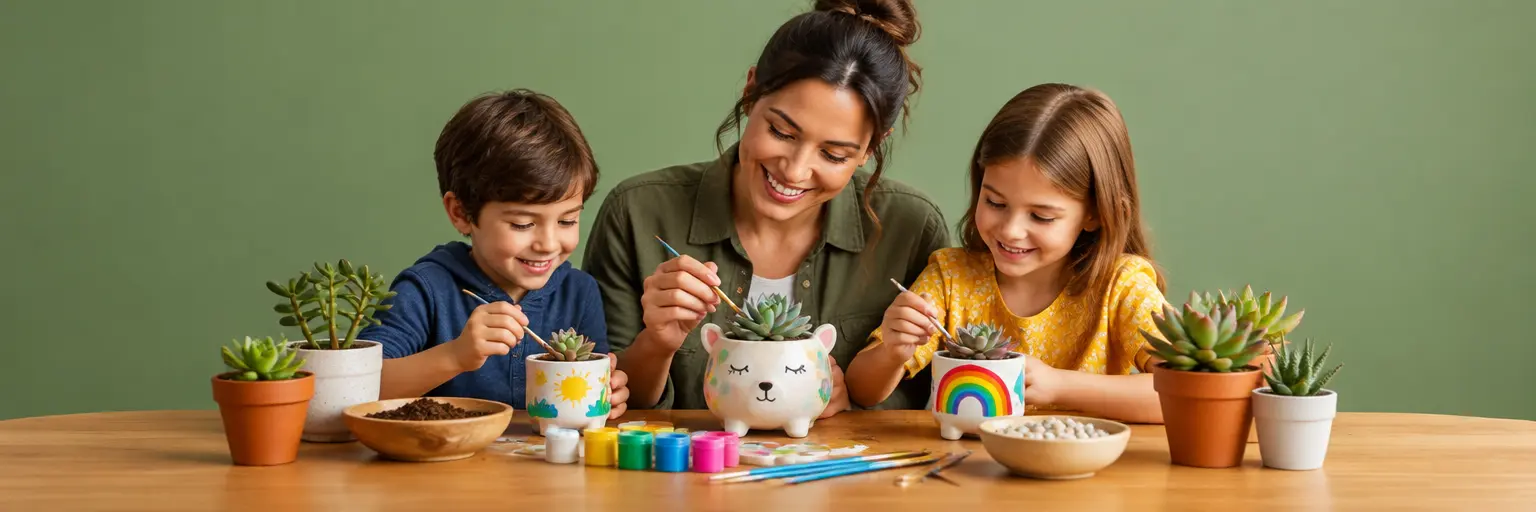
Turn tiny hands into green thumbs with delightful, safe, and engaging succulent projects designed just for kids! 🌵✨ From colorful fairy garden scenes and painted pot masterpieces to easy leaf propagation experiments and mini living wreaths, these hands-on activities spark creativity while teaching little ones about patience, nature, and responsibility. Perfect for school, playdates, or family weekends, each project uses non-toxic materials, simple steps, and kid-friendly tools to ensure mess-free fun and proud, lasting results. Discover how to pick child-safe succulents, build a desert in a dish, or craft a sponge garden that grows before their eyes—all while nurturing a lifelong love for plants. These projects are more than crafts; they’re a doorway to STEM learning, sensory play, and eco-conscious habits. Get ready to watch your child’s confidence bloom as they plant, decorate, and care for their very own succulent creations, making memories and cheerful greenery that grows along with them! 🌱💚
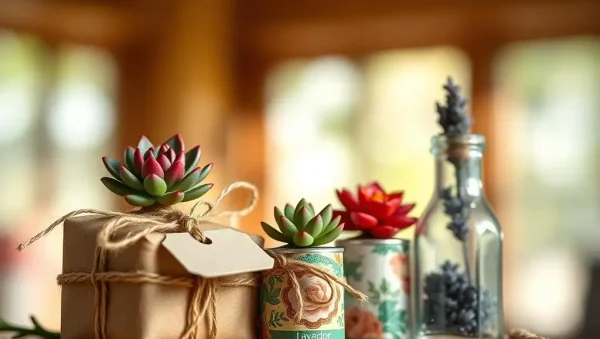
😊 Elevate your succulent gifts with charming DIY succulent gift tags! SucculentEssentials.org shows you how to craft these small but special additions,…
Read article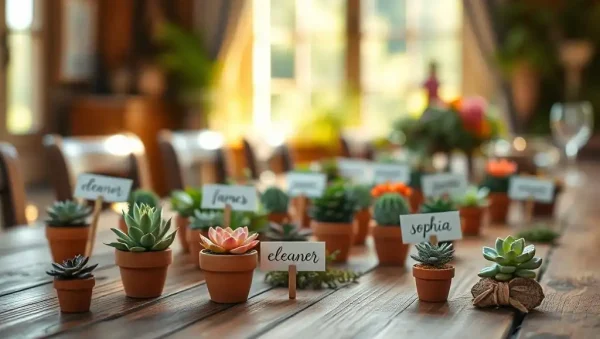
😊 Add a touch of desert chic to your next event with SucculentEssentials.org's guide to creating unique DIY succulent place card ideas.…
Read article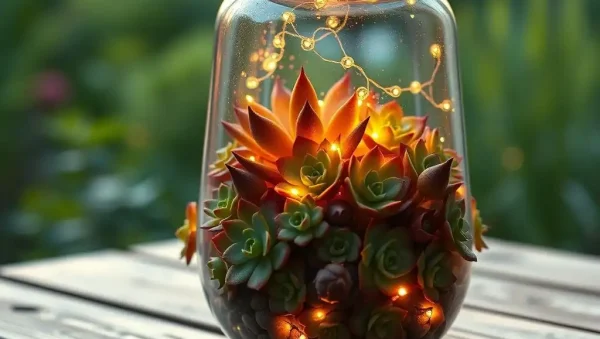
💡 Transform ordinary lanterns into stunning focal points with our easy DIY succulent lantern ideas! SucculentEssentials.org shows you how to create beautiful,…
Read article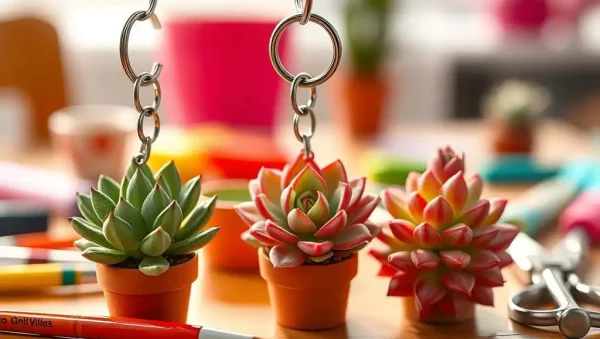
😊 Unleash your child's creativity with our fun DIY succulent keychain project! SucculentEssentials.org shows you how to make adorable, lasting keepsakes –…
Read articleWelcome to the delightful world of Children-Friendly Succulent Projects, a hands-on corner of SucculentEssentials.org where little hands and big imaginations come together. Succulents are the perfect first plants for kids—they’re resilient, forgiving, and visually captivating. These projects blend tactile fun with basic botany, teaching responsibility, patience, and artistic expression. From fairy gardens to painted pots, each activity is designed to be safe, simple, and rewarding for children aged 3 to 12. Discover how to turn a sunny windowsill into a classroom of wonder, where every leaf planted grows a story. Below, we’ve curated the most engaging, mess-tolerant, and educational succulent crafts that parents, teachers, and caregivers can enjoy alongside their young botanists.
Choosing the right succulents is the first step to a successful kids’ project. Opt for soft-leaved varieties like Echeveria, Haworthia, and Sedum, which have no sharp spines and are easy for small fingers to handle. Avoid prickly cacti and thorny Euphorbias. These child-friendly plants come in a rainbow of colors—from blushing pink rosettes to chunky green jelly beans—making them instant favorites. Look for unrooted cuttings or small starter plants, which are less intimidating and perfect for tiny pots. Always wash hands after handling soil, and use child-safe, non-toxic potting mixes. Involve kids in the selection process by letting them pick their favorite shapes and colors, turning the plant hunt into a scavenger game.
Beyond safety, think about growth speed and resilience. Fast-growing succulents like Graptopetalum or Crassula provide quick wins, boosting a child’s confidence. Slow growers can teach delayed gratification. Keep the collection small—three to five plants per project is ideal. Explain that succulents store water in their leaves, which is why they look plump. This simple science fact sparks curiosity. Also, choose plants that tolerate occasional overwatering (like some Sedums) to reduce stress for beginners. With the right selection, your child will feel like a proud plant parent from day one.
Transform plain terracotta pots into vibrant masterpieces with non-toxic acrylic paints and child-safe sealers. This activity allows kids to express their personality—think polka dots, rainbows, or their favorite animals. Use wide brushes, sponge stamps, or even finger painting for younger artists. Paint the outside of the pot first, let it dry, then apply a matte sealer to protect the design. For added texture, glue on googly eyes, pom-poms, or shiny buttons (supervise small parts). Alternatively, decorate clean pebbles with paint markers to create “pebble people” that sit atop the soil. This project is mess-friendly—cover the table with newspaper and have wet wipes ready. The result is a one-of-a-kind home for their succulent, building pride in ownership.
Painted pots also serve as a memory keeper. Have kids write their name and the date on the bottom with a permanent marker. They can redraw their pot each season, creating a growth journal. For a group setting, host a “pot decorating party” where each child personalizes their own container. Encourage “story pots”—paint a scene like a jungle or ocean, then place the succulent as the main character. This blends art with imaginative play. After planting, kids can name their succulent and give it a personality, reinforcing empathy and care. The painted pot becomes a cherished keepsake, not just a craft.
Create a magical miniature world inside a shallow dish or wide bowl. Start with a layer of gravel for drainage, then add succulent soil. Choose a selection of tiny succulents and let your child arrange them like trees in a forest. Then, add child-safe miniatures—plastic animals, fairy figurines, or tiny furniture from craft stores. Use pebbles as paths and moss as grassy patches. This project encourages spatial reasoning and storytelling. Kids can build a dinosaur jungle, a unicorn meadow, or a ladybug village. The succulents become the landscape, and the figurines bring the scene to life. Keep the arrangement simple to allow easy watering; a squeeze bottle with a narrow spout helps little hands water precisely without flooding the miniatures.
This activity also teaches ecosystem basics—how plants, soil, and water work together. Explain that succulents like dry roots, so the fairy garden doesn’t need daily water. Kids can move miniatures around on “adventures,” but remind them not to uproot the plants. Rotate the garden’s location weekly to give all plants even light. For older children, expand the project by growing a “miniature desert” with sand, rocks, and a few cacti (without spines for safety). The garden becomes a living diorama, evolving as succulents grow and pups appear. This is a perfect indoor project for rainy days, blending botany with boundless imagination.
Show kids the miracle of plant regeneration with leaf propagation. Gently twist a healthy leaf from a succulent like Echeveria or Jelly Bean, let it callus for a day, then place it on top of moist soil. Kids can spray it lightly with water every few days. Within weeks, tiny roots and a baby rosette will appear—a “plant baby” from a single leaf. This process teaches patience and observation. Use clear plastic cups so children can see root growth without disturbing the cutting. For faster results, separate “pups” (offshoots) from mature plants and replant them. This hands-on experiment demonstrates how living things reproduce, making science tangible. Keep a propagation journal with drawings and weekly photos to track progress.
Propagation also introduces the concept of care cycles. Kids learn to notice when soil is dry (touch the top) and when leaves look wrinkled (a sign of thirst). Celebrate each milestone—first root, first new leaf—with a sticker chart. For group activities, create a “propagation station” with labeled cups for each child’s name. Encourage kids to trade their new plants with friends, sharing the joy of growth. This project is remarkably low-cost and reduces waste by using fallen leaves. It also instills a growth mindset, showing that nurturing yields tangible rewards. Your child will never see a single leaf the same way again.
Build a glass terrarium with your child using a wide-mouth jar or aquarium. Layer the bottom with pebbles, add activated charcoal (to keep it fresh), then a generous layer of succulent soil. Have your child plan the design—placing taller succulents in the back and smaller ones in front. Add decorative rocks, driftwood, or small toy dinosaurs. Terrariums are naturally low-maintenance because they recycle moisture, but succulents prefer drier conditions, so leave the lid off or slightly ajar to prevent mold. This project teaches layering and environmental balance. Kids can mist the soil every few days, watching condensation form—a visual lesson in the water cycle. The glass walls make it easy to inspect roots and soil health.
Terrariums also become a focal point for a child’s room or a classroom science table. Personalize the outside with stickers or washi tape. For a STEM twist, add a small thermometer or hygrometer to measure humidity. As the succulents grow, kids can rearrange the scene, creating a dynamic ecosystem. Explain the importance of drainage and air circulation—unlike closed terrariums, succulents thrive with airflow. This project is perfect for teaching cause and effect: too much water leads to rot, while too little causes shriveling. With your guidance, your child will become a confident mini-ecosystem manager, proud of their living art piece.
Celebrate holidays and seasons with rotating succulent projects. For spring, create an “Easter egg” planter by planting succulents in hollowed eggshells. For Halloween, paint tiny pumpkins and use them as pots—just drill a small drainage hole. For winter, make a “Christmas wreath” using a wire ring filled with sphagnum moss, then tuck in small succulents. These crafts keep enthusiasm high all year. Theme-based projects also introduce cultural awareness—like a Lunar New Year succulent arrangement with red and gold accents. Kids can give these as handmade gifts for birthdays, Mother’s Day, or teacher appreciation. Seasonal crafting reinforces the passage of time and the rhythm of nature, tying succulents to the calendar.
Each themed project is an opportunity to practice fine motor skills—tweezing leaves, tying ribbons, or painting tiny details. For younger kids, stick to simpler themes like “rainbow gardens” or “under the sea.” Always pre-drill holes or use a liner to protect furniture. Encourage children to write a small card explaining how to care for the succulent, turning the gift into an educational exchange. These projects also make great party activities—set up stations with different themes and let kids rotate. The variety keeps succulent projects fresh, ensuring your young gardener never loses interest. With every season, your child’s succulent skills and confidence will bloom.
The easiest succulent for kids is the Haworthia (zebra plant) or Sedum (stonecrop). Both are soft, tolerate occasional overwatering, and grow well in bright indirect light. They also produce “pups” quickly, giving children visible rewards.
Water only when the top inch of soil feels completely dry—usually every 7 to 10 days. Teach children to check with a finger rather than a schedule. Use a squeeze bottle to water directly at the base, avoiding the leaves to prevent rot.
Yes, with strict supervision. Avoid small parts like beads or buttons that could be choking hazards. Use soft-leaved succulents and non-toxic paint. Ensure all tools are child-safe, and always wash hands after handling soil. For toddlers, focus on simple tasks like patting soil or spraying water.
Act quickly: remove the plant from the wet soil, gently shake off excess water, and let the roots dry for a day. Repot in fresh, dry succulent soil and place in bright light. Withhold water for at least a week. Succulents are resilient, so this usually saves them.
Yes, but succulents need bright, indirect light—a south or east-facing window works best. If natural light is limited, use a small grow light for 6 hours daily. Rotate the pot weekly to prevent leaning. With proper light, your child’s succulent projects will thrive indoors.