The Secret to Creating a Lush Succulent Moss Wall
😊 Unleash your inner artist with SucculentEssentials.org's guide to crafting a stunning DIY succulent moss wall! Learn the secrets to creating a…
Read article
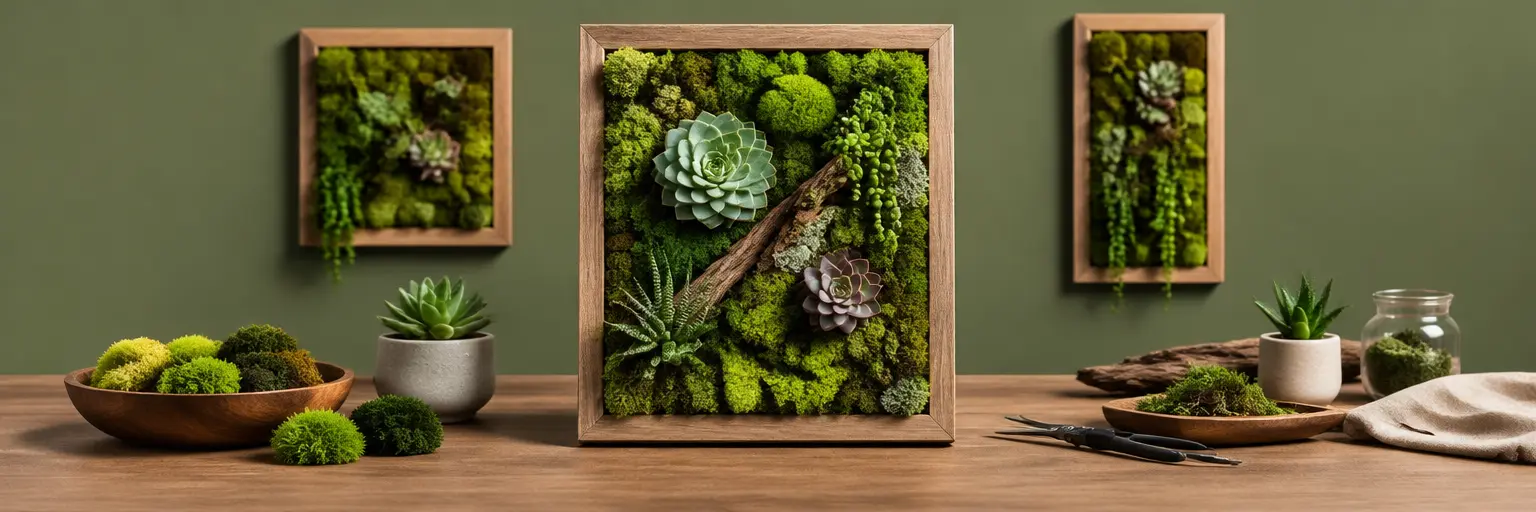
Transform your space with the art of moss frames and mounted displays—a stunning way to bring living greenery indoors without the mess. 🌿 These creative setups turn preserved or living moss into vertical masterpieces, perfect for small apartments, office walls, or any nook craving a touch of nature. Whether you’re a beginner or a seasoned DIYer, you can craft custom moss art using simple frames, wire mesh, and a dash of imagination. Pair them with succulents for a textured, drought-resistant wall garden, or use preserved moss for a zero-maintenance, long-lasting display. From geometric patterns to rustic wooden mounts, each piece tells a story and elevates your décor effortlessly. Explore techniques like mounting on cork, driftwood, or canvas, and learn how to seal and protect your artwork for years of enjoyment. Ideal for gifts, home accents, or even event backdrops, these displays blend botany with artistry, making them a must-try project for plant lovers. Dive into this eco-friendly craft and watch your walls bloom with personality—no green thumb required! 🌱 #MossArt #VerticalGardens #DIYHomeDecor
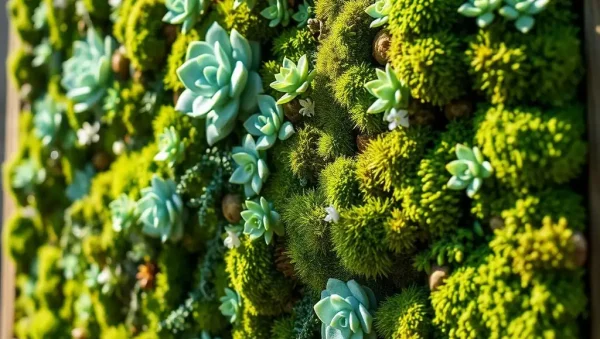
😊 Unleash your inner artist with SucculentEssentials.org's guide to crafting a stunning DIY succulent moss wall! Learn the secrets to creating a…
Read article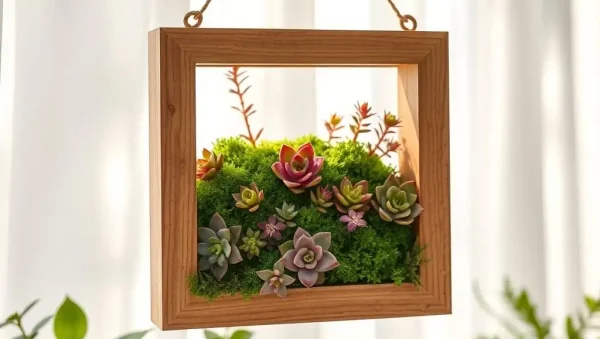
😊 Maintain your succulent moss frame's vibrant beauty with expert succulent moss frame care tips from SucculentEssentials.org. Learn the secrets to proper…
Read article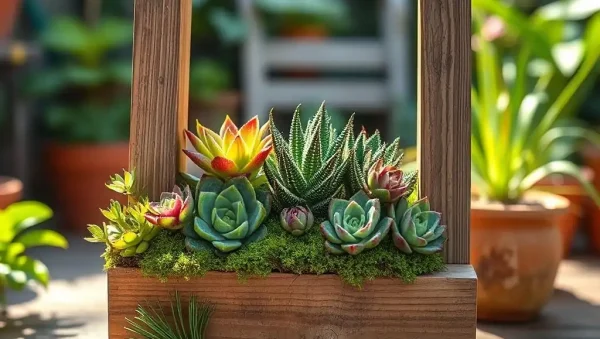
😊 Unleash your creativity with our DIY succulent moss frame tutorial! Learn how to craft a stunning, eco-friendly frame using recycled materials…
Read article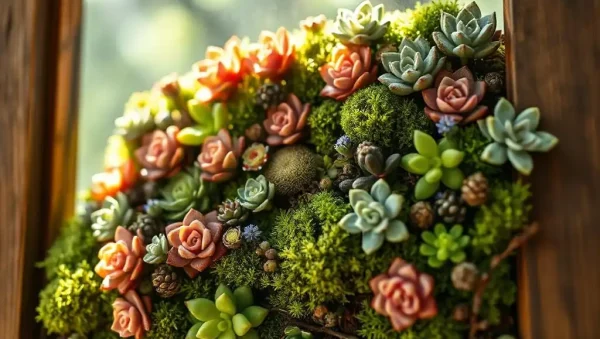
😊 Unleash your creativity with our guide to crafting stunning DIY succulent moss frames! Learn expert techniques for arranging these drought-tolerant beauties,…
Read articleWelcome to the art of living decor! At SucculentEssentials.org, our "Moss Frames and Mounted Displays" subcategory merges the lush, verdant beauty of preserved moss with the sculptural charm of succulents. Whether you’re a seasoned plant parent or a weekend DIY enthusiast, this collection offers step-by-step inspiration for creating vertical masterpieces. From rustic wooden frames to sleek geometric mounts, you’ll learn how to craft pieces that save space, add texture, and turn any blank wall into a thriving, low-maintenance garden. Explore techniques, materials, and design ideas that are both beginner-friendly and deeply rewarding.
Selecting the correct moss is the cornerstone of a successful mounted display. Preserved reindeer moss offers a soft, colorful backdrop that requires zero watering, while sheet moss provides a dense, velvety base ideal for anchoring succulent roots. For live setups, consider sphagnum moss, which retains moisture without waterlogging—perfect for air plants or small echeverias. We’ll guide you through moisture retention, texture, and longevity, ensuring your frame stays vibrant for months. Always opt for ethically sourced, dried moss to avoid pests and prolong your artwork’s lifespan.
When layering moss in a frame, think of it as a living canvas. Use a shallow shadow box to accommodate root depth, and back it with a waterproof barrier like plastic mesh. This combination prevents rot while keeping the moss supple. For a cohesive look, pair green moss with neutral-toned succulents like Haworthia or Sedum. Our tutorials emphasize balance: too much moss can overshadow your plants, while too little leaves them vulnerable. Experiment with textures—chunky sphagnum against fine reindeer—to add visual interest and mimic natural forest floors.
Creating your own moss frame is easier than you think with the right kit. Essential supplies include a shadow box or deep frame, galvanized wire mesh, a staple gun, sphagnum moss, succulent cuttings, and a spray bottle. You’ll also need gloves to handle moss and a screwdriver for mounting hardware. Our detailed list breaks down cost-effective alternatives, like repurposing old picture frames or using cork boards as a base. Prioritize materials that allow airflow—this prevents root rot, the number one killer of mounted succulents.
Assembly follows a simple flow: cut the wire mesh to fit the frame, layer soaked sphagnum moss as a moisture reservoir, then add a dry moss topcoat for aesthetics. Secure everything with staples, then create small slits in the moss to insert your succulent stems or offsets. Pro tip: use a skewer to create planting holes, minimizing root disturbance. Watering is less frequent than pots—mist lightly every two weeks, ensuring the moss dries fully between sessions. This method yields a sturdy, hanging garden that thrives with minimal fuss, perfect for kitchens, balconies, or office walls.
Not all succulents love life on a vertical plane. Shallow-rooted rosettes like Sempervivum (hens and chicks) and Graptopetalum adapt beautifully, as they naturally grow in rocky crevices. Trailing types, such as String of Pearls or Burro’s Tail, add cascading drama when placed at the frame’s edge. Meanwhile, compact Crassula species provide architectural structure. We’ll help you mix slow-growers with fast spreaders to create a balanced, self-sustaining ecosystem. Avoid tall or taproot succulents, which struggle in shallow moss layers.
Lighting is critical—most mounted succulents crave bright, indirect sunshine for 4-6 hours daily. Place your frame near an east-facing window or use a grow light for low-light corners. Rotation is key; rotate the frame every few weeks to prevent lopsided growth. If you’re using preserved moss (no live roots), you can skip watering entirely and simply swap in fresh cuttings seasonally. This versatility makes moss frames ideal for renters or those with busy schedules. Pair them with air plants like Tillandsia for zero-soil displays that still deliver lush greenery.
Unleash your inner artist with themed mounts that reflect your space. Geometric diamond or hexagon frames suit modern interiors, while rustic barnwood adds farmhouse charm. Try a “living wreath” using a circular wire frame—wrap moss around it and tuck in rosette succulents for a door-hanging centerpiece. For a minimalist vibe, use a single, dramatic Agave offset against a sea of green moss. Our site offers printable stencils for custom silhouettes, like a heart or leaf shape, to personalize your display further.
Color theory plays a big role: pair silvery-blue Echeveria with deep green sheet moss for contrast, or use reddish Sedum sparingly to mimic autumn tones. Seasonal themes are fun—add tiny pumpkins in fall or dried flowers in spring. You can also incorporate non-planar elements like small stones or driftwood for texture. Remember, moss frames are lightweight, so you can group several into a gallery wall. Mixed sizes and orientations (landscape and portrait) create dynamic visual rhythm. Each design tutorial includes a materials list and companion planting suggestions to maximize success.
Live moss frames demand a gentle touch. Water only when the moss feels dry to the touch—overwatering leads to fungus and rot. Use a spray bottle or a turkey baster for precise hydration, avoiding direct leaf contact. Fertilize monthly with a diluted succulent feed during growing season (spring to late summer). Trim dead leaves promptly and rotate the frame weekly for even light exposure. If using preserved moss, maintenance drops to near zero: just dust gently with a soft brush and avoid direct sunlight, which can fade colors.
Longevity varies—preserved moss lasts 1-2 years indoors, while live setups can thrive indefinitely with proper care. Revival tips: if your plants stretch (etiolation), move them to brighter light gradually. Should moss shrink, soak it in room-temperature water for 5 minutes, then drain. Repotting is rarely needed, but refresh the top moss layer annually to maintain aesthetics. For those with pets, note that sphagnum moss is non-toxic, though some succulents (like Kalanchoe) can irritate animals. Always research plant toxicity before installation. yearly checks of wire mesh integrity prevent crashes from rust or corrosion.
Yes, but deep shadow boxes work best because they offer enough depth for moss and roots. Shallow frames (less than 1 inch) require using only preserved moss and air plants. Avoid frames with acrylic fronts that trap humidity unless you add ventilation holes. Always seal wooden frames with a waterproof varnish to prevent warping from moisture.
For live moss, water once every 7-14 days, depending on humidity and air circulation. Mist until the moss feels damp (not soggy), and empty any drainage tray immediately. In winter, reduce to once a month. Preserved moss requires no watering at all—simply replace spent succulents with fresh cuttings when needed.
Preserved reindeer or sheet moss is best for indoor frames because it’s sterile, holds shape, and requires zero upkeep. For live systems, sphagnum moss is ideal since its fibrous structure retains moisture while allowing oxygen to reach roots. Avoid floral foam, which can degrade and suffocate roots.
They can, but regular pruning keeps them in bounds. Trim rosettes that expand beyond the frame, and replant offsets into other pots or frames. Choose slow-growing species like Haworthia or Lithops to minimize maintenance. Alternatively, design frames with a “harvest” concept—grow cuttings to share as gifts.
Yes, but only in sheltered areas like a covered porch or under a eave. Use preserved moss for aesthetic stability, as live sphagnum dries quickly in sun. Protect from heavy rain and frost—bring frames indoors during extreme weather. For outdoor use, choose succulents like Sedum and Sempervivum, which tolerate temperature swings.