Succulent Crafts with Recycled Materials: Eco-Friendly Gardening Meets Creative Design
Discover the art of transforming everyday waste into stunning succulent displays. At SucculentEssentials.org, we believe that sustainability and beauty go hand in hand. This subcategory explores innovative ways to repurpose items like tin cans, glass jars, old wood, and plastic bottles into thriving homes for your drought-resistant plants. Whether you’re a seasoned crafter or a newbie plant parent, these projects reduce landfill waste, save money, and add a unique rustic charm to your indoor or outdoor spaces. Dive into step-by-step guides, material preparation tips, and planting techniques tailored for succulents, all while embracing a greener lifestyle. Each project is designed to be beginner-friendly yet visually striking, ensuring your recycled creations become conversation starters.
♻️ Upcycled Container Selection and Preparation
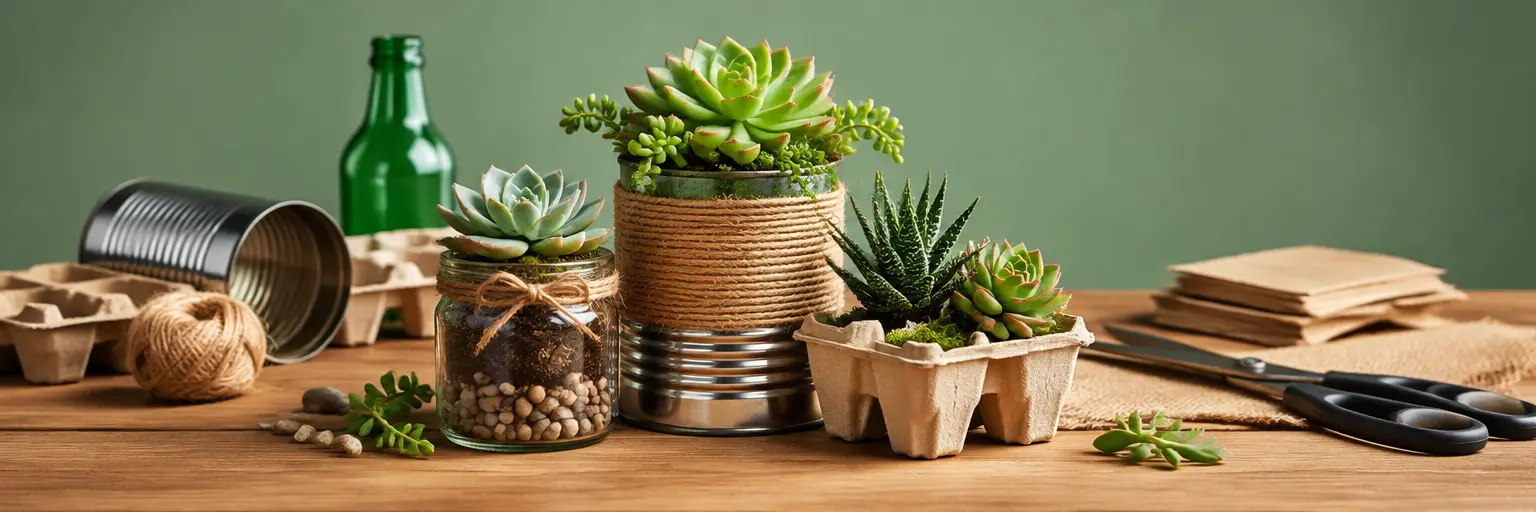
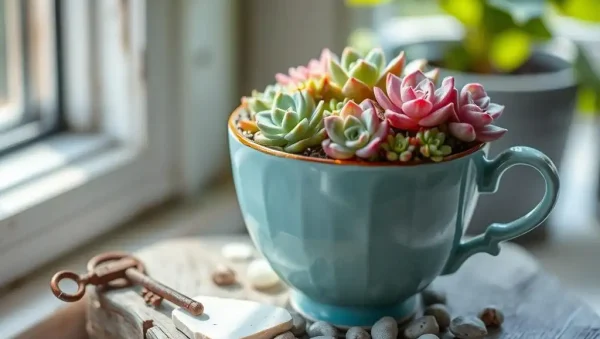
The foundation of any recycled succulent craft is choosing and prepping the right container. Look for items with adequate depth (at least 2-3 inches) and drainage potential. Glass jars, ceramic mugs, tin cans, and even old leather boots can work brilliantly. Before planting, clean all materials thoroughly with soap and water. For cans or metal, create 3-5 small drainage holes using a hammer and nail; for glass, add a layer of pebbles at the bottom to prevent waterlogging since drilling glass is tricky. Plastic bottles can be cut horizontally and pierced with a hot needle. Always let repurposed items dry completely, and consider applying a food-safe sealant to prevent rust or chemical leaching into the soil.
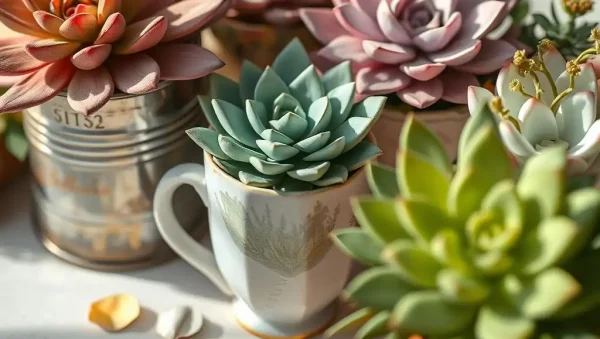
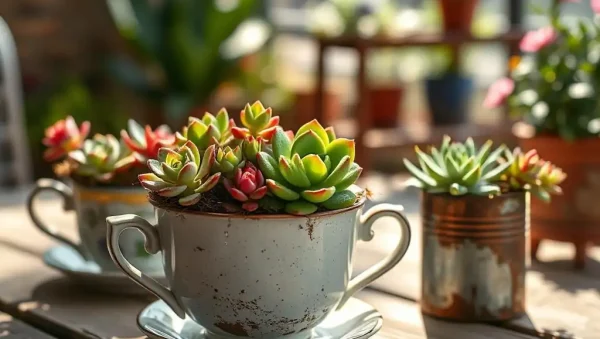
Once prepped, you must adapt your soil mix. Succulents need fast-draining media, so combine two parts potting soil with one part coarse sand or perlite. For containers without drainage holes, reduce watering frequency and use a layer of activated charcoal below the soil to absorb excess moisture. Test the container’s stability—wobbly items can be anchored with small rocks in the base. By investing time in preparation, you ensure your recycled craft not only looks artistic but also keeps your succulents healthy for years. Remember, the container is your canvas, so choose pieces that complement your home’s aesthetic, from vintage teapots to mismatched teacups.
🌿 Creative Planting Techniques for Small Spaces
Maximizing limited space is where recycled succulents shine. Vertical planters made from wooden pallets or shoe organizers with pockets allow you to grow multiple species on a wall, perfect for balconies or tiny kitchens. For horizontal displays, use old picture frames with wire mesh as a shallow succulent garden, or transform a tin can into a mini terrarium by laying it on its side. When planting, use a chopstick or tweezers to gently position roots without damaging them. Always leave the soil surface slightly below the container rim to prevent water spillage. For hanging options, drill hooks into coconut shells or old metal colanders—these provide natural drainage and a bohemian vibe.
Layered planting adds depth: place taller succulents like Echeveria in the back and trailing varieties like String of Pearls at the edges. Use a spray bottle for initial watering to avoid disturbing the substrate. A clever trick is to create a “kokedama” style ball using moss and soil wrapped around the root ball, then nestle it into a recycled glass bowl. For irregularly shaped containers, insert small plastic pots with drainage holes into the decorative exterior—this allows easy removal for watering and prevents damage to the vessel. These techniques ensure your recycled craft remains low-maintenance while showcasing your succulents’ natural sculptural beauty.
🎨 Seasonal and Thematic Decoration Ideas
Recycled succulent crafts can evolve with holidays and personal style. For spring, paint old soda cans pastel colors and plant mini rosettes; for autumn, wrap acorn and bark around a repurposed wine cork holder. Halloween calls for painted glass jars shaped like ghost faces, while winter invites fairy-light-lit terrariums from empty jam jars. Thematic ideas include a “book planter” by hollowing out a discarded hardcover novel, or a “toolbox garden” from a rusty metal toolbox filled with assorted succulents. Add non-plant elements like pebbles, driftwood, or broken ceramic pieces to enhance the narrative. Use waterproof glue to attach decorations, but ensure they don’t block sunlight or airflow.
Consider a “green masterpiece” for gifting—fill a small metal bucket with a mix of succulents, moss, and a handwritten label made from recycled cardboard. For kids, decorate plastic bottle caps with painted faces and plant tiny cactus varieties, turning them into desk buddies. As seasons change, you can swap the succulents or add seasonal accents like miniature pumpkins or dried flowers. Always secure decorations firmly to avoid toppling. Thematic crafts not only recycle but also personalize your living space, making each piece a reflection of your mood and celebrations. This approach keeps your décor fresh, sustainable, and endlessly novel.
🛠️ Essential Tools and Safety Tips
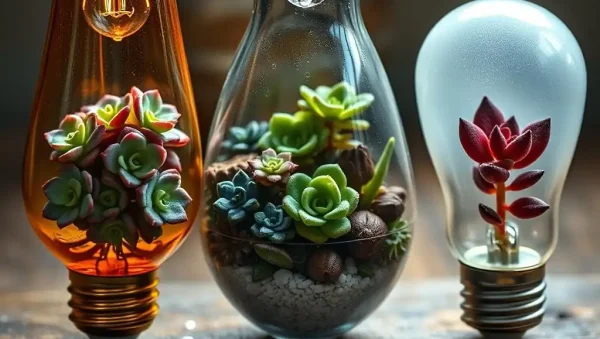
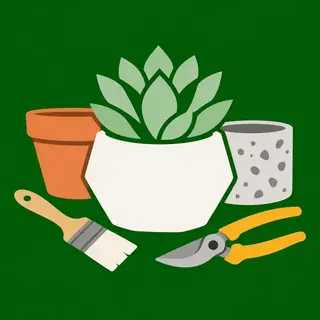
Working with recycled materials requires a basic toolkit and cautious handling. Gather a drill, hammer, nails, wire cutters, pliers, scissors, and a hot glue gun. For glass and metal, wear protective gloves and safety goggles to prevent cuts or splinters. When cutting plastic bottles, use a sharp utility knife and place the bottle on a stable surface. Always work in a well-ventilated area when using paints or sealants, preferring water-based, non-toxic formulas. For wood, sand rough edges to avoid splinters. If using old food containers, ensure they are thoroughly rinsed and free of residue that could attract pests. For electronics like light fixtures, remove all wiring before repurposing.
Keep a small brush or old toothbrush handy to clean debris from crevices. When drilling holes, start with a smaller bit and gradually widen to avoid cracking. If you’re using adhesives, allow full drying time before adding soil, as moisture can weaken bonds. Store sharp tools out of reach of children and pets. For safety, never use containers that held chemicals or toxic substances. Always label your recycled pots if you’re unsure of their previous contents. These precautions ensure your crafting experience remains fun and injury-free, letting you focus on the creative joy of giving trash a second life. Safety first keeps your succulent projects thriving.
💧 Watering and Maintenance of Recycled Planters
Proper hydration is critical for succulents in unconventional containers. Because recycled vessels often lack standard drainage, you must adjust your watering schedule. Use the “soak and dry” method: water thoroughly until it exits through holes, then wait until the soil is completely dry before the next session. For non-draining containers, water sparingly—roughly one tablespoon per small planter every 10-14 days. Always test soil moisture by inserting a wooden skewer; water only if it comes out dry. In humid environments, reduce watering further. Place your recycled crafts in bright, indirect sunlight; a south-facing window ledge is ideal. Rotate the container weekly for even growth.
Fertilize once a month during spring and summer with a diluted cactus feed, but skip winter feeding. Watch for signs of overwatering like yellow leaves or soft stems—if this occurs, repot immediately into a dry mixture. Clean the exterior of your recycled pots regularly to prevent mold or residue. For breathable materials like wood, treat with linseed oil every six months. During heavy rains, move outdoor crafts under shelter. By tailoring your care routine to the container’s drainage capability, you’ll enjoy lush, healthy succulents that thrive in their upcycled homes. Consistency is key, but adaptability ensures long-term success.
Frequently Asked Questions
Can I use recycled plastic bottles for succulent crafts?
Yes, thoroughly clean any plastic bottle, cut it to your desired height, and pierce the bottom with drainage holes. Use a soldering iron or hot nail for neat holes. Rinse and let dry completely before adding soil. Choose food-grade bottles and avoid fragile plastics. Place them indoors where they won’t crack from extreme temperature shifts.
What is the best way to create drainage in glass jars?
Since drilling glass is difficult, layer the bottom with 1-2 inches of small pebbles or broken pottery shards. Add a thin layer of activated charcoal to prevent odor and mold. This gravel bed keeps roots above standing water. Alternatively, use a smaller inner plastic pot with holes inside the decorative glass jar.
How often should I water succulents in recycled containers without drainage holes?
Water only every 2-3 weeks, using a small amount—about a teaspoon per inch of planter diameter. Wait until the soil is completely dry before the next watering. Wipe excess moisture from the container interior after watering. Overwatering is the top risk, so err on the side of dryness.
Are all succulent species suitable for recycled crafts?
Most are, but compact varieties like Echeveria, Haworthia, Sedum, and Sempervivum adapt best to small containers. Avoid large, fast-growing succulents like Agave that quickly outgrow tiny pots. Trailing types like String of Hearts work well in hanging recycled items. Always choose species matching your container’s size and drainage capability.
How do I seal recycled metal cans to prevent rust?
Thoroughly clean the can’s exterior, then apply two coats of acrylic spray sealant or rust-inhibiting paint, letting it dry between coats. For the interior, use a non-toxic food-safe sealant or place a plastic liner inside. Check for sharp edges at the rim and sand them down before sealing.