DIY Pots, Planters, and Containers: Elevate Your Succulent Display
Welcome to the heart of creative succulent gardening! On this page, you’ll discover how to transform everyday objects and simple materials into stunning, personalized homes for your drought-resistant plants. Whether you’re a seasoned collector or a budding hobbyist, our DIY pots, planters, and containers guide will help you save money, reduce waste, and infuse your space with unique artistic flair. From drainage hacks to vertical installations, we cover everything you need to craft beautiful and functional vessels that keep your succulents thriving.
🌱 Upcycled Containers: Turning Trash into Treasure
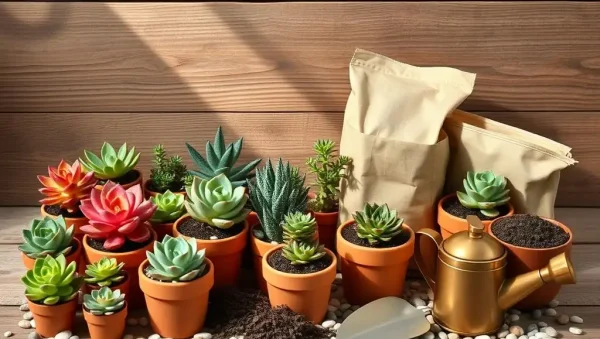
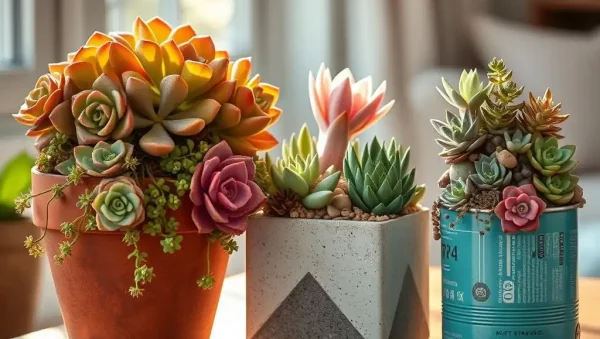
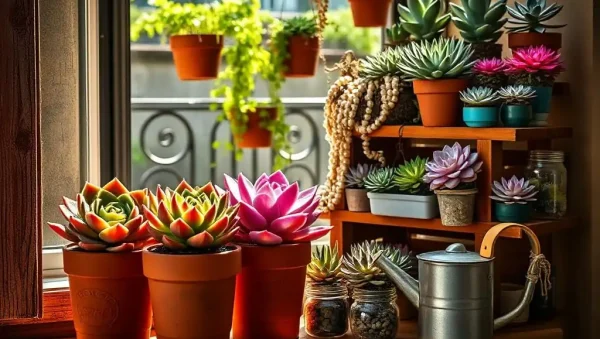
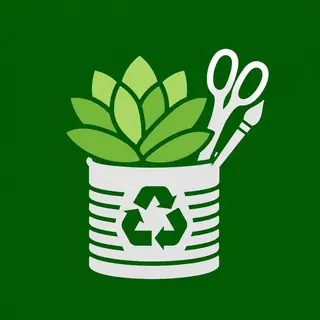
One of the most rewarding aspects of DIY succulent planters is giving new life to items you’d otherwise toss. Think old teapots, tin cans, wooden crates, or even broken ceramics. The key is ensuring proper drainage—drill or punch holes in the bottom, add a layer of gravel, and use a fast-draining cactus mix. Upcycling not only saves money but also adds a quirky, personalized touch to your collection. You’ll learn which materials are safe, how to sanitize them, and how to waterproof porous surfaces like terracotta or unglazed clay.
Beyond aesthetics, upcycled containers are perfect for small-space gardening. A repurposed mason jar can host a tiny Haworthia, while a vintage drawer becomes a shallow trough for multiple Echeverias. Remember, succulents hate soggy roots, so always prioritize airflow and drainage over looks. We’ll guide you through step-by-step prep, including sealing sharp edges and creating DIY drainage layers, so your creative vessels remain safe and plant-friendly for years to come.
🪴 Concrete & Hypertufa Planters: Modern, Durable, and Customizable
If you’re looking for a sturdy, contemporary aesthetic, concrete and hypertufa planters are a fantastic project. Hypertufa—a mix of Portland cement, peat moss, and perlite—is lightweight yet mimics aged stone, making it ideal for outdoor succulent beds. You can mold it into any shape using plastic containers, cardboard boxes, or even fabric-lined bowls. The result is a breathable, porous material that prevents overwatering, a common succulent killer. We'll teach you the exact ratios, mixing techniques, and curing times to ensure your planter doesn’t crack.
These DIY containers are highly customizable in size and texture, letting you create shallow bowls for lithops or tall cylinders for trailing succulents like string of pearls. Because concrete is alkaline, we recommend sealing the interior with a diluted vinegar wash or a coat of acrylic sealer to neutralize pH. This project takes a weekend but yields planters that last decades. Whether you prefer a smooth, polished finish or a rugged, natural look, our tutorials provide all the troubleshooting tips for bubbles, mold, and weight distribution.
🎨 Painted & Decorated Pots: Adding a Splash of Personality
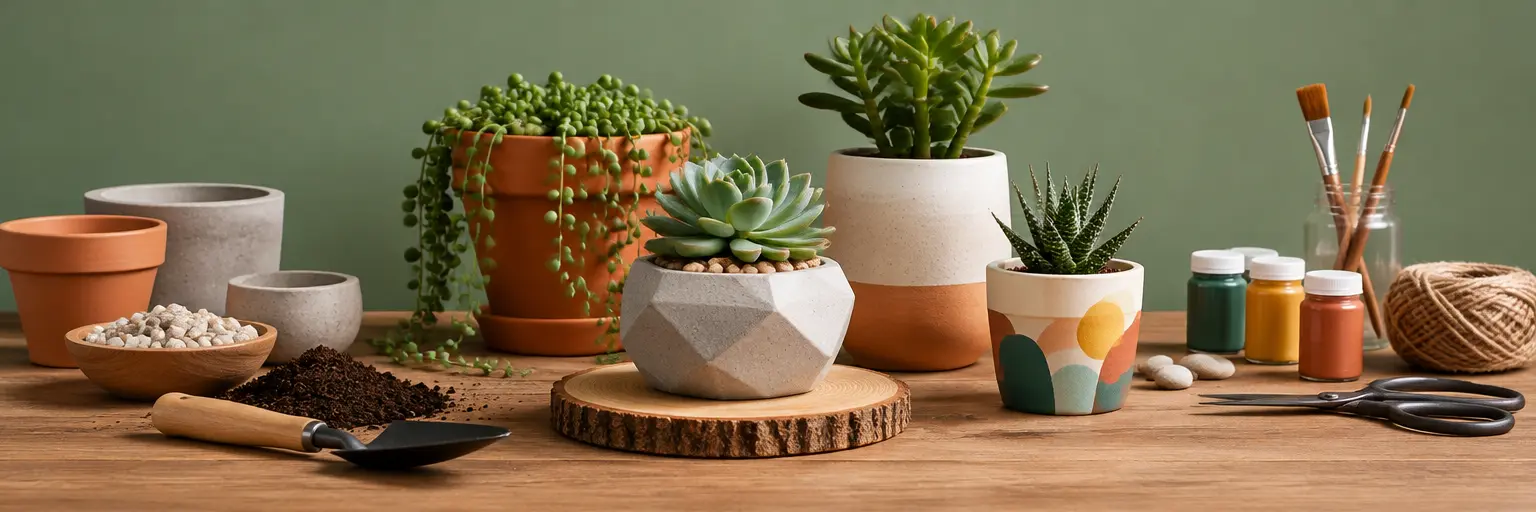
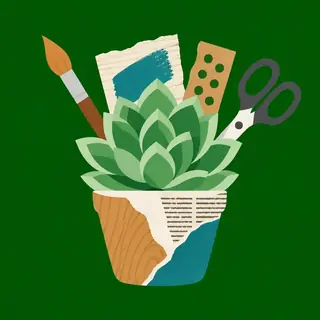
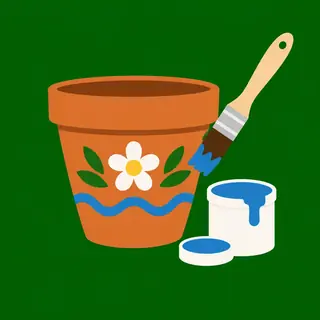
Sometimes, all a plain terracotta pot needs is a fresh coat of color. Acrylic paints, chalk paints, and even spray paints can transform a basic container into a vibrant focal point. You can create geometric patterns, ombre gradients, or hand-painted botanical illustrations. Always use non-toxic, water-based paints and seal with a waterproof varnish to protect against moisture and UV fading. We’ll share stencil techniques, dip-dye methods, and ways to add texture with modeling paste or sand.
Beyond painting, consider decoupage with tissue paper, mosaic tiles, or pressed leaves for a natural touch. For a boho vibe, wrap pots in jute rope or macramé hangers. These decorative projects are perfect for gifts and seasonal themes, like pastel pots for spring or metallic finishes for winter. We also cover how to safely handle drainage holes while painting, and how to choose colors that complement your succulent’s foliage—think blues and purples for red-tipped Echeverias or warm terracottas for green Jade plants.
🧱 Vertical & Hanging Planters: Maximizing Small Spaces
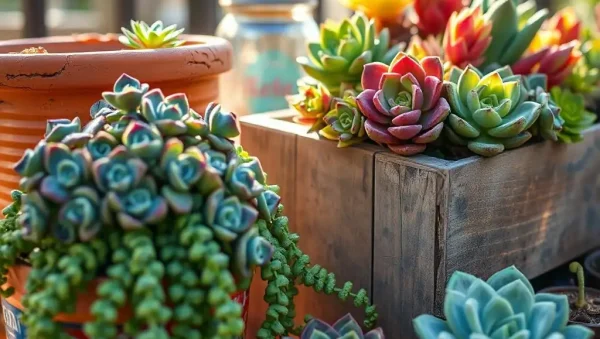
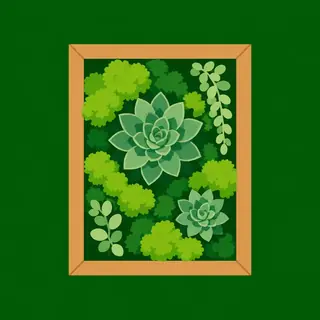
Short on floor space? Vertical planters let you grow a lush succulent wall indoors or on a balcony. Options range from pocketed felt organizers and wooden pallets to repurposed picture frames with wire mesh. Succulents are perfect for vertical gardens because their shallow roots thrive in thin soil layers. We’ll explain how to build a sturdy frame, secure a moisture barrier, and plant in pockets with proper drainage. Hanging planters, using macramé or metal baskets, also add dimension and keep trailing species like burro’s tail safe from pets.
The trick to vertical success is choosing a lightweight growing medium, such as a mix with coconut coir and perlite, and watering carefully to avoid runoff. You can create a living art piece by arranging different colors and textures—spiky Aloe, rosette-forming Sempervivum, and cascading Sedum. We’ll also cover how to rotate the planter for even light exposure and how to winterize outdoor vertical structures if you live in a cold climate. With our guidance, you’ll turn any blank wall into a thriving, eye-catching installation.
🌿 Self-Watering & Terrarium Containers: Low-Maintenance Innovation
For busy plant parents or those new to succulents, self-watering containers can reduce the guesswork. These DIY systems use a reservoir at the bottom that wicks moisture upward, but for succulents, it’s crucial to keep the reservoir dry most of the time. Instead, we focus on “self-diagnosing” containers—clear glass terrariums with a drainage layer of pebbles and activated charcoal. Open terrariums are ideal for succulents because they allow airflow, preventing the humidity buildup that causes rot. We’ll show you how to layer stones, soil, and decorative sand for a stunning miniature landscape.
Alternatively, build a wicking system using a cotton rope and a small water cup placed only during active growth. But remember: succulents prefer drought to soggy feet, so use self-watering features sparingly. For closed glass jars, we advise leaving the lid off or drilling a ventilation hole. Our tutorials include choosing the right soil depth, arranging root-bound plants, and avoiding overwatering traps. With these innovative containers, you’ll enjoy healthy succulents even if you travel frequently or forget to water on schedule.
Frequently Asked Questions
Can I use any container as a succulent pot if I add drainage holes?
Yes, as long as the material is non-toxic and can withstand moisture. Glass, metal, ceramic, plastic, and wood all work. Drill or punch holes in the bottom, and for non-porous containers, add extra perlite to the soil to improve aeration.
What is the best soil mix for DIY succulent containers?
A well-draining mix of 2 parts potting soil, 1 part coarse sand, and 1 part perlite or pumice is ideal. For containers without drainage holes, increase the perlite to 50% and add a thick gravel layer at the base.
How do I prevent root rot in upcycled pots?
Ensure drainage holes are present, never let water pool at the bottom, and allow the soil to dry out completely between waterings. Also, avoid using sealed glass jars without a ventilation opening, as trapped humidity is deadly.
Can I paint the inside of a pot with sealant?
Yes, but use a non-toxic, waterproof sealant designed for planters. Apply it only to the interior to prevent alkalinity from leaching into the soil, especially with concrete or terracotta pots.
How long do hypertufa planters need to cure before planting?
Allow them to cure for at least 7–10 days in a shaded, moist area. Wrap them in plastic to retain humidity, then rinse thoroughly. After about 3 weeks, the pH will stabilize, making them safe for succulents.