Painting and Decorating Terracotta Pots: Elevate Your Succulent Displays
Decorating terracotta pots is the perfect way to merge your love for succulents with creative DIY expression. Terracotta’s porous, warm clay surface accepts paint, stains, and embellishments beautifully, allowing you to transform plain containers into stunning, personalized homes for your plants. This subcategory will guide you through every technique—from choosing paints that breathe to sealing designs for durability—ensuring your artistic efforts enhance both the aesthetics and health of your succulent collection. Whether you’re a beginner or a seasoned crafter, you’ll discover ideas that add personality, color, and texture to your indoor or outdoor garden.
🎨 Choosing the Right Paint and Supplies for Terracotta
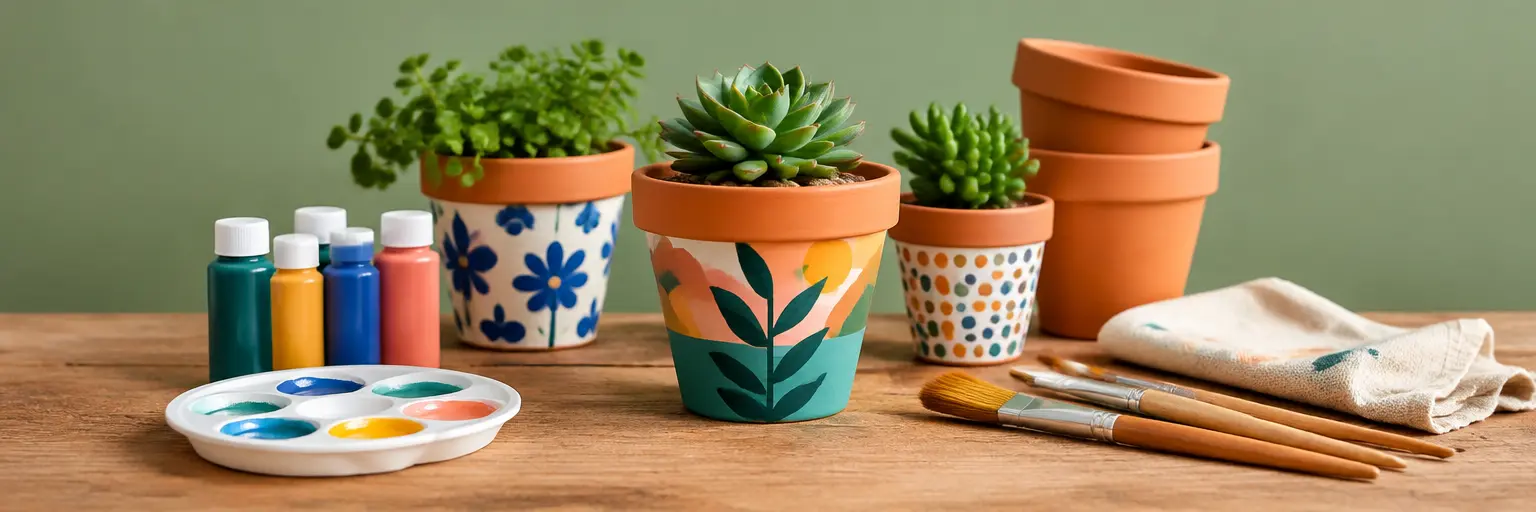
Selecting suitable paints is the first step to a lasting finish. For terracotta, acrylic paints are the most popular due to their water-based nature, vibrant pigments, and easy cleanup. However, you must consider the pot’s porous surface—unlike glazed ceramics, terracotta absorbs moisture, so you’ll need a primer or a sealant to prevent paint from flaking. Opt for exterior-grade acrylics if pots will live outdoors, as they resist UV fading and humidity. Additionally, gather fine-grit sandpaper to smooth rough edges, a soft brush to remove dust, and clear varnish (matte or gloss) to protect your artwork. Remember that breathability matters: use a paint that doesn’t completely block the clay’s pores, or alternatively, only paint the exterior top half, leaving the lower area bare for proper moisture evaporation.
Beyond standard brushes, consider using foam sponges for even coverage, painter’s tape for crisp lines, and stencils for intricate patterns. For a more rustic look, chalk paint adheres well without primer, but it requires a wax sealant. Always test paint on a small, hidden area first to ensure it doesn’t bubble or peel after drying. Investing in a high-quality brush set and a drop cloth will save time and frustration. This preparation ensures your decorative efforts don’t sacrifice the health of your succulents, which rely on terracotta’s natural moisture-wicking properties to prevent root rot.
🖌️ Step-by-Step Guide to Painting Terracotta Pots
A structured approach guarantees professional-looking results every time. Begin by cleaning your pot thoroughly: scrub away dirt with a stiff brush and water, then let it dry completely for 24 hours. This removes any oils that might prevent paint adhesion. Next, lightly sand the entire surface with fine-grit (220) sandpaper to create a tooth for the paint. Wipe off the dust with a damp cloth. Apply one to two coats of a water-based primer, allowing each to dry completely—this blocks the clay’s tannins and creates a smooth base. Once primed, paint your base color using a wide brush or foam roller, applying thin, even layers to avoid drips. Let each coat dry fully before adding decorative designs, such as stripes, dots, or freehand art. Finally, seal with a waterproof clear coat, either spray or brush-on, to protect against moisture and peeling.
For succulents, it’s crucial to seal the inside rim as well if you paint near the top, but avoid sealing the bottom drainage hole entirely. A tip: paint the pot’s exterior only, leaving the interior unpainted to maintain natural moisture exchange. If you’re using chalk paint, skip the primer but still sand lightly. After painting, wait at least 48 hours before planting to allow all solvents to off-gas—this prevents any chemical residue from harming your succulent roots. For a distressed or antique look, apply a dark wash over the base coat and wipe it off while damp. This technique adds depth and hides fingerprints, making your pots look like heirloom pieces.
🧑🎨 Creative Decoration Ideas: Patterns, Textures, and Embellishments
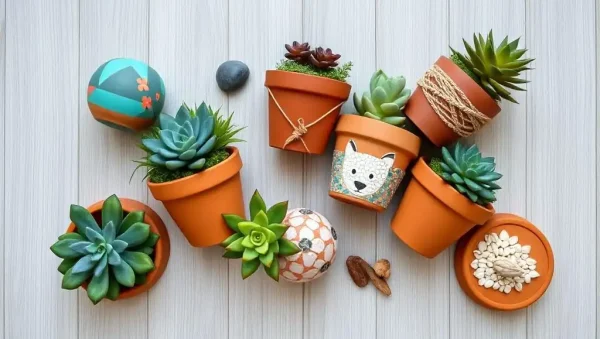
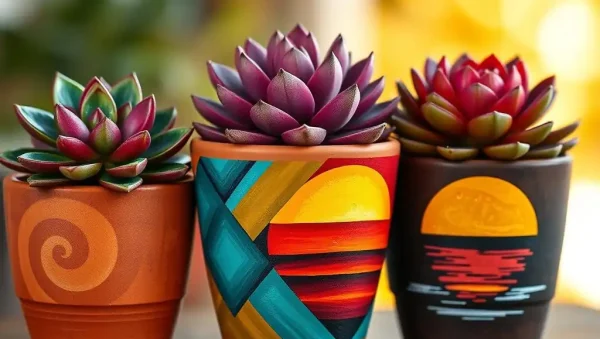
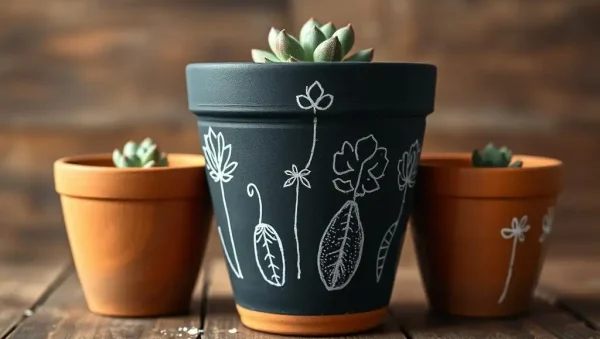
Your terracotta pot becomes a canvas for endless artistic possibilities. Try geometric patterns using painter’s tape—create chevrons, diamonds, or horizontal bands with contrasting colors. For a boho vibe, use stamps or carved potatoes to stamp tribal motifs. Texture adds tactile interest: apply modeling paste through stencils to create raised dots or lace patterns, or press small pebbles or shells into wet paint for a mosaic effect. You can also wrap twine or yarn around the pot’s rim, gluing it in place for a natural, earthy look. Don’t forget the secret weapon—decoupage. Use waterproof glue to adhere tissue paper, fabric scraps, or napkin designs to the pot’s surface, then seal with a clear coat. This is perfect for adding delicate florals or succulents illustrations that match your garden theme.
Another trend is the “dipped” look: paint the bottom half of the pot and leave the top terracotta color, creating a two-tone effect. You can also use a dry brush technique with a lighter shade to add a rustic, sun-washed appearance. For children’s crafts, use fingerprint animals or hand-painted cacti. Remember that colors should complement your succulent’s hues—soft pastels make deep green succulents pop, while bold neons suit variegated varieties. If you’re selling pots or gifting them, consider adding a personalized name tag or a small chalkboard label that you can reuse. These embellishments not only beautify but also protect your pot, as the paint layer shields the clay from water staining.
🌱 Sealing and Maintaining Your Decorated Pots for Longevity
Proper sealing is non-negotiable for outdoor or frequent-watering situations. Even if you’ve painted with acrylics, a topcoat of clear enamel or polyurethane prevents moisture from seeping under the paint film, which can cause peeling due to terracotta’s breathability. Use a spray sealer for even coverage and to avoid brush marks; apply two thin coats, allowing 24 hours between each. For a matte finish, choose a water-based polycrylic; for a glossy look, use a solvent-based polyurethane. Inside the pot, you can apply a sealer only to the upper rim if you want a polished edge, but leave the rest unsealed. This preserves the clay’s ability to wick excess moisture away from succulent roots. If you notice the paint cracking over time, it’s likely due to temperature fluctuations—keep painted pots in sheltered locations or move them indoors during frost.
Maintenance is simple: dust with a soft dry cloth, and for stubborn dirt, wipe with a damp sponge—never submerge a decorated pot in water, as that can degrade the sealant. Every six months, reapply a thin coat of clear sealer to retain vividness. Always check the drainage hole for blockages from paint drips; use a toothpick to clear it. If a pot sits in direct sunlight, choose UV-resistant sealants to prevent fading. With proper care, your decorated terracotta pots will last for years, becoming a signature piece of your succulent garden. Remember that a few tiny chips add character, so embrace wear and tear as part of the rustic charm.
💡 Pro Tips for Matching Decor to Succulent Types
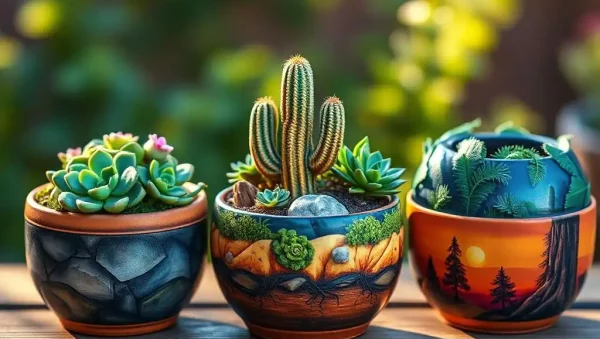
Your pot’s design should enhance, not overshadow, your succulent’s natural beauty. For compact rosettes like Echeveria, use pots with vertical stripes or minimal patterns to draw attention to the plant’s symmetry. Trailing succulents like String of Pearls benefit from pots with bright, contrasting colors to highlight their cascading form. For tall, architectural succulents like Aloe or Haworthia, choose a pot with a solid, bold color—such as deep teal or burnt orange—that echoes the plant’s structural leaves. Consider the pot’s size and shape: a shallow bowl-shaped pot is ideal for a cluster of small lithops, and you can paint it to mimic rocky terrain with gray and brown speckles. For succulents with red or purple edges (like Echeveria ‘Perle von Nürnberg’), use a cool, neutral palette like white or sage green to make those tips stand out.
Think about your room’s decor. If your succulents sit on a modern desk, use matte black or minimalist white with thin metallic lines. For a cozy rustic shelf, choose warm earth tones with wood-grain effects or faux terracotta hues. Seasonal themes also work—pastel pots for spring, bright yellows for summer, and muted browns for autumn. Always ensure the paint color doesn’t absorb excessive heat—dark colors can overheat the soil in direct sun, so stick to lighter shades for sun-exposed pots. By matching your pot’s decoration to your succulent’s growth habit and your living space, you create a harmonious display that is both eye-catching and functional.
Frequently Asked Questions
Can I use any acrylic paint on terracotta pots?
Yes, but you should use exterior-grade acrylic paint and apply a primer first. Terracotta’s porous surface absorbs water, so a primer helps the paint adhere and prevents flaking. Use a water-based primer and two thin paint coats, then seal with a clear waterproof topcoat to ensure longevity outdoors.
Will painting the pot harm my succulent?
Painting the exterior won’t harm the succulent if you leave the interior unpainted and the drainage hole clear. Avoid sealing the inner surface, as terracotta’s breathability helps regulate soil moisture. Wait 48 hours after painting before planting to let any paint fumes dissipate completely.
How do I prevent the paint from peeling off?
Peeling occurs when moisture gets under the paint. Always sand the pot, apply primer, and use a quality acrylic paint. Finish with a water-resistant sealer like polyurethane, and reapply it every six months. Additionally, avoid placing painted pots in standing water or letting them freeze.
Can I use chalk paint or spray paint instead of acrylic?
Yes, chalk paint works without primer but needs a wax or sealant finish. Spray paint is convenient for even coverage, but use a primer and matte clear coat. For all types, ensure the paint is non-toxic once cured, and never paint the interior or clog the drainage hole.
How do I clean a painted terracotta pot without damaging the design?
Wipe with a soft, slightly damp cloth—avoid soaking or scrubbing. Use mild dish soap diluted in water if needed, then rinse with a damp cloth. Do not use abrasive pads or harsh chemicals. Reapply a clear sealer after cleaning to refresh protection.