The Art of Repetition: Creating Patterns in Mixed Media Succulent Art
😊 Unleash your creativity with SucculentEssentials.org's guide to "The Art of Repetition"! Discover how repeating elements craft stunning patterns in your mixed…
Read article
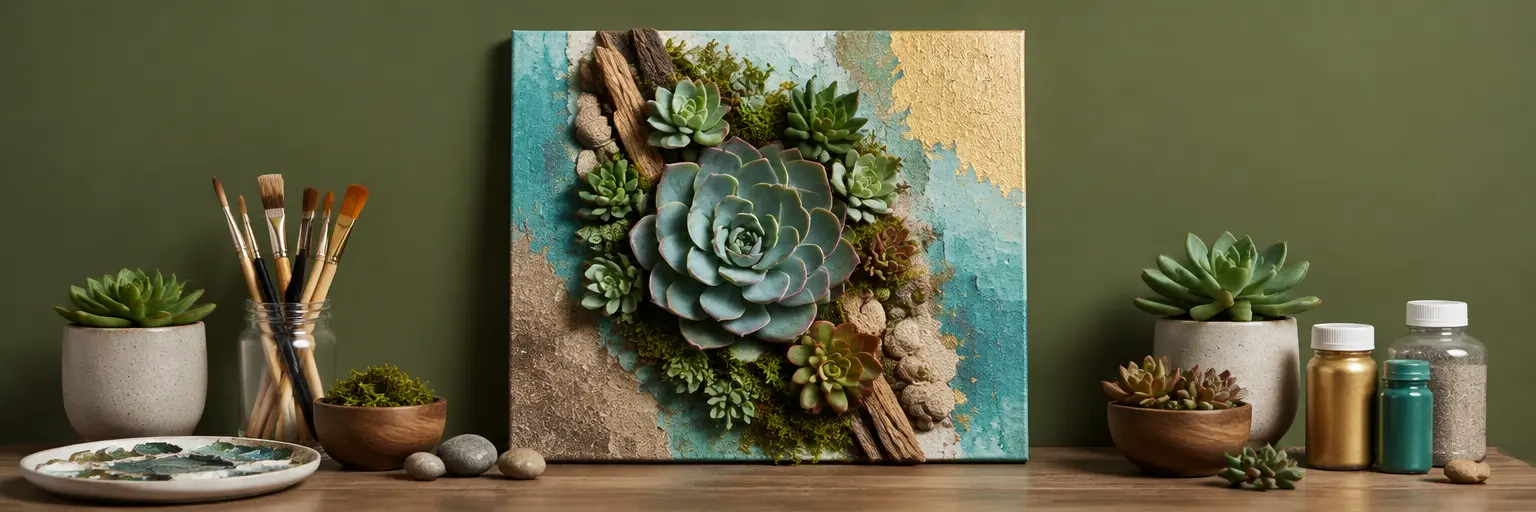
Unleash your creativity with Mixed Media Succulent Art, where living plants meet artistic expression! 🌵✨ This innovative DIY approach transforms ordinary succulents into stunning, textured masterpieces by blending them with materials like wood, metal, resin, or fabric. Perfect for adding a unique, organic touch to your home décor or gifting a one-of-a-kind creation, this craft combines the low-maintenance charm of drought-resistant plants with limitless design possibilities. From miniature canvas scenes to whimsical wall hangings, you’ll discover how to highlight the sculptural beauty of succulents while safeguarding their health. Whether you’re a seasoned crafter or a curious beginner, our step-by-step inspiration ensures your pieces thrive and dazzle—turning any space into a living gallery. Embrace the art of nature and let your succulent imagination run wild! 🌿🎨
😊 Unleash your creativity with SucculentEssentials.org's guide to "The Art of Repetition"! Discover how repeating elements craft stunning patterns in your mixed…
Read article
😊 Master the art of succulent arrangement negative space! SucculentEssentials.org shows how strategic empty space elevates your succulent designs, creating stunning visual…
Read article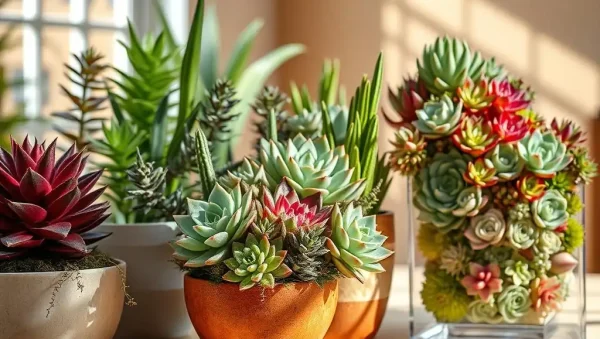
😊 Unleash your creativity! SucculentEssentials.org explores the exciting world of succulent art style ideas, offering inspiration and guidance for crafting unique arrangements,…
Read article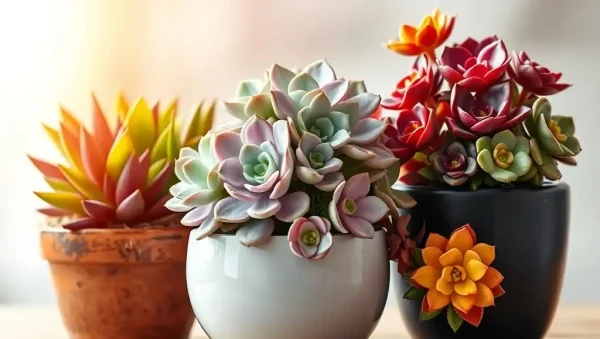
😊 Unleash your creativity with SucculentEssentials.org's guide to vibrant succulent art color palettes! Explore diverse mixed media techniques and discover the endless…
Read articleMixed media succulent art blends the natural beauty of live or preserved succulents with diverse artistic materials like wood, metal, paper, resin, and fabric to create stunning wall pieces, sculptures, and decorative accents. At SucculentEssentials.org, this subcategory celebrates the intersection of gardening and craftsmanship, offering step-by-step tutorials, material guides, and inspiration for both beginners and seasoned artists. Whether you’re looking to craft a living wreath, a textured canvas, or a whimsical fairy garden frame, these projects elevate your succulent collection into functional art. Perfect for eco-conscious creators, these DIY ideas reuse everyday items while showcasing the drought-resistant charm of succulents in any indoor or outdoor setting.
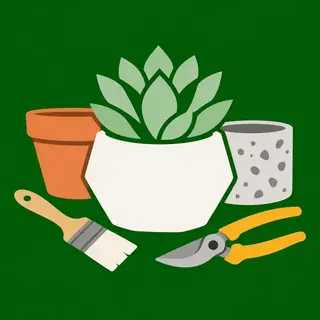
To start your mixed media succulent art journey, you’ll need a curated set of materials that balance aesthetics with plant health. Key supplies include a hot glue gun, wire cutters, floral foam or sphagnum moss, a sturdy base (like a wooden frame, canvas, or wire wreath form), and a variety of succulents—both live cuttings and preserved varieties. For the “mixed media” aspect, gather items like driftwood, copper wire, vintage keys, glass beads, fabric scraps, or acrylic paint to add texture and personality. Always choose well-draining soil or moss to prevent root rot, and use waterproof adhesives for outdoor displays. Investing in quality tools ensures precise placement, while recycled materials reduce costs and environmental impact.
Beyond basics, consider specialty tools like a mini soldering iron for metal embellishments or a Cricut for custom stencils. Preserved succulents are excellent for permanent art pieces, as they require no watering or light, while live succulents add dynamic growth and color shifts. For live arrangements, include a moisture meter to monitor hydration levels, and opt for shallow containers that allow air circulation. Pro tip: Use a mix of rosette, trailing, and spiky succulents to create visual interest in your mixed media compositions. This material toolkit empowers you to experiment fearlessly, turning ordinary objects into living masterpieces that reflect your personal style.
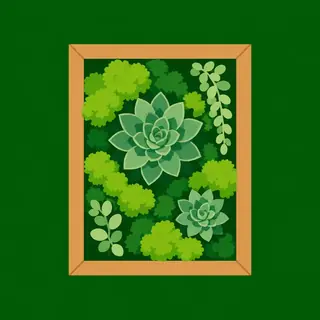
One of the most popular mixed media projects is transforming a vintage picture frame into a living tapestry. Begin by removing the glass and backing, then attach chicken wire or a metal mesh to the frame’s interior using staples. Next, lay a thick layer of sphagnum moss over the mesh, securing it with floral pins to create a base for planting. Choose a mix of small succulents like Echeveria, Sedum, and Sempervivum—these varieties thrive in shallow, well-drained environments—and arrange them by color and texture before inserting roots through the moss. Use a chopstick to create holes, then gently press each cutting into place. Finish by adding non-plant elements like a rusted gear, a ceramic butterfly, or hand-painted wooden letters to tell a story.
For a more dimensional approach, layer dimensional mediums like air-dry clay or plaster to form landscape ridges, then press succulent cuttings into the wet surface. Allow the clay to set for 24 hours before watering to avoid dislodging the plants. Once assembled, hang your frame horizontally or vertically, ensuring it receives bright, indirect light. Mist the moss every few days, but avoid over-saturating, as succulents prefer dry conditions. This technique not only recycles old frames but also creates a conversation-starting centerpiece. For beginners, start with a smaller 8x10 frame to master the moss base, then graduate to larger installations that incorporate driftwood or metal grids for added dimension.
Take your art to three dimensions by embedding succulents in resin molds, attaching them to carved wood slabs, or soldering them onto copper sheets. For resin art, use preserved succulents (which won’t rot in the medium) and pour clear epoxy in layers to create floating botanical compositions. Always follow resin safety guidelines, using gloves and working in a ventilated area. For wood projects, sand a cross-section of cedar or cork, drill shallow holes, and plant small succulents with a dab of glue to hold them in place. The wood’s natural grain complements the succulents’ organic shapes, creating a rustic, earthy feel. Metal artists can weld wire frames in geometric patterns, then weave succulent stems through the mesh for a structural contrast.
These mixed media sculptures are perfect for shelves, desks, or garden focal points. Opt for hardy succulents like Haworthia or Aloe that tolerate drier conditions in indoor settings. In resin, use tiny air plants (Tillandsia) alongside succulents for textural variety. For wood, seal the surface with a waterproof varnish to prevent rot, but leave planting holes unsealed to allow drainage. Metal art benefits from a coated planter base to hold soil, preventing rust. Each project encourages experimentation with scale—from miniature keychain charms to large-scale garden totems. Document your process with photos to refine techniques and share your creations with the SucculentEssentials community.
Vertical gardens are a stunning way to employ mixed media, turning bare walls into lush living canvases. Build a pocket planter using recycled burlap or felt, sewing multiple layers to create pouches for individual succulents. Stitch wooden dowels into the top for hanging, and attach decorative elements like seashells or ceramic beads to the fabric. Alternatively, construct a pallet garden: sand a wooden pallet, attach landscape fabric to the back and sides, fill with soil, and plant succulents in the slats. This method maximizes space and creates a natural privacy screen for balconies or patios. For a lighter option, repurpose an old ladder—lean it against a wall, place potted succulents on each rung, and wrap fairy lights for evening glow.
Hanging planters can also be macramé projects, where you weave ropes around recycled glass globes filled with preserved succulents. Ensure proper drainage by adding a gravel layer at the bottom of any container, regardless of the mixed media exterior. For wall-mounted frames, use a drip tray to catch excess water, protecting your wall from moisture damage. Vertical gardens require regular pruning to maintain shape, as succulents may outgrow their designated spots. These projects not only beautify small spaces but also improve air quality and reduce stress. Experiment with color themes—silver-blue succulents against white frames evoke coastal vibes, while red-tipped varieties pop on dark wood. Share your vertical designs online to inspire fellow succulent enthusiasts.
Adapt your mixed media skills to seasonal holidays and personal themes, creating gifts that last for years. For autumn, craft a “thankful” cornucopia by attaching preserved succulents to a foam cone with a hot glue gun, then adorn with cinnamon sticks, dried orange slices, and burlap ribbons. At Christmas, design a living wreath using a wire frame, moss, and miniature red and green succulents—add faux berries and pinecones for festive flair. Valentine’s Day projects include heart-shaped wire frames filled with pink and purple Echeveria, embellished with glass beads or vintage keys. For weddings, create place-card holders by embedding small succulents into air-dry clay discs and writing guest names with a permanent marker.
These themed artworks double as meaningful keepsakes, since preserved succulents retain their beauty indefinitely. Use color psychology to match moods: lavender for calm, bright orange for energy, or monochrome green for minimalism. For children’s birthday parties, involve kids in making mini canvas art with pressed succulent leaves, glitter, and paper cutouts—fun and educational. Seasonal projects also encourage resourcefulness, repurposing holiday ornaments or fabric scraps. When gifting, include care instructions for live succulents, noting their low-water needs. These creative expressions strengthen personal connections, making every occasion more memorable. Explore SucculentEssentials.org’s gallery for more ideas tailored to every celebration.
Yes, live succulents are excellent for mixed media art, provided you use well-draining materials like sphagnum moss or cactus soil. They require bright, indirect light and minimal watering—mist weekly or every 10-14 days. Avoid sealing live plants in resin or airtight containers, as they need airflow.
Use a low-temperature hot glue gun for live succulents, applying glue to the base and pressing gently. For preserved succulents, craft glue or hot glue works well. For heavier materials like metal or wood, use epoxy or a strong adhesive like E6000, letting it cure fully before planting.
Absolutely—preserved succulents retain their natural shape, color, and texture, making them indistinguishable from live ones at a glance. They are treated with glycerin and dyes, so they remain flexible and vibrant for years without watering. Best for permanent, indoor displays.
Water by misting the moss or soil every 7-10 days, using a spray bottle to avoid oversaturation. For frames with a backing, remove the art from the wall and lay it flat, then water and let it drain for 30 minutes before rehanging. Avoid watering directly on leaves to prevent rot.
Start with hardy, slow-growing varieties like Echeveria, Sedum, Sempervivum (hens and chicks), and Haworthia. These tolerate occasional neglect, handle root disturbance well, and come in diverse colors and shapes—ideal for learning to balance aesthetics with plant health.