
Succulent Response to Sudden Changes in Water Availability

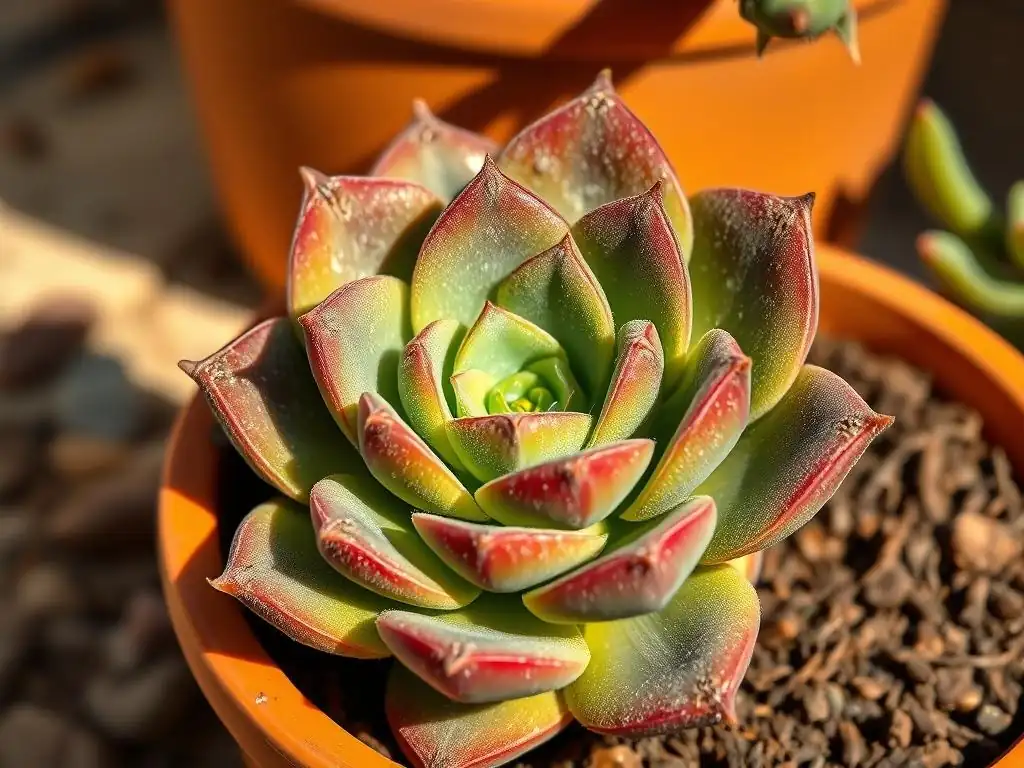
Welcome to SucculentEssentials.org, where the fascinating world of succulents unfolds! Are you ready to unlock the secrets behind these resilient plants? We delve into the intriguing science of succulent survival, exploring topics from basic care to advanced techniques. Discover how your succulents respond to environmental changes, and learn crucial strategies for succulent drought stress recovery – especially vital when faced with sudden shifts in water availability. Dive into our Advanced Succulent Science and Research section to uncover the knowledge you need to nurture your thriving succulent collection. Let's cultivate your expertise together!
- Understanding Succulent Drought Stress Recovery
- Impact of Sudden Water Changes on Succulent Health
- Strategies for Effective Succulent Drought Stress Recovery
- Preventing Future Water Stress in Succulents
- Case Studies: Succulent Drought Stress Recovery Examples
- Advanced Techniques for Enhancing Drought Tolerance
-
Frequently Asked Questions
- How can I tell if my succulent is suffering from drought stress?
- My succulent is severely dehydrated. How can I rehydrate it slowly and effectively?
- What are the best practices to prevent future drought stress in my succulents?
- My succulent has developed brown, crispy leaves due to drought. Can I save it?
- What types of succulents are more susceptible to drought stress than others?
- Final Reflection: Resilience in the Face of Aridity
- Unleash Your Succulent's Inner Resilience!
Understanding Succulent Drought Stress Recovery
Succulents, with their remarkable ability to thrive in arid and semi-arid environments, possess sophisticated mechanisms for surviving and recovering from periods of drought. This article delves into the fascinating world of succulent drought stress recovery, exploring the physiological and biochemical strategies these plants employ to withstand water scarcity and resume healthy growth once water becomes available again.
Understanding these processes is crucial for succulent enthusiasts, allowing for more effective care practices and the prevention of irreversible damage. We will examine the key mechanisms behind water conservation, the physiological responses triggered by water deficit, and the pivotal role of Crassulacean Acid Metabolism (CAM) photosynthesis in their exceptional drought tolerance.
Successfully navigating periods of drought stress is key to maintaining the health and vibrancy of your succulent collection, and this guide will equip you with the knowledge to do just that. The ability to understand and manage succulent drought stress recovery directly impacts the longevity and aesthetic appeal of these fascinating plants.
Mechanisms of Water Conservation in Succulents
Succulents have evolved a range of ingenious strategies to minimize water loss and maximize water retention during drought periods. These mechanisms are crucial for their survival in harsh conditions. Key adaptations include:
- Thick, fleshy leaves and stems: These structures act as water storage reservoirs, allowing the plant to draw upon stored water during dry spells. The size and shape of these water storage organs vary greatly depending on the specific succulent species.
- Reduced leaf surface area: Many succulents possess small, reduced leaves or even spines, which significantly minimize the surface area exposed to transpiration (water loss through evaporation). This minimizes water loss in dry conditions.
- Thick cuticles: A thick, waxy cuticle on the leaves and stems creates a water-impermeable barrier, reducing water loss through evaporation. The thickness of this cuticle can vary depending on the environmental conditions.
- CAM Photosynthesis: (Further detailed in the following section) This unique photosynthetic pathway significantly reduces water loss during the day.
- Deep root systems: Some succulents have developed extensive root systems that allow them to access water from deeper soil layers, even during periods of drought. The depth and extent of the root system are influenced by the species of succulent and the type of soil.
These combined strategies allow succulents to effectively conserve water during prolonged periods without rainfall, preparing them for a successful recovery once conditions improve.
Physiological Responses to Water Deficit
When faced with water deficit, succulents undergo a series of physiological changes to cope with stress. These responses are essential for survival and subsequent recovery. Some key responses include:
- Stomatal closure: To minimize water loss through transpiration, succulents close their stomata (tiny pores on the leaves) during the day, reducing gas exchange and photosynthesis. This is a crucial short-term response to drought stress.
- Osmotic adjustment: Succulents adjust the osmotic potential of their cells, allowing them to maintain turgor pressure (cell stiffness) even when water is scarce. This helps to maintain the structural integrity of the plant.
- Leaf abscission: In some cases, succulents may shed their leaves to reduce water loss and conserve resources. This is a last resort mechanism to ensure survival.
- Reduced growth rate: During drought, succulent growth slows down significantly, conserving energy and resources for survival. This is a common response observed across many species.
- Increased production of protective compounds: Some succulents produce antioxidants and other protective compounds to mitigate the damaging effects of drought stress on cellular components. These compounds help to protect the plant from oxidative damage.
The degree and type of physiological response vary depending on the severity and duration of the drought, as well as the specific succulent species involved.
The Role of CAM Photosynthesis in Drought Tolerance
Crassulacean Acid Metabolism (CAM) is a specialized photosynthetic pathway that plays a crucial role in the drought tolerance of many succulents. Unlike C3 and C4 plants, CAM plants open their stomata at night to take in carbon dioxide (CO2), storing it as malic acid in their vacuoles. During the day, when the stomata are closed to prevent water loss, the stored CO2 is released and used for photosynthesis.
This mechanism significantly reduces water loss compared to conventional photosynthesis, making CAM plants exceptionally well-suited to arid environments. The efficiency of CAM photosynthesis varies across different succulent species, and further research continues to reveal the intricacies of this remarkable adaptation. The effectiveness of CAM photosynthesis is directly related to the succulent's ability to recover from drought stress. The ability to store and utilize CO2 efficiently minimizes the negative impacts of reduced gas exchange associated with stomatal closure. This contributes significantly to the overall resilience of these plants under water-stressed conditions.
Impact of Sudden Water Changes on Succulent Health
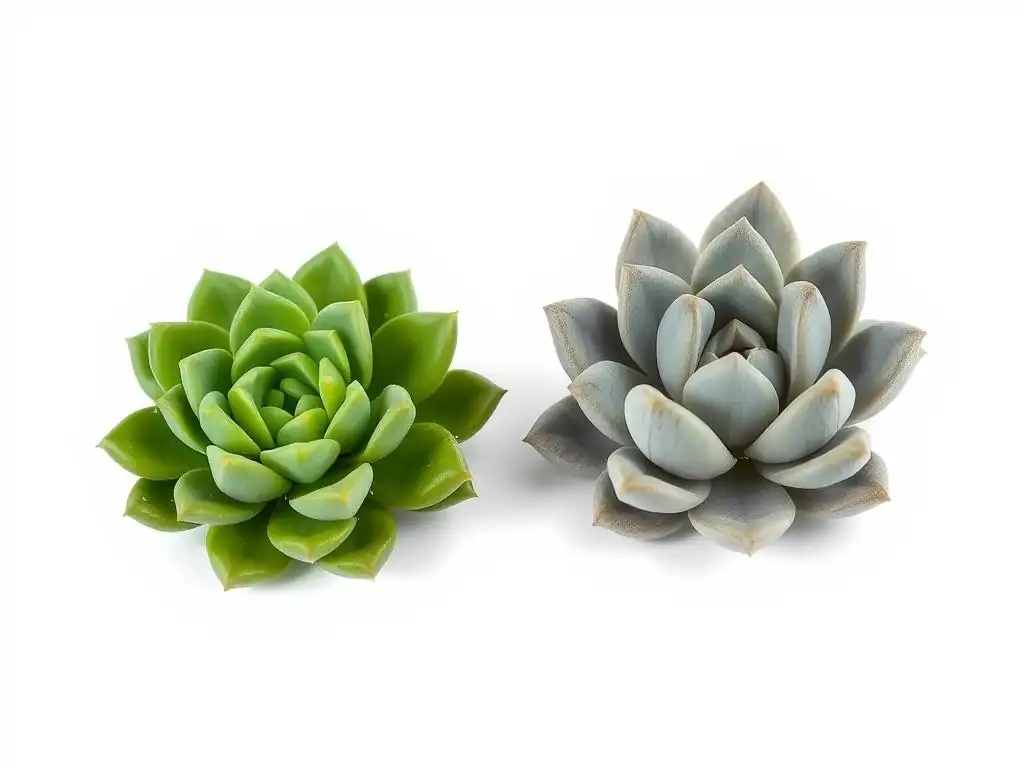
Sudden changes in water availability, whether a drastic reduction (drought) or an unexpected deluge (overwatering), significantly impact succulent health. Succulents, while adapted to arid conditions, are not invincible. Their remarkable drought tolerance is a result of evolved physiological mechanisms, but these mechanisms have limits. A sudden shift from ample water to prolonged drought can trigger stress responses, potentially leading to irreversible damage.
Conversely, a sudden increase in watering, particularly for drought-adapted succulents, can cause root rot and other detrimental effects. Understanding these responses is crucial for successful succulent cultivation and achieving optimal Succulent drought stress recovery. This section will delve into the specific symptoms of both underwatering and overwatering stress, highlighting key differences to aid in accurate diagnosis and appropriate remedial action.
Symptoms of Underwatering Stress in Succulents
Underwatering stress manifests in several ways, often starting subtly before becoming visually apparent. Early signs include a slight loss of turgor pressure, causing the leaves to appear slightly shriveled or less plump than usual. This is particularly noticeable in succulent species with thicker leaves. As stress intensifies, more pronounced symptoms emerge:
- Leaf shrinkage and wrinkling: Leaves become significantly smaller and wrinkled, sometimes exhibiting a papery texture. This is a clear indicator of severe dehydration.
- Leaf color change: Many succulents display a change in leaf coloration under drought stress. Some may become paler, while others might develop reddish or brownish hues. The specific color change varies depending on the species.
- Leaf drop: In extreme cases, the plant may resort to shedding leaves to conserve water. This is a last-ditch effort to survive, and often indicates a critical level of dehydration.
- Stunted growth: Water stress inhibits growth, resulting in slowed or completely halted growth. New leaves will be smaller and fewer in number.
- Root damage: Prolonged drought can lead to irreversible damage to the root system, impairing the plant's ability to absorb water even after rewatering.
The severity of symptoms depends on the duration and intensity of the drought, as well as the species and overall health of the succulent. Some species are more drought-tolerant than others, exhibiting resilience to prolonged dry periods. However, even the most resilient succulents will eventually succumb to extreme dehydration if left without water for an extended time. Careful monitoring of soil moisture and prompt watering are essential to prevent severe underwatering stress and ensure successful Succulent drought stress recovery.
Signs of Overwatering Stress in Succulents
While underwatering is a common problem, overwatering can be equally detrimental, often leading to more rapid and severe damage. Unlike underwatering, the symptoms of overwatering are often less immediately obvious but equally critical. Key indicators include:
- Soft, mushy leaves: Overwatering causes the leaves to become soft and mushy, losing their firmness and resilience. This is a strong indicator of root rot.
- Leaf discoloration: Overwatering can lead to leaf discoloration, often manifesting as dark spots, brown patches, or yellowing. These discolorations are often accompanied by a slimy texture.
- Stem rot: The stem may become soft and mushy, indicating significant root and stem decay. This is often accompanied by an unpleasant odor.
- Falling leaves: Similar to underwatering, leaf drop can occur, but in this case, it's a consequence of root rot and the plant's inability to support its foliage.
- Fungal growth: In severe cases, fungal growth may be visible on the soil surface or on the plant itself. This is a clear sign of a serious problem that requires immediate action.
Overwatering can quickly lead to root rot, a condition where the roots are deprived of oxygen and begin to decay. This prevents the plant from absorbing water and nutrients, leading to a rapid decline in health. It's crucial to allow the soil to dry out somewhat between waterings, ensuring good drainage to prevent overwatering stress and facilitate Succulent drought stress recovery.
Differentiating Stress Symptoms from Disease
Distinguishing between stress symptoms and disease symptoms is crucial for effective treatment. While both can cause similar visual changes, the underlying causes and remedies differ. Overlapping symptoms like leaf discoloration or leaf drop can be caused by both underwatering, overwatering, or fungal or bacterial diseases.
| Symptom | Underwatering Stress | Overwatering Stress | Disease |
|---|---|---|---|
| Leaf Shrinkage | Significant, wrinkled | Minimal, possibly soft | May or may not be present |
| Leaf Discoloration | Often pale, reddish hues | Dark spots, yellowing, mushy | Variable, often localized |
| Leaf Drop | Occurs in severe cases | Occurs due to root rot | Can be a symptom |
| Stem Condition | Firm | Soft, mushy, rotting | May show lesions or rot |
| Odor | Usually none | Often unpleasant, musty | May have a distinct odor |
Careful observation, coupled with knowledge of the plant's recent watering history, is key to accurate diagnosis. If unsure, seeking advice from a succulent specialist can help determine the cause and appropriate treatment. Early detection and prompt action are essential for successful Succulent drought stress recovery and preventing further damage. Remember, prevention is key; consistent monitoring of soil moisture and appropriate watering practices are crucial for maintaining healthy succulents.
Strategies for Effective Succulent Drought Stress Recovery
Succulent drought stress recovery is a crucial aspect of succulent care, demanding a nuanced understanding of their physiological responses. These fascinating plants have evolved incredible mechanisms to withstand extended periods without water, but even the most drought-tolerant species can suffer if stress becomes severe. Successful recovery hinges on a gradual and careful approach, avoiding the pitfalls of sudden rehydration which can lead to further damage. This section details practical strategies for helping your succulents bounce back from periods of drought. Understanding the plant's needs during this crucial phase is key to its long-term health and vitality.
Gradual Rehydration Techniques for Dehydrated Succulents
When a succulent shows signs of severe drought stress—wrinkling, shrivelling, or leaf drop—it's tempting to immediately soak it. However, this can be detrimental. Instead, employ a gradual rehydration technique to prevent cellular damage. Start by gently watering the soil, ensuring it's evenly moist but not waterlogged.
Avoid overhead watering, which can lead to fungal issues. The frequency of watering depends on several factors, including the pot's size, the type of succulent, and the ambient temperature. Smaller pots dry out faster than larger ones, and certain species are more drought-tolerant than others. In warmer climates, more frequent watering might be necessary.
The best approach is to monitor the soil moisture regularly. Use your finger to check the top inch or two of soil; if it feels dry, it's time to water. Over the next few days, continue to monitor and water sparingly as needed. Gradually increase the amount of water over a week or two, allowing the plant to slowly rehydrate. Observe the succulent closely; if it shows signs of improvement (plumping up), you're on the right track. If, however, the succulent continues to deteriorate despite your efforts, consider checking for root rot or other underlying issues.
| Succulent Type | Initial Watering Frequency (after drought) | Soil Moisture Check Frequency |
|---|---|---|
| Echeveria | Every 5-7 days | Daily |
| Sedum | Every 7-10 days | Every 2-3 days |
| Haworthia | Every 7-10 days | Every 2-3 days |
| Sempervivum (Hens & Chicks) | Every 7-14 days | Every 3-4 days |
Remember, patience is key. Recovering from drought stress takes time, and rushing the process can undo all your efforts. The goal is to gently reintroduce water to the plant's system, giving it a chance to rehydrate gradually and avoid shock. This careful approach will significantly improve the chances of a full recovery.
Managing Overwatering and Root Rot Recovery
Ironically, the recovery from drought stress can sometimes be complicated by the well-intentioned but misguided act of overwatering. Overwatering, even after a period of drought, can lead to root rot, a serious condition that can kill your succulents. Root rot is characterized by mushy, dark-colored roots, and often manifests as a soft, decaying base on the stem.
If you suspect root rot, the first step is to remove the plant from its pot and carefully inspect the roots. Any mushy or dark roots should be trimmed away with a clean, sharp knife or pair of scissors. After removing the affected roots, allow the roots to air dry for a few hours before replanting in fresh, well-draining potting mix.
To prevent future instances of root rot, ensure your succulents are planted in well-draining soil. Avoid using heavy clay-based soils, and opt instead for a cactus and succulent potting mix that allows for good aeration. Ensure the pot has drainage holes to prevent water from accumulating at the base. Watering should be done sparingly, allowing the soil to dry out completely between waterings.
Overwatering is far more detrimental to succulent health than underwatering, especially during recovery. Following these guidelines can help prevent root rot and ensure the successful recovery of your succulents from drought stress. Remember, prevention is always better than cure.
Nutritional Support for Stress Recovery
Following a period of drought stress, your succulents might benefit from a boost of nutrients to help them recover more quickly. However, avoid using high-nitrogen fertilizers, as these can promote soft, succulent growth that is more susceptible to disease and pests. Instead, opt for a balanced fertilizer specifically formulated for cacti and succulents, with a lower nitrogen content. Follow the instructions on the fertilizer packaging carefully, and avoid over-fertilizing, which can burn the roots and damage the plant.
Consider using a diluted fertilizer solution—perhaps half the recommended strength—to avoid shocking the already stressed plant. Apply the fertilizer during the growing season (spring and summer), when the plants are actively growing. Avoid fertilizing during the dormant season (fall and winter), as this can stress the plants further.
This carefully considered nutritional support, along with proper watering and soil conditions, can significantly aid the recovery process and promote the long-term health and resilience of your succulents. A healthy plant is a resilient plant, better equipped to withstand future environmental challenges. Remember to always prioritize the health of your plants, and avoid any practices that could potentially harm them, even during the recovery process.
Preventing Future Water Stress in Succulents
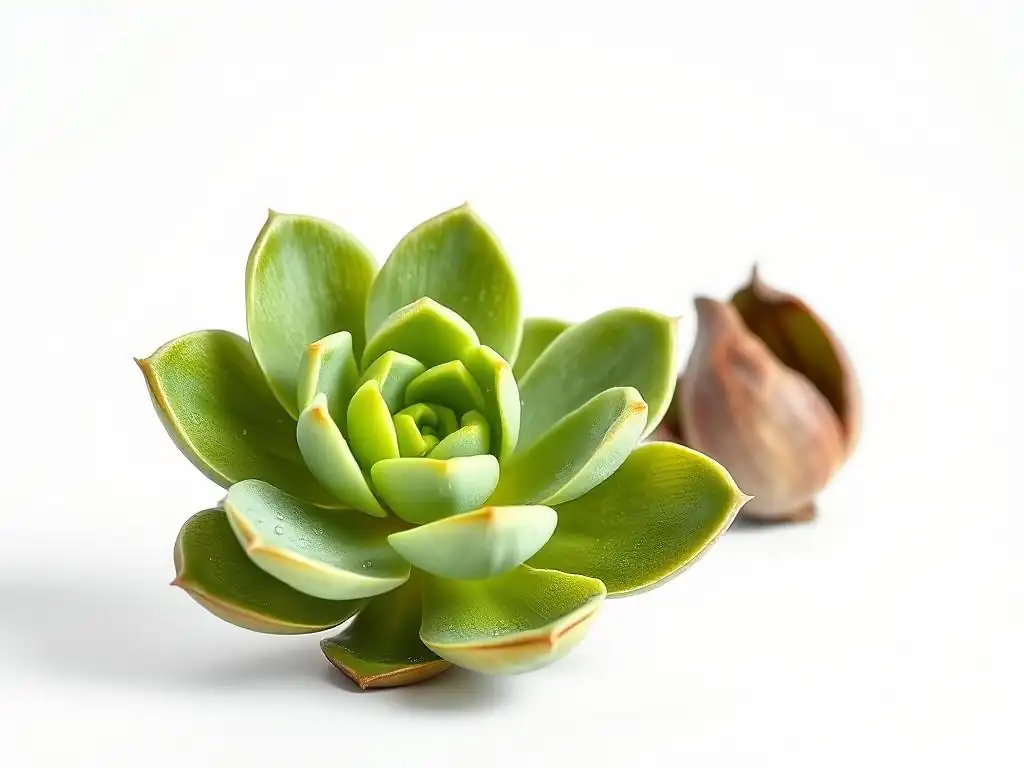
Understanding how succulents respond to drought is crucial, but preventing future stress is equally important for their long-term health and vibrancy. Proactive measures significantly reduce the need for extensive succulent drought stress recovery. This section focuses on strategies to minimize water stress and promote resilience in your succulent collection. We'll explore optimizing watering schedules, improving soil drainage, and selecting appropriate containers. The goal is to create an environment where your succulents thrive even during periods of limited water availability. Remember, prevention is key in nurturing healthy and robust succulents.
Optimizing Watering Schedules for Different Succulent Species
Succulents aren't a monolithic group; their water requirements vary greatly depending on species, size, pot size, and environmental conditions. A general rule doesn't apply to all. For example, Echeveria species generally require less frequent watering than Sedum species. Larger succulents in larger pots will retain moisture longer than smaller plants in smaller pots.
To optimize watering, consider these factors:
- Species-Specific Needs: Research the specific water requirements for each succulent in your collection. Some prefer infrequent, deep watering, while others benefit from more frequent, lighter watering.
- Seasonality: Watering frequency should be adjusted seasonally. During the active growing season (spring and summer), succulents generally require more frequent watering than during dormancy (fall and winter).
- Environmental Conditions: Hot, dry, sunny conditions will lead to faster water evaporation, requiring more frequent watering. Cooler, shadier conditions may allow for less frequent watering.
- Soil Moisture Check: Before watering, check the soil moisture level. Stick your finger about an inch into the soil; if it feels dry, it's time to water. Avoid overwatering, which can lead to root rot.
- Pot Size and Material: Larger, porous pots will dry out faster than smaller, less porous pots.
Importance of Well-Draining Soil for Succulent Health
Well-draining soil is paramount for preventing succulent drought stress and root rot. Succulents are adapted to arid conditions and cannot tolerate consistently soggy soil. Poor drainage leads to waterlogging, which suffocates roots and makes them susceptible to fungal diseases.
Using a succulent-specific potting mix is crucial. A good mix typically includes:
- Inorganic Components: Perlite, pumice, or coarse sand improve drainage and aeration. These materials help prevent the soil from becoming compacted.
- Organic Components: A small amount of organic matter, such as coco coir or peat moss, can help retain some moisture, but it shouldn't dominate the mix.
- Avoid Garden Soil: Standard garden soil is too dense and retains too much water for succulents.
Here's a sample well-draining succulent soil mix:
| Component | Percentage |
|---|---|
| Potting Mix | 40% |
| Perlite | 30% |
| Coarse Sand | 30% |
Proper drainage prevents water from accumulating around the roots, minimizing the risk of root rot and promoting healthy growth, thus aiding in succulent drought stress recovery when it does occur.
Selecting Appropriate Potting Materials and Sizes
The choice of pot material and size significantly impacts a succulent's susceptibility to drought stress. Porous materials allow for better aeration and evaporation, preventing waterlogging. Appropriate pot size ensures the soil doesn't remain overly wet for extended periods.
- Pot Materials: Terracotta pots are excellent choices due to their porosity. Plastic pots, while convenient, can retain moisture for longer periods, requiring more careful watering.
- Pot Size: Choose a pot that is appropriately sized for the succulent. A pot that is too large will retain excessive moisture, while a pot that is too small can restrict root growth and lead to stress. The pot should be only slightly larger than the root ball. Repotting into slightly larger containers as the plant grows is necessary.
By carefully selecting pot materials and sizes, and combining this with a well-draining soil mix and a species-appropriate watering schedule, you can significantly reduce the risk of drought stress in your succulents, making succulent drought stress recovery less frequent and less necessary. 🪴
Case Studies: Succulent Drought Stress Recovery Examples
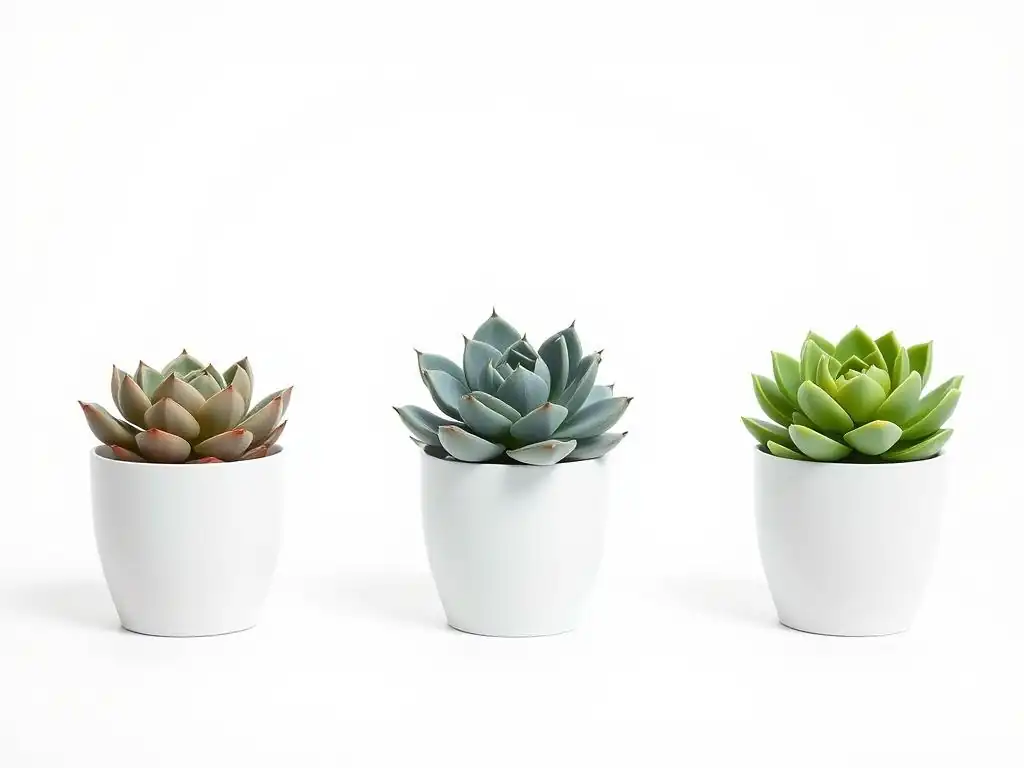
This section presents real-world examples showcasing succulent drought stress recovery, focusing on the resilience and adaptability of these fascinating plants. We'll examine specific species and their responses to both underwatering and overwatering, highlighting the importance of understanding individual plant needs for successful recovery. This information is crucial for optimizing your succulent drought stress recovery strategies.
Case Study 1: Echeveria 'Perle von Nürnberg' Recovery from Underwatering
The Echeveria 'Perle von Nürnberg' is a popular succulent known for its beautiful rosette form and powdery blue-green leaves. In this case study, a mature plant was deliberately subjected to a period of severe underwatering for three weeks. Visible signs of stress appeared within the first week, including leaf shrinkage and slight wrinkling. By the second week, the lower leaves began to shrivel and drop.
After three weeks of drought, the plant was thoroughly watered, ensuring the soil was completely saturated but avoiding waterlogging. Over the next week, a gradual improvement was observed. The leaves regained some plumpness, and new growth appeared after approximately two weeks post-watering.
Full recovery, marked by the resumption of normal growth and the absence of any further leaf loss, took approximately four to five weeks. This highlights the remarkable resilience of Echeveria species to periods of drought, provided they receive appropriate care following the stress period. Careful monitoring is key; we observed minimal root damage, likely due to the plant's natural drought tolerance mechanisms.
This example underscores the importance of preventative measures. Regular, though infrequent, watering, combined with well-draining soil, is crucial to avoid severe drought stress in Echeveria 'Perle von Nürnberg'.
Case Study 2: Sedum morganianum Recovery from Overwatering
Sedum morganianum, also known as Burro's Tail, is a trailing succulent with distinctive, long, fleshy leaves. Unlike the previous case study, this experiment focused on the effects of overwatering. A mature Sedum morganianum was overwatered for a period of two weeks, resulting in consistently soggy soil.
Symptoms appeared rapidly. Within days, the lower leaves started to turn yellow and mushy, indicating root rot. A foul odor emanated from the soil, further confirming the problem. Within a week, significant leaf drop was observed, and the stem showed signs of softening.
The plant was immediately repotted into dry, well-draining soil, removing any affected roots. The affected stem was carefully trimmed to remove rotten sections. The plant was then left to dry for several days before being watered sparingly. Recovery was slower and more challenging than in the Echeveria example.
New growth appeared after approximately six weeks, but complete recovery, with the restoration of full leaf coverage, took over two months. This emphasizes the greater sensitivity of Sedum morganianum to overwatering compared to underwatering. Careful monitoring of soil moisture is critical for this species. The recovery process was significantly impacted by the extent of root rot, illustrating the severity of this problem.
This case study highlights the importance of proper soil and drainage for Sedum morganianum. Avoiding overwatering is crucial for preventing root rot and ensuring successful succulent drought stress recovery, even when the initial stressor is excess water.
Case Study 3: Comparison of Recovery Rates Under Different Conditions
| Succulent Species | Stress Type | Recovery Time (Weeks) | Soil Type | Light Exposure | Notes |
|---|---|---|---|---|---|
| Echeveria 'Perle von Nürnberg' | Underwatering | 4-5 | Well-draining cactus mix | Bright, indirect | Relatively fast recovery due to inherent drought tolerance. |
| Sedum morganianum | Overwatering | 8-10 | Well-draining cactus mix | Bright, indirect | Slower recovery due to root rot; repotting was necessary. |
| Echeveria 'Perle von Nürnberg' | Underwatering | 6-8 | Poorly draining soil | Bright, indirect | Slower recovery due to impeded drainage and potential root damage. |
| Sedum morganianum | Overwatering | >12 | Poorly draining soil | Bright, indirect | Very slow recovery; significant root loss and potential plant mortality. ☠️ |
This table provides a direct comparison of recovery rates under varying conditions. It clearly demonstrates that both the type of stress (underwatering vs. overwatering) and the growing conditions significantly influence a succulent's ability to recover from drought stress. Proper soil and drainage are paramount for successful succulent drought stress recovery, regardless of the initial stressor. Choosing the right soil mix is a crucial aspect of succulent care and significantly impacts the plant's ability to thrive and recover from stressful situations. The emojis highlight the severity of the outcomes.
Advanced Techniques for Enhancing Drought Tolerance
This section delves into advanced techniques beyond basic watering practices to bolster succulent drought tolerance. Understanding how succulents respond to water scarcity is crucial, but proactively enhancing their resilience offers significant advantages for both cultivation and conservation efforts. We'll explore methods that go beyond simple adjustments to watering schedules, focusing on interventions that directly impact the plant's physiological response to drought stress. Successful application of these techniques significantly improves the chances of succulent drought stress recovery.
Hormonal Treatments and Stress Mitigation
Exogenous application of specific plant hormones can significantly influence a succulent's ability to withstand drought stress. For instance, abscisic acid (ABA), a crucial plant hormone involved in stress responses, plays a vital role in stomatal closure, reducing water loss through transpiration. Studies have shown that pre-treating succulents with ABA before a drought period can improve their survival rates and speed up succulent drought stress recovery.
The optimal concentration and application method (e.g., foliar spray, root drench) vary depending on the succulent species and the severity of the drought. Further research is needed to determine the precise protocols for different succulent varieties, but early findings are promising.
Another hormone showing potential is salicylic acid (SA), known for its role in inducing systemic acquired resistance (SAR) against various stresses, including drought. SA application can enhance antioxidant enzyme activity, protecting cellular components from damage caused by oxidative stress during drought. This protective effect aids in faster recovery once water becomes available again, directly impacting succulent drought stress recovery. However, it's crucial to note that over-application of any hormone can be detrimental, highlighting the importance of careful experimentation and precise dosage.
Genetic Factors Influencing Drought Resistance
The genetic makeup of a succulent significantly impacts its inherent drought tolerance. Certain genes are associated with improved water-use efficiency, enhanced root development, and increased production of osmoprotectants (molecules that protect cells from dehydration). Identifying and utilizing these genes through selective breeding or genetic engineering holds immense potential for developing drought-resistant succulent cultivars. This approach offers a long-term solution for enhancing drought tolerance, potentially creating succulents that require significantly less water and are more resilient to prolonged dry periods.
Understanding the genetic basis of drought tolerance also allows for the development of molecular markers to assist in breeding programs. These markers can accelerate the selection of superior genotypes, leading to faster progress in developing drought-tolerant varieties. Ongoing research focuses on identifying specific genes and quantitative trait loci (QTLs) associated with drought resistance in various succulent species, paving the way for more targeted and effective breeding strategies that contribute to faster and more efficient succulent drought stress recovery.
Future Research Directions in Succulent Drought Tolerance
Despite advancements in understanding succulent drought tolerance, significant research gaps remain. Future research should focus on several key areas:
- Species-specific responses: More detailed studies are needed to determine the optimal drought management strategies for individual succulent species, considering their diverse physiological and genetic characteristics. A one-size-fits-all approach is unlikely to be effective.
- Combined stress factors: Succulents often face multiple environmental stresses simultaneously (e.g., drought and high temperatures, drought and salinity). Research needs to investigate how these combined stresses interact to affect succulent physiology and survival.
- Sustainable practices: Developing environmentally friendly and sustainable methods for enhancing drought tolerance is crucial. This includes exploring the use of bio-stimulants and other eco-friendly approaches.
- Long-term impacts: Long-term studies are essential to assess the long-term effects of drought stress and management practices on succulent health and reproductive success.
By addressing these research questions, we can develop more effective and sustainable strategies for protecting these fascinating plants from drought, ultimately improving their survival and contributing to better succulent drought stress recovery. The ongoing study of succulent physiology and genetics offers exciting prospects for both horticultural practice and conservation efforts.
Frequently Asked Questions
How can I tell if my succulent is suffering from drought stress?
Signs of drought stress include wrinkling leaves, a change in leaf color (often becoming dull or pale), and shriveled or dry-looking stems. Early detection is key to successful recovery.
My succulent is severely dehydrated. How can I rehydrate it slowly and effectively?
Gradually increase watering frequency, avoiding overwatering. Soak the soil thoroughly, allowing excess water to drain completely before watering again. Monitor for improvement over several days.
What are the best practices to prevent future drought stress in my succulents?
Proper soil drainage is crucial. Use a well-draining potting mix, and avoid overwatering. Consistent watering during the growing season, but less frequently during dormancy, prevents extreme dehydration.
My succulent has developed brown, crispy leaves due to drought. Can I save it?
Remove the affected leaves, and increase watering gradually. If the damage is limited, your succulent should recover. Severe damage might require propagation from healthy cuttings.
What types of succulents are more susceptible to drought stress than others?
While all succulents are drought-tolerant, some are more sensitive. Thin-leaved succulents are generally more prone to drought stress than their thicker-leaved counterparts. Always research the specific needs of your succulent species.
Final Reflection: Resilience in the Face of Aridity
The ability of succulents to withstand and recover from drought stress offers a powerful metaphor for navigating life's unpredictable challenges. Their remarkable adaptation highlights not just botanical resilience, but also a potent lesson in adaptability and the importance of strategic resource management in the face of adversity. This understanding is increasingly relevant in our own world, facing the growing impacts of climate change and resource scarcity.
The study of succulent drought stress recovery has profoundly impacted my understanding of ecological balance and the intricate strategies employed by nature to survive. It's a testament to the power of slow, deliberate growth and the wisdom of storing resources for lean times. The desert teaches the value of silence. It shows how to listen to the wind, to the rocks, to the silence between words.
This quote, while not directly about succulents, perfectly encapsulates the quiet strength and resilience found in these remarkable plants, a strength that mirrors the human spirit's capacity to endure.
Consider the lessons these plants offer: the importance of planning for lean times, the power of adaptation, and the beauty that can emerge from even the harshest environments. You too possess an inner resilience, a capacity to weather storms and emerge stronger. Take a moment to reflect on your own "drought periods"—challenges you've faced and overcome. What strategies did you employ? What resources did you draw upon? And most importantly, what can you learn from the succulent's quiet strength to better navigate future uncertainties?
Unleash Your Succulent's Inner Resilience!
Thank you for exploring the fascinating world of succulent hydration! You've gained valuable insights into helping your plants thrive, even during unpredictable weather. Let's put this knowledge into practice.
- Assess your succulents' water needs: Check the soil moisture and adjust your watering schedule accordingly. Infrequent, deep watering is best.
- Share your experiences—both successes and challenges—in the comments below. Let's build a supportive community of succulent enthusiasts!
- Experiment with different watering techniques, such as bottom watering or using a moisture meter, to optimize your approach.
What surprising adaptations have you observed in your succulents' response to changing water availability?