
The Key to Thriving Succulents: Matching Irrigation to Your Climate

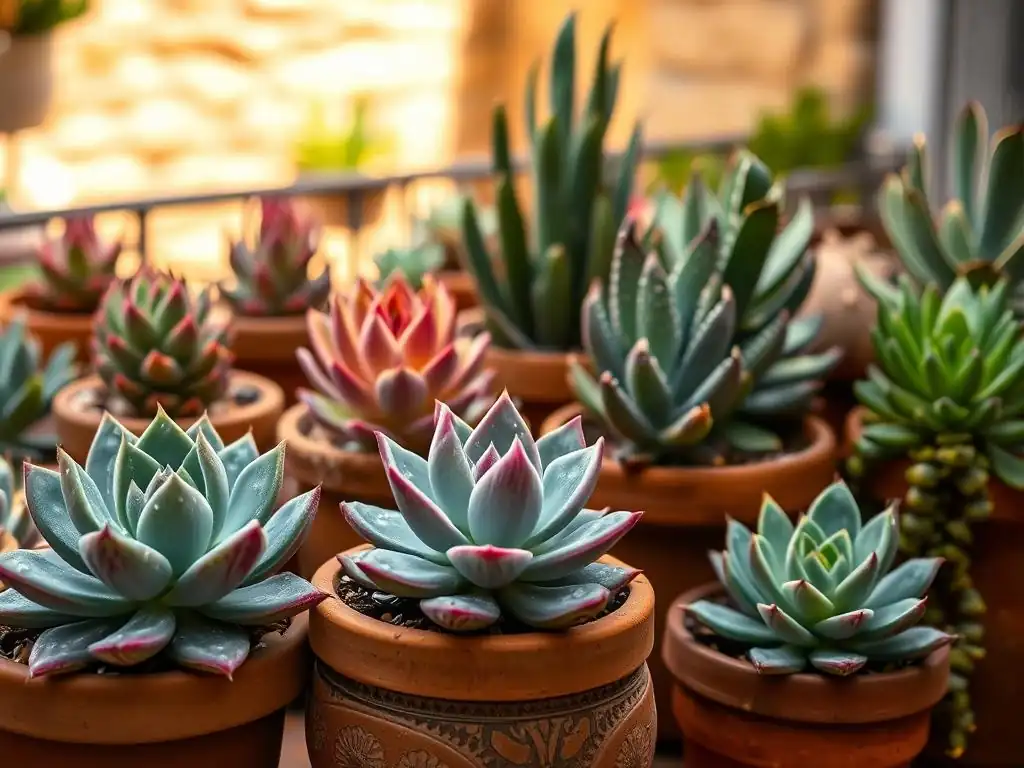
Welcome to SucculentEssentials.org, your gateway to the captivating world of succulents! Are you ready to unlock the secrets to cultivating these resilient beauties? Discover the crucial link between your climate and your succulents' well-being with our comprehensive Succulent watering guide by climate, your key to thriving plants no matter where you live. Dive into the fascinating world of outdoor landscaping and xeriscaping, and learn how to transform your space into a succulent paradise. Let's get started!
- Understanding Your Climate's Impact on Succulent Watering
- Succulent Watering Guide by Climate: A Regional Approach
- Advanced Irrigation Techniques for Succulents
- Signs of Overwatering and Underwatered Succulents
- Choosing the Right Succulents for Your Climate
- Frequently Asked Questions
- Final Reflection: Cultivating Resilience, One Drop at a Time
- Unleash Your Succulent's Full Potential: Water Wisely, Thrive Beautifully
Understanding Your Climate's Impact on Succulent Watering
Successfully cultivating succulents hinges on understanding their unique water requirements, a factor heavily influenced by your local climate. This comprehensive guide will equip you with the knowledge to tailor your succulent watering practices to your specific environment, ensuring the health and vibrancy of your drought-tolerant plants. We'll explore how rainfall, sunlight, and soil type interact to determine the optimal watering schedule for your succulents, helping you avoid both underwatering and overwatering – two common pitfalls that can lead to plant stress and even death.
Mastering the art of climate-conscious succulent watering is the key to unlocking their remarkable resilience and beauty, transforming your outdoor space into a thriving succulent oasis. This guide focuses on creating a succulent watering guide by climate, ensuring your plants receive precisely the right amount of hydration, regardless of your geographical location.
Assessing Your Local Rainfall and Humidity
Understanding your region's rainfall patterns is paramount. Regular rainfall significantly reduces the need for supplemental watering. To accurately assess your needs, keep a detailed record of rainfall amounts over several months using a rain gauge. This data provides a baseline for determining how frequently you need to water your succulents.
For example, a region receiving an average of 2 inches of rain per month during the growing season might require less frequent watering compared to a region with only 0.5 inches of rainfall. Additionally, consider humidity levels. High humidity can slow down the rate of water evaporation from the soil, potentially lengthening the time between waterings. Conversely, low humidity accelerates evaporation, necessitating more frequent irrigation. Remember to check your local weather forecast regularly, especially during extended periods of drought or unusually heavy rainfall. This proactive approach allows for adjustments to your watering schedule, preventing both overwatering and underwatering.
Analyzing Sunlight Exposure and its Effect on Water Retention
Sunlight significantly influences how quickly soil dries out. Succulents in full sun, receiving direct sunlight for most of the day, will dry out much faster than those in partial shade or shade. The intensity of sunlight also affects the rate of water evaporation from the soil and the plant itself.
Consider the following:
| Sunlight Exposure | Water Retention Rate | Watering Frequency |
|---|---|---|
| Full Sun (6+ hours) | Very Low | More Frequent |
| Partial Sun (3-6 hours) | Moderate | Moderate Frequency |
| Shade (Less than 3 hours) | High | Less Frequent |
Intense sunlight can cause the soil to dry out quickly, requiring more frequent watering. Conversely, succulents in shadier locations will retain moisture for longer periods. Observe your succulents carefully; if their leaves appear shriveled or wrinkled, it's a clear indication of underwatering. Adjust your watering schedule accordingly, remembering that sunny locations require more frequent attention.
Identifying Your Soil Type and its Water Drainage Capabilities
The type of soil you use plays a crucial role in determining how well water drains and how frequently your succulents need watering. Well-draining soil, such as a cactus and succulent potting mix, allows excess water to escape, preventing root rot – a common problem for overwatered succulents. Conversely, poorly draining soil retains water, increasing the risk of root rot.
To determine your soil's drainage capabilities, perform a simple test: Pour a cup of water into a small container filled with your soil. If the water drains quickly, your soil is well-draining. If the water sits on top of the soil or drains very slowly, your soil needs improvement. Amend heavy clay soils with organic matter like perlite or pumice to enhance drainage. Remember, good drainage is key to preventing root rot and ensuring the long-term health of your succulents. Choose a soil specifically designed for succulents to ensure optimal drainage and water retention characteristics. 🌵
Understanding Seasonal Variations in Water Needs
Succulents, despite their drought tolerance, still require careful watering tailored to the changing seasons. Their water needs fluctuate dramatically throughout the year, mirroring the natural rainfall patterns of their native habitats. Failing to adjust your watering schedule accordingly can lead to overwatering in the dormant season or underwatering during periods of intense growth.
Understanding these seasonal shifts is crucial for successful succulent cultivation. For example, in regions with distinct wet and dry seasons, succulents will require significantly more frequent watering during the wet season when they are actively growing and pushing out new leaves. This period typically coincides with spring and early summer. Conversely, during the dry season (often autumn and winter), their water requirements plummet. Overwatering during dormancy can lead to root rot, a common and often fatal problem for succulents.
The specific seasonal variations will, of course, depend on your geographical location. Coastal regions might experience milder temperature fluctuations and more evenly distributed rainfall, while arid inland areas will experience more extreme seasonal changes. Observe the natural rainfall patterns in your area. If your region experiences heavy rains in spring, you'll need to adjust your watering schedule to avoid oversaturation. Similarly, if your summers are intensely hot and dry, you may need to water more frequently, but always ensure the soil dries out completely between waterings to prevent root rot.
Remember to monitor your plants closely for signs of stress. Wilting leaves can indicate underwatering, while soft, mushy leaves are often a sign of overwatering. Adjust your watering frequency based on these visual cues, paying close attention to the specific needs of each succulent species, as some are more drought-tolerant than others. Regular observation is key to mastering the art of seasonal succulent watering.
A well-watered succulent will have plump, firm leaves, while an underwatered one will appear shriveled and dry. By carefully observing these signals, you can maintain a thriving succulent garden throughout the year. This careful balance between providing enough water for growth and avoiding excess moisture is the hallmark of successful succulent cultivation.
Succulent Watering Guide by Climate: A Regional Approach
This section delves into the specifics of succulent watering, tailoring strategies to different climate zones. Understanding your local climate is crucial for successful succulent cultivation, as overwatering is a common cause of succulent demise. This guide provides a nuanced approach to succulent hydration, moving beyond generic advice to offer region-specific recommendations. We'll explore arid, Mediterranean, and other climate types, emphasizing the importance of adapting your watering schedule to seasonal changes and environmental factors. Mastering this aspect of succulent care will significantly improve your chances of cultivating healthy, thriving plants.
Watering Succulents in Arid and Desert Climates
Arid and desert climates present unique challenges and opportunities for succulent cultivation. The key here is less frequent, but deeper watering. Avoid the temptation to frequently water your succulents lightly, a practice that encourages shallow root growth and makes plants vulnerable to drought stress.
Deep Watering Strategies for Desert Environments
Deep watering encourages root systems to grow deeper, accessing moisture reserves during extended dry periods. Instead of frequent light watering, aim for infrequent, thorough soakings. Allow the soil to completely dry out between waterings – this can take several weeks, even months, depending on the season and the pot's size and material. Use a soaker hose or watering can to ensure the water penetrates deeply into the soil. Observe the soil moisture level before watering. A finger test is helpful: if the top inch or two of soil is dry, it's time to water.
Minimizing Frequency in Hot, Dry Conditions
The intensity of the sun and heat in arid and desert climates significantly impacts water evaporation. During the hottest months, you might need to water less frequently than during cooler periods. Monitor your succulents closely for signs of stress, such as shriveling leaves or discoloration. These are indicators that your plants may need more frequent watering, but remember to still water deeply rather than frequently. Consider using well-draining potting mixes specifically formulated for succulents to further reduce the risk of overwatering.
Protecting Succulents from Intense Sun and Heat Stress
Extreme heat can cause succulents to lose moisture rapidly. Providing some shade during the hottest part of the day, particularly for newly planted succulents or those in smaller pots, can help reduce water loss and prevent stress. This could involve positioning plants in a slightly shaded area or using shade cloth. Remember that even with shade, you still need to adjust your watering schedule based on the soil moisture levels.
Watering Succulents in Mediterranean Climates
Mediterranean climates are characterized by hot, dry summers and mild, wet winters. This presents a different set of watering challenges compared to arid climates. The key here lies in balancing watering with the natural rainfall patterns.
Balancing Watering with Seasonal Rainfall Patterns
During the wet winter months, you'll likely need to water your succulents much less frequently, or perhaps not at all, if rainfall is sufficient. Observe rainfall amounts and adjust your watering schedule accordingly. Well-draining soil is essential to prevent root rot from excessive winter moisture.
Adjusting Watering Schedules During Summer Drought
Summer in Mediterranean climates is typically hot and dry. You'll need to increase the frequency of watering during this period, but still avoid overwatering. Monitor your succulents for signs of stress and adjust the watering schedule accordingly. Consider using mulch around your plants to help retain moisture.
Dealing with Winter Rainfall and Potential Overwatering
While winter rain is beneficial, excessive rainfall can lead to overwatering and root rot. Ensure your succulents are planted in well-draining soil and that their pots have adequate drainage holes. If you experience prolonged periods of heavy rainfall, you may need to take steps to protect your plants from excessive moisture, such as moving them to a slightly sheltered location. Avoid watering during or immediately after periods of significant rainfall.
Watering Succulents in Temperate Climates
Temperate climates, characterized by distinct seasons with moderate rainfall, present a unique challenge for succulent watering. The key is to strike a balance between providing supplemental water and relying on natural precipitation. Overwatering is a common problem, leading to root rot and other issues. Understanding your local rainfall patterns is crucial. Keep a record of rainfall amounts and frequency throughout the year.
This will help you determine how often you need to water your succulents. Remember that even in temperate climates, summers can be dry and require more frequent watering, while winters often necessitate significantly less. The type of succulent also plays a role; some varieties are more drought-tolerant than others. For instance, Sedum species generally require less frequent watering than Echeveria.
Finding the Balance Between Watering and Natural Precipitation
The ideal watering schedule for succulents in temperate climates involves carefully considering rainfall. Before watering, check the soil moisture. If the top inch or two of soil is dry and there's been little to no rain in the past week, it's time to water. However, if you've experienced significant rainfall recently, you might postpone watering, potentially for several weeks.
This requires observation and learning the specific needs of your plants and your local weather patterns. Remember, the goal is to mimic the natural rainfall patterns as closely as possible, supplementing only when necessary. A rain gauge can be a valuable tool in this process, allowing you to accurately track precipitation levels. Don't be afraid to err on the side of caution; underwatering is far less damaging than overwatering.
Monitoring Soil Moisture Regularly
Regularly checking soil moisture is paramount for successful succulent cultivation in temperate climates. Don't rely solely on a schedule; use your finger to probe the soil. If the top inch or two feels dry, it's a good indication that it's time to water. For larger pots, you might need to check deeper.
You can also use a moisture meter, although these aren't always perfectly accurate for succulents due to their unique soil preferences. The frequency of checking will depend on the season; during hot, dry summers, you might need to check daily, while in cooler, wetter months, checking once a week or even less might suffice. Consistent monitoring helps prevent both overwatering and underwatering, ensuring the health and vitality of your succulents.
Adjusting Watering for Seasonal Changes
Succulent watering in temperate climates demands seasonal adjustments. During the warmer months (spring and summer), increased temperatures and sunlight lead to higher evaporation rates. This means you'll likely need to water more frequently, perhaps every week or even more often depending on the heat and sun exposure. Conversely, during the cooler months (autumn and winter), succulents enter a period of dormancy, requiring significantly less water.
You might only need to water once a month or even less, depending on the temperature and rainfall. Overwatering during winter is especially detrimental, as it can lead to root rot while the plant is less active. Observe your plants carefully and adjust your watering accordingly, recognizing the changing needs throughout the year.
Watering Succulents in Humid Climates
Humid climates present a different set of challenges for succulent care. The high humidity can lead to increased susceptibility to fungal diseases and root rot if watering is not carefully managed. It’s crucial to prioritize proper drainage and airflow to prevent waterlogging. Overwatering is a significant concern in these conditions, as the soil retains moisture for longer periods. Therefore, a more conservative approach to watering is necessary.
Reducing Watering Frequency to Prevent Root Rot
In humid climates, reducing watering frequency is key to preventing root rot, a common problem for succulents. Wait until the soil is completely dry before watering again. This might mean waiting longer than you would in drier climates. Check the soil moisture regularly, using your finger to probe the soil or a moisture meter. Avoid overhead watering, as this can promote fungal growth. Instead, opt for bottom watering or watering directly at the base of the plant to minimize leaf wetting. Remember that even a small amount of excess moisture can be detrimental in humid environments.
Improving Air Circulation Around Plants
Improving air circulation is essential for succulent health in humid environments. Good airflow helps to dry the soil and leaves more quickly, reducing the risk of fungal diseases and root rot. Space your plants appropriately to allow for adequate air movement. Avoid overcrowding, as this can trap moisture and create a breeding ground for pathogens. Consider using fans to increase air circulation, especially in enclosed spaces. Proper air circulation is just as important as proper watering when it comes to preventing problems in humid climates. This helps create a drier microclimate around your succulents.
Choosing Well-Draining Soil Mixes
Selecting the right soil mix is crucial for succulents thriving in humid climates. Well-draining soil is paramount to prevent waterlogging and root rot. A typical succulent potting mix usually consists of a blend of inorganic materials like perlite, pumice, and coarse sand, mixed with a small amount of organic matter like peat moss. Avoid using garden soil, as it retains too much moisture for succulents.
A well-draining soil mix allows excess water to drain quickly, preventing the roots from sitting in soggy conditions. This is especially important in humid environments where the soil already retains moisture for extended periods. The right soil is a crucial element in creating the ideal environment for your succulents to flourish even in humid conditions.
Advanced Irrigation Techniques for Succulents
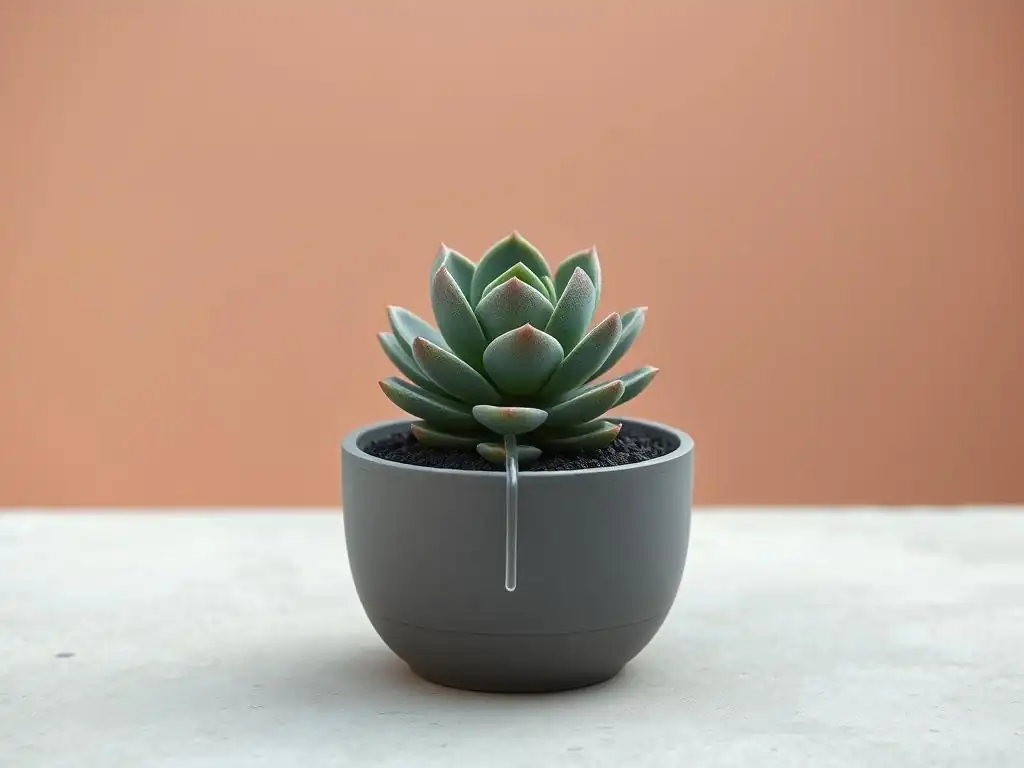
This section delves into sophisticated irrigation methods specifically designed to optimize succulent health and minimize water waste, crucial aspects of a successful Succulent watering guide by climate. These techniques move beyond basic watering practices, offering precise control and efficient water delivery tailored to the unique needs of succulents in diverse climates. Proper irrigation is paramount, regardless of whether you're cultivating a small collection or designing a large-scale xeriscape landscape.
Drip Irrigation Systems for Efficient Water Delivery
Drip irrigation offers unparalleled precision in succulent watering. Unlike overhead sprinklers that lead to leaf rot and fungal diseases, drip systems deliver water directly to the root zone, minimizing evaporation and runoff. This targeted approach is particularly beneficial in arid climates where water conservation is critical. A well-designed drip system utilizes low-pressure emitters, providing a slow, steady release of water that mimics natural rainfall.
The system's components include a water source (a hose bib or a larger water tank), a pressure regulator to ensure consistent water flow, tubing (flexible or rigid), and emitters. Emitters can be adjusted to deliver varying amounts of water based on the size and type of succulent. For instance, larger agaves might require higher flow rates than smaller echeverias.
Furthermore, the spacing of emitters should consider the mature size of the plants to avoid overwatering or underwatering. Proper installation involves careful planning to ensure even water distribution throughout the planting area. Regular maintenance, such as cleaning clogged emitters, is essential for optimal performance.
Soaker Hose Irrigation for Consistent Moisture
Soaker hoses present a simpler, yet effective, alternative to drip irrigation, especially suitable for smaller succulent arrangements or containers. These perforated hoses release water slowly along their length, providing consistent moisture to the soil. Their porous nature allows for gentle, even saturation of the root zone, reducing the risk of root shock and promoting healthy growth. Unlike drip irrigation, which requires more precise emitter placement, soaker hoses offer a more generalized approach, making them ideal for less structured plantings.
The choice between soaker hoses and drip irrigation often depends on the size and layout of your succulent garden. For larger areas with diverse succulent species and precise watering requirements, drip irrigation provides superior control. However, soaker hoses provide a cost-effective and user-friendly solution for smaller setups. The key to success with soaker hoses lies in choosing the right hose material and ensuring proper soil drainage to prevent waterlogging. Regular inspection for leaks or blockages is also recommended.
Self-Watering Pots for Simplified Watering Management
Self-watering pots are a game-changer for succulent enthusiasts who want to simplify watering routines, particularly those dealing with busy schedules or frequent travel. These pots incorporate a reservoir system that allows the succulents to draw water as needed, reducing the frequency of manual watering. This feature is especially beneficial in climates with fluctuating temperatures and unpredictable rainfall patterns.
Different self-watering pot designs exist, varying in size, reservoir capacity, and wicking materials. Some utilize a wicking system to transport water from the reservoir to the soil, while others rely on gravity-fed drainage. Choosing the right pot size is crucial, as an oversized pot can lead to overwatering, while an undersized one may not provide sufficient water storage. Selecting a pot with good drainage is crucial even with a self-watering system to prevent root rot.
Regular monitoring of the water level in the reservoir is necessary to ensure the succulents have a consistent supply of moisture. The frequency of refilling will depend on factors like pot size, plant size, and climate. This system offers a convenient and effective solution for maintaining succulent hydration, particularly valuable for those seeking a low-maintenance approach to succulent cultivation.
Building a DIY Self-Watering System for Succulents
Creating a self-watering system for your succulents is a fantastic way to ensure consistent hydration, especially beneficial for those with busy schedules or climates requiring frequent watering. This method minimizes the risk of overwatering, a common culprit in succulent demise. Several approaches exist, catering to different levels of DIY expertise and budget.
One simple method involves using recycled materials. A common approach utilizes a plastic bottle, such as a soda bottle. Cut the bottom off the bottle, leaving a sizable opening. Invert the bottle and bury it upside down in the soil near your succulents, ensuring the neck is deeply embedded but not obstructing the roots. Fill the bottle with water; the water will slowly seep into the soil as the plants need it, acting as a reservoir.
This method is best for containers or smaller succulent beds. Remember to monitor the water level and refill as needed. The frequency of refilling will depend on the size of the bottle, the number of succulents, and the climate. In hotter, drier climates, you'll need to refill more often.
For a more sophisticated system, consider using wicking beds. This involves creating a reservoir below the soil level, connected to the planting area by a wicking material, typically a piece of thick fabric or rope. The reservoir is filled with water, and the wick draws water up into the soil as needed. This method is particularly effective for larger succulent gardens or raised beds.
The wicking material should be porous enough to allow water flow but durable enough to resist decay. Materials like recycled cotton t-shirts or specialized wicking fabric are suitable choices. Careful planning of the reservoir's size and the wicking material's placement is key to success. Overwatering can still occur if the reservoir is too large or the wicking material is too absorbent.
No matter which method you choose, regular monitoring is crucial. Check the moisture levels in the soil regularly, especially during periods of extreme heat or drought. Adjust the water supply in your self-watering system accordingly. Over time, you'll develop a better understanding of your succulents' watering needs and fine-tune your system for optimal performance.
Remember, a successful DIY self-watering system is a balance between providing consistent moisture and preventing waterlogging, ensuring the healthy growth and vibrant appearance of your succulent collection. Experimentation is key to finding the perfect balance for your specific climate and succulent varieties. Don't be afraid to adjust your system as needed to achieve the best results. This attention to detail will help you master the art of succulent watering, ultimately leading to thriving plants.
Signs of Overwatering and Underwatered Succulents
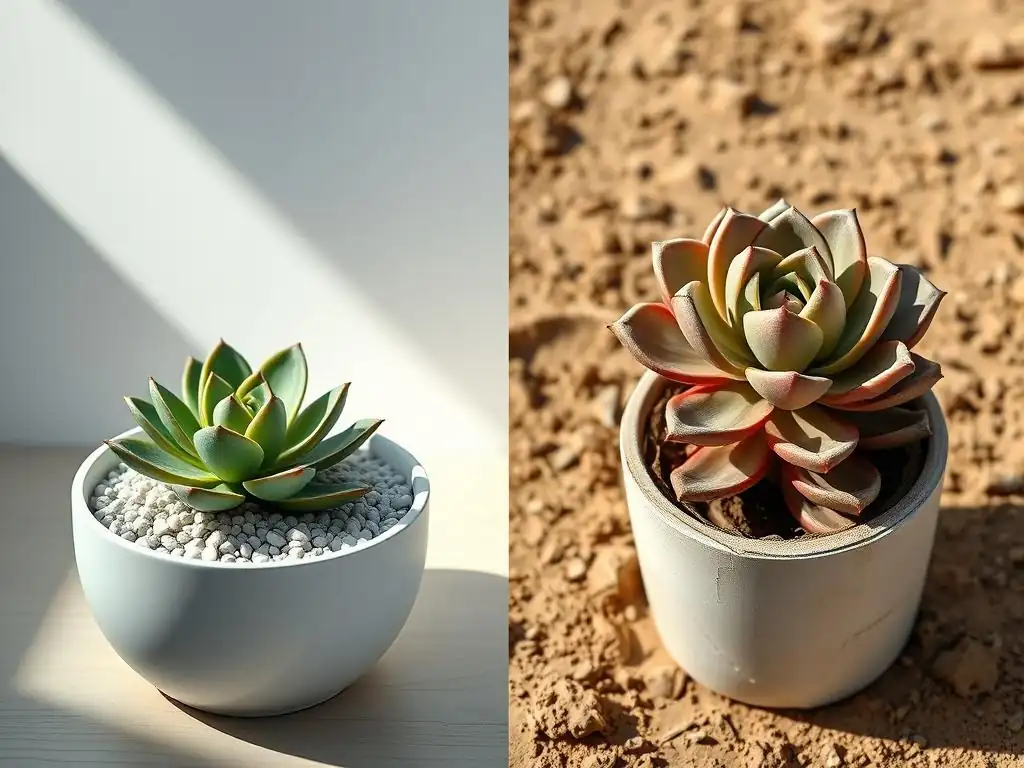
This section focuses on visually identifying the crucial differences between overwatered and underwatered succulents, a key aspect of any effective succulent watering guide by climate. Misjudging watering needs is a common problem, leading to plant distress and even death. Learning to recognize these signs early is vital for maintaining healthy, thriving succulents.
Identifying Symptoms of Overwatering in Succulents
Overwatering is a significant threat to succulents, often leading to root rot and subsequent plant demise. The symptoms can be subtle at first, but become increasingly obvious as the problem worsens. Here's what to look for:
- Leaves turning mushy or translucent: This is a classic sign. Healthy succulent leaves are firm; if they feel soft, spongy, or even slightly transparent, it's a strong indicator of overwatering. The leaves may also appear bloated.
- Leaf drop: While some leaf drop is natural, excessive shedding, especially of lower leaves, can signal root problems stemming from overwatering. The leaves will often fall off easily with minimal pressure.
- Stem rot: The stem of the succulent may become soft, dark, and discolored, especially near the soil line. This indicates that the roots are rotting and the disease is spreading upwards.
- Fungal growth: Look for the presence of mold or mildew on the soil surface or around the base of the plant. This is a clear indication of excessive moisture creating a favorable environment for fungal growth.
- Unpleasant odor: A foul smell emanating from the soil or plant itself is a telltale sign of root rot, a consequence of overwatering. This is often a late-stage indicator.
Remember, the speed at which these symptoms develop depends on several factors, including the succulent species, pot size, and the severity of overwatering. Early detection is crucial for successful intervention.
Recognizing Signs of Underwatered Succulents
Underwatering, while less immediately life-threatening than overwatering, can also severely stress your succulents and impact their overall health and appearance. Recognizing the signs is equally important.
- Shrinking or wrinkling leaves: Succulents store water in their leaves. When underwatered, these leaves will become noticeably smaller, shriveled, and wrinkled. This is a clear visual cue of dehydration.
- Color changes: Underwatered succulents may exhibit discoloration, often appearing duller or paler than usual. Some species may even take on a slightly brownish hue.
- Leaf drop: Similar to overwatering, leaf drop can also occur with underwatering. However, in this case, the leaves will often be dry and brittle, rather than mushy.
- Slow or stunted growth: A lack of adequate water will significantly impede the growth rate of your succulents. New growth will be minimal or absent.
- Soil dryness: The most obvious sign is the completely dry soil. This might be accompanied by the pot feeling very light compared to when it was well-watered.
It's essential to distinguish between natural leaf drop (common in older leaves) and the sudden and widespread leaf loss indicative of watering problems. Regular monitoring of your succulents' appearance and soil moisture is key to preventing both overwatering and underwatering.
Implementing Corrective Measures for Watering Issues
Addressing watering issues requires prompt action. The approach differs depending on whether the problem is overwatering or underwatering.
| Problem | Solution |
|---|---|
| Overwatering | Remove the succulent from the pot, trim away any rotten roots, let the roots dry, repot in well-draining soil. Reduce watering frequency. Ensure adequate drainage. Consider using a moisture meter. |
| Underwatering | Gradually rehydrate the succulent by slowly watering the soil until it is evenly moist but not soggy. Increase watering frequency according to the climate and plant's needs. Monitor the soil regularly. 💧 |
Remember, prevention is key. A well-draining potting mix, appropriately sized pots, and a climate-appropriate watering schedule are crucial for healthy succulent growth. Consistent monitoring and a watchful eye are your best tools in preventing and correcting watering issues. By understanding the specific signs of both overwatering and underwatering, you'll be well on your way to cultivating a thriving succulent collection, regardless of your climate. This detailed succulent watering guide by climate will empower you to make informed decisions to keep your plants happy and healthy.
Choosing the Right Succulents for Your Climate
This section delves into the crucial first step in successful succulent cultivation: selecting the right plant for your specific climate. Understanding your local weather patterns—temperature extremes, rainfall, and humidity—is paramount to preventing overwatering or underwatering, two common causes of succulent demise. A well-chosen succulent will require minimal intervention, thriving even with infrequent watering. This aligns perfectly with the principles of xeriscaping and sustainable gardening. This "Succulent watering guide by climate" will help you choose wisely.
Selecting Drought-Tolerant Succulents for Arid Regions
Arid regions, characterized by low rainfall and high temperatures, are ideal for many succulents. These plants have evolved to survive with minimal moisture, making them perfectly adapted to these conditions. Examples of succulents thriving in arid climates include:
- Sedum: Many Sedum species, like Sedum morganianum (Burro's Tail) and Sedum rupestre (Stonecrop), tolerate intense sun and infrequent watering.
- Echeveria: Echeverias, with their rosette formations, are highly drought-tolerant. Echeveria elegans (Mexican Snowball) is a particularly popular choice.
- Agave: Agaves are iconic desert plants known for their striking architectural forms and exceptional drought tolerance. Agave americana (Century Plant) is a classic example.
Remember to prioritize well-draining soil for all arid-climate succulents. Clay pots are generally preferred as they allow excess water to evaporate more readily than plastic containers. Even in arid climates, infrequent, deep watering is better than frequent shallow watering. Monitor the soil moisture carefully; water only when the soil is completely dry to the touch. This approach prevents root rot, a significant threat even in dry environments. Overwatering, even in a desert, can be fatal.
Choosing Succulents That Thrive in Humid Climates
While many associate succulents with arid climates, several species thrive in more humid environments. However, even in these conditions, good drainage remains crucial to prevent fungal diseases and root rot. Succulents in humid climates need more air circulation to prevent moisture buildup. Choosing the right location is key.
- Haworthia: Haworthias, with their distinctive textured leaves, often tolerate higher humidity levels better than other succulents. Haworthia attenuata is a relatively easy-to-care-for option.
- Gasteria: Gasterias, similar to Haworthias, can handle moderate humidity, although good air circulation is still crucial.
- Kalanchoe: Some Kalanchoe varieties can tolerate higher humidity, but careful monitoring for signs of fungal growth is essential.
In humid climates, it's crucial to ensure proper air circulation around your succulents. Avoid overcrowding plants, and ensure good spacing between them to allow for airflow. Watering should still be infrequent, but the frequency might be slightly higher than in arid regions. Again, allow the soil to dry completely between waterings. The key is to provide excellent drainage and air circulation to prevent the moisture from causing problems. Regularly inspect your plants for signs of fungal infections, such as discoloration or soft, mushy leaves.
Matching Succulents to Specific Microclimates in Your Garden
Even within a single climate zone, microclimates can vary significantly. A north-facing wall, for example, will receive less sun than a south-facing one. This variation in sunlight and temperature can significantly impact your succulent's water requirements.
| Location | Sunlight Exposure | Watering Frequency | Suitable Succulents |
|---|---|---|---|
| North-facing wall | Partial shade | Infrequent, monitor soil | Haworthia, Gasteria, Sempervivum (Houseleek) |
| South-facing wall | Full sun | Less frequent, monitor soil | Sedum, Echeveria, Agave |
| East-facing wall | Morning sun | Moderate | Echeveria, Sedum, Kalanchoe (depending on variety) |
| West-facing wall | Afternoon sun | Moderate | Echeveria, Sedum, Kalanchoe (depending on variety) |
Consider these factors when placing your succulents. A shady spot may require less frequent watering, while a sunny location might necessitate more, depending on the intensity and duration of the sunlight. Careful observation and adjustment of your watering schedule will ensure the success of your succulent garden, regardless of your specific microclimate. Remember, even with the best planning, this is just a guide. Regular observation of your plants is essential for adapting your watering schedule as needed. This attentive approach is the key to cultivating thriving succulents.
Frequently Asked Questions
How often should I water my succulents?
The frequency of succulent watering depends heavily on your climate and the potting mix. In hot, dry climates, you may need to water more frequently, while cooler, humid climates require less watering. Always check the soil moisture before watering.
What is the best way to water succulents?
The best method is deep, infrequent watering. Allow the soil to dry out completely between waterings. Avoid getting water on the leaves to prevent rot. Soak the soil thoroughly until water drains from the drainage holes.
How can I tell if my succulents need water?
Check the soil moisture by inserting your finger about an inch into the soil. If it's dry, it's time to water. Wilting leaves can also indicate underwatering, but this is a late sign. Observe your succulents regularly for early warning signs.
Does my climate significantly impact succulent watering?
Absolutely! Hot, dry climates require more frequent watering than cool, humid climates. Consider your area's rainfall, temperature, and humidity when determining your watering schedule. Adjust your watering accordingly for optimal growth.
What are the signs of overwatering or underwatering in succulents?
Overwatering leads to mushy, rotting leaves and stems. Underwatering results in shriveled, wrinkled leaves and stunted growth. Observe your plants carefully and adjust your watering accordingly to prevent these issues.
Final Reflection: Cultivating Resilience, One Drop at a Time
Understanding the nuances of succulent watering, tailored to your specific climate, isn't just about keeping your plants alive; it's about fostering their resilience and celebrating their unique beauty. The seemingly simple act of watering becomes a profound act of connection, a testament to the delicate balance between nature and nurture. This understanding extends far beyond the realm of horticulture, mirroring the importance of adapting and thriving in our own lives.
The journey of learning to properly water succulents has been a microcosm of my own personal growth. It's taught me patience, observation, and the importance of understanding the environment before taking action. The best gardener is one who knows the limitations of his own knowledge.
This quote resonates deeply, highlighting the ongoing learning process involved in nurturing life, whether it's a tiny succulent or a complex human relationship. The subtle shifts in leaf color, the tell-tale signs of underwatering or overwatering – these are all lessons in attentive care and mindful adaptation, mirroring the need for self-awareness and responsiveness in our own lives.
Now, I invite you to consider your own "climate." What are the conditions in your life that require careful attention and tailored approaches? Just as a succulent needs the right amount of water to flourish, you too need to identify your own needs and nurture them accordingly. Take the time to observe, adapt, and cultivate your own resilience. Embrace the lessons learned from these resilient plants, and watch yourself thrive.
Unleash Your Succulent's Full Potential: Water Wisely, Thrive Beautifully
Thanks for exploring the world of succulent hydration! You now understand how to adapt your watering routine to your specific climate, setting the stage for healthy, thriving plants. Ready to put your new knowledge into practice?
- Develop a personalized watering schedule: Consider your local climate and the individual needs of your succulents to create a schedule that ensures optimal hydration and prevents both overwatering and underwatering. This is crucial for their success!
- Share your experiences (and ask questions!): Tell us about your watering routine in the comments below – we'd love to hear your tips and tricks, and are happy to help troubleshoot any problems.
- Learn more with our succulent care guides: Discover expert advice on succulent care to further enhance your plant care journey.
What creative watering methods will you use to provide your succulents with the best possible care?