
The Art of Division: Transforming a Single Succulent into Many

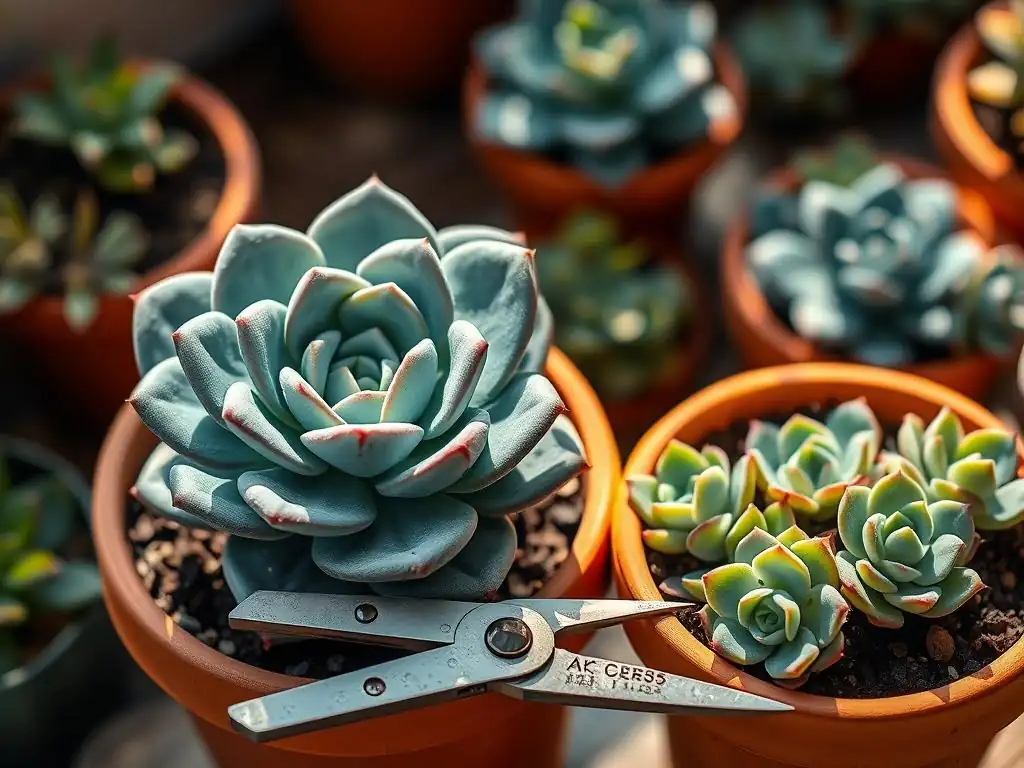
Welcome to SucculentEssentials.org, where the fascinating world of succulents unfolds before you! Are you ready to unlock the secrets of these resilient plants? Discover the incredible ease of succulent propagation by division, a technique that will transform a single succulent into a thriving colony. Prepare to be amazed as we delve into the art of multiplying your succulent collection—a journey you won't want to miss!
- Understanding Succulent Propagation by Division
- Preparing for Succulent Division: A Step-by-Step Guide
- The Division Process: Techniques and Methods
- Aftercare: Ensuring Successful Propagation
- Troubleshooting Common Issues in Succulent Division
- Advanced Techniques for Succulent Division
- Frequently Asked Questions
- Final Reflection: The Enduring Legacy of a Divided Leaf
- Unleash Your Inner Propagator: Grow Your Succulent Family!
Understanding Succulent Propagation by Division
Succulent propagation, the process of creating new plants from existing ones, opens up a world of possibilities for succulent enthusiasts. Among the various methods available, division stands out as a remarkably simple yet effective technique, particularly for clump-forming succulents. This comprehensive guide will delve into the art of succulent propagation by division, equipping you with the knowledge and confidence to transform a single, thriving succulent into a multitude of new plants. We'll cover everything from identifying suitable candidates to assessing plant health and mastering the division process itself, ensuring your success in expanding your succulent collection through this rewarding method.
This guide focuses specifically on Succulent propagation by division, offering a detailed, step-by-step approach perfect for both beginners and experienced succulent growers. Get ready to unlock the secrets of multiplying your favorite succulents! 🎉
What is Division and Why Choose It?
Succulent propagation by division is a vegetative propagation method where you separate a mature succulent plant into smaller, independent sections, each capable of developing its own root system and growing into a new plant. Unlike methods like leaf propagation or stem cuttings, division involves separating already established sections of the plant, often those that have naturally grown together to form a dense clump.
Why choose division? Several advantages make it a popular choice:
- Speed and Efficiency: Division often leads to quicker establishment of new plants compared to other methods, as the cuttings already possess a developed root system or at least the potential to quickly develop one.
- Simplicity: The process is relatively straightforward, requiring minimal specialized tools or expertise.
- Increased Plant Numbers: A single, mature succulent can yield multiple new plants, significantly expanding your collection.
- Preservation of Genetics: The new plants are genetically identical to the parent plant, ensuring that desirable traits are maintained.
- Rejuvenation: Dividing overcrowded succulents can improve air circulation, reduce the risk of disease, and rejuvenate the overall health of the parent plant.
Identifying Suitable Succulents for Division
Not all succulents are equally suited for propagation by division. Clump-forming succulents, those that naturally grow in dense clusters with multiple stems and growth points, are ideal candidates. Examples include:
- Echeveria: Many Echeveria varieties form offsets readily, making them perfect for division.
- Sedum: Several Sedum species, known for their spreading and clumping growth habits, are easily divided.
- Sempervivum (Hens and Chicks): These succulents naturally produce numerous offsets, making division a straightforward process.
- Dudleya: Some Dudleya species form dense rosettes that can be separated for propagation.
Before attempting division, carefully inspect your succulent for signs of healthy growth and multiple growth points. Look for areas where the plant has naturally separated or where individual rosettes or stems are easily distinguishable. Avoid attempting division on succulents that are stressed, diseased, or otherwise unhealthy.
Assessing the Health and Maturity of Your Plant
Before undertaking the division process, it's crucial to assess the health and maturity of your succulent. A healthy, mature plant will be more likely to successfully propagate. Here's what to look for:
- Overall Health: Check for signs of disease, pests, or stress. Avoid dividing a plant exhibiting any signs of illness or damage.
- Maturity: The plant should be sufficiently mature, with well-developed roots and multiple growth points. Younger plants may not have enough energy reserves to successfully propagate.
- Root System: While not always directly visible, a healthy root system is essential. If you can gently inspect the roots (without damaging them), look for a robust, well-developed network.
- Growth Points: The presence of multiple, distinct growth points indicates the plant is ready for division. Each section you separate should ideally have its own set of roots or the potential to quickly develop them.
Remember, patience is key. It's better to wait for the ideal conditions than to risk damaging a valuable plant. By carefully assessing the health and maturity of your succulent, you'll significantly increase your chances of successful propagation through division.
Preparing for Succulent Division: A Step-by-Step Guide
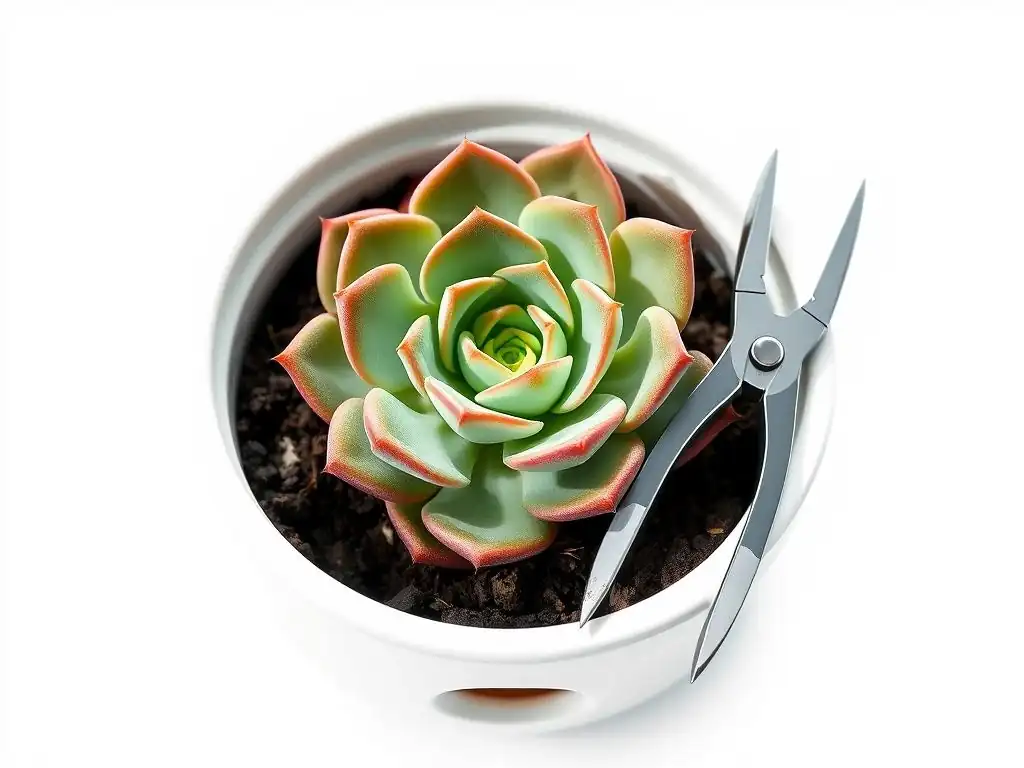
This section details the crucial preparatory steps before embarking on succulent propagation by division. Proper preparation ensures a successful division process, minimizing stress on the plant and maximizing the chances of healthy growth for your new succulents. Remember, patience and gentle handling are key throughout this entire process.
Gathering Your Tools and Supplies
Before you begin dividing your succulent, gather all necessary tools and supplies. This will streamline the process and prevent interruptions. Having everything readily available minimizes the risk of damaging your plant. Here's a checklist:
- Sharp, Clean Knife or Blade: A clean, sharp knife or scalpel is essential for making precise cuts. A dull blade will crush the succulent tissue, increasing the risk of infection. Sterilize your blade with rubbing alcohol before and after each use to prevent the spread of diseases.
- Potting Mix: Use a well-draining potting mix specifically formulated for succulents and cacti. Avoid using garden soil, as it retains too much moisture and can lead to root rot.
- New Pots: Select pots that are appropriately sized for the divisions. Overly large pots can retain too much moisture, while overly small pots can restrict root growth.
- Gloves (Optional): Some succulent varieties have spines or sap that can irritate the skin. Gloves provide a protective barrier.
- Watering Can: You'll need water to gently moisten the potting mix after planting.
- Perlite or Coarse Sand (Optional): Adding these materials to your potting mix further improves drainage.
Choosing the Right Time for Division
Timing is crucial for successful succulent propagation by division. The best time to divide succulents is during their active growing season. This typically falls during the spring or early summer months when the weather is warm and the plant is actively producing new growth. Dividing during this period allows the new plants to establish themselves before the onset of colder weather or periods of dormancy.
Avoid dividing succulents during winter or periods of stress, such as after a recent transplant or during a heatwave. A stressed plant is less likely to recover successfully from the division process. Observe your succulent for signs of healthy growth – vibrant green leaves and new growth – before proceeding. This indicates the plant is robust enough to handle the division. Look for signs of healthy root development as well, suggesting a strong root system capable of supporting the new plants.
Carefully Removing the Succulent from its Pot
Gently remove the succulent from its pot to assess its root system and determine the best points for division. Avoid forcefully pulling the plant, as this could damage the roots and the plant itself. If the succulent is firmly rooted, try loosening the soil around the base of the plant with a small trowel or your fingers. If the root ball is very compact, you may need to gently tap the pot on a hard surface to loosen the soil.
Once the succulent is free from its pot, carefully examine the root system. Look for areas where the plant has naturally divided or where you can easily separate it into sections without causing significant damage. Remember, the goal is to create divisions with healthy roots and a sufficient number of leaves to support their growth.
The size of each division will depend on the size and type of succulent; some may be easily divided into several sections, while others may only be suitable for one or two divisions. A well-established, mature succulent is ideal for division, offering multiple points for separation and increased chances of successful propagation.
The Division Process: Techniques and Methods
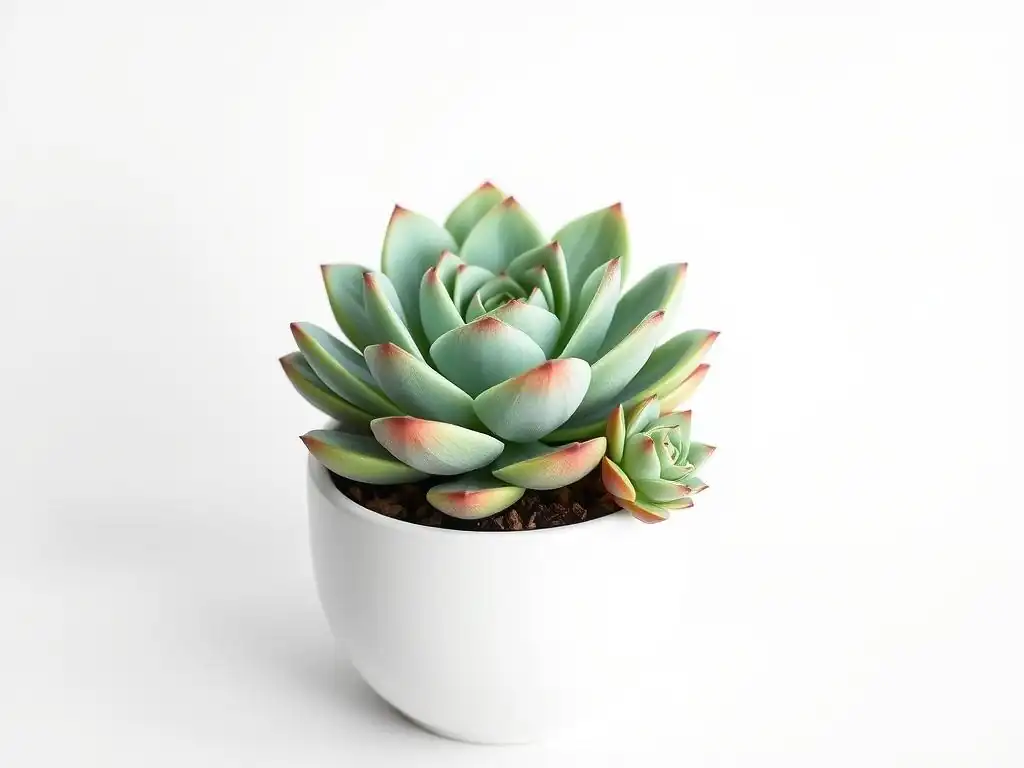
Succulent propagation by division is a remarkably effective method for increasing your succulent collection. This process leverages the natural ability of many succulents to produce offsets or "pups," which are miniature versions of the mother plant. Division involves carefully separating these offsets from the parent plant to cultivate them independently.
Success hinges on understanding the plant's structure and employing the correct techniques. The process is generally less demanding than stem cuttings, making it an ideal choice for beginners and experienced succulent enthusiasts alike. The key to successful succulent propagation by division lies in careful preparation and gentle handling to minimize stress on both the parent plant and the newly separated offsets.
Dividing a Single-Headed Succulent
Single-headed succulents, while not as prolific as their multi-headed counterparts, can still be propagated through division, albeit indirectly. This involves inducing the formation of offsets. This can be achieved through several techniques:
- Encouraging Offset Production: Some single-headed succulents can be coaxed into producing offsets by stressing them slightly. This might involve carefully wounding the base of the stem (using clean, sterilized tools), slightly reducing watering to trigger stress-induced growth, or providing optimal light conditions for increased energy production. However, it's crucial to avoid over-stressing the plant, which can lead to damage or death. Patience is key, as offset development can take several weeks or even months.
- Leaf Propagation (Indirect Division): While not strictly division, leaf propagation from a single-headed succulent can effectively multiply your plant. Healthy, mature leaves can be carefully removed and placed on a well-draining medium to encourage root and pup formation. These new plants, though originating from a single-headed parent, effectively increase the number of succulents in your collection. This method is particularly effective with Echeveria, Sedum, and Kalanchoe varieties.
Dividing a Multi-Headed Succulent: Separating Offsets
Multi-headed succulents offer a more straightforward approach to division. These plants naturally produce numerous offsets, making propagation relatively simple. The process involves the following steps:
- Preparation: Choose a healthy, well-established multi-headed succulent. Allow the soil to dry slightly before handling to prevent damage to the roots. Gather clean, sharp, and sterilized tools, such as a knife or small trowel. Having a well-draining potting mix ready is crucial for the newly separated offsets.
- Separation: Gently remove the succulent from its pot. Carefully loosen the soil around the base of the plant to reveal the individual heads and offsets. Using your sterilized tools, carefully separate the offsets from the parent plant, ensuring each offset has a portion of its own roots. Avoid pulling or tearing, as this can damage the plant.
- Planting: Plant the separated offsets in individual pots filled with well-draining succulent potting mix. Gently firm the soil around the base of each offset. Water lightly after planting, allowing the soil to dry slightly before watering again. Avoid overwatering, as this can lead to root rot.
- Aftercare: Place the newly planted offsets in a bright, indirect light location. Monitor them closely for signs of stress or disease. The success rate of succulent propagation by division is typically high when proper techniques are followed. Remember that patience is a virtue; the offsets may take several weeks to establish themselves.
Dealing with Rooted and Rootless Offsets
The success of propagating succulents by division often depends on whether the offsets have developed their own root systems.
| Offset Type | Handling | Success Rate | Notes |
|---|---|---|---|
| Rooted Offsets | Easier to propagate; higher chances of survival. Plant directly into soil. | High | Requires minimal care after planting. |
| Rootless Offsets | Requires callusing before planting; may need more careful monitoring. | Moderate | Allow the cut end to callus for a few days before planting to prevent rot. |
Rooted offsets are generally easier to transplant, offering a higher success rate. However, rootless offsets can still be successfully propagated with proper care. Allowing the cut end of the rootless offset to callus over for several days before planting helps prevent rot and increases the chances of successful rooting. This callusing process allows a protective layer to form, minimizing the risk of fungal or bacterial infections.
Proper watering and light conditions are also critical for the successful establishment of rootless offsets. Careful monitoring and patience are essential to ensure the survival of your newly divided succulents. Remember that even with meticulous care, some loss is possible, but the rewards of a thriving succulent collection are well worth the effort.
Aftercare: Ensuring Successful Propagation
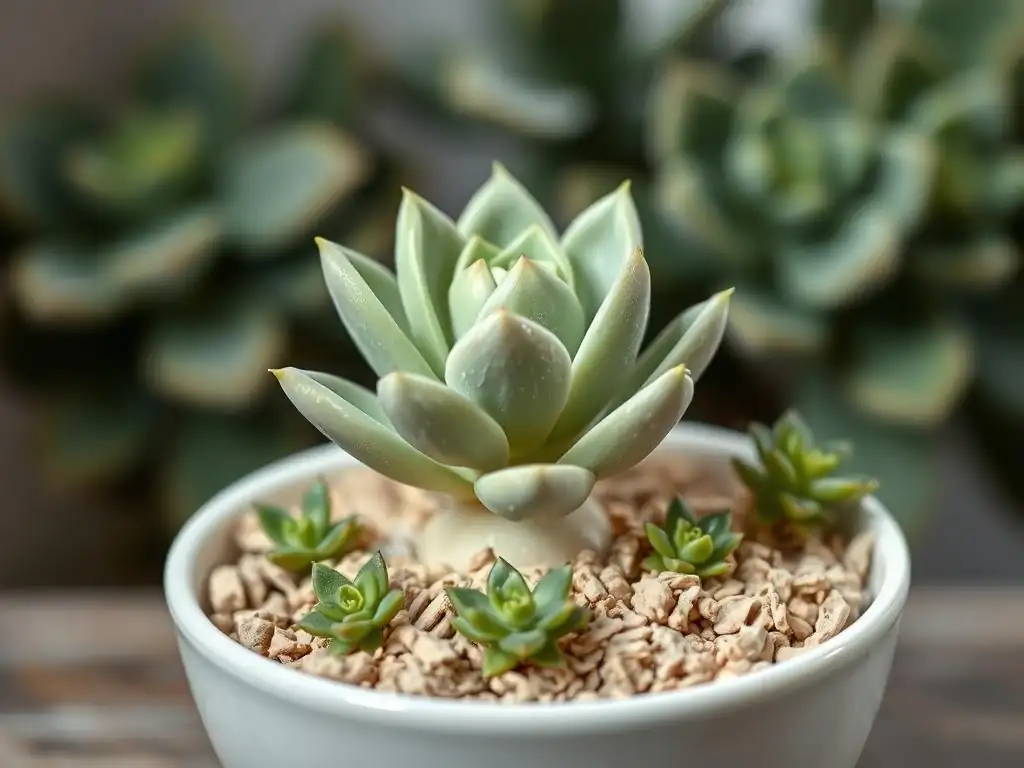
After successfully dividing your succulent, the journey isn't over. Proper aftercare is crucial for ensuring the survival and thriving of your newly independent plants. Neglecting this vital step can lead to wilting, rotting, or even the complete loss of your precious succulents. This section details the essential aftercare steps to maximize your propagation success rate. Remember, patience and attention to detail are key players in this process. Consistent monitoring and appropriate adjustments will significantly improve your chances of a successful outcome in your succulent propagation by division.
Planting Your Divided Succulents
Once you've carefully separated your succulent into individual sections, it's time to plant them. Use a well-draining potting mix specifically formulated for succulents and cacti. Avoid using garden soil, as it retains too much moisture, increasing the risk of root rot. A good mix typically includes components like perlite, pumice, and coarse sand. The pot's size should be appropriate for the size of the succulent division; overcrowding can lead to competition for resources and increased susceptibility to disease.
Before planting, allow the cut ends of the succulent divisions to callous over for a few days. This helps prevent rot by allowing the wound to seal. Gently plant each division, ensuring the base is slightly below the soil surface. Avoid burying the leaves; this can lead to rot. Space the divisions appropriately to allow for growth and airflow. Gently firm the soil around the base of each plant to secure it in place. Remember, less is more when it comes to initial watering.
Watering and Light Requirements for Newly Divided Plants
Newly divided succulents are particularly vulnerable to overwatering. Their root systems are still establishing themselves and are unable to absorb large quantities of water. Overwatering can lead to root rot, a common cause of succulent death. Therefore, resist the urge to water frequently. Instead, allow the soil to dry out completely between waterings. Water thoroughly when you do water, ensuring the water drains freely from the drainage holes.
Light is also a crucial factor. Most succulents thrive in bright, indirect sunlight. Avoid exposing newly divided succulents to direct sunlight, especially during the hottest parts of the day. Direct sunlight can scorch the delicate leaves, leading to stress and damage. Gradually acclimate your new plants to brighter light conditions over a period of several weeks. Observe your plants carefully; if they start to appear pale or leggy, they may need more light. Conversely, if the leaves start to wrinkle or show signs of sunburn, reduce the light exposure.
Monitoring for Signs of Stress or Disease
Regular monitoring is essential to catch any problems early. Check your succulents daily for signs of stress or disease. Look for symptoms such as wilting, discoloration, mushy leaves, or the presence of pests. Early detection can often mean the difference between success and failure in your succulent propagation by division.
Early signs of stress might include slight wilting, which can be addressed by adjusting watering or light levels. More serious symptoms, such as mushy leaves or unusual spots, could indicate rot or disease. If you notice any signs of disease, isolate the affected plant to prevent the spread of infection.
You may need to remove affected parts and treat with a suitable fungicide or insecticide (if pests are present). Remember to always use sterile tools when handling your plants to minimize the risk of introducing disease. Careful observation and proactive intervention will greatly increase the chances of a successful propagation.
Preventing Rot in Newly Divided Succulents
Preventing rot is crucial for the successful propagation of succulents through division. Newly divided succulents, having had their root systems disrupted, are particularly vulnerable to fungal and bacterial infections that lead to rot. These infections thrive in moist, poorly-ventilated environments. Therefore, proper aftercare focuses heavily on managing moisture levels and ensuring good air circulation.
One of the most effective preventative measures is to allow the divided succulents to callus before planting them in moist soil. This means letting the cut surfaces dry completely, usually for a few days to a week, depending on the size of the division and the humidity of the environment. You'll notice a slightly hardened, dry layer forming over the cut, indicating successful callusing. This hardened layer acts as a barrier against pathogens.
Avoid planting the divisions in overly wet soil. Soggy soil is a breeding ground for rot. Instead, use a well-draining succulent potting mix. This type of mix typically includes ingredients like perlite, pumice, or coarse sand, which improve aeration and drainage. Overwatering is a common mistake that leads to rot, so it's crucial to water only when the soil is completely dry. Even then, water sparingly, allowing excess water to drain freely from the pot.
Proper ventilation is equally important. Avoid placing the newly divided succulents in humid or poorly ventilated areas. Good air circulation helps to prevent the build-up of moisture around the plant, reducing the risk of fungal growth. Consider using a fan for improved air circulation, especially in humid climates or during periods of high humidity.
Furthermore, ensuring the planting container has adequate drainage holes is non-negotiable. Poor drainage can trap water around the root system, creating the perfect conditions for rot. Choose pots with multiple drainage holes to allow for efficient water runoff. Remember, it's always better to underwater than overwater when propagating succulents by division.
Careful observation of the plants for any signs of rot, such as mushy or discolored leaves, is essential for early intervention. Early detection allows for prompt action, potentially saving the affected succulent division. Regularly check the soil moisture level and adjust your watering schedule as needed, keeping in mind that the needs of newly divided succulents may differ slightly from established plants. A little extra vigilance in the first few weeks after division significantly increases the chances of successful propagation.
Troubleshooting Common Issues in Succulent Division
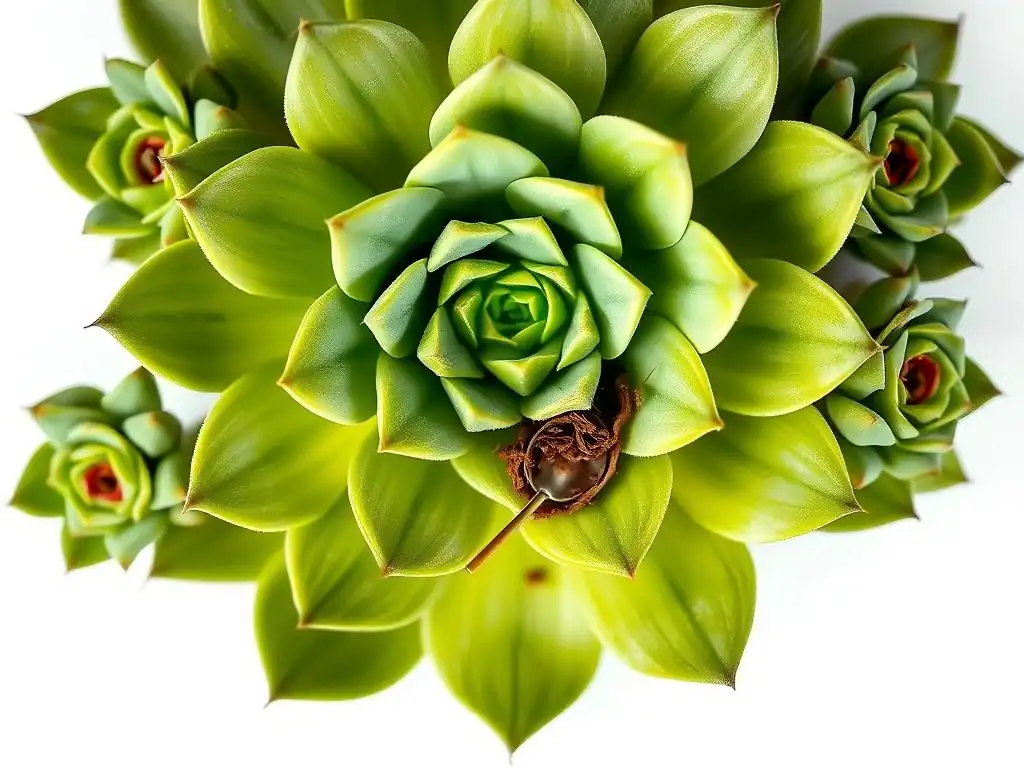
Succulent propagation by division, while generally straightforward, can present challenges. Understanding these potential problems and implementing preventative measures is crucial for successful propagation. This section focuses on common issues and practical solutions to maximize your success rate in creating new succulent plants through division. Remember, patience and careful observation are key to nurturing your newly divided succulents.
Dealing with Damaged Roots or Stems
Damage to roots or stems during the division process is a frequent occurrence. Rough handling, overly enthusiastic separation, or the use of inappropriate tools can all lead to injury. Minimizing damage during the initial separation is paramount, but even with careful technique, some minor damage may occur. Here’s how to address it:
- Inspect for Damage: After dividing your succulent, carefully examine both the roots and stems of each section. Look for any broken, bruised, or otherwise damaged areas. Minor nicks and scrapes are usually not a major concern, but significant damage requires attention.
- Clean the Wound: Using a sterilized, sharp knife or pair of scissors, carefully trim away any severely damaged or rotting portions of the roots or stems. This prevents the spread of rot and encourages faster healing. Apply a fungicide powder (e.g., cinnamon) to the cut surfaces to prevent fungal infections.
- Allow to Callus: Before planting, allow the cut surfaces of roots and stems to callus over. This forms a protective barrier that prevents moisture loss and reduces the risk of infection. This typically takes a few days to a week, depending on the size of the wound and environmental conditions. Keep the divided succulents in a dry, well-ventilated area during this period.
- Planting: Once callused, plant your succulents in well-draining soil. Gently firm the soil around the base of the plant, ensuring good contact between the roots and the soil. Avoid overwatering initially, allowing the plants to establish themselves before resuming a regular watering schedule.
Addressing Slow or Stunted Growth
Even with careful division and planting, some succulents may experience slow or stunted growth after the process. Several factors can contribute to this:
- Root Shock: The stress of being separated from the mother plant can cause root shock, temporarily hindering growth. Providing consistent, but not excessive, watering and ensuring adequate light can help the plant recover.
- Improper Watering: Overwatering is a common culprit in stunted growth. Succulents are drought-tolerant and prefer to dry out slightly between waterings. Allow the soil to dry completely before watering again. Underwatering can also be an issue, but less common than overwatering.
- Nutrient Deficiency: The soil may lack essential nutrients to support vigorous growth. Consider using a well-balanced, slow-release fertilizer formulated for succulents. Avoid over-fertilizing, as this can damage the roots.
- Disease or Pests: Infestation by pests or diseases can significantly impact growth. Regularly inspect your succulents for signs of pests or disease. Take appropriate steps to treat any issues promptly. Early detection is crucial for effective treatment and minimizing damage.
Table 1: Signs of Nutrient Deficiency in Succulents
| Symptom | Possible Deficiency |
|---|---|
| Yellowing leaves | Nitrogen, Magnesium |
| Purple coloration | Phosphorus |
| Stunted growth | Multiple nutrients |
Preventing and Treating Diseases After Division
The division process can increase a succulent's susceptibility to diseases, particularly if proper sanitation and care are not followed. Preventive measures are key:
- Sterilize Tools: Before and after dividing any succulent, sterilize your tools (knives, scissors) with rubbing alcohol or a diluted bleach solution. This prevents the spread of pathogens from one plant to another.
- Use Clean Soil: Employ fresh, well-draining potting mix specifically formulated for succulents. Avoid reusing old soil, which may harbor pathogens.
- Proper Watering: Avoid overwatering to prevent fungal diseases. Ensure good air circulation around your plants to minimize humidity, which can also encourage fungal growth.
- Early Detection: Regularly monitor your divided succulents for any signs of disease, such as unusual spots, discoloration, or wilting. Early detection allows for prompt and effective treatment.
- Treatment: If disease is detected, isolate the affected plant to prevent its spread. Remove affected leaves or stems, and consider applying an appropriate fungicide or insecticide, according to the product instructions. Always follow the manufacturer's directions carefully. For serious infections, disposal of the plant may be necessary.
Remember, proper succulent propagation by division involves careful handling, sterile techniques, and attentive post-division care. By addressing these potential issues proactively, you can significantly increase your success rate and enjoy the rewards of multiplying your succulent collection.
Advanced Techniques for Succulent Division
This section delves into more sophisticated methods for succulent propagation by division, moving beyond the basics to achieve optimal results and address specific plant needs. We'll explore techniques that combine division with other propagation methods and strategies for rejuvenating overgrown succulents. Mastering these techniques will significantly enhance your success rate and allow you to expand your succulent collection efficiently. Remember, sterile tools and well-draining soil are crucial for success in all propagation methods, including division.
Division and Repotting Simultaneously
Simultaneously dividing and repotting a succulent offers several advantages. It allows for immediate assessment of the root system, enabling the removal of any rotting or damaged roots. This minimizes the risk of disease transmission to the newly divided plants. Furthermore, it provides a fresh start in nutrient-rich soil, promoting faster and healthier growth.
The process is straightforward: Gently remove the succulent from its pot. Carefully inspect the root ball. If the succulent is severely root-bound, gently loosen the roots before proceeding with division. Using a clean, sharp knife or a pair of shears, carefully separate the plant into individual sections, ensuring each section has healthy roots and leaves. Immediately plant each section in its own pot filled with fresh, well-draining succulent potting mix. Avoid overwatering after repotting, allowing the soil to dry slightly between waterings. This prevents root rot, a common problem after transplanting.
Using Division to Rejuvenate Overgrown Succulents
Overgrown succulents often become leggy, with sparse foliage at the top and bare stems below. Division is an excellent method to rejuvenate these plants, restoring their compact and aesthetically pleasing form. The process involves separating the overgrown succulent into smaller, more manageable sections. This encourages new growth from the base and helps restore the plant's overall health and vigor.
Consider this example: A large Echeveria has become quite leggy and unattractive. Instead of discarding it, you can carefully remove it from its pot. Then, using a sharp, clean knife, divide the plant into several smaller rosettes, each with a healthy root system. These smaller rosettes will quickly develop into fuller, more compact plants. Remember to allow the cut ends to callus over before planting to prevent rot. This method not only rejuvenates the plant but also provides you with several new succulents to add to your collection – a win-win scenario for succulent propagation by division.
Combining Division with Other Propagation Methods
The efficiency of succulent propagation can be greatly enhanced by combining division with other methods. For instance, you can divide a larger succulent and then take leaf cuttings from the separated sections. This maximizes the number of new plants you can obtain from a single parent plant. This technique is especially useful when dealing with succulents that are difficult to propagate from leaf cuttings alone.
Here's how it works: Divide a mature succulent into several sections. After allowing the cut ends to callus, plant the sections as usual. Simultaneously, take leaf cuttings from the divided sections and propagate them using the appropriate methods. This dual approach significantly increases your propagation success rate and allows you to quickly expand your collection with a wider variety of succulents. This approach leverages the strengths of both methods, resulting in a more efficient and rewarding propagation experience. Careful observation and attention to detail are key to success in this combined approach to succulent propagation by division.
Frequently Asked Questions
What is succulent propagation by division?
Succulent propagation by division is a simple method of increasing your succulent collection by separating offsets or pups from the mother plant. These offsets are essentially baby succulents that grow from the base of the parent plant. They can be carefully removed and planted individually.
How do I know when a succulent is ready for division?
A succulent is ready for division when it has developed several healthy offsets large enough to be handled without damage. Look for pups that have formed their own distinct root systems. Generally, they should be at least one-third the size of the mother plant.
What tools do I need for succulent propagation by division?
You'll need a sharp, clean knife or pair of shears, a well-draining potting mix, and small pots or containers for planting the offsets. Clean tools are crucial to prevent the spread of disease.
What is the best time of year to propagate succulents by division?
The best time to propagate succulents by division is during the growing season, typically spring or early summer. This allows the newly planted offsets ample time to establish roots before the colder months.
How do I care for newly divided succulents?
After planting, water the newly divided succulents lightly and keep them in a bright, indirect light location. Avoid overwatering, which can lead to root rot. Allow the soil to dry out between waterings.
Final Reflection: The Enduring Legacy of a Divided Leaf
The art of succulent propagation by division isn't merely a horticultural technique; it's a testament to the resilience and enduring power of life itself. This seemingly simple act of separating a mother plant into multiple offspring mirrors the larger processes of growth, adaptation, and renewal that shape our world. From the microscopic division of cells to the vast branching of a family tree, the principle of division underpins the very fabric of existence.
The impact of this simple act extends far beyond the confines of the garden. It speaks to our innate human desire to nurture and multiply, to witness the unfolding of life from a single source. The greatest gift is not to give, but to share.
This quote, while not directly about succulents, perfectly encapsulates the joy and satisfaction derived from propagating these resilient plants and sharing the bounty with others. It's a tangible connection to the natural world, a reminder of our capacity to create and contribute to something larger than ourselves.
Now, consider your own life. What aspects of your being, your skills, your passions, could you "divide" and share with others? What new growth could emerge from a seemingly small act of generosity and propagation? I invite you to embrace the spirit of division, not as a process of fragmentation, but as a powerful means of multiplication, growth, and lasting impact. Let the humble succulent be your guide, a living testament to the boundless potential that lies within the act of sharing and creating.
Unleash Your Inner Propagator: Grow Your Succulent Family!
Thanks for exploring the fascinating world of succulent propagation! You've learned how to multiply your beloved plants. Ready to put your knowledge into practice?
- Your First Propagation Project: Choose a healthy succulent leaf or stem and start propagating today! This is your chance to put your learning into action and witness the magic firsthand.
- Share Your Success: Snap a photo of your thriving succulents and share them with our community on social media! Use #SucculentEssentials to connect with fellow plant enthusiasts.
- Deepen Your Knowledge: Explore our other articles on SucculentEssentials.org for more tips and techniques on caring for your growing succulent collection.
Ready to transform a single succulent into a thriving collection? What's the most valuable thing you learned about succulent propagation, and what technique will you try first?