
Public Gardens: A Living Example of Succulent Adaptability

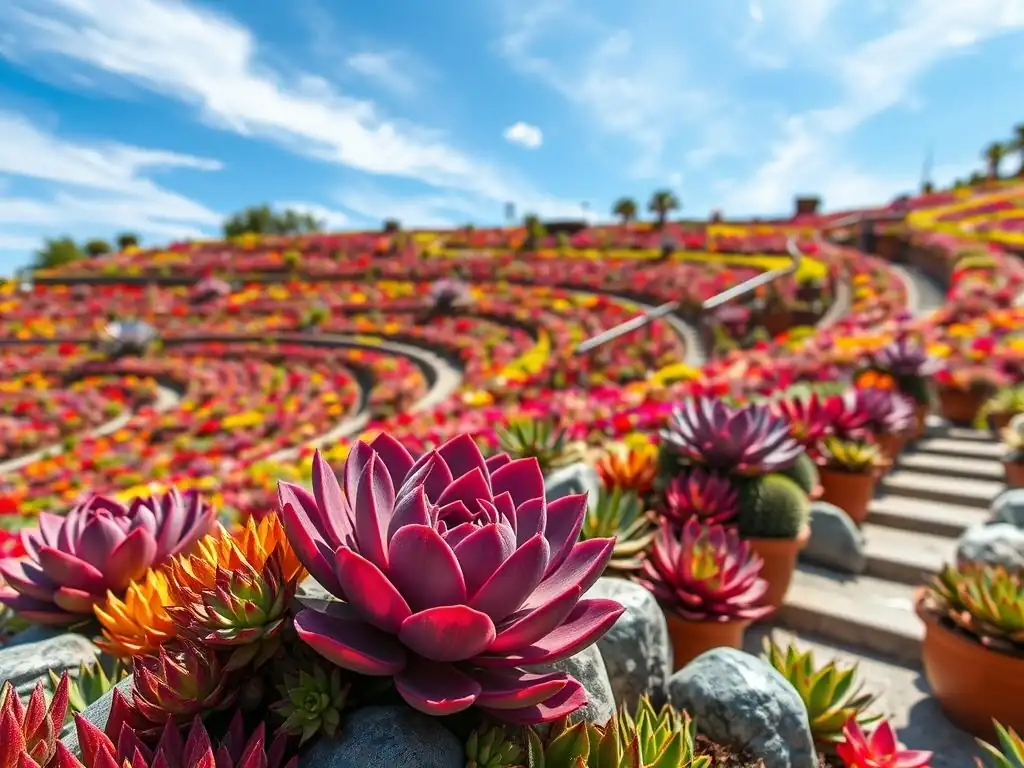
Welcome to SucculentEssentials.org, where the fascinating world of succulents unfolds before you! Are you ready to unlock the secrets to cultivating these resilient beauties? From propagation techniques to breathtaking succulent garden design ideas, we'll guide you through every step. Discover how these drought-tolerant wonders can transform your outdoor space, as showcased in our captivating feature on Public Gardens: A Living Example of Succulent Adaptability. Dive in and let's cultivate your succulent journey together!
- Succulent Garden Design Ideas in Public Spaces: Inspiration and Implementation
- Designing Drought-Tolerant Landscapes with Succulents: Public Garden Best Practices
- Maintaining Public Succulent Gardens: Practical Tips and Strategies
- The Benefits of Public Succulent Gardens: Community Engagement and Education
- Future Trends in Public Succulent Garden Design: Innovation and Sustainability
-
Frequently Asked Questions
- What are some key design elements for a successful succulent garden?
- How can I create a low-maintenance succulent garden?
- What are some creative ways to incorporate succulents into my garden design?
- Are there specific succulent varieties best suited for public garden settings?
- Where can I find more succulent garden design ideas?
- Final Reflection: The Enduring Legacy of Succulent Gardens
- Unleash Your Inner Gardener: Cultivate Your Own Succulent Oasis
Succulent Garden Design Ideas in Public Spaces: Inspiration and Implementation
Public gardens offer a unique opportunity to witness the remarkable adaptability and aesthetic versatility of succulents. These drought-tolerant plants, often perceived as solely suitable for small pots or windowsills, thrive in large-scale outdoor installations, showcasing their resilience and beauty in diverse settings. This article explores how public gardens successfully incorporate succulents into their designs, providing inspiration and practical tips for anyone interested in creating their own stunning succulent landscapes.
We will delve into specific case studies, examining design features, plant selection, water management techniques, and the integration of succulents with other plant species. This exploration will provide valuable insights for those seeking innovative and sustainable succulent garden design ideas, ultimately enriching their understanding of these fascinating plants and their role in creating breathtaking outdoor spaces.
Learning from established public gardens allows us to effectively incorporate succulents into our own designs, fostering both beauty and environmental responsibility. The diverse examples showcased here demonstrate that succulent garden design ideas are limited only by imagination and creativity, offering solutions for a wide range of climates and aesthetic preferences.
Case Studies: Successful Public Succulent Gardens and Their Designs
This section presents detailed case studies of public gardens that excel in their use of succulents, highlighting their design approaches and the resulting impact. By examining these successful examples, we can glean valuable insights into the practical aspects of creating and maintaining large-scale succulent gardens. The diversity of approaches showcased emphasizes the adaptability of succulents and the potential for creating unique and stunning landscapes.
Huntington Desert Garden - Design Features and Plant Selection
The Huntington Desert Garden stands as a testament to the power of careful planning and plant selection in creating a thriving succulent landscape. Its design expertly utilizes topography and varied textures to create visual interest. The garden employs a masterful blend of architectural elements, such as stone pathways and retaining walls, which complement the organic forms of the succulents.
Plant selection prioritizes a diverse range of species, showcasing the incredible variety in size, color, and texture found within the succulent family. The garden's success stems from its thoughtful consideration of sun exposure, drainage, and the specific needs of each succulent species. Detailed records of plant placement and maintenance practices are meticulously kept, ensuring the long-term health and beauty of the garden.
The result is a captivating display that demonstrates the potential of succulents to create a visually stunning and ecologically sound desert garden. This approach offers invaluable lessons in the art of succulent garden design, highlighting the importance of meticulous planning and ongoing care.
The Ruth Bancroft Garden - Sustainable Practices and Water Management
The Ruth Bancroft Garden exemplifies a sustainable approach to succulent garden design, prioritizing water conservation and responsible land management. Its design emphasizes the use of drought-tolerant plants, minimizing the need for supplemental watering. The garden's success hinges on its effective water management strategies, including the use of well-draining soil, strategic planting to maximize sun exposure, and the implementation of efficient irrigation systems. The garden also features innovative xeriscaping techniques, such as the use of gravel mulch to reduce evaporation and suppress weeds.
This commitment to sustainable practices provides a powerful model for creating eco-friendly succulent gardens that minimize environmental impact. Their approach serves as a valuable example of how to create a beautiful and sustainable landscape using succulents, highlighting the importance of responsible resource management. The garden’s long-term success demonstrates the viability and beauty of sustainable succulent garden design.
San Francisco Botanical Garden - Integration with Native Flora and Landscaping
The San Francisco Botanical Garden showcases a unique approach to succulent garden design by seamlessly integrating succulents with native California flora. This approach highlights the aesthetic possibilities of combining succulents with other drought-tolerant plants, creating a diverse and visually engaging landscape. The garden's design carefully considers the specific needs of each plant species, ensuring that they thrive in their designated locations. The integration of succulents with native plants also supports biodiversity and promotes a healthy ecosystem.
The garden's approach demonstrates that succulents can be successfully incorporated into a wider landscape design, enhancing overall biodiversity and aesthetic appeal. The successful integration offers a valuable model for creating vibrant and diverse gardens that celebrate both native flora and the unique beauty of succulents. The garden's design demonstrates a thoughtful approach to ecological balance and aesthetic harmony.
Designing Drought-Tolerant Landscapes with Succulents: Public Garden Best Practices
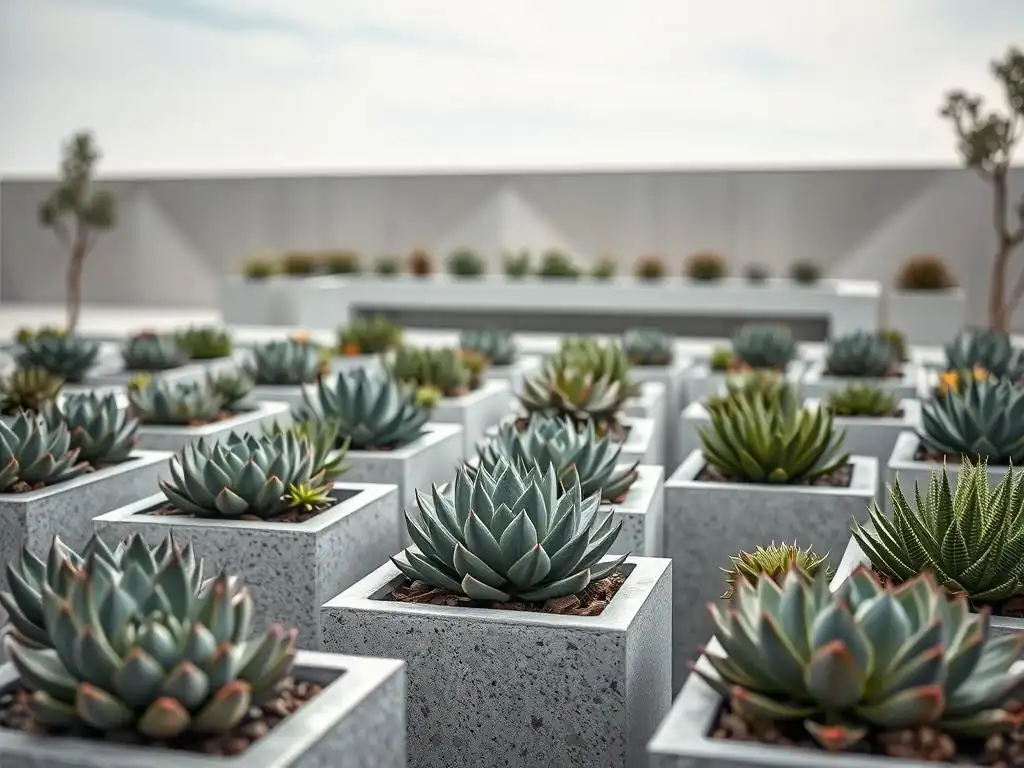
Public gardens offer a unique opportunity to showcase the beauty and adaptability of succulents while promoting sustainable landscaping practices. Designing a drought-tolerant succulent garden for a public space requires careful consideration of several key factors, moving beyond simple aesthetics to encompass practicality and longevity. Success hinges on selecting appropriate species, creating visually engaging displays, and incorporating elements that enhance accessibility and maintenance. This section will explore best practices for designing stunning and sustainable succulent gardens in public settings, offering practical advice for achieving both visual impact and environmental responsibility. This is crucial for successful Succulent garden design ideas.
Choosing the Right Succulents for Public Garden Settings: Hardiness and Maintenance
Selecting succulents for a public garden demands a focus on hardiness and ease of maintenance. High-traffic areas require robust species capable of withstanding foot traffic and occasional accidental damage. Consider these factors:
- Hardiness Zones: Knowing your specific hardiness zone is paramount. Choose succulents that thrive in your local climate and can tolerate temperature fluctuations, frost, and intense sun exposure. Many Echeveria varieties, for instance, are relatively hardy and adaptable.
- Disease and Pest Resistance: Opt for succulents known for their resistance to common pests and diseases. This minimizes the need for chemical treatments, crucial in a public setting. Selecting disease-resistant varieties significantly reduces maintenance costs and environmental impact.
- Water Requirements: While succulents are drought-tolerant, even they need some water, especially during establishment. Choose species with similar water needs to simplify irrigation management. Grouping succulents with similar water requirements simplifies watering schedules, saving time and resources.
- Growth Habit: Consider the mature size and growth habit of each succulent. Fast-growing varieties might require more frequent pruning, while slow-growing options offer more predictable long-term design. This is vital for long-term Succulent garden design ideas.
| Succulent Type | Hardiness Zone | Water Needs | Maintenance Level | Pest Resistance |
|---|---|---|---|---|
| Sedum spp. | 4-10 | Low | Low | High |
| Echeveria spp. | 7-10 | Moderate | Moderate | Moderate |
| Sempervivum spp. | 3-8 | Low | Low | High |
| Agave spp. | 7-11 | Low | Low | High |
Creating Visual Appeal: Texture, Color, and Form in Succulent Garden Design
The visual appeal of a succulent garden is crucial for attracting visitors and creating an enjoyable experience. Effective design goes beyond simply planting succulents; it involves careful consideration of texture, color, and form to create a dynamic and engaging display. Here's how to achieve this:
- Texture Contrast: Combine succulents with varying textures. Combine smooth, fleshy leaves with rough, spiky ones for visual interest. This adds depth and complexity to the overall design. The contrast between a fuzzy Dudleya and a smooth Haworthia is a prime example.
- Color Palette: Choose succulents with a range of colors, from greens and blues to reds, purples, and yellows. This creates a vibrant and eye-catching display. Consider seasonal color changes and plan accordingly. For instance, some Sedum varieties display stunning autumnal colors.
- Form and Shape: Incorporate succulents with diverse forms and shapes – rosettes, columns, trailing plants – to add visual interest and create a sense of movement. Consider using different pot sizes and shapes to further accentuate these forms. This adds another layer of complexity to your Succulent garden design ideas.
- Layering and Repetition: Create visual rhythm through layering and repetition. Plant succulents in groups of similar species to create a sense of unity and balance. Use taller succulents as backdrops for shorter ones, providing depth and visual flow.
Succulent Garden Design Ideas: Incorporating Architectural Elements and Pathways
Architectural elements and pathways are essential for enhancing the functionality and aesthetic appeal of a public succulent garden. They not only guide visitors but also frame the planting design, adding structure and visual interest. Here are some ideas:
- Pathways: Use permeable paving materials like gravel, decomposed granite, or stepping stones to create paths that minimize soil compaction and allow for water infiltration. This is environmentally responsible and blends well with the drought-tolerant nature of the garden.
- Walls and Retaining Walls: Incorporate walls or retaining walls to create vertical gardens and add architectural interest. These can be made of natural materials like stone or concrete, adding texture and visual contrast. Vertical gardens are a space-saving solution, ideal for smaller public gardens.
- Benches and Seating: Provide comfortable seating areas for visitors to relax and enjoy the garden. The benches can be made of materials that complement the garden's aesthetic, such as wood or stone. This enhances the visitor experience and encourages longer visits.
- Lighting: Use low-voltage lighting to highlight key features of the garden at night. This extends the enjoyment of the garden beyond daylight hours and adds a magical ambiance. Consider subtle lighting to showcase the textures and colors of the succulents. This contributes to the overall success of your Succulent garden design ideas.
Further Considerations for Public Succulent Gardens
Accessibility for individuals with disabilities should be a priority. Ensure pathways are wide enough for wheelchairs and other mobility aids. Consider providing tactile elements for visually impaired visitors. Signage is also important for identifying different succulent species and providing information about their care and origins. Regular maintenance is vital for the long-term success of any public garden. This includes weeding, pruning, and occasional watering.
Maintaining Public Succulent Gardens: Practical Tips and Strategies
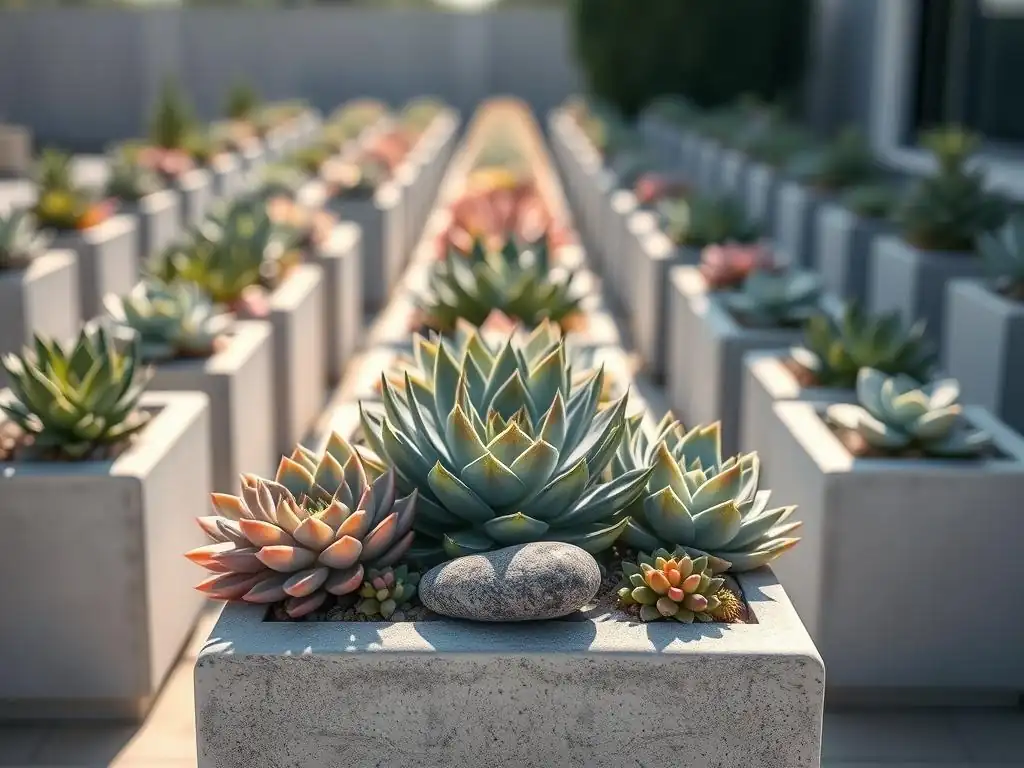
Maintaining thriving public succulent gardens requires a multifaceted approach that balances aesthetic appeal with ecological responsibility. These spaces, often designed to showcase the beauty and resilience of succulents, demand careful planning and consistent upkeep. Successful management hinges on implementing efficient irrigation systems, proactive pest control, and sustainable practices that minimize environmental impact. Let's delve into the key strategies crucial for ensuring the long-term health and vibrancy of these public displays, offering valuable succulent garden design ideas along the way.
Irrigation and Water Conservation Techniques for Public Succulent Gardens
Efficient irrigation is paramount in arid and semi-arid climates where many succulent species thrive. Overwatering is a common mistake, leading to root rot and other diseases. Public succulent gardens should employ water-wise irrigation methods, prioritizing water conservation. Consider these techniques:
- Drip irrigation: This method delivers water directly to the root zone, minimizing water loss through evaporation. A well-designed drip system ensures even moisture distribution, preventing overwatering or underwatering of individual plants. Careful consideration of soil type and plant density is crucial for optimal drip irrigation design.
- Soil moisture sensors: These sensors monitor soil moisture levels and automatically trigger irrigation only when necessary. This technology prevents unnecessary water usage, conserving resources and reducing maintenance costs. Data collected from sensors can inform adjustments to the irrigation schedule, optimizing water use efficiency.
- Xeriscaping principles: This landscape design approach emphasizes water conservation. Careful plant selection, appropriate spacing, and the use of drought-tolerant mulches (such as gravel or decomposed granite) are key components of xeriscaping, aligning perfectly with the needs of succulent gardens. Proper mulching helps retain soil moisture and suppresses weed growth.
- Rainwater harvesting: Collecting rainwater and using it for irrigation can significantly reduce reliance on municipal water supplies. Rainwater harvesting systems can range from simple rain barrels to more sophisticated systems that collect and store larger volumes of water. This is a highly sustainable strategy, reflecting environmentally conscious succulent garden design ideas.
The selection of appropriate irrigation techniques should consider the specific needs of different succulent species and the overall climate. Regular monitoring and adjustments are vital to ensure optimal hydration without compromising plant health. Careful planning and implementation of these techniques will contribute to a visually stunning and ecologically responsible succulent display.
Pest and Disease Management in Public Succulent Displays
Public succulent gardens, with their high concentration of plants, are susceptible to pest and disease outbreaks. Proactive pest and disease management is essential to maintain the health and aesthetic appeal of these displays. Early detection and swift intervention are crucial to prevent widespread damage.
- Regular inspections: Frequent visual inspections are necessary to identify pests or diseases at their early stages. This includes checking for signs of insect infestations (e.g., aphids, mealybugs, scale insects), fungal diseases (e.g., root rot, powdery mildew), and viral infections. A detailed record-keeping system can help track pest and disease occurrences over time.
- Integrated Pest Management (IPM): This approach prioritizes non-chemical methods of pest control, such as handpicking pests, using beneficial insects (e.g., ladybugs), and employing horticultural oils. Chemical pesticides should only be used as a last resort and with careful consideration of environmental impacts. The selection of pest control methods must be tailored to the specific pests encountered, focusing on the least harmful options.
- Quarantine: Newly acquired succulents should be quarantined to prevent the introduction of pests or diseases into the existing collection. This minimizes the risk of widespread infestation and protects the health of the entire garden. A designated quarantine area allows for close observation and treatment of any problems before introducing the plants to the main display.
- Proper sanitation: Maintaining clean tools and removing plant debris helps reduce the spread of diseases. Regular cleaning of pots and other garden tools reduces the risk of cross-contamination. This simple yet effective practice contributes to the overall health of the succulent collection.
Effective pest and disease management requires a comprehensive strategy that combines preventative measures, early detection, and responsible intervention. This approach minimizes environmental impact while preserving the beauty and health of the public succulent garden.
Sustainable Practices: Reducing Waste and Promoting Biodiversity
Sustainable practices are crucial for creating environmentally responsible public succulent gardens. These practices minimize waste, conserve resources, and encourage biodiversity within the garden ecosystem. Here are some key considerations:
- Composting: Composting organic waste (e.g., plant debris, leaves) provides nutrient-rich soil amendment, reducing the need for synthetic fertilizers. On-site composting reduces waste and provides a sustainable source of nutrients for the succulent garden.
- Water-wise mulching: Using organic mulches (e.g., shredded bark, composted materials) helps retain soil moisture, reduces weed growth, and improves soil health. This approach minimizes water consumption and reduces the need for herbicides.
- Native and drought-tolerant plant selection: Prioritizing native succulents and other drought-tolerant plants minimizes the need for irrigation and supports local biodiversity. Selecting plants adapted to the local climate promotes a healthy and resilient ecosystem. This also contributes to unique and attractive succulent garden design ideas.
- Pollinator-friendly plants: Incorporating plants that attract pollinators, such as bees and butterflies, promotes biodiversity and supports the local ecosystem. This approach contributes to a more vibrant and ecologically balanced garden.
- Waste reduction: Minimizing the use of plastic pots and other disposable materials reduces waste and promotes environmental responsibility. This commitment to sustainability reflects responsible succulent garden design ideas.
By implementing these sustainable practices, public succulent gardens can serve as inspiring examples of ecologically responsible landscape design, showcasing the beauty and resilience of succulents while minimizing their environmental footprint. This holistic approach fosters both aesthetic appeal and ecological integrity.
The Benefits of Public Succulent Gardens: Community Engagement and Education
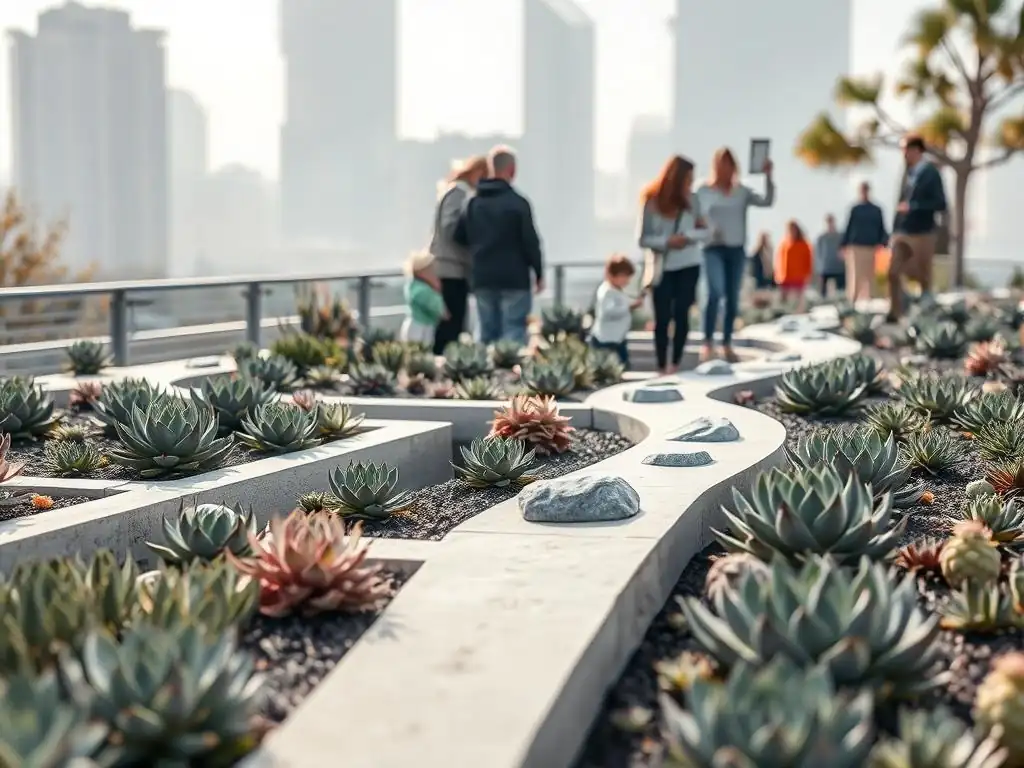
Public succulent gardens offer a unique opportunity to engage communities and educate the public about the beauty and practicality of drought-tolerant landscaping. These gardens serve as living laboratories, showcasing the adaptability and resilience of succulents in diverse environments. By directly experiencing these plants, visitors gain a deeper appreciation for their aesthetic value and ecological benefits. This section explores how these gardens foster community engagement and provide valuable educational opportunities.
Promoting Awareness of Drought-Tolerant Landscaping and Xeriscaping
Succulent gardens are powerful advocates for xeriscaping – landscaping designed to conserve water. Many municipalities are actively promoting water conservation initiatives, and public succulent gardens serve as compelling examples of how to achieve beautiful landscapes while minimizing water usage. These gardens demonstrate that attractive and thriving outdoor spaces don't require extensive irrigation. For instance, a well-designed succulent garden in a public park can significantly reduce the park's water footprint, providing a tangible model for residents to emulate in their own yards. The visual impact of a thriving, low-water garden can inspire homeowners to adopt similar practices, leading to a collective reduction in water consumption within the community. Furthermore, informational signage within the garden can provide specific details on the types of succulents used, their water requirements, and simple maintenance tips, further promoting the adoption of xeriscaping principles. This educational aspect is crucial for long-term behavioral change and sustainable landscaping practices.
Creating Accessible and Inclusive Green Spaces with Succulents
The design and accessibility of public succulent gardens are crucial for fostering inclusivity. Unlike some traditional gardens that may present physical barriers, succulent gardens can be designed to be accessible to people of all abilities. For example, raised beds can accommodate wheelchair users, while pathways can be designed to be wide and smooth.
Furthermore, the diverse textures and tactile qualities of succulents can add a sensory element appreciated by individuals with visual impairments. Interactive elements, like tactile maps or descriptive signage in Braille, can further enhance the inclusivity of the space. The inherent hardiness of succulents also means they can tolerate higher foot traffic than some other plants, making them suitable for gardens in high-use public areas.
This durability translates to greater accessibility for all members of the community, regardless of their physical capabilities. Creating such accessible spaces not only promotes inclusivity but also contributes to a more equitable and welcoming public environment.
Enhancing Urban Aesthetics with Succulent Garden Design Ideas
Public succulent gardens contribute significantly to enhancing urban aesthetics. Their unique textures, colors, and forms add visual interest to otherwise mundane spaces. Careful planning and creative succulent garden design ideas can transform barren areas into vibrant and engaging landscapes.
The use of varied succulents, with different growth habits and colors, allows for the creation of visually stunning displays. For example, incorporating a mix of low-growing groundcovers, upright columnar succulents, and trailing varieties can create a dynamic and layered effect. Strategic placement of different succulents can also highlight architectural features or create focal points within the garden.
This thoughtful design approach not only improves the overall beauty of the public space, but also demonstrates the versatility and aesthetic potential of succulents in diverse urban settings. The use of diverse succulent species within the design can also contribute to biodiversity within the urban ecosystem. The resulting visually appealing and ecologically beneficial garden can serve as a model for private garden design, inspiring homeowners to adopt similar aesthetically pleasing and sustainable landscaping solutions.
Future Trends in Public Succulent Garden Design: Innovation and Sustainability
The landscape of public succulent garden design is evolving rapidly, driven by a growing awareness of sustainability and a desire for innovative displays. We're moving beyond simple arrangements to create dynamic, engaging spaces that reflect both the beauty of succulents and a commitment to responsible environmental practices. This section explores some of the key trends shaping the future of these vibrant public displays, focusing on Succulent garden design ideas that are both aesthetically pleasing and environmentally conscious.
Exploring New Succulent Varieties and Their Application in Public Spaces
The world of succulents is vast and constantly expanding, with new hybrids and cultivars emerging regularly. Public gardens are increasingly incorporating these novel varieties to create more diverse and visually striking landscapes. For example, the use of Sedum species with unique foliage colors, textures, and growth habits is transforming traditional succulent garden designs.
We're seeing a move away from the ubiquitous Echeveria and Sempervivum towards less common genera like Dudleya, Delosperma, and Lampranthus, which offer a wider range of forms, colors, and blooming periods. This diversification not only enhances the aesthetic appeal but also improves the overall resilience of the garden by reducing the risk of widespread disease or pest infestation associated with monocultures. Furthermore, incorporating succulents native to the region adds a layer of ecological significance, promoting local biodiversity and minimizing the need for water-intensive species.
Careful selection is key. Designers must consider factors such as sun exposure, soil drainage, and the specific microclimate of the planting site. Detailed site analysis, coupled with a deep understanding of the individual requirements of each succulent species, ensures the long-term success and visual impact of the design. This meticulous approach helps to showcase the incredible adaptability of succulents and their suitability for a range of public spaces. The potential for creative combinations is vast, allowing for innovative designs that capture the imagination and inspire visitors.
Integrating Technology and Smart Irrigation Systems for Efficient Water Management
Sustainable succulent garden design necessitates efficient water management. Traditional irrigation methods often lead to water waste and environmental damage. Consequently, the integration of smart irrigation systems is becoming increasingly prevalent in public succulent gardens. These systems utilize sensors to monitor soil moisture levels, weather conditions, and even plant health, optimizing water delivery and minimizing unnecessary consumption. Data-driven irrigation scheduling ensures that plants receive the precise amount of water needed, reducing water stress and promoting healthy growth while simultaneously conserving valuable resources. This technology is particularly crucial in arid and semi-arid climates, where water conservation is paramount.
Beyond smart irrigation, other technological advancements are influencing succulent garden design. For example, the use of drought-tolerant synthetic soils and mulches improves water retention and reduces the frequency of irrigation. Furthermore, the use of weather forecasting data allows for proactive adjustments to irrigation schedules, ensuring that plants are adequately protected during periods of extreme heat or drought.
These advancements contribute to a more resilient and environmentally friendly approach to public succulent garden design, aligning with the broader movement towards sustainable landscaping practices. The adoption of these technologies is not just about cost savings; it is about responsible resource management and environmental stewardship.
The Role of Public Gardens in Promoting Succulent Conservation and Biodiversity
Public gardens play a crucial role in educating the public about the importance of succulent conservation and biodiversity. By showcasing a diverse range of species and highlighting their ecological significance, these gardens can inspire a deeper appreciation for these remarkable plants and encourage responsible horticultural practices. Furthermore, public gardens can serve as valuable research sites, providing opportunities to study the adaptation of succulents to different environmental conditions and to develop effective conservation strategies. This research can inform best practices for the cultivation and propagation of succulents, promoting their long-term survival and contributing to the preservation of biodiversity.
Many public gardens are actively involved in conservation efforts, participating in seed banking initiatives, habitat restoration projects, and educational programs aimed at raising awareness about the threats facing succulents in the wild. By integrating these conservation efforts into their garden designs and educational programs, public gardens can contribute significantly to the protection of these unique and valuable plants. The display of rare and endangered species, alongside information about their conservation status and the threats they face, can be a powerful tool for raising awareness and inspiring action.
This educational role is vital in ensuring the long-term survival of succulents and fostering a broader understanding of the importance of biodiversity. The integration of signage and interactive displays can enhance visitor engagement and promote a deeper understanding of the conservation challenges and opportunities related to succulents. Public gardens are not just beautiful spaces; they are vital centers for conservation and education.
Frequently Asked Questions
What are some key design elements for a successful succulent garden?
Consider the climate and sunlight exposure of your garden location. Choose a well-draining soil mix and select succulents with similar water needs to group together. Don't forget about visual interest through varied textures and colors.
How can I create a low-maintenance succulent garden?
Select drought-tolerant succulents that require minimal watering. Use mulch to retain moisture and suppress weeds. Plan your design to minimize the need for frequent weeding and deadheading.
What are some creative ways to incorporate succulents into my garden design?
Consider vertical gardens, rock gardens, or container gardens to showcase your succulents. Incorporate stepping stones or gravel pathways to enhance the overall design. Use interesting containers to add visual appeal.
Are there specific succulent varieties best suited for public garden settings?
Yes, hardy and adaptable succulents thrive in public gardens. Species known for their tolerance to various conditions (sun, wind, temperature fluctuations) are ideal choices. Research local climate to select appropriate species.
Where can I find more succulent garden design ideas?
Explore resources like SucculentEssentials.org for inspiration! We offer numerous care guides, propagation tips, and creative arrangement ideas to help you design your dream succulent garden. Look at pictures and videos online for additional ideas.
Final Reflection: The Enduring Legacy of Succulent Gardens
The resilience and beauty of succulent gardens offer a powerful metaphor for our own capacity to thrive in challenging environments. These adaptable plants, thriving in arid conditions, showcase a remarkable ability to flourish even under seemingly harsh circumstances, a lesson particularly relevant in our increasingly unpredictable world. Their quiet strength speaks volumes about the potential for beauty and productivity even amidst scarcity.
The enduring appeal of succulent gardens reflects a growing societal shift towards sustainable and low-maintenance lifestyles. We are increasingly drawn to the simplicity and elegance of these hardy plants, mirroring a desire for resilience and resourcefulness in our own lives. The desert teaches the value of silence and the importance of waiting.
This quote, though not directly about succulents, perfectly captures the patient beauty and quiet strength these plants embody, a quality that resonates deeply with many today. Their popularity is a testament to our collective yearning for beauty that is both enduring and environmentally conscious.
Consider the lessons these resilient plants offer. Think about how you can cultivate your own inner strength and adaptability, mirroring the tenacity of the succulent. Embrace the beauty of simplicity, find joy in the unexpected, and learn to flourish even in challenging circumstances. Let the succulent garden inspire you to create a space – both in your garden and in your life – that is both beautiful and resilient, a testament to the power of adaptation and the enduring beauty of nature.
Unleash Your Inner Gardener: Cultivate Your Own Succulent Oasis
Thanks for exploring the fascinating world of succulents with us! We hope you gained a deeper appreciation for these resilient plants and their remarkable ability to thrive in diverse conditions. Now it's time to put your newfound knowledge into practice.
Here's how you can continue your succulent journey:
- Start your own succulent garden: Choose a sunny location, select a few of your favorite varieties, remembering the importance of well-draining soil, and begin planting! This is your chance to create a miniature desert landscape right at home.
- Share your successes (or questions!) with our community on social media using #SucculentEssentials. We'd love to see your thriving plants!
- Explore our website's extensive resource library for more in-depth information on succulent care and cultivation.
What challenges or rewards do you anticipate as you embark on your succulent gardening adventure?