
Spring Fertilizer Facts: Choosing the Right Nutrients for Growth

Welcome to SucculentEssentials.org, your gateway to the fascinating world of succulents! Are you ready to unlock the secrets to thriving succulents? This spring, give your beloved plants the boost they deserve. Discover the surprising truth behind choosing the best succulent spring fertilizer and watch your collection flourish like never before. Dive into our "Fundamentals of Succulent Care" section and learn how to nurture these resilient beauties to their full potential. Let's get growing!
- Understanding Succulent Fertilizer Needs in Spring
- Choosing the Best Succulent Spring Fertilizer
- Applying Spring Fertilizer to Your Succulents
- Common Spring Fertilizer Mistakes to Avoid
- Maximizing Spring Growth with Proper Fertilizer Use
- Frequently Asked Questions
- Final Reflection: Nurturing Growth, Inside and Out
- Unleash Your Succulents' Spring Potential!
Understanding Succulent Fertilizer Needs in Spring
Spring ushers in a period of vibrant growth for succulents, making it a crucial time to optimize their nutrient intake. After the dormancy of winter, these resilient plants require a boost to fuel new growth, vibrant colors, and abundant blooms. Choosing the best succulent spring fertilizer involves understanding the specific nutritional needs of these fascinating plants and selecting a formula that caters to their unique requirements.
This article will delve into the essential macronutrients and micronutrients that contribute to healthy succulent development during the spring season, helping you achieve lush, thriving plants. We will explore the optimal nutrient ratios and application methods to ensure your succulents receive the perfect nourishment for a spectacular spring display.
Ignoring these needs can lead to stunted growth, weak stems, and susceptibility to diseases, ultimately impacting the overall health and beauty of your succulent collection. Let's get started on giving your succulents the best possible start to the growing season!
Spring Growth and Nutrient Requirements
Spring marks the beginning of the active growing season for most succulents. Following winter's rest, they begin to produce new leaves, stems, and even flowers. This renewed growth demands a significant increase in nutrient uptake. However, unlike many other plants, succulents are adapted to arid conditions and are susceptible to over-fertilization. Providing too much fertilizer, especially during the spring, can lead to salt buildup in the soil, resulting in root burn and potentially killing your plants.
Therefore, a balanced and carefully applied fertilizer is paramount. The ideal spring fertilizer for succulents should provide a slow-release of nutrients, preventing any sudden shock to the plant's system. This gradual release ensures a consistent supply of essential nutrients throughout the growing season, supporting healthy and robust growth without causing harm. The key is moderation – less is often more when it comes to fertilizing succulents.
Essential Macronutrients for Succulent Spring Growth: Nitrogen, Phosphorus, and Potassium
The three primary macronutrients – Nitrogen (N), Phosphorus (P), and Potassium (K) – are crucial for overall succulent health. Each plays a distinct role in their spring growth:
- Nitrogen (N): Promotes leafy green growth. Too much nitrogen can lead to leggy growth and weaken the succulent's structure, making it more susceptible to pests and diseases. A balanced fertilizer will provide sufficient nitrogen without overwhelming the plant.
- Phosphorus (P): Essential for root development, flowering, and overall plant vigor. Strong roots are vital for absorbing nutrients and water, particularly important during the spring when succulents are actively growing. Adequate phosphorus ensures healthy root systems, leading to robust growth and beautiful blooms.
- Potassium (K): Enhances disease resistance, improves water regulation, and contributes to overall plant strength. Potassium helps succulents withstand stress, including the potential for over-watering or fluctuating temperatures. A healthy potassium level ensures strong, resilient plants that are less prone to disease.
The ideal NPK ratio for a succulent spring fertilizer often falls within a range of 1-1-1 or a slightly higher number for phosphorus (e.g., 1-2-1) to encourage strong root development. Always check the fertilizer label for the NPK ratio before application.
Micronutrients Crucial for Healthy Succulent Development
While macronutrients are needed in larger quantities, micronutrients are equally important, albeit in smaller amounts. These trace elements play vital roles in various metabolic processes, contributing to the overall health and vitality of your succulents. Examples of essential micronutrients include iron (Fe), manganese (Mn), zinc (Zn), copper (Cu), boron (B), and molybdenum (Mo). Deficiencies in these micronutrients can lead to stunted growth, discoloration, and other health issues. While a good quality, balanced succulent fertilizer usually contains these micronutrients, it's crucial to understand that soil conditions can also impact micronutrient availability.
Poor soil drainage or overly alkaline soil can hinder the uptake of certain micronutrients. Regular soil testing can help identify any potential deficiencies and allow for appropriate adjustments to your fertilization strategy. Remember that healthy soil is the foundation for healthy succulents! 🌱
Choosing the Best Succulent Spring Fertilizer
Spring is the ideal time to give your succulents a boost, encouraging vibrant growth and lush foliage. Choosing the best succulent spring fertilizer involves understanding your plants' specific needs and selecting a nutrient blend that promotes healthy development without causing harm. Over-fertilizing succulents can lead to root burn and even death, so careful selection and application are crucial. This section will guide you through the key considerations for choosing the perfect fertilizer for your succulent collection this spring. We'll explore different fertilizer types and ratios to help you make an informed decision.
Selecting the Right Fertilizer Ratio for Spring Growth
Succulents, unlike many other plants, don't require a high nitrogen (N) content fertilizer. High nitrogen promotes lush, leafy growth, which can be detrimental to succulents, making them more susceptible to pests and diseases, and potentially causing them to become leggy and unstable. Instead, succulents thrive with a balanced or slightly higher phosphorus (P) and potassium (K) ratio. Phosphorus supports robust root growth and flowering, while potassium enhances overall plant health and resilience.
A common recommendation for succulent fertilizers is a low-nitrogen, balanced formula, such as a 10-20-10 or even a 5-10-5 ratio. The numbers represent the percentage of nitrogen (N), phosphorus (P), and potassium (K) respectively. Avoid fertilizers with a high first number (nitrogen).
For example, a 10-20-10 fertilizer provides a good balance, supporting strong root systems (phosphorus) and overall plant health (potassium) while minimizing excessive leafy growth. Remember to always follow the manufacturer's instructions for dilution and application rates. It's better to under-fertilize than over-fertilize.
Organic vs. Inorganic Succulent Fertilizers: A Comparison
The choice between organic and inorganic fertilizers depends on your personal preferences and gardening philosophy. Both types can effectively nourish succulents, but they differ in their composition and application.
| Feature | Organic Fertilizer | Inorganic Fertilizer |
|---|---|---|
| Source | Derived from natural sources like compost, bone meal, etc. | Synthesized from chemical compounds |
| Nutrient Release | Slow and gradual | Fast and readily available |
| Environmental Impact | Generally considered more environmentally friendly | Can potentially harm the environment if misused |
| Cost | Often more expensive | Typically less expensive |
| Example | Worm castings, seaweed extract | Balanced NPK formulations like 10-20-10 |
Further Considerations
Organic fertilizers often provide additional benefits beyond the primary nutrients, such as improved soil structure and beneficial microbes. Inorganic fertilizers, while providing a quick nutrient boost, may require more frequent applications and careful monitoring to prevent over-fertilization. The best choice depends on your specific needs and gardening style.
Slow-Release vs. Water-Soluble Fertilizers: Which is Best for Spring?
The choice between slow-release and water-soluble fertilizers also hinges on your gardening practices and preferences. Both have their advantages and disadvantages in the context of spring fertilization for succulents.
Slow-release fertilizers gradually release nutrients over time, minimizing the risk of nutrient burn and requiring less frequent application. This is generally preferred for succulents, as it mimics the slow and steady nutrient uptake typical of their natural environment. However, slow-release fertilizers might not provide the immediate boost that water-soluble fertilizers offer.
Water-soluble fertilizers dissolve quickly in water and provide an immediate supply of nutrients. They are ideal for giving your succulents a quick pick-me-up, particularly after a long winter. However, they require more frequent applications and careful monitoring to prevent over-fertilization, increasing the risk of root burn. For spring, a balanced approach might involve using a slow-release fertilizer as a base, supplemented with occasional applications of a water-soluble fertilizer if needed. This combination provides both sustained nutrition and the possibility of targeted boosts when necessary. 🌱
Applying Spring Fertilizer to Your Succulents
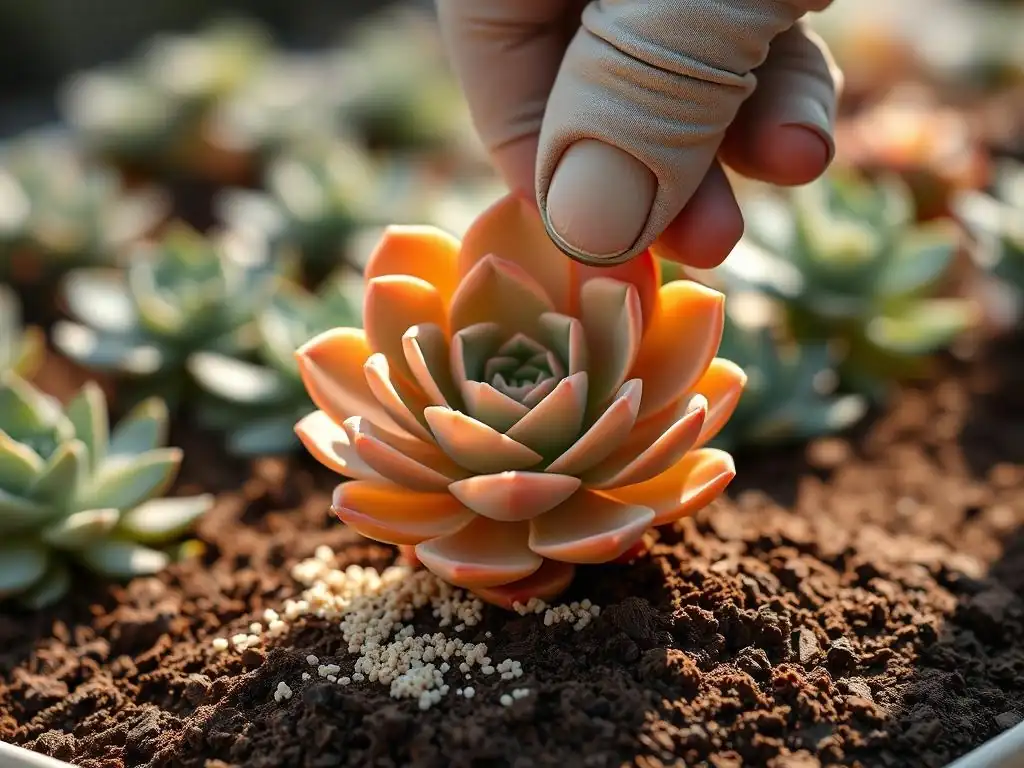
Spring is the ideal time to give your succulents a boost with fertilizer, encouraging vibrant growth and lush foliage throughout the warmer months. However, improper fertilization can harm your precious plants. Choosing the best succulent spring fertilizer and applying it correctly is crucial for success. This section details the process, emphasizing safety and optimal results. Remember, less is often more when it comes to fertilizing succulents; they are adapted to low-nutrient environments.
How to Properly Dilute Succulent Fertilizer for Spring Application
Over-fertilizing succulents is a common mistake leading to root burn and plant death. Always dilute your succulent fertilizer to less than the strength recommended on the package. A general rule of thumb is to dilute the recommended concentration by half, or even more, especially for young or recently repotted succulents.
For example, if the instructions indicate a 1:1 ratio (one part fertilizer to one part water), start with a 1:2 or even a 1:3 ratio (one part fertilizer to two or three parts water). Observe your plants closely after the first application. If you see no signs of stress (e.g., leaf discoloration, wilting), you can gradually increase the concentration in subsequent applications.
Here's a helpful table summarizing dilution ratios for different fertilizer types:
| Fertilizer Type | Recommended Dilution Ratio (Package) | Suggested Starting Dilution Ratio | Notes |
|---|---|---|---|
| Liquid Succulent Fertilizer | 1:1 | 1:3 | Begin with a weaker solution and gradually increase if needed. |
| Granular Succulent Fertilizer | As directed on package | Reduce amount by 50% or more | Apply sparingly and avoid direct contact with the plant's crown. |
| Slow-Release Fertilizer Pellets | As directed on package | Reduce amount by 50% or more | These release nutrients gradually, reducing the risk of over-fertilization. |
Remember to always use lukewarm water for mixing. Cold water can shock the roots and hinder nutrient absorption. 💧
Safe Fertilizer Application Techniques to Avoid Root Burn
Applying fertilizer directly to the succulent's crown or leaves can cause burning. Instead, apply the diluted fertilizer to the soil surrounding the plant. Avoid getting fertilizer on the leaves or stems.
Gentle watering after application helps distribute the nutrients evenly throughout the soil. Avoid overwatering, as this can lead to root rot, another common problem for succulents. This method is crucial for achieving optimal growth while preventing damage.
Here's a step-by-step guide:
- Prepare the diluted fertilizer: Follow the dilution instructions above, ensuring the solution is weak.
- Water the soil lightly: This pre-watering helps prevent fertilizer burn.
- Apply the fertilizer: Gently pour the diluted fertilizer around the base of the plant, ensuring it reaches the soil but avoids the leaves and crown.
- Water again lightly: This helps to wash any fertilizer that may have splashed onto the leaves and stems.
- Monitor your plants: Watch for any signs of stress, and adjust your fertilization schedule accordingly.
Frequency of Spring Fertilizer Application for Optimal Growth
The frequency of spring fertilizer application depends on several factors, including the type of fertilizer used, the succulent species, and the plant's overall health. Generally, applying fertilizer once every 2-4 weeks during the active growing season (spring and early summer) is sufficient.
However, always err on the side of caution. It is better to under-fertilize than to over-fertilize. Observe your plants closely. If they appear healthy and vibrant, you may not need to fertilize as frequently. If growth seems slow or the plants appear weak, you can increase the frequency slightly. Remember, every succulent is different, and careful observation is key to providing optimal care. 🌱
Remember to stop fertilizing your succulents in late summer/early fall as they enter their dormancy period. Over-fertilizing during dormancy can lead to problems. Choosing the best succulent spring fertilizer is only half the battle; proper application and mindful monitoring are equally vital for healthy, thriving succulents.
Common Spring Fertilizer Mistakes to Avoid
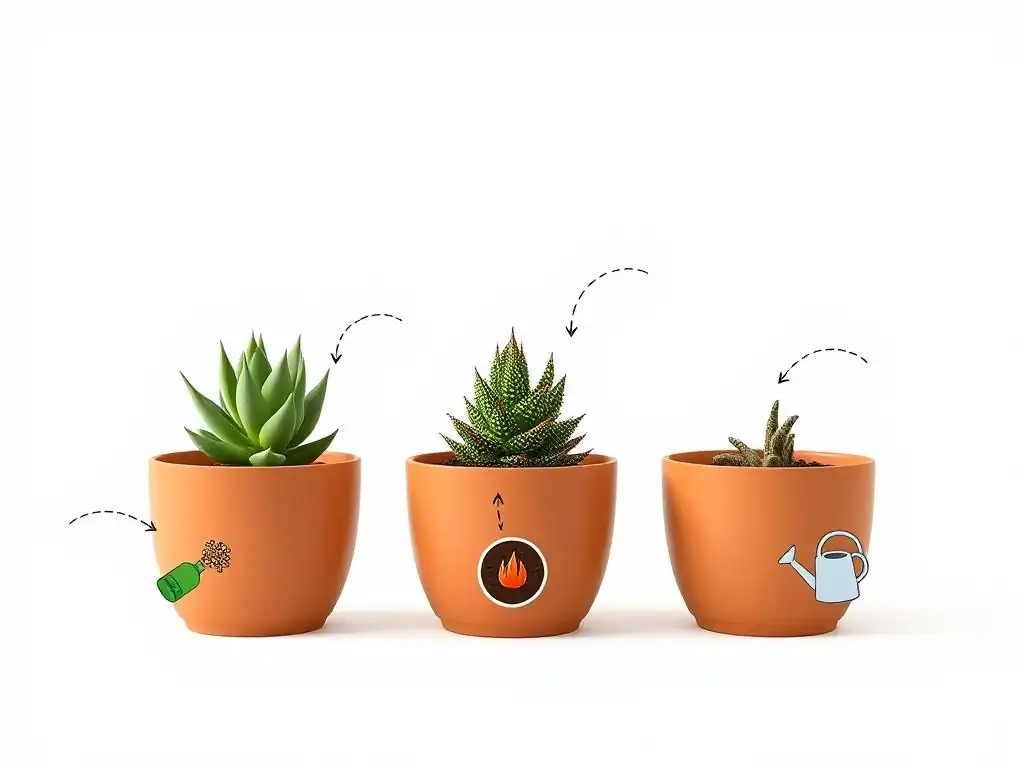
Spring is the perfect time to give your succulents a boost, but improper fertilization can lead to more harm than good. Many succulent enthusiasts, eager to see rapid growth, make common mistakes that can negatively impact the health and appearance of their plants. Let's explore some of these pitfalls and learn how to avoid them. Choosing the best succulent spring fertilizer requires understanding what not to do, just as much as knowing what to do.
Over-fertilizing Succulents in Spring: Signs and Solutions
Over-fertilizing is a significant concern, especially with succulents which are naturally adapted to low-nutrient environments. Too much fertilizer can lead to salt buildup in the soil, causing root burn and ultimately killing the plant. The symptoms of over-fertilization can be subtle at first, but become increasingly apparent as the problem worsens.
Signs of over-fertilization include:
- Leaf discoloration: Leaves may turn yellow, brown, or even develop burnt tips. This is often accompanied by a crispy or shriveled texture.
- Stunted growth: Ironically, excessive fertilizer can actually hinder growth, as the roots are damaged and unable to absorb nutrients effectively.
- Salt deposits on the soil surface: A white crusty residue on the soil's surface is a clear indication of salt buildup caused by excessive fertilizer.
- Root rot: In severe cases, over-fertilization can contribute to root rot, a condition where roots become mushy and unable to function.
Solutions for Over-Fertilized Succulents
The best course of action is preventative. Use a diluted fertilizer solution, and always follow the label instructions carefully. If you suspect over-fertilization, immediately flush the soil with plenty of water to leach out excess salts. Repotting into fresh, well-draining soil may be necessary in severe cases. Remember, it's always better to under-fertilize than over-fertilize.
Under-fertilizing Succulents: Recognizing Nutrient Deficiencies
While over-fertilization is a common problem, under-fertilization can also hinder growth and lead to other issues. Succulents, while drought-tolerant, still require essential nutrients for optimal health. A lack of nutrients can manifest in several ways.
Signs of under-fertilization include:
- Slow or stunted growth: This is a general indicator that the plant is not receiving sufficient nutrients.
- Pale or dull leaves: Leaves may lose their vibrant color and appear pale or washed out.
- Weak stems: The stems may become weak and spindly, lacking the structural integrity to support the plant.
- Increased susceptibility to pests and diseases: Nutrient deficiencies can weaken the plant's immune system, making it more vulnerable to pests and diseases.
The following table summarizes the visual symptoms of common nutrient deficiencies in succulents:
| Nutrient Deficiency | Symptoms |
|---|---|
| Nitrogen | Pale green or yellow leaves, stunted growth |
| Phosphorus | Dark green or purplish leaves, poor flowering |
| Potassium | Brown leaf tips and edges, weak stems |
Addressing under-fertilization involves using a balanced, diluted fertilizer specifically formulated for succulents. Remember consistent, moderate feeding is key.
Choosing the Wrong Type of Fertilizer for Spring Application
Not all fertilizers are created equal. Choosing the best succulent spring fertilizer means selecting one that's specifically formulated for succulents or cacti. Using a general-purpose fertilizer can be detrimental because it often contains high levels of nitrogen, which succulents don't need in large amounts. High nitrogen can lead to leggy growth and make the plants more susceptible to diseases.
Look for fertilizers with a balanced NPK ratio (Nitrogen-Phosphorus-Potassium) such as 10-10-10 or 5-10-5. The lower nitrogen content in these formulations is better suited to the needs of succulents. Furthermore, consider using a slow-release fertilizer to provide a consistent supply of nutrients over time, minimizing the risk of over-fertilization. Remember to always follow the instructions on the fertilizer packaging carefully, adjusting the dilution rate as needed based on the plant size and growth stage. A little goes a long way! 🌱
Maximizing Spring Growth with Proper Fertilizer Use
Spring is the ideal time to boost your succulents' growth with a carefully chosen fertilizer. Understanding the specific nutrient needs of succulents is crucial for maximizing their vibrant health and minimizing the risk of damage. Unlike many other plants, succulents are particularly sensitive to over-fertilization, which can lead to root rot and other issues. Therefore, selecting the best succulent spring fertilizer involves considering both the type and the amount of nutrients provided.
The key is to opt for a balanced, low-nitrogen fertilizer. High nitrogen levels promote lush, leafy growth, which is undesirable in succulents. Instead, succulents thrive with a balanced ratio of nitrogen (N), phosphorus (P), and potassium (K), often represented as an NPK ratio. A good starting point for succulent fertilizers is a 10-10-10 or even a lower ratio like 5-5-5. Always follow the instructions on the fertilizer packaging carefully, as the recommended application rate will vary depending on the product and the size of your plants. Remember, it's better to under-fertilize than to over-fertilize succulents.
Combining Spring Fertilization with Other Care Practices for Optimal Results
Effective spring fertilization isn't just about applying the best succulent spring fertilizer; it's about integrating it into a comprehensive care routine. Proper watering is paramount. Ensure your succulents have well-draining soil to prevent waterlogging, which can negate the benefits of fertilization and even lead to root rot. Avoid overwatering, especially after fertilizing, as this can further increase the risk of root damage. Remember, succulents store water in their leaves, so they don't need frequent watering.
Furthermore, adequate sunlight is essential for healthy succulent growth. Most succulents thrive in bright, indirect sunlight. Ensure your plants receive at least six hours of sunlight per day, adjusting their placement as needed throughout the spring season. Combining proper sunlight exposure with appropriate watering and fertilizer application will significantly enhance their growth and overall health. Monitor the soil moisture levels regularly, using your finger to check the dryness before watering. This prevents overwatering and ensures optimal nutrient uptake.
| Care Practice | Description | Importance |
|---|---|---|
| Watering | Water deeply but infrequently, allowing soil to dry completely between waterings. | Prevents root rot and ensures efficient nutrient absorption. |
| Sunlight Exposure | Provide at least 6 hours of bright, indirect sunlight daily. | Promotes photosynthesis and healthy growth. |
| Fertilizer Application | Use a balanced, low-nitrogen fertilizer at the recommended rate. | Provides essential nutrients for optimal growth without causing damage. |
| Soil Drainage | Ensure well-draining soil to prevent waterlogging. | Prevents root rot and ensures healthy root development. |
Monitoring Succulent Health After Spring Fertilization
After applying spring fertilizer, closely monitor your succulents for any signs of stress or distress. Look for changes in leaf color, texture, or shape. Yellowing, browning, or wilting leaves could indicate over-fertilization or other problems. Similarly, observe the soil for any signs of excessive moisture or salt buildup. Salt buildup can occur with prolonged fertilizer use. If you notice any issues, immediately reduce or cease fertilization and adjust your watering practices as needed.
Regularly checking for pests and diseases is also crucial. Spring is a time of increased activity for many pests and diseases, so carefully inspect your succulents for any signs of infestation or infection. Take prompt action to address any problems you find. Early detection and treatment are essential for preventing widespread damage. Remember, proactive monitoring allows for timely intervention and prevents minor issues from escalating into major problems. Document your observations – noting dates, fertilizer type and amounts used, and any changes observed in your succulents – to track their progress and refine your care practices over time.
Several common spring succulent growth issues are directly or indirectly linked to nutrient deficiencies or imbalances. For example, slow or stunted growth might indicate a lack of essential nutrients, while leaf discoloration can signify an imbalance. Leggy growth (where the plant becomes tall and spindly) often suggests insufficient sunlight, even with proper fertilization.
- Yellowing leaves: This can indicate either over-fertilization (burning the roots) or a nitrogen deficiency (though less likely given succulents' sensitivity to nitrogen). Check your watering and fertilization practices.
- Browning leaves: This could be a sign of sunburn, underwatering, or over-fertilization. Examine the conditions your succulents are in.
- Stunted growth: This might indicate insufficient nutrients or poor soil drainage. Consider adjusting your fertilization schedule and/or repotting.
- Root rot: A serious issue, root rot is often caused by overwatering, especially when combined with over-fertilization. It's characterized by mushy, dark roots. If root rot is suspected, immediate action is needed, often involving repotting with fresh soil and trimming affected roots.
Remember, consistent observation and careful attention to detail are essential for ensuring the healthy growth of your succulents throughout the spring season. By using the best succulent spring fertilizer and following sound care practices, you can help your succulents thrive and flourish. 🌱
Frequently Asked Questions
What is the best succulent spring fertilizer?
A balanced, water-soluble fertilizer with a lower nitrogen content, such as a 10-10-10 or a 20-20-20 diluted to half strength, is generally recommended for succulents in spring. Avoid high-nitrogen formulas as they can promote leggy growth.
When should I start fertilizing my succulents in spring?
Begin fertilizing your succulents after the last frost and when you see signs of new growth. This usually happens in late spring or early summer, depending on your climate.
How often should I fertilize my succulents in spring?
Fertilize your succulents once a month during the active growing season (spring and summer). Reduce frequency or stop completely during dormancy (fall and winter).
What type of fertilizer should I avoid using on my succulents?
Avoid fertilizers that are high in nitrogen. Excessive nitrogen can lead to weak, leggy growth and make your succulents more susceptible to pests and diseases. Also, avoid slow-release fertilizers.
What are the signs of a succulent needing fertilizer?
Look for slow growth, pale or yellowing leaves, or weak stems. These can be indicators of nutrient deficiencies and a need for fertilization. However, over-fertilizing can cause similar problems, so proceed with caution.
Final Reflection: Nurturing Growth, Inside and Out
The right nutrients at the right time are crucial, not just for thriving succulents, but for thriving lives. Choosing the best spring fertilizer for your succulents isn't just about achieving vibrant blooms; it's about understanding the delicate balance needed for healthy growth. This understanding translates directly to other areas of our lives, demanding careful consideration of what nourishes us and what might hinder our progress.
The impact of mindful nurturing extends far beyond the garden. We, too, require the right "fertilizers" – be it supportive relationships, enriching experiences, or the pursuit of knowledge – to flourish. The best fertilizer is your own shadow.
This often-overlooked quote reminds us that self-reflection and understanding our own limitations are crucial for growth. Just as we carefully select nutrients for our plants, we must be equally discerning about the influences we allow into our lives.
Consider the lessons learned here. What are the "nutrients" you need to cultivate your own personal growth this spring? Take a moment to reflect on the areas of your life that need attention, and identify the "fertilizers" that will help you bloom. Don't be afraid to experiment, to learn from mistakes, and to nurture yourself with the same care and attention you give to your beloved succulents. Your journey towards flourishing awaits.
Unleash Your Succulents' Spring Potential!
Thank you for exploring the world of succulent fertilization! You now have the knowledge to nurture your plants to vibrant, healthy growth. Ready to put your expertise into action?
- Prioritize your initial feeding: Begin by applying a fertilizer specifically formulated for succulents. Closely monitor their response over the next few weeks.
- Share your succulent success! Take a picture of your thriving plants and share it on social media using #SucculentEssentialsSpringBoost. Let's inspire other succulent enthusiasts!
- Experiment with application methods: Try different approaches, such as using a watering can or a spray bottle, to determine the most effective method for your succulent collection.
What unique approach will you take to invigorate your succulents this spring? Share your ideas in the comments below!