
Understanding Succulent Phylloclades and Their Functions

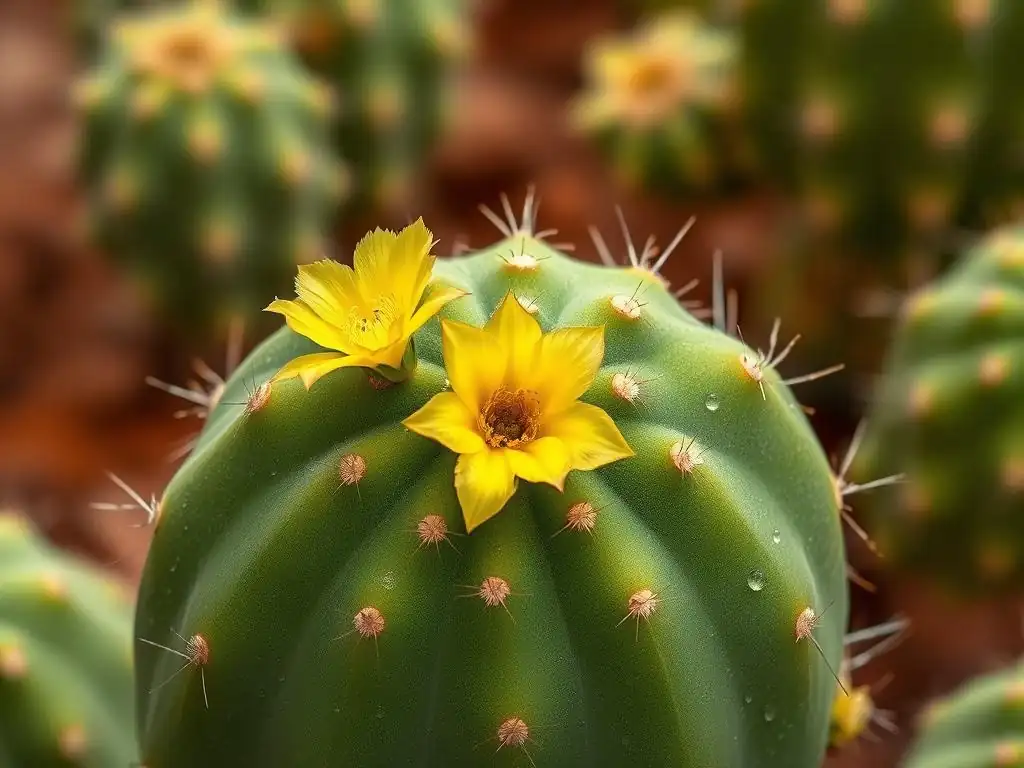
Welcome to SucculentEssentials.org, where the fascinating world of succulents unfolds before you! Are you ready to unlock the secrets to thriving succulents? We delve into every aspect of succulent care, from basic maintenance to advanced techniques. But first, let's unravel the mystery behind succulent phylloclade care. Discover the unique characteristics and care requirements of these intriguing plant structures in our comprehensive guide – your journey to succulent mastery begins now!
- What are Succulent Phylloclades? A Comprehensive Guide
- The Role of Phylloclades in Succulent Survival
-
Succulent Phylloclade Care Guide: Cultivation and Propagation
- Light Requirements for Optimal Phylloclade Growth
- Watering Phylloclades: Avoiding Overwatering and Underwatering
- Soil and Fertilizer Needs for Healthy Phylloclades
- Propagation Techniques for Succulents with Phylloclades: Cuttings and Offsets
- Common Problems and Their Solutions: Pest and Disease Management in Phylloclades
- Phylloclades in Different Succulent Genera
- Frequently Asked Questions
- Final Reflection: The Enduring Wonder of Succulent Phylloclades
- Unleash Your Inner Succulent Expert!
What are Succulent Phylloclades? A Comprehensive Guide
Succulents, with their diverse shapes and stunning resilience, captivate plant enthusiasts worldwide. Understanding their unique morphology is key to successful cultivation and appreciation. This guide delves into the fascinating world of succulent phylloclades, exploring their structure, function, and how they differ from typical succulent leaves. We'll equip you with the knowledge to identify phylloclades and provide optimal care, ensuring your succulent collection thrives. This detailed exploration will serve as your ultimate Succulent phylloclade care guide, empowering you to better understand and nurture these remarkable adaptations. Prepare to uncover the secrets behind these fascinating plant structures and elevate your succulent-growing expertise!
Defining Phylloclades: Structure and Morphology in Succulents
Phylloclades, in the context of succulents, are flattened, stem-like structures that perform the functions typically associated with leaves. Unlike true leaves which develop from buds in the axils of leaves, phylloclades are modified stems that arise from nodes on the main stem. They are often fleshy and succulent, adapted to store water and withstand harsh environmental conditions. Their morphology varies greatly depending on the succulent species.
Some phylloclades are cylindrical, while others are flattened and leaf-like, sometimes exhibiting spines or other modifications for protection. The internal structure also shows adaptations for water storage; they often possess a specialized parenchyma tissue with large water-storage cells. Understanding this structure is fundamental to proper watering and environmental control for optimal succulent phylloclade care. Think of them as nature’s ingenious solution to arid environments – a stem cleverly disguised as a leaf!
Identifying Phylloclades: Key Visual Characteristics and Examples
Identifying phylloclades requires careful observation. Key visual characteristics include their stem-like origin (arising from nodes on the main stem, not from leaf axils), their often flattened or cylindrical shape, and their fleshy, succulent texture. Many phylloclades are photosynthetic, exhibiting a green or bluish-green coloration. However, some species may have differently colored phylloclades, depending on their adaptation to specific light conditions.
Here are a few examples of succulents known for their phylloclades:
- Opuntia species (Prickly Pears): The iconic flattened pads of prickly pear cacti are excellent examples of phylloclades. These pads are responsible for photosynthesis and water storage.
- Epiphyllum species (Orchid Cactus): These epiphytic cacti showcase flattened, leaf-like phylloclades, often with serrated edges.
- Muehlenbeckia complexa (Creeping Muehlenbeckia): This species exhibits small, scale-like phylloclades, contributing to its unique appearance.
Remember, careful observation of the stem's origin and the structure's overall morphology will aid in correct identification. Consider using a hand lens to examine the details, especially the presence of areoles (small, specialized structures) in cacti, which are indicative of modified stems.
Phylloclades vs. Leaves: Understanding the Distinction in Succulents
While phylloclades mimic the function of leaves, they are fundamentally different structures. The key distinction lies in their origin and developmental process. Leaves develop from leaf buds located in the axils of other leaves, while phylloclades are modified stems developing from nodes on the main stem. This seemingly subtle difference has significant implications for plant care. For instance, damage to a leaf might be easily replaced, whereas damage to a phylloclade can impact the plant's overall photosynthetic capacity and water storage more significantly. Understanding this distinction is crucial for the proper Succulent phylloclade care guide, allowing you to tailor your approach based on the plant's unique characteristics and vulnerabilities. Careful pruning and propagation techniques should be employed to avoid harming these vital structures.
The Role of Phylloclades in Succulent Survival
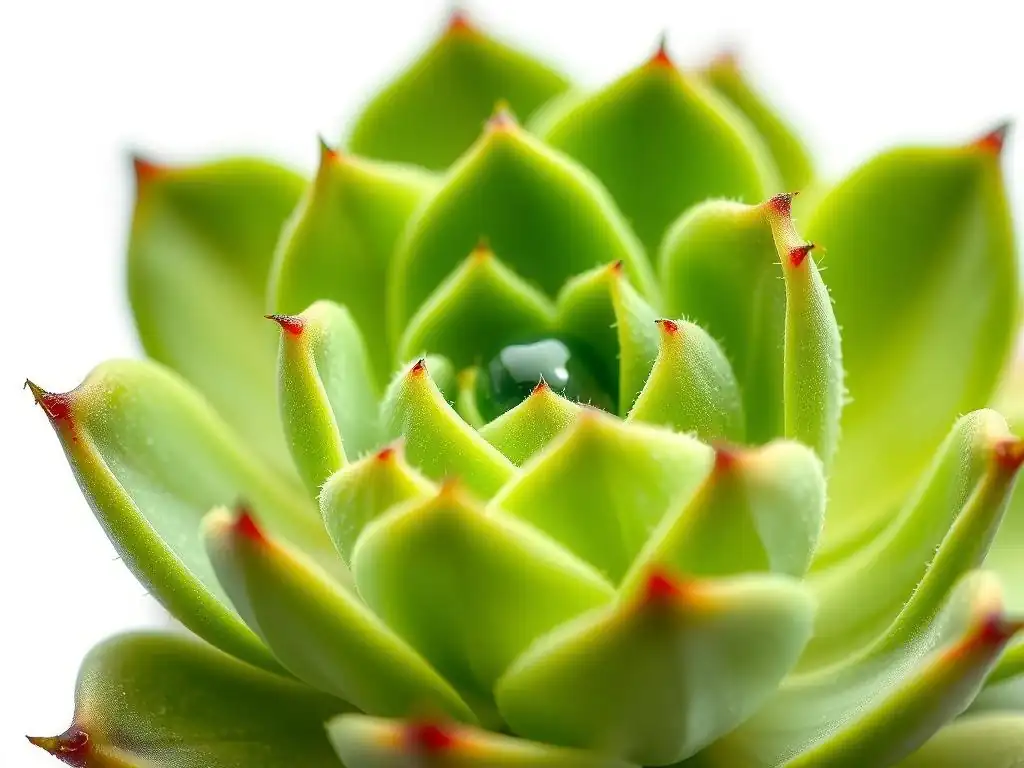
Phylloclades, the flattened, stem-like structures found in many succulent species, play a crucial role in their survival, particularly in harsh, arid environments. These modified stems aren't just visually interesting; they represent a key evolutionary adaptation that allows succulents to thrive where other plants struggle. Understanding their function is key to providing optimal succulent phylloclade care guide.
This section will delve into the specific ways phylloclades contribute to the overall health and resilience of these fascinating plants. We'll explore their involvement in photosynthesis, water storage, and adaptation to drought conditions, highlighting the unique characteristics that make them so effective. The variations in phylloclade morphology will also be examined, showcasing the remarkable adaptability of succulents to diverse ecological niches.
Photosynthesis and Water Storage in Phylloclades
Succulent phylloclades are remarkably efficient at both photosynthesis and water storage. Unlike traditional leaves, which are often thin and delicate, phylloclades are thicker and more robust. This increased thickness allows for greater water storage capacity.
The cells within the phylloclade are specialized to store water efficiently, minimizing water loss through transpiration. Furthermore, the chlorophyll within the phylloclade's tissue allows for photosynthesis, enabling the plant to produce its own food even under conditions of limited water availability. The efficiency of this dual function is a testament to the evolutionary success of phylloclades in arid and semi-arid environments.
Studies have shown that some succulent species with phylloclades can maintain photosynthetic activity even during prolonged periods of drought, thanks to their efficient water storage mechanisms and reduced water loss from the phylloclade surface. This ability is critical for survival in environments where water is scarce and unpredictable. The effectiveness of this dual function is further enhanced by the often waxy or leathery texture of the phylloclade, which reduces water loss through transpiration.
Adaptations for Arid Environments: The Function of Phylloclades
The evolution of phylloclades in succulents is a prime example of adaptation to arid environments. These structures are ideally suited to minimize water loss and maximize water uptake. The reduced surface area compared to traditional leaves minimizes the area exposed to the sun and wind, thus reducing transpiration.
Many phylloclades also possess a waxy coating or a thick cuticle which further reduces water loss. In addition to water conservation, phylloclades provide protection from intense sunlight and high temperatures. Their shape and orientation often allow them to minimize direct sun exposure during the hottest parts of the day.
This is particularly beneficial in desert environments where intense solar radiation can quickly deplete a plant's water reserves. The structural integrity of phylloclades also provides protection against herbivores and physical damage, contributing to the overall survival of the plant. Specific examples, such as the opuntia cactus (prickly pear), clearly demonstrate the effectiveness of phylloclades in harsh conditions, allowing them to thrive in some of the most challenging environments on Earth.
Phylloclade Modifications: Variations in Shape and Size
The shape and size of phylloclades vary considerably among different succulent species, reflecting their adaptations to specific environmental conditions and ecological niches. Some phylloclades are flat and paddle-shaped, while others are cylindrical or even segmented. The size can range from a few centimeters to several meters in length, depending on the species and growing conditions.
These variations are not merely aesthetic; they represent functional adaptations to optimize photosynthesis, water storage, and protection against environmental stressors. For instance, flat, broad phylloclades may be better suited to capturing sunlight in environments with low light levels, while cylindrical phylloclades might be better at reducing water loss in extremely dry conditions. The segmented nature of some phylloclades may offer advantages in terms of structural support and resilience to damage.
Understanding these variations is essential for providing appropriate care, recognizing that different succulent species with phylloclades will have unique needs in terms of sunlight, watering, and overall cultivation practices. Careful observation of the phylloclade morphology can provide valuable insights into the plant's adaptation strategies and inform best practices for succulent phylloclade care guide.
Succulent Phylloclade Care Guide: Cultivation and Propagation
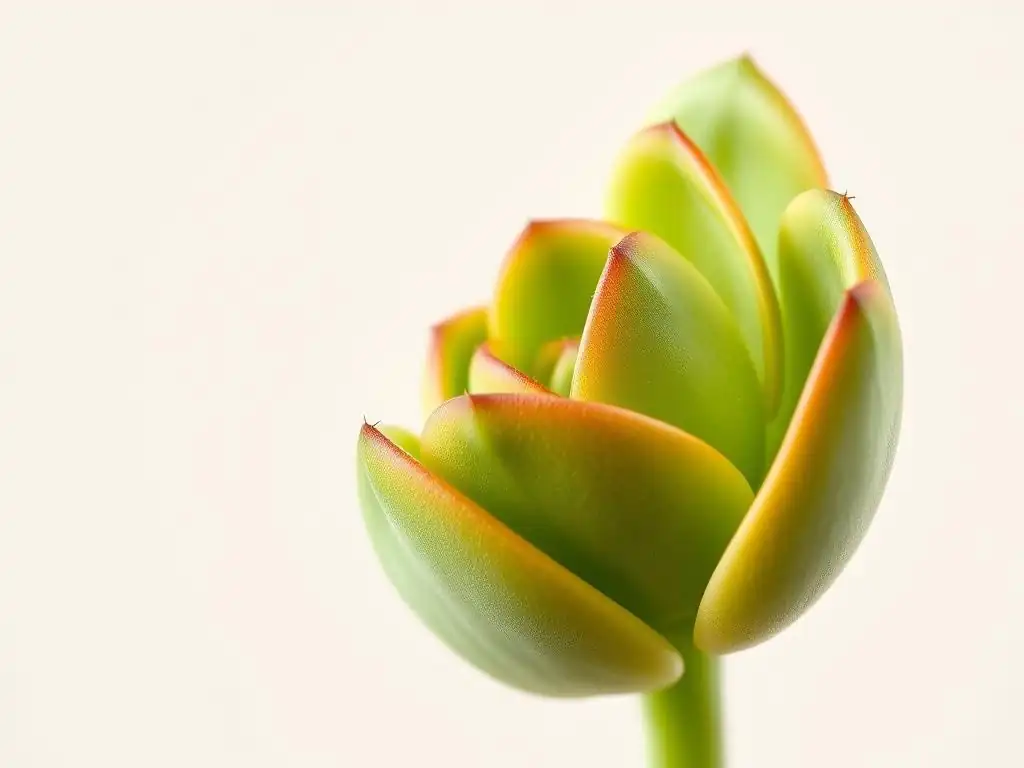
This section delves into the specific care requirements for succulents featuring phylloclades, those fascinating flattened stems that often mimic leaves. Understanding these unique structures is crucial for successful cultivation and propagation. Proper care ensures healthy growth and vibrant displays of these striking succulent adaptations. This guide provides a detailed approach to cultivating and propagating succulents with phylloclades, optimizing their growth and beauty.
Light Requirements for Optimal Phylloclade Growth
Phylloclades, being modified stems, have slightly different light needs than typical succulent leaves. While most succulents thrive in bright, indirect light, phylloclades often benefit from a bit more direct sunlight, particularly during cooler months. However, excessive direct sun, especially during the hottest part of the day, can scorch their delicate surfaces.
The ideal light exposure for phylloclades involves a balance: several hours of direct sunlight (ideally morning sun) followed by filtered or dappled light for the remainder of the day. Observe your plants closely; signs of sunburn (brown or bleached patches) indicate too much direct sun, while etiolation (leggy growth and pale coloration) suggests insufficient light.
Consider the specific species; some Opuntia cacti (a prime example of phylloclade-bearing succulents) tolerate intense sun better than others. Rotating your plants regularly ensures even light exposure and prevents uneven growth. During winter months, when light intensity is lower, you might need to supplement with grow lights to maintain healthy phylloclade development. For optimal growth, aim for a daily light cycle mimicking their natural habitat, adjusting for seasonal changes in sunlight intensity.
Watering Phylloclades: Avoiding Overwatering and Underwatering
Proper watering is paramount for the health of succulents with phylloclades. Overwatering is a common mistake, leading to root rot and other fungal diseases. Underwatering, on the other hand, can cause the phylloclades to shrivel and become brittle. The key is to strike a balance, allowing the soil to dry out completely between waterings.
The frequency of watering depends on several factors, including the type of succulent, the size of the pot, the season, and the ambient temperature and humidity. During the growing season (spring and summer), water more frequently, but always ensure the soil is completely dry before watering again. Reduce watering significantly during the dormant season (fall and winter). Feel the soil's moisture level before watering; if the top inch or two is dry, it's time to water.
Use a well-draining potting mix specifically formulated for succulents. Avoid letting water sit in the saucer beneath the pot, as this can lead to root rot. Watering deeply but infrequently is preferable to shallow, frequent watering, encouraging deeper root growth. Monitor your plants for signs of overwatering (soft, mushy phylloclades, yellowing) or underwatering (shriveled, wrinkled phylloclades). Adjust your watering schedule accordingly. Remember, it's always better to underwater slightly than to overwater.
Soil and Fertilizer Needs for Healthy Phylloclades
The soil composition plays a crucial role in the health and growth of succulents with phylloclades. These plants require well-draining soil that prevents waterlogging, a major cause of root rot. A commercial succulent and cactus potting mix is an excellent choice, or you can create your own by mixing regular potting soil with perlite, pumice, or coarse sand to improve drainage and aeration.
Fertilizing succulents with phylloclades should be done sparingly. Over-fertilizing can lead to salt buildup in the soil, harming the roots. A balanced, diluted succulent fertilizer applied during the growing season (spring and summer) is sufficient. Follow the instructions on the fertilizer label carefully, typically applying at half or even quarter strength. Avoid fertilizing during the dormant season (fall and winter) when the plants are not actively growing.
Consider the specific nutrient needs of your succulent species. Some may benefit from a slightly higher phosphorus content to promote flowering, while others might require a balanced NPK ratio for overall growth. Observe your plants closely; signs of nutrient deficiency (pale coloration, stunted growth) may indicate the need for additional fertilization, but always err on the side of caution and avoid over-fertilizing. Healthy soil and moderate fertilization are key to cultivating thriving succulents with phylloclades.
Propagation Techniques for Succulents with Phylloclades: Cuttings and Offsets
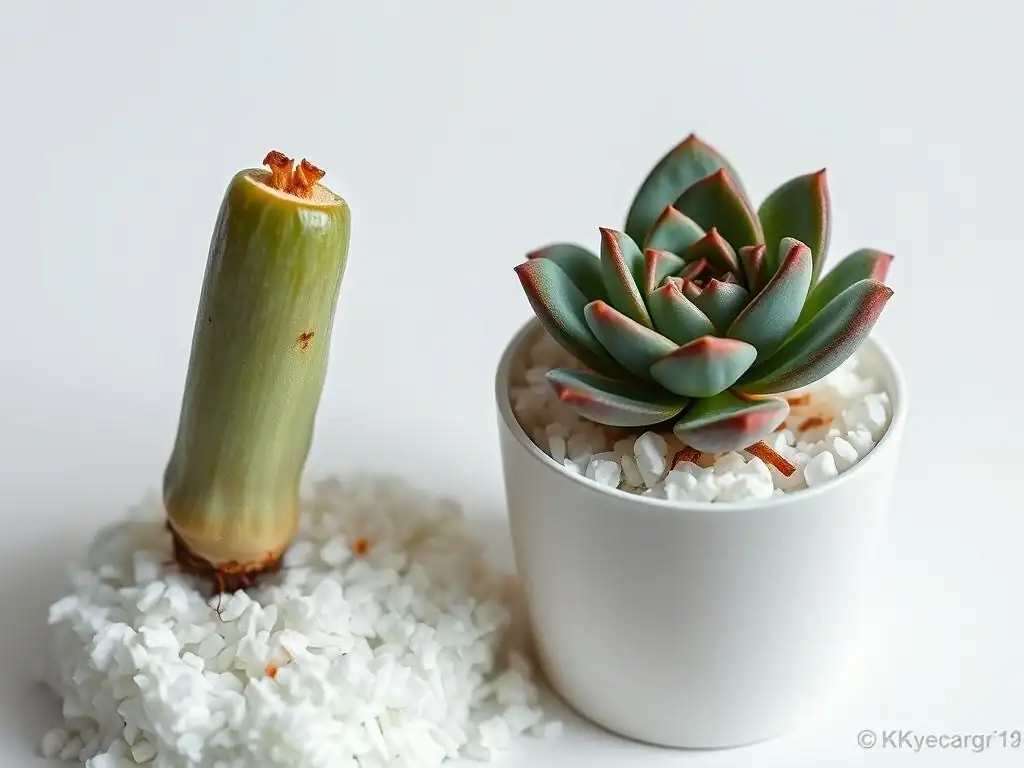
Phylloclades, the flattened stems that resemble leaves in many succulent species, offer unique propagation opportunities. Unlike propagating from leaves, which is common in many succulents, phylloclades present a slightly different approach. Successful propagation hinges on understanding their structure and water retention capabilities. Overwatering is a significant risk during propagation, as it can lead to rot before the cutting can establish roots.
One primary method is stem cuttings. Choose healthy, mature phylloclades that are firm and free from blemishes or signs of disease. Using a sharp, clean knife or shears, cut a section of the phylloclade, ensuring the cutting is at least 2-3 inches long. Allow the cut end to callus over for a few days in a dry, shaded area. This crucial step prevents rot.
Once calloused, plant the cutting in a well-draining succulent potting mix. Avoid burying the entire cutting; a shallow planting, with only the bottom inch or so submerged, is sufficient. Water sparingly, only when the soil is completely dry. Root development can take several weeks, depending on the species and environmental conditions. High humidity, provided by a humidity dome or plastic bag, can aid in root development, but ensure adequate ventilation to prevent fungal growth.
Another effective technique is using offsets, which are small plantlets that grow from the base of the main plant or along the phylloclades themselves. These offsets often develop their own small root system. Gently separate the offset from the parent plant, ensuring that you have a small portion of root attached. Plant the offset in the same well-draining succulent potting mix as with the cuttings.
Again, avoid overwatering. The established root system of the offset generally allows for quicker establishment compared to cuttings. Regular monitoring for any signs of rot or pest infestation is crucial for both cuttings and offsets.
Remember that patience is key when propagating succulents with phylloclades. Consistent care and attention to watering are crucial for successful propagation. Different succulent species may exhibit varying propagation success rates; researching the specific needs of your plant is always recommended. 🌱
Common Problems and Their Solutions: Pest and Disease Management in Phylloclades
Phylloclades, while adapted to arid conditions, are not immune to pests and diseases. Early detection and prompt treatment are vital to prevent widespread damage. Common pests include mealybugs, aphids, and scale insects. These sap-sucking insects can weaken the plant and cause unsightly damage. Regular inspection is crucial for early identification.
Mealybugs, identifiable by their cottony white masses, can be treated with insecticidal soap or neem oil. Apply these solutions directly to the infested areas, ensuring thorough coverage. Repeat applications may be necessary to eliminate all stages of the pest life cycle. Aphids, small, soft-bodied insects, can also be controlled with insecticidal soap or neem oil.
For severe infestations, consider using a systemic insecticide, but always follow the manufacturer's instructions carefully. Scale insects, which appear as small, hard bumps on the phylloclades, are more challenging to control. Scraping them off manually can be effective for small infestations. For larger infestations, insecticidal soap or horticultural oil may be necessary.
Beyond pests, fungal diseases such as root rot and leaf spot can also affect phylloclades. Root rot, often caused by overwatering, manifests as soft, mushy stems and a foul odor. Prevention is key, ensuring well-draining soil and avoiding overwatering. If root rot occurs, removing the affected parts and repotting in fresh, dry soil may be necessary. Leaf spot, characterized by brown or black spots on the phylloclades, can be treated with a fungicide. Good air circulation and avoiding overhead watering can help prevent fungal diseases.
Proper succulent phylloclade care involves vigilant monitoring for any signs of stress, including discoloration, wilting, or pest activity. A proactive approach to pest and disease management is essential to maintain the health and vitality of these unique succulent structures. Remember to always identify the specific problem before applying any treatment. Using the correct method and taking preventative measures will ensure your succulents thrive. 🐛🚫
Phylloclades in Different Succulent Genera
Phylloclades, those fascinating flattened stems that mimic leaves, are a key characteristic of certain succulent genera. Understanding their diversity across different plant families is crucial for effective succulent phylloclade care. While many associate succulents with fleshy leaves, the evolutionary adaptation of phylloclades highlights the remarkable plasticity of these plants in arid and semi-arid environments.
The development of phylloclades represents a strategy to reduce water loss and enhance survival in harsh conditions. This adaptation allows for efficient photosynthesis while minimizing the surface area exposed to the sun's intense rays and drying winds. The specific structure and function of phylloclades can vary significantly depending on the genus and even the species within a genus.
This variation underscores the importance of species-specific care guidelines for optimal plant health. Proper watering, sunlight exposure, and fertilization techniques should be tailored to the specific needs of each succulent with phylloclades. Ignoring these nuanced requirements can lead to stunted growth, wilting, or even plant death.
Examples of Succulents with Notable Phylloclades: Opuntia, Pereskia, Epiphyllum
The most well-known examples of succulents exhibiting prominent phylloclades are found within the Cactaceae family. Let's examine three notable genera:
- Opuntia: Prickly pear cacti are perhaps the most iconic examples, showcasing their flattened, paddle-like phylloclades. These phylloclades are often covered in spines and glochids (tiny barbed bristles), providing protection from herbivores. Their large surface area allows for efficient photosynthesis, while their succulent nature enables water storage. Different Opuntia species exhibit variations in phylloclade size, shape, and color, reflecting their adaptation to diverse environmental conditions. For instance, Opuntia ficus-indica has large, broad phylloclades, while Opuntia microdasys possesses smaller, densely covered ones.
- Pereskia: Often referred to as leaf cacti, Pereskia species are unique in that they retain true leaves alongside their phylloclades. This characteristic makes them somewhat of a transitional form, showcasing the evolutionary path from leafy ancestors to the more specialized phylloclade-dominant cacti. The leaves, although present, are typically smaller and more delicate than the phylloclades, highlighting the phylloclade's primary role in photosynthesis and water storage. Their care requirements reflect this dual structure, requiring attention to both the leaf and phylloclade health.
- Epiphyllum: These epiphytic cacti, also known as orchid cacti, possess flattened, leaf-like stems (phylloclades) that are often broader and thinner than those of Opuntia. Their phylloclades are typically more elongated and less fleshy, reflecting their adaptation to a more humid and shaded environment compared to many desert cacti. The stunning nocturnal blooms of many Epiphyllum species further highlight their unique characteristics. Understanding their specific light and humidity needs is crucial for successful cultivation.
Variations in Phylloclade Appearance Across Species
The appearance of phylloclades is remarkably diverse, even within a single genus. This variation is a testament to the adaptive plasticity of succulents. Factors such as climate, sunlight exposure, and soil conditions all influence phylloclade development. For example, succulents grown in full sun often develop thicker, more compact phylloclades to conserve water, while those in shadier conditions may have thinner, more elongated ones. The color of phylloclades can also vary significantly, ranging from deep greens to blues, purples, and even reds, depending on the species and environmental factors.
Furthermore, the texture of phylloclades can range from smooth and waxy to rough and bumpy. Some species may even exhibit spines or tubercles on their phylloclades, further contributing to their diverse appearances. This diversity underscores the need for careful observation and species-specific care guidelines. A succulent phylloclade care guide should account for these variations to ensure optimal plant health.
The Evolutionary Significance of Phylloclades in Succulents
The evolution of phylloclades in succulents represents a significant adaptation to arid environments. By reducing leaf surface area and storing water within the thickened stems, these plants have successfully colonized some of the most challenging habitats on Earth. The reduction in leaf surface area minimizes water loss through transpiration, a crucial survival mechanism in water-scarce conditions. The succulent nature of the phylloclades allows for efficient water storage during periods of drought.
Furthermore, the often-spiny or waxy surfaces of phylloclades provide protection from herbivores, further enhancing their survival. The evolutionary success of phylloclades is evident in the wide distribution and diversity of succulent species that exhibit this adaptation. Studying the evolutionary trajectory of phylloclades provides valuable insights into the remarkable resilience and adaptability of succulent plants. Understanding this evolutionary context is key to appreciating the intricacies of succulent phylloclade care and appreciating the unique adaptations of these remarkable plants.
Frequently Asked Questions
What is a succulent phylloclade?
A succulent phylloclade is a modified stem that has taken on the appearance and function of a leaf. It's a specialized adaptation found in some succulent species to conserve water in arid environments. These flattened stems perform photosynthesis.
How do I identify a phylloclade on a succulent?
Look for flattened, leaf-like stems instead of true leaves. Phylloclades are often thick and fleshy, showcasing the plant's water storage capabilities. They may have small, scale-like leaves or lack leaves entirely.
What is the best way to water succulents with phylloclades?
Water thoroughly when the soil is completely dry, allowing excess water to drain completely. Avoid overwatering, which can lead to root rot. The frequency of watering depends on the environment and the specific species.
How do I propagate succulents with phylloclades?
Propagation is often done through stem cuttings. Allow the cutting to callous over before planting in well-draining soil. Humidity can help with rooting; you can use a humidity dome or cover the pot.
What are some common problems associated with succulent phylloclade care?
Overwatering is the most common issue, leading to rot. Insufficient sunlight can cause etiolation (leggy growth). Pest infestations such as mealybugs can also affect phylloclades; treat promptly with appropriate insecticides.
Final Reflection: The Enduring Wonder of Succulent Phylloclades
Understanding succulent phylloclades is not merely a botanical pursuit; it's a key to unlocking the resilience and beauty of a fascinating plant adaptation. These modified stems, so often mistaken for leaves, represent a powerful testament to nature's ingenuity in arid environments, a lesson that holds increasing relevance in our increasingly water-stressed world. Their ability to thrive under harsh conditions offers valuable insights into sustainable design and resource management.
The study of succulent phylloclades has profoundly impacted my own approach to gardening, shifting my focus from simply cultivating plants to understanding their intricate survival strategies. The more we learn about the natural world, the more we realize how much we have yet to learn.
This quote underscores the ongoing journey of discovery that awaits us as we continue to explore the complexities of plant adaptations like phylloclades. Their unique morphology and physiological functions continue to inspire innovation in fields ranging from architecture to water conservation techniques.
Now, consider your own relationship with the natural world. Have you ever paused to appreciate the subtle intricacies of a plant's survival mechanisms? I encourage you to take a closer look at the succulents in your life – or even seek out new ones – and marvel at the remarkable adaptations that allow them to flourish. By understanding the needs of these fascinating plants, we not only improve our gardening skills but also cultivate a deeper appreciation for the resilience and beauty of the natural world, inspiring us to find our own ways to thrive in challenging circumstances.
Unleash Your Inner Succulent Expert!
Thanks for exploring the fascinating world of succulents with us! We hope you gained a deeper appreciation for these amazing plants. Ready to take your succulent knowledge to the next level?
- Deepen your understanding: Research different succulent species and observe their remarkable diversity. Try identifying unique leaf structures on your own succulents.
- Share your discoveries: Post a picture of your favorite succulent on social media and tag us #SucculentLove!
- Join the conversation: What surprising facts about succulents have you uncovered? Share your insights in the comments below!
What unique challenges or successes have you experienced while caring for succulents?