
Genetic Strategies for Enhancing Succulent Nutrient Uptake


Welcome to SucculentEssentials.org, where the fascinating world of succulents unfolds! Are you ready to unlock the secrets to thriving succulent gardens? We delve into the intriguing science behind plant health, and in our latest article, "Genetic Strategies for Enhancing Succulent Nutrient Uptake," we explore cutting-edge research on improving succulent nutrient absorption. Discover how to nurture your plants to their fullest potential – your journey to succulent mastery begins here!
- Understanding Succulent Nutrient Absorption Mechanisms
- Genetic Modification for Improved Nutrient Uptake
- Marker-Assisted Selection for Nutrient-Efficient Succulents
- Hybridization Strategies for Improved Nutrient Uptake
- Future Directions in Genetic Improvement of Succulent Nutrient Uptake
-
Frequently Asked Questions
- How can I improve my succulents' nutrient absorption naturally?
- What role does soil pH play in succulent nutrient absorption?
- Are there specific fertilizers ideal for enhancing nutrient uptake in succulents?
- How does proper watering impact nutrient absorption in succulents?
- Can genetic modification improve succulent nutrient absorption?
- Final Reflection: Cultivating a Thriving Future for Succulents
- Unlock Your Succulents' Full Potential: Nurture Thriving Growth!
Understanding Succulent Nutrient Absorption Mechanisms
Succulents, with their remarkable adaptability to arid conditions, present a fascinating case study in plant physiology. Understanding how these plants efficiently absorb nutrients is crucial for cultivating healthy, vibrant specimens. This article delves into the genetic strategies employed to enhance succulent nutrient uptake, focusing on the intricate interplay between root systems, soil composition, and the identification of nutrient deficiencies.
Improving succulent nutrient absorption is key to maximizing growth, flowering, and overall plant health, and this exploration will equip you with the knowledge to optimize your succulent care practices. We'll investigate the genetic underpinnings that influence nutrient uptake, paving the way for future advancements in succulent cultivation and hybridization. This research is vital for both seasoned succulent enthusiasts and those just beginning their journey into the captivating world of these drought-tolerant plants.
The Role of Root Systems in Nutrient Acquisition
The root system of a succulent plays a pivotal role in nutrient acquisition. Unlike many other plants, succulents often possess specialized root systems adapted to their harsh environments. These adaptations can significantly impact their ability to absorb nutrients efficiently.
For instance, some succulents develop extensive shallow root systems to quickly capture moisture and nutrients from infrequent rainfall. Others have deeper taproots that access water and nutrients stored deeper in the soil. The density and architecture of the root system are genetically determined and influence the surface area available for nutrient absorption.
Furthermore, the presence of mycorrhizal fungi, symbiotic organisms that form associations with plant roots, can dramatically enhance nutrient uptake, particularly phosphorus absorption. Genetic research is ongoing to identify genes responsible for root architecture and mycorrhizal associations, aiming to develop succulent varieties with superior nutrient uptake capabilities. Understanding these genetic factors is crucial for selecting appropriate potting mixes and optimizing watering schedules to maximize nutrient availability to the roots.
Influence of Soil Composition on Nutrient Availability
The availability of nutrients in the soil directly impacts a succulent's ability to absorb them. Soil pH, composition, and organic matter content significantly influence nutrient solubility and uptake. Succulents thrive in well-draining, slightly acidic to neutral soils (pH 6.0-7.5). In soils with an inappropriate pH, certain nutrients become unavailable to the plant, leading to deficiencies. For example, phosphorus availability is significantly reduced in alkaline soils.
The presence of organic matter improves soil structure, aeration, and water retention, indirectly enhancing nutrient availability. Genetic studies are exploring how succulents adapt to varying soil conditions, focusing on genes related to nutrient transporter proteins and tolerance mechanisms. This research can inform the development of cultivars better adapted to specific soil types and improve the overall nutrient absorption capacity of succulents. By carefully considering soil composition and its impact on nutrient availability, succulent growers can significantly enhance the plants' access to essential nutrients.
Identifying Nutrient Deficiencies in Succulents
Recognizing nutrient deficiencies in succulents is crucial for timely intervention and preventing irreversible damage. Deficiencies manifest in various ways, often affecting growth, leaf coloration, and overall plant vigor. For instance, nitrogen deficiency often leads to stunted growth and pale green or yellowish leaves, while phosphorus deficiency can result in delayed flowering and purplish coloration. Potassium deficiency may cause leaf scorching and wilting.
Careful observation of the plant's appearance, coupled with soil testing, can help diagnose specific nutrient deficiencies. Genetic markers are being developed to aid in the early identification of nutrient stress in succulents, allowing for prompt corrective actions. Understanding the genetic basis of nutrient deficiency responses will further enhance our ability to breed more resilient and productive succulent varieties. Early detection and appropriate supplementation are vital to maintain the health and vigor of your succulent collection.
Genetic Modification for Improved Nutrient Uptake

This section explores the exciting possibilities of genetic modification to enhance nutrient absorption in succulents. While still a relatively nascent field, genetic engineering offers promising avenues for improving the health and vigor of these fascinating plants. By manipulating specific genes, we can potentially create succulents that are more resilient, require less frequent fertilization, and exhibit superior growth even under suboptimal conditions.
This ultimately translates to healthier, more vibrant succulents for enthusiasts and a deeper understanding of their biological processes. The focus here will be on three key areas where genetic modification shows particular promise for improving succulent nutrient absorption: root architecture, nutrient transporter genes, and nutrient utilization efficiency.
Enhancing Root Architecture for Better Nutrient Access
Improving the root system is crucial for enhancing nutrient uptake. Succulents, by nature, possess adaptations for water conservation, often resulting in relatively shallow or specialized root systems. Genetic modification can be used to improve this. For instance, we could introduce genes that promote more extensive root branching and deeper root penetration.
This would allow the succulent to access a larger volume of soil, potentially unlocking previously unavailable nutrients and improving overall water absorption. Studies have shown that even small increases in root surface area can dramatically increase nutrient uptake in other plant species. We can potentially replicate this success in succulents by targeting genes responsible for root development and branching, such as those involved in auxin signaling and cytokinin regulation.
Further research is needed to identify the specific genes most effective in succulents, and to understand the potential trade-offs between root growth and water conservation. A detailed analysis of root morphology and nutrient uptake in various succulent species under different conditions is crucial for informing these genetic modification strategies. We need to consider the unique challenges presented by different succulent species and their diverse growth habits.
Modifying Transporter Genes for Increased Nutrient Absorption
Nutrient transporters are proteins embedded in cell membranes that facilitate the movement of nutrients from the soil into the plant's roots and subsequently to other parts of the plant. Genetic engineering can be used to enhance the expression or activity of these transporters, leading to increased nutrient absorption. Identifying and modifying genes encoding transporters for essential nutrients like phosphorus, nitrogen, and potassium is key.
For example, increasing the expression of high-affinity phosphate transporters could significantly improve the ability of succulents to absorb phosphorus from phosphorus-poor soils. Similarly, modifying genes responsible for nitrogen uptake could enhance growth and overall plant health. This approach requires a detailed understanding of the specific nutrient transporters present in different succulent species and their regulation.
High-throughput screening methods combined with advanced genomic analyses can help identify candidate genes for modification. The successful implementation of this strategy will require careful consideration of potential pleiotropic effects and the overall balance of nutrient uptake. Furthermore, we need to carefully study the impact of enhanced nutrient absorption on the plant's overall physiology and stress response.
Genetic Engineering for Enhanced Nutrient Utilization
Even with improved nutrient uptake, efficient utilization is equally important. Some succulents may struggle to effectively utilize the nutrients they absorb, leading to deficiencies despite adequate nutrient availability in the soil. Genetic engineering can be used to improve nutrient utilization efficiency. This could involve modifying genes involved in nutrient metabolism or storage.
For example, genes regulating the synthesis of enzymes involved in nitrogen assimilation or phosphorus utilization could be targeted. Furthermore, optimizing the expression of genes involved in stress response pathways could indirectly improve nutrient utilization by reducing the negative impact of environmental stressors on nutrient metabolism. This approach necessitates a comprehensive understanding of the metabolic pathways involved in nutrient processing within succulents.
Isotope tracing techniques and metabolomic analyses can help identify bottlenecks in nutrient utilization and guide targeted genetic modifications. This research area is particularly promising for developing more resilient and efficient succulent varieties, minimizing the need for frequent fertilization and improving their overall health and growth. The optimization of nutrient utilization, in concert with improved uptake, holds the key to creating truly superior succulents.
Marker-Assisted Selection for Nutrient-Efficient Succulents

Marker-assisted selection (MAS) offers a powerful approach to improve succulent nutrient absorption. This technique leverages the relationship between DNA markers and desirable traits, allowing breeders to select plants with superior nutrient uptake efficiency before they even exhibit the trait phenotypically. This translates to faster breeding cycles and more predictable outcomes compared to traditional selection methods, ultimately improving the speed at which we can develop succulents with enhanced nutrient absorption.
The efficiency gains are significant, especially when dealing with traits, like nutrient uptake, that are influenced by multiple genes and environmental factors. This precision allows for the selection of superior genotypes even under diverse environmental conditions.
Identifying Genes Associated with Nutrient Uptake Efficiency
Identifying the specific genes responsible for efficient nutrient uptake in succulents is crucial for successful MAS. This involves a multi-step process. First, researchers utilize techniques like quantitative trait locus (QTL) mapping to pinpoint chromosomal regions associated with nutrient uptake efficiency. This involves comparing the genotypes of succulents with high and low nutrient uptake, analyzing their genetic variations, and correlating those variations with nutrient uptake measurements.
These measurements could include things like growth rate under nutrient-limited conditions, chlorophyll content (an indicator of nitrogen uptake), or the concentration of essential minerals within the plant tissue. Secondly, once a QTL region is identified, scientists then delve into the region to identify individual candidate genes responsible for the observed phenotypic differences. This might involve sequencing the genomes of high and low uptake succulents to identify specific gene variations (SNPs or indels) within the candidate genes. Finally, functional analyses are often performed to confirm the role of these genes in nutrient uptake.
This could involve gene expression studies or even genetic manipulation techniques to test the effect of altered gene function on nutrient uptake. For example, a study might focus on genes involved in root development, ion transport, or the regulation of nutrient uptake pathways. The identification of these genes paves the way for the development of effective molecular markers.
Developing Molecular Markers for Efficient Selection
Once key genes associated with improved succulent nutrient absorption are identified, the next step is developing reliable molecular markers. These markers are short DNA sequences that are closely linked to the target genes and can be easily and accurately detected using molecular techniques like PCR. Several types of markers can be developed, including:
- Single Nucleotide Polymorphisms (SNPs): These are single base-pair variations in the DNA sequence. SNP markers are widely used due to their abundance and ease of detection.
- Simple Sequence Repeats (SSRs) or Microsatellites: These are short, repetitive DNA sequences. SSRs are highly polymorphic, meaning they exhibit high variation among individuals, making them excellent markers for differentiating between genotypes.
- InDel markers: These are variations in the length of DNA sequences caused by insertions or deletions.
The choice of marker type depends on factors like the level of polymorphism, cost-effectiveness, and the ease of genotyping. Once developed, these markers can be used to screen a large population of succulents efficiently, selecting only those individuals carrying the desirable alleles associated with improved nutrient uptake. This significantly accelerates the breeding process, allowing breeders to focus on promising genotypes early on. The development and validation of these markers are crucial for the success of MAS in enhancing succulent nutrient absorption.
Breeding Programs for Superior Nutrient Absorption
The culmination of identifying key genes and developing reliable molecular markers is the implementation of efficient breeding programs. These programs leverage MAS to select superior genotypes with enhanced nutrient absorption. The process typically involves:
- Screening a large population of succulents: Using the developed molecular markers, breeders screen a large population of succulents to identify individuals carrying the desirable alleles for enhanced nutrient uptake.
- Crossing selected parents: Individuals with superior genotypes are crossed to combine desirable traits and generate offspring with even better nutrient absorption.
- Evaluating offspring: The resulting offspring are evaluated for nutrient uptake efficiency using both molecular markers and phenotypic measurements. This iterative process ensures the consistent selection of superior genotypes.
- Continuous improvement: The cycle of selection, crossing, and evaluation is repeated across multiple generations, gradually improving the overall nutrient absorption capacity of the succulents.
This process, combined with other breeding techniques like genomic selection, can significantly accelerate the development of improved succulent cultivars, leading to healthier and more vibrant plants with enhanced growth and resilience, even under less-than-ideal conditions. The success of these programs relies heavily on the accuracy and reliability of the molecular markers and the efficiency of the breeding strategies employed. Regular monitoring and evaluation are essential to ensure the program's effectiveness in achieving the desired outcome of improved succulent nutrient absorption.
Hybridization Strategies for Improved Nutrient Uptake
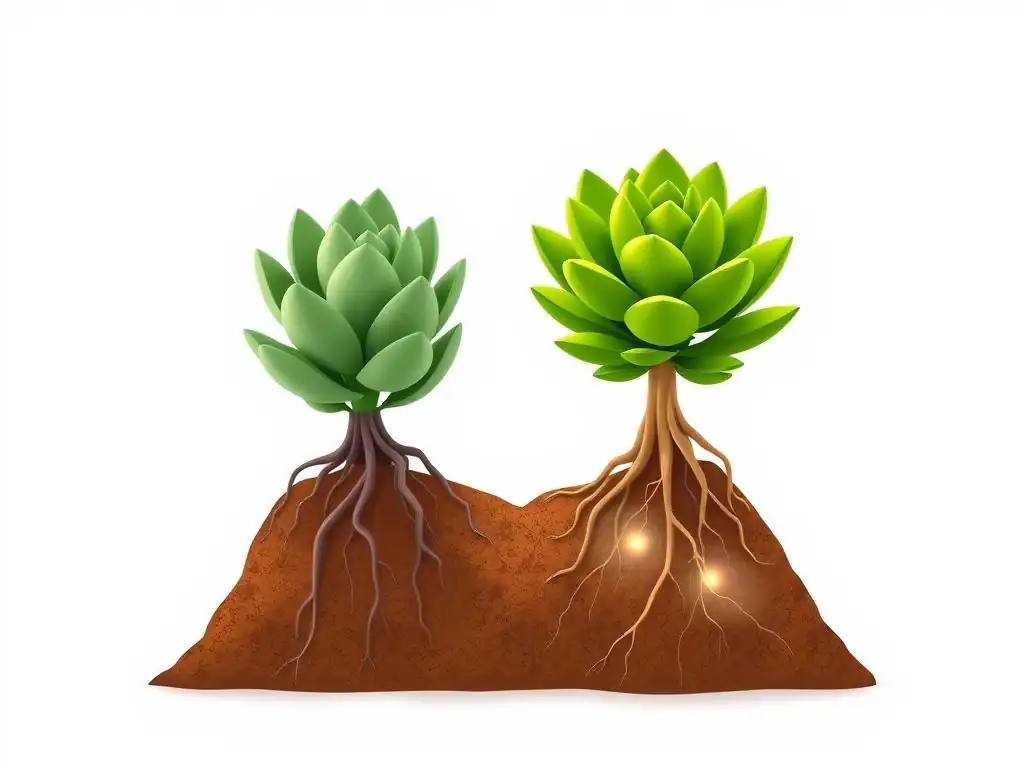
This section delves into the practical application of hybridization techniques to enhance nutrient absorption in succulents. We'll explore specific crossbreeding strategies and the potential benefits they offer for improving the overall health and vigor of these fascinating plants. The goal is to improve succulent nutrient absorption through targeted genetic manipulation.
Crossbreeding Succulent Species for Enhanced Nutrient Traits
Crossbreeding different succulent species offers a powerful approach to improving nutrient uptake. By combining desirable traits from various species, we can create hybrids with superior nutrient absorption capabilities. For example, crossing Echeveria species known for their robust root systems with Sedum species exhibiting efficient water and nutrient uptake could yield hybrids with significantly enhanced nutrient absorption.
The process involves careful selection of parent plants based on their known nutrient uptake characteristics. This requires detailed analysis of root morphology, physiological processes, and overall growth performance under varying nutrient conditions. Data on nutrient content in leaf tissues, root biomass, and growth rates under controlled nutrient-deficient conditions would be crucial for identifying superior parent plants. [Specific data on root morphology and nutrient uptake rates for various Echeveria and Sedum species pending].
Furthermore, understanding the genetic basis of nutrient uptake is vital. Identifying specific genes responsible for efficient nutrient transport and absorption would allow for marker-assisted selection, accelerating the breeding process and ensuring the inheritance of desirable traits. This targeted approach aims to improve succulent nutrient absorption beyond what traditional breeding methods can achieve.
Utilizing Wild Succulent Genotypes for Superior Nutrient Absorption
Many wild succulent species have evolved remarkable adaptations for thriving in nutrient-poor environments. These adaptations often involve highly efficient nutrient uptake mechanisms. Incorporating the genetic material from these wild genotypes into cultivated varieties through hybridization can significantly improve nutrient absorption in domesticated succulents.
For instance, certain Dudleya species found in arid regions exhibit exceptional nutrient scavenging abilities. Introducing genes from these species into commercially grown succulents could enhance their tolerance to nutrient-deficient conditions and improve their overall growth and development. [Specific examples of Dudleya species and their nutrient uptake efficiency pending]. This strategy is crucial for improving succulent nutrient absorption in challenging growing environments.
The challenge lies in identifying and accessing suitable wild genotypes while minimizing the risk of introducing undesirable traits or disrupting existing ecological balances. Careful screening and rigorous testing are essential to ensure the safety and efficacy of this approach. Furthermore, understanding the specific environmental pressures that shaped the nutrient uptake mechanisms in these wild species is critical for successful hybridization.
Evaluating Hybrid Performance in Nutrient Uptake Studies
Once hybrid succulents are created, rigorous testing is necessary to evaluate their nutrient uptake capabilities. Controlled experiments are essential to compare the performance of hybrids with their parent species and commercially available varieties.
These experiments should involve growing plants under varying nutrient conditions, from nutrient-rich to severely deficient environments. Parameters like root length, root biomass, leaf nutrient content, and overall growth rate should be meticulously measured and analyzed. [Specific experimental design and data analysis methods pending]. This rigorous evaluation process is crucial for validating the effectiveness of the hybridization strategies and identifying the most promising hybrids for improved succulent nutrient absorption.
The data obtained from these studies can be used to refine hybridization strategies, improve selection criteria, and ultimately contribute to the development of more resilient and robust succulent varieties with enhanced nutrient absorption capabilities. This scientific approach is essential for improving succulent nutrient absorption and ensuring the long-term health and sustainability of succulent cultivation.
Future Directions in Genetic Improvement of Succulent Nutrient Uptake
The quest to improve succulent nutrient absorption is a dynamic field, constantly evolving with advancements in genetic engineering and our understanding of plant biology. While significant progress has been made, many exciting avenues remain unexplored, promising even more robust and resilient succulents in the future. This section delves into some key future directions, focusing on strategies to enhance nutrient uptake efficiency and overall plant health.
Optimizing nutrient absorption directly impacts a succulent's ability to thrive, leading to improved growth, vibrant coloration, and increased resistance to environmental stressors. This translates to healthier, more beautiful plants for enthusiasts and a more sustainable approach to succulent cultivation.
Advanced Genome Editing Techniques for Succulents
CRISPR-Cas9 technology and other advanced genome editing tools offer unprecedented precision in manipulating plant genomes. These techniques allow for targeted modifications of genes involved in nutrient transport and uptake, potentially leading to significant improvements in succulent nutrient absorption. For example, we could enhance the expression of genes encoding high-affinity phosphate transporters, improving the plant's ability to scavenge phosphorus from nutrient-poor soils. Similarly, we could modify genes involved in iron uptake, addressing iron deficiency, a common problem in succulents grown in alkaline substrates.
The potential applications are vast, ranging from modifying root architecture for better nutrient access to enhancing the efficiency of nutrient translocation within the plant. Precise genetic modifications offer a highly targeted approach, minimizing unintended consequences and accelerating the development of superior succulent cultivars. However, ethical considerations and regulatory hurdles surrounding the use of genome editing techniques in plants require careful consideration and responsible implementation.
Utilizing Genomics and Bioinformatics for Targeted Breeding
Genomics and bioinformatics provide powerful tools for identifying genes associated with efficient nutrient uptake. By analyzing the genomes of different succulent species, researchers can identify genes that contribute to superior nutrient absorption capabilities. This information can then be used to guide breeding programs, allowing for the selection and crossing of individuals with desirable traits. For instance, comparing the genomes of drought-tolerant succulents with those less tolerant may reveal genes responsible for efficient nutrient use under water stress.
Bioinformatics tools enable the analysis of vast datasets, identifying patterns and correlations that would be impossible to detect manually. This data-driven approach allows for more efficient and targeted breeding strategies, accelerating the development of improved succulent cultivars. Furthermore, the integration of machine learning algorithms in this process can further enhance the prediction of desirable traits, optimizing the selection process and minimizing the time required for breeding programs.
The Potential for Enhanced Drought Tolerance Through Improved Nutrient Uptake
Improving nutrient uptake is intrinsically linked to enhanced drought tolerance in succulents. Efficient nutrient acquisition allows succulents to maintain metabolic processes even under water-limited conditions. This is particularly crucial for essential nutrients like potassium, which plays a vital role in osmoregulation and stress response. By improving the uptake of potassium and other essential nutrients, we can potentially enhance the drought tolerance of succulents.
The development of succulents with superior nutrient absorption capabilities under drought conditions will be crucial for ensuring their survival and propagation in increasingly arid environments. Understanding the intricate interplay between nutrient uptake, water use efficiency, and stress response pathways is key to developing robust and resilient succulents capable of thriving in challenging environments. This research could lead to the development of succulents better adapted to climate change and more sustainable horticultural practices.
Frequently Asked Questions
How can I improve my succulents' nutrient absorption naturally?
Improving nutrient absorption naturally involves using well-draining soil amended with organic matter like perlite and compost. Ensure proper watering techniques to avoid overwatering, which hinders nutrient uptake.
What role does soil pH play in succulent nutrient absorption?
The soil pH significantly impacts nutrient availability. Succulents thrive in slightly alkaline to neutral soil (pH 6.0-7.5). Testing your soil pH and adjusting it accordingly is crucial.
Are there specific fertilizers ideal for enhancing nutrient uptake in succulents?
Use a balanced, water-soluble fertilizer diluted to half strength. Avoid high-nitrogen fertilizers, which can lead to succulent rot. Apply fertilizer sparingly during the growing season.
How does proper watering impact nutrient absorption in succulents?
Consistent but infrequent watering allows the roots to absorb nutrients effectively. Overwatering prevents oxygen from reaching the roots, hindering nutrient uptake and potentially causing root rot.
Can genetic modification improve succulent nutrient absorption?
Genetic engineering offers potential for enhanced nutrient uptake. Scientists are exploring ways to modify genes controlling nutrient transport and uptake mechanisms in succulents, although this is still an area of ongoing research.
Final Reflection: Cultivating a Thriving Future for Succulents
The quest to optimize succulent nutrient absorption isn't merely a horticultural pursuit; it's a vital step towards ensuring the health and longevity of these captivating plants in a changing world. Climate change, habitat loss, and increasing urbanization pose significant threats to succulent populations, both wild and cultivated. Understanding and implementing genetic strategies to enhance nutrient uptake is crucial for mitigating these challenges and safeguarding the future of these remarkable plants.
The journey into the genetic mechanisms behind succulent nutrition has been profoundly illuminating, revealing the intricate dance between plant genetics and environmental factors. It underscores the interconnectedness of all living things and the delicate balance required for thriving ecosystems. The earth laughs in flowers.
– Ralph Waldo Emerson. This quote beautifully encapsulates the joy and wonder that succulents bring, a joy that we must actively protect and nurture through responsible cultivation and research. The ongoing exploration of genetic modification and selective breeding techniques offers a powerful toolkit to improve the resilience and adaptability of succulents, ensuring their continued beauty and ecological significance.
Consider the implications of this research. You, the reader, now possess a deeper understanding of the factors influencing succulent health. Will you apply this knowledge to your own gardening practices? Will you advocate for sustainable horticultural practices that prioritize the well-being of these fascinating plants? The future of succulents, and indeed the health of our planet, rests in our collective commitment to understanding and protecting the natural world. Let us cultivate a future where these resilient plants continue to thrive, enriching our lives with their unique beauty and resilience.
Unlock Your Succulents' Full Potential: Nurture Thriving Growth!
Thanks for exploring the world of succulent nutrition with us! You've gained valuable insights into optimizing your plants' health. Ready to put this knowledge into action and see incredible results?
- Implement a tailored fertilization plan: Carefully choose a fertilizer specifically formulated for succulents, paying close attention to the NPK ratio. The best fertilizer will depend on the specific type of succulent and its growth stage.
- Expand your succulent collection: Consider adding different succulent varieties to further refine your understanding of how their unique needs affect their growth. Each variety has its own specific nutrient requirements.
- Share your experiences: Join our community forum to discuss your successes and challenges with fellow succulent enthusiasts. Let's grow together!
Have you considered how the type of succulent and its growing conditions might influence its health and growth? Let's discuss your experiences below!