
CAM and Succulent Dormancy: The Role of Metabolism in Seasonal Rest

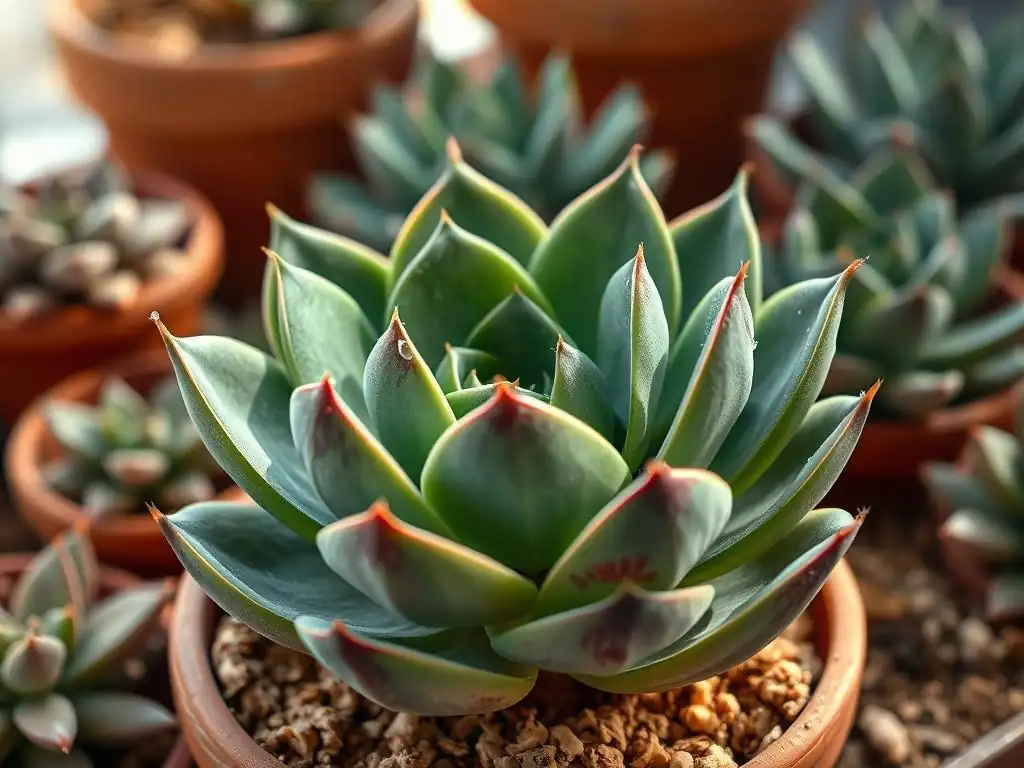
Welcome to SucculentEssentials.org, where the fascinating world of succulents unfolds before you! Dive into the secrets of these resilient plants, from basic care to advanced techniques. But first, consider this: did you know that understanding succulent dormancy is key to their long-term health and thriving beauty? Our exclusive Succulent dormancy care guide, part of our "Advanced Succulent Science and Research" section, reveals the crucial role of CAM metabolism in seasonal rest. Uncover the mysteries and unlock the secrets to nurturing your succulents through every season – explore now!
- Understanding Succulent Dormancy: A Comprehensive Care Guide
- The Role of Crassulacean Acid Metabolism (CAM) in Dormancy
- Succulent Dormancy Care Guide: Practical Tips and Techniques
- Troubleshooting Common Dormancy Issues: Identifying and Solving Problems
- Maintaining Healthy Succulents Throughout the Year: A Holistic Approach
- Frequently Asked Questions
- Final Reflection: Understanding Succulent Slumber for Thriving Plants
- Unlock Your Succulents' Secret to Seasonal Success!
Understanding Succulent Dormancy: A Comprehensive Care Guide
Succulents, with their captivating diversity and resilience, often exhibit a fascinating life cycle adaptation known as dormancy. This period of reduced metabolic activity is crucial for the survival and longevity of these drought-tolerant plants, particularly in environments that mimic their natural habitats. This comprehensive care guide delves into the intricacies of succulent dormancy, exploring its causes, identifying its signs, and providing essential care tips to ensure your succulents thrive even during their resting phase.
Understanding succulent dormancy is key to successful succulent cultivation, allowing you to provide the optimal care needed to keep your plants healthy and vibrant throughout the year. This guide will equip you with the knowledge to effectively manage your succulents during this crucial period, minimizing stress and maximizing their chances of survival and continued growth.
We will explore the connection between Crassulacean Acid Metabolism (CAM), a unique photosynthetic pathway, and the dormancy period, highlighting how this metabolic process plays a vital role in the plant's ability to conserve water and survive harsh conditions. Proper succulent dormancy care is essential for maintaining healthy and thriving succulents, and this guide will serve as your complete resource.
Defining Succulent Dormancy and its Importance
Succulent dormancy is a period of significantly reduced growth and metabolic activity. Unlike deciduous plants that lose their leaves, succulents generally maintain their foliage but drastically slow down all processes, including photosynthesis, water uptake, and nutrient absorption. This physiological adaptation is a survival mechanism developed to cope with adverse environmental conditions such as extreme heat, cold, drought, or short daylight hours.
Think of it as the succulent's way of conserving energy and resources during challenging times. The importance of understanding this process cannot be overstated; providing inappropriate care during dormancy can lead to stress, damage, or even death. It's a crucial aspect of succulent care, often overlooked by beginners, but essential for long-term success in growing these fascinating plants.
During dormancy, succulents are not "dead" or "sleeping"; they are simply in a state of reduced activity, waiting for more favorable conditions to resume active growth. Understanding this distinction is crucial for providing proper care.
Recognizing Signs of Dormancy in Your Succulents
Recognizing the signs of dormancy is paramount to providing appropriate care. The most noticeable sign is often a significant reduction or complete cessation of new growth. Leaves might appear slightly shriveled or less plump than usual, but this isn't necessarily a cause for alarm, provided the plant isn't significantly losing its turgor pressure.
The color of the leaves may also change slightly; some succulents may exhibit a slightly muted or duller coloration during dormancy. Growth rate is the most reliable indicator; if your succulent isn't producing new leaves or stems and shows no signs of active growth for an extended period (this varies greatly depending on species and environmental factors), it's likely entering or already in a dormant state. Careful observation is key.
Keep detailed notes on your plants' growth cycles to better understand their individual patterns and anticipate dormancy periods. You might even notice a subtle change in the texture of the leaves, becoming slightly more firm or less pliable. Remember, the specific signs can vary widely based on the species.
Factors Triggering Dormancy: Light, Temperature, and Water Availability
Several environmental factors trigger succulent dormancy. Light: Shorter days and reduced sunlight intensity, typical of autumn and winter in many regions, signal to the plant that it's time to slow down. Temperature: Both extreme heat and cold can induce dormancy.
Many succulents go dormant during the hottest summer months to avoid excessive water loss and during the coldest winter months to protect themselves from frost damage. Water Availability: Reduced rainfall or infrequent watering in drier climates naturally triggers the plant to conserve its internal water reserves, entering a state of dormancy. These factors often interact; for example, shorter days and cooler temperatures often coincide with reduced rainfall, creating a combined signal that triggers dormancy.
Understanding these triggers is essential for providing appropriate care, adjusting watering schedules and light exposure to support the plant's natural rhythm without interfering with its dormancy cycle. Remember to always consider the specific needs of your succulent species, as dormancy timing and triggers can vary significantly.
The Role of Crassulacean Acid Metabolism (CAM) in Dormancy
This section delves into the intricate relationship between Crassulacean Acid Metabolism (CAM) photosynthesis and the dormancy period experienced by many succulent species. Understanding this connection is crucial for providing optimal succulent dormancy care. We'll explore how CAM facilitates survival during periods of environmental stress, highlighting the metabolic adjustments and water conservation strategies employed by these fascinating plants. This detailed look at succulent dormancy care guide will empower you to better understand and care for your plants during their resting phase.
CAM Photosynthesis and its Adaptation to Arid Conditions
CAM photosynthesis is a remarkable adaptation that allows succulents to thrive in arid and semi-arid environments. Unlike C3 and C4 plants, which open their stomata during the day for gas exchange, CAM plants open their stomata primarily at night. This nocturnal stomatal opening minimizes water loss through transpiration, a critical survival mechanism in water-scarce habitats. During the night, CAM plants take in carbon dioxide (CO2), converting it into malic acid and storing it in vacuoles.
This stored malic acid is then used during the day to fuel photosynthesis, even when the stomata are closed. This ingenious system allows for efficient carbon fixation with minimal water loss, a key factor influencing succulent dormancy strategies. The efficiency of this process directly impacts the plant's ability to withstand extended periods without water, a crucial element in successful succulent dormancy care.
Metabolic Shifts During Dormancy: Reduced Photosynthesis and Growth
Succulent dormancy is characterized by a significant slowdown in metabolic activity. During this period, photosynthesis rates are dramatically reduced. This reduction is not simply a consequence of dormancy; rather, it's an active metabolic adjustment. The plant prioritizes survival over growth, diverting resources away from energy-intensive processes like photosynthesis and growth towards maintaining essential cellular functions.
The decrease in photosynthetic activity is directly related to the reduced availability of water and sunlight during the dormant period. The plant's internal mechanisms, governed by the CAM pathway, effectively shut down non-essential processes to conserve energy and resources. Understanding this metabolic shift is crucial for providing appropriate succulent dormancy care; overwatering or excessive fertilization during dormancy can disrupt this delicate balance and harm the plant. For example, a Sedum morganianum (Burro's Tail) will show significantly reduced growth and leaf production during its winter dormancy, regardless of supplemental lighting.
Water Conservation Strategies During Dormancy: CAM's Crucial Role
CAM plays a pivotal role in the water conservation strategies employed by succulents during dormancy. The ability to store carbon dioxide at night and utilize it for photosynthesis during the day is particularly advantageous during periods of water stress. This minimizes the need for stomatal opening during the day, drastically reducing water loss through transpiration. Furthermore, succulents utilize specialized water storage tissues, such as the parenchyma cells in their leaves and stems, to store water reserves.
These water reserves are crucial for sustaining the plant during dormancy, when water uptake from the soil may be limited or nonexistent. The efficient water use enabled by CAM is intrinsically linked to the plant's ability to survive extended periods without supplemental watering. Therefore, during succulent dormancy, a reduction in watering frequency is crucial, preventing root rot and mirroring the plant's natural water conservation mechanisms.
The understanding of CAM's role in water conservation is fundamental to a successful succulent dormancy care guide. Proper watering during this period is paramount, avoiding both under and overwatering to ensure the plant’s survival. Careful observation of the plant's condition is key to determining appropriate watering schedules.
Succulent Dormancy Care Guide: Practical Tips and Techniques
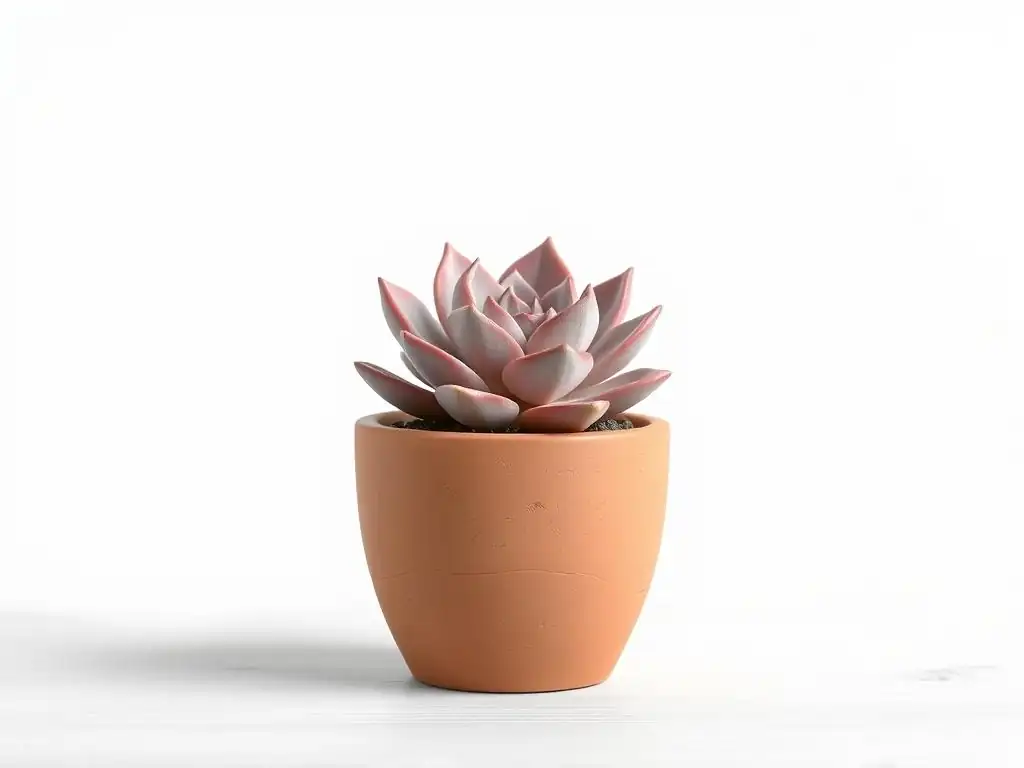
Understanding succulent dormancy is crucial for successful succulent cultivation. This crucial period, often triggered by changes in temperature and light intensity, requires a shift in care practices to ensure your plants thrive and don't succumb to common problems. This guide provides practical, actionable advice for nurturing your succulents during their dormant phase, helping you achieve optimal health and growth throughout the year. Mastering succulent dormancy care is key to becoming a true succulent expert.
Watering During Dormancy: Avoiding Overwatering and Root Rot
Overwatering is a leading cause of succulent death, particularly during dormancy. When temperatures drop and light levels decrease, succulents significantly reduce their metabolic activity and water uptake. Providing the same watering schedule as during the active growing season will lead to waterlogged soil, suffocating roots, and ultimately, root rot.
The key is to significantly reduce watering frequency. Instead of following a regular schedule, assess the soil moisture before each watering. Use your finger to check the dryness of the soil several inches deep. Only water when the soil is completely dry.
The frequency will vary depending on factors like the pot size, type of potting mix, ambient temperature, and humidity. For example, a small succulent in a well-draining mix in a cool, dry environment might only need watering every 4-6 weeks during dormancy, while a larger plant in a less porous mix in a warmer environment may require watering every 2-3 weeks. However, err on the side of underwatering rather than overwatering. Signs of underwatering are shriveling leaves, whereas overwatering manifests as mushy, decaying leaves and stems.
More Tips for Avoiding Overwatering
Consider using terracotta pots, which allow for better air circulation and evaporation, helping to keep the soil drier. Also, ensure your succulents are planted in a well-draining potting mix specifically formulated for succulents, containing materials like perlite, pumice, or coarse sand. These materials improve aeration and prevent waterlogging.
Light and Temperature Management During Dormancy
Succulents' dormancy periods are often associated with changes in light intensity and temperature. While specific requirements vary among species, generally, succulents require less intense light during dormancy. Direct sunlight, especially during colder months, can scorch leaves. Therefore, consider moving your succulents to a location with filtered sunlight or slightly shaded conditions during their rest period.
Temperature plays a crucial role. Many succulents prefer cooler temperatures during dormancy, typically between 45-55°F (7-13°C). Protecting them from freezing temperatures is vital, as frost can severely damage or kill them. If you live in an area with harsh winters, bringing your succulents indoors or providing them with frost protection is essential. Monitor temperatures carefully and adjust accordingly to ensure your succulents remain within their ideal temperature range. Avoiding drastic temperature fluctuations is also important to prevent stress.
| Temperature Range (°F) | Temperature Range (°C) | Recommended Actions |
|---|---|---|
| 45-55 | 7-13 | Maintain in a cool, protected location. |
| Below 45 | Below 7 | Provide frost protection or move indoors. |
| Above 55 | Above 13 | Ensure good air circulation to avoid overheating. |
Fertilizing Succulents During their Resting Period
During dormancy, succulents' metabolic rate slows down drastically, meaning they require significantly less nutrients. Applying fertilizer during this period can lead to salt buildup in the soil, damaging the roots and potentially harming the plant. Therefore, it's best to withhold fertilizer entirely during the dormant period. Resume fertilizing only when new growth begins in the spring, using a balanced, diluted succulent fertilizer. Over-fertilizing can cause succulent issues, including root burn and stunted growth.
Remember that less is more, especially during the dormant season. The focus should be on providing the right environment – adequate light, proper watering, and protection from extreme temperatures – rather than on nutrient supplementation. The plant's energy is conserved during this period, making additional nutrients unnecessary and potentially harmful. Following these simple guidelines will ensure the health and longevity of your succulents throughout the year. 🌵
Pest and Disease Management During Dormancy
Even though your succulents are dormant, they are still susceptible to pests and diseases. Reduced watering during dormancy can sometimes lead to weakened plants, making them more vulnerable. Regular inspection is crucial, even if you're watering less frequently. Early detection is key to effective treatment. Look for signs of infestations such as mealybugs, aphids, spider mites, or scale insects. These tiny creatures often hide in crevices or under leaves. A magnifying glass can be helpful for thorough inspection, especially on smaller succulents.
Careful monitoring for fungal diseases is also vital during dormancy. While reduced watering helps prevent many fungal issues, damp conditions, particularly in poorly ventilated areas, can still encourage fungal growth. Look for signs such as discoloration, soft spots, or unusual growths on the leaves or stems. Avoid overhead watering during dormancy to minimize the risk of fungal infections. Instead, consider bottom watering or using a watering can with a long spout to direct water to the base of the plant, avoiding wetting the foliage.
Treatment options during dormancy should be carefully considered. While insecticidal soaps or neem oil are generally safe, always test a small area first to ensure it doesn't damage the plant, especially during its vulnerable dormant state. For severe infestations, you might need to resort to stronger systemic insecticides, but this should be a last resort and only employed after careful consideration and consultation with a horticultural expert.
Remember to always follow the manufacturer’s instructions precisely. For fungal diseases, fungicides may be necessary, but again, choose a product appropriate for succulents and follow label instructions meticulously. Proper sanitation of pots and tools is also crucial to prevent the spread of pests and diseases.
Remember that a healthy plant going into dormancy is better equipped to withstand pests and diseases. Providing optimal growing conditions before the dormant period—including proper sunlight, well-draining soil, and appropriate fertilization—significantly strengthens the plant's resilience. A proactive approach to pest and disease management, including regular inspections and preventative measures, is far more effective than reactive treatment. This preventative strategy is especially important during dormancy when the plant's defenses are naturally lowered.
Troubleshooting Common Dormancy Issues: Identifying and Solving Problems
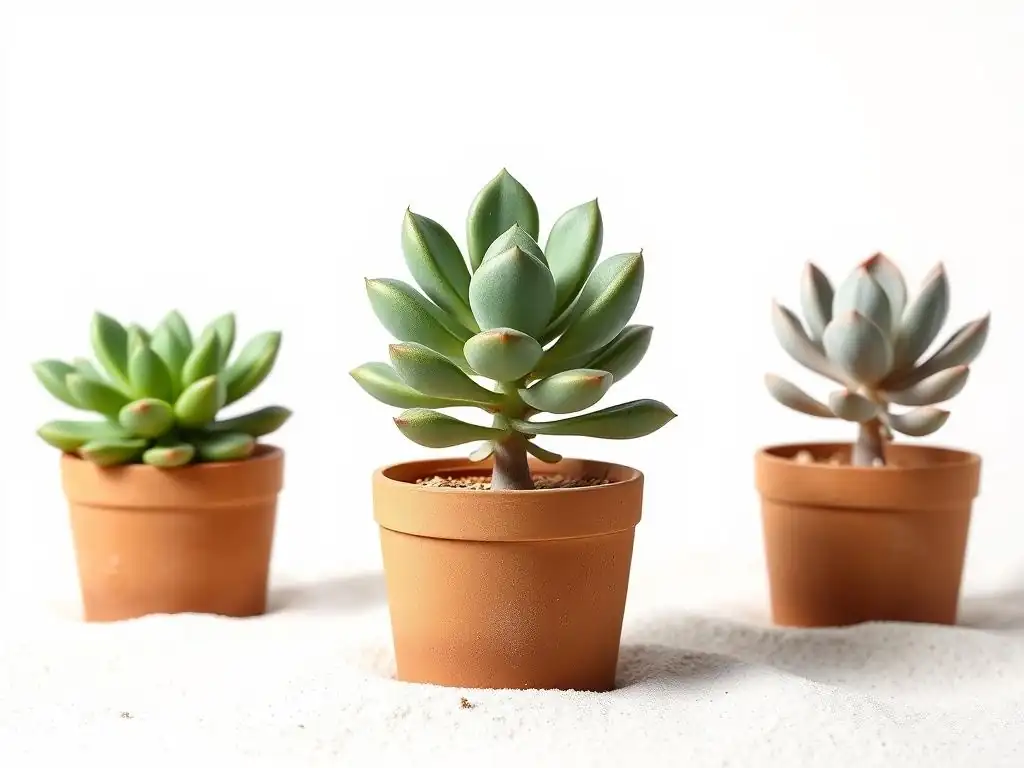
Understanding succulent dormancy is crucial for successful cultivation. While many succulents naturally enter a period of reduced growth, various factors can disrupt this process, leading to premature dormancy, delayed dormancy, or signs of stress. This section provides a practical guide to identifying and addressing these common issues, ensuring your succulents thrive even during their resting phase. This guide will help you master succulent dormancy care.
Dealing with Premature or Delayed Dormancy
Premature dormancy can be triggered by several environmental factors, including unexpectedly cool temperatures, insufficient sunlight, or overwatering. Conversely, delayed dormancy might occur if the plant hasn't experienced the necessary cues, such as a significant drop in temperature or shorter day lengths. Early detection is key.
Symptoms of premature dormancy include leaf shrivelling, premature leaf drop, and a cessation of growth before the expected dormancy period. Delayed dormancy, however, might manifest as continued growth and flowering when the plant should be resting, potentially weakening it for the next growing season.
To address premature dormancy, carefully assess the plant’s environment. Ensure it receives adequate sunlight and adjust watering accordingly – reducing frequency significantly. Gradually acclimate the plant to cooler temperatures if necessary. For delayed dormancy, try mimicking natural conditions: gradually reduce watering and exposure to sunlight, mimicking the natural cues that signal dormancy. Consider moving the plant to a cooler, shadier location. Regular monitoring is crucial; you might need to make adjustments based on the plant's response.
Addressing Signs of Stress During Dormancy
Even during dormancy, succulents can experience stress. This can manifest in various ways, including leaf discoloration (yellowing, browning, or reddening), shrivelling, or unusual wrinkling. These stress indicators can often be mistaken for symptoms of other issues, highlighting the importance of careful observation.
Stress during dormancy is often related to incorrect watering practices. Overwatering is a major culprit, as it can lead to root rot even during periods of reduced growth. Insufficient watering, while less common, can also cause stress, leading to dehydration. Other stressors include extreme temperature fluctuations, pest infestations, or disease.
Addressing stress requires a nuanced approach. Begin by examining the soil moisture; if the soil is excessively wet, allow it to dry completely before resuming a very infrequent watering schedule. If the soil is dry, water sparingly only when absolutely necessary, focusing on minimal moisture to prevent further stress. Inspect the plant for pests and diseases, taking appropriate action if any are found. Ensure the plant is protected from extreme temperature fluctuations. Remember, the goal is to maintain a delicate balance, providing just enough care to keep the plant healthy without disrupting its natural dormancy cycle.
Reviving Dormant Succulents: A Step-by-Step Guide
Reviving a dormant succulent that shows signs of significant stress requires a careful and patient approach. The process involves gradually reintroducing the plant to more favorable conditions, stimulating growth without shocking the plant. This is crucial for its survival and return to a healthy state.
Step 1: Assessment: Carefully examine the plant for signs of root rot, pest infestation, or disease. Remove any affected parts and treat accordingly.
Step 2: Gradual Rehydration: If the succulent is dehydrated, start by gently misting the soil. Avoid direct watering until the soil is slightly moist. Overwatering at this stage can be fatal.
Step 3: Increased Light Exposure: Gradually increase the amount of sunlight the plant receives, starting with partial shade and slowly moving it to brighter light over several weeks. Avoid sudden exposure to intense sunlight.
Step 4: Monitoring and Adjustment: Closely monitor the plant's response. If it shows signs of improvement, continue with the gradual reintroduction of water and sunlight. If the plant continues to show signs of stress, adjust your approach accordingly.
Step 5: Fertilization: Once the plant shows signs of new growth, you can begin fertilizing with a diluted succulent fertilizer. Avoid over-fertilizing, as this can cause further stress.
Remember, patience is key. Reviving a stressed dormant succulent is a gradual process that requires careful observation and adjustment. The process can take several weeks or even months, but with consistent care, your succulent should recover and resume its normal growth cycle. This detailed guide provides a solid foundation for your succulent dormancy care.
Maintaining Healthy Succulents Throughout the Year: A Holistic Approach
Understanding succulent dormancy is crucial for successful succulent cultivation. This section delves into practical strategies for maintaining the health and vitality of your succulents throughout the year, minimizing the impact of dormancy periods and promoting robust growth. A holistic approach considers various factors, ensuring your plants thrive even during their resting phases. This comprehensive guide, focusing on Succulent dormancy care, will equip you with the knowledge to nurture your collection effectively.
The Importance of Proper Soil and Potting Mixes
The right soil is paramount for healthy succulents, especially during dormancy. Poor drainage is a leading cause of root rot, a significant problem exacerbated during periods of reduced watering. A well-draining potting mix is essential for preventing waterlogging and ensuring proper aeration around the roots. Avoid using garden soil, which tends to retain too much moisture.
Instead, opt for a specialized succulent and cactus potting mix. These mixes often contain perlite, pumice, or coarse sand, which improve drainage and aeration. You can also create your own blend by combining equal parts potting soil, perlite, and coarse sand. The ideal mix should be gritty, allowing excess water to drain quickly.
Here's a comparison of common potting mix components:
| Component | Benefits | Drawbacks |
|---|---|---|
| Potting Soil | Provides some nutrients | Retains too much moisture for succulents |
| Perlite | Improves drainage and aeration | Offers minimal nutrient content |
| Pumice | Excellent drainage and aeration | Can be more expensive than perlite |
| Coarse Sand | Improves drainage; adds grit | Can be too fine; may compact over time |
| Coco Coir | Water retention, good aeration (in moderation) | Can be too dense if not mixed properly |
Remember, the goal is to mimic the well-draining conditions succulents experience in their natural habitats. Proper soil management is a cornerstone of effective succulent dormancy care. Consistent monitoring of the soil moisture is critical, especially during and after watering.
Creating Optimal Growing Conditions Year-Round
Maintaining optimal growing conditions throughout the year is vital for minimizing stress on your succulents, thus reducing the severity of dormancy. This involves considering several key factors:
- Light: Succulents require ample sunlight. During dormancy, while watering is reduced, light exposure remains crucial for photosynthesis, albeit at a slower rate. Ensure your succulents receive at least 6 hours of direct sunlight daily. Adjust placement as needed depending on seasonal changes in sunlight intensity.
- Temperature: Most succulents thrive in temperatures between 65-80°F (18-27°C). However, they can tolerate a wider range depending on the species. Protect your succulents from extreme temperatures, both hot and cold, especially during dormancy. Sudden temperature fluctuations can stress the plants and trigger excessive water loss.
- Air Circulation: Good air circulation prevents fungal diseases and helps regulate humidity. Ensure your succulents have adequate airflow, especially if they're grouped closely together. Avoid overcrowding.
Properly managing these environmental factors contributes significantly to healthy growth and reduces the negative effects of dormancy. Monitoring these parameters and making adjustments based on seasonal changes is a key element of your succulent dormancy care strategy. Think of it as creating a microclimate tailored to your succulent's needs.
Long-Term Succulent Care: Preventing Future Dormancy Problems
Preventing problems during dormancy starts with proactive, year-round care. Several practices minimize stress and reduce the impact of the resting period:
- Healthy Planting: Begin with healthy succulents. Inspect new plants carefully for diseases or pests before integrating them into your collection.
- Regular Inspection: Regularly inspect your succulents for signs of stress, disease, or pests. Early detection allows for timely intervention, preventing minor problems from escalating.
- Gradual Acclimatization: Gradually acclimatize your succulents to changes in light intensity, temperature, and humidity. Sudden changes can shock the plants and increase their susceptibility to stress during dormancy.
- Appropriate Watering: Adjust watering schedules according to the season and your succulents' needs. Overwatering is a common mistake, especially during dormancy. Allow the soil to dry completely between waterings. Underwatering is less damaging than overwatering.
By implementing these long-term strategies, you significantly reduce the likelihood of future problems related to succulent dormancy. Remember, proactive care is the best form of succulent dormancy care. A healthy plant is better equipped to handle the challenges of its resting period. 🌱
Frequently Asked Questions
What is succulent dormancy?
Succulent dormancy is a period of rest for succulents, usually during winter or summer depending on the species. During this time, their growth slows significantly, and they require less water. Understanding dormancy is crucial for proper care.
How do I know if my succulent is dormant?
Signs of dormancy include slowed or stopped growth, leaf color changes (often duller), and a lack of new growth. Some species may even slightly shrivel. Observing your plant closely is key.
What is CAM metabolism and its role in dormancy?
CAM (Crassulacean Acid Metabolism) is a specialized photosynthesis process used by many succulents. It allows them to conserve water by opening their stomata at night, crucial for survival during dormancy.
How should I water my succulents during dormancy?
Water significantly less during dormancy. Overwatering is a major risk during this period, leading to root rot. Only water when the soil is completely dry.
What are the signs of improper care during succulent dormancy?
Signs of problems include excessive shriveling, leaf drop, or the development of soft, mushy areas. These indicate either underwatering or overwatering, and corrective action is needed.
Final Reflection: Understanding Succulent Slumber for Thriving Plants
The delicate dance between metabolism and dormancy in succulents is not merely a botanical curiosity; it's the key to unlocking their long-term health and vibrant growth. Ignoring this natural rhythm can lead to stressed, unhealthy plants, highlighting the crucial need for informed care. Understanding the metabolic shifts during dormancy allows us to provide the optimal conditions for our succulents to thrive, year after year.
The impact of this knowledge extends beyond the individual plant, influencing how we approach our relationship with the natural world. We are increasingly aware of the importance of respecting the natural cycles of all living things, and succulents, with their dramatic displays of dormancy, serve as a powerful microcosm of this larger principle. The best gardener is one who works with nature, not against it.
This quote perfectly encapsulates the shift in perspective needed to truly appreciate and care for these fascinating plants.
Now, consider your own succulents. Observe their subtle cues – the slowing growth, the change in leaf color – and use this knowledge to adjust your care accordingly. Don't fight the dormancy; embrace it. By understanding the metabolic processes at play, you can provide the perfect environment for your succulents to rest, rejuvenate, and ultimately flourish, creating a deeper connection with the natural world and the beauty of these resilient plants.
Unlock Your Succulents' Secret to Seasonal Success!
Thank you for exploring the fascinating world of CAM metabolism and succulent dormancy! You've gained valuable insights into how to help your plants thrive during their rest periods. Now, let's put that knowledge into action.
- Master your succulent's seasonal rhythm: Carefully observe your plants for signs of dormancy, such as slowed growth or changes in leaf color, and adjust your watering and fertilizing schedule accordingly. This is crucial for healthy growth throughout the year.
- Share your knowledge: Discuss your observations and experiences with other succulent enthusiasts! Join online forums or gardening groups to exchange tips and learn from others.
- Experiment with microclimates: Create different environments within your collection—perhaps a slightly cooler, shadier spot for those needing a more pronounced rest period—and observe the results. This can reveal surprising plant resilience and help you optimize care for your specific succulents.
Ready to help your succulents thrive this season? What unique approaches will you take to better understand and support your plants' dormancy cycles?