
Succulent Microbiomes: Exploring the Hidden World of Root Health

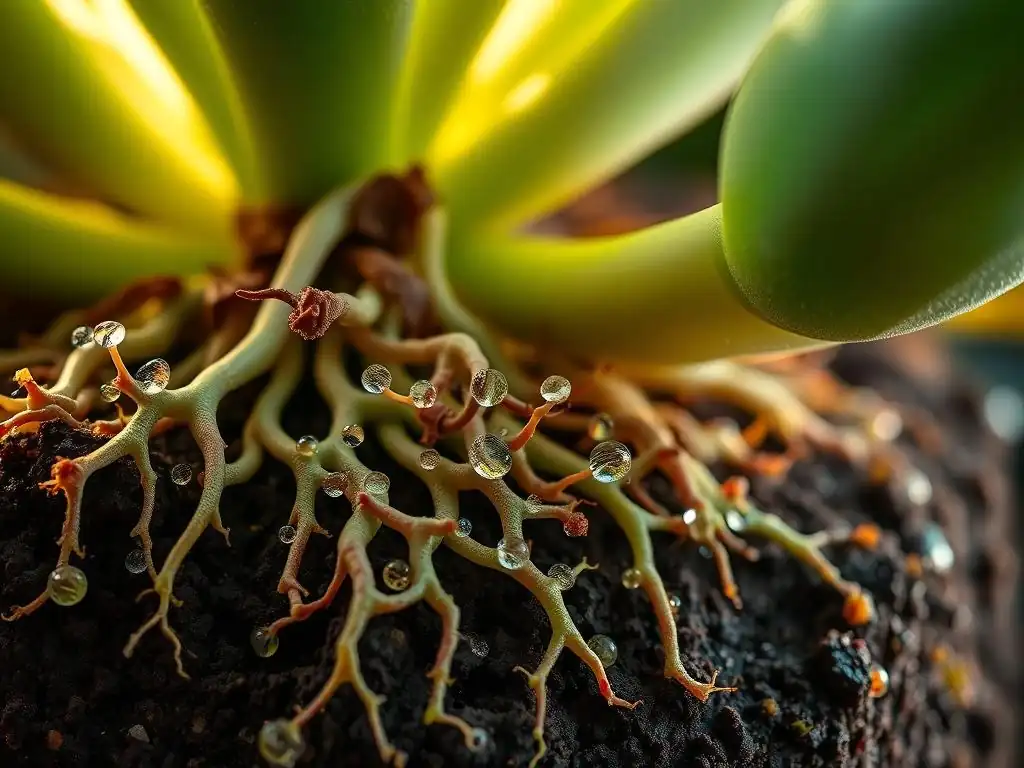
Step into the fascinating world of succulents! At SucculentEssentials.org, we delve beyond the surface beauty to unlock the secrets of thriving plants. But what truly lies beneath the soil? Discover how understanding your succulent's microbe community is key to unlocking its full potential and improving succulent root health. Prepare to be amazed as we explore the hidden world beneath the surface and reveal the science behind healthier, happier succulents.
- Understanding the Succulent Root System and its Importance
- The Complex World of Succulent Microbiomes
- Improving Succulent Root Health Through Microbial Management
- Innovative Techniques for Improving Succulent Root Health
- Practical Tips for Improving Succulent Root Health at Home
- Future Directions in Succulent Root Health Research
-
Frequently Asked Questions
- What is a succulent's microbiome, and why is it important for root health?
- How can I improve the microbial diversity in my succulent's soil?
- What are the signs of unhealthy succulent roots?
- How does watering affect succulent root health?
- Can I use specific products to improve my succulent's root health?
- Final Reflection: Cultivating Thriving Succulent Ecosystems
- Unleash Your Succulents' Inner Strength!
Understanding the Succulent Root System and its Importance
The vibrant world of succulents captivates many with their diverse forms and resilience. However, the key to thriving succulents often lies hidden beneath the soil: their root systems. This article delves into the fascinating world of succulent microbiomes and their crucial role in maintaining healthy, robust plants. Understanding the intricacies of succulent root health is paramount for any enthusiast aiming to improve the overall vigor and longevity of their collection.
We will explore the vital functions of these root systems, the architectural differences between species, and how to identify signs of distress, ultimately equipping you with the knowledge to effectively improve succulent root health and cultivate thriving plants. This journey into the hidden world of root health will reveal surprising insights and practical techniques for successful succulent cultivation. Let's dive in and uncover the secrets to a flourishing succulent garden!
The Crucial Role of Roots in Water and Nutrient Uptake
Succulent roots, despite often being less visually prominent than the striking leaves, are absolutely essential for survival. Their primary function is the absorption of water and vital nutrients from the soil. Unlike many other plants, succulents have evolved specialized root systems adapted to arid and semi-arid environments.
These adaptations often include a dense network of fine, fibrous roots that efficiently capture even small amounts of moisture. These roots also exhibit a remarkable ability to quickly absorb water after periods of rainfall or watering, rapidly replenishing depleted internal water reserves. Furthermore, the root system plays a critical role in nutrient uptake.
The roots release enzymes and acids into the surrounding soil, helping to break down organic matter and make essential nutrients like phosphorus and nitrogen more accessible to the plant. The efficiency of this process directly impacts the succulent's growth rate, overall health, and ability to withstand stress. A healthy root system is the foundation upon which a thriving succulent depends.
Root Architecture in Different Succulent Species
The architecture of succulent root systems varies significantly across different species. Some succulents, like Echeveria, develop a relatively shallow, fibrous root system, spreading horizontally near the soil surface to maximize water absorption during infrequent rainfall. Others, such as Sedum, may exhibit a more extensive, deeper root system, enabling them to access water sources at greater depths. Furthermore, certain species, like those in the genus Dudleya, possess specialized storage roots that act as reservoirs for water and nutrients, crucial for surviving prolonged periods of drought.
Understanding these variations in root architecture is important when selecting appropriate potting mixes and considering the specific watering needs of each succulent species. A poorly-suited potting mix can restrict root growth, hindering nutrient and water uptake, leading to stunted growth and weakened plants. Therefore, careful consideration of species-specific root characteristics is essential for optimal succulent cultivation.
Identifying Signs of Unhealthy Succulent Roots
Recognizing the signs of unhealthy succulent roots is crucial for timely intervention. Several indicators can point towards problems within the root system. These include: wilting despite adequate watering (indicating potential root rot or damage), slow or stunted growth, yellowing or browning leaves, and a general lack of vigor. Sometimes, physical examination of the roots is necessary. Gently removing a succulent from its pot can reveal root rot (indicated by soft, mushy, or dark-colored roots), compacted roots, or a lack of fine, fibrous roots.
The presence of pests, like root mealybugs, can also severely compromise root health. Early detection and appropriate treatment are key to preventing further damage and ensuring the succulent's recovery. Prompt action, which may involve repotting, adjusting watering practices, or treating pest infestations, can often save a struggling plant. Remember, a healthy root system is the cornerstone of a healthy succulent.
The Complex World of Succulent Microbiomes
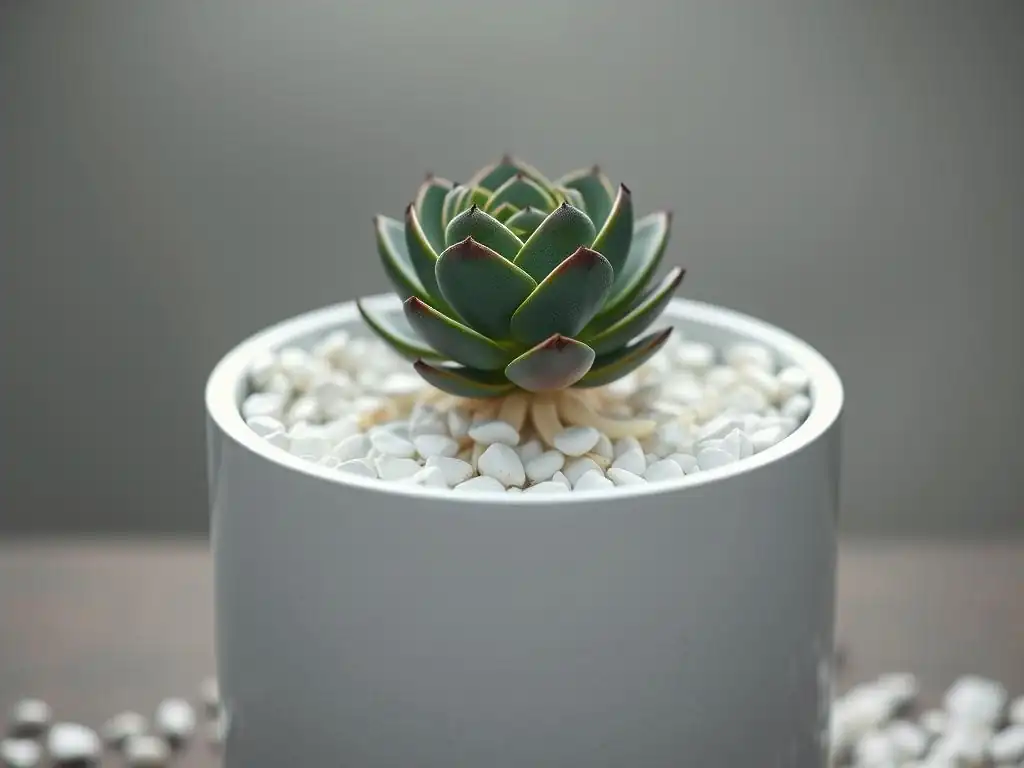
The health of your succulents hinges on much more than just sunlight, water, and soil composition. A vibrant, thriving root system is crucial for nutrient uptake and overall plant vigor. But beneath the soil's surface lies a hidden world teeming with microscopic life – the succulent microbiome.
This intricate community of bacteria, fungi, and other microorganisms plays a significant role in determining the success or failure of your succulent cultivation efforts. Understanding this complex interplay is key to improving succulent root health and achieving optimal plant growth. We'll delve into the beneficial and harmful components of this microscopic world, exploring how these microbial communities influence the rhizosphere – the zone of soil directly influenced by plant roots.
Mastering the principles of succulent microbiome management can transform your approach to succulent care, leading to healthier, more resilient plants. This knowledge empowers you to proactively address potential issues and nurture the hidden allies that contribute to strong root development.
Beneficial Microbes and Their Impact on Root Health
Beneficial microbes, often referred to as plant growth-promoting rhizobacteria (PGPR), are essential allies in improving succulent root health. These microscopic organisms contribute to better nutrient absorption, enhanced stress tolerance, and increased disease resistance. For example, some bacteria can fix atmospheric nitrogen, converting it into a form usable by the plant, reducing the need for nitrogen-rich fertilizers. Other beneficial fungi, such as mycorrhizae, form symbiotic relationships with succulent roots, extending the root system's reach and improving access to water and phosphorus.
These symbiotic relationships are not simply beneficial; they are often crucial for succulent survival, particularly in harsh or nutrient-poor environments. Studies have shown that the inoculation of succulents with specific strains of PGPR can significantly enhance growth rates and overall plant health. The effects are often measurable in terms of increased root biomass, improved shoot development, and greater tolerance to drought conditions. This is because beneficial microbes can produce substances that stimulate root growth, protect against pathogens, and enhance nutrient uptake efficiency.
Consider this example: a study comparing Echeveria plants grown in sterile soil versus soil inoculated with a specific PGPR showed a 30% increase in root length and a 20% increase in biomass in the inoculated group. These tangible results highlight the significant impact these microscopic organisms can have on succulent root health.
Further research is ongoing to identify and characterize the specific beneficial microbes associated with different succulent species, paving the way for targeted applications in horticultural practices. This research could lead to the development of specific microbial inoculants tailored to the needs of various succulents, effectively improving their root health and overall resilience.
Harmful Microbes and Root Diseases in Succulents
While beneficial microbes contribute to succulent root health, harmful microbes can cause significant damage, leading to root rot and other diseases. Root rot, often caused by Phytophthora and Pythium species, is a common and devastating problem for succulents. These water molds thrive in overly moist conditions and can quickly overwhelm the root system, leading to wilting, discoloration, and ultimately, plant death. Other fungal pathogens, such as Fusarium and Rhizoctonia, can also cause root diseases, manifesting as lesions, stunted growth, and reduced vigor.
Identifying the specific pathogens responsible for root diseases is crucial for effective management. Symptoms can often be subtle initially, making early detection challenging. Careful observation of the roots, looking for discoloration, lesions, or a slimy texture, is essential. Overwatering is a significant contributing factor to many root diseases, creating an environment conducive to the growth of harmful microbes.
Improving drainage, ensuring adequate airflow around the roots, and avoiding overhead watering can significantly reduce the risk of root rot. In cases of severe infection, removing affected parts of the plant and treating with appropriate fungicides may be necessary. However, prevention is always the best approach, focusing on creating a healthy soil environment and avoiding conditions that favor the development of harmful microbes. The use of well-draining potting mixes and proper watering techniques are paramount in preventing root diseases and promoting healthy succulent growth.
The Rhizosphere: A Dynamic Ecosystem
The rhizosphere, the narrow zone of soil immediately surrounding plant roots, is a dynamic and complex ecosystem. This region is characterized by high microbial activity, influenced by root exudates – chemicals released by the roots. These exudates are a mixture of sugars, amino acids, organic acids, and other compounds that serve as food sources for the microorganisms in the rhizosphere. The composition of these exudates varies depending on the plant species, its physiological state, and environmental conditions. This constant exchange of nutrients and signals creates a feedback loop between the plant and its microbial community, significantly impacting root health.
Understanding the complex interactions within the rhizosphere is crucial for improving succulent root health. The composition of the soil itself plays a vital role. Well-draining, nutrient-rich soil supports a healthy microbial community, while compacted or poorly aerated soil can inhibit microbial growth and lead to root problems. Practices such as amending the soil with organic matter can enhance the rhizosphere environment, providing a more diverse and thriving microbial community.
The application of compost or other organic amendments introduces beneficial microbes and improves soil structure, creating a more favorable environment for healthy root development. Furthermore, maintaining proper watering practices is essential; overwatering disrupts the rhizosphere's delicate balance, while underwatering can limit the availability of nutrients and water to both the plant and its microbial community. A balanced approach to soil management and watering is critical for nurturing a healthy rhizosphere and promoting strong succulent root systems.
Improving Succulent Root Health Through Microbial Management
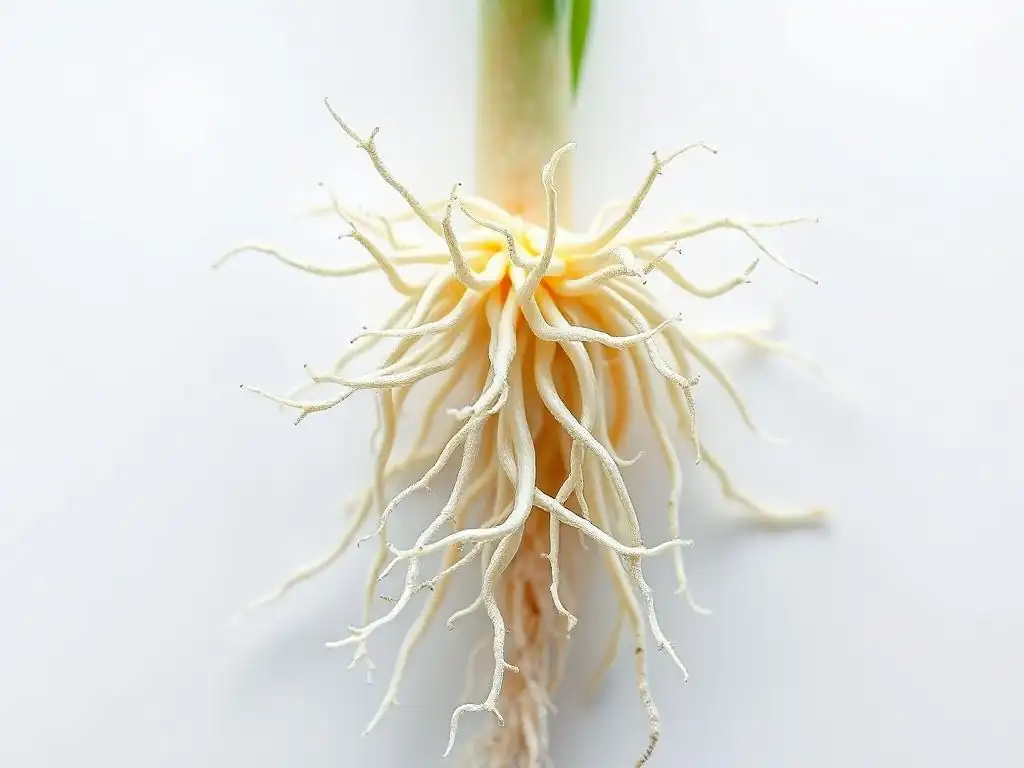
Improving succulent root health is paramount for thriving plants. A healthy root system is crucial for nutrient and water uptake, ultimately impacting the succulent's overall vigor and aesthetic appeal. Understanding and manipulating the microbiome within the soil surrounding your succulents is a key strategy to achieve this. This involves fostering beneficial microbial communities while suppressing harmful ones. This section will delve into practical methods to improve succulent root health through microbial management.
Enhancing Beneficial Microbe Populations in Succulent Soil
A diverse and thriving population of beneficial microbes is essential for a healthy succulent root system. These microbes assist in nutrient cycling, disease suppression, and improved water retention. Several strategies can be employed to enhance these populations:
- Composting: Adding well-rotted compost to your succulent potting mix introduces a wealth of beneficial bacteria and fungi. The organic matter in compost also improves soil structure, aeration, and water retention – all crucial for healthy roots. Aim for a compost that's been aged for at least six months to minimize the risk of introducing pathogens.
- Mycorrhizal Fungi Inoculation: Mycorrhizal fungi form symbiotic relationships with plant roots, extending their reach and improving nutrient uptake, particularly phosphorus. Inoculating your succulent soil with mycorrhizal fungi can significantly boost root health and overall plant growth. Look for products specifically formulated for succulents or cacti.
- Beneficial Bacteria Introduction: Certain bacteria, like Bacillus species, produce compounds that suppress plant pathogens. Introducing these beneficial bacteria through soil amendments or specific microbial inoculants can help prevent root diseases and promote a healthy microbiome.
Strategies for Preventing and Treating Root Diseases
Root rot, caused by various fungi and water molds, is a significant threat to succulent health. Preventing root diseases is far easier than treating them. Here are some key strategies:
- Well-Draining Soil Mix: Using a well-draining potting mix specifically formulated for succulents is crucial. Avoid heavy clay soils that retain too much moisture. A good mix typically includes perlite, pumice, or coarse sand to improve drainage and aeration.
- Proper Watering Practices: Overwatering is the most common cause of root rot. Allow the soil to dry out completely between waterings. The frequency of watering will depend on factors like pot size, soil type, temperature, and humidity. Observe your succulents carefully; underwatering is less damaging than overwatering.
- Early Detection and Treatment: Regularly inspect your succulents for signs of root rot, such as wilting, yellowing leaves, or a mushy base. If you suspect root rot, remove the affected plant from the pot and inspect the roots. Trim away any rotten roots and repot the succulent in fresh, sterile soil. In severe cases, propagation may be necessary.
The Role of Soil Composition in Supporting a Healthy Microbiome
The composition of your succulent’s soil plays a vital role in supporting a healthy microbiome. Several key factors influence microbial activity and root health:
- pH Level: The pH of the soil affects the availability of nutrients and the activity of various microbes. Succulents generally prefer slightly acidic to neutral soil (pH 6.0-7.0). Regular soil testing can help you maintain the optimal pH range.
- Organic Matter Content: Organic matter, such as compost and well-rotted manure, provides a food source for beneficial microbes and improves soil structure. It also enhances water retention and aeration, which are essential for healthy root development.
- Aeration and Drainage: Good aeration is crucial for root respiration and prevents the accumulation of harmful anaerobic bacteria. A well-draining soil mix ensures that excess water doesn't saturate the roots and promote root rot. Adding perlite, pumice, or coarse sand can significantly improve drainage and aeration.
By understanding and applying these strategies, you can significantly improve the health of your succulents' root systems, leading to healthier, happier, and more vibrant plants. Remember that consistent observation and proactive care are key to maintaining a thriving succulent microbiome. 🌱
Innovative Techniques for Improving Succulent Root Health
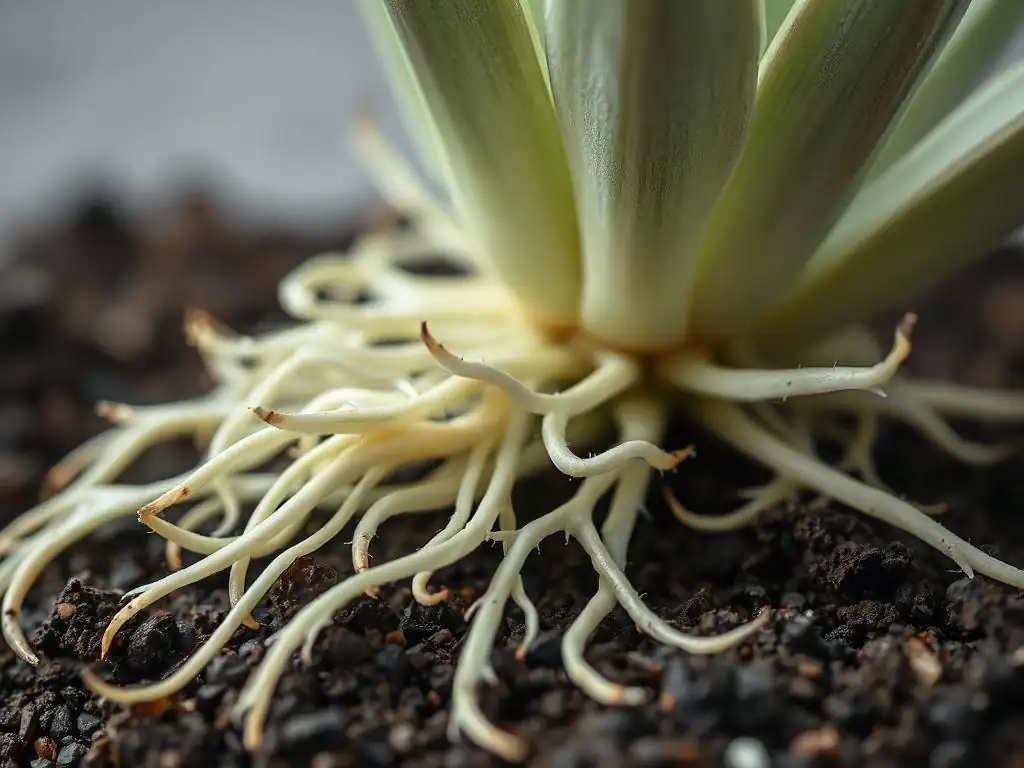
This section delves into cutting-edge techniques designed to improve succulent root health, focusing on harnessing the power of beneficial microbes and employing advanced diagnostic tools. Understanding and manipulating the succulent microbiome is crucial for achieving optimal plant vigor and resilience. Successfully implementing these techniques can significantly improve your chances of cultivating thriving, healthy succulents.
Mycorrhizal Fungi and Their Application to Succulents
Mycorrhizal fungi form symbiotic relationships with the roots of many plants, including succulents. These fungi extend the root system's reach, enhancing nutrient and water uptake. Specifically, they access phosphorus and other micronutrients that might be unavailable to the succulent's roots alone. This improved nutrient acquisition translates directly to improved growth, increased drought tolerance, and a stronger overall plant.
Several studies have demonstrated the positive impact of mycorrhizal fungi on succulent growth and health. One research project [specific information pending] showed a significant increase in both root biomass and shoot growth in Echeveria species inoculated with specific mycorrhizal fungi strains. The improved phosphorus uptake was particularly noteworthy, resulting in larger, more vibrant leaves.
Furthermore, the protective sheath formed by mycorrhizal fungi around the succulent roots can act as a barrier against harmful pathogens, reducing the risk of root rot and other diseases. This is a particularly important benefit given the susceptibility of many succulents to fungal infections in poorly draining soil.
To effectively utilize mycorrhizal fungi, you can incorporate commercially available mycorrhizal inoculants into your succulent potting mix. Ensure the product is specifically formulated for use with succulents or drought-tolerant plants, as not all mycorrhizal fungi are compatible with all plant species. Following the product's instructions carefully will maximize the benefits. Regular watering and appropriate lighting conditions remain vital for optimal fungal growth and symbiotic function.
Beneficial Bacteria and Their Role in Nutrient Acquisition
Beyond mycorrhizal fungi, beneficial bacteria play a crucial role in improving succulent root health. These microbes enhance nutrient availability, particularly nitrogen, by fixing atmospheric nitrogen or by breaking down complex organic matter in the soil. This process makes nutrients more readily available for uptake by succulent roots.
Specific bacterial genera, such as Bacillus and Pseudomonas, are known for their plant growth-promoting abilities. They produce various compounds that stimulate root growth, improve nutrient uptake efficiency, and enhance the plant's overall resilience to stress. Some strains even exhibit antagonistic activity against harmful pathogens, protecting the roots from disease.
The application of beneficial bacteria can be achieved through various methods. One approach is to use commercially available bacterial inoculants, similar to mycorrhizal fungi application. Another effective method involves incorporating compost or other organic matter rich in beneficial bacteria into the potting mix. This provides a natural source of diverse microbial communities that can colonize the succulent's rhizosphere (the area around the roots).
Regular monitoring of the soil's microbial community is vital to ensure the long-term success of this approach. [Specific information pending on methods for monitoring microbial communities in succulent soil]. Maintaining proper soil moisture and aeration will also encourage beneficial bacterial growth.
Advanced Soil Testing for Identifying Microbial Imbalances
Advanced soil testing goes beyond simple nutrient analysis. It involves assessing the overall microbial community within the soil, identifying potential imbalances that could negatively impact succulent root health. This approach allows for proactive interventions, preventing problems before they manifest as visible symptoms.
Modern techniques such as next-generation sequencing (NGS) can provide detailed information about the composition and diversity of the soil microbiome. This allows for the identification of specific bacterial and fungal species, revealing potential imbalances or the absence of beneficial microbes. It can also detect the presence of pathogenic organisms that might be harming the succulent's roots.
By identifying these imbalances through advanced testing, targeted interventions can be implemented. For example, if a deficiency in beneficial bacteria is detected, a targeted inoculant can be applied. Similarly, if pathogenic fungi are identified, appropriate fungicides or other management strategies can be employed. This precise approach allows for effective treatment and prevention, minimizing the risk of root problems.
The cost of advanced soil testing might be higher than standard nutrient analysis. However, the ability to proactively address potential issues can significantly reduce losses due to root diseases and nutrient deficiencies, making it a worthwhile investment for serious succulent enthusiasts and collectors. The information gained provides invaluable insights into optimizing the soil environment for optimal succulent root health and overall plant growth.
Practical Tips for Improving Succulent Root Health at Home
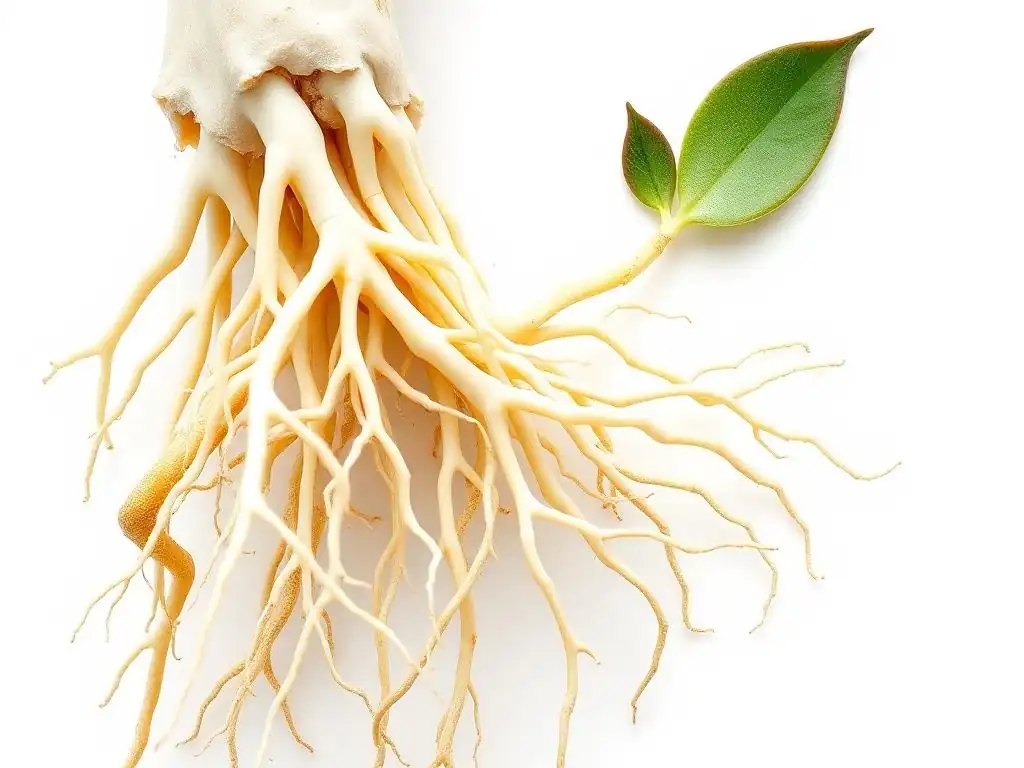
This section offers actionable advice for improving the health of your succulent's root system, focusing on practical techniques you can implement at home. Healthy roots are the foundation of a thriving succulent, so understanding and addressing their needs is crucial for successful cultivation. We'll explore key areas to ensure your succulents flourish. Remember, consistent attention to these details will significantly contribute to improving succulent root health.
Selecting the Right Potting Mix for Optimal Root Growth
The potting mix is paramount for healthy succulent roots. Poor drainage leads to root rot, a common and devastating problem. Avoid using garden soil, which retains too much moisture. Instead, opt for a well-draining mix specifically formulated for succulents and cacti. A good mix typically includes:
- Inorganic components: Perlite, pumice, coarse sand, or even small gravel improve aeration and drainage. These prevent the soil from becoming waterlogged.
- Organic components (in moderation): Coco coir or peat moss can add some water retention, but should be used sparingly to avoid compaction and excessive moisture. Too much organic matter can lead to root problems.
A well-balanced mix will feel light and airy, not heavy and clay-like. You should be able to easily see the individual components. Consider the following ratios as a starting point, but adjust based on your climate and the specific needs of your succulents:
| Component | Percentage | Rationale |
|---|---|---|
| Perlite/Pumice | 40-50% | Excellent drainage and aeration. |
| Coarse Sand | 20-30% | Improves drainage and provides some weight. |
| Coco Coir/Peat Moss | 10-20% | Adds minimal water retention and organic matter (use sparingly). |
Remember, the goal is to create a soil environment that allows for excellent air circulation around the roots, preventing the buildup of moisture that can lead to fungal diseases and root rot. Experiment with different ratios to find what works best for your environment and succulent types.
Proper Watering Techniques to Avoid Root Rot
Overwatering is a leading cause of succulent root problems. Succulents are adapted to arid conditions and store water in their leaves. Frequent watering leads to waterlogged soil, suffocating the roots and creating the perfect environment for root rot. Therefore, mastering proper watering techniques is critical for improving succulent root health.
The key is to allow the soil to dry out completely between waterings. This means feeling the soil – it should be completely dry to the touch, several inches below the surface. Water thoroughly when you do water, ensuring that water drains freely from the drainage holes. Never let your succulents sit in standing water.
Here are some additional tips:
- Water less frequently in winter: Succulents go dormant during colder months, requiring less water.
- Adjust watering based on environmental factors: Hot, dry conditions will necessitate more frequent watering than cooler, more humid conditions. Consider the temperature, humidity, and light levels in your environment.
- Use a watering can with a long spout: This allows for precise watering, preventing water from splashing onto the leaves and causing rot.
- Bottom-watering: This method involves placing the pot in a tray of water and allowing the soil to absorb moisture from the bottom. This is a great way to ensure even hydration without overwatering.
By carefully monitoring the soil moisture and adjusting your watering schedule accordingly, you can significantly reduce the risk of root rot and promote healthy root growth.
Recognizing and Addressing Common Root Problems
Identifying root problems early is crucial for successful treatment. Signs of unhealthy roots can include:
- Wilting despite adequate watering: This could indicate root rot or other root-related issues preventing water uptake.
- Yellowing or browning leaves: While this can have other causes, it can also indicate stress from unhealthy roots.
- Soft or mushy stems: This is a strong indicator of root rot.
- Roots that are brown, slimy, or mushy when inspecting the root ball: This is clear evidence of rot.
If you suspect root problems, carefully remove the succulent from its pot and inspect the roots. If you find rot, carefully trim away the affected areas using clean, sharp tools. Repot the succulent in fresh, dry potting mix. You might consider applying a fungicide to prevent further infection. Remember to allow the wound to callous over before replanting. Properly addressing root problems promptly is vital to improve succulent root health and the overall health of the plant. Prevention, through good soil and watering practices, remains the best strategy.
Future Directions in Succulent Root Health Research
The burgeoning field of succulent microbiome research holds immense promise for improving cultivation practices and enhancing plant health. While we've made significant strides in understanding the complex interplay between succulents and their root-associated microbes, much remains unexplored. Focusing research efforts on specific areas will be crucial for translating this knowledge into practical applications for succulent enthusiasts and professionals alike. This section explores key areas ripe for future investigation, with a focus on strategies to improve succulent root health.
The Potential of Microbial Inoculants for Succulent Cultivation
The application of beneficial microbial inoculants represents a potentially transformative approach to improving succulent root health. These inoculants, containing carefully selected strains of bacteria and fungi known to promote plant growth and resilience, could offer a natural and sustainable alternative to chemical fertilizers and pesticides. Imagine a world where succulent growers could simply add a specific microbial mix to their potting soil, bolstering root systems and enhancing overall plant vigor.
Several promising avenues require further investigation:
- Identifying key microbial consortia: Research needs to identify specific microbial communities most beneficial to different succulent species. This involves extensive screening and characterization of microbes isolated from healthy succulent roots, followed by testing their efficacy in controlled experiments. This requires detailed analysis of both the bacterial and fungal components of the rhizosphere.
- Formulating effective inoculants: Once beneficial microbial communities are identified, research must focus on developing stable and effective inoculant formulations. This involves optimizing the growth and preservation of microbes in a format suitable for application, ensuring the inoculant remains viable and effective over time. Factors like storage conditions and delivery methods must be carefully considered.
- Field trials and commercialization: Rigorous field trials are needed to assess the efficacy of microbial inoculants under diverse environmental conditions and on various succulent species. Successful field trials will pave the way for commercialization, making these beneficial microbes accessible to a wider range of succulent growers. This includes scalability considerations for mass production.
Understanding the Interactions Between Microbes and Plant Hormones
The intricate communication between the succulent root system and its associated microbes is mediated, in part, by plant hormones. Understanding these interactions is critical to developing targeted strategies for improving root health. For example, some microbes produce plant hormones like auxins and cytokinins, which stimulate root growth and development. Others produce compounds that protect against pathogens and enhance nutrient uptake.
Further research should focus on:
- Identifying specific hormone pathways: Detailed studies are needed to identify the specific plant hormone pathways influenced by different microbes. This involves advanced molecular techniques such as transcriptomics and metabolomics to analyze gene expression and metabolic changes in response to microbial interactions. This will allow for a deeper understanding of how microbes influence root development at a cellular level.
- Developing strategies to manipulate hormone production: Once the key hormone pathways are identified, research can focus on developing strategies to manipulate hormone production, either through the application of specific microbial inoculants or other approaches. This could involve genetic engineering or the use of specific growth regulators.
- Determining the role of plant genetics: It's crucial to understand how the genetic makeup of different succulent species influences their interactions with root microbes and their response to plant hormones. This will allow for the development of tailored strategies for improving root health in specific succulent varieties.
Developing Sustainable Practices for Improving Succulent Root Health
Sustainable practices are essential for long-term succulent cultivation and conservation. This involves minimizing environmental impact while maximizing plant health. Improving succulent root health through sustainable means is a vital component of this approach.
Key areas for future research include:
- Optimizing soil management: Research should focus on optimizing soil composition and management practices to promote healthy root systems. This includes investigating the benefits of different organic amendments, such as compost and mycorrhizal fungi, and their effects on soil structure, nutrient availability, and microbial communities. This could include comparing different soil types and drainage characteristics.
- Developing water management strategies: Efficient water management is crucial for succulent health. Research should focus on developing irrigation strategies that minimize water waste while promoting optimal root hydration. This could involve analyzing the impact of different watering frequencies and techniques on root development and overall plant health. Drought tolerance mechanisms at the root level should be studied in detail.
- Reducing the use of chemical inputs: The overuse of chemical fertilizers and pesticides can negatively impact soil health and microbial communities. Research should focus on developing integrated pest management strategies that minimize the use of chemical inputs while effectively controlling pests and diseases. This includes the exploration of biocontrol agents and other eco-friendly pest management techniques. This is crucial for maintaining a healthy microbiome and improving overall succulent root health. 🌱
Frequently Asked Questions
What is a succulent's microbiome, and why is it important for root health?
A succulent's microbiome refers to the community of microorganisms living in and around its roots. These microbes play a crucial role in nutrient uptake, water absorption, and disease resistance, directly impacting root health and overall plant vigor.
How can I improve the microbial diversity in my succulent's soil?
Improving microbial diversity involves using well-draining soil mixes, avoiding overwatering, and potentially introducing beneficial microbes through compost tea or mycorrhizal fungi. A healthy soil environment encourages a diverse and thriving microbiome.
What are the signs of unhealthy succulent roots?
Signs of unhealthy succulent roots include brown, mushy roots, a lack of root hairs, and slow or stunted growth. If you see these signs, assess your watering practices and soil composition.
How does watering affect succulent root health?
Proper watering is vital. Overwatering leads to root rot, while underwatering causes stress and inhibits root growth. Aim for consistent moisture without letting the soil stay soggy.
Can I use specific products to improve my succulent's root health?
Yes, you can use products like mycorrhizal fungi inoculants to boost beneficial microbes in the soil. Well-draining potting mixes specifically formulated for succulents also promote healthy root development.
Final Reflection: Cultivating Thriving Succulent Ecosystems
Understanding the intricate world of succulent root microbiomes is not merely an academic pursuit; it's the key to unlocking healthier, more resilient plants in our homes and gardens. The health of these often-overlooked root systems directly impacts the vibrancy and longevity of our beloved succulents, a truth that resonates deeply with both seasoned collectors and enthusiastic beginners alike. Ignoring this hidden world means missing out on the potential for truly thriving plants.
The exploration of succulent root health has profoundly shifted my own approach to plant care. I've learned to appreciate the unseen forces at play, recognizing that a healthy soil ecosystem is just as crucial as sunlight and water. This understanding has led me to experiment with different soil mixes, incorporating beneficial microbes and practicing more mindful watering techniques. The earth laughs in flowers.
– Ralph Waldo Emerson. This quote perfectly encapsulates the joy and reward that comes from nurturing a thriving plant, a joy amplified tenfold when you understand the complex processes happening beneath the surface.
Now, it's your turn to cultivate a deeper connection with your succulents. Consider the unseen world thriving beneath the soil. Experiment with different approaches to soil composition and watering, observe the changes in your plants, and embrace the journey of discovery. By understanding and nurturing the microbiome, you're not just improving the health of your succulents; you're fostering a vibrant, interconnected ecosystem that brings beauty and resilience to your life.
Unleash Your Succulents' Inner Strength!
Thank you for exploring the fascinating world of succulent root health! You've gained valuable knowledge about nurturing thriving plants. Ready to put this knowledge into practice?
- Boost your succulents' microbiome: Incorporate a diluted compost tea into your regular watering schedule. Observe the improvements in growth and overall plant health.
- Share your succulent journey: Connect with fellow succulent enthusiasts on our social media channels and share your experiences, both successes and challenges. Let's build a supportive community of plant lovers!
- Expand your knowledge: Learn more about beneficial soil microbes by researching "mycorrhizal fungi for succulents" online. You might uncover surprising and effective techniques.
What small step will you take today to improve your succulent care?