
Ditch the Overwatering Habit: Expert Tips for Succulent Water Conservation

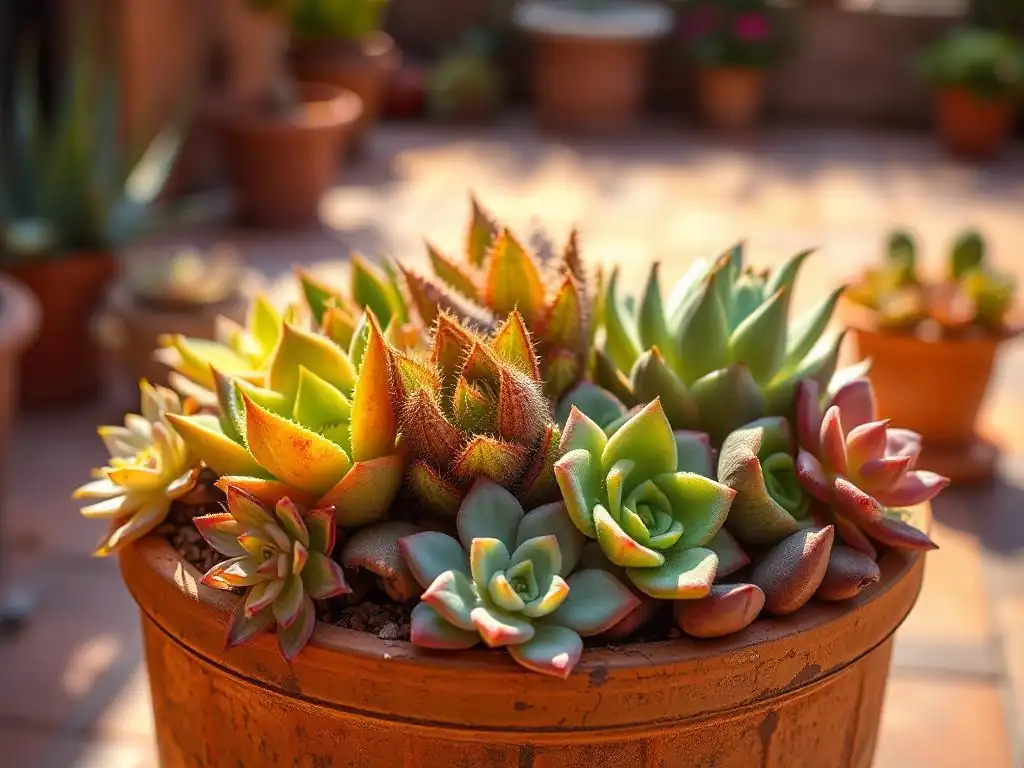
Dive into the fascinating world of succulents with SucculentEssentials.org! Are you ready to unlock the secrets to thriving succulents, even if you’re a complete beginner? Discover the art of succulent watering, a crucial element often misunderstood. Our expert guide on "Succulent watering tips beginners" will help you avoid common pitfalls and nurture your precious plants to their fullest potential. Prepare to be amazed by what you can achieve with the right knowledge—let's get started!
- Understanding Succulent Watering Needs: A Beginner's Guide
- Essential Succulent Watering Tips for Beginners
- Avoiding Common Succulent Watering Mistakes
- Advanced Succulent Watering Strategies
- Beyond Watering: Promoting Healthy Succulent Growth
- Frequently Asked Questions
- Final Reflection: The Enduring Thirst for Succulent Success
- Unleash Your Inner Green Thumb: Thrive with Happy Succulents!
Understanding Succulent Watering Needs: A Beginner's Guide
Succulents, with their fascinating variety and resilience, have captured the hearts of plant enthusiasts worldwide. Their ability to thrive in arid conditions makes them popular choices for both seasoned gardeners and beginners alike. However, even the most drought-tolerant succulents can suffer from improper watering, leading to root rot and ultimately, plant death. This comprehensive guide provides essential succulent watering tips for beginners, focusing on recognizing overwatering signs, understanding root systems, and the crucial role of well-draining soil.
Mastering these techniques is key to nurturing healthy, vibrant succulents and embracing sustainable gardening practices. This article will equip you with the knowledge to avoid common pitfalls and cultivate a thriving succulent collection, contributing to environmentally conscious plant care. We'll explore how to prevent overwatering, a significant challenge for many new succulent owners, and transform your watering routine into a sustainable and effective method. Let's dive in!
Recognizing Signs of Overwatering in Succulents
Overwatering is a common mistake amongst beginner succulent enthusiasts. It's crucial to learn how to identify the signs early to prevent irreversible damage. Overwatered succulents often exhibit several tell-tale symptoms:
- Mushy or soft leaves: Healthy succulent leaves are firm and plump. If they feel soft, mushy, or even squishy to the touch, it's a clear indication of excess moisture.
- Leaf discoloration: Leaves may turn yellow, brown, or develop dark spots, indicating root rot. This discoloration often starts at the base of the plant.
- Falling leaves: Excessive moisture weakens the plant, causing leaves to drop off easily.
- Foul odor: A musty or unpleasant smell emanating from the soil signals bacterial or fungal growth, a direct consequence of overwatering.
- Stem rot: In severe cases, the stem itself may become soft and mushy, indicating extensive root rot and potentially fatal damage.
Remember, prevention is key! Regularly checking your succulents for these signs will allow for timely intervention and prevent serious issues. Early detection dramatically increases the chances of saving an overwatered succulent. Don't wait for severe symptoms to appear; proactive monitoring is essential.
Understanding Succulent Root Systems and Water Absorption
Succulents possess unique root systems adapted to their arid environments. Unlike many other plants, their roots are relatively shallow and designed for efficient water absorption during infrequent rainfall. These roots are particularly susceptible to rot when exposed to consistently moist soil. Understanding this crucial aspect of succulent biology is vital for appropriate watering practices.
The shallow root system means that the soil needs to be well-draining to avoid waterlogging. Waterlogged soil suffocates the roots, preventing oxygen uptake and leading to root rot. This, in turn, prevents the plant from absorbing the necessary nutrients and water, even when provided. It's a vicious cycle that can quickly lead to the demise of your succulents. Therefore, choosing the right soil mix is just as important as the watering schedule itself.
The Importance of Well-Draining Soil for Succulent Health
Using a well-draining soil mix is paramount for succulent health and preventing overwatering issues. Standard potting soil retains too much moisture, creating the perfect environment for root rot. A suitable succulent soil mix typically includes:
- Potting soil: Forms the base of the mix, providing essential nutrients.
- Perlite: Improves drainage and aeration.
- Coarse sand: Enhances drainage and prevents compaction.
- Pumice: Adds excellent drainage and aeration, similar to perlite.
The ideal mix should allow water to drain freely, preventing water from pooling around the roots. You can purchase pre-mixed succulent soil or create your own blend using these ingredients. The key is to ensure that the soil is porous and allows for sufficient airflow around the roots. This crucial step significantly reduces the risk of overwatering and supports healthy succulent growth. Investing time in creating or acquiring the right soil mix is an investment in the long-term health and beauty of your succulents. 🌵
Choosing the Right Potting Mix for Optimal Drainage
Proper drainage is paramount when it comes to succulent watering. Overwatering is a common killer of succulents, and using the wrong potting mix is a major contributor to this problem. Standard potting soil, designed for moisture-loving plants, retains too much water, leading to root rot, a devastating condition for succulents. The ideal potting mix for succulents prioritizes aeration and drainage, allowing excess water to escape readily.
A well-draining mix typically consists of a blend of inorganic materials and a small amount of organic matter. Inorganic components, such as perlite, pumice, and coarse sand, provide excellent aeration and drainage. These materials increase the porosity of the soil, preventing water from becoming stagnant around the roots. Adding a small percentage of organic matter, like coco coir or peat moss, helps retain some moisture, providing a balance between drainage and hydration. However, it's crucial to ensure that the organic component doesn't outweigh the inorganic, leading to a mix that retains too much water.
Many succulent enthusiasts create their own custom potting mixes, tailoring the proportions of ingredients to their specific climate and succulent varieties. A common recipe involves a 1:1:1 ratio of perlite, pumice, and cactus potting mix. Others prefer to add a small amount of vermiculite for added water retention. Experimentation is key to finding the perfect blend that works best for your succulents and your environment.
Observing the drainage after watering is crucial; if water sits on top of the soil for an extended period, the mix needs to be amended with more inorganic materials. Remember, it's always better to err on the side of caution and prioritize drainage over moisture retention for your succulents. The health and longevity of your plants depend on it. Proper drainage helps prevent fungal diseases and other water-related problems, ensuring your succulents thrive.
Essential Succulent Watering Tips for Beginners
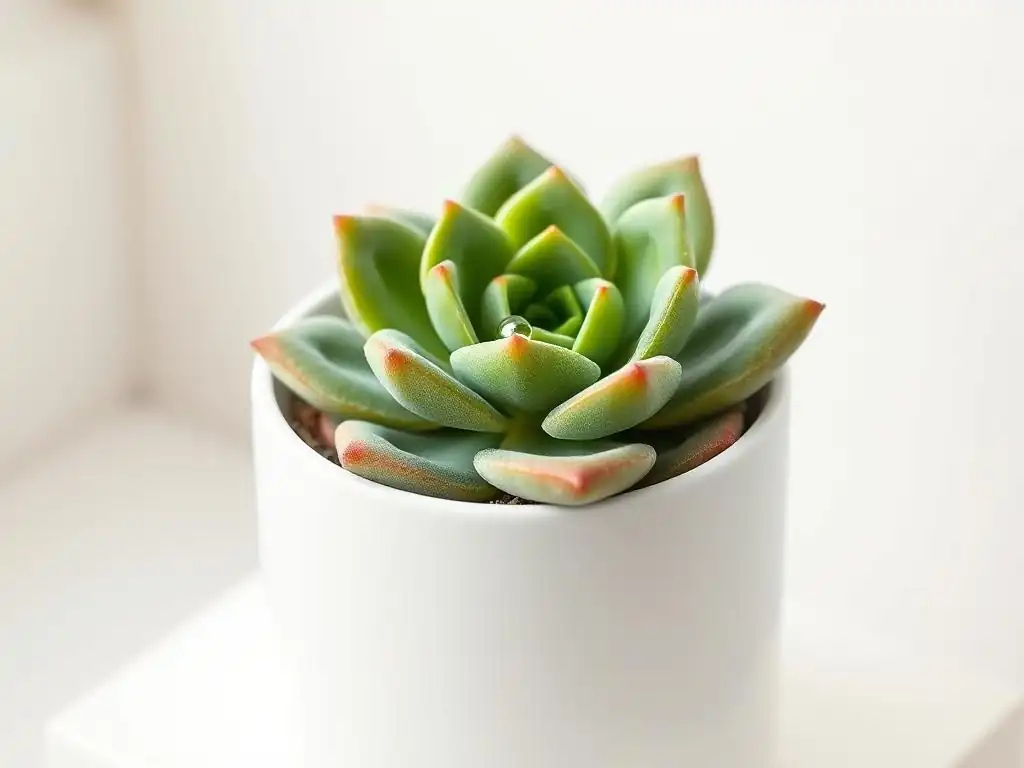
This section provides crucial guidance for novice succulent enthusiasts on proper watering techniques, focusing on water conservation and plant health. Mastering these techniques is key to thriving succulents, regardless of your experience level. We'll explore seasonal watering adjustments, effective watering methods, and the popular "soak and dry" method. Remember, under-watering is far preferable to over-watering when it comes to succulents.
How Often to Water Succulents: A Seasonal Approach
The frequency of succulent watering is heavily influenced by the season and environmental conditions. During the active growing season (typically spring and summer), succulents require more frequent watering due to increased evaporation and higher metabolic rates. However, watering frequency should decrease significantly during the dormant period (autumn and winter).
Here's a seasonal guideline, remembering that these are general recommendations and you should always check the soil moisture before watering:
- Spring & Summer: Water thoroughly when the top inch or two of soil is completely dry. This might mean watering every 7-14 days, depending on factors like sunlight exposure, pot size, and ambient temperature. Hotter, sunnier conditions necessitate more frequent watering.
- Autumn & Winter: Reduce watering frequency drastically. Succulents enter dormancy, requiring minimal water to prevent root rot. Watering every 3-4 weeks, or even less frequently, may suffice in cooler, drier conditions. Always allow the soil to dry completely between waterings. Avoid watering altogether if the plant is in a consistently cold or damp environment.
Remember, consistently damp soil is a recipe for root rot, a common killer of succulents. Always err on the side of caution and allow the soil to dry out completely before watering again. This is a crucial succulent watering tip for beginners.
Watering Techniques: Deep Watering vs. Frequent Misting
Two primary watering techniques exist: deep watering and frequent misting. While misting might seem like a gentle approach, it's generally ineffective and can even be detrimental to succulents.
- Deep Watering: This is the preferred method. Thoroughly soak the soil until water drains from the drainage holes. This ensures the roots receive adequate hydration. Allow excess water to drain completely to prevent root rot. This deep, infrequent watering mimics the natural rainfall patterns succulents are adapted to.
- Frequent Misting: This technique provides minimal hydration and encourages the growth of surface-dwelling algae and fungi. It does not adequately hydrate the root system and can lead to uneven moisture distribution, potentially stressing the plant. Avoid misting as a primary watering method.
The table below summarizes the key differences:
| Technique | Effectiveness | Frequency | Advantages | Disadvantages |
|---|---|---|---|---|
| Deep Watering | High | Infrequent | Deep root hydration, mimics natural rainfall | Requires careful monitoring of soil moisture |
| Frequent Misting | Low | Frequent | Minimal hydration, may prevent root rot | Ineffective, encourages algae and fungi |
The "Soak and Dry" Method: A Proven Technique for Succulent Hydration
The "soak and dry" method is a highly effective and efficient watering strategy for succulents. It involves thoroughly soaking the soil until water runs out of the drainage holes, then allowing the soil to dry out completely before watering again. This cycle mimics the natural environment of many succulents, promoting robust root growth and preventing root rot.
This method requires patience and observation. Don't be tempted to water before the soil is completely dry. Check the soil moisture regularly by inserting a finger about an inch or two into the soil. If it feels dry, it's time to water. If it still feels moist, wait a few more days.
The "soak and dry" method is a fundamental succulent watering tip for beginners, promoting healthy and vigorous growth while preventing common issues associated with improper watering. Consistency is key; stick to the method, observe your plants closely, and adjust your watering schedule as needed based on your environment and the specific needs of your succulents. This careful approach will reward you with thriving and beautiful plants.
Monitoring Soil Moisture: Effective Methods for Beginners
Determining when to water your succulents hinges on understanding soil moisture levels. Overwatering is a common culprit in succulent demise, so mastering this skill is crucial for succulent watering tips beginners. Avoid relying solely on a schedule; instead, check the soil's moisture before each watering. Several methods can help beginners accurately assess soil moisture:
- The Finger Test: This simple method is surprisingly effective. Insert your index finger about an inch into the soil. If it feels dry, it's time to water. If it feels moist or damp, wait a few more days. This method works best for succulents planted in well-draining soil.
- The Wooden Skewer Test: Insert a wooden skewer or chopstick into the soil near the plant. Leave it for a few minutes, then remove it. If the skewer comes out mostly dry, watering is needed. A damp skewer indicates sufficient moisture. This is particularly useful for larger pots or deep containers where the finger test might be less effective.
- Moisture Meter: A soil moisture meter provides a more precise reading. Simply insert the probe into the soil, and the meter will display the moisture level. While convenient, these meters can be less accurate in very small pots or with unusually dense soil. Remember to calibrate your meter regularly for accurate readings.
It's important to remember that the top layer of soil may dry out quicker than the deeper layers. Therefore, check the soil a few inches down, especially in larger pots. Regular monitoring, combined with the right method, will prevent both underwatering and, more importantly, overwatering. Consistent practice will build your confidence and improve your ability to gauge the perfect watering time for your succulents. Mastering this skill is crucial for long-term succulent health and is one of the most important succulent watering tips beginners should learn.
Adapting Watering Schedules Based on Environment and Plant Size
Succulents' watering needs vary significantly depending on environmental factors and the size of the plant. A small succulent in a sunny window will dry out faster than a larger one in a shady spot. Understanding this dynamic is key to implementing successful succulent watering tips beginners should follow.
- Environmental Factors: Temperature, humidity, and sunlight intensity all impact how quickly the soil dries. Hotter, drier, and sunnier conditions will lead to faster drying, requiring more frequent watering. Conversely, cooler, more humid, and shadier conditions will mean less frequent watering. During winter months, many succulents enter a period of dormancy, requiring significantly less water. Observe your environment and adjust your watering schedule accordingly. This adaptability prevents overwatering, a common problem for beginners.
- Plant Size and Pot Size: Larger succulents and those planted in larger pots hold more moisture and will require less frequent watering than smaller plants in smaller pots. A small succulent in a tiny pot may need watering once a week in hot weather, while a large succulent in a larger pot might only need watering every two to three weeks. Always consider the size of the plant and its pot when determining your watering schedule. This is a key aspect of succulent watering tips beginners must understand to avoid common mistakes.
- Pot Material: The material of the pot also impacts the frequency of watering. Terracotta pots are porous, allowing for better evaporation and potentially needing more frequent watering than plastic or glazed ceramic pots, which retain moisture for longer periods. This difference in water retention is often overlooked by beginners and can lead to either underwatering or overwatering.
By considering these environmental and plant-specific factors, you can develop a tailored watering schedule for each succulent. This personalized approach is far superior to a rigid, one-size-fits-all schedule and is a cornerstone of effective succulent care for beginners. Remember to always check the soil moisture before watering, regardless of your established schedule, to prevent overwatering.
Avoiding Common Succulent Watering Mistakes
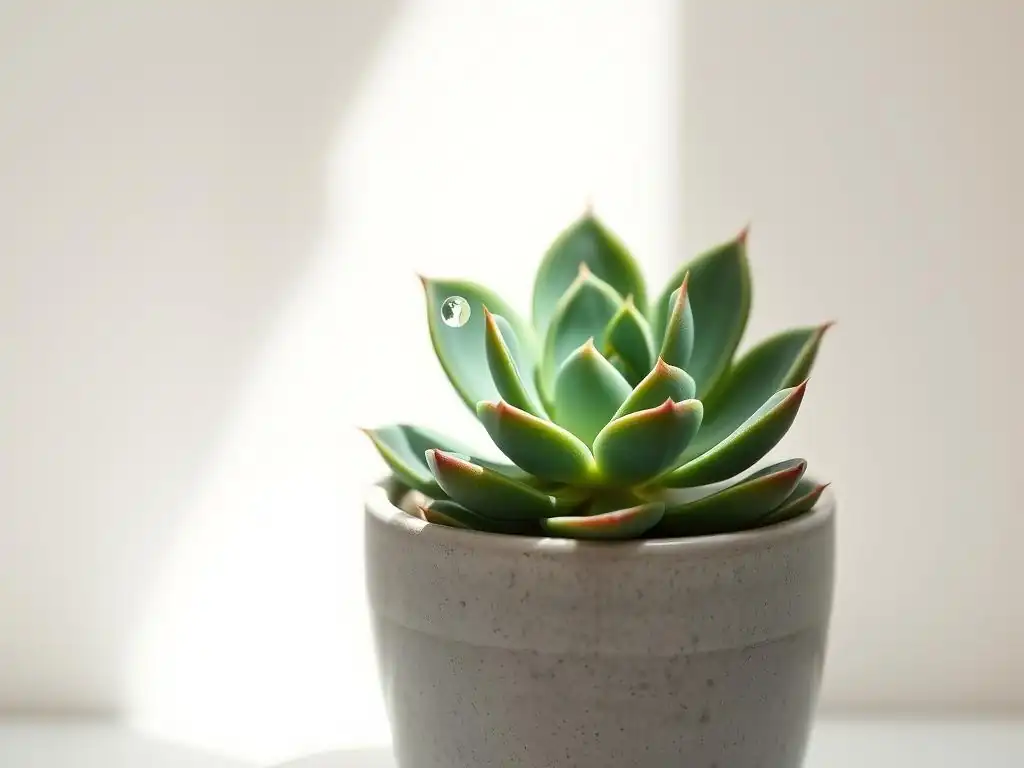
This section dives deep into the pitfalls of succulent care, focusing on prevalent watering errors and how to avoid them. Many beginners struggle with watering, often leading to plant demise. Mastering proper hydration is key to succulent success. Let's explore some common mistakes and their solutions.
The Dangers of Overwatering: Root Rot and Other Issues
Overwatering is the number one killer of succulents. Unlike other plants, succulents store water in their leaves and stems, making them highly susceptible to root rot in excessively moist conditions. Root rot, caused by fungal pathogens thriving in saturated soil, prevents the roots from absorbing nutrients and water, leading to a slow, agonizing death for your beloved plants.
The symptoms are often subtle at first: slightly mushy leaves, discoloration (often yellowing or browning), and a general lack of vibrancy. As the rot progresses, the leaves become completely mushy, and the entire plant may collapse. Prevention is key. Always allow the soil to dry out completely between waterings. This means letting the top inch or two of soil become completely dry to the touch. Using well-draining potting mix specifically formulated for succulents is also crucial. This mix usually incorporates materials like perlite, pumice, or coarse sand to improve drainage and aeration.
Here's a table summarizing the visual symptoms of root rot:
| Symptom | Description | Severity |
|---|---|---|
| Mushy Leaves | Leaves feel soft and spongy to the touch. | Early to Late |
| Discoloration | Yellowing, browning, or blackening of leaves. | Early to Late |
| Foul Odor | A pungent, unpleasant smell emanating from the soil. | Late |
| Stem Softening | The stem becomes soft and mushy. | Late |
| Leaf Drop | Premature shedding of leaves. | Late |
Remember, early detection is key! If you suspect root rot, carefully remove the plant from its pot and inspect the roots. Any dark, mushy, or slimy roots should be trimmed away with sterilized tools. Repotting in fresh, dry succulent soil is essential.
Understanding the Impact of Different Watering Methods
The method of watering significantly impacts a succulent's health. Simply pouring water over the top can lead to uneven moisture distribution and potential for crown rot (rot at the base of the plant). Bottom watering, a preferable method for many succulent enthusiasts, allows the soil to absorb water gradually from the bottom up, ensuring even hydration.
Another effective method is soaking the pot. Submerge the pot in a container of water for about 15-20 minutes, allowing the soil to absorb water thoroughly. This method is particularly useful for larger pots or containers. However, always ensure proper drainage afterward to prevent waterlogging.
Choosing the right watering method depends on several factors, including the size of your succulent, the type of pot, and the type of soil. Experiment with different methods to determine what works best for your specific plants and conditions. Pay close attention to how your succulents respond to each watering technique. Regular observation is crucial to fine-tuning your watering routine.
Recognizing Signs of Underwatered Succulents (to avoid over-correction)
While overwatering is a major problem, underwatering can also stress your succulents, making them vulnerable to pests and diseases. Understanding the signs of underwatering will help you avoid over-correcting by drowning your plants.
Underwatered succulents often exhibit shriveled or wrinkled leaves, indicating a lack of moisture. The leaves may also appear dull and lack their usual firmness. The plant may also show stunted growth or become completely dormant. Crucially, these symptoms are easily mistaken for root rot, leading to accidental overwatering.
Unlike overwatered succulents which feel mushy, underwatered succulents feel dry and brittle. The soil will be completely dry to the touch, even several inches down. Before watering, carefully inspect your succulent for signs of pests or diseases, as stress from underwatering can exacerbate these issues. When watering an underwatered succulent, water thoroughly until water drains from the drainage holes. Avoid frequent, shallow waterings, as this can lead to root problems. Consistent, deep watering is far more effective. Remember, patience is key. A slightly underwatered succulent will recover more quickly than an overwatered one.
Seasonal Adjustments: Tailoring Your Watering Routine
Succulent watering isn't a one-size-fits-all affair; it's crucial to adjust your watering schedule based on the season. During the active growing season, typically spring and summer, your succulents will require more frequent watering. Think of it like this: they're actively producing new growth, and that process demands more water. However, even during these warmer months, avoid overwatering.
Instead of sticking to a rigid schedule, check the soil moisture regularly. If the top inch or two of soil is dry to the touch, it's time to water. Remember, it's better to underwater slightly than to overwater, especially with succulents prone to rot, like Echeveria and Sempervivum.
In contrast, during the dormant period (fall and winter), succulents enter a state of rest. Their metabolic processes slow down significantly, meaning their water needs drastically reduce. You might find you only need to water your succulents once a month, or even less frequently, depending on your climate and the specific succulent species. Cold temperatures and reduced sunlight further decrease the plant's need for hydration.
Overwatering during dormancy can lead to root rot, a common and often fatal problem for succulents. Always prioritize allowing the soil to dry out completely between waterings during the colder months. Observe your plants closely – their leaves will often signal their thirst, becoming slightly shriveled before they truly need water. This mindful approach is key to successful succulent care for beginners.
Troubleshooting Common Watering Problems
Even with careful attention, problems can arise. Let's address some common succulent watering issues and how to resolve them:
- Root Rot: This is the most frequent problem stemming from overwatering. Symptoms include mushy, dark leaves, a foul odor emanating from the soil, and a general decline in the plant's health. If you suspect root rot, carefully remove the succulent from its pot. Inspect the roots; if they are brown, mushy, and smell unpleasant, you'll need to take action. Remove any affected roots with clean, sharp scissors. Repot the succulent in fresh, well-draining soil, ensuring the pot has adequate drainage holes. Reduce watering frequency significantly, allowing the soil to dry out completely before the next watering.
- Leaf Drop: While sometimes a natural process, excessive leaf drop can indicate either underwatering or overwatering. Underwatering leads to shriveled leaves that eventually fall off, whereas overwatering can cause leaves to become waterlogged and drop prematurely. If you notice leaf drop, assess the soil moisture. Adjust your watering schedule accordingly, providing more water if the soil is dry and less if it's consistently damp.
- Wilting: Wilting is a clear sign that your succulent needs water. However, it's important to distinguish between temporary wilting due to underwatering and permanent wilting due to severe root rot or other issues. If the wilting is temporary and resolves after watering, you've simply caught it before it became a significant problem. However, if the wilting persists even after watering, there might be a more serious underlying issue requiring further investigation. Check for root rot and consider other environmental factors like insufficient light. Remember, prevention is key! Regular soil moisture checks can prevent most wilting issues. This is especially important for succulent watering tips beginners should follow closely.
Remember, patience and observation are key to mastering succulent watering. Don't be afraid to experiment and adjust your technique based on your environment and the specific needs of your succulents. With consistent care, your succulents will thrive and reward you with their unique beauty.
Advanced Succulent Watering Strategies
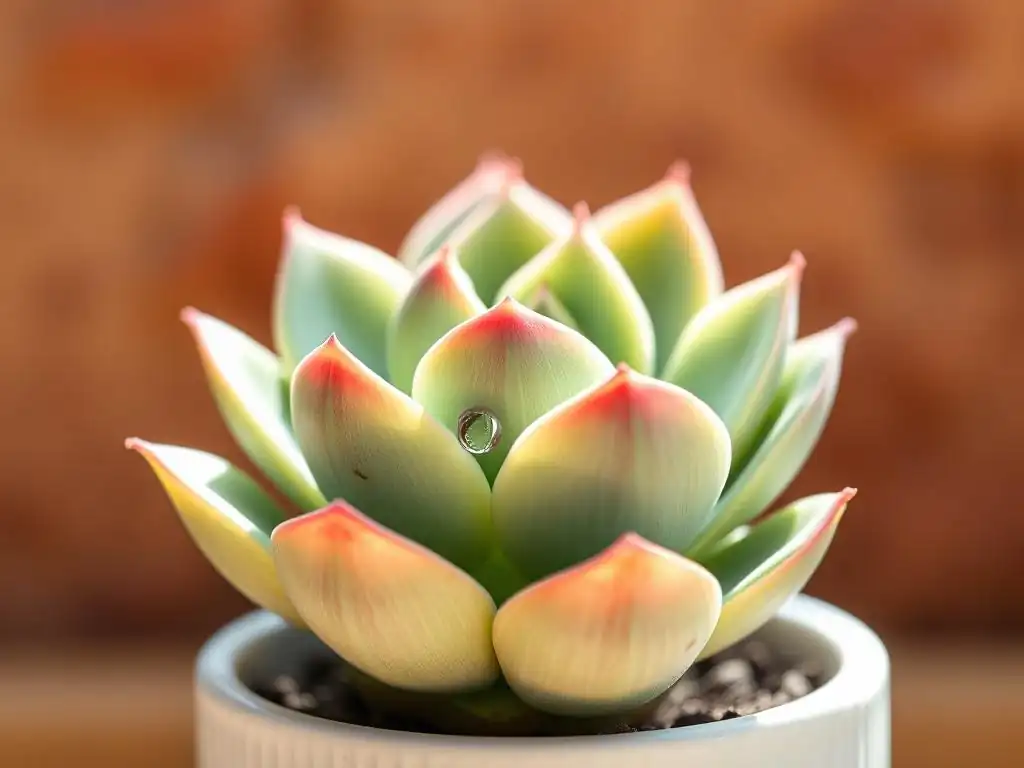
This section delves into more nuanced aspects of succulent watering, moving beyond the basics for those seeking to master the art of succulent hydration. We'll explore advanced techniques and considerations to ensure your succulents thrive, regardless of their environment or variety. Remember, even with these advanced techniques, careful observation remains key to successful succulent care. Consistent monitoring will help you tailor your watering approach to the individual needs of your plants.
Watering Succulents in Different Environments: Indoors vs. Outdoors
The location of your succulents significantly impacts their watering needs. Indoor and outdoor environments present distinct challenges.
Indoor succulents often face lower light levels and less air circulation. This slower evaporation rate means they require less frequent watering compared to their outdoor counterparts. Overwatering is a common problem for indoor succulents.
Signs of overwatering include mushy leaves, root rot, and a general lack of vibrancy. A good rule of thumb is to allow the soil to dry out completely between waterings, which might mean watering only every 2-4 weeks depending on the size of the pot, the type of succulent, and the ambient humidity. Consider using a well-draining potting mix specifically formulated for succulents to further reduce the risk of overwatering.
Outdoor succulents, however, are exposed to the elements. Sun, wind, and heat accelerate evaporation, leading to quicker drying of the soil. These plants may need watering more frequently, possibly once a week or even more often during hot, dry spells. However, even outdoor succulents benefit from allowing the soil to dry out somewhat between waterings.
The frequency will largely depend on factors like rainfall, temperature, and sun exposure. Observe the soil moisture closely and adjust your watering schedule accordingly. During winter months, outdoor succulents may require significantly less watering, potentially only once a month or even less, depending on the climate.
Watering Considerations for Different Succulent Varieties
Not all succulents are created equal. Different varieties have varying water requirements based on their origin and leaf structure. Some succulents, like Echeveria, are relatively drought-tolerant and require less frequent watering. Others, such as Sedum morganianum (Burro's Tail), are more sensitive to overwatering and require careful monitoring.
| Succulent Variety | Watering Frequency (Approximate) | Soil Moisture Preference | Notes |
|---|---|---|---|
| Echeveria | Every 2-3 weeks (indoor), weekly (outdoor) | Allow to dry completely between waterings | Highly drought-tolerant; prone to root rot if overwatered. |
| Sedum morganianum (Burro's Tail) | Every 1-2 weeks (indoor), every 5-7 days (outdoor) | Slightly moist, never soggy | Sensitive to overwatering; avoid getting water on the trailing stems. |
| Haworthia | Every 2 weeks (indoor), every 7-10 days (outdoor) | Allow to dry out between waterings | Relatively drought-tolerant; prefers well-draining soil. |
| Aloe vera | Every 1-2 weeks (indoor), weekly (outdoor) | Allow to dry out between waterings | Needs well-draining soil; avoid waterlogging. |
Understanding these variations is crucial for preventing common watering mistakes. Research the specific needs of your succulent collection to optimize their care.
Using Smart Watering Systems for Consistent Hydration
For those seeking a more hands-off approach, smart watering systems offer a convenient and efficient solution. These systems use sensors to monitor soil moisture levels and automatically deliver water when needed. This technology eliminates guesswork and helps prevent both under- and overwatering. This is particularly beneficial for succulent enthusiasts with large collections or those who travel frequently.
While these systems can be a valuable asset, it's important to still periodically check on your succulents and adjust settings as needed, particularly during seasonal changes or when you notice any signs of stress. Remember that smart systems are a tool to assist your watering routine, not to completely replace careful observation and understanding of your plants' needs. Always prioritize careful monitoring and understanding of your plants' individual needs over complete automation.
The Role of Humidity in Succulent Watering
High humidity can significantly impact your succulent watering schedule. Unlike their desert counterparts, succulents in humid environments don't dry out as quickly. The constant moisture in the air slows down the evaporation rate from the soil, meaning the soil remains wet for longer periods. This increased moisture retention can lead to root rot if you maintain your usual watering schedule. Therefore, in humid climates or environments with high humidity levels (like a bathroom with poor ventilation), you need to adjust your watering frequency.
Instead of following a set schedule, monitor the soil moisture closely. Use a moisture meter, or stick your finger a couple of inches into the soil; if it feels moist, postpone watering. Signs of overwatering in humid conditions include mushy leaves, discoloration, and a foul odor emanating from the soil. Remember, prevention is key; it's much easier to underwater than to revive a succulent suffering from root rot caused by excessive moisture.
Consider improving air circulation around your succulents by using fans or placing them in well-ventilated areas. This will help the soil dry out more quickly, reducing the risk of overwatering. Even a small adjustment in your watering habits can make a big difference in the health and longevity of your succulents in humid environments. Regularly inspecting your plants for signs of overwatering remains crucial regardless of your climate.
Creating a Sustainable Watering Plan for Your Succulent Collection
Developing a sustainable watering plan is crucial for the long-term health of your succulent collection and reduces water waste. Begin by assessing your environment. Consider factors like sunlight exposure, temperature fluctuations, and humidity levels, as these all influence how quickly your succulents' soil dries. Next, group your succulents based on their water needs. For instance, Echeveria species generally require less frequent watering than Sedum species. This grouping allows for targeted watering, preventing overwatering of less thirsty varieties.
A simple watering schedule might involve a weekly check, focusing on thorough watering when the soil is completely dry. However, this should always be secondary to soil moisture checks. Don't be afraid to adjust your watering plan based on seasonal changes. During the winter months, when succulents are largely dormant, significantly reduce watering frequency. Conversely, during the warmer months, you may need to water more frequently. Utilize water-efficient techniques like bottom watering or using a drip irrigation system for larger collections to minimize water spillage and runoff.
Remember, consistency is key. Establish a routine and stick to it, making adjustments as needed based on your observations and the specific needs of your plants. This personalized approach ensures you are providing the optimal amount of water, promoting healthy growth while conserving this precious resource. Regularly reviewing and refining your watering strategy will contribute to the successful long-term care of your succulents. Don't forget to document your observations – noting watering dates, soil moisture levels, and plant responses will improve your watering technique over time.
Beyond Watering: Promoting Healthy Succulent Growth
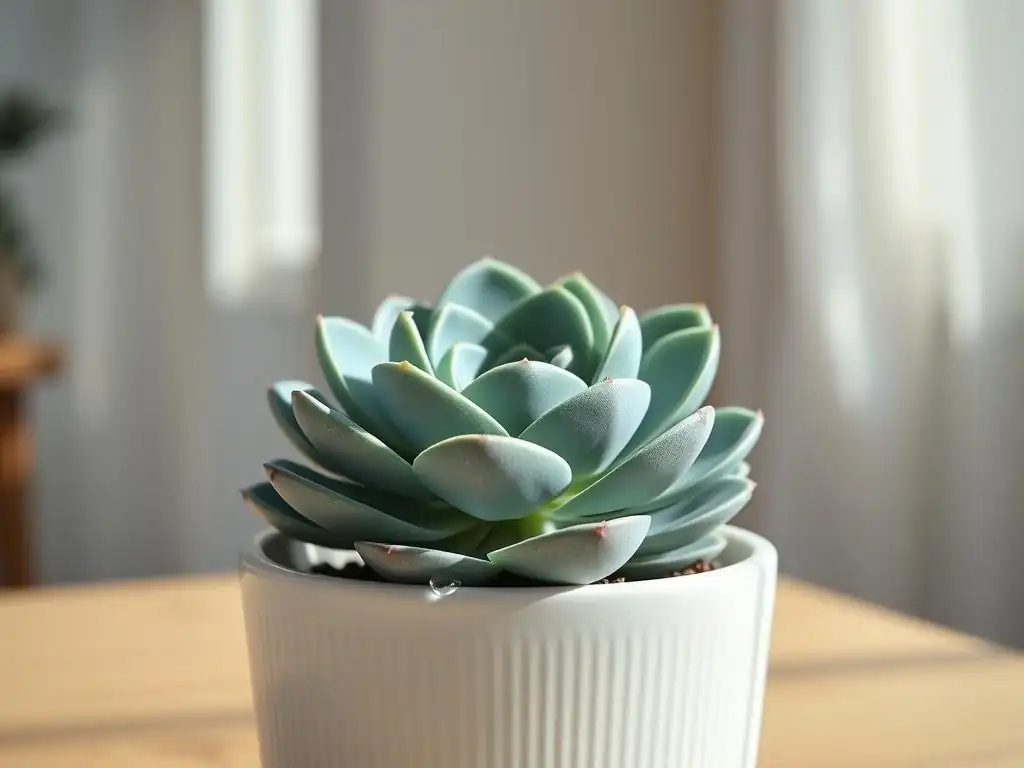
This section delves into crucial aspects of succulent care beyond just watering, focusing on elements vital for their robust growth and overall health. While proper watering is fundamental (as discussed in previous sections), neglecting other essential factors can significantly hinder even the most meticulously watered succulent's development. Think of it like this: water is the lifeblood, but sunlight, temperature, and nutrients are the essential vitamins and minerals.
The Importance of Proper Sunlight Exposure for Succulents
Succulents, native to arid and semi-arid regions, thrive in bright, indirect sunlight. Direct, intense sunlight, especially during the hottest parts of the day, can scorch their leaves, leading to sunburns and potentially irreversible damage. The ideal amount of sunlight varies depending on the specific succulent species; however, a general guideline is 6-8 hours of bright, indirect light daily. Consider the following:
- East- or west-facing windows: These locations generally provide the best balance of sunlight, avoiding the harsh midday sun.
- South-facing windows: Require careful monitoring and potentially shading during peak sun hours to prevent scorching.
- North-facing windows: May provide insufficient light for many succulent varieties, potentially leading to etiolation (leggy growth).
Observing your succulents is key. Signs of insufficient light include pale, stretched-out growth, while signs of too much sun include browning or reddish-brown leaf tips and overall wilting. Adjust the placement of your plants accordingly to ensure they receive the optimal amount of sunlight for their specific needs. Remember, even slight adjustments can make a big difference in your succulents' health and appearance. Regularly rotating your plants can also ensure even light distribution across all sides.
Optimal Temperature Ranges for Succulent Thriving
Temperature plays a crucial role in succulent health and growth. Most succulents prefer daytime temperatures between 70-80°F (21-27°C) and slightly cooler nighttime temperatures, ideally around 50-60°F (10-16°C). Extreme temperatures, both hot and cold, can stress succulents and make them more susceptible to pests and diseases. Protecting your succulents from extreme temperature fluctuations is vital, especially during winter and summer months.
Consider these practical tips:
- Summer heat: Provide shade during the hottest parts of the day to prevent overheating. A well-ventilated area is also crucial to avoid trapping heat.
- Winter chill: Bring your succulents indoors or to a protected area if temperatures drop below freezing. Even a brief exposure to frost can cause irreversible damage.
- Sudden temperature changes: Avoid placing succulents near drafty windows or air conditioning vents, which can cause sudden temperature fluctuations that stress the plants.
Maintaining a consistent temperature range contributes significantly to the overall well-being and growth of your succulent collection. A stable environment minimizes stress and encourages healthy development, resulting in vibrant, thriving plants. Monitoring temperatures, especially during seasonal changes, allows for proactive adjustments to ensure optimal growing conditions.
Fertilizing Succulents: When and How
While succulents are relatively low-maintenance, they still benefit from occasional fertilization. However, over-fertilizing can be detrimental, leading to salt buildup in the soil and potentially harming the roots. A balanced, diluted fertilizer specifically formulated for cacti and succulents is recommended. The best time to fertilize is during the active growing season, typically spring and summer.
Here's a practical guide:
- Frequency: Fertilize your succulents once a month during the growing season (spring and summer), and discontinue fertilizing during the dormant season (fall and winter).
- Dilution: Always dilute the fertilizer to half or even a quarter of the recommended strength on the package. It's better to under-fertilize than to over-fertilize.
- Application: Apply the diluted fertilizer directly to the soil, ensuring it reaches the roots. Avoid getting fertilizer on the leaves, as it can cause burning.
Remember that many succulents are adapted to nutrient-poor environments and don't require frequent feeding. Observing your plants for signs of nutrient deficiency (slow growth, pale leaves) is a better indicator of the need for fertilizer than adhering strictly to a schedule. A healthy, balanced approach to fertilizing, combined with proper watering and sunlight, ensures the long-term health and beauty of your succulent collection. Over-fertilizing is a common mistake among beginners, so err on the side of caution and prioritize a less-is-more approach.
Choosing the Right Pot Size for Your Succulents
Selecting the appropriate pot size is crucial for succulent health and water conservation. Oversized pots retain excess moisture, increasing the risk of root rot, a common problem for succulents prone to overwatering. Conversely, pots that are too small restrict root growth and can lead to stunted development. The ideal pot size allows for sufficient root expansion while promoting good drainage and airflow. For most succulents, a pot that's only slightly larger than the root ball is best.
Consider the mature size of your succulent – a small echeveria will need a smaller pot than a large agave. Terracotta pots are excellent choices for succulents because they are porous, allowing for better air circulation and preventing soil from becoming overly saturated. Plastic pots, while convenient, can retain more moisture, so ensure they have ample drainage holes. Always check the bottom of the pot for drainage holes; without them, your succulents are at significantly higher risk of root rot, regardless of your watering habits.
Remember to repot your succulents as they grow, moving them to slightly larger containers to accommodate their expanding root systems. This process allows for optimal root development and helps to avoid overwatering issues associated with pots that are too large. Regularly inspect your succulents for signs of root-bound conditions, such as roots circling the base of the plant or emerging from the drainage holes. This signals the need for repotting.
Preventing Pests and Diseases in Succulents
Healthy succulents are better equipped to withstand periods of drought and less susceptible to disease. Regularly inspecting your plants for signs of pests and diseases is key to proactive succulent care. Common pests include mealybugs, aphids, and spider mites. Mealybugs appear as small, white, cottony masses, often clustering in leaf axils or near the base of the plant. Aphids are small, soft-bodied insects that suck plant sap, causing leaf distortion and yellowing. Spider mites are tiny arachnids that spin fine webs on the leaves, causing stippling and discoloration.
Early detection is crucial; a quick spray of insecticidal soap can often effectively eliminate infestations. For severe infestations, consider using a systemic insecticide, following the manufacturer's instructions carefully. Diseases in succulents are often caused by fungal or bacterial infections, frequently stemming from overwatering or poor drainage. Signs of disease can include leaf spots, rot, or wilting. Good sanitation practices are essential in preventing disease. Ensure your potting mix is well-draining and avoid wetting the foliage when watering.
If you notice signs of disease, remove affected leaves or stems immediately to prevent the spread of the infection. In severe cases, you may need to discard the entire plant to prevent contamination of other succulents in your collection. Providing your succulents with optimal growing conditions, including proper sunlight, ventilation, and watering, significantly strengthens their resilience to pests and diseases, making them healthier and more drought-tolerant. Remember, prevention is always better than cure when it comes to maintaining the health of your succulents. 🪴
Frequently Asked Questions
How often should I water my succulents?
This depends on several factors, including pot size, soil type, and climate. A good rule of thumb is to water thoroughly when the soil is completely dry, usually every 1-3 weeks. Avoid a strict schedule, and check the soil moisture before watering.
What are the signs of overwatering succulents?
Overwatered succulents often exhibit signs of root rot, such as mushy leaves and stems. You might also see yellowing or browning leaves and a generally unhealthy appearance. Leaves can also become translucent.
What is the best way to water my succulents?
Water thoroughly until water drains from the drainage holes. Avoid getting water on the leaves to prevent rot. It's best to water deeply and infrequently rather than frequently with small amounts of water.
What type of soil is best for succulents?
Use a well-draining soil mix specifically formulated for cacti and succulents. You can amend regular potting soil with perlite, pumice, or coarse sand to improve drainage. Avoid heavy clay soils.
How can I tell if my succulent needs water?
Feel the soil; if it's completely dry several inches down, it's time to water. You can also gently lift the pot; a lighter pot indicates dry soil. Observe the leaves; slightly shriveled leaves may indicate thirst, but significantly shriveled leaves indicate serious dehydration.
Final Reflection: The Enduring Thirst for Succulent Success
The art of succulent care, once a niche hobby, has blossomed into a widespread passion, reflecting a growing desire for low-maintenance, yet beautiful, indoor greenery. This thirst for sustainable living extends beyond the plant itself, mirroring a broader societal shift towards mindful resource management and a deeper appreciation for the natural world. Successfully nurturing succulents isn't just about keeping them alive; it's about understanding their needs and respecting the delicate balance of nature.
Learning to properly water succulents has been a journey of discovery for me, one that has taught me patience, observation, and the importance of understanding the unique needs of each plant. The best thing one can do for the soil is to leave it alone.
This quote, though not specifically about succulents, perfectly encapsulates the core principle of mindful watering – less is often more. The subtle changes in leaf texture, the slight shrinkage of the plant itself – these are the silent cues that teach us to listen to our plants and respond accordingly, fostering a deeper connection with the natural world.
Now, I invite you to take this knowledge and apply it to your own succulent journey. Observe your plants, learn their signals, and adjust your watering habits accordingly. Remember, the path to succulent success is paved with patience and understanding. Embrace the challenge, celebrate the small victories, and watch as your collection thrives, not just as a testament to your green thumb, but as a symbol of your mindful approach to both plant care and environmental stewardship.
Unleash Your Inner Green Thumb: Thrive with Happy Succulents!
Thank you for learning more about succulent care! We hope you feel confident in your ability to provide the best care for your plants and avoid common pitfalls like overwatering. Ready to put your new knowledge into practice?
- Master the Art of Watering: Practice the "soak and dry" method described in the article. Pay close attention to your succulents' cues; you'll be amazed at how much they communicate!
- Share Your Success (or Challenges!): Let's build a supportive community! Share photos of your thriving succulents on social media using #SucculentEssentials.
- Explore Our Succulent Care Guide: Download our free e-guide for even more tips and tricks to help your succulents flourish. (link omitted as per instructions)
Are you ready to transform your succulent collection into a vibrant, healthy oasis?