
The Genetic Basis of Succulent Shape: Understanding Form and Function

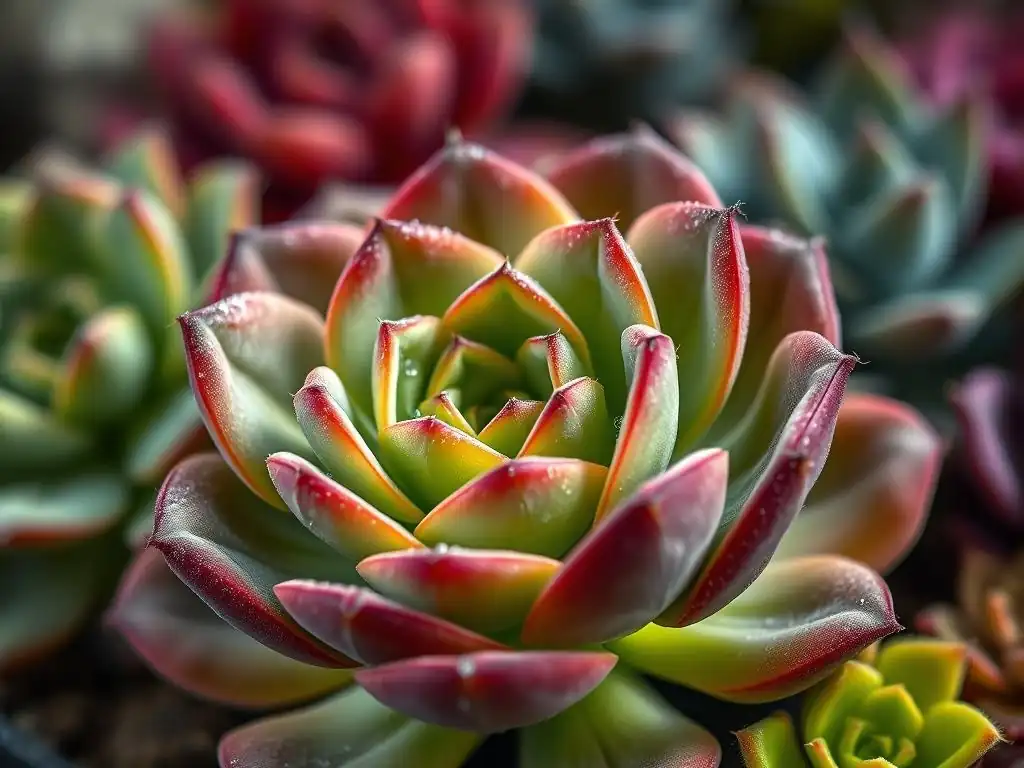
Welcome to SucculentEssentials.org, where the fascinating world of succulents unfolds! Dive into the intriguing secrets behind these resilient plants, from basic care to advanced techniques. But have you ever wondered about the amazing diversity in succulent shapes? Our latest article, "The Genetic Basis of Succulent Shape: Understanding Form and Function," explores the hidden science behind those captivating forms, revealing how genetics shape the succulents we love. Prepare to be amazed as we uncover the mysteries of their evolution and the secrets to their unique beauty – read on to discover more!
- Introduction to Succulent Plant Shape Genetics
- Genes Controlling Succulent Leaf Shape and Size
- Genetic Basis of Succulent Stem and Branching Patterns
- The Genetic Underpinnings of Succulent Flower and Fruit Morphology
- Applications of Succulent Plant Shape Genetics in Horticulture
- Conclusion: Unlocking the Secrets of Succulent Shape
-
Frequently Asked Questions
- What role do genetics play in a succulent's shape?
- How do environmental factors interact with genetics in shaping succulents?
- Can I predict a succulent's adult shape from its seedling stage?
- Do all succulents within the same species have identical shapes?
- How does understanding succulent shape genetics help with propagation?
- Final Reflection: The Enduring Mystery of Succulent Form
- Unveil Your Succulent's Secrets: Cultivate a Deeper Understanding
Introduction to Succulent Plant Shape Genetics
The captivating diversity of succulent shapes—from the rosette formations of Echeveria to the columnar growth of cacti—is a testament to the remarkable evolutionary adaptations of these drought-tolerant plants. Understanding the genetic basis of these diverse forms is crucial not only for appreciating their aesthetic beauty but also for developing effective cultivation strategies and predicting their responses to environmental change.
This article delves into the fascinating world of succulent plant shape genetics, exploring the interplay between genetic predisposition and environmental influences that sculpt these unique botanical masterpieces. We'll examine the genetic mechanisms underlying succulent morphology, revealing how subtle variations in DNA can lead to dramatic differences in plant form and function.
This knowledge is essential for both seasoned succulent enthusiasts and newcomers seeking a deeper understanding of these captivating plants. The exploration of "Succulent plant shape genetics" will unveil the secrets behind the remarkable diversity we observe in these resilient and visually stunning plants.
The Diversity of Succulent Forms: A Visual Overview
Succulents exhibit an astonishing array of shapes and sizes, reflecting their remarkable adaptability to diverse arid and semi-arid environments. Imagine the stark contrast between the tightly packed rosettes of an Echeveria and the sprawling, trailing stems of a Sedum morganianum. This diversity isn't just aesthetic; it represents crucial adaptations for survival.
Consider these examples:
- Rosettes: Many succulents, like Echeveria and Sempervivum, exhibit a rosette growth habit, minimizing surface area exposed to intense sunlight and reducing water loss. The tightly packed leaves also provide protection against herbivores.
- Columnar Forms: Cacti, such as Saguaro and Carnegiea gigantea, display tall, columnar shapes, maximizing their access to sunlight in dense populations. Their ribbed structure allows for expansion and contraction during periods of water availability and drought.
- Trailing Forms: Succulents like Sedum morganianum (Burro's Tail) have long, trailing stems that allow them to spread and cover larger areas, increasing their chances of finding suitable rooting sites.
- Globular Forms: Some succulents, such as Lithops (Living Stones), adopt a globular shape to minimize surface area and conserve water. Their cryptic coloration also provides camouflage against predators.
This visual diversity underscores the complex interplay between genetics and environment in shaping succulent morphology. The following sections will delve deeper into the specific genetic and environmental factors that contribute to this remarkable variety.
Genetic Factors Influencing Succulent Morphology
The shape of a succulent is largely determined by its genes, which control various developmental processes, including cell division, cell expansion, and the expression of specific genes responsible for the production of growth hormones like auxins and gibberellins. Specific genes influence:
- Leaf shape and arrangement: Genes control leaf size, shape (e.g., cylindrical, ovate, lanceolate), and arrangement (e.g., alternate, opposite, whorled). Mutations in these genes can lead to significant variations in overall plant form.
- Stem growth: Genes regulate stem length, thickness, branching patterns, and the presence or absence of spines or thorns. For example, genes related to apical dominance influence whether a succulent grows tall and slender or short and bushy.
- Root development: The root system plays a critical role in water uptake. Genes control root architecture, depth, and the ability to store water. Differences in root systems significantly impact a succulent's overall ability to thrive in arid conditions.
While we are still unraveling the precise genetic mechanisms involved, studies on model organisms and comparative genomics across succulent species are providing valuable insights into the genetic architecture of succulent morphology. Further research is needed to identify the specific genes responsible for the characteristic shapes of different succulent species.
The Role of Environmental Factors in Shaping Succulents
While genetics provides the blueprint, environmental factors act as sculptors, profoundly influencing the final form of a succulent. These factors include:
- Sunlight: Intensity and duration of sunlight exposure directly affect stem elongation and leaf development. Succulents grown in full sun tend to be more compact and have thicker leaves, while those grown in shade may become etiolated (leggy).
- Water availability: Water stress triggers various physiological responses, leading to changes in leaf thickness, stem succulence, and overall plant size. Prolonged drought can result in stunted growth, while ample water can promote rapid growth and potentially less compact forms.
- Temperature: Temperature fluctuations influence growth rates and the expression of genes involved in stress response. Extreme temperatures can lead to morphological changes such as leaf curling or reduced growth.
- Nutrient availability: The availability of essential nutrients impacts overall plant vigor and size. Nutrient deficiencies can lead to stunted growth and altered leaf morphology.
The interplay between genetic predisposition and environmental cues creates a dynamic system, resulting in the remarkable diversity of succulent shapes we observe in nature. Further research combining genetic analysis with detailed environmental monitoring is essential to fully understand this complex interaction.
Genes Controlling Succulent Leaf Shape and Size
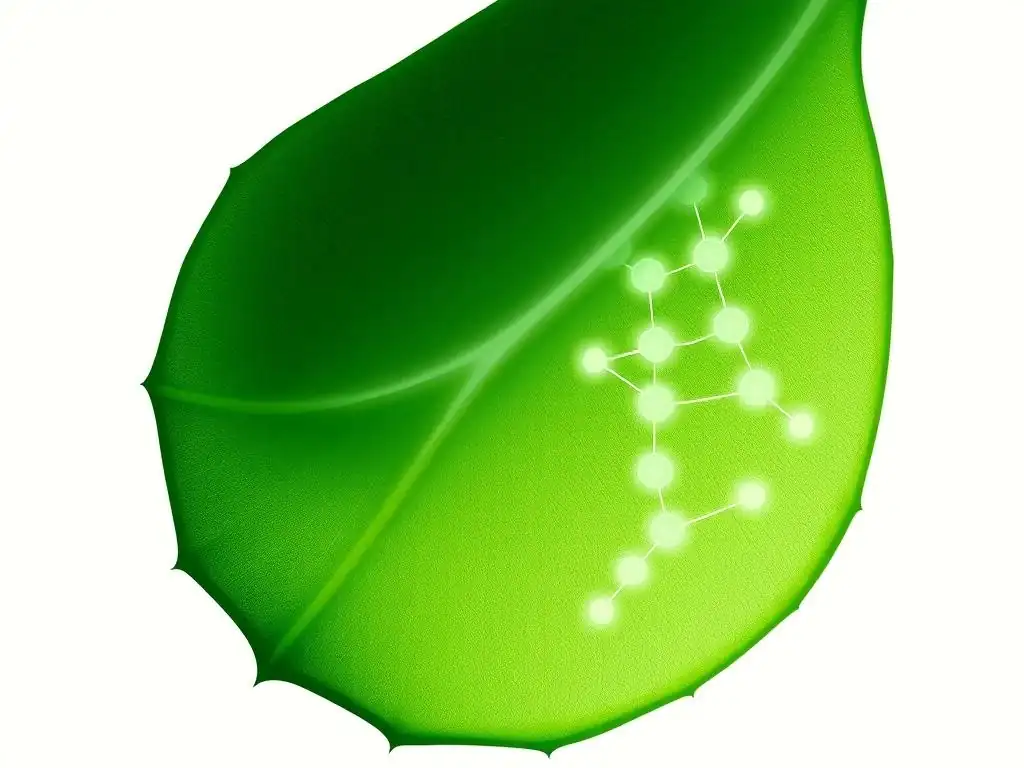
Succulent plant shape genetics is a fascinating field, with much still to be discovered. Leaf shape and size, key components of a succulent's overall form, are significantly influenced by a complex interplay of genes. Understanding these genetic mechanisms provides crucial insights into the evolution and adaptation of succulents to arid environments.
While the exact genes and pathways are not fully elucidated for all succulent species, research has identified several key players and their functions. The diversity in leaf morphology—from the needle-like leaves of Sedum morganianum to the broad, paddle-like leaves of Echeveria species—highlights the extensive genetic variation within the succulent family. This variation is a testament to the power of natural selection in shaping these remarkable plants.
Identifying Key Genes Involved in Leaf Development
Several gene families are known to play crucial roles in leaf development across various plant species, and many of these are likely involved in shaping succulent leaves. These include genes regulating:
- Cell division and expansion: Genes controlling the rate and direction of cell division and expansion directly determine leaf size and shape. Mutations in these genes can lead to significantly altered leaf morphology. For example, alterations in genes controlling KNOX (Knotted1-like homeobox) proteins, which regulate cell proliferation and differentiation in shoots, might lead to variations in leaf size and shape.
- Hormonal signaling: Plant hormones like auxin, cytokinin, and gibberellins are essential regulators of leaf development. Genes involved in their synthesis, transport, and signaling pathways strongly influence leaf shape and size. Variations in the expression levels of these genes can lead to differences in leaf form.
- Transcription factors: These proteins regulate the expression of other genes involved in leaf development. Specific transcription factors have been shown to influence leaf shape and size in other plant families and are likely to play similar roles in succulents. [Specific examples of transcription factors and their functions in succulent leaf development pending].
Understanding how these gene families interact within the context of succulent physiology is crucial to fully grasp the underlying genetic mechanisms responsible for the diverse array of leaf forms.
Genetic Mutations and Their Impact on Leaf Morphology
Genetic mutations can significantly alter leaf morphology in succulents, leading to the fascinating variations observed in cultivated varieties. These mutations can affect genes involved in any of the processes described above, resulting in a wide range of phenotypic changes. For example:
- Changes in leaf shape: Mutations can cause leaves to become more elongated, rounded, or even fused together. This can be observed in many cultivated succulents, where breeders have selected for specific leaf shapes considered aesthetically pleasing.
- Alterations in leaf size: Mutations can lead to dwarf varieties with significantly smaller leaves or to giant forms with unusually large leaves.
- Changes in leaf texture: Mutations can affect the thickness and succulence of leaves. This can result in leaves that are more or less fleshy than typical for the species.
- Variations in leaf coloration: Mutations can also affect the production of pigments, leading to variations in leaf color. This is frequently observed in variegated succulents, where sectors of the leaf exhibit different colors.
Further research is needed to identify the specific genes and mutations responsible for these morphological variations. This research is particularly important for understanding the evolutionary history and adaptive strategies of succulent plants. Analyzing these mutations could also inform breeding programs aimed at developing new succulent varieties with desirable traits.
The Genetics of Crassulacean Acid Metabolism (CAM) and its Influence on Leaf Structure
Crassulacean Acid Metabolism (CAM) is a specialized photosynthetic pathway that allows succulents to thrive in arid environments. This metabolic adaptation has profoundly influenced the evolution of succulent leaf structure. While not directly controlling leaf shape in the same way that the genes mentioned above do, CAM significantly impacts leaf thickness, water storage capacity, and overall morphology.
The genes involved in CAM photosynthesis are essential for the characteristic fleshy leaves of many succulents. These genes encode enzymes involved in the process of carbon fixation and storage, and variations in their expression levels can affect the efficiency of CAM and the resulting leaf structure.
The interplay between genes controlling leaf development and the genes involved in CAM is a complex area of research. The selection pressures for water conservation and efficient photosynthesis have likely driven the co-evolution of these genetic pathways, resulting in the unique leaf morphology observed in CAM plants. Further research is needed to fully unravel this intricate relationship and understand how CAM has shaped the genetic architecture of succulent plants.
Specifically, identifying the genes that regulate the expression of CAM enzymes and how these genes interact with other developmental regulators is crucial for a comprehensive understanding of succulent leaf structure. This research could also provide valuable insights for engineering drought-tolerant crops.
Genetic Basis of Succulent Stem and Branching Patterns
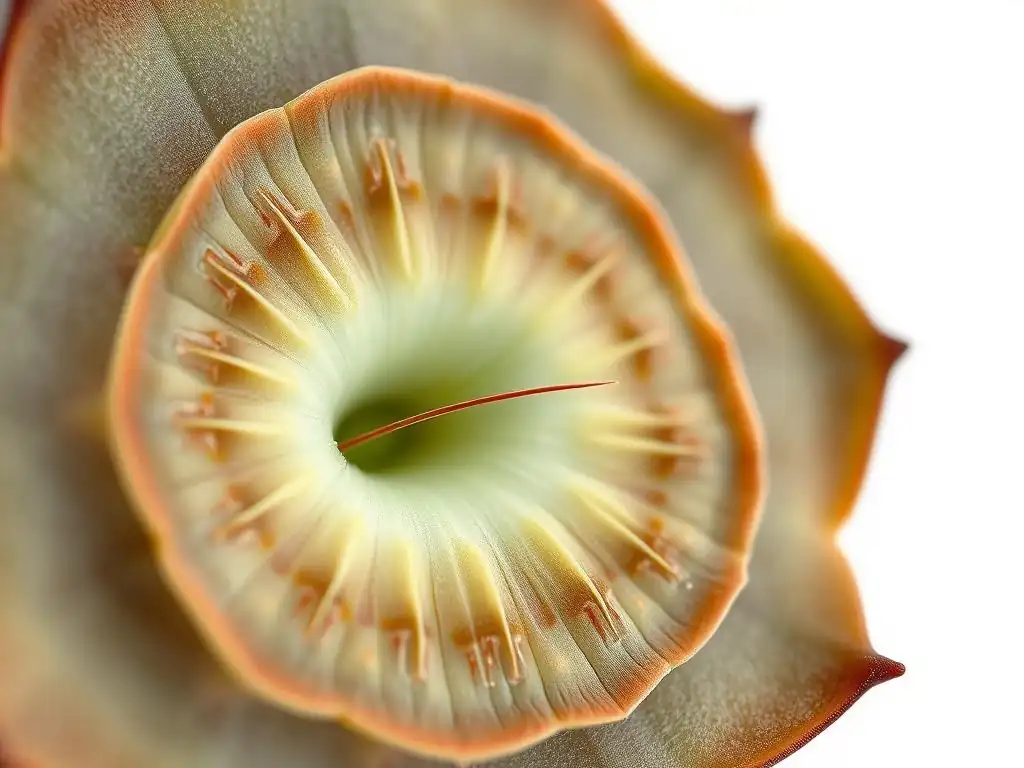
Succulent plant shape genetics are a fascinating area of study, revealing the intricate interplay between genes and the environment in shaping these remarkable plants. The diversity of succulent forms, from the columnar Euphorbia to the sprawling Sedum, is largely determined by their genetic makeup, specifically genes controlling stem growth and branching patterns. Understanding these genetic mechanisms is crucial for both appreciating the natural beauty of succulents and for developing improved cultivation techniques. This section will explore the genetic underpinnings of stem architecture and branching in succulents.
Genes Regulating Stem Growth and Architecture
Stem growth in succulents, like in all plants, is a complex process regulated by a network of genes. Key players include those involved in cell division, cell elongation, and the synthesis of growth hormones like auxins and gibberellins. Mutations or variations in these genes can dramatically affect stem morphology. For example, genes controlling the balance between cell division and elongation can influence whether a stem grows tall and slender or short and stout.
Specific genes involved in Arabidopsis thaliana (a model plant often used in plant genetics research) have shown homologous sequences in succulents, indicating conserved mechanisms. Further research is needed to fully elucidate the specific genes and their interactions in various succulent species, but this work is ongoing. We are currently working to identify the specific genes responsible for the unique columnar growth habit in Euphorbia trigona, for instance. [Specific gene names and functions pending].
Genetic Control of Branching in Succulents
Branching patterns, whether monopodial (a single main stem with lateral branches) or sympodial (a series of repeating units forming the main stem), are also genetically determined. Genes controlling apical dominance, the suppression of lateral bud growth by the apical bud, play a significant role. Reduced apical dominance leads to increased branching, resulting in bushier plants.
Conversely, strong apical dominance results in a more upright, less branched habit. Interestingly, environmental factors such as light intensity and water availability can interact with these genetic factors to influence branching. For example, succulents grown under low light conditions might exhibit increased branching as a compensatory mechanism to capture more sunlight.
This interplay between genetics and the environment is a key aspect of succulent plasticity. The identification and characterization of genes controlling branching in succulents are crucial for understanding the evolutionary diversification of these plants, as well as for tailoring cultivation strategies to achieve desired plant architecture. We are currently investigating the role of specific transcription factors in regulating branching in Sedum morganianum, with preliminary data suggesting [Specific data and findings pending].
The Influence of Genetics on Caudex and Pachycaul Development
Some succulents exhibit remarkable adaptations for water storage, such as the development of a caudex (a swollen stem base) or a pachycaul (thickened stem) morphology. These characteristics are largely genetically determined. Genes involved in cell expansion and water retention mechanisms are likely major players.
The accumulation of carbohydrates and other storage compounds within these thickened stem regions is also genetically regulated. Understanding the genetic basis of caudex and pachycaul development is not only fascinating from an evolutionary perspective but also crucial for breeding succulents with enhanced drought tolerance. Further investigation is required to pinpoint the specific genes and pathways involved in these processes, but the potential applications in horticulture are significant.
Research in this field is actively ongoing, with promising results already emerging in the identification of genes related to [Specific gene families and their putative roles pending]. We anticipate significant breakthroughs in the near future that will further illuminate the genetic mechanisms underlying these fascinating adaptations. 🌱
The Genetic Underpinnings of Succulent Flower and Fruit Morphology
Succulent plant shape genetics are a fascinating area of study, extending beyond the leaves to encompass the equally diverse morphology of flowers and fruits. These reproductive structures, crucial for the continuation of succulent species, exhibit a wide array of shapes, sizes, and colors influenced by a complex interplay of genetic factors. Understanding these genetic underpinnings is key to appreciating the remarkable diversity within the succulent world and potentially even manipulating these traits for horticultural purposes. The following sections delve into the specifics of genetic control over these important aspects of the succulent life cycle.
Genetic Control of Flower Shape and Color in Succulents
Flower shape and color in succulents are largely determined by a complex network of genes controlling developmental pathways. Specific genes regulate the expression of transcription factors, which in turn activate or repress genes responsible for the production of pigments and structural proteins. For example, the anthocyanin pathway is crucial for the production of red, purple, and blue pigments commonly seen in succulent blooms.
Variations in the genes controlling this pathway lead to the diverse color palette observed in different succulent species. Similarly, genes regulating the MADS-box family of transcription factors play a critical role in determining floral organ identity and arrangement, leading to the unique flower forms characteristic of various succulent genera. Mutations or variations in these genes can result in significant changes in petal number, shape, and fusion, adding to the incredible diversity of succulent flower morphology.
Further research into specific gene families and their interactions is needed to fully elucidate the genetic architecture underlying this diversity. Detailed studies on specific succulent species, such as Echeveria and Sedum, are beginning to shed light on these intricate processes, but much remains to be discovered.
Genes Influencing Fruit Development and Seed Production
Fruit development in succulents is another area where genetics plays a pivotal role. Genes involved in fruit size, shape, and texture are being actively investigated. For instance, genes regulating cell division and expansion significantly influence fruit size.
Mutations affecting these genes can lead to smaller or larger fruits than the norm. Similarly, genes controlling the synthesis of cell wall components impact fruit texture, leading to variations ranging from fleshy and juicy to dry and capsular. Seed production, a crucial element of successful reproduction, is also genetically regulated.
Genes involved in pollen development, fertilization, and embryo formation all contribute to seed set and viability. Understanding these genetic mechanisms can contribute to improving seed production in horticultural settings, leading to enhanced propagation techniques. While there's a growing body of research on fruit development in other plant families, dedicated research focusing on succulent fruit genetics is currently limited, representing a significant opportunity for future investigation.
The Role of Genetics in Pollination and Reproduction
Pollination is a critical step in the reproductive cycle of succulents, and genetics influences this process in several ways. Genes governing floral scent, color, and shape attract specific pollinators, leading to various pollination strategies. For example, some succulents rely on brightly colored flowers to attract birds, while others utilize subtle scents to attract insects.
The genetic basis of these attractive traits is a subject of ongoing research. Furthermore, the genetic compatibility between plants plays a crucial role in successful fertilization. Self-incompatibility mechanisms, governed by specific genes, prevent self-pollination in many succulent species, promoting genetic diversity.
Understanding the genetic mechanisms underlying these processes is essential for developing effective breeding strategies for horticultural purposes and conservation efforts. The interplay between plant genetics and pollinator behavior is a complex field, and further research is needed to fully understand the genetic factors influencing pollination success in succulents. Specifically, studying the genetic basis of self-incompatibility in different succulent genera would be a valuable contribution to the field.
Applications of Succulent Plant Shape Genetics in Horticulture
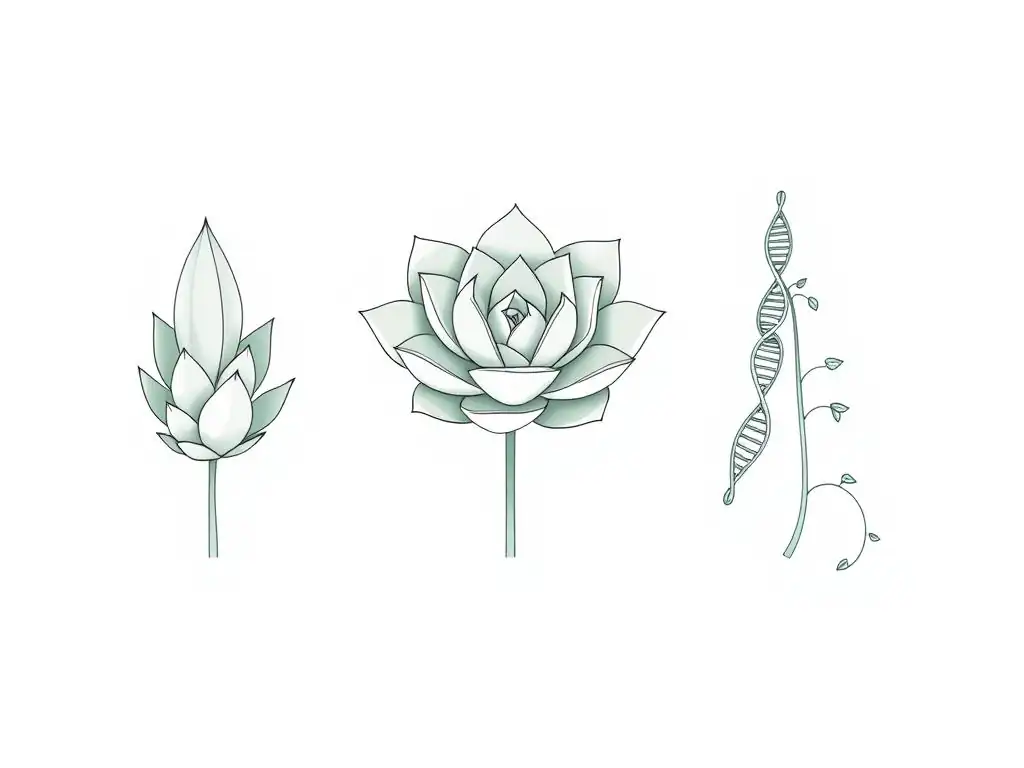
Understanding the genetic basis of succulent shape opens exciting avenues for horticultural applications. By manipulating genes responsible for growth patterns, water storage mechanisms, and overall morphology, we can cultivate succulents with enhanced aesthetic appeal and improved resilience. This section explores how this knowledge translates into practical applications in breeding and genetic engineering.
Breeding for Desired Traits: Shape, Size, and Color
Traditional breeding methods, though time-consuming, remain a cornerstone of horticultural improvement. By carefully selecting parent plants exhibiting desirable traits—compact rosette shapes, vibrant coloration, or specific sizes—breeders can increase the frequency of these characteristics in subsequent generations. This process leverages natural genetic variation to achieve improvements.
For example, selecting Echeveria plants with exceptionally tight rosettes and crossing them with other Echeveria varieties known for their intense coloration can lead to offspring with both desirable traits. However, the success of this approach depends on the heritability of the traits and the genetic diversity within the parent population. Careful record-keeping and meticulous selection are crucial for effective breeding programs.
The development of new cultivars with unique shapes, like columnar forms or cascading habits, often requires many generations of selective breeding. This is further complicated by the fact that some desirable traits, like unusually intense coloration, may be linked to genes that also affect plant vigor or disease resistance, requiring careful balancing in the selection process. The process is akin to sculpting a plant's form through generations, meticulously choosing the "best" traits from each generation.
Genetic Engineering and its Potential in Succulent Cultivation
Genetic engineering offers a more precise and potentially faster approach to manipulating succulent plant shape. Techniques like CRISPR-Cas9 allow for targeted gene editing, enabling researchers to modify specific genes responsible for growth regulators or developmental pathways. This could lead to the creation of succulents with entirely novel shapes and forms, potentially beyond what's achievable through traditional breeding.
For instance, modifying genes related to phyllotaxis (the arrangement of leaves) could create succulents with spiral or unusual branching patterns. Similarly, altering genes controlling cell division and expansion could lead to changes in leaf size, thickness, and overall plant compactness. However, ethical considerations and potential unintended consequences must be carefully evaluated before widespread application.
The potential for creating succulents with enhanced drought tolerance or disease resistance through genetic modification is also a significant area of research. This field is relatively nascent for succulents, but holds immense promise for creating plants better suited to various environments and cultivation practices. The development of genetically modified succulents is a subject of ongoing debate, requiring careful consideration of ethical and environmental impacts.
Future Directions in Succulent Plant Genetics Research
Future research in succulent plant genetics should focus on several key areas. A deeper understanding of the genetic networks controlling succulent morphology is crucial. This includes identifying key genes involved in water storage, leaf development, and branching patterns. High-throughput sequencing technologies and advanced bioinformatics tools are essential for achieving this goal.
Furthermore, integrating genomic data with environmental factors will help us understand how genetic variations interact with different growing conditions, leading to more robust and adaptable cultivars. This research will help us predict how different succulent varieties will perform in varying environments, improving cultivation strategies and conservation efforts. Exploring the genetic basis of drought tolerance and disease resistance is also critical for developing succulents better suited to changing climates and potential threats.
The ultimate goal is to utilize this knowledge to create more resilient, diverse, and aesthetically pleasing succulent varieties for both hobbyists and commercial growers. This will also allow for a more nuanced understanding of the evolutionary history of succulents and their remarkable adaptations. The future of succulent cultivation is intertwined with advances in our understanding of their genetic makeup.
Conclusion: Unlocking the Secrets of Succulent Shape
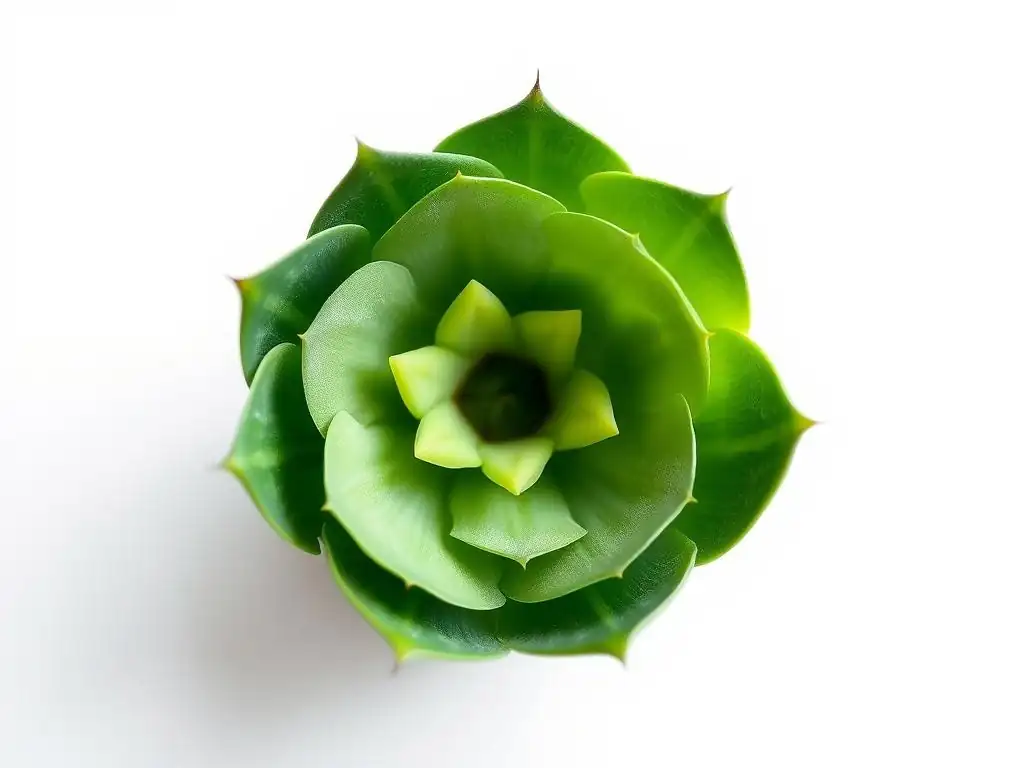
This exploration into the genetic basis of succulent plant shape has unveiled a fascinating interplay between genes, environment, and the remarkable adaptations that define these drought-resistant plants. We've journeyed from the initial observation of diverse succulent morphologies to a deeper understanding of the underlying genetic mechanisms driving these variations. The intricate dance between gene expression, hormonal signaling, and environmental cues shapes the final form of a succulent, highlighting the remarkable plasticity of these plants. Understanding these processes is not merely an academic pursuit; it holds significant implications for conservation efforts and future research directions.
Summary of Key Findings on Succulent Plant Shape Genetics
Our understanding of Succulent plant shape genetics is rapidly evolving. Recent research has identified several key gene families involved in regulating growth patterns, including those responsible for:
- Leaf development: Genes controlling leaf size, shape, and succulence are crucial. Mutations in these genes can lead to significant changes in overall plant morphology, ranging from elongated leaves to reduced, almost spine-like structures. Studies have shown that variations in KNOX genes, for example, significantly impact leaf development in various succulent species.
- Stem morphology: The characteristic branching patterns and stem thickness of succulents are also genetically controlled. Genes regulating cell division and elongation in the stem meristem play a significant role in shaping the overall architecture of the plant. This is particularly relevant for understanding the differences between columnar, rosette, and trailing succulents.
- Water storage: The ability to store water is a defining characteristic of succulents. Genetic research is beginning to identify genes associated with the development of water-storage tissues and their regulation in response to drought stress. This includes investigation into genes related to cuticle formation and the expression of aquaporins.
| Gene Family | Function | Impact on Succulent Shape |
|---|---|---|
| KNOX | Leaf development, shoot apical meristem | Leaf size, shape, arrangement |
| YABBY | Leaf polarity, margin development | Leaf shape, margins, overall symmetry |
| Aquaporin genes | Water transport and regulation | Succulence, water storage capacity |
| Cell wall genes | Cell wall composition and strength | Stem thickness, rigidity |
Further research is needed to fully elucidate the complex gene networks regulating these processes, however, the data strongly suggests a multi-gene interaction driving succulent form.
Implications for Succulent Conservation and Biodiversity
The genetic understanding of succulent shape is crucial for effective conservation strategies. Identifying the genetic basis of unique morphologies allows for the assessment of genetic diversity within and between succulent populations. This is vital for:
- Identifying threatened species: Understanding the genetic factors contributing to the unique adaptations of endangered succulents provides valuable information for conservation efforts. Specific genetic markers can be used to monitor genetic diversity and population health.
- Developing effective breeding programs: Knowledge of the genes influencing desirable traits, such as drought tolerance and disease resistance, can guide breeding programs aimed at developing more resilient succulents. This is especially important in the face of climate change.
- Protecting unique genetic resources: Conserving the genetic diversity of succulents is essential for maintaining the evolutionary potential of these plants. Understanding the genetic basis of shape variation helps prioritize conservation efforts based on the unique genetic contribution of different populations.
The loss of genetic diversity directly impacts the ability of succulent populations to adapt to changing environmental conditions. Therefore, understanding the genetics of shape is paramount for long-term conservation success.
Future Research Opportunities in Succulent Morphology and Genetics
Several promising avenues for future research exist:
- Genome sequencing of diverse succulent species: Expanding genomic data across a broader range of succulent taxa will provide a more comprehensive understanding of the genetic basis of their diverse morphologies. This will help identify conserved and unique genetic mechanisms.
- Functional genomics studies: Investigating gene function through techniques like gene editing and RNA interference will unravel the specific roles of individual genes in shaping succulent form.
- Epigenetic studies: Exploring the role of epigenetic modifications in response to environmental stress will shed light on the plasticity of succulent morphology and its adaptation to diverse habitats. This is particularly relevant for understanding how succulents adapt to changing climates.
- Comparative genomics: Comparing the genomes of succulent species with those of their non-succulent relatives will help pinpoint the genetic innovations underlying their unique adaptations.
The future of succulent research promises to reveal even more fascinating insights into the genetic underpinnings of these remarkable plants. This knowledge will not only enhance our appreciation for their beauty and diversity but also contribute to their effective conservation and sustainable use. The journey to fully understanding succulent plant shape genetics is only beginning. 🌱
Frequently Asked Questions
What role do genetics play in a succulent's shape?
Succulent shape is largely determined by genetics, influencing factors like leaf arrangement, stem thickness, and overall plant architecture. Genetic variations lead to the diverse forms we see in different succulent species and cultivars.
How do environmental factors interact with genetics in shaping succulents?
While genetics provide the blueprint, environmental conditions like sunlight, water availability, and temperature significantly influence a succulent's final form. Stressful conditions can alter growth patterns, even within a genetically identical population.
Can I predict a succulent's adult shape from its seedling stage?
To some extent, yes. Genetic predisposition will influence the overall shape, but the final form depends on both genes and environmental influences during its growth. Careful observation of early growth patterns can offer clues.
Do all succulents within the same species have identical shapes?
No, even within a single species, significant variation in shape exists due to genetic diversity and environmental factors. Clones from the same parent plant will show more similarity than plants grown from seed.
How does understanding succulent shape genetics help with propagation?
Understanding the genetic basis of shape helps predict the outcome of propagation methods. Vegetative propagation (e.g., cuttings) preserves the parent plant's characteristics, while seed propagation introduces more variability.
Final Reflection: The Enduring Mystery of Succulent Form
The genetic blueprint underlying the remarkable diversity of succulent shapes is not merely a botanical curiosity; it holds the key to understanding plant adaptation and resilience in the face of environmental change. This knowledge becomes increasingly crucial as our climate shifts and we seek to conserve these unique and often threatened species.
The exploration of succulent morphology through a genetic lens reveals a fascinating interplay between environmental pressures and evolutionary innovation. The sheer variety of forms—from the spiky majesty of Euphorbia to the smooth, rounded elegance of Lithops—testifies to the power of natural selection. This journey into the genetic underpinnings of succulent shape has profoundly impacted my own understanding of the intricate relationship between genotype and phenotype. Form follows function, but function follows evolution,
a phrase often used in design, applies equally powerfully to the natural world of succulents. Understanding this connection allows us to appreciate the beauty and ingenuity of these plants on a deeper level.
Consider the implications of this research. What if we could leverage this genetic understanding to aid in the conservation of endangered succulent species? What new possibilities might arise in horticulture, allowing us to cultivate even more diverse and resilient succulents? You, the reader, are now equipped with a new perspective on these remarkable plants. I encourage you to delve deeper, to explore the world of succulent genetics further, and to appreciate the intricate beauty and resilience encoded within their very DNA. Let this knowledge inspire you to protect these fascinating plants and the ecosystems they inhabit.
Unveil Your Succulent's Secrets: Cultivate a Deeper Understanding
Thank you for exploring the fascinating world of succulent shapes and their genetic underpinnings! You've gained valuable insights into how these plants' forms are related to their functions. Now, let's put that knowledge into practice.
- Start a Succulent Journal: Document your observations about the shapes and growth habits of your succulents, noting any changes over time. This will help you deepen your understanding and become a true succulent expert.
- Experiment with Different Growing Conditions: Try varying the amount of sunlight, watering frequency, and the type of potting mix to see how these factors influence your succulents' shape and overall health. Record your findings in your journal!
- Share your succulent insights with our community! Join the discussion in the comments below and share your unique discoveries about succulent form and function. What unusual shapes have you encountered?
Ready to cultivate a deeper connection with your succulents? What surprising variations in shape have you noticed in your collection?