Drought Adaptations and Physiology: The Science Behind Succulent Survival
Welcome to the fascinating world of drought adaptations and physiology, a core pillar of advanced succulent science. Here at SucculentEssentials.org, we dig deep beyond basic watering tips to explore the remarkable biological machinery that allows succulents to thrive in arid landscapes. This subcategory is your gateway to understanding how these plants store water, regulate metabolism, and survive extreme heat. Whether you are a collector chasing rare species or a researcher, these insights will transform how you grow and appreciate succulents.
🌵 Crassulacean Acid Metabolism (CAM) Photosynthesis Explained
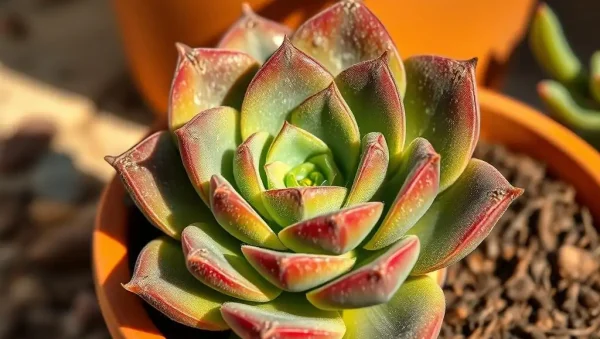
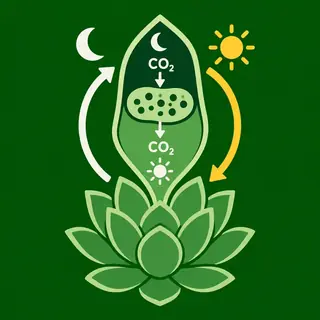
Delve into the ingenious CAM photosynthetic pathway, the hallmark of succulent physiology. Unlike typical plants that open stomata during the day, succulents like Echeveria and Sedum open their pores at night to fix carbon dioxide, dramatically reducing water loss. This nocturnal gas exchange is supported by vacuolar storage of malic acid, which is converted back to CO₂ during daylight. Expect a clear, step-by-step breakdown of this biochemical dance, complete with practical implications for indoor and greenhouse cultivation.
Understanding CAM helps you replicate the precise photoperiods and temperature drops that trigger optimal growth. You will learn why succulents prefer cooler nights and how to adjust your watering and lighting schedule to maximize photosynthesis. This knowledge is critical for avoiding etiolation and achieving vibrant coloration. By mastering CAM, you can also predict how your plants respond to seasonal shifts, ensuring they enter dormancy or active growth at the right times.
💧 Water Storage Mechanisms and Tissue Hydraulics
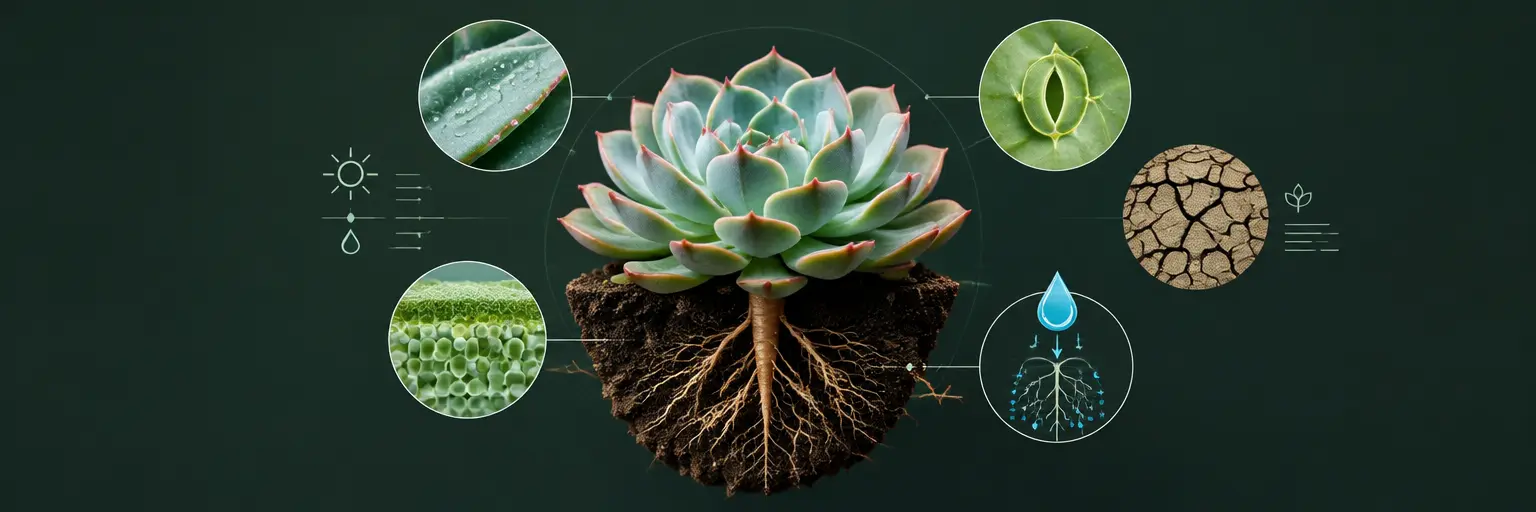
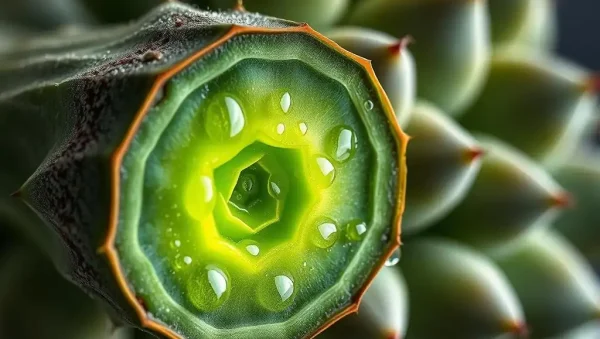
Succulents are masters of water storage, employing specialized parenchyma cells in leaves, stems, or roots to hold moisture for months. This section examines the structural anatomy—from thick cuticles to mucilaginous interiors—that enables these plants to endure prolonged dry spells. You will discover how different genera allocate water: Lithops store in leaf pairs, while Pachypodium rely on caudex stems. Expect detailed visuals and comparisons of hydraulic conductivity across species.
Beyond simple storage, we explore tissue hydraulics—the passive flow of water from roots to leaves under negative pressure. Learn how succulents avoid cavitation (air bubbles) in xylem during drought, a trick that keeps them alive when soil moisture is nil. This subsection also covers osmotic adjustment, where plants accumulate solutes to lower water potential and pull moisture from dry soil. For growers, this means recognizing the signs of turgor loss and knowing when to intervene without overwatering.
🌀 Morphological and Anatomical Adaptations for Arid Zones
Shape matters, and succulents have evolved striking morphological traits to reduce water loss and reflect solar radiation. This section highlights globular forms, ribbed surfaces, and dense trichomes that create micro-shade and airflow. You will learn about epidermal windows in Haworthia and the sunken stomata of Agave, which minimize evapotranspiration. We also detail root systems—shallow, wide-spreading roots capture surface dew, while tuberous roots store extra reserves.
Anatomical adaptations extend to cellular level, including succulent leaves that are thicker, less veined, and packed with water-storing chlorenchyma. This segment explains how cuticular waxes and red pigmentations (anthocyanins) act as sunscreen. By recognizing these features, you can better diagnose why a plant changes shape under stress. Moreover, understanding morphology helps you choose species appropriate for extreme microclimates, whether on a sunny windowsill or a dry rock garden.
🔬 Cellular Stress Responses and Survival Signaling
When drought strikes, succulents activate sophisticated stress-response pathways at the cellular level. This advanced topic introduces phytohormones like abscisic acid (ABA) that trigger stomatal closure and the synthesis of protective proteins (dehydrins) that guard cell membranes. You will also explore reactive oxygen species (ROS) scavenging enzymes, which prevent oxidative damage during rehydration. Expect a molecular-level view of how succulents sense dehydration and initiate recovery.
Understanding these signaling networks empowers you to manipulate growing conditions to bolster resilience. For example, exposing plants to mild, controlled drought can precondition them for future stress—a practice known as hardening off. This subsection provides actionable protocols, including temperature and light adjustments, to enhance natural defenses. By monitoring leaf wrinkles or color shifts, you can gauge physiological status and preempt root rot or etiolation.
🌡️ Thermal Regulation and Heat Tolerance in Extreme Habitats
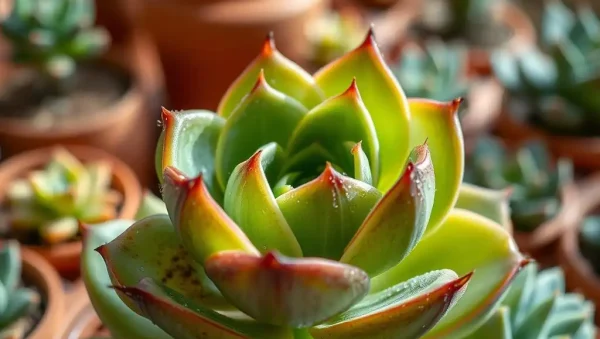
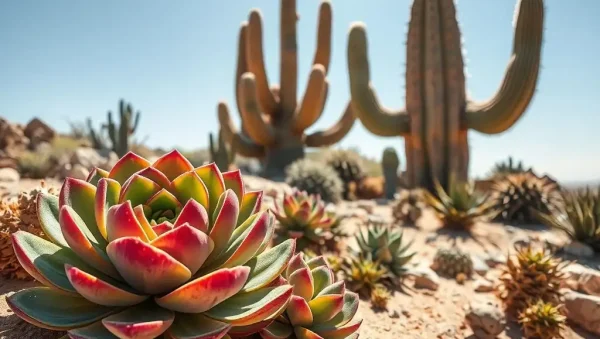
Beyond water, succulents must cope with extreme temperatures that can exceed 50°C (122°F) in their native habitats. This section covers thermoregulatory traits such as furrowed ribs for heat dissipation and reflective wax layers that deflect infrared radiation. We examine how some species (e.g., Echeveria elegans) use directional leaf orientation to avoid midday sun, and how others like Crassula reduce leaf surface area to lower heat load.
Physiological heat tolerance includes heat shock proteins that maintain enzyme function and membrane fluidity. This knowledge is essential for growers in hot climates who want to prevent sunburn or cooking of roots. You will learn to mimic natural thermal cues—like afternoon shade or airflow—to keep your succulents within their comfort zone. Additionally, we discuss recovery from heat damage, including pruning scorched leaves and adjusting irrigation timing to cool the root zone.
Frequently Asked Questions
Why do succulents open their stomata at night?
Succulents use Crassulacean Acid Metabolism (CAM) to open stomata at night when temperatures are cooler and humidity higher. This reduces water loss through evapotranspiration. Carbon dioxide is captured and stored as malic acid in vacuoles, then released during the day for photosynthesis, keeping water conservation optimal.
How can I tell if my succulent is under drought stress?
Early signs include wrinkled or shriveled leaves, loss of turgor, and duller coloration. You may also see leaf drop or browning at the tips. Check the soil—if it is bone dry and leaves feel soft, it is time to water. Severe stress shows as desiccated tissues that won’t recover fully.
What is the difference between CAM and C3 photosynthesis in succulents?
CAM plants fix CO₂ at night, storing it as malic acid for daytime use, while C3 plants fix CO₂ directly during the day. CAM succulents have much lower water loss because stomata are closed during the hottest hours. This adaptation allows them to live in arid regions with minimal rainfall.
Can succulents survive without any water for months?
Yes, many succulents can survive months of drought due to water stored in their tissues. However, survival depends on species, temperature, and humidity. Some Lithops can go for several months without watering, but prolonged dehydration will eventually exhaust their reserves. A seasonal dormancy cycle often triggers this tolerance.
How does heat stress affect succulent metabolism?
Heat stress can denature proteins and disrupt membrane integrity, reducing photosynthesis. Succulents respond by producing heat shock proteins and increasing antioxidant activity. They may also divert energy to root growth to seek cooler soil. Extreme heat can cause sunburn and, if prolonged, lead to tissue death.