Innovations in Succulent Research: The Future of Drought-Resistant Horticulture
Welcome to the frontier of succulent science! At SucculentEssentials.org, this subcategory dives into groundbreaking discoveries that are reshaping how we understand, cultivate, and conserve these hardy plants. From genetic sequencing to climate-resilient breeding, you’ll explore how researchers are unlocking the secrets of CAM photosynthesis, microbiome interactions, and biophilic urban design. Whether you’re a hobbyist, botanist, or sustainability advocate, these innovations will deepen your appreciation and practical know-how for succulents in a changing world.
🔬 Cutting-Edge Genomic and Molecular Breakthroughs
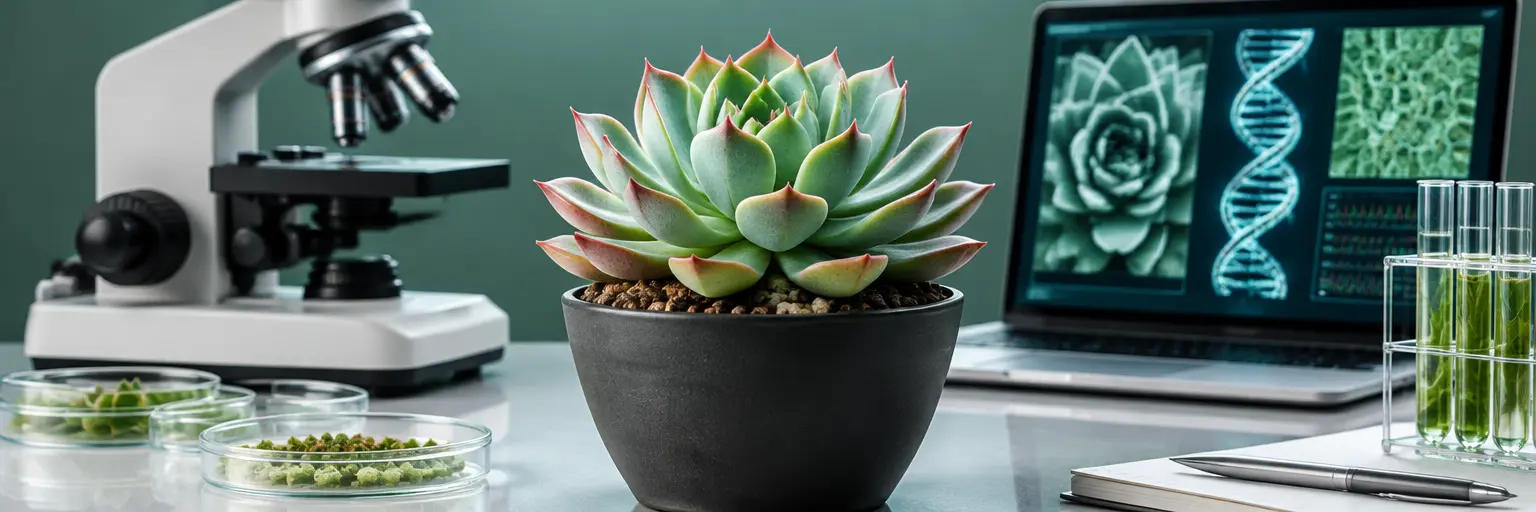
Recent advancements in CRISPR and high-throughput sequencing have allowed scientists to map the genomes of rare succulents like *Ariocarpus* and *Conophytum*. This research identifies genes responsible for extreme drought tolerance, enabling targeted breeding for faster growth, vibrant colors, and disease resistance. Expect to learn how these tools are accelerating conservation efforts for endangered species.
For enthusiasts, this means more robust cultivars and novel hybrids that retain wild resilience. Researchers are also studying epigenetic adaptations—how succulents “remember” stress events—which could lead to hardier plants for home gardens. Stay tuned for practical takeaways on selecting genetically superior specimens from nurseries.
🌡️ Climate-Adaptive Physiology and CAM Photosynthesis
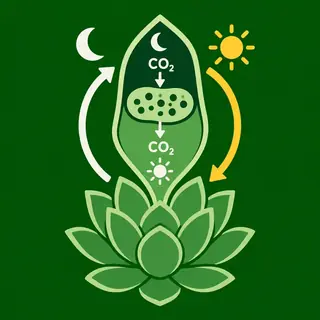
Innovations in gas exchange analysis and thermal imaging are refining our understanding of Crassulacean Acid Metabolism (CAM). Scientists now track real-time stomatal behavior, revealing how some succulents switch between CAM and C3 pathways under fluctuating temperatures. This knowledge is vital for predicting which species will thrive in extreme heatwaves or cold snaps.
For growers, this subcategory offers actionable advice on optimizing light schedules and watering regimes based on physiological data. Learn how to mimic natural microclimates to boost nighttime CO₂ uptake, leading to healthier, faster-growing plants. Perfect for those experimenting with indoor grow lights or desert terrariums.
🧬 Symbiotic Microbiome Research for Soil Health
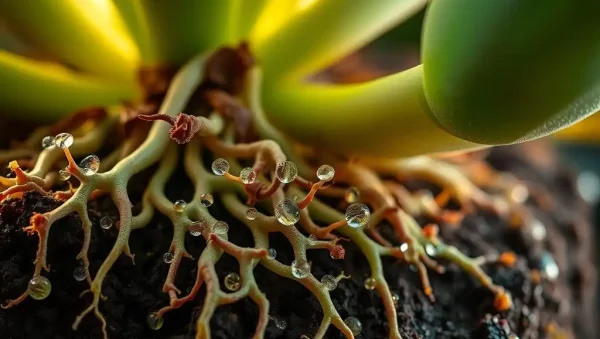
New studies highlight the rhizosphere microbiome—beneficial fungi and bacteria that enhance nutrient uptake and pathogen resistance in succulents. Researchers are isolating specific microbial strains to create “probiotic” soil amendments, improving root vigor and reducing fertilizer dependency. This is a game-changer for organic cultivation and urban balcony gardens.
Expect insights into how to encourage these beneficial organisms at home using compost teas or mycorrhizal inoculants. This research also informs substrate formulations that mimic natural rocky habitats, reducing root rot risks. Ideal for collectors aiming to replicate native conditions for Lithops or Haworthia.
🌱 Propagation and Tissue Culture Advancements
Innovations in in vitro propagation are enabling mass production of rare succulents without harming wild populations. Scientists use bioreactor systems and synthetic seed technology to clone uniform, disease-free plants. This reduces costs for collectors and supports conservation reintroductions. Learn how these lab techniques translate to home propagation successes.
DIY propagators will benefit from simplified protocols for sterile leaf cuttings and hormone-free rooting gels. The subcategory also covers cryopreservation of seeds and tissues, ensuring genetic diversity for future generations. Discover how to source ethically produced cultivars from labs that prioritize sustainability.
🌍 Urban Ecology and Biophilic Design Innovations
Research on green roofs and living walls demonstrates succulents’ role in mitigating urban heat islands and managing stormwater. Scientists are testing novel planting systems with lightweight substrates and automated irrigation, making these installations viable for homes and offices. This ties directly into SucculentEssentials.org’s DIY terrarium and vertical garden guides.
Expect data on which succulent species show the highest carbon sequestration or air purification rates. This subcategory also explores adaptive lighting for indoor vertical gardens, using LED spectra that mimic desert sun. Perfect for city dwellers craving greenery without high maintenance—learn how to design self-regulating succulent installations.
Frequently Asked Questions
How do genomic innovations affect succulent availability in nurseries?
Genomic tools enable faster breeding of unique, resilient cultivars, meaning nurseries can offer more diverse, climate-tolerant plants. Look for labels indicating “CRISPR-enhanced” or “drought-adaptive” traits, which often come with better root systems and stress resistance.
Can I use microbiome soil amendments at home without harming my succulents?
Yes, but introduce them gradually. Use commercial mycorrhizal powders or compost tea diluted to 10% strength. Monitor root health—overuse can alter pH. Always pair with well-draining substrates to avoid bacterial imbalances.
Will CAM photosynthesis research change my watering routine?
Possibly. Some species may benefit from split watering—early morning for moisture and late evening for CO₂ uptake. However, most hobbyists won’t notice huge differences unless growing under controlled environments. Stick to seasonal routines unless you’re using sensors.
Are tissue-cultured succulents less hardy than wild-grown ones?
Not necessarily. Tissue-cultured plants are usually virus-free and genetically identical to strong parents, so they can be equally hardy. Ensure they are hardened off (gradually exposed to natural conditions) before planting outdoors.
What’s the most exciting future trend in succulent research?
Bioplastics derived from succulent biomass and bio-inspired water harvesting—mimicking *Echeveria* leaf shapes—are emerging. These could lead to drought-resistant agriculture and sustainable materials, but expect breakthroughs within the next decade.