The Intrigue of Succulents: A Deep Dive into Desert Plant Science
🤔 Uncover the fascinating world of succulents! SucculentEssentials.org delves into the plant science basics behind these desert survivors, offering expert care guides,…
Read article
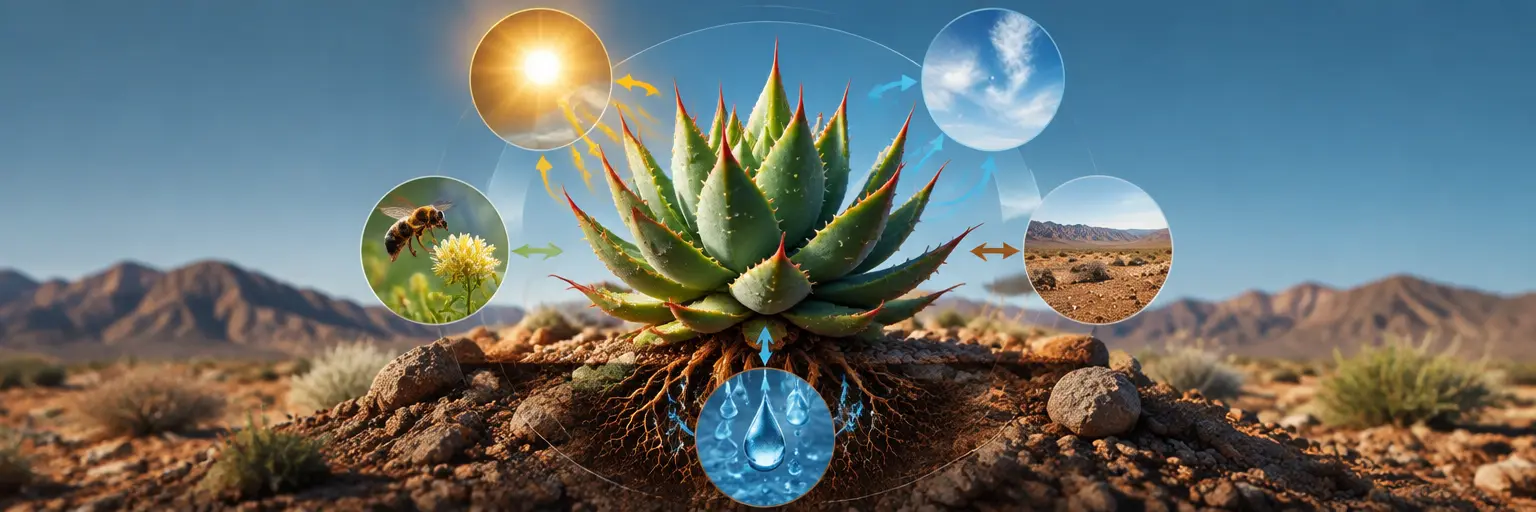
Dive into the hidden world of Desert Ecology and Environmental Interactions, where every succulent plays a vital role in a delicate, sun-scorched web of life. From the symbiotic relationships between cacti and nocturnal pollinators to the ingenious water-storage strategies that allow these plants to thrive on mere millimeters of annual rain, this advanced research explores how succulents adapt, compete, and cooperate with arid-zone fauna, soil microbiomes, and shifting climate patterns. Uncover the secrets of CAM photosynthesis, the impact of desert keystone species, and the subtle chemical signals that trigger flowering or dormancy. Whether you’re a seasoned collector or a curious enthusiast, this corner of SucculentEssentials.org illuminates the interconnected resilience that defines survival in the world’s harshest landscapes—perfect for deepening your understanding of these drought-resistant wonders.
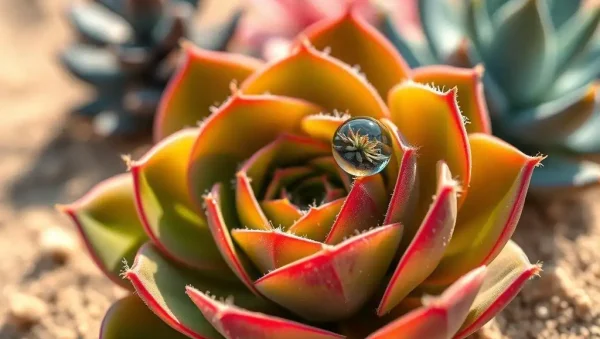
🤔 Uncover the fascinating world of succulents! SucculentEssentials.org delves into the plant science basics behind these desert survivors, offering expert care guides,…
Read article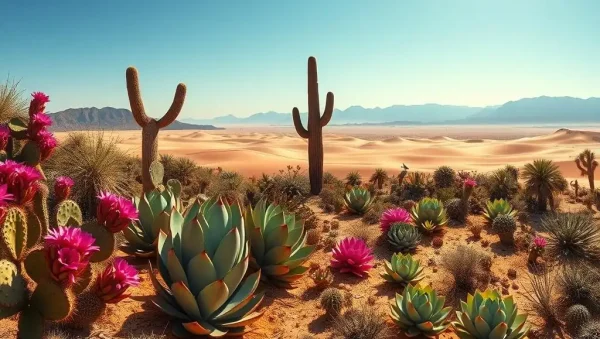
😊 Discover the surprising role succulents play in maintaining desert biodiversity! Succulent ecosystem contribution is crucial; learn how these resilient plants support…
Read article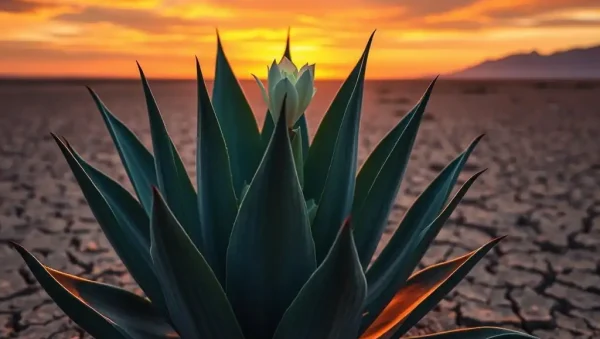
😊 Discover how succulents, prized for their drought tolerance, face unprecedented challenges in a changing desert climate. Succulent survival in this harsh,…
Read article
😊 Discover the ingenious succulent plant adaptations desert survival demands! SucculentEssentials.org explores how unique shapes and structures enable these plants to thrive…
Read articleWelcome to the intersection of succulent science and desert ecology. Here, we explore how these resilient plants interact with extreme environments, from soil chemistry to symbiotic relationships, and how understanding these dynamics can transform your cultivation practices. This subcategory bridges cutting-edge research with practical wisdom, helping you grow healthier succulents by mimicking their natural habitats.
Desert soils are far from barren—they are complex matrices of mineral fragments, organic matter, and microbial life. Succulents have evolved to thrive in low-nutrient, well-draining substrates, often relying on mycorrhizal fungi to access scarce phosphorus and nitrogen. You’ll discover how calcium carbonate crusts, gypsum deposits, and volcanic sands influence root development and water retention, plus how to replicate these conditions in pots using gritty mixes and mineral amendments.
Learn to read your soil’s biological crust—a living layer of cyanobacteria, lichens, and mosses that stabilizes dunes and fixes nitrogen. These crusts are vital for seedling establishment, yet easily damaged by foot traffic. By understanding nutrient cycling, you can adjust fertilization schedules, avoid overwatering that leaches minerals, and create a substrate that mirrors the natural "desert varnish" effect for healthier, more vibrant succulents.
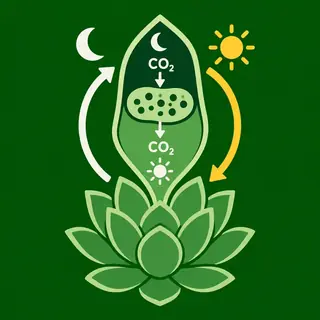
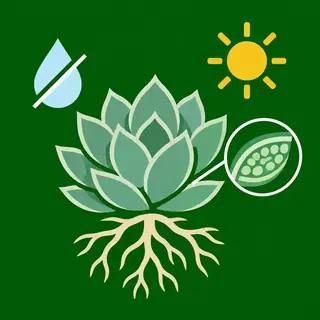
Desert succulents are masters of water conservation, utilizing CAM photosynthesis to open stomata at night, reducing evaporative loss. This subcategory dives into the physiological tricks—from succulence in leaves and stems to deep taproots and shallow fibrous networks—that allow survival in rainfall pulses. You’ll explore how dew, fog, and seasonal monsoons create distinct hydration windows that trigger growth, flowering, and dormancy.
Practical applications include adjusting watering to mimic "rain events" rather than regular schedules, using terracotta pots to wick moisture, and understanding hydraulic lift where deep roots share water with shallow neighbors. We also address how climate change alters precipitation patterns, forcing succulents to adapt—and how you can buffer your garden with mulches, shade cloths, and water-harvesting swales to replicate these shifting conditions.
Desert ecology is a web of mutualisms. Succulent flowers attract nocturnal moths, bats, and bees, while fruits feed birds and rodents that scatter seeds with nutrient-rich parcels. You’ll meet the yucca moth, an exclusive pollinator for yucca plants, and learn how agaves rely on long-nosed bats for reproduction. These interactions are not just biological curiosities—they affect seed viability, genetic diversity, and population resilience in cultivation.
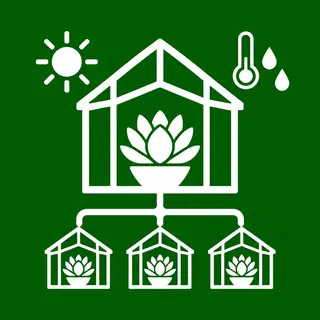
Below ground, a desert microbiome of endophytic bacteria and arbuscular mycorrhizae enhances drought tolerance and pathogen resistance. This section teaches you to foster these relationships by avoiding sterile soils, inoculating with beneficial microbes, and planting companion species that support pollinators. You’ll gain methods to create a miniature "desert ecosystem" in your greenhouse or garden, where succulents thrive with less intervention and greater authenticity.
Deserts are not static; they experience periodic fires, flash floods, and wind erosion that sculpt succulent communities. Many species possess resprouting abilities or fire-resistant bark, while seeds of certain cacti require heat to break dormancy. Understanding these disturbance regimes helps you replicate natural renewal cycles—for instance, using controlled burns (safely) to clear old growth or mimicking flood pulses to leach salts and refresh germination cues.
Conversely, human-induced disturbances like overgrazing, off-road vehicles, and invasive grasses disrupt these cycles. We discuss conservation implications, including habitat restoration using native succulents, erosion control with deep-rooted species, and building resilience against invasive buffelgrass that alters fire behavior. By studying these interactions, you’ll make informed choices about your own succulent landscape—whether to let it grow wild or manage it with ecological sensitivity.
Deserts contain countless microclimates—south-facing slopes bake, while north-facing cliffs stay cool; underneath rocks, humidity lingers. Succulents have adapted to these niches, such as lithophytes growing on bare rock and psychrophiles surviving high-altitude freezing. This section reveals how to map microhabitats in your garden using sun exposure, wind patterns, and thermal mass from boulders or walls, then match the right succulent species to each zone.
You’ll explore plant "architecture"—rosette shapes that channel water to roots, waxy coatings that reflect heat, and tiny hairs that trap moisture. We also cover seasonal shifts, like winter rains versus summer dew, and how to use frost cloths or raised beds to alter microclimates. Finally, learn to use thermal imaging and simple soil thermometers to identify hot spots, enabling precise placement that mirrors each succulent’s natural comfort zone.
Light is paramount, but water timing and soil drainage are close seconds. Desert succulents need intense, filtered sunlight to maintain compact growth and vibrant colors. However, excessive heat without airflow can cook roots. The key is to mimic natural rainfall pulses—soak thoroughly, then let soil dry completely. Ensure gritty, mineral-heavy soil that prevents waterlogging, as this causes root rot faster than drought itself.
They use CAM photosynthesis to fix carbon at night when temperatures drop, reducing water loss. Their tissues store water in specialized vacuoles, and many have shallow roots that rapidly absorb brief rains. Some also form dormant stages or shed leaves to survive extreme dry spells. This efficiency means they can last months without water, but growth slows—hence the "less is more" watering approach.
Yes, but with adjustments. Natural desert soil is often too compact and low in organic matter. Instead, mix 3 parts coarse sand, 2 parts perlite or pumice, and 1 part compost or coconut coir. This mimics the quick-draining, mineral-rich texture of desert substrates while retaining some nutrients. Avoid fine sand or clay, which suffocate roots and retain excess moisture.
Absolutely. Use grow lights with a high red/blue spectrum for 12–14 hours daily, maintain temperatures around 70–85°F (21–29°C) with a night drop of 10°F, and provide airflow via a small fan. Place pots on pebble trays with water but keep pots above water level to raise humidity slightly. Ensure cool, dry conditions in winter to mimic dormancy.
Some species resprout from underground bases or seeds after fire, while others perish. Frequent, intense fires caused by invasive grasses can kill slow-growing cacti and agaves, reducing biodiversity. For gardeners, this means avoiding planting fire-prone grasses near succulents and creating firebreaks with gravel or rock gardens. Always check local fire regulations before burning organic debris.