Habitat Replication in Greenhouses: Bringing the Wild into Cultivation
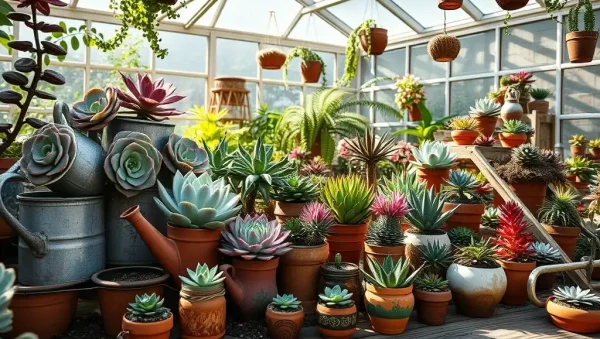
Welcome to the advanced science of habitat replication, where we transform your greenhouse into a living museum of the world’s most extreme succulent environments. This subcategory dives deep into mimicking the natural conditions—soil, temperature, humidity, and light—of regions like the South African Karoo, the Mexican Chihuahuan Desert, and the high Andes. By understanding these precise ecosystems, you can unlock superior growth, vibrant coloration, and even encourage rare flowering events in your collection. Perfect for the serious collector and research-minded hobbyist, this guide positions your greenhouse not just as a shelter, but as a true botanical analogue.
🔬 Decoding Microclimates: From Desert Floors to Cloud Forests
Learn to analyze the specific microclimates where your succulents originate. For instance, Lithops thrive in gritty, quartz-rich soils with minimal organic matter, while Rhipsalis prefer the humid, shaded understory of tropical forests. This section teaches you to map your greenhouse into distinct zones—arid, semi-arid, and seasonal wetland—so each plant receives its native air circulation and moisture patterns. You’ll discover how to use shade cloths, evaporative coolers, and misting systems to recreate these disparate worlds under one roof.
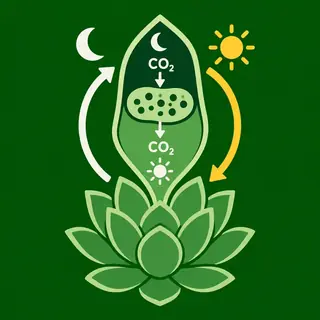
Expect practical guidance on measuring and adjusting daily temperature swings, which are critical for CAM photosynthesis in many succulents. We’ll discuss how to simulate the dramatic day-night differentials of high-altitude regions versus the steady warmth of coastal deserts. By mastering microclimates, you reduce stress on your plants, prevent etiolation, and enhance their natural resinous coatings and spination. This foundational knowledge turns your greenhouse into a precision instrument for species preservation.
🏜️ Soil Engineering: Crafting the Perfect Substrate Mimicry
Soil is the silent partner in habitat replication. Native succulent substrates are often 80-90% mineral, with low cation exchange capacity and rapid drainage. This section breaks down the mineralogy of different habitats—calcareous soils for Echeveria, gypsum-rich layers for certain Mammillaria, and decomposed granite for Agave. You’ll learn to test your own mixes for pH, particle size distribution, and water retention, then blend custom recipes that mirror these natural “recipes.”
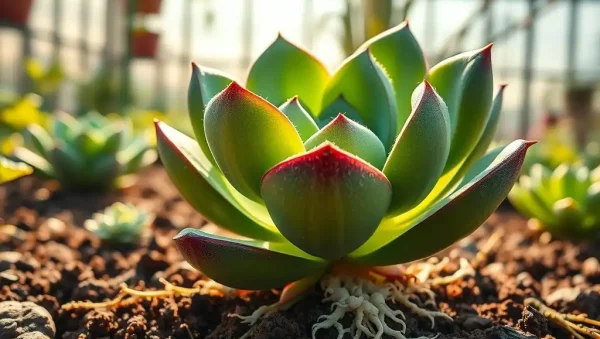
We’ll also cover the role of biological crusts and mycorrhizal fungi, which are often missing in commercial potting soil. By incorporating sterilized local gravel, pumice, and even crushed oyster shell, you create a substrate that encourages robust root systems and prevents root rot. This section provides a step-by-step methodology for swapping out standard mixes for species-specific blends, complete with troubleshooting for compaction and salt buildup. Expect to see immediate improvements in plant vigor and winter hardiness.
💧 Watering Choreography: Rainfall Patterns and Dry Cycles
Natural habitats rarely receive weekly watering; instead, they experience seasonal monsoons, fog drip, or long droughts. Here, you’ll learn to replicate these hydrological rhythms using programmable irrigation systems and moisture sensors. We’ll teach you to imitate the “winter rainfall” of the Cape region versus the “summer thunderstorm” pattern of the Sonoran Desert. This means adjusting not just frequency, but also water quality—rainwater, reverse osmosis, and slightly acidic solutions for calcareous lovers.
Understand the crucial concept of “dry dormancy” when many succulents halt growth. By manipulating water delivery, you can trigger flowering or tighten rosettes. This section includes a chart of seasonal watering schedules for popular genera, plus tips on using capillary mats and wicking systems for even delivery. You’ll also learn to read your plants’ physical signs—wrinkling, color change—as natural indicators of when to hydrate. This choreography reduces fungal issues and mimics the stress that produces vibrant anthocyanin pigmentation.
🌡️ Climate Control: Temperature, Airflow, and Humidity Precision
Greenhouse climate control goes beyond simple heating or cooling. This section explores advanced techniques like positive pressure ventilation to simulate desert breezes, and the use of thermal mass (stone floors, water barrels) to buffer extreme swings. We’ll cover the ideal temperature ranges for cold-hardy succulents like Sempervivum versus heat-loving Euphorbia, and how to create “heat islands” using soil heating cables. Humidity management is critical—many succulents need less than 40% RH, but rainforest species need up to 80%.
Expect a deep dive into evaporative cooling pads and foggers, plus how to use data loggers to document your climate. You’ll learn to automate vents and shade screens based on solar radiation thresholds, preventing leaf scorch during summer afternoons. This section also addresses winter dormancy, where a cool, dry period (5-10°C) is essential for many species to reset their biological clocks. By mastering these controls, you create a stable yet dynamic environment that encourages natural growth habits and prevents etiolation, even in low-light seasons.
🌱 Companion Ecology: Replicating Native Flora and Fauna
Habitat replication isn’t just about the succulent itself—it’s about the entire ecosystem. This section examines how to integrate companion plants like lichens, mosses, and small annuals that coexist with succulents in the wild. You’ll learn how these companions improve soil aeration, fix nitrogen, or provide seasonal shade. Additionally, we discuss beneficial insects and arthropods (like predatory mites) that naturally control pests in their native ranges, reducing your reliance on chemicals.
We also cover the subtle art of creating “living rock” arrangements by embedding succulents in large, natural stones to mimic their crevice-dwelling habits. Expect guidance on sourcing ethically harvested materials and avoiding invasive species. This holistic approach not only produces stunningly realistic displays but also improves the psychological resilience of your plants—they respond to neighboring root exudates and fungal networks. By fostering a mini-ecosystem, your greenhouse becomes a self-regulating, thriving community that mirrors the wild, encouraging pollinators and beneficial predators.
Frequently Asked Questions
Do I need a high-tech greenhouse for habitat replication?
No, but you need precision. Manual methods—using shade cloth, thermometers, and hand watering—work if you monitor closely. Start with simple tools like max-min thermometers and a moisture meter. High-tech automation (sensors, controllers) is helpful for consistency, especially if you travel, but passion and observation trump expensive gadgets.
What is the most common mistake in replicating succulent habitats?
Overwatering during dormancy. Many collectors mimic summer rainfall year-round, leading to root rot. Study your species’ native rainfall season—winter growers like Aloe need dry summers, while summer growers like Echeveria need dry winters. Adjust your schedule to force that dry period, even at the risk of shriveled leaves.
Can I replicate a cold desert habitat in a warm greenhouse?
Yes, with focused energy. Use a dedicated cool room or a refrigerated greenhouse section to drop temperatures at night. During winter, ventilate to bring in cold air, and use fans to prevent warm pockets. Cold-hardy species like Orostachys can tolerate frost but need sharp drainage and dry roots.
How do I simulate high-altitude UV light without burning plants?
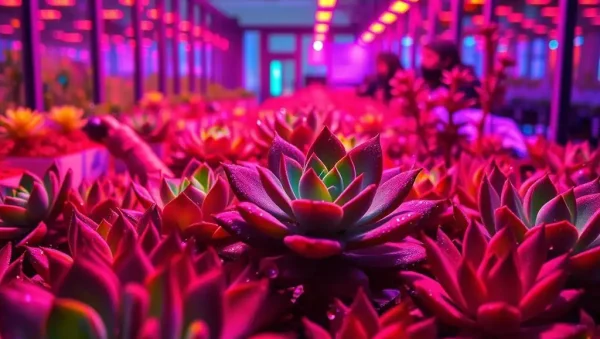
Use supplemental UV-B bulbs for short, timed exposure (2-4 hours midday) to trigger protective pigments. Start with 30-minute increments and observe for bleaching. Alternatively, use shade cloth that filters only a portion of light, and gradually reduce shade over weeks. Always protect roots from overheating with clay pots.
Are there pests that actually help in a replicated habitat?
Yes, predatory mites (Amblyseius) and green lacewings control spider mites and aphids naturally. Small springtails in the soil break down organic matter, preventing compaction. Also, certain ground beetles eat mealybugs. Introducing these biological controls mimics natural predator-prey dynamics, reducing chemical usage.