Advanced Pest and Disease Resistance in Succulent Science
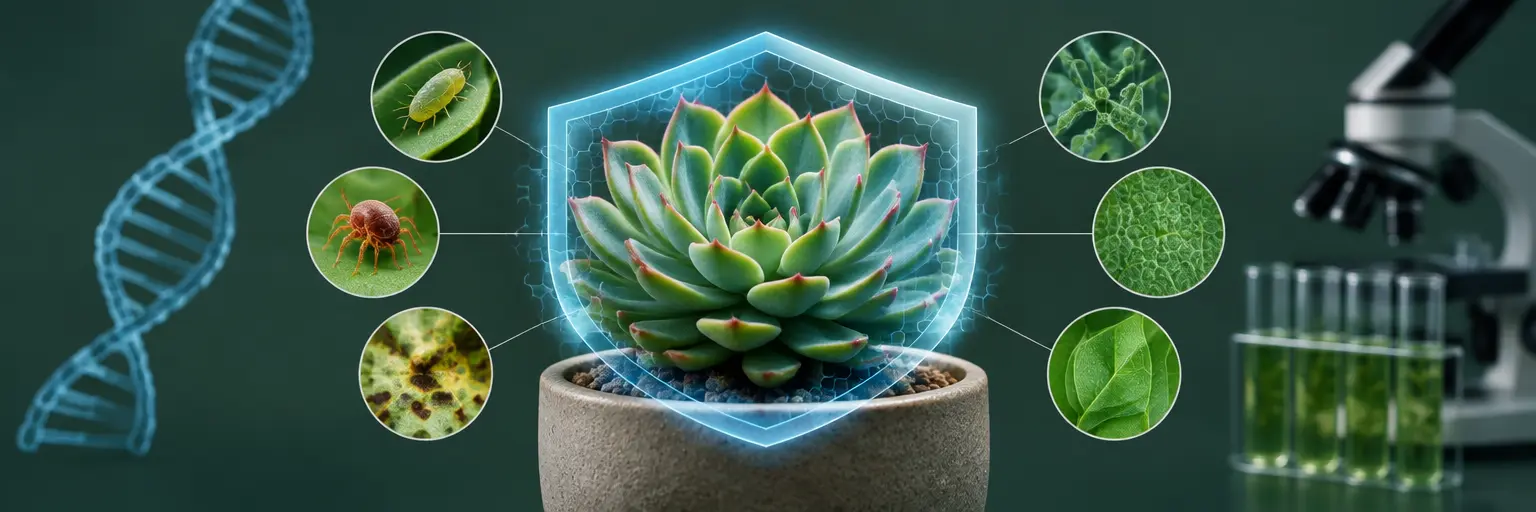
Welcome to the frontier of resilient horticulture. Within Advanced Succulent Science and Research, the subcategory of Advanced Pest and Disease Resistance explores how succulents naturally defend against threats and how cutting-edge research enhances these traits. Here, we merge botany, genetics, and sustainable practices to help you grow healthier, more robust plants. Whether you are a collector battling mealybugs or a researcher studying plant immunity, this guide offers actionable, science-backed insights to elevate your succulent care.
🔬 Genetic Mechanisms Behind Natural Immunity
Succulents possess innate defense systems, from thick cuticles to antimicrobial compounds like saponins and phenolic acids. Advanced research now maps the genes responsible for these traits, allowing breeders to select cultivars with superior resistance. Expect to learn how CRISPR and marker-assisted selection are being used to enhance resistance to common pathogens like Fusarium and Phytophthora without compromising aesthetic appeal.
By understanding genetic pathways, you can make informed choices when purchasing rare hybrids. Look for varieties bred for resilience, such as Echeveria ‘Black Prince’ or Haworthia cooperi, which show documented tolerance to root rot. This knowledge empowers you to reduce chemical interventions, saving time and promoting an eco-friendly approach to cultivation.
🛡️ Integrated Pest Management (IPM) for Succulent Collections
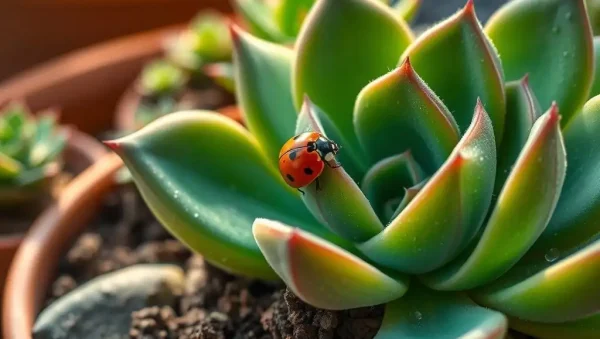
IPM combines cultural, biological, and chemical strategies to keep pests at bay. For succulents, key cultural practices include using well-draining soil, avoiding overhead watering, and quarantining new plants. Biological controls like predatory mites (Amblyseius swirskii) and beneficial nematodes effectively target thrips and fungus gnats, while neem oil and insecticidal soaps serve as low-toxicity chemical fallbacks.
This section provides a step-by-step framework to monitor pest populations, establish action thresholds, and apply treatments only when necessary. You will also learn to identify early signs of infestation—such as webbing, stippling, or honeydew—before they escalate. With IPM, you maintain a beautiful collection while minimizing environmental impact and protecting beneficial insects.
🧪 Innovative Disease-Resistant Soil and Root Treatments
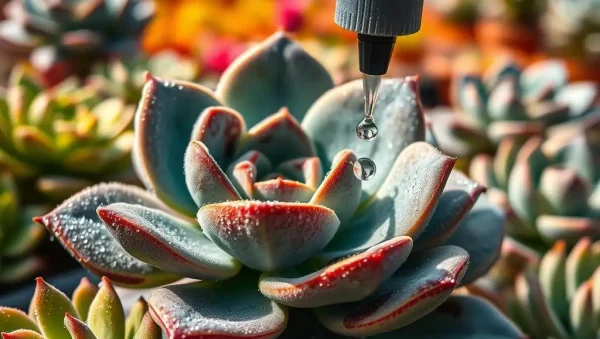
Root health is the cornerstone of succulent vitality. Advanced research introduces biochar-enriched substrates that suppress soil-borne pathogens, and mycorrhizal fungi inoculants that bolster root immune responses. Additionally, hydrogen peroxide drenches and cinnamon-based fungicides offer safe, home-made alternatives to harsh chemicals for preventive care.
Expect detailed protocols for sterilizing soil mixes, using beneficial microbes like Trichoderma harzianum, and adjusting pH to deter fungal growth. These methods are especially valuable for rare or expensive specimens, reducing transplant shock and improving long-term survival rates. Your succulents will thank you with vigorous growth and vibrant coloration.
🌱 Climate Resilience: Breeding for Extreme Environments
Climate change intensifies pest and disease pressure. Breeders now focus on developing succulents that thrive despite heatwaves, high humidity, or prolonged drought. Key traits include thicker cuticles, faster wound healing, and enhanced production of stress hormones like abscisic acid. Learn how to select or hybridize plants that resist powdery mildew in humid regions or root rot in monsoon climates.
Practical applications include using shade cloth to reduce heat stress, improving air circulation with fans, and adopting “dry start” watering schedules that mimic desert rainfall. By matching plant genetics to your microclimate, you reduce disease incidence and create a self-sustaining ecosystem. This proactive approach transforms your garden into a living laboratory of resilience.
🔍 Detection and Diagnostic Tools for Early Intervention
Early detection saves collections. Advanced tools include portable chlorophyll fluorescence meters to assess plant stress, smartphone apps for image-based pest identification, and soil moisture sensors to prevent overwatering-led infections. You will also explore DIY techniques like using sticky traps and magnifying lenses to spot tiny invaders before they multiply.
Learn to interpret visual symptoms—yellowing leaves, black spots, or mushy stems—and match them to specific pathogens using cross-reference guides. Investing in these diagnostic aids, even at a small scale, drastically cuts response time. This proactive vigilance ensures you enjoy a thriving, low-maintenance succulent display year-round.
Frequently Asked Questions
What are the most common succulent pests and how do I identify them?
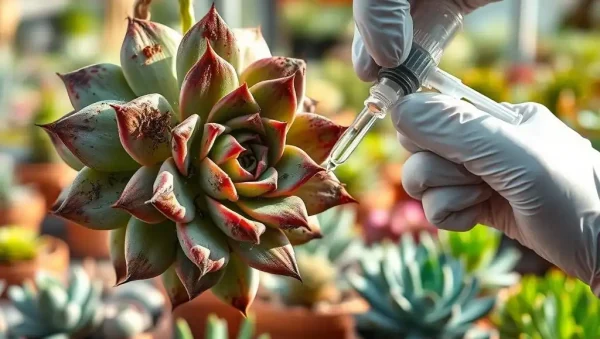
Common pests include mealybugs (white cottony clusters), spider mites (fine webbing and stippling), scale insects (brown bumps), and fungus gnats (small flies around soil). Inspect leaf axils and undersides regularly, using a magnifying glass for tiny larvae. Early symptoms like sticky honeydew or distorted growth signal infestations; treat promptly with isopropyl alcohol or insecticidal soap.
How can I naturally boost my succulent’s disease resistance?
Provide optimal conditions: bright indirect light, well-draining soil (e.g., 50% perlite), and proper airflow. Water only when soil is completely dry, using a bottom-up method to keep leaves dry. Apply a diluted kelp extract or compost tea monthly to strengthen cell walls. Avoid over-fertilizing, as excess nitrogen attracts pests and weakens tissue.
Can I breed my own pest-resistant succulents at home?
Yes, with patience. Select parent plants showing natural resistance to local threats, cross-pollinate them, and grow seeds. Offspring vary, so keep the toughest seedlings. Over several generations, you can stabilize desirable traits like thick cuticles or fast callusing. Document your crosses and share results with online succulent communities.
Are chemical pesticides safe for indoor succulents?
Most synthetic pesticides are not ideal indoors due to toxicity and residue. Opt for low-risk options like neem oil, pyrethrin-based sprays, or horticultural oils, applying in a well-ventilated area. Always test on a small area first. For persistent issues, use systemic granules labeled for succulents, but read labels carefully and keep away from pets and children.
What is the best way to quarantine new succulents to prevent disease spread?
Keep new plants in a separate room for 3-4 weeks. Inspect soil for pests, repot with fresh sterile mix, and avoid sharing tools or trays. Mist with a mild fungicide (e.g., 1:9 hydrogen peroxide solution) upon arrival. Only introduce them to your main collection after showing no signs of stress or infestation for a month.