
CAM and Succulent Biodiversity: The Role of Metabolism in Ecosystems


Welcome to SucculentEssentials.org, where the fascinating world of succulents unfolds before you! Prepare to be captivated by the hidden secrets of these resilient plants, from their surprising adaptations to their breathtaking diversity. Intrigued by the intricate mechanisms that allow succulents to thrive in harsh environments? Dive into our latest article on CAM photosynthesis succulent ecosystems, unlocking the science behind their remarkable survival and the crucial role they play in their unique ecosystems. Uncover the mysteries and embark on a journey of succulent discovery – your adventure begins now!
- Understanding CAM Photosynthesis in Succulents
- CAM Photosynthesis and Succulent Biodiversity
- The Ecological Significance of CAM Photosynthesis
- CAM Photosynthesis in Conservation and Sustainability
- Research Frontiers in CAM and Succulent Ecosystems
- Frequently Asked Questions
- Final Reflection: The Enduring Legacy of CAM Photosynthesis
- Uncover the Secrets of Succulent Success!
Understanding CAM Photosynthesis in Succulents
Crassulacean Acid Metabolism (CAM) is a fascinating adaptation found in many succulent plants, playing a crucial role in their survival and shaping the biodiversity of arid and semi-arid ecosystems. This unique photosynthetic pathway allows succulents to thrive in environments where water is scarce, contributing significantly to the unique flora of these regions. This article delves into the intricacies of CAM photosynthesis, exploring its mechanism, its evolutionary advantages, and its impact on the overall health and diversity of succulent ecosystems.
We'll uncover how this specialized metabolism not only enables succulents to conserve water but also influences their interactions with other organisms and the overall structure of their habitats. Understanding CAM is key to appreciating the resilience and ecological importance of succulents in diverse environments around the globe.
The prevalence of CAM photosynthesis in succulent ecosystems underscores its significance as a key evolutionary strategy for survival in water-limited conditions. Let's explore this remarkable process in more detail.
The Mechanism of Crassulacean Acid Metabolism (CAM)
CAM photosynthesis differs significantly from the more common C3 and C4 pathways. Unlike C3 plants that open their stomata during the day and C4 plants that exhibit spatial separation of carbon fixation, CAM plants exhibit temporal separation. This means they open their stomata at night, taking in CO₂ and converting it into malic acid, which is stored in vacuoles. This process avoids excessive water loss during the hot, dry days.
During the day, when sunlight is abundant, the stomata remain closed, preventing water loss. The stored malic acid is then decarboxylated, releasing CO₂ for the Calvin cycle to proceed and produce sugars. This intricate timing is crucial for the plant's survival in arid conditions.
The efficiency of this process varies among different succulent species, reflecting the diverse environmental pressures they face. For example, some species exhibit a more complete CAM pathway, while others show incomplete or facultative CAM, depending on environmental conditions such as water availability and temperature. This flexibility highlights the adaptive nature of CAM and its contribution to the biodiversity of succulent communities.
CAM Photosynthesis: A Unique Adaptation to Arid Environments
The success of CAM photosynthesis is directly linked to its effectiveness in water conservation. By opening stomata at night, when temperatures are cooler and humidity is higher, water loss through transpiration is minimized. This adaptation is particularly crucial in deserts and other arid environments where water is a limiting factor for plant growth.
The ability to store CO₂ overnight and utilize it during the day allows CAM plants to maintain photosynthesis even under severe water stress. This explains the dominance of CAM plants in xeric habitats, where other photosynthetic pathways struggle to survive. The efficiency of water use in CAM plants is significantly higher than in C3 or C4 plants, allowing them to colonize and thrive in environments where other plant species cannot.
This contributes to the unique biodiversity of these regions, with CAM plants often forming the foundation of desert ecosystems. Studies have shown that CAM plants can survive prolonged periods of drought, demonstrating their remarkable resilience to environmental stress.
Evolutionary Advantages of CAM in Succulent Ecosystems
The evolutionary success of CAM photosynthesis is evident in the wide diversity of succulent plants found across various arid and semi-arid regions. The ability to thrive under water-limited conditions provides a significant competitive advantage. This allows CAM succulents to occupy niches unavailable to other plants, leading to increased species richness and overall ecosystem diversity.
Furthermore, the temporal separation of CO₂ uptake and fixation provides a degree of protection against photorespiration, a process that reduces photosynthetic efficiency in C3 plants. This increased efficiency translates to greater productivity and biomass accumulation, benefiting both the individual plant and the ecosystem as a whole. The evolutionary history of CAM is complex and fascinating, with evidence suggesting multiple independent origins of this pathway across different plant lineages.
This highlights the adaptive significance of CAM and its importance in shaping the evolution and diversification of succulent plants. The continued study of CAM photosynthesis is essential for understanding the resilience of succulent ecosystems and for developing strategies for conservation in the face of climate change.
CAM Photosynthesis and Succulent Biodiversity
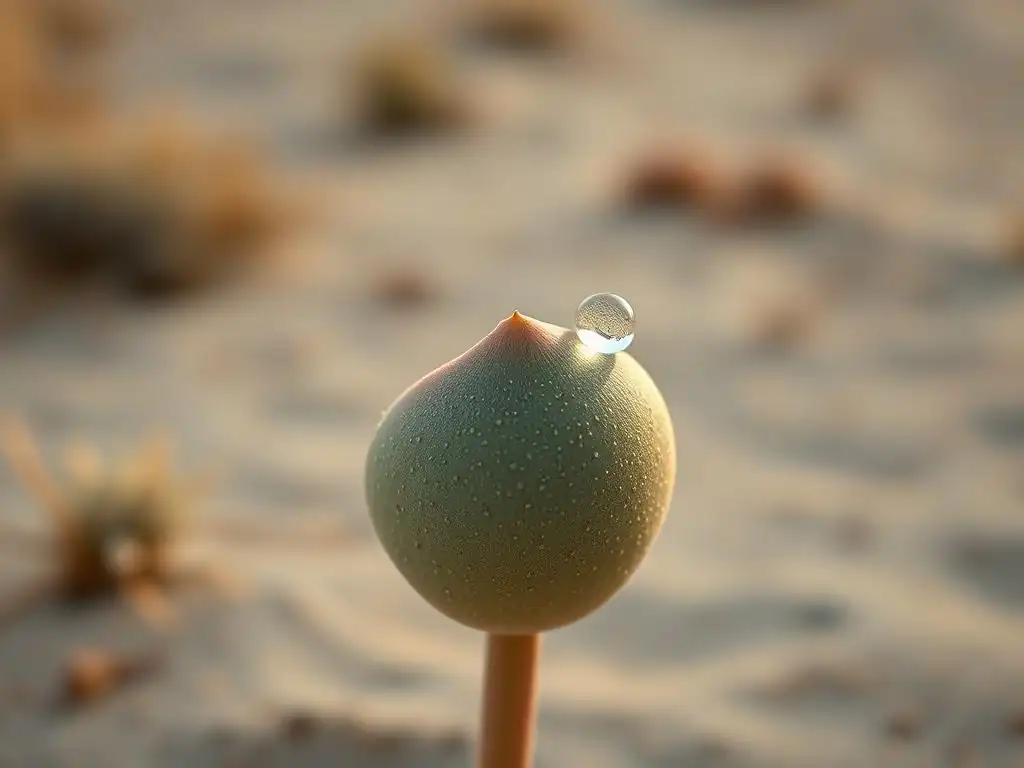
This section delves into the intricate relationship between Crassulacean Acid Metabolism (CAM) photosynthesis and the remarkable biodiversity of succulent plants within various ecosystems. We will explore how CAM's unique physiological adaptations contribute to the success and diversity of succulents in challenging environments, ultimately shaping the structure and function of these ecosystems. The keyword "CAM photosynthesis succulent ecosystems" will be explored in detail, highlighting the crucial role of CAM in the survival and proliferation of succulents.
CAM Plants and Their Distribution Across Diverse Ecosystems
CAM photosynthesis, a specialized metabolic pathway, allows succulents to thrive in arid and semi-arid regions characterized by intense solar radiation and water scarcity. This adaptation isn't limited to deserts, however. CAM plants exhibit a remarkable diversity in their distribution, extending beyond traditionally arid landscapes. We find them in diverse habitats, including:
- Coastal regions: Many succulent species utilize CAM to tolerate salt stress and fluctuating water availability near coastlines.
- Tropical forests: Epiphytic succulents, growing on trees, leverage CAM to conserve water in the humid but often dry microclimates of the forest canopy.
- Mediterranean climates: The seasonal drought conditions of Mediterranean regions provide ideal conditions for the flourishing of many CAM species.
- High-altitude environments: Some high-altitude succulents employ CAM to cope with the low temperatures and intense UV radiation found at high elevations.
The global distribution of CAM plants highlights the versatility of this metabolic pathway and its importance in allowing succulents to colonize a wide range of challenging environments. The sheer number of succulent species using CAM underscores its evolutionary success in diverse ecological niches. Understanding this distribution is key to appreciating the ecological significance of CAM photosynthesis.
The Influence of CAM on Species Richness and Abundance in Arid Regions
In arid and semi-arid regions, CAM photosynthesis plays a pivotal role in shaping the structure and composition of plant communities. The ability to conserve water efficiently allows CAM succulents to outcompete many other plants during periods of drought. This competitive advantage contributes significantly to the high species richness and abundance of succulents in these ecosystems.
Consider the Sonoran Desert, for instance. The diversity of cacti, agaves, and other CAM succulents is astonishing. These plants dominate the landscape, forming the foundation of the food web and providing habitat for a multitude of animals. Their abundance directly influences the overall biodiversity of the region, supporting a rich tapestry of life adapted to the harsh conditions. Data from long-term ecological studies in arid regions consistently demonstrate a strong correlation between CAM plant abundance and overall ecosystem biodiversity. This emphasizes the central role of CAM in sustaining life in these water-limited environments.
| Ecosystem Type | Dominant CAM Species | Species Richness (Estimate) | Abundance (Qualitative) |
|---|---|---|---|
| Sonoran Desert | Cacti (various genera), Agave | Very High | Very High |
| Namib Desert | Lithops, Conophytum | High | High |
| Mediterranean Shrubland | Sedum, Sempervivum, various Crassulaceae species | Moderate | Moderate |
This table provides a glimpse into the diverse ecosystems where CAM succulents thrive, showcasing their significance in shaping species richness and abundance. Further research is needed to quantify the exact influence of CAM on species richness in different ecosystems. [Specific data pending on quantitative analysis of CAM influence on species richness in various ecosystems].
CAM and the Resilience of Succulent Communities to Environmental Stress
CAM photosynthesis not only contributes to the biodiversity of succulent communities but also enhances their resilience to environmental stressors. The water-use efficiency afforded by CAM allows succulents to withstand prolonged droughts, which are becoming increasingly frequent due to climate change. Furthermore, CAM plants often exhibit tolerance to high temperatures, salinity, and nutrient limitations, making them particularly well-suited to cope with the challenges of a changing world.
The resilience of CAM succulent communities is crucial for maintaining the ecological integrity of arid and semi-arid ecosystems. These communities provide vital ecosystem services, including soil stabilization, carbon sequestration, and habitat provision for numerous animal species. The ability of CAM plants to withstand environmental stress safeguards these crucial services, ensuring the long-term health and sustainability of these valuable ecosystems. The conservation of CAM plant diversity is therefore of paramount importance for preserving the ecological resilience of these fragile environments.
Further study is needed on the specific mechanisms by which CAM enhances resilience to specific stressors, such as extreme temperatures and altered precipitation patterns. [Specific information pending on detailed mechanisms of stress resilience in various CAM species]. Understanding these mechanisms is vital for developing effective conservation strategies for succulent ecosystems in a changing climate.
The Ecological Significance of CAM Photosynthesis
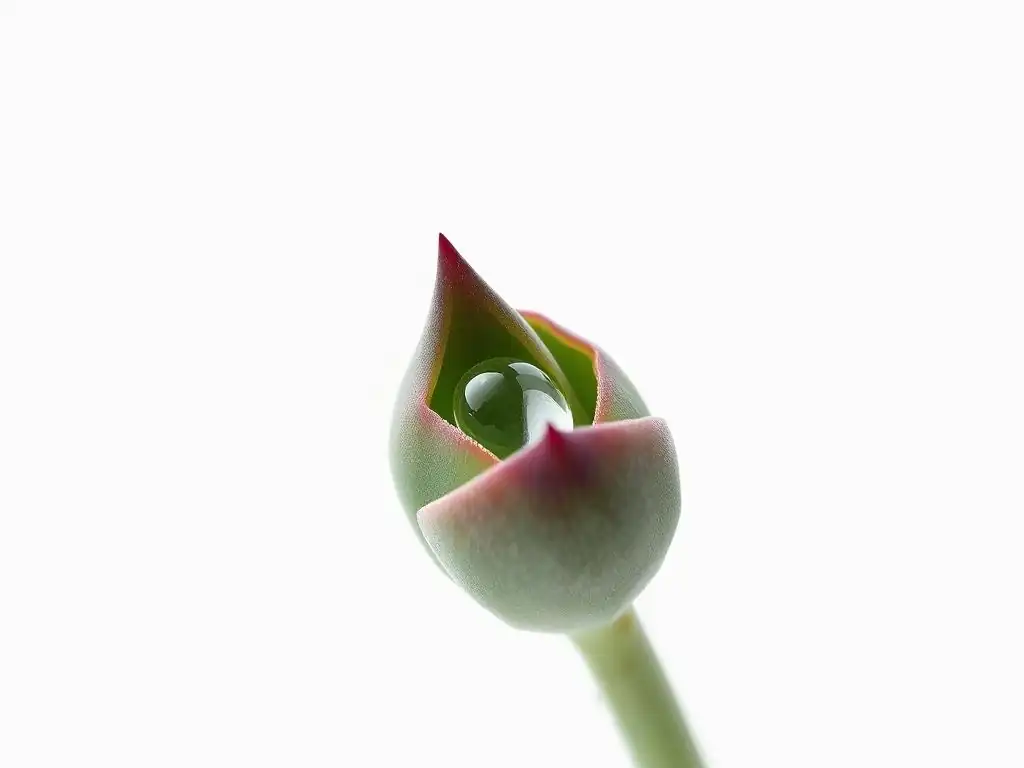
Crassulacean Acid Metabolism (CAM) photosynthesis is far more than just a fascinating adaptation; it plays a crucial role in the structure and function of many ecosystems, particularly those characterized by arid and semi-arid conditions. CAM plants, predominantly succulents, are uniquely positioned to thrive in environments where water is scarce, influencing the entire ecological landscape in profound ways. Understanding the ecological significance of CAM photosynthesis is vital for conservation efforts and predicting the impact of climate change on these fragile ecosystems.
The unique metabolic pathway of CAM allows succulents to not only survive but also to shape their environments. This section will explore how CAM photosynthesis affects water and carbon cycles, soil dynamics, and plant community interactions, highlighting the vital role of CAM plants in succulent ecosystems.
CAM Plants as Key Players in Water and Carbon Cycles
CAM photosynthesis significantly alters water and carbon cycling dynamics within ecosystems. Unlike C3 and C4 plants, CAM plants open their stomata primarily at night, minimizing water loss through transpiration. This nocturnal gas exchange allows them to efficiently absorb CO 2 , which is stored as malic acid within vacuoles. During the day, the stored CO 2 is released and used in photosynthesis, even under intense sunlight and high temperatures. This mechanism reduces water loss by up to 90% compared to C3 plants, making them incredibly efficient water users.
Consequently, CAM plants can significantly influence the water balance in arid and semi-arid regions. Their deep root systems can access groundwater sources unavailable to other plants, contributing to the overall water retention capacity of the soil. Furthermore, the reduced transpiration rates mean less water is lost to the atmosphere, potentially impacting local humidity and precipitation patterns, although the precise extent of this influence requires further research. [Specific data on the impact of CAM plants on local humidity and precipitation pending].
The impact on carbon cycling is equally significant. By efficiently capturing CO 2 at night, CAM plants contribute to the overall carbon sequestration capacity of the ecosystem. This process helps mitigate the effects of atmospheric CO 2 buildup, a key factor in climate change. Studies have shown that CAM plants can store considerable amounts of carbon in their biomass, acting as important carbon sinks within their respective ecosystems. However, the exact contribution of CAM plants to global carbon sequestration remains an active area of research, with considerable variation depending on the specific species and environmental conditions.
CAM's Impact on Soil Nutrient Dynamics and Microbial Communities
The unique physiology of CAM plants also influences soil nutrient dynamics and the structure of microbial communities. The slow growth rates and relatively low litter production of many CAM species compared to other plant types can lead to slower nutrient cycling in the soil. However, the deep root systems of many succulents can access and mobilize nutrients from deeper soil layers, making these nutrients available to other organisms in the ecosystem.
The composition of the soil microbial community is also likely influenced by the presence of CAM plants. The chemical composition of CAM plant litter, including the organic acids produced during CAM metabolism, can alter soil pH and nutrient availability, thereby influencing the types of microbes that thrive in these environments. [Specific data on the impact of CAM plant litter on soil microbial communities pending].
Further research is needed to fully understand this complex interplay between CAM plants, soil nutrients, and microbial communities. Understanding these interactions is essential for managing soil health and ecosystem productivity in arid and semi-arid regions dominated by CAM plants.
CAM and the Interplay between Succulents and Other Plant Species
The presence of CAM plants significantly influences the composition and structure of plant communities in succulent ecosystems. Their efficient water use and ability to thrive in harsh conditions allow them to coexist with other plant species, creating a diverse and complex ecosystem. However, competition for resources, particularly water and nutrients, can still occur. The extent of this competition depends on factors like rainfall patterns, soil type, and the species present.
Furthermore, CAM plants can facilitate the establishment and growth of other plant species through various mechanisms. For instance, some succulents provide shade, reducing water loss for neighboring plants. Others may improve soil structure, enhancing water infiltration and nutrient availability. [Specific examples of facilitative interactions between CAM and non-CAM plants pending].
The intricate relationships between CAM plants and other species highlight the importance of conserving biodiversity within these ecosystems to maintain their overall health and resilience. The study of these interactions is critical for understanding the dynamics and stability of succulent ecosystems worldwide. The complex interplay between CAM plants and other organisms underscores the crucial role of CAM photosynthesis in maintaining the biodiversity and ecological integrity of these unique environments. 🌵
CAM Photosynthesis in Conservation and Sustainability
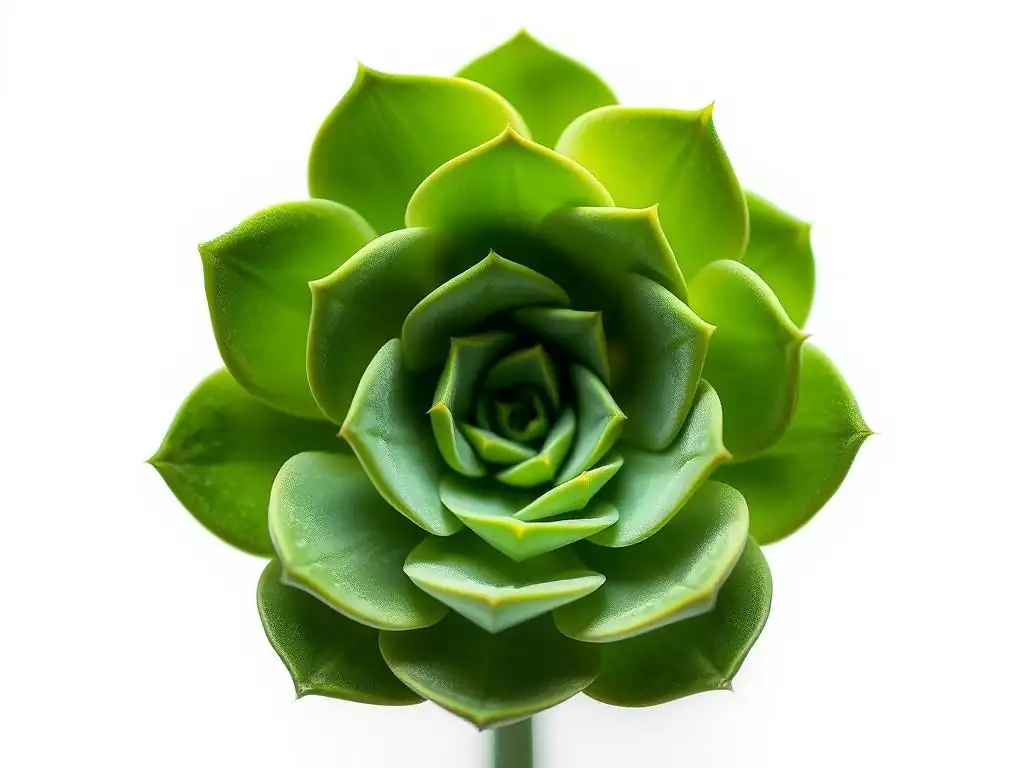
CAM photosynthesis, a crucial adaptation for succulents thriving in arid and semi-arid environments, plays a significant role in maintaining the biodiversity of these ecosystems. Understanding the intricacies of CAM metabolism is paramount not only for appreciating the unique characteristics of succulents but also for developing effective conservation strategies and promoting sustainable practices.
This section will explore the critical intersection of CAM photosynthesis, conservation efforts, and the long-term sustainability of succulent ecosystems. The unique metabolic pathway of CAM plants, allowing them to efficiently utilize water resources and thrive under harsh conditions, directly impacts their ecological significance and vulnerability to environmental change.
Conserving CAM Plant Biodiversity: Challenges and Opportunities
Conserving the remarkable biodiversity of CAM plants presents a multifaceted challenge. Habitat loss due to urbanization, agriculture, and unsustainable resource extraction poses a significant threat. Many succulent species are endemic to specific regions, making them particularly vulnerable to localized environmental disturbances. Furthermore, climate change, with its increasing temperatures and altered precipitation patterns, exacerbates these threats, disrupting delicate ecological balances.
The opportunities for conservation, however, are equally significant. In situ conservation, focusing on protecting natural habitats, is crucial. This involves establishing protected areas, implementing sustainable land management practices, and mitigating the impacts of human activities. Ex situ conservation, involving the preservation of plant material outside their natural habitats (e.g., in botanical gardens and seed banks), provides a critical safety net against extinction. These efforts are complemented by community engagement initiatives that raise awareness about the importance of succulent conservation and promote sustainable practices among local populations.
Effective conservation requires a multi-pronged approach. This includes:
- Detailed species inventories and assessments: Accurate data on the distribution, abundance, and conservation status of CAM plant species are essential for prioritizing conservation efforts.
- Habitat restoration and management: Rehabilitating degraded habitats and implementing sustainable land management practices are crucial for restoring ecological integrity.
- Community-based conservation programs: Engaging local communities in conservation efforts is essential for long-term success. Education and awareness campaigns can empower communities to become active stewards of their natural resources.
- Combating illegal collection: Stricter regulations and enforcement are needed to prevent the unsustainable harvesting of succulent species for horticultural purposes.
The Role of CAM Research in Sustainable Ecosystem Management
Research into CAM photosynthesis provides invaluable insights into the adaptive strategies of succulents and their role in ecosystem functioning. Understanding the physiological mechanisms underpinning drought tolerance, for example, can inform the development of drought-resistant crops, contributing to sustainable agriculture in arid and semi-arid regions. Furthermore, research on the ecological interactions between CAM plants and other organisms, such as pollinators and herbivores, provides crucial information for ecosystem management.
Studies on the response of CAM plants to environmental stressors, such as drought, salinity, and extreme temperatures, are critical for predicting their vulnerability to climate change and developing effective mitigation strategies. This research can guide the selection of species for restoration projects and inform the design of protected areas to maximize resilience to environmental change. For instance, analyzing the isotopic signature of CAM plants can reveal valuable information about their water use efficiency and their response to changing climatic conditions.
This data is crucial for modeling future ecosystem dynamics under different climate change scenarios. The development of robust predictive models allows for proactive conservation planning and management.
CAM and the Future of Succulent Conservation in Changing Climates
The future of succulent conservation hinges on our ability to understand and mitigate the impacts of climate change. CAM plants, with their remarkable adaptations to arid environments, may hold the key to developing more resilient ecosystems. However, the accelerating pace of climate change presents significant challenges. Rising temperatures, altered precipitation patterns, and increased frequency of extreme weather events threaten the survival of many succulent species.
Future research should focus on:
- Predicting the impacts of climate change on CAM plant distributions: Developing sophisticated climate change models that incorporate the physiological responses of CAM plants is crucial for identifying vulnerable populations and prioritizing conservation efforts.
- Identifying climate-resilient CAM species: Research should focus on identifying species with high tolerance to drought, heat, and salinity, which can serve as valuable resources for restoration and conservation programs.
- Developing assisted migration strategies: For highly vulnerable species, carefully planned assisted migration may be necessary to ensure their survival in the face of climate change. This requires rigorous scientific assessment and careful consideration of potential ecological impacts.
- Promoting sustainable horticultural practices: Reducing the demand for wild-collected succulents through the promotion of sustainable cultivation practices is essential for protecting wild populations.
The conservation of CAM plant biodiversity is not merely an academic pursuit; it is essential for maintaining the ecological integrity of arid and semi-arid ecosystems and ensuring the long-term sustainability of these valuable resources. By integrating research findings into conservation strategies and promoting sustainable practices, we can safeguard the future of these remarkable plants and the ecosystems they support. 🌵
Research Frontiers in CAM and Succulent Ecosystems
This section delves into the cutting-edge research shaping our understanding of Crassulacean Acid Metabolism (CAM) and its impact on succulent ecosystems. We'll explore the genetic underpinnings of CAM, examine the challenges posed by climate change, and investigate the potential applications of CAM in bioenergy and biotechnology. Understanding these frontiers is crucial for appreciating the full ecological and economic significance of CAM photosynthesis succulent ecosystems.
Investigating the Genetic Basis of CAM in Succulents
Unraveling the genetic mechanisms driving CAM photosynthesis is a major focus of current research. Scientists are employing advanced genomic techniques, such as next-generation sequencing and gene editing tools like CRISPR-Cas9, to identify the key genes and regulatory networks responsible for the unique metabolic pathways of CAM. This work involves comparing the genomes of CAM and non-CAM plants to pinpoint the genetic changes that enabled the evolution of CAM.
For instance, studies have identified specific genes involved in the regulation of nocturnal CO₂ uptake and daytime carbon fixation. These genes often encode enzymes crucial for the synthesis and degradation of malic acid, the primary organic acid involved in CAM. Researchers are also investigating the role of transcription factors – proteins that control gene expression – in coordinating the temporal regulation of CAM genes.
Understanding this intricate genetic network offers insights into the evolution and diversity of CAM, and paves the way for potential genetic manipulation of plants to enhance their drought tolerance and productivity. This is particularly relevant in the context of climate change and the need for drought-resistant crops.
The identification of specific genes associated with CAM efficiency opens exciting avenues for crop improvement. Imagine engineering crops with enhanced drought tolerance by introducing CAM-related genes. The potential implications for food security in arid and semi-arid regions are substantial. Further research is needed to fully understand the complex interplay of genes and environmental factors that govern CAM expression and optimization.
Exploring the Limits of CAM Adaptation under Climate Change
Climate change poses significant threats to succulent ecosystems, and understanding the limits of CAM adaptation is critical for conservation efforts. Rising temperatures, altered precipitation patterns, and increased atmospheric CO₂ concentrations can all impact the efficiency and effectiveness of CAM photosynthesis.
For example, high temperatures can negatively affect the nocturnal CO₂ uptake in CAM plants, reducing their photosynthetic capacity. Changes in water availability can also significantly impact CAM function, as the process relies on efficient water use. Furthermore, the increased atmospheric CO₂ concentration, while potentially beneficial in theory, may not always translate to increased productivity in CAM plants due to other limiting factors, such as temperature or nutrient availability.
Studies are investigating how different CAM species respond to various climate change stressors. This involves monitoring physiological responses such as stomatal conductance, water use efficiency, and growth rates under controlled experimental conditions simulating future climate scenarios. This research is vital for predicting the future distribution and abundance of CAM plants and for developing effective conservation strategies.
The data gathered will inform targeted conservation efforts, potentially including assisted migration or habitat restoration, to ensure the survival of these unique and valuable ecosystems. The long-term survival of CAM photosynthesis succulent ecosystems is intricately linked to our understanding and mitigation of climate change impacts.
The Potential of CAM for Bioenergy and Biotechnology
The unique metabolic features of CAM offer exciting possibilities for bioenergy and biotechnology applications. The ability of CAM plants to efficiently fix carbon dioxide at night, even under water-stressed conditions, makes them attractive candidates for biofuel production. Research is exploring the feasibility of engineering CAM pathways into other plants to enhance their biomass production and drought tolerance, thereby increasing the sustainability of biofuel production.
Furthermore, the enzymes involved in CAM metabolism, such as phosphoenolpyruvate carboxylase (PEPC), are being investigated for their potential applications in industrial biotechnology. PEPC's ability to catalyze the fixation of CO₂ under various conditions makes it a valuable enzyme for various biotechnological processes. This includes the production of valuable chemicals, such as bioplastics and other bio-based products.
Further research into the optimization of these enzymes and their integration into industrial processes could lead to significant advancements in sustainable manufacturing. The potential of CAM for creating a more sustainable future is vast, requiring continued investigation and development. Harnessing the power of CAM could revolutionize bioenergy production and various biotechnological applications, paving the way for a more sustainable future.
Frequently Asked Questions
What is CAM photosynthesis?
CAM, or Crassulacean Acid Metabolism, is a unique photosynthetic pathway used by many succulents. It allows them to conserve water by opening their stomata at night to take in CO2 and then using it during the day for photosynthesis. This is crucial for survival in arid environments.
How does CAM photosynthesis relate to succulent ecosystems?
CAM photosynthesis is a key adaptation that enables succulents to thrive in dry and hot habitats. The efficiency of water use allows for high succulent biodiversity in these otherwise challenging ecosystems. This contributes significantly to the overall ecosystem's structure and function.
What are the benefits of CAM for succulents?
The main benefit is increased water-use efficiency. This allows succulents to survive and even flourish in environments with limited water availability. It also provides a competitive advantage over plants using other photosynthetic pathways in arid regions.
How does CAM photosynthesis affect succulent biodiversity?
The unique metabolic pathway of CAM allows a wide range of succulent species to coexist and thrive in diverse arid and semi-arid ecosystems. It contributes to the richness and complexity of these environments.
Are all succulents CAM plants?
No, while many succulents use CAM photosynthesis, not all do. Some succulents utilize other photosynthetic pathways, depending on their specific evolutionary history and environmental adaptations. Knowing the specific photosynthetic pathway is beneficial for proper plant care.
Final Reflection: The Enduring Legacy of CAM Photosynthesis
The resilience of CAM photosynthesis in the face of climate change offers a crucial blueprint for understanding and mitigating ecological stress. This unique metabolic pathway, far from being a niche adaptation, represents a vital strategy for survival in increasingly arid environments, highlighting the critical role of biodiversity in ecosystem stability. The implications of this research extend far beyond the succulent-rich landscapes we've explored; it speaks to the broader need for understanding and protecting the intricate web of life that sustains us all.
The ongoing exploration of CAM metabolism and its impact on succulent ecosystems underscores the interconnectedness of seemingly disparate elements within our global environment. The sheer diversity of CAM plants, each uniquely adapted to its specific niche, is a testament to the power of natural selection. The beauty of a living thing is not the atoms that go into it, but the way the atoms are put together.
This quote, while not directly about CAM plants, perfectly encapsulates the wonder and importance of understanding the intricate metabolic processes that drive life, especially in the face of environmental challenges. The more we learn about CAM, the more we appreciate the delicate balance of nature and the urgent need to protect it.
Consider, for a moment, the implications of this research for your own life. What steps can you take, however small, to support the preservation of biodiversity and the fight against climate change? From reducing your carbon footprint to advocating for sustainable practices, every action contributes to a larger effort. Let the resilience of CAM plants inspire you to embrace your own capacity for adaptation and resilience, and to become a steward of the remarkable ecosystems that sustain us all. The future of our planet depends on our collective understanding and action.
Uncover the Secrets of Succulent Success!
Thank you for exploring the fascinating world of succulents and their impact on biodiversity! You've gained valuable insights into the incredible adaptations of these resilient plants. Now, it's time to put that knowledge into practice.
- Dive deeper into succulent care: Research the specific needs of your succulents based on their variety. Providing the right care will help them thrive and create a beautiful, miniature ecosystem.
- Share your newfound knowledge: Tell your friends and family about the amazing adaptations of succulents. Inspire them to cultivate their own mini-deserts!
- Explore further: Consider researching related topics like the unique photosynthetic processes of other desert plants or the impact of climate change on succulent habitats.
Ready to nurture your own thriving succulent collection, understanding the science behind their success?