
The Intrigue of Succulents: A Deep Dive into Desert Plant Science

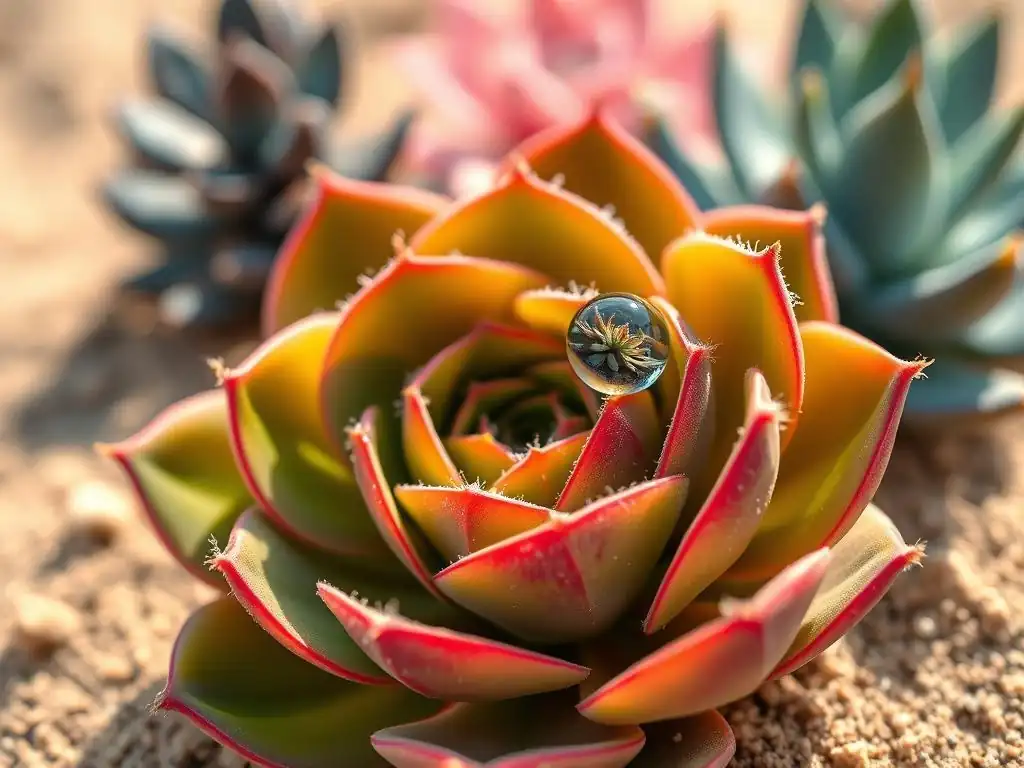
Welcome to SucculentEssentials.org, where the fascinating world of succulents unfolds before you! Are you ready to unlock the secrets behind these resilient desert dwellers? Dive into the intriguing science of succulents with our in-depth exploration of Succulent plant science basics, and discover how to nurture these unique plants to thrive. Prepare to be amazed by the hidden wonders of these botanical marvels – your journey to succulent mastery begins now!
-
Succulent Plant Science Basics: Understanding Adaptation in Arid Environments
- Water Storage Mechanisms in Succulents: A Closer Look at Cellular Structures
- Photosynthesis and CAM Metabolism in Succulents: Optimizing Energy Production in Harsh Conditions
- Root Systems and Water Uptake: How Succulents Thrive in Dry Soils
- Succulent Leaf Modifications: Reducing Water Loss Through Specialized Structures
- The Role of Succulents in Desert Ecosystems: Biodiversity and Ecological Niches
- Succulent Plant Science Basics: Propagation and Genetic Diversity
- Advanced Succulent Plant Science: Research and Future Directions
- Frequently Asked Questions
- Final Reflection: The Enduring Allure and Untapped Potential of Succulents
- Unleash Your Inner Plant Parent: Cultivate Your Succulent Oasis
Succulent Plant Science Basics: Understanding Adaptation in Arid Environments
Succulents, those captivating plants with their plump leaves and striking aesthetics, represent a fascinating testament to the power of adaptation. This article delves into the intricate world of succulent plant science, exploring the ingenious mechanisms that allow these remarkable organisms to thrive in some of the harshest environments on Earth. We'll uncover the secrets behind their water storage capabilities, their unique photosynthetic pathways, and their specialized root systems, all contributing to their resilience in arid and semi-arid regions.
Understanding these fundamental aspects of succulent biology not only enhances our appreciation for their beauty but also provides crucial insights for successful cultivation and conservation efforts. This exploration of "Succulent plant science basics" will equip you with a deeper understanding of these incredible plants and their remarkable adaptations. Prepare to be amazed by the ingenuity of nature!
Water Storage Mechanisms in Succulents: A Closer Look at Cellular Structures
Succulents' remarkable ability to survive extended periods of drought stems primarily from their specialized water storage mechanisms. Unlike mesophytic plants, which rely on readily accessible water resources, succulents have evolved unique cellular structures to store large quantities of water. This involves several key adaptations:
- Parenchyma Cells: Succulents possess highly developed parenchyma cells, which are large, thin-walled cells capable of significant expansion to accommodate water. These cells are often filled with a mucilaginous substance that helps retain water and maintain turgor pressure, even under dehydration stress. The density and size of these parenchyma cells vary significantly among different succulent species, reflecting their specific adaptations to different arid environments.
- Succulence: The term "succulence" itself refers to the plant's ability to store water in its leaves, stems, or roots. Leaf succulents, like Echeveria and Sedum, store water primarily in their thickened leaves. Stem succulents, such as cacti, store water in their fleshy stems. Root succulents, less common, store water in their enlarged root systems.
- Cuticle: A thick, waxy cuticle covering the plant's surface minimizes water loss through transpiration. This waxy layer reduces evaporation, helping to conserve precious water reserves during dry periods. The thickness and composition of the cuticle vary depending on the species and the environmental conditions the plant faces. Some succulents even have specialized hairs or spines that create a microclimate around the plant, further reducing water loss.
The efficient storage and retention of water are crucial for succulent survival, allowing them to withstand extended periods without rainfall. Understanding these cellular and structural adaptations is key to appreciating their resilience.
Photosynthesis and CAM Metabolism in Succulents: Optimizing Energy Production in Harsh Conditions
To survive in arid environments, succulents have also evolved a unique type of photosynthesis known as Crassulacean Acid Metabolism (CAM). Unlike C3 and C4 plants, which open their stomata (tiny pores on leaves) during the day for gas exchange, CAM plants open their stomata at night. This adaptation minimizes water loss through transpiration during the hot, dry days.
- Nighttime CO2 Uptake: During the cool night hours, CAM plants open their stomata and take in carbon dioxide (CO 2 ). This CO 2 is then converted into malic acid and stored in vacuoles within the cells.
- Daytime CO2 Release and Photosynthesis: During the day, when the stomata are closed, the stored malic acid is broken down, releasing CO 2 for use in photosynthesis. This allows photosynthesis to occur without significant water loss.
This ingenious mechanism allows succulents to efficiently utilize water and energy resources, maximizing photosynthetic output while minimizing water loss in harsh conditions. The efficiency of CAM photosynthesis varies among different succulent species, reflecting their adaptation to a wide range of arid environments. The variations in CAM efficiency are linked to factors such as temperature, light intensity, and water availability.
Root Systems and Water Uptake: How Succulents Thrive in Dry Soils
The root systems of succulents are equally specialized for survival in arid environments. These adaptations enhance their ability to absorb and retain water, even in dry and nutrient-poor soils.
- Shallow, Spreading Root Systems: Many succulents possess shallow, spreading root systems that allow them to quickly absorb rainwater or dew from the soil surface. This efficient water uptake is crucial in environments where rainfall is infrequent and unpredictable.
- Deep Taproots: Some succulents, particularly cacti, develop deep taproots that reach deep underground water sources. This adaptation allows them to access water reserves unavailable to plants with shallower root systems.
- Specialized Root Hairs: The presence of numerous root hairs increases the surface area for water absorption, maximizing the plant's capacity to extract water from the soil. The density and length of these root hairs are often adapted to the specific soil conditions the plant inhabits.
The type and extent of the root system vary considerably depending on the species and its environment. This diversity in root morphology reflects the remarkable adaptability of succulents to a wide range of arid and semi-arid conditions. Understanding these root adaptations is essential for successful cultivation and for conservation efforts aimed at protecting these fascinating plants.
Succulent Leaf Modifications: Reducing Water Loss Through Specialized Structures
Succulents have evolved a remarkable array of leaf modifications specifically designed to minimize water loss in arid and semi-arid environments. These adaptations are crucial for their survival in regions characterized by scarce rainfall and intense sunlight. Understanding these modifications provides key insights into the fascinating world of succulent plant science basics. One of the most striking features is the reduction in leaf surface area.
Many succulents possess thick, fleshy leaves, often cylindrical or spherical in shape, minimizing the exposed surface area from which transpiration, the process of water loss through leaves, can occur. This is a significant departure from the broad, flat leaves typical of mesophytic plants that thrive in moist conditions. The smaller surface area dramatically reduces the potential for water evaporation.
Furthermore, the succulent leaf's structure plays a vital role in water conservation. The leaves are often covered with a thick cuticle, a waxy layer that acts as a physical barrier, preventing water from escaping. This waxy coating also helps reflect sunlight, reducing the amount of heat absorbed by the leaf and consequently, the rate of transpiration. Some succulents even exhibit specialized structures like trichomes—tiny hair-like appendages—on their leaves.
These trichomes create a microclimate around the leaf, trapping a layer of humid air that further reduces water loss. The density and type of trichomes can vary greatly among different succulent species, reflecting their adaptation to specific environmental conditions. For example, species inhabiting particularly harsh deserts may have denser trichome coverage than those in slightly more humid environments.
Beyond the cuticle and trichomes, the internal structure of succulent leaves contributes to their water retention capabilities. The leaves are typically composed of specialized water-storage parenchyma cells, which are large and vacuolated, capable of holding significant amounts of water. These cells are arranged in a way that maximizes water storage while maintaining structural integrity.
The arrangement of vascular bundles, responsible for water transport, is also optimized for efficient water distribution within the leaf and to prevent excessive water loss. The integration of these structural features highlights the sophisticated adaptations succulents have developed to thrive in water-limited environments. This intricate interplay of leaf morphology and internal anatomy underscores the importance of understanding succulent plant science basics for effective cultivation and conservation efforts.
The Role of Succulents in Desert Ecosystems: Biodiversity and Ecological Niches
Succulents play a surprisingly significant role in the biodiversity and ecological balance of desert environments. Their unique adaptations to arid conditions allow them to thrive where many other plants cannot, creating specialized niches and supporting a diverse array of life. This section delves into the intricate ways succulents contribute to desert ecosystem health, focusing on their impact on biodiversity and the specific ecological roles they fill. Understanding these roles is crucial for effective conservation efforts and appreciating the delicate balance of desert ecosystems.
Succulents as Keystone Species: Supporting Desert Wildlife
Many succulent species act as keystone species within their respective ecosystems. This means their presence is disproportionately important to the overall health and stability of the environment. For example, certain cacti provide crucial nesting sites and food sources for various desert birds and mammals.
The saguaro cactus ( Carnegiea gigantea), a quintessential desert succulent, provides habitat for Gila woodpeckers, elf owls, and other cavity-nesting birds. These birds, in turn, contribute to seed dispersal and nutrient cycling within the ecosystem. Similarly, the nectar and fruits produced by numerous succulent species are vital food sources for pollinators like bees, butterflies, and hummingbirds, and for various desert animals that rely on these resources for survival.
The loss of these succulent keystone species would have cascading effects throughout the entire food web, significantly reducing overall biodiversity. Quantifying the precise impact of each succulent species on the biodiversity of the desert requires extensive field research and data analysis, but the importance of their role is undeniable. The ongoing research into the specific interactions between different succulent species and the organisms they support is crucial for implementing effective conservation strategies.
The Impact of Climate Change on Succulent Populations: Conservation Concerns
Climate change poses a significant threat to succulent populations worldwide. Rising temperatures, altered precipitation patterns, and increased frequency of extreme weather events are pushing many succulent species towards the brink of extinction. Changes in temperature and water availability directly impact succulent growth, reproduction, and survival.
For instance, prolonged droughts can lead to increased mortality rates, while extreme heat events can cause sunburn and stress, reducing the plant's ability to photosynthesize and reproduce. Furthermore, changes in precipitation patterns can disrupt the delicate balance of the desert ecosystem, impacting the availability of pollinators and seed dispersers which are crucial for the survival of many succulent species. Specific data on the impact of climate change on various succulent species is still being collected and analyzed, but initial findings suggest a concerning decline in many populations.
Conservation efforts are crucial to mitigate these risks, including habitat protection, assisted migration, and the development of climate-resilient cultivars. The conservation of succulent species is not just about preserving individual plants, but also about protecting the intricate web of life that depends on them.
Symbiotic Relationships in Desert Environments: Succulents and Their Partners
Many succulents engage in symbiotic relationships with other organisms, enhancing their survival and contributing to the overall ecosystem health. These relationships often involve mycorrhizal fungi, which form symbiotic associations with the roots of many plants, including succulents. These fungi enhance the plant's ability to absorb water and nutrients from the soil, particularly important in nutrient-poor desert environments.
In return, the fungi receive carbohydrates produced by the succulent through photosynthesis. Furthermore, some succulents have symbiotic relationships with nitrogen-fixing bacteria, which convert atmospheric nitrogen into forms usable by plants. This is particularly beneficial in desert soils, which are often low in nitrogen.
The precise nature and extent of these symbiotic relationships vary depending on the specific succulent species and the environmental conditions. Research into these interactions is ongoing, revealing the complex and multifaceted ways succulents interact with their environment, highlighting the importance of understanding these interactions for successful conservation and cultivation. The ongoing study of these symbiotic relationships can provide valuable insights into improving the cultivation of succulents in diverse environments, promoting sustainability and biodiversity.
Succulent Plant Science Basics: Propagation and Genetic Diversity
This section delves into the fundamental science behind propagating succulents and understanding the genetic diversity that allows these remarkable plants to thrive in harsh environments. Mastering these concepts is crucial for both cultivating healthy succulents and appreciating the evolutionary marvels they represent. We'll explore various propagation methods and examine the role of genetic diversity in the adaptation and survival of succulent populations.
Vegetative Propagation Techniques: Understanding Cloning and Offsets
Vegetative propagation, a form of asexual reproduction, is a cornerstone of succulent cultivation. It leverages the plant's ability to regenerate from vegetative parts, creating genetically identical clones. This is incredibly useful for preserving desirable traits and rapidly expanding collections. Popular methods include:
- Leaf cuttings: Many succulent species readily regenerate from detached leaves. Simply allow the cut leaf to callous over for a few days, then place it on a well-draining medium. Root development can take several weeks, varying significantly based on the species. Echeveria and Sedum genera are particularly amenable to this technique.
- Stem cuttings: Similar to leaf cuttings, stem cuttings involve propagating from a section of stem. This is especially effective for succulents with long, trailing stems or those that don't readily produce offsets. Ensure the cutting includes several nodes, where roots and new growth will emerge.
- Offsets (Pups): Many succulents produce "pups," or small plantlets, that develop at the base of the mother plant. These can be carefully separated and potted individually, resulting in quick propagation with minimal effort. This method is common in Haworthia, Echeveria, and Kalanchoe species.
Understanding the specific requirements of each succulent species is key to successful vegetative propagation. Factors such as humidity, temperature, and light intensity significantly influence rooting success. Careful attention to these details will significantly increase your propagation success rate. For example, while some succulents thrive in high humidity during propagation, others are prone to fungal diseases under such conditions.
Seed Propagation in Succulents: Challenges and Success Strategies
Seed propagation, while offering the potential for greater genetic diversity, presents more challenges than vegetative propagation. Succulent seeds are often tiny and require specific conditions for germination. Furthermore, the germination rate can be low, and seedlings are highly susceptible to damping-off (fungal diseases).
Success with seed propagation involves:
- High-quality seeds: Sourcing seeds from reputable suppliers is crucial. Old or improperly stored seeds have significantly reduced viability.
- Sterile sowing medium: Using a sterile, well-draining seed-starting mix minimizes the risk of damping-off. Pasteurization of the medium is highly recommended.
- Controlled environment: Maintaining consistent temperature and humidity is essential for successful germination. A humidity dome or propagator can be very helpful.
- Proper light: Seedlings require adequate light, but avoid direct sunlight, which can scorch delicate young plants. Using grow lights can provide consistent illumination.
Seed propagation allows for the creation of new genetic combinations, leading to potentially unique and hardy plants. However, it's a more time-consuming and less predictable method compared to vegetative propagation. Patience and meticulous attention to detail are essential for success.
Genetic Diversity and Adaptation in Succulent Populations: Evolutionary Insights
The remarkable diversity within succulent families reflects millions of years of adaptation to arid and semi-arid environments. Genetic variation plays a crucial role in this adaptation, providing the raw material for natural selection to act upon. Succulents have evolved a range of strategies to cope with water scarcity, including:
- CAM photosynthesis: This specialized photosynthetic pathway allows succulents to open their stomata (pores) at night to take in carbon dioxide, minimizing water loss during the day.
- Succulence: The ability to store water in their leaves, stems, or roots is a defining characteristic of succulents, enabling them to withstand prolonged periods of drought.
- Specialized root systems: Many succulents have extensive, shallow root systems that efficiently capture rainwater, while others have deep taproots that access groundwater.
The genetic basis of these adaptations is complex and still being actively researched. Understanding the genetic mechanisms underlying these traits is vital for conservation efforts and for breeding new succulent varieties with improved drought tolerance and disease resistance. The study of succulent plant science contributes significantly to our understanding of plant evolution and adaptation in extreme environments. Further research is needed to fully uncover the intricacies of their genetic makeup and the evolutionary pressures that shaped their incredible diversity.
Advanced Succulent Plant Science: Research and Future Directions
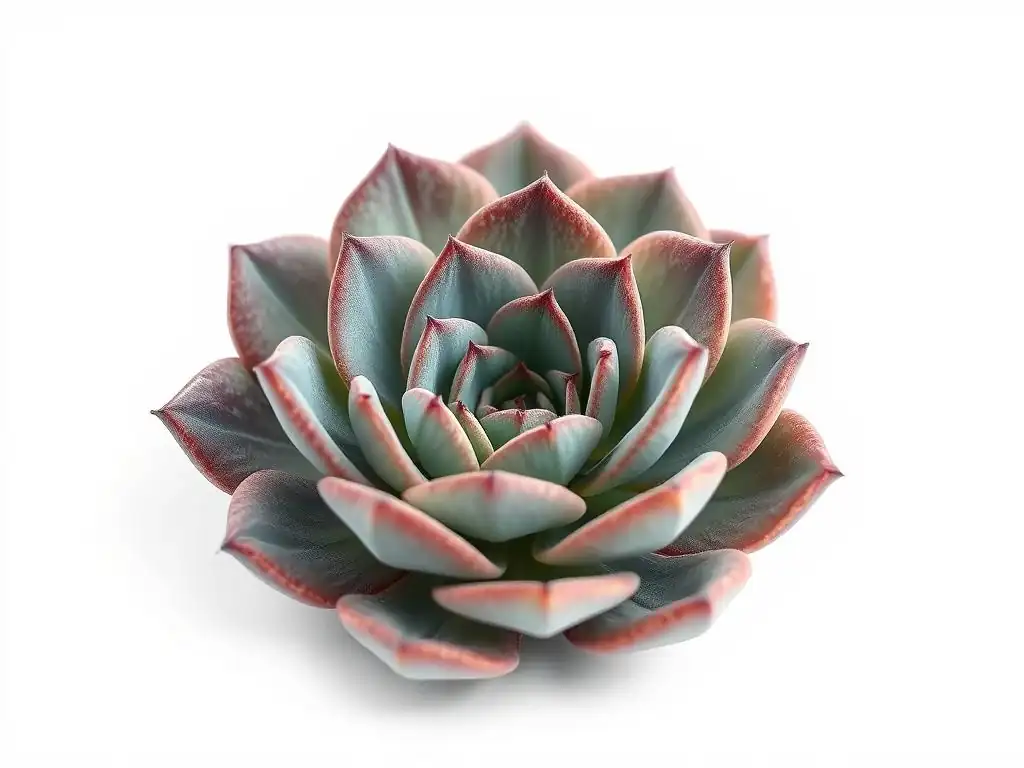
This section delves into the cutting-edge research shaping our understanding of succulents and explores the promising avenues for future investigation. We'll examine ongoing physiological studies, the biotechnological potential of these fascinating plants, and crucial conservation efforts aimed at protecting succulent biodiversity. Understanding these aspects is crucial for appreciating the full scope of succulent plant science basics.
Ongoing Research in Succulent Physiology: Uncovering New Discoveries
Current research in succulent physiology is uncovering fascinating adaptations that allow these plants to thrive in arid and semi-arid environments. Scientists are employing sophisticated techniques like stable isotope analysis to trace water uptake and movement within succulent tissues. This helps us understand how succulents efficiently utilize scarce water resources.
For example, recent studies have revealed the intricate mechanisms behind crassulacean acid metabolism (CAM), a photosynthetic pathway unique to many succulents, allowing them to open their stomata at night to minimize water loss. This research is not only expanding our knowledge of plant physiology but also informing strategies for drought-resistant crop development. Further research is focusing on:
- Understanding the role of root systems: Investigations into the architecture and function of succulent root systems are providing insights into their ability to absorb water quickly after infrequent rainfall. Specific studies are analyzing root hair density and the expression of aquaporins (water channel proteins) under varying water stress conditions.
- Analyzing stress tolerance mechanisms: Researchers are exploring the molecular mechanisms underlying succulent tolerance to various stresses, including drought, salinity, and extreme temperatures. This includes identifying genes and proteins involved in stress response and developing strategies to enhance stress tolerance in other plant species.
- Exploring the diversity of CAM photosynthesis: Although CAM is a defining characteristic of many succulents, the diversity of CAM subtypes and their ecological implications are still being actively investigated. Understanding this diversity will allow for more targeted conservation strategies for specific succulent species.
The Potential of Succulents in Biotechnology and Medicine: Exploring Applications
Beyond their aesthetic appeal, succulents hold immense potential in biotechnology and medicine. Their unique metabolic pathways and bioactive compounds are attracting increasing attention from researchers. For instance, certain succulents contain compounds with antimicrobial, antioxidant, and anti-inflammatory properties, making them potential sources of novel pharmaceuticals. Research is underway to:
- Identify and characterize bioactive compounds: Scientists are actively screening various succulent species to identify and characterize novel bioactive compounds with potential applications in medicine and other industries. This involves advanced techniques like high-performance liquid chromatography (HPLC) and mass spectrometry (MS).
- Develop sustainable extraction methods: Research is focused on developing sustainable and environmentally friendly methods for extracting these valuable compounds from succulents, ensuring responsible resource management.
- Explore applications in bioremediation: Some succulents exhibit remarkable tolerance to heavy metals and other pollutants, making them potential candidates for bioremediation efforts, the process of using living organisms to remove contaminants from the environment. This is a promising area of research with significant environmental implications.
Conservation Efforts for Endangered Succulent Species: Protecting Biodiversity
Many succulent species face significant threats due to habitat loss, over-collection, and climate change. Conservation efforts are crucial to protect these unique and valuable plants and the ecosystems they inhabit. Current initiatives include:
- Habitat restoration and protection: Conservation organizations are actively involved in restoring degraded habitats and establishing protected areas to safeguard succulent populations. This includes measures to combat invasive species and restore natural water cycles.
- Ex situ conservation: Botanical gardens and seed banks play a vital role in ex situ conservation, preserving succulent species outside their natural habitats. This provides a safety net against extinction in the wild.
- Sustainable harvesting and trade regulations: Implementing sustainable harvesting practices and regulations on the trade of succulent species is crucial to prevent over-exploitation and protect wild populations. This requires international collaboration and effective enforcement mechanisms. Educating the public about the importance of responsible succulent collecting is also paramount. The continued study of succulent plant science basics is essential to inform and strengthen these conservation efforts.
The future of succulent research is bright, promising advancements in our understanding of plant physiology, biotechnology, and conservation. Continued research and collaboration are crucial for unlocking the full potential of these remarkable plants.
Frequently Asked Questions
What makes succulents so unique?
Succulents are unique because of their specialized water storage tissues, allowing them to thrive in arid and semi-arid environments. This adaptation enables them to survive long periods of drought.
How do succulents store water?
Succulents store water in their fleshy leaves, stems, or roots. These tissues are adapted to swell and shrink depending on water availability, acting as reservoirs.
What are the different types of succulents?
There's a vast diversity! Families include Crassulaceae (Sedums, Echeverias), Cactaceae (Cacti), and Agavaceae (Agaves). Each has unique adaptations to their environments.
How do I propagate succulents?
Succulents are easily propagated through leaf cuttings, stem cuttings, or offsets. Simply allow the cutting to callous before planting in well-draining soil.
What is the best soil for succulents?
Use a well-draining potting mix, often a blend of cactus potting mix, perlite, and coarse sand. This prevents root rot, a common problem for succulents.
Final Reflection: The Enduring Allure and Untapped Potential of Succulents
The resilience of succulents, mirroring our own capacity for adaptation, speaks volumes about the interconnectedness of life and the power of perseverance in even the harshest environments. Their seemingly simple forms belie a complex world of scientific innovation, offering valuable lessons in water conservation, drought resistance, and sustainable living – lessons increasingly crucial in our changing climate.
The study of succulents has profoundly impacted my understanding of ecological balance and the ingenuity of nature. Their ability to thrive in seemingly impossible conditions is a testament to the power of adaptation and a constant source of fascination. The desert teaches the value of silence and the importance of being still.
– This quote, while not directly about succulents, perfectly encapsulates the quiet strength and hidden complexity these plants embody, a strength we can all learn from.
Consider the intricate mechanisms succulents employ to survive. Now, consider how these same principles – resourcefulness, adaptation, and resilience – can be applied to your own life. What challenges are you facing? How can you, like the succulent, find innovative ways to thrive, even in the face of adversity? Embrace the lessons of the desert, and discover the enduring strength and beauty that lies within, both in the natural world and within yourself.
Unleash Your Inner Plant Parent: Cultivate Your Succulent Oasis
Thank you for exploring the fascinating world of succulents with us! We hope you've gained a deeper appreciation for these resilient desert dwellers and their unique adaptations. Now it's time to put your knowledge into practice.
- Start your own succulent collection! Begin with an easy-to-care-for variety like a Sedum morganianum (Burro's Tail) or an Echeveria, and watch it thrive under your care. Remember those propagation tips we discussed?
- Share your succulent journey! Tell your friends about the unique qualities of these fascinating plants and invite them to join you in the rewarding world of succulent cultivation.
- Experiment with different propagation methods – from leaf cuttings to offsets – and discover which techniques work best for you. You might be surprised at how easily these plants multiply!
Ready to transform a corner of your home into a vibrant succulent sanctuary? What will be the first succulent to grace your collection?