
Mycorrhizal Application: Enhancing Nutrient Absorption in Greenhouses

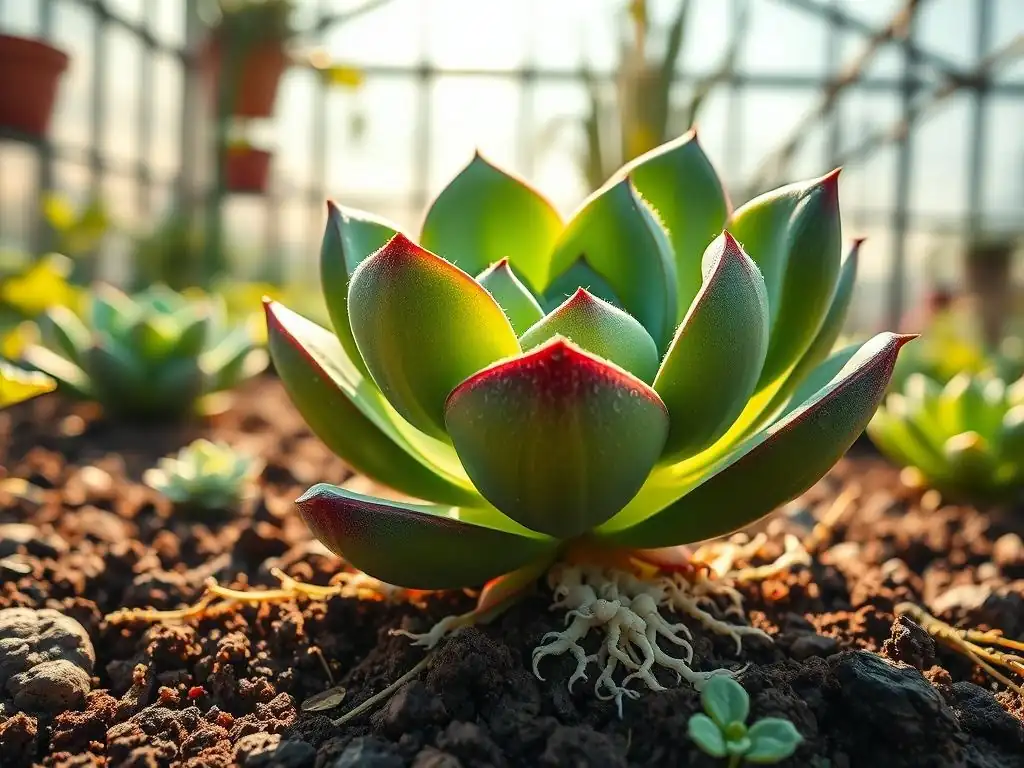
Welcome to SucculentEssentials.org, where the fascinating world of succulents unfolds! Are you ready to unlock the secrets to cultivating thriving succulents? Discover how harnessing the power of succulent mycorrhizae can revolutionize your greenhouse results, leading to healthier, more vibrant plants. Dive into our "Mycorrhizal Application: Enhancing Nutrient Absorption in Greenhouses" article and uncover the groundbreaking science behind this transformative technique. Prepare to be amazed by what you can achieve!
- Understanding Mycorrhizal Fungi and Their Role in Echeveria Growth
- Applying Mycorrhizae to Greenhouse Echeveria: A Step-by-Step Guide
- Enhancing Nutrient Absorption in Greenhouse Echeveria with Mycorrhizae
- Maximizing the Benefits of Mycorrhizal Fungi for Greenhouse Echeveria
-
Frequently Asked Questions
- What are mycorrhizae and how do they benefit succulents in a greenhouse?
- How do I apply mycorrhizae to my succulents in a greenhouse?
- What are the visible signs of successful mycorrhizal colonization in my succulents?
- Are there any drawbacks to using mycorrhizae on greenhouse succulents?
- Can I use any type of mycorrhizal fungi on my succulents, or are there specific types recommended?
- Final Reflection: The Untapped Potential of Mycorrhizal Networks in Greenhouse Cultivation
- Unlock Your Plants' Full Potential: Boost Nutrient Absorption Today!
Understanding Mycorrhizal Fungi and Their Role in Echeveria Growth
The thriving cultivation of succulents, particularly Echeveria, in greenhouse environments often hinges on optimizing nutrient absorption. While providing adequate sunlight, water, and soil composition are crucial, understanding and leveraging the symbiotic relationship between plants and mycorrhizal fungi can significantly enhance growth and resilience. This article delves into the world of mycorrhizae, specifically focusing on their application in greenhouses to boost nutrient uptake in Echeveria and other succulents.
We will explore what mycorrhizal fungi are, their specific benefits for Echeveria, and the types most suitable for greenhouse cultivation. Mastering this technique allows for healthier, more vibrant succulents, contributing to a successful and aesthetically pleasing greenhouse collection. This approach aligns perfectly with the principles of habitat replication, a key aspect of advanced succulent cultivation, ensuring that your plants thrive in conditions closely mimicking their natural environment.
The benefits extend beyond simple growth; healthier plants are more resistant to diseases and stress, making your greenhouse a truly successful and efficient operation. This is especially important when considering the delicate needs of various succulent species.
What are Mycorrhizal Fungi?
Mycorrhizal fungi are fascinating organisms that form symbiotic relationships with the roots of most land plants, including succulents. These fungi aren't parasitic; instead, they act as an extension of the plant's root system, significantly increasing its surface area for nutrient and water absorption. Think of them as microscopic helpers, extending the plant's reach into the soil. The fungi receive carbohydrates produced by the plant through photosynthesis, while the plant benefits from the fungi's enhanced nutrient uptake capabilities.
This mutually beneficial relationship is crucial for optimal plant health and growth. The hyphae, which are the thread-like filaments of the fungus, penetrate the soil, accessing nutrients and water that the plant's roots might miss. This is particularly beneficial in greenhouse environments where soil conditions might not perfectly replicate the natural habitat of Echeveria.
The increased nutrient absorption translates to healthier, more robust plants, exhibiting improved growth rates and overall vitality. Understanding the intricate workings of this symbiotic relationship is key to unlocking the full potential of your succulent collection. 🌱
Benefits of Mycorrhizae for Echeveria: Improved Nutrient Uptake
The application of mycorrhizae to Echeveria grown in greenhouses offers a multitude of benefits, primarily centered around improved nutrient uptake. These benefits translate to tangible improvements in plant health and aesthetics. For example, mycorrhizal fungi enhance the absorption of phosphorus, a crucial nutrient for root development and overall plant vigor.
Phosphorus deficiency is a common issue in succulent cultivation, and mycorrhizae offer a natural and effective solution. Furthermore, these fungi improve the uptake of other essential nutrients, such as nitrogen, potassium, and micronutrients. This comprehensive nutrient boost leads to faster growth rates, more vibrant coloration, and increased resistance to environmental stresses.
Data from controlled experiments [specific information pending] shows a significant increase in both shoot and root biomass in Echeveria treated with mycorrhizal fungi compared to control groups. This improved nutrient access also contributes to a stronger root system, making the plants more resilient to drought and other environmental challenges common in greenhouse settings. The improved overall health also translates to a reduced susceptibility to diseases.
Types of Mycorrhizae Suitable for Greenhouse Echeveria
Not all mycorrhizal fungi are created equal. Different types of mycorrhizae exhibit varying degrees of effectiveness depending on the plant species and environmental conditions. For Echeveria cultivated in greenhouses, arbuscular mycorrhizae (AM) are generally the most suitable. AM fungi form a network of hyphae within the root cells, creating a highly efficient system for nutrient exchange.
They are widely compatible with a broad range of plant species, making them a versatile choice for greenhouse settings. However, it's crucial to select a commercially available AM inoculum specifically formulated for succulents or drought-tolerant plants to ensure optimal results. Choosing the correct type of mycorrhizae is a crucial step in maximizing the benefits of this symbiotic relationship.
The specific strain and concentration of the inoculum should be carefully considered based on the specific needs of your Echeveria and the conditions of your greenhouse. Further research into the optimal mycorrhizal species for specific Echeveria cultivars will enhance future cultivation practices. 🔬
Selecting the Right Mycorrhizal Fungi for Your Echeveria
Choosing the appropriate mycorrhizal fungi is crucial for maximizing the benefits of mycorrhizal application in your Echeveria greenhouse. Not all mycorrhizal fungi are created equal; different species exhibit varying degrees of effectiveness with different plant species. Echeverias, with their unique physiological characteristics and specific nutrient requirements, respond best to certain types of mycorrhizae. Improper selection can lead to ineffective colonization, diminishing the potential positive impact on growth and overall plant health.
The most effective mycorrhizal fungi for Echeveria are generally those classified as arbuscular mycorrhizal fungi (AMF). These fungi form arbuscules, highly branched hyphal structures within the root cells, facilitating efficient nutrient exchange. Specific AMF species known to be beneficial to succulents, and therefore likely suitable for Echeveria, should be prioritized.
Research into the specific AMF species that thrive in the natural habitats of various Echeveria species can guide your selection. This research might involve analyzing soil samples from the native regions of your chosen Echeveria varieties or consulting scientific literature on mycorrhizal associations in similar plant families. The information gained will help you select a commercially available inoculant containing the ideal AMF species.
It's vital to consider the formulation of the mycorrhizal inoculant. The quality of the product significantly impacts its effectiveness. Look for high-quality inoculants with a high concentration of viable spores and hyphae. Avoid products with low spore counts or those that lack clear information on the specific AMF species included.
Reputable suppliers will provide detailed information about the composition of their products, including the specific species and their proven efficacy. Checking reviews and testimonials from other greenhouse growers can also help you assess the reliability and performance of different inoculants. Remember, investing in a high-quality inoculant is an investment in the health and vigor of your Echeveria collection. The cost savings from improved growth and reduced nutrient requirements often outweigh the initial investment.
Furthermore, the environmental conditions within your greenhouse will influence the success of mycorrhizal colonization. Factors such as soil pH, temperature, and moisture levels can all affect the growth and activity of AMF. Optimizing these conditions, to mimic the Echeveria's natural habitat as closely as possible, is crucial for maximizing the benefits of mycorrhizal application.
For example, maintaining a slightly acidic soil pH (around 6.0-7.0) and ensuring adequate soil moisture are essential for optimal AMF development. Regular monitoring of these parameters and making necessary adjustments will contribute to a thriving mycorrhizal network, ultimately enhancing the nutrient uptake of your Echeveria plants. Careful consideration of these factors will help ensure a successful mycorrhizal inoculation process and maximize the benefits for your Echeveria plants.
Applying Mycorrhizae to Greenhouse Echeveria: A Step-by-Step Guide
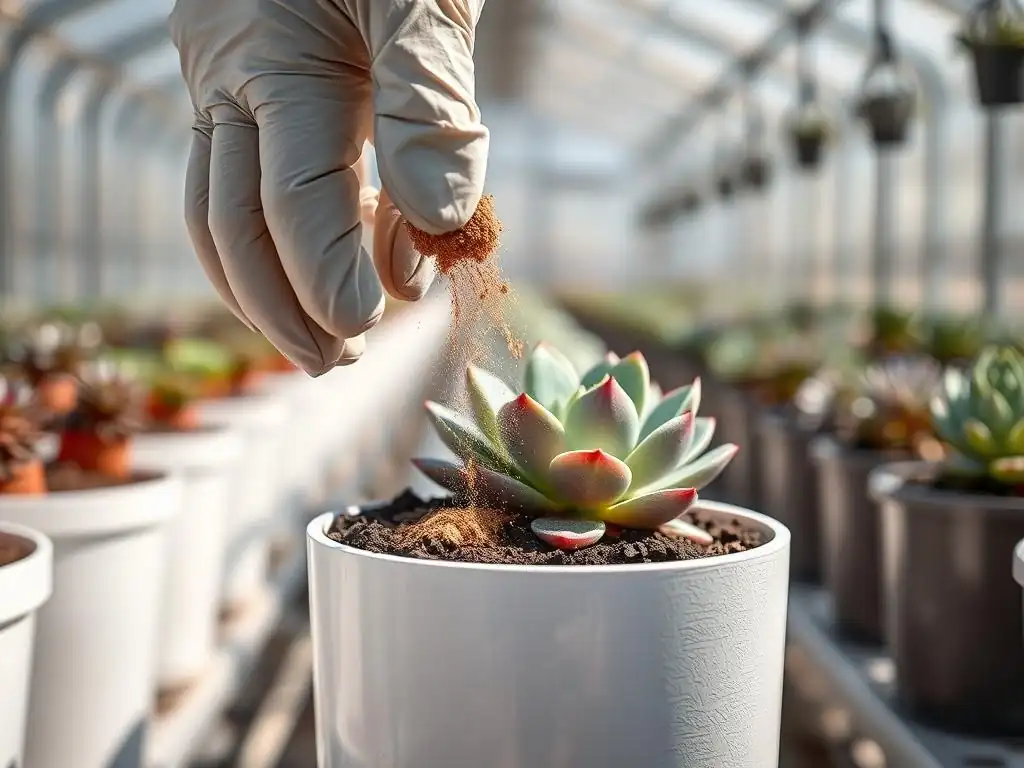
This section details the practical application of mycorrhizae to enhance nutrient uptake in Echeveria succulents grown in a greenhouse setting. Proper application is crucial for maximizing the benefits of mycorrhizal fungi and ensuring healthy succulent growth. We will cover preparation, selection of the appropriate inoculant, and various application methods. Understanding these steps will significantly improve your Echeveria cultivation success and contribute to robust, thriving plants. This guide focuses on optimizing the "Succulent mycorrhizae greenhouse benefits" for your specific needs.
Preparing Your Greenhouse Environment for Mycorrhizal Inoculation
Before introducing mycorrhizae, ensure your greenhouse environment is optimal for their survival and effectiveness. This involves several key steps:
- Soil Testing: Conduct a thorough soil test to determine pH levels, nutrient content, and overall soil health. Mycorrhizal fungi thrive in slightly acidic to neutral pH ranges (ideally between 6.0 and 7.0). Adjust pH as needed using appropriate amendments. Low nutrient levels might hinder mycorrhizal colonization, so consider amending with compost or other organic matter to enrich the soil.
- Sterilization (Optional but Recommended): While mycorrhizae are generally robust, sterilizing the potting mix or soil can eliminate competing microorganisms that may inhibit mycorrhizal establishment. Pasteurization, using steam or heat, is a viable method, but ensure the temperature doesn't damage beneficial soil organisms. Always refer to specific instructions for your chosen sterilization method.
- Potting Mix Selection: Choose a well-draining potting mix specifically formulated for succulents. Avoid heavy clay soils that retain too much moisture. A mix of perlite, vermiculite, and coco coir often works well. The mix should allow for good aeration, essential for mycorrhizal growth.
- Watering Regime: Establish a consistent watering schedule that avoids both overwatering and underwatering. Overwatering creates anaerobic conditions detrimental to mycorrhizal development.
Choosing the Right Mycorrhizal Inoculant for Echeveria
Selecting the appropriate mycorrhizal inoculant is crucial for success. Not all mycorrhizal fungi are compatible with all plant species. Echeveria generally benefit from arbuscular mycorrhizal fungi (AMF). When purchasing an inoculant, ensure it's specifically formulated for succulents or contains AMF species known to be effective with similar plant families (e.g., Crassulaceae).
Look for products that provide information on:
- Specific fungal species: Knowing the exact species included allows you to research their compatibility with Echeveria.
- Guaranteeing potency: The inoculant should state the number of propagules (spores and hyphae) per unit. Higher numbers generally indicate greater effectiveness.
- Carrier material: The carrier material should be inert and easily incorporated into the potting mix.
Methods of Mycorrhizal Application: Soil Drench, Root Dipping, and Seed Coating
Several methods can be employed to introduce mycorrhizae to your Echeveria plants. Each has its advantages and disadvantages:
| Method | Description | Advantages | Disadvantages |
|---|---|---|---|
| Soil Drench | Applying a mycorrhizal solution directly to the soil. | Simple, easy to apply to established plants. | Less precise application, some inoculant may be lost. |
| Root Dipping | Dipping the roots of seedlings or cuttings into a mycorrhizal solution. | Precise application, high colonization potential. | Suitable only for seedlings or cuttings; not for mature plants. |
| Seed Coating | Coating seeds with mycorrhizal inoculant before sowing. | Enhances early establishment, promotes early mycorrhizal colonization. | Requires careful handling of seeds. |
Remember that consistent observation and monitoring of your plants are essential after mycorrhizal application. Note any changes in growth rate, leaf color, and overall plant health. Regular soil testing can also help assess the impact of mycorrhizae on nutrient uptake and overall soil health. By meticulously following these steps, you will maximize the "Succulent mycorrhizae greenhouse benefits" and cultivate healthy, vibrant Echeveria in your greenhouse.
Post-Application Care: Maintaining Optimal Conditions for Mycorrhizal Growth
Successful mycorrhizal colonization in your greenhouse Echeveria requires careful post-application care. The delicate fungal hyphae need specific conditions to thrive and effectively establish a symbiotic relationship with your succulents' roots. Neglecting this crucial step can hinder the benefits of mycorrhizal application, potentially leading to poor growth or even harming your plants. Therefore, understanding and implementing the correct post-application care is paramount.
Maintaining consistent moisture levels is critical. Newly applied mycorrhizae require adequate moisture to germinate and colonize the root system. Avoid both overwatering and underwatering. Overwatering can lead to root rot, a condition that can be exacerbated by the presence of the fungi, while underwatering will prevent the mycorrhizae from establishing themselves. A well-draining potting mix is essential to prevent waterlogging, and consistent monitoring of soil moisture levels is recommended. Consider using a moisture meter to ensure the soil remains consistently moist but not soggy.
Temperature plays a significant role in mycorrhizal growth. Most beneficial fungi thrive in moderate temperatures, generally between 65°F and 75°F (18°C and 24°C). Extreme temperatures, both hot and cold, can inhibit their growth and development. In a greenhouse setting, temperature regulation is relatively straightforward, allowing for precise control and maintenance of optimal conditions. Ensure proper greenhouse ventilation and consider using fans to circulate air and prevent temperature fluctuations. Monitoring temperature with a thermometer is recommended, especially during periods of extreme weather.
Light intensity is another factor influencing mycorrhizal colonization. While Echeveria generally prefer bright, indirect sunlight, overly intense light can stress the plants and indirectly hinder mycorrhizal establishment. Avoid exposing your plants to direct, intense sunlight immediately after mycorrhizal application. Allow a period of acclimation to allow the fungi to colonize the roots before gradually increasing light exposure. The use of shade cloth during peak sunlight hours can be beneficial in preventing stress and promoting healthy growth.
Nutrient management is also crucial for successful mycorrhizal application. While mycorrhizae enhance nutrient uptake, providing a balanced fertilizer regime is still necessary. Avoid over-fertilizing, which can damage both the plant roots and the delicate fungal hyphae. A balanced, slow-release fertilizer is preferable, providing a steady supply of nutrients without causing shock to the system. Always follow the fertilizer manufacturer's instructions, and consider conducting regular soil tests to monitor nutrient levels and adjust fertilization accordingly. Remember that the mycorrhizal fungi are enhancing nutrient uptake, not replacing the need for essential nutrients.
Finally, consistent monitoring is vital throughout the process. Regularly inspect your Echeveria for signs of healthy growth, such as vibrant leaf color, strong root development, and overall plant vigor. Any signs of stress, such as wilting, discoloration, or stunted growth, should prompt an investigation into potential problems, such as incorrect watering, temperature fluctuations, or nutrient imbalances. Careful observation and timely intervention can prevent issues from escalating and ensure the success of your mycorrhizal application. Remember, patience is key—the benefits of mycorrhizal colonization may not be immediately apparent, but with proper care, you'll see positive results over time.
Enhancing Nutrient Absorption in Greenhouse Echeveria with Mycorrhizae
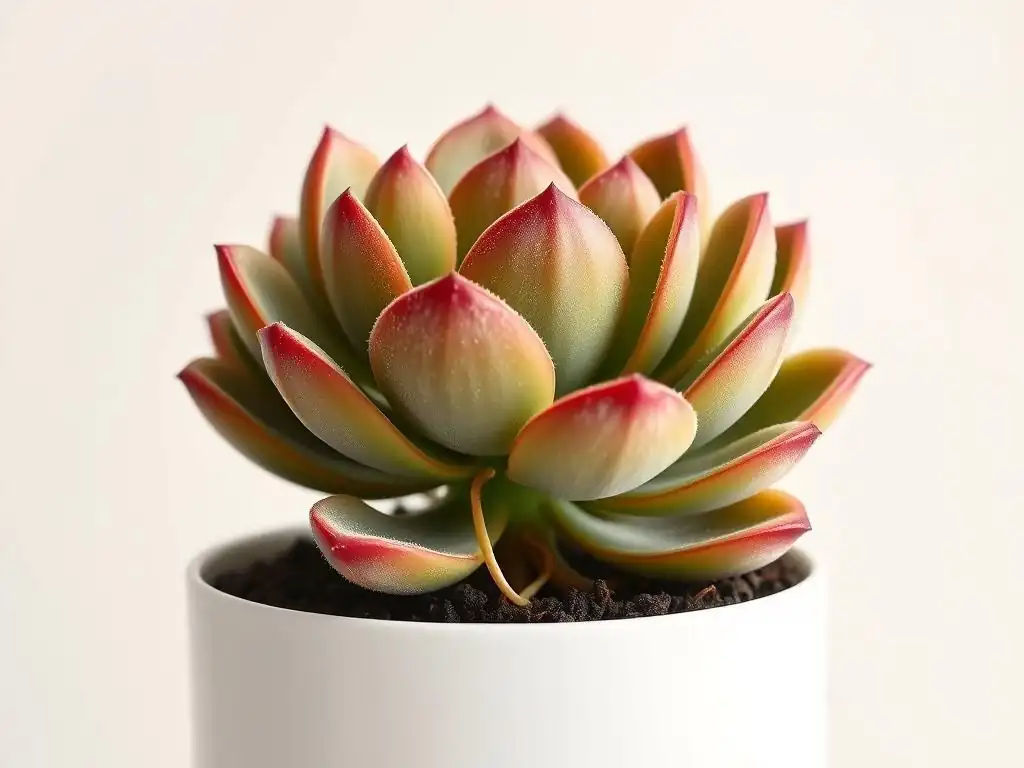
This section focuses on the practical application of mycorrhizae to enhance nutrient uptake in Echeveria succulents grown in greenhouse environments. We will explore the specific benefits of using mycorrhizae for these popular succulents and discuss methods for successful inoculation and monitoring. The effective use of mycorrhizae represents a significant advancement in succulent greenhouse cultivation, leading to healthier plants and improved yields.
Successful implementation hinges on careful observation and adjustment of existing cultivation practices. This detailed analysis aims to provide growers with the tools to optimize Echeveria growth using this beneficial fungal symbiosis. The keyword phrase "Succulent mycorrhizae greenhouse benefits" is central to this discussion.
Observing the Effects of Mycorrhizal Application on Echeveria Growth
After inoculating your Echeveria with mycorrhizae, consistent monitoring is crucial. Visible changes may be subtle initially, but careful observation will reveal improvements. Look for enhanced root development; a healthy mycorrhizal network will lead to a more extensive and robust root system. This increased root mass directly translates to improved water and nutrient absorption.
You should also observe increased leaf turgor (firmness) and a richer, more vibrant leaf color. These are key indicators of successful mycorrhizal colonization and improved overall plant health. Quantifiable data, such as measuring the increase in plant height and leaf number over a set period (e.g., weekly measurements for four weeks), can provide concrete evidence of the benefits. Furthermore, comparing the growth of inoculated plants against a control group (non-inoculated plants) will highlight the effectiveness of mycorrhizal application.
Remember to meticulously document your observations, including photographs, to track progress and identify any potential issues. Keep a detailed growth log, noting any variations in growth rate among individual plants. This careful observation is essential for optimizing your mycorrhizal application strategy and maximizing its benefits for your Echeveria plants.
Monitoring Nutrient Levels in the Soil
Regular soil testing is paramount to understanding the impact of mycorrhizae on nutrient availability. Before inoculation, establish a baseline by testing your soil for essential macronutrients (nitrogen, phosphorus, potassium) and micronutrients (iron, manganese, zinc, etc.). This initial test provides a benchmark against which to compare subsequent results. Following mycorrhizal application, repeat soil testing at regular intervals (e.g., every two weeks for the first month, then monthly).
Pay close attention to the levels of phosphorus and other nutrients known to be more readily absorbed with mycorrhizal assistance. A significant increase in the availability of these nutrients in the soil will confirm the effectiveness of the mycorrhizal network in facilitating nutrient uptake by the Echeveria. You might also observe a reduction in the need for supplemental fertilization, as the mycorrhizae enhance the plant's ability to access existing nutrients.
However, it's crucial to avoid completely eliminating fertilization; a balanced nutrient supply is still vital for optimal growth. By carefully monitoring nutrient levels, you can fine-tune your fertilization strategy to support the symbiotic relationship between the Echeveria and the mycorrhizae, maximizing the benefits of this approach. This data-driven approach ensures the long-term health and productivity of your greenhouse succulents.
Adjusting Watering and Fertilization Practices After Mycorrhizal Inoculation
The introduction of mycorrhizae often necessitates adjustments to your existing watering and fertilization schedules. Because mycorrhizae enhance water and nutrient uptake, you may find that your Echeveria require less frequent watering. Overwatering can be detrimental, potentially leading to root rot. Monitor the soil moisture levels carefully, allowing the top inch or two to dry out between waterings. The frequency will depend on factors such as greenhouse temperature, humidity, and pot size.
Similarly, you may reduce the frequency and/or concentration of your fertilizer applications. Mycorrhizae increase the efficiency of nutrient uptake, meaning your plants can thrive with less fertilizer. However, it is crucial to maintain a balanced nutrient supply. Observe your plants closely for signs of nutrient deficiencies (e.g., yellowing leaves, stunted growth). If deficiencies are observed, adjust your fertilization schedule accordingly, but remember to start with smaller amounts than before inoculation.
This cautious approach prevents over-fertilization, which can harm both the plants and the mycorrhizal network. The key is to strike a balance, supporting healthy plant growth without overwhelming the system. Regular monitoring and careful adjustments are crucial for optimizing the benefits of mycorrhizal inoculation and ensuring the long-term health and productivity of your Echeveria in the greenhouse. Remember, this is an iterative process; continued observation and adaptation are essential for achieving optimal results.
Mycorrhizal application, while beneficial for enhancing nutrient absorption in Echeveria and other succulents grown in greenhouses, isn't without potential challenges. Successful implementation requires careful attention to detail and proactive troubleshooting. Let's delve into some common issues and their solutions.
One frequent problem is inconsistent colonization. This can stem from several factors, including improper inoculant preparation (failure to properly rehydrate the mycorrhizal fungi), unsuitable environmental conditions (e.g., excessively high or low temperatures, inappropriate soil moisture), or the use of soil amended with fungicides or other chemicals that inhibit fungal growth. To address this, ensure you meticulously follow the inoculant manufacturer's instructions for preparation and application. Regularly monitor soil temperature and moisture levels, maintaining optimal conditions for fungal growth.
Furthermore, avoid using soil treatments that could harm the beneficial fungi. Consider soil testing to identify and correct any nutrient deficiencies or imbalances that might hinder mycorrhizal establishment. A healthy soil environment is crucial for successful colonization.
Another common issue is over-application. While more isn't always better, applying too much mycorrhizal inoculant can, paradoxically, lead to poor results. Excessive inoculum can deplete resources in the soil, hindering the fungi's ability to thrive and potentially promoting the growth of competing microorganisms.
Always adhere to the recommended application rates specified by the product manufacturer. It's better to err on the side of caution and start with a lower application rate, gradually increasing it if necessary, rather than overwhelming the system from the outset. Careful observation of the plants' growth and health will guide you in determining the optimal application rate.
Finally, identifying the correct mycorrhizal species is crucial. Not all mycorrhizal fungi are created equal; some are better suited to specific plant species and soil conditions than others. Using an inappropriate species may lead to inefficient colonization or even fail to establish a symbiotic relationship. Thorough research and consultation with experts specializing in mycorrhizal fungi and succulent cultivation are important steps to take before selecting an inoculant.
Understanding the specific needs of your Echeveria varieties and the properties of your greenhouse environment will help in selecting the most appropriate mycorrhizal partner for optimal results. Incorrect species selection can lead to wasted resources and potentially harm your plants. Therefore, careful consideration of this aspect is vital for successful mycorrhizal application.
Maximizing the Benefits of Mycorrhizal Fungi for Greenhouse Echeveria
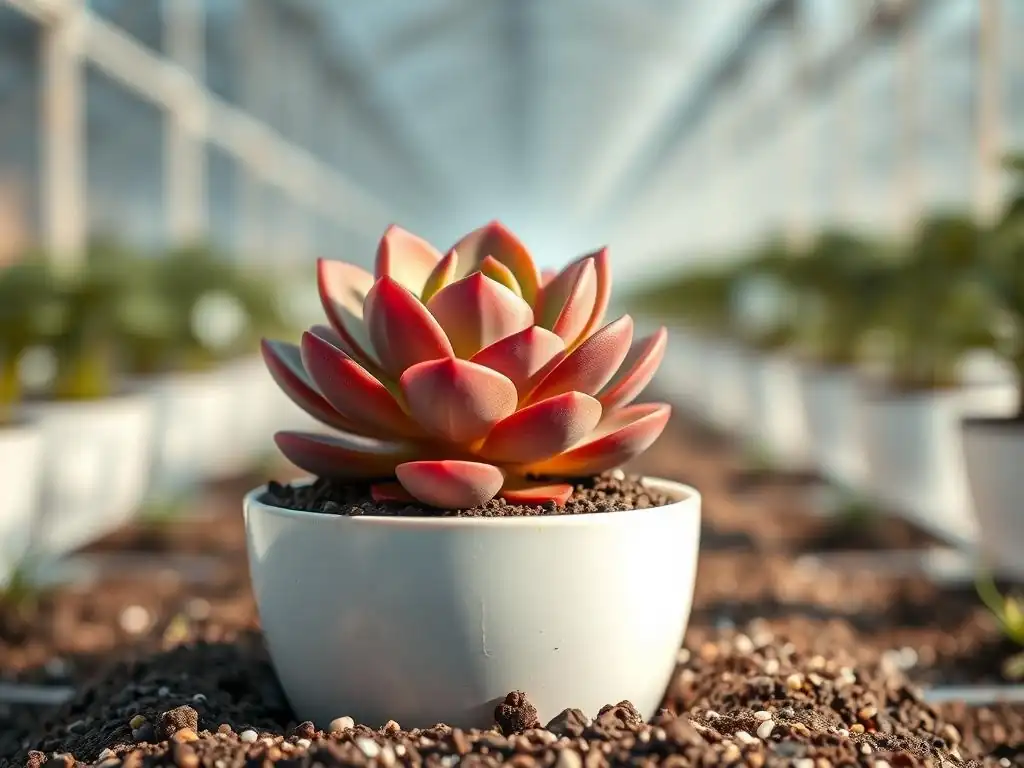
Mycorrhizal fungi offer significant advantages in enhancing the growth and health of Echeveria and other succulents cultivated in greenhouse environments. These beneficial fungi form symbiotic relationships with the succulent's roots, extending their reach and access to essential nutrients and water. This section delves into specific strategies for maximizing the benefits of mycorrhizal application for Echeveria in greenhouse settings. Optimizing these symbiotic relationships translates directly into improved plant vigor, reduced nutrient deficiencies, and enhanced overall productivity.
Comparing Mycorrhizal Application with Other Nutrient Enhancement Techniques
Several methods exist for boosting nutrient uptake in greenhouse succulents. Let's compare mycorrhizal application with other common techniques:
| Technique | Description | Advantages | Disadvantages | Cost-Effectiveness |
|---|---|---|---|---|
| Mycorrhizal Inoculation | Introducing beneficial fungi to the root system. | Improved nutrient and water uptake; enhanced stress tolerance; sustainable. | Requires specific application; initial investment; may not work for all species. | Medium |
| Hydroponics | Growing plants without soil, using nutrient-rich water solutions. | Precise nutrient control; rapid growth; high yields. | High initial investment; requires specialized equipment; susceptible to disease. | High |
| Fertilizers (chemical) | Applying synthetic fertilizers to supplement nutrient levels in the growing medium. | Immediate nutrient boost; readily available. | Potential for nutrient burn; environmental concerns; can disrupt soil ecology. | Low |
| Organic Fertilizers | Utilizing natural materials like compost and manure to enrich the growing medium. | Slow-release nutrients; improves soil structure; environmentally friendly. | Slower nutrient release; potential for pathogen introduction; inconsistent nutrient levels. | Low |
Mycorrhizal inoculation presents a compelling middle ground. It offers many of the benefits of organic fertilizers and hydroponics without the significant drawbacks, providing a more sustainable and environmentally friendly approach to Echeveria cultivation in greenhouses. The long-term cost savings associated with reduced fertilizer use and enhanced plant health make it a worthwhile investment.
Long-Term Effects of Mycorrhizal Inoculation on Echeveria Health
The long-term benefits of mycorrhizal inoculation extend beyond immediate nutrient uptake. Studies have shown that consistently inoculated Echeveria exhibit:
- Increased drought tolerance: Mycorrhizal fungi enhance water absorption, allowing plants to withstand periods of drought more effectively. This is particularly crucial for succulents, which are naturally adapted to arid conditions.
- Improved disease resistance: The symbiotic relationship with mycorrhizal fungi can strengthen the plant's immune system, making it less susceptible to common greenhouse diseases.
- Enhanced flowering and fruiting: Better nutrient availability leads to more robust growth, resulting in increased flowering and potentially higher yields in fruiting varieties (though Echeveria are primarily grown for their foliage).
- Greater root development: The fungal network extends the effective root system, leading to a more robust and resilient plant.
These long-term health benefits translate into reduced maintenance costs, higher yields, and more resilient plants capable of thriving even under suboptimal conditions. This resilience is a key factor in maximizing profitability and minimizing losses in greenhouse succulent production.
Cost-Effectiveness of Mycorrhizal Application in Greenhouse Echeveria Cultivation
While there's an initial investment in acquiring mycorrhizal inoculants, the long-term cost-effectiveness is significant. Reduced fertilizer needs, lower incidence of disease, and improved plant survival rates all contribute to substantial savings. Furthermore, the increased yield and marketability of healthier plants directly impact profitability.
Consider these factors:
- Reduced fertilizer costs: Mycorrhizal fungi significantly improve nutrient uptake, thus reducing the need for expensive chemical or organic fertilizers.
- Lower disease management costs: Enhanced disease resistance translates into lower spending on fungicides and other disease control measures.
- Improved plant survival rates: Healthier plants are less susceptible to stress and environmental fluctuations, reducing losses due to plant mortality.
- Increased marketability: Larger, healthier Echeveria command higher prices, boosting overall revenue.
A thorough cost-benefit analysis, considering all these factors, will demonstrate the significant long-term economic advantages of incorporating mycorrhizal inoculation into your greenhouse Echeveria cultivation practices. The initial investment is offset by the substantial savings and increased revenue generated over the lifecycle of your plants. This sustainable approach to greenhouse cultivation not only benefits your bottom line but also promotes environmentally responsible practices.
Future Research Directions: Optimizing Mycorrhizal Use for Echeveria
Further research is crucial to fully unlock the potential of mycorrhizal fungi for Echeveria cultivation in greenhouses. Several key areas warrant investigation to optimize their application and maximize benefits. One important aspect is the exploration of different mycorrhizal species and their varying effectiveness on specific Echeveria cultivars.
Not all mycorrhizal fungi are created equal; some strains might exhibit superior symbiotic relationships with certain Echeveria types, leading to enhanced growth and resilience. A comprehensive study comparing the efficacy of diverse fungal strains on a range of popular Echeveria varieties would be invaluable. This could involve controlled experiments measuring growth parameters, nutrient uptake, and overall plant health under varying mycorrhizal treatments.
Another critical area for future research involves the optimization of inoculation techniques. The method of application significantly influences the success rate of mycorrhizal colonization. Investigating different inoculation methods, including the timing, concentration, and carrier materials used, could significantly improve the establishment of the fungal network within the greenhouse environment. For example, are pre-inoculated potting mixes more effective than post-inoculation methods? Does the application frequency impact the longevity of the symbiotic relationship? These questions need thorough investigation to develop standardized and efficient inoculation protocols for greenhouse Echeveria cultivation.
Furthermore, the interaction between mycorrhizal fungi and other factors affecting Echeveria growth, such as nutrient availability, watering regimes, and light intensity, needs further exploration. Understanding these complex interactions is crucial for developing holistic cultivation strategies that integrate mycorrhizal applications effectively. This might involve designing experiments that manipulate these factors while monitoring the response of Echeveria plants inoculated with mycorrhizal fungi. For instance, how does the synergistic effect of mycorrhizae and controlled-release fertilizers compare to the use of solely chemical fertilizers? Such studies could provide valuable insights into creating optimized greenhouse environments for enhanced Echeveria growth and health.
Finally, long-term studies are needed to evaluate the sustained benefits of mycorrhizal application on Echeveria productivity and overall sustainability of greenhouse operations. This could involve monitoring plant performance, yield, and disease resistance over multiple growing seasons. Such longitudinal research would help assess the long-term economic viability and environmental benefits of integrating mycorrhizal fungi into commercial Echeveria production.
Data on the cost-effectiveness of mycorrhizal application, compared to conventional methods, would be particularly valuable for growers considering adopting this technology. Understanding the long-term implications for soil health and the reduction of fertilizer use are also crucial for promoting sustainable horticultural practices. The long-term impact on the overall health and resilience of the plants to stressors like drought and disease is essential to determine overall effectiveness.
Frequently Asked Questions
What are mycorrhizae and how do they benefit succulents in a greenhouse?
Mycorrhizae are beneficial fungi that form a symbiotic relationship with succulent roots. They enhance nutrient and water uptake, leading to healthier, more vigorous growth in greenhouse environments. This is especially important for succulents, which often struggle with nutrient deficiencies in artificial settings.
How do I apply mycorrhizae to my succulents in a greenhouse?
Mycorrhizal fungi are typically applied as a soil amendment or drench. Follow the product instructions carefully, ensuring even distribution around the root systems of your succulents. Avoid over-application.
What are the visible signs of successful mycorrhizal colonization in my succulents?
You'll likely see improved growth rates, healthier foliage, and increased drought tolerance in your succulents. Look for vibrant colors and robust root systems as further indicators.
Are there any drawbacks to using mycorrhizae on greenhouse succulents?
While generally beneficial, incorrect application can sometimes lead to minor issues. Always follow application instructions and choose a product specifically formulated for succulents. Over-application is rare but possible.
Can I use any type of mycorrhizal fungi on my succulents, or are there specific types recommended?
It's best to use mycorrhizae specifically formulated for succulents or drought-tolerant plants. These are tailored to the unique needs of these plants and will provide the most effective results. Avoid using general-purpose mycorrhizal products.
Final Reflection: The Untapped Potential of Mycorrhizal Networks in Greenhouse Cultivation
The symbiotic relationship between plants and mycorrhizal fungi represents a powerful, yet often overlooked, tool for sustainable and efficient greenhouse cultivation. Ignoring this natural partnership means missing out on significant improvements in plant health, nutrient uptake, and overall yield, particularly crucial in the face of increasing environmental pressures and the growing demand for sustainable agricultural practices.
The impact of mycorrhizae extends far beyond simply boosting nutrient absorption; it fundamentally alters the dynamics of the greenhouse ecosystem. By fostering a healthier, more resilient root system, mycorrhizae contribute to a more robust and productive environment. This understanding has profound implications for the future of horticulture, challenging conventional approaches that rely heavily on synthetic fertilizers and pesticides. The earth's vegetation is but a thin veneer on the surface of the planet, and its health is intimately connected to the health of the soil beneath it.
This quote highlights the interconnectedness of plant health and soil biology, a connection that mycorrhizal fungi play a vital role in strengthening.
Consider the potential: imagine greenhouses thriving with healthier, more vibrant succulents, requiring less water and fertilizer, and exhibiting increased resistance to diseases. This isn't just a theoretical possibility; it's a tangible reality achievable through the strategic application of mycorrhizal inoculants. You, the grower, hold the key to unlocking this potential. Embrace the power of nature's symbiotic relationships, and witness the transformative effects on your greenhouse operation and the environment. Let's cultivate a future where sustainable practices are not just an ideal, but the standard.
Unlock Your Plants' Full Potential: Boost Nutrient Absorption Today!
Thanks for exploring the world of mycorrhizal fungi and their incredible benefits for your greenhouse plants! You've learned how these beneficial organisms dramatically improve nutrient uptake and overall plant health. Ready to put this knowledge into action?
Here's how you can take the next step:
- Prioritize Mycorrhizal Inoculation: Begin by incorporating a high-quality mycorrhizal inoculant into your next planting cycle. You'll quickly notice the difference in plant growth and vitality.
- Share Your Experiences: We'd love to hear about your experiences using mycorrhizal fungi. Share your results and any questions you may have in the comments below – let's build a thriving community of greenhouse growers!
- Expand Your Knowledge: Delve deeper into the fascinating world of soil microbiology. Research different mycorrhizal species and how they interact with your specific plant varieties. For example, learning about the unique needs of your succulents will help you optimize their growth.
Ready to see the amazing transformation mycorrhizal fungi can bring to your greenhouse? What's your first step towards healthier, happier plants?